
Rattle. Tick. Dipstick comes up dry. Fire up a 5.0 and the noise might beat the rumble.
Ford’s Coyote V8 runs hot, revs high, and relies on thin tolerances and tight timing. When it’s healthy, it screams past 7,000 rpm and shrugs off abuse. But when oil pressure drops or cam phasers lag, the damage shows fast; and not always where you’d expect.
This guide breaks it down. Every generation. Every flaw. From Gen 1 timing slap to Gen 3 oil consumption, PTWA cylinder wear, IMRC failures, wet-belt pump risks, and how Gen 4’s added tech compares.
We’ll cut through Ford’s service bulletins and owner reports to show what breaks, what survives, and how to keep your Coyote alive past 200,000 miles.
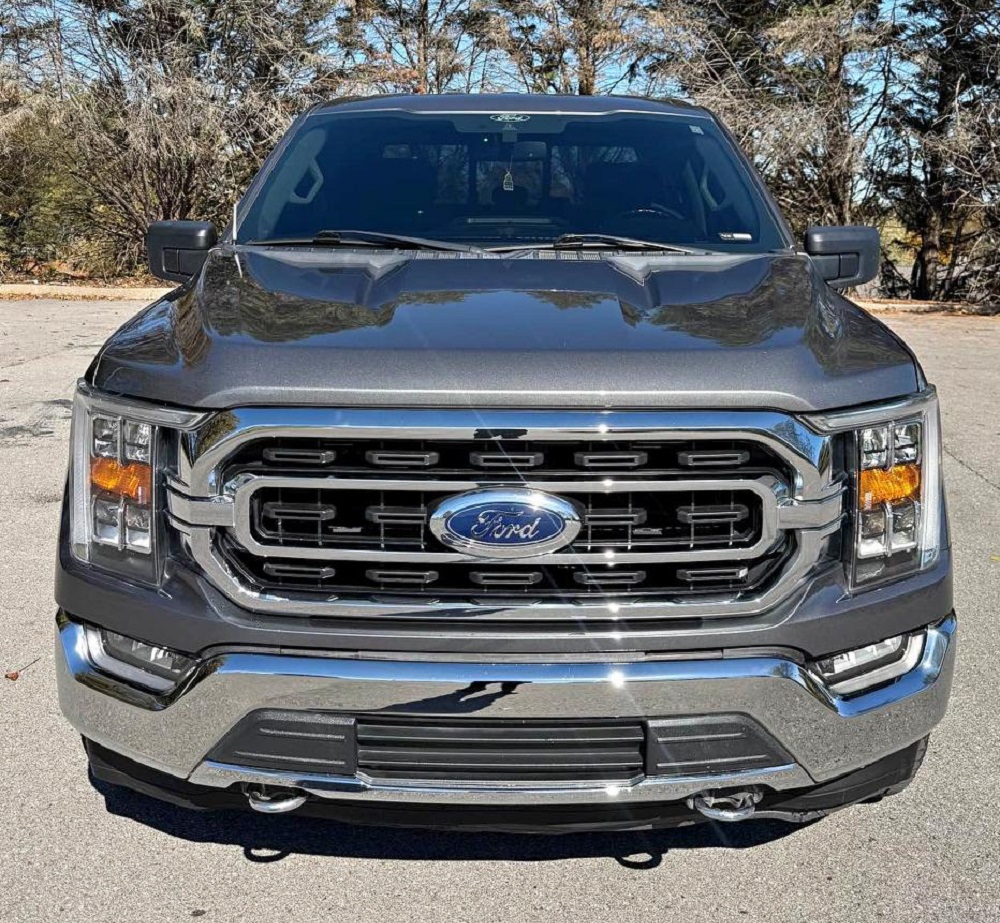
1. How Coyote engines evolved and why each generation fails differently
Gen‑by‑gen shifts that rewired the weak points
Gen 1 used port injection and iron sleeves. Strong block, weak timing. Tensioners lost pressure, chains stretched, cold starts rattled.
Gen 2 revised the heads, added IMRCs, and boosted midrange. It held up better, until flaps cracked and water pumps leaked.
Gen 3 changed everything. PTWA spray liners. Direct injection. Higher compression. More power, but oil burned, cylinders scored, and short blocks got tossed.
Gen 4 doubled down on complexity, wet-belt oil pumps, cylinder deactivation, dual throttle bodies. Stronger inside, but more to fail.
| Generation | Years | Major change | Gain | New risk |
|---|---|---|---|---|
| Gen 1 | 2011–2014 | Port injection, iron sleeves | Mod-friendly, solid block | Chain rattle, weak tensioners |
| Gen 2 | 2015–2017 | New heads, IMRC, better cams | Best daily/tow balance | Intake flap breaks, pump seal leaks |
| Gen 3 | 2018–2020/23 | PTWA, PFDI, 12.0:1 compression | Big power, clean valves | Oil use, scoring, fewer rebuild options |
| Gen 4 | 2024+ | Wet-belt, VDE, twin TBs | Stronger internals, better flow | Pump failure, added system complexity |
Why Mustang and F‑150 Coyotes break in different ways
F-150 Coyotes focus on torque and load. Long-runner intakes, low-lift cams, cast manifolds, extra cooling. Their IMRCs cycle nonstop and crack sooner. Pumps fail hot. Overheat risk is higher.
Mustangs chase rpm. High-lift cams, short runners, tubular headers. Valvetrain gets hammered. Springs float, phasers stick, oil thins out up top.
| Part | Mustang spec | F‑150 spec | Weak link |
|---|---|---|---|
| Cams | Higher lift, longer duration | Lower lift, torque‑biased | Mustang phasers and springs wear sooner |
| Intake | Short runners | Long runners with IMRC | F‑150 flaps crack, linkages seize |
| Exhaust | Tubular headers | Cast iron manifolds | Mustang gaskets suffer from heat load |
| Use case | Higher sustained rpm | Hauling, stop‑and‑go heat | Different stress paths, same failures |
Shared architecture, shared demands
Every Coyote runs tight-tolerance DOHC heads, oil-fed Ti-VCT, and chain-driven cams. They rely on clean oil, solid pressure, and steady cooling. Skip maintenance, and phasers skip timing. Miss a coolant leak, and the heads warp.
Chains slap before they snap. Tensioners lose pressure before they fail. These engines warn you first, but only once.
2. Timing chains, phasers, and valvetrain noise
Cold-start chain rattle and tensioner bleed-down
Gen 1 and early Gen 2 Coyotes had soft primary tensioners. Park hot, start cold, and the chains slap the guides. The rattle’s loudest in gear at warm idle or on hot restart. Ford’s fix came in TSB 12-03-01, updated tensioners, guides, and arms.
If chains stretch or jump, it’s game over. Coyote is an interference engine. One skipped tooth and the valves meet the pistons. Aftermarket limiters help. So do full chain kits with new guides and phasers. Wait too long, and it costs a short block.
Phasers and Ti-VCT solenoids losing control
Ti-VCT lets each cam swing timing independently using oil-fed phasers and spool valves. Dirty oil gums the solenoids. Aerated oil triggers erratic cam movement. At idle, it stumbles. Off-throttle, it hesitates. Codes pop: P0011, P0022, cam correlation faults.
Sometimes a flush and new solenoids clear it. But once the phaser gear wears or sticks, only a full front-end tear-down solves it. Most failures show up after 80,000 miles, especially with long oil intervals or weak viscosity.
What’s real tick and what’s just Coyote noise
All Coyotes tick. Some sound like a typewriter at idle, especially hot. Ford calls it “normal” under SSM 47309. But not every tick’s harmless.
Theories accumulate: rod side play, skirt slap, PTWA resonance, additive loss after factory fill. Real problems tick louder. Lifters wear. Followers pit. Guides collapse. If the tick’s constant, rhythmic, or gets worse with load, don’t write it off.
If oil pressure’s steady, chains are tight, and it only ticks warm with no power loss, it might live forever. But if cold starts clatter, codes store, or it starts idling rough, you’re already late.
3. Gen 3 and Gen 4 oil consumption and PTWA cylinder wear
PTWA liners changed the rules, and rebuild limits
Starting in 2018, Ford ditched iron sleeves and sprayed the bores with PTWA, a plasma-transferred wire arc liner. It cut weight and ran cooler. It also made the walls thinner, harder to repair, and less forgiving of heat or ring problems.
One skipped hone pass or loose piston can shred the liner. That turns into oil burn or scoring. And you can’t bore PTWA. Most shops replace the whole short block when it fails.
| Trait | Cast sleeves | PTWA liners |
|---|---|---|
| Heat handling | Slower transfer | Fast heat rejection |
| Rebuild options | Hone, overbore, re-sleeve | None, block usually replaced |
| Tolerance margin | Forgiving | Unforgiving, needs perfect seal |
| Failure mode | Gradual wear | Abrupt scoring, rapid oil loss |
Gen 3 oil burn, DFSO vacuum, and TSB 19-2365
The 2018–2020 Coyote had a deep oil problem. Decel fuel shutoff (DFSO) created high vacuum during lift-off. That vacuum sucked oil past valve guides and rings. On Gen 3 blocks with tight liners and hot rings, that led to fast loss and glazed cylinders.
Ford issued TSB 19-2365: update the PCM, revise the dipstick, change the oil. In many trucks, it worked. But if damage had already set in, no software fix could reverse the burn.
How to spot the line between normal use and ring failure
Some oil use is expected. One quart every 2,000 miles can be normal on Gen 3. But if it’s closer to 1,000 miles, or blue smoke hits on lift-off, you’re past software. Look at plugs for crust, scope the walls for scoring, and run a compression/leakdown test.
Good Coyotes hold tight numbers and burn clean. Weak ones show uneven cranking, oil-fouled plugs, and mirrored bores. That’s when you push for a short-block under warranty, or brace for a $7,000 rebuild.
4. Induction and airflow problems: IMRC flaps, CMCV hardware, and carbon
Broken flaps, cracked arms, and codes that sideline power
The Coyote’s intake uses IMRC or CMCV flaps to control airflow at low rpm. The setup works, until it doesn’t. Heat cycles wear the plastic arms. Bushings loosen. Eventually the flap sticks open or jams shut.
Codes follow: P2004–P2007. When stuck open, torque dies down low. When stuck closed, it won’t rev past 4,000. F-150s see it more than Mustangs. The longer runners cycle flaps more often under tow or daily stop-start loads.
The manifold’s sealed. If the arms crack, the whole intake usually needs replacing, unless you lock it out.
Lockout kits exchange low-end grunt for peace of mind
IMRC lockout plates hold the flaps wide open. No more sticking. No more codes. But there’s a compromise. You lose air tumble at low speed, which hits torque and idle quality unless the tune compensates.
Lockouts fix the failure, but cost low-end torque. For stock trucks or daily Mustangs, working flaps are better. Without a proper tune, lockouts can trigger limp mode or stumble. Some ECUs adapt. Others don’t.
Why carbon still builds, even with port injectors
Gen 3 and 4 use dual injection. Port spray helps clean valves, but only at certain loads. Cold starts, EGR load, and short trips still lay down soot.
High-mile Coyotes can stumble at idle, misfire part throttle, or lose mpg from carbon buildup. Walnut blasting clears it, but rarely before 100,000 miles. Earlier if it idles all day or never sees highway pulls.
5. Cooling system weak spots: T‑connectors, water pumps, and overheat risk
Leaky T‑connectors and silent coolant loss
The plastic T-connector near the thermostat housing hides a small O-ring that starts the trouble. Once it dries, it seeps. Owners top off coolant and drive, but the leak keeps losing pressure.
Low coolant pulls air into the heads. Temps climb, fans stay on, and the engine runs hot even with no dash warning. Ford revised the part. The smart fix replaces the whole housing, not just the seal.
Pump failures follow a mileage pattern
Ford used two water pump designs across Coyotes: early 4-bolt and later 3-bolt. Both fail. Bearings grind. Shafts wobble. Coolant stains the timing cover or sprays the belt.
Gen 4 pumps are better, but still show weep-hole leaks by 90,000 miles in early data.
| Pump type | Common use | Failure range (mi) | Symptoms |
|---|---|---|---|
| 4-bolt (Gen 1–2) | Mustang / F‑150 | 80,000–120,000 | Bearing grind, sudden seizure |
| 3-bolt (Gen 2–3) | Mostly F‑150 | 90,000–140,000 | Seal leaks, belt spray |
| Gen 4 revised | Late F‑150/S650 | TBD (data early) | Weep-hole stains, odor under hood |
What heat does to heads, gaskets, and timing
When temps spike, the Coyote’s aluminum heads warp fast. Gaskets creep, oil thins, valve seats loosen. What starts as a $20 O-ring ends in a blown gasket and timing failure.
Heat destroys phasers and tensioners. Oil aerates, VCT loses authority, chains slap, and codes start accumulating. One bad overheat doesn’t always ruin the engine. Two in a row usually does.
6. Fuel system and high-pressure hardware recalls
HPFP, injector, and rail problems that mimic spark issues
Gen 3+ Coyotes run dual injection with a cam-driven high-pressure fuel pump (HPFP). That pump hits 2,900 psi, but when the seal leaks or the plunger sticks, pressure drops and symptoms hit hard, stumble, hesitation, and lean trims.
Bad injectors can show up as misfires, but they’re often blamed on coils or plugs. The wrong spray pattern or a leaking tip will foul plugs, wash rings, and cook O2 sensors. On F-150s, it shows up most after long idle or hot restart.
Fuel rail leaks and pump recalls
In 2018, Ford recalled early Gen 3 Mustangs for fuel rail leaks, a defect that risked engine fires. Later F-150s saw a broader recall for low-pressure pump failures that led to random stalling.
Typical signs: fuel smell, long crank, stall after warm soak, and stored low-pressure faults. Repairs usually cover the rail or pump, not the injectors or HPFP. After recall work, owners still eat the cost if injectors or pressure sensors fail later.
Don’t throw coils at a fueling issue
Misfires from weak fueling often feel like ignition faults. Don’t guess. Watch fuel trims and rail pressure. If trims swing lean under load and spark checks out, the pump or rail is the weak link.
Tossing new coils at a lean stumble just buys time, and covers up the real failure until it’s worse. Always check pressure before parts.
7. New tech on late Coyotes: wet‑belt oil pumps, VDE, and dual throttles
Wet‑belt oil pumps: quiet until they fail loud
In 2021, the F‑150’s 5.0 got a wet-belt–driven oil pump. The belt runs in the sump, submerged in hot oil. It’s quiet, efficient, and impossible to inspect without pulling the motor.
When it fails, it shreds. Belt fibers clog the pickup, pressure drops to zero, and the engine destroys itself in seconds. There’s no warning. No noise. Just lights, then silence. Ford calls it “lifetime,” but teardown shops are already flagging failures before 150,000 miles.
| Oil pump drive | Platform | Service access | Failure impact | Risk level |
|---|---|---|---|---|
| Wet belt (in sump) | 2021+ F‑150 | Engine-out for access | Instant loss of oil pressure, engine ruin | High |
| Gear drive (front) | Mustang / Gen 1–3 | Front cover removal | Gradual wear or failure, no belt debris | Moderate |
VDE hardware adds heat and teardown traps
Variable Displacement (VDE) dropped into the F‑150 in 2021, Mustang in 2024. It uses special rockers and solenoids to shut down four cylinders under light load.
Ford skipped GM-style lifters, which helps. But early teardown reports point to uneven thermal load, higher valve temps, and specific reassembly traps. Rockers must stay matched to lifters. Mix them up, and you’ll wipe a lobe on restart.
Cylinder deactivation saves gas. It also adds oil-circuit complexity and long-term sealing risks.
Twin throttle bodies = more air, more problems
Gen 4 Mustang 5.0s run dual 80 mm throttle bodies with two mass airflow sensors. Great for flow. Bad for mismatches.
One glitch, MAF skew, throttle body fault, or failed scaling in a tune, and it falls into limp mode. Expect correlation codes, dead pedal, or power loss mid-pull. Aftermarket intake swaps only make this worse if not tuned right.
8. Real‑world reliability patterns by generation
What fails first: trucks vs Mustangs
F‑150 Coyotes get worked. Towing, heat soak, idling in traffic. They chew through coolant T‑connectors, IMRC flaps, and oil pumps first. If ignored, that heat destroys phasers and tensioners by 120,000.
Mustangs break differently. Higher rpm stresses the valvetrain, chains, and PTWA bores. Oil pressure loss at the top end can score a cylinder before the dash lights up.
Most failures show up in the first 100,000 miles, if service is skipped or cooling runs hot too often. With clean oil and good cooling, both hit 200,000.
Best long‑term bet vs highest risk generation
Gen 2 still wins for all-around durability. No spray liners, no wet belts, no VDE. Just watch the water pump and intake flaps.
Gen 3 hits hard but destroys itself early if it burns oil or scores a liner. Gen 1 needs timing attention. Gen 4 has power and strength, but it’s too soon to trust, and the tech stack runs deep.
| Generation | Street reliability (stock) | Repair complexity | Parts cost / supply | Long‑term ownership score |
|---|---|---|---|---|
| Gen 1 | Good with timing done | Moderate | Excellent | Strong if overhauled |
| Gen 2 | Very strong | Moderate | Excellent | Best daily/tow combo |
| Gen 3 | Mixed (burners vs clean) | High (PTWA, PFDI) | Good, pricier | Risky if oil use starts early |
| Gen 4 | Early to call | High (VDE, wet) | Limited, expensive | Solid start, but watch data |
Mods and abuse flip the failure order
Coyote takes power well, but not forever on stock internals. Run it hot, skip the tune, or push past factory limits, and rings lift, oil burns, and timing slips.
Cheap tunes on high compression knock out bearings fast. Heat-soaked oil loses pressure, starving the heads. Once that happens, the tensioner fails quick.
Mild builds with proper maintenance can clear 250,000 miles. Overworked setups fail before 40,000. The engine responds to how it’s used, and it keeps the score.
9. Maintenance strategy and early warning signs that prevent big bills
Oil, coolant, and service intervals that actually work
Ignore the owner’s manual. Coyotes don’t run 10,000-mile oil intervals without accumulating damage. Run 5,000 max, full-synthetic only, with a high-zinc additive if it ticks. Use the right weight, 5W‑30 in hot climates, not 5W‑20 unless bone stock and mild.
Change coolant every 60,000 miles to protect plastic connectors, O-rings, and pump seals. Don’t wait for a leak. Once the pump starts weeping or the T‑connector seeps, temps climb and timing gets hammered.
Transmission matters too. Most engine complaints originate from a slipping 6R80 or 10R80. Change fluid by 60,000, no “lifetime” myth here.
Noises, smoke, and codes that mean stop now
Catch it early or pay later. These signs mean get under the hood:
• Cold-start rattle: Primary tensioner losing pressure. Chains might already be stretching.
• Blue smoke on lift-off: Oil pull from ring blow-by or valve guides, especially on Gen 3.
• IMRC/CMCV codes: Stuck flap, cracked arm, or vacuum actuator toast. Torque loss follows.
• VCT correlation faults: Dirty oil, worn phasers, or aerated pressure. Timing is already off.
• Hot running, no leak visible: Air pocket from low coolant or failing pump. Heads are at risk.
Each of these links to a known failure path. Don’t clear the code and drive. Fix it or tow it.
When to rebuild, replace, or walk away
If you’ve caught it early, a timing refresh, water pump, and VCT solenoids can save the motor. That runs $2,000–$3,000.
If the PTWA liners are scored or it’s eating a quart every 500 miles, it needs a short block. Ford remans aren’t cheap, but they’re cleaner than sleeving. Gen 1 and 2 can be rebuilt. Gen 3 often can’t.
Don’t throw money at a high-mile Gen 3 with oil in the intake and compression down a hole. But if the chassis is clean and the engine’s still quiet, rebuilds are worth it, especially for Mustangs with rising resale.
Sources & References
- Evolution Of Ford’s Coyote V8 Engine – Velocity Restorations
- Mustang 5.0 Coyote Engine Generations Compared – LMR – Late Model Restoration
- Ford 5.0L Coyote Engine: Power, Evolution, & Key Specs Explained – Autoblog
- Coyote Swap Guide Part 2: Differences Between The Generations – FordMuscle
- The Ultimate Guide to Ford Coyote V8 – Swaps, Performance Parts, History, and Tech
- 5.0 Coyote Engine Problems – CoPilot for Car Shopping
- 5.0 Coyote Engine Problems And What To Look Out For – CarBuzz
- Ford F150 5.0 Engine Problems – What to Look Out For – Newparts.com
- How Reliable Is Ford’s 5.0 Coyote Engine? Here’s What Owners Say – SlashGear
- 5.0L Gen 4 Mustang Crate Engine – Auto | Accessories | Ford.com
- Are the 3rd gen 2018-2020 5.0 Coyote issues enough to not pull the trigger on one? – Reddit
- 2024 Mustang 5.0L Ti-VCT V8 Engine Overview – Dorian Ford
- Ford 5.0 Coyote Engine (V8) – Specs, Reliability & Issues Explained …
- The Definitive Ford 5.0L Coyote Engine Guide: Info, Power, Specs, Mods & Everything in Between | Lethal Performance
- Plasma transferred wire arc thermal spraying – Wikipedia
- 2020 – 5.0: concerns?? : r/f150 – Reddit
- What Makes The F150 Coyote Engine Different? – LMR.com
- IMRC system – How it works and its impact on your truck. – OZ Tuning
- Understanding the Issues with Ford Timing Chains: A Look at Affected Years and Problems
- 5.0L—INTERMITTENT METALLIC RATTLE OR TSB 12-3-1 SCRATCHING TYPE NOISE—WARM ENGINE AT IDLE
Was This Article Helpful?