
Tick. Stall. Misfire. The 5.7 Hemi shows its cracks out loud, no warning light, no mercy. Cam lobes grind flat, lifters seize, and oil pressure falls off while the engine pretends it’s fine.
The block can take a beating. The top end can’t. Weak MDS lifters, shallow oiling angles, and heat cycles wear it down, especially in trucks that idle too long or stretch oil changes past safe.
This guide hits every failure point that matters. Lifter design, exhaust warpage, cooling flaws, phaser rattle, it’s all here, with real-world clues and the upgrades that help a 5.7 last.
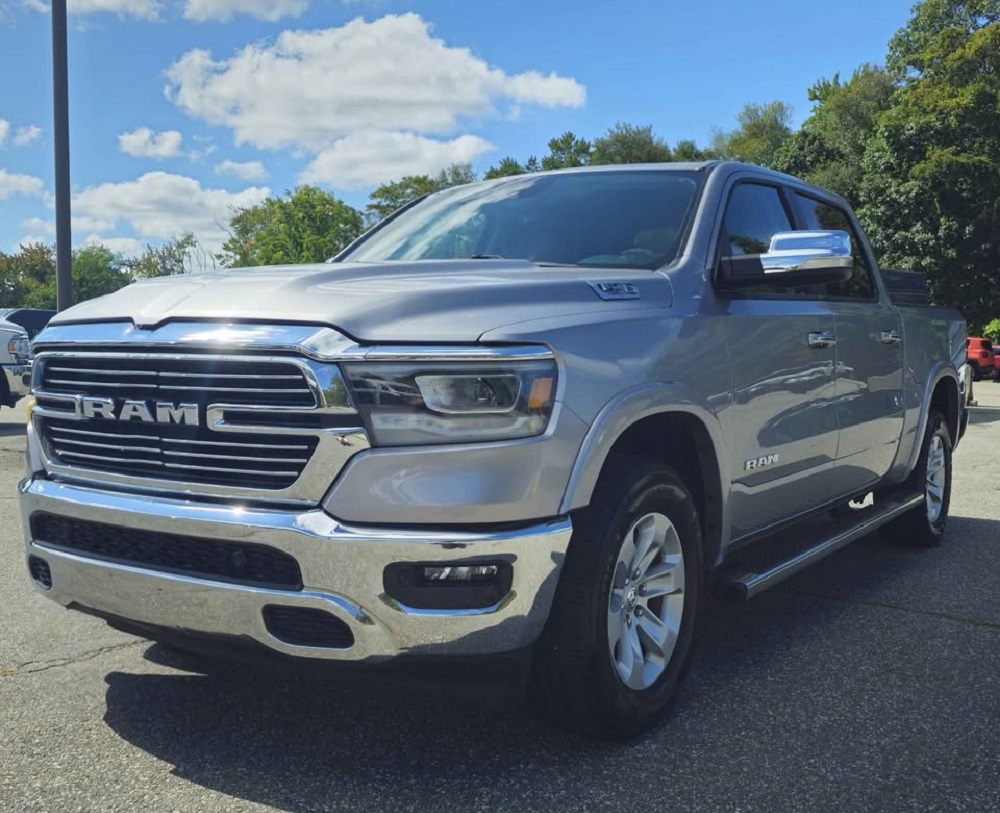
1. How the Gen III 5.7 Hemi is built, and where its weak links live
Block strength, bottom-end upgrades, and the Eagle split
The 5.7’s cast-iron block is deep-skirted with cross-bolted mains. It’s rigid, stable, and rarely the problem. Failures don’t start down low.
In 2009, the Eagle revision changed the top-end load. Chrysler added VVT, increased oil demand, and overhauled the crank, rods, and pistons. It wasn’t a full redesign, just enough to shift stress upward.
Eagle engines use different cams, lifters, and pumps. Look for a T in the 8th VIN digit or casting numbers like 53021319DK. Misorder parts across the split, and clearances don’t match.
High-mounted cam, dual plugs, and tight oil angles
Aluminum heads. Two spark plugs per cylinder. Larger valves and tighter chambers on Eagles. All of it boosts flow, but it runs hotter.
The cam sits high in the block, lifters nearly flat. Oil doesn’t splash that far. Flow depends on pressure. Long intervals, cheap filters, or worn pumps starve the top-end fast.
The oil path wraps around the block. Sludge or varnish anywhere in the gallery cuts feed to the valvetrain.
Built to haul, but not to idle or stretch service
Torque comes in low. The block handles heat, load, and heavy use without flinching. But the valvetrain rides the edge.
Cylinder deactivation, timing control, and emissions tuning all hammer the lifters. Idling builds heat. Dirty oil lingers in the lifter bores. Failures don’t wait for high rpm, they start when the engine’s barely working.
2. The true “Hemi tick”: lifter and cam failures that eat the engine from the inside
Roller size, needle count, and why MDS lifters fail more often
Early Gen III lifters used large rollers with more surface contact. The Eagle switch brought smaller needle bearings and a larger axle, less room for oil film, more pressure on the edge.
MDS lifters add more stress. They cycle constantly, locking and unlocking under oil pressure. Each shift adds side-load. The geometry already runs tight, but with MDS, lifters turn into wear points.
The oil gallery layout doesn’t help. With the cam high and lifters flat, oil has to work harder to reach and coat the rollers, especially at idle when pressure drops below 30 psi.
How a stuck roller takes the whole valvetrain down
The needle bearing runs dry. The roller freezes. From that moment, it grinds instead of spinning. Cam lobe wears flat. Shavings enter the oil stream.
That metal hits bearings, phasers, and sometimes the pump. The failure doesn’t stay in one spot. It spreads. Miss the tick early, and the engine becomes a parts grenade.
Engines with long idle time, poor oil service, or heavy towing show failure around 90,000–150,000 miles. But even clean units fail early if oil flow’s interrupted.
Tick, stumble, misfire, how to spot damage before it spreads
Real lifter failure doesn’t tick once. It stays, warms up, and gets worse. It’s deep, rhythmic, and usually on one side. Not the faint rattle of injectors or purge valves.
By the time it’s loud enough to hear outside the cab, it’s chewing metal.
| Failure phase | Driver hears / feels | Common scan-tool findings |
|---|---|---|
| Early | Light tick at hot idle, smooth power | Often no codes |
| Middle | Loud tick, rough idle, light stumble | P0300 or single-cyl P030X |
| Late | Severe loss of power, stalling, backfire | Multiple misfires, low compression |
Driving in the middle or late phase sends metal through the system. Most top-end repairs come too late to skip a full teardown.
3. Exhaust manifold bolt failures and the fake tick that fools everyone
Why the rear bolts snap first, every time
Iron manifolds bolt to aluminum heads. Heat cycles twist them apart. The iron expands slower, the aluminum faster, and the bolts take the hit. Rear ports soak the most heat, so rear bolts crack first.
Even trucks with low miles and clean service records get this. The ticking starts cold, quiets when hot, then comes back days or weeks later. Most owners blame it on lifters. Most shops know better.
Once the leak opens, the manifold warps. Bolts don’t torque flat anymore, and every cycle widens the gap.
Manifold tick vs. valvetrain tick: spotting the difference
Manifold leaks puff sharp and fast. The sound fades as the metal expands. Lifter ticks thump deeper and stay hot.
You can feel a manifold leak. Cold start, hand by the flange, mirror at the rear port. Soot trails show up quick. The valvetrain gives no such clues, just codes and noise.
| Clue | Manifold leak | Lifter / cam failure |
|---|---|---|
| Noise when cold | Loudest cold, often fades hot | Often present hot and cold |
| Location | Outside head, near rear ports | Deep in valley / valve cover |
| Scan-tool codes | Often none, maybe fuel trim shifts | Misfire codes, sometimes cam/crank codes |
| Fuel economy / trims | Rich trims, slight MPG drop over time | Noticeable power loss, harsh running |
Why leaving it ticking causes more than noise
Unmetered air at the O2 sensor leans the signal, causing the PCM to add fuel. While this can lead to rich conditions and catalytic converter wear over time, it rarely reaches the severity of ‘fuel washdown’ seen in major injector failures.
Push it harder, and the excess fuel torches the catalytic converter. That heat tracks back into the head, sometimes through to the HVAC plenum. CO finds its way in. It’s not just loud. It’s dangerous.
4. MDS cylinder deactivation: fuel savings, lifter stress, and delete choices
How MDS locks and unlocks under oil pressure
MDS uses special lifters with internal locking pins. When oil pressure hits the pin, the lifter collapses. That cylinder shuts its valves but keeps firing the piston.
The solenoids live in the valley and route high-pressure oil on command from the PCM, though a low-pressure bleed maintains basic lubrication even when inactive.
Under steady cruise, four cylinders shut off, 1, 4, 6, and 7. MDS kicks in at light throttle, warm temps, and constant speed. Most trucks hit V4 dozens of times every drive, whether you notice or not.
It only works clean if the oil is the right grade and pressure. 5W-20, clean, and full. Anything less gums the system or triggers codes.
Why MDS lifters die early, and how they take others with them
MDS lifters cycle more. They’re built differently inside and fail faster. The pins stick, the rollers seize, and the cam lobe starts grinding. Oil debris from that single lifter doesn’t stay local, it spreads.
Once metal enters the gallery, it plugs solenoids, triggers other lifter failures, and cuts flow to other bores. The tick may start on one bank. It often ends with multiple cylinders down.
Codes can vary: misfires, VVT faults, or oil control errors. Some trucks stall. Others just run rough and burn more fuel.
Tuner-off vs mechanical delete, what actually removes the risk
Turning off MDS in software (via tuner, Sport mode, or Tow/Haul) stops the PCM from commanding deactivation. But the hardware stays. The lifters still cycle. The pins still risk locking up.
Full delete means pulling the heads. Replace MDS lifters with non-MDS units. Plug the valley. Swap in a matched cam. Then retune so the PCM stops trying to command the solenoids.
That’s a $2,500–$5,000 job depending on labor and parts. Worth it on long-term rigs, heavy haulers, or engines already apart for lifter failure. Halfway fixes don’t stop the damage.
5. VVT and oil-pressure-driven timing problems
Cam phasers rely on oil, and fail fast when pressure drops
The 5.7’s cam phaser adjusts timing on the fly. A solenoid feeds pressurized oil to a gear bolted on the front of the cam. Advance or retard depends on oil flow, not electronics alone.
Dirty oil clogs the screen in the solenoid. Thin oil can’t hold the phaser steady. Low hot-idle pressure lets the gear drift. At that point, timing doesn’t just wander, it lags.
Once wear sets in, the phaser stops holding position. Idle gets rough, midrange turns lazy, and knock sensors start pulling spark.
Real symptoms when VVT fails, not just misfires
When the phaser sticks, throttle feels delayed. Idle might shake. Clatter from the front cover means the phaser’s slamming around, not moving clean.
Scan tools show P0011, P0016, or P0017 when cam angle commands don’t match real-time readings. If those codes bounce around with oil temperature, it’s often phaser wear, not a sensor fault.
Misfire-style driveability shows up next: inconsistent torque, fuel trims shifting, or sudden throttle dips. At that point, timing’s floating beyond what spark and fuel can hide.
When solenoid swaps work, and when they don’t
A clean solenoid and fresh oil can fix timing faults, if the phaser still locks in. Solenoids are cheap. Replacing one takes minutes.
But if scan data shows delayed response, hunting angles, or flat-line commanded vs actual cam position, the phaser’s gone soft. A solenoid won’t fix that. Neither will thicker oil.
Engines showing both phaser lag and a tick at the same time usually need top-end teardown. That’s not a software glitch, it’s mechanical wear stacking up.
6. Cooling system weak links: water pump, coolant flow, and Hemi heat
Water pump leaks, impeller faults, and early signs of heat soak
Most failures start at the shaft seal. Dried crust below the weep hole is the first red flag. Bearings follow. If the pump howls with RPM, the bearing’s already chewing itself apart.
Some pumps use plastic impellers. When those loosen or erode, flow drops, without a single drop of coolant leaking out. The temp gauge might stay quiet while the heads start cooking.
Engines with weak flow often run fine until climbing a grade, idling in heat, or towing heavy. Then the temp jumps fast, the fan screams, and power drops.
Recalls, pinholes, and flow restrictor fixes
Recall 17V562000 hit certain Ram HDs with fire-risk pump leaks. That’s the high-pressure side failing. But newer TSB 07-58-B1-82 flagged pinholes forming in the oil cooler from coolant cavitation, especially on 2024–2025 Durangos.
The fix? Flow restrictors. Mopar issued revised hoses to cut velocity and stop the coolant from carving holes in the aluminum.
Used truck buyers should check VINs for these campaigns. Odd coolant drops, bubbles in the reservoir, or unexplained overheating may point to missed updates.
Small leaks ruin heads, why prevention matters on the 5.7
The 5.7 doesn’t forgive heat creep. Run it warm too long, and valve seats drop. Coolant in the chamber follows.
Check the weep hole. Watch the overflow history. Listen for fan clutch roar or silence when hot. Even a slight low-flow condition builds chamber heat fast.
Work trucks need real fixes: metal impeller pump, clean condenser, and correct coolant mix. These engines don’t warn twice.
7. Electronic throttle, lightning bolt warnings, and limp-mode false alarms
Pedal to PCM to throttle body, how the system talks
The 5.7 uses a drive-by-wire setup. No cable. The pedal has two sensors. The throttle body has two more. The PCM checks both sides for agreement, every second.
If signals drift or voltage drops, the system panics. The dash lights up with a red lightning bolt. Throttle shuts down. Limp mode locks in.
Weak batteries, corroded grounds, and cheap parts cause more failures than bad driving. A solid connection matters more than miles.
The warning feels like engine death, but isn’t
Sudden loss of power, throttle cut, and no warning codes until you scan. Most think it’s a blown engine. It’s not.
Common faults: dead pedal sensors, dirty or sticking throttle blades, or worn-out throttle motors. PCV sludge gums up the blade. Cheap rebuilds throw bad signals. Even a dying alternator can trip it.
Codes like P2101, P2110, or P2118 usually mean the system’s trying to protect itself, not that the motor’s gone.
When cleaning helps, and when you’re chasing ghosts
Clean the throttle every 30,000 miles. A soft rag, throttle-safe cleaner, and a steady hand keep the blade moving right. Skip it, and carbon will wedge it open or shut.
Disconnect the battery after cleaning. Let the system relearn. If not, expect ghost codes and erratic idle.
If ETC codes keep returning, the throttle body or pedal needs to go. High-mileage trucks with repeat limp mode events usually need both. Cheap fixes don’t hold.
8. Preventative strategies and upgrades that keep a 5.7 Hemi out of the scrap pile
Oil that protects the top end, and what doesn’t
Factory spec is 5W-20, but that only works if everything’s clean and tight. High-mileage Hemis or ones with MDS deletes live longer on 5W-30 or 0W-30 full synthetic.
Change intervals matter more than brand. Skip the oil-life monitor. Run it 3,000–5,000 miles, max. Engines with lifter failures almost always show sludge or varnish around the valley.
Filters need a silicone anti-drainback valve and real flow control. The valvetrain doesn’t get second chances on dry starts.
When a high-volume pump earns its keep
HV pumps push more oil up top, especially at idle. That keeps the cam and lifters fed when stock pressure starts dropping.
They’re not band-aids for worn bearings. But on heavy-use rigs, tuned engines, or after a cam/lifter job, they tilt the odds back in your favor.
| Pump option | Engine fit / focus | Benefit for a problem-prone 5.7 Hemi |
|---|---|---|
| Melling 10342HV | Early 5.7 / 6.1 performance builds | ~20% more volume, higher pressure, better top-end feed |
| Melling 10452HV | 2009+ Eagle with VVT | HV design tailored to VVT oil demands |
| Melling M452HV | 2009+ 5.7 and 6.4 trucks, high mileage | Extra volume for worn clearances and work use |
Bolts, modes, and checks that save engines before they fail
Use upgraded bolts and spacers on exhaust manifolds. Factory hardware doesn’t survive the heat cycles, no matter how careful the install.
If you keep MDS, don’t stretch oil changes or skimp on pressure. If you delete it, go all in, cam, lifters, tune. Halfway fixes break later.
VVT and ETC issues start small. A rattle. A delayed throttle. A weak idle. Handle those early, or they turn into teardown jobs.
9. How the 5.7 Hemi’s problems compare with GM 5.3 and Ford 5.0 Coyote
Specs, layout, and how each V8 is built
All three are workhorse V8s, but built on different ideas. The Hemi and 5.3 stay pushrod. The Coyote runs dual overhead cams.
The Hemi’s iron block adds weight but handles heat and torque. GM’s 5.3 mostly runs aluminum. Ford keeps it light and high-revving. The Hemi slots in between, torque-rich but tight on top-end margin.
| Metric | 5.7 Hemi (Ram/Chrysler) | GM 5.3 (LS/LT family) | Ford 5.0 Coyote |
|---|---|---|---|
| Layout | OHV, pushrod | OHV, pushrod | DOHC, 4-valve |
| Block | Cast iron | Mostly aluminum | Aluminum |
| Displacement | 5.7 L | 5.3 L | 5.0 L |
| Typical hp range | ~345–395 hp | ~320–355 hp | ~400–480 hp |
| Typical torque | ~390–410 lb-ft | ~380 lb-ft | ~410–420 lb-ft |
What fails first, and how the damage spreads
The 5.7 Hemi drops lifters, chews cam lobes, snaps manifold bolts, and struggles with MDS-related wear. Cooling and ETC issues stack late in life.
The 5.3 fights AFM collapse and oil consumption. Timing chains stretch on some years. DOD deletes are common, and high-mile versions often come in burning a quart per 1,000 miles.
The Coyote skips lifters entirely. Instead, it sees chain and phaser wear, especially when oil pressure sags or tensioners fail. Some model years eat oil. Others survive 300,000 with basic care.
When the Hemi still makes sense, and where to tread carefully
Clean 5.7s with records still make sense for towing, long highway runs, and simple rebuilds. The aftermarket is deep. The block holds boost if the tune’s right.
But never buy one with a tick, misfire history, or ETC ghosts. If it’s had repeat manifold jobs or shows hot-idle stumble, expect top-end work. These engines run strong, until they don’t.
Sources & References
- Everything You Wanted to Know About Gen III Hemi Engines – Holley Motor Life
- 2009+ Mopar Gen. III 5.7L Hemi Eagle Engine Guide: Bore & Stroke, Cylinder Heads, Cam Specs & More – OnAllCylinders
- Chrysler Hemi engine – Wikipedia
- GEN III HEMI® Quick Reference Guide Part II …
- 5.7L HEMI Engine Specs, Reliability & Upgrades (2026) – EGR Performance
- Gen3 HEMI Lifter Failure Tech Article by MMX
- The Fatal Flaw of the 5.7L Eagle Hemi V8 Engine Fully Explained (2009+ Lifters and Camshaft Failure) – YouTube
- 5.7 HEMI Camshaft/Lifter Class Action : r/Dodge – Reddit
- 5.7 Hemi lifter failure at 160k. Zero sludge. I don’t think extended oil change intervals caused this. Thoughts? : r/Justrolledintotheshop – Reddit
- Oil Pump replacement for 5.7 to prevent Lifter/Cam issues? : r/ram_trucks – Reddit
- 5.7 Hemi lifter/cam concerns.. : r/ram_trucks – Reddit
- 2017 Ram 1500 5.7 L low oil pressure? : r/ram_trucks – Reddit
- Oil pressure : r/ram_trucks – Reddit
- What oil is best for 5.7 hemi (2011 if that matters) to avoid a lifter tick/failure – Reddit
- Best and Worst Years of the Dodge Ram 1500
- 3 Signs It’s Time For An Exhaust Manifold Repair: Replace & Repair Broken Bolts
- Hemi Exhaust Manifold Issues – REV Outfitters
- 2019 Dodge Ram – how safe to drive with broken exhaust manifold bolts? : r/ram_trucks
- The Top 5 Symptoms of an Exhaust Manifold Leak — And What to …
- What is P0016 & How to Solve It? – Clue Insights
- Fixing the 5.7L Hemi Exhaust Manifold Tick: Causes & Solutions – BD Diesel Performance
- The Best MDS Delete Kits for Your 5.7 HEMI: A Comprehensive Guide – Oreate AI Blog
- How do I delete the MDS on my Gen 3 Hemi engine? – Help Center
- Do u guys turn MDS off? And if you do. When do u do it? Before driving or while driving? : r/ram_trucks – Reddit
- Preventative maintenance 5.7 Gen 3 hemi : r/Dodge – Reddit
- The BEST Prevention For Hemi Lifter Failure! (In My Opinion) – YouTube
- Recommended tune for removing cylinder deactivation on a Ram 1500? : r/ram_trucks – Reddit
- 5.7L HEMI MDS DELETE ENGINE | Fraser Engines and Transmissions
- Variable Timing Solenoid Replacement Cost – AutoZone.com
- Ram 1500 Variable Valve Timing Control Solenoid Replacement Cost Estimate – RepairPal
- Bad VVT Solenoid Symptoms: What You Need to Know – In The Garage with CarParts.com
- Is Your VVT Solenoid Acting Up? Common Indicators to Watch For – Foxwell
- Dodge Ram 1500 Variable Valve Timing (VVT) Solenoid Replacement Costs
Was This Article Helpful?