
Throttle taps. Engine climbs. Nothing grabs. The 545RFE quits hard. No warning, no limp feel; just a stuck gear, hot fluid, and a dash full of codes.
It shows up in early 2000s Rams, Jeeps, and Durangos, especially after towing, overheating, or a sloppy filter swap.
We’ll track the real failure points. Where the 545RFE was used. What its 3-planet layout handles. How line pressure drops burn clutches, why solenoid packs fail, and when it’s worth saving the unit, or walking away.
1. Where the 545RFE shows up and what its design is trying to do
Hard-working platforms that lean on the RFE
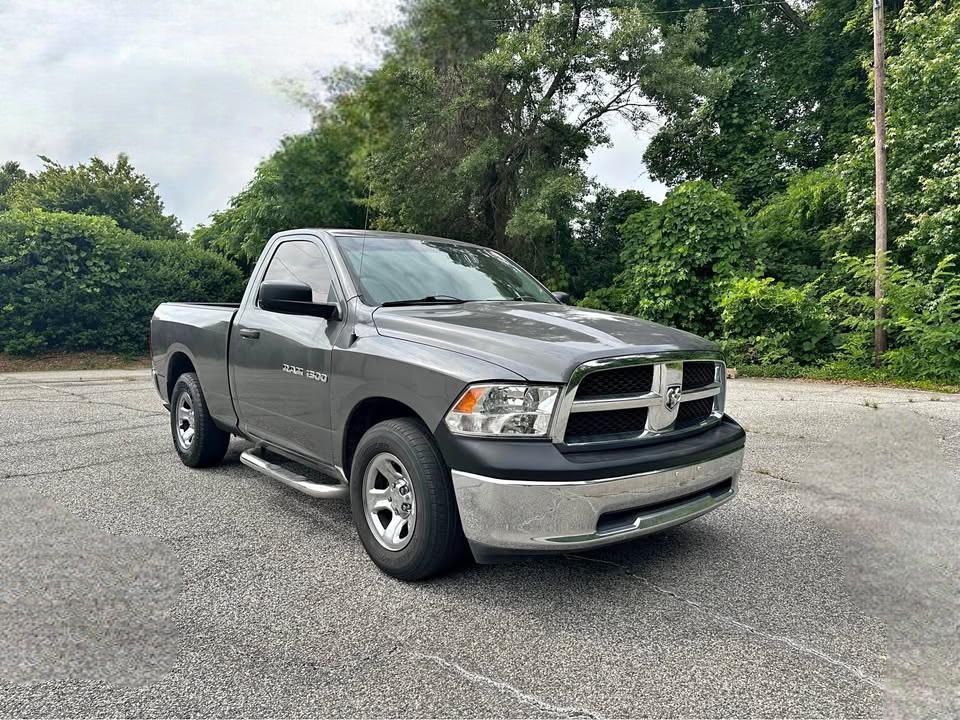
Chrysler didn’t hold the 545RFE for light duty. It showed up behind the 4.7L PowerTech, 5.7L Hemi, and even some 3.7L V6 setups across the early 2000s to 2012. You’ll find it in Ram 1500s, Dakotas, Durangos, and Grand Cherokees, mostly in rear-wheel-drive layouts with optional 4WD or AWD.
Towing and heat take the biggest bite. Pulling with the stock cooler in 100°F weather pushes fluid past 240°F fast. Short commutes in traffic don’t let it cool, and light wheeling in low range builds heat without moving airflow.
Once hot, the internal clutch clearances shift, pressure sags, and the TCM sees something it doesn’t like, usually late.
What made it worse was the reflash that turned the 45RFE into the 545RFE. Chrysler unlocked a second overdrive gear to cut cruise RPM, but the hardware didn’t change.
Same clutch packs, same thermal margin, just more time in high slip, low load zones. Overdrive burns first, especially on long grades or with oversized tires.
How the 3-planet layout controls what breaks first
The 545RFE packs three planetary gearsets. Most automatics only run two. That extra gearset lets it split ratios differently, and create “2nd Prime,” a highway kickdown gear between 2nd and 3rd. It’s not used in normal upshifts.
The layout runs six clutches: underdrive, overdrive, reverse, 2C, 4C, and low/reverse. Shifts happen clutch-to-clutch, no bands, no mechanical failsafes.
Every shift depends on hydraulic pressure holding steady and solenoids pulsing at the right moment. One circuit leak or pressure sag, and the whole handoff slips. That’s where most damage starts. OD clutches glaze when they’re asked to lock up at 200°F with barely enough line pressure.
The 3–4 and 4–5 shifts go lazy when the valve body bores wear, leaking between circuits. Add low fluid or a bad filter, and you’re asking the TCM to coordinate a ballet with two sprained ankles.
From 45RFE to 68RFE: the lineage and what changed
The 45RFE launched in 1999 as a 4-speed. By 2001, Chrysler added new shift logic and a second overdrive to create the 545RFE. Internals stayed the same.
By 2008, the 65RFE and 66RFE showed up, adjusting gear splits and software for newer Hemi trucks. 68RFE took the same bones, added capacity, and landed in Cummins diesels.
Here’s how they line up:
| Period | RFE variant | Used in | Known weak spots |
|---|---|---|---|
| 1999–2001 | 45RFE | Grand Cherokee 4.7 | Early solenoids, awkward shift maps |
| 2001–mid 2000s | 545RFE | Ram 1500, Jeep 4.7/5.7 | OD clutch burn, limp mode, thermal bypass |
| Mid 2000s–2010s | 545RFE, 65RFE | Hemi Rams, full-size SUVs | Valve body wear, filter issues, hot shifting |
| 2007–present | 66RFE, 68RFE | 2500/3500 with 6.7L Cummins | Line pressure loss, converter stall, OD slip |
2. Electronic control problems solenoid packs, wiring, and limp mode
Solenoid pack controls every clutch, and fails in packs
The 545RFE solenoid block bolts to the valve body and houses 6 on/off solenoids and 5 internal pressure switches. Each one fires a clutch, nothing moves unless these valves pulse right. The TCM watches engine RPM and fluid pressure to confirm the shift happened. If not, it ends the command and locks the trans in third.
Heat, vibration, and dirty fluid break these packs down. The internal circuit board warps, pressure switches stick, and solenoids short. A stuck or dragging valve means the TCM sees bad data, flags a mismatch, and pulls the plug. Once it’s in limp, nothing resets without a scan tool.
P0750 and friends, when solenoid A fails low reverse
Code P0750 means Shift Solenoid A isn’t pulling the low/reverse clutch. Sometimes that’s a dead solenoid. Other times, it’s chafed wiring near the bellhousing, corroded pins at the trans plug, or a power relay that’s dropped voltage under load.
Multiple solenoid codes at once, P0750, P0760, P0770, usually mean harness damage or ground loss. Rushing to swap the solenoid pack without doing voltage drop checks and resistance testing leads to repeat failures and wasted money.
Stuck in third, no lockup, how limp mode behaves
When the 545RFE gives up, it sticks in third gear, disables torque converter lockup, and flashes a cluster of DTCs. You might see no upshift, no downshift, and a fixed gear feel, even though the engine revs freely.
The TCM does this on purpose. If it sees a mismatch in shift timing, pressure, or speed ratios, it locks the trans to prevent further damage. A scan tool shows commanded vs actual gear, solenoid states, fluid temp, and line pressure. If those match and it still won’t shift, the solenoid block or valve body’s likely gone soft.
3. Hydraulic and pressure control issues that burn clutches quietly
When line pressure sags, overdrive clutches go first
The 545RFE watches line pressure through a rear-mounted transducer. The TCM compares that sensor to a duty-controlled solenoid and expects the numbers to track. If they don’t, it throws P0868 (pressure low) or P0867 (pressure fault).
Too little pressure, and the clutch packs slip. That heat wipes the overdrive and 4C clutches first. Signs show up fast: delayed engagement, long soft shifts, and flare between 3–4 or 4–5. Behind it, the pump may be scored, the regulator valve hung up, or the filter leaking air through a double gasket.
Pressure ramps should rise with load, when they don’t, it’s leaking
Duty cycle drops, pressure rises. That’s the normal trend. A flat or slow curve means trouble, either in the pump, filter, or valve body. Here’s what those numbers look like:
| Operating condition | Expected pressure | Duty cycle trend | Problem when off spec |
|---|---|---|---|
| Hot idle in drive, stopped | 40–60 psi | Mid to high | Low pressure = pump wear or leak |
| Moderate accel from stop | 100–120 psi | Mid to low | Slow climb = clogged filter, bad pump |
| Full stall in drive | 160+ psi | Low | Can’t hit = worn gears, regulator stuck |
| Highway cruise in 5th, TCC on | 70–85 psi | Mid | High pressure = harsh shifts |
Valve body wear, check ball shrink, and why plates matter
The valve body wears in hidden ways. Valves oval out their bores, regulators stick, and accumulator pistons start leaking past tired seals. If you’ve got a harsh 1–2 or lazy 3–4, start there.
Pre-2009 bodies ran seven check balls. After that, Chrysler dropped it to five. Swap a late plate onto an early body, or vice versa, and you’ll get stacked shifts, timing issues, or fluid cross-leaks.
Some check balls also shrink or crumble, which lets fluid bypass the circuit entirely. That triggers double clutch apply and violent shifts.
4. Thermal management problems bypass valves, overheated fluid, and fires
Bypass valve sticks, cooler gets nothing, fluid cooks
The thermal bypass valve mounts between the trans and cooler lines. Below 160°F, it loops fluid back to the pan to speed warmup. Once hot, it opens flow to the cooler. But when that valve sticks in bypass, fluid never reaches the cooler. Temps spike to 250°F and higher.
It’s common on tow rigs and city-driven trucks. The valve hangs up, the fluid darkens, and the clutches soak in heat. Even light use can turn into a full OD failure if the cooler never kicks in.
Overheat warnings, boil-over, and why some trucks caught fire
Drivers see hot trans warnings, random downshifts, or even boil-over from the fill tube. On 2005 Grand Cherokees, it got worse; hot ATF purged onto exhaust parts and ignited, triggering recall 05V-396. These weren’t rare events. Chrysler admitted over 100,000 vehicles needed recall inspection.
Bypass delete kits fix it. They force cooler flow full-time, keeping ATF moving no matter the temp. It’s a common upgrade on Rams and Jeeps that tow, haul, or run big tires.
Parts and pricing for cooler flow upgrades
Bypass delete kits run cheap. Bigger coolers and deep pans add headroom and help stabilize temps under load. Here’s what owners typically pay:
| Thermal upgrade setup | Parts cost | Labor cost | Best use case |
|---|---|---|---|
| OE bypass valve replacement | $40–$90 | $80–$150 | Stock driving, no load |
| Bypass delete + fresh ATF+4 | $100–$180 | $100–$200 | Mixed use, moderate heat |
| Delete + cooler + deep pan combo | $250–$500+ | $200–$350 | Heavy towing, lifted trucks, hot climates |
5. Service traps filters, ATF choice, and how bad maintenance looks like failure
Double gasket ends pressure and leaves the truck dead
The 545RFE runs two filters: a flat sump filter and a spin-on return filter that looks like an oil filter. The spin-on mounts into a machined bore with a rubber seal. When that old seal sticks in the housing and the new filter goes on top, it creates a double gasket.
That ends pump prime. No drive, no reverse, just whine and P0868 or P0944 for lost pressure. Happens right after a fluid change. The fix? Drop the pan again, dig the old seal out with a pick or extractor, and reinstall the filter right.
Wrong fluid shudders and confuses the TCM
ATF+4 isn’t optional; it’s tuned for the 545RFE’s friction needs and adaptive shift logic. Use Dexron or “universal” fluid, and you’ll get torque converter shudder, late lockup, or a hard 2–3 shift that mimics mechanical wear.
Chrysler’s TCM tracks how fast clutches fill and releases them based on fluid properties. Wrong viscosity or friction profile throws that logic off. Even with good clutches, the shifts feel cooked. Stick to MS-9602 fluid or a licensed match.
Missed intervals feed pump wear and glazed clutches
Skip fluid changes, and the debris loads up. Filters clog. Pumps lose efficiency. Clutches glaze. Overdrive goes first, fourth follows. The TCM starts adjusting for slip by upping Clutch Volume Index (CVI). That masks wear, until it can’t anymore.
Change fluid and both filters every 30,000 miles on trucks that tow, idle long, or run hot. That resets thermal load and prevents false failures blamed on soft pressure or flared shifts that could’ve been caught earlier.
6. Mechanical failures inside the 545RFE clutches, pump, and sprag
Overdrive and fourth clutches fry under heat and low pressure
The OD and 4C clutches handle highway load. They’re thin, carry torque in lockup, and run hot, especially if the bypass valve sticks or line pressure dips. Once they slip, they smear friction material into the fluid. You’ll see rpm flare between 3–4 or 4–5, no fifth gear, and burnt-smelling fluid full of glitter.
Swapping the valve body won’t fix it. Once the clutches are gone, the drum needs new steels and friction, sometimes a better backing plate, and a reset on adaptive CVIs.
Pump gear scoring and accumulator plate cracks hit shift quality
The pump runs a gear set inside a cast housing. High heat or dirty fluid scores the teeth, and internal cross-leaks open. That drops idle pressure and softens engagement. Add a cracked accumulator plate, and you’ll get a sharp bang into reverse or a jerky 2–3 upshift.
The plate flexes under pressure spikes. Factory units are thin. Good rebuilds use thicker plates and stiffer pistons to stop blow-by and cushion harsh events. Cheap jobs skip this, and it shows on the first drive.
Sprag fails, reverse vanishes, and launches go soft
The low/reverse sprag handles torque flow when backing up or starting in first. It’s a one-way clutch. When it cracks or spins free, you’ll lose reverse entirely, or feel a pulsing shudder backing up a hill. Some trucks also freewheel downhill like they’re in neutral.
Rocking in mud or towing uphill loads this part hard. Once it fails, it takes full teardown to reach. Most shops only do it during a full rebuild, since it’s buried behind every other clutch.
8. Diagnostics and adaptive data using CVI and scan tools to decide when it is “done”
CVI readings expose internal wear before the trans quits
Clutch Volume Index (CVI) tracks how much fluid the TCM needs to fill each clutch. Higher CVI means the piston is moving farther; usually because friction is worn or seals are leaking. It’s grouped by clutch: underdrive, overdrive, 4C, and low/reverse.
Normal ranges vary by unit, but sharp upward drift in one value flags a problem. If OD CVI climbs while others stay flat, that pack is going soft. You can catch that weeks before flare shows up or lockup drops out.
Road tests reveal whether the fault is electronic or internal
A clean road test starts cold, runs up to temp, and watches commanded gear, actual gear, line pressure, and slip rpm. If 3–4 always flares at 180°F but holds cold, it’s worn clutches. If it flares randomly across shifts, the solenoids are misfiring or the valve body is leaking.
Resetting adaptives after solenoid or valve body repair is critical. If you don’t, the TCM still uses old CVI data and shift logic; so it won’t relearn the new parts and may keep shifting wrong.
High CVI, burnt fluid, time to rebuild
If the OD or 4C CVIs are high, fluid is dark, and the truck tows or runs big tires, it’s time. You’ll be chasing pressure loss and shift delay forever until the packs finally drop out. That’s your rebuild window.
But if the fluid is clean, CVIs are stable, and a new solenoid pack brings clean shifts, run it. For fleets, tracking CVI creep and peak temps does more than guesswork ever will. Catch the dip before the drop.
9. Repair paths, costs, and how the 545RFE compares with later RFE units
Rebuilds, remans, or roll the dice with a used box
A field rebuild costs less up front and lets you spec upgrades; thicker plates, better steels, Sonnax or TransGo kits. But it depends on the builder. Cut corners, and it fails again fast.
A reman from outfits like Powertrain Products or Mopar runs higher, but they dyno-test, install all known fixes, and include longer warranties. Core return and shipping add time and cost.
A used unit from a yard is fastest and cheapest. That’s also the risk. Most are pulled unknown, already on their second failure, and loaded with mystery fluid.
| Option type | Installed cost (typical) | Warranty range | Upside | Main risk |
|---|---|---|---|---|
| Local rebuild | $2,200–$3,000 | 6–24 months | Tuned upgrades, local support | Depends on shop and parts used |
| Remanufactured | $2,800–$4,000+ | 2–5 years | Tested, updated internals | Core shipping, higher price |
| Used salvage unit | $1,200–$2,000 | 30–90 days max | Fast swap, lowest up-front cost | Unknown wear, repeat failures |
How newer RFE units evolved, but didn’t escape
The 65RFE and 66RFE brought revised ratios and better shift logic, especially for Hemi trucks. But they kept the same solenoid layout, valve body issues, and filter traps. Failures look familiar; pressure codes, limp mode, OD clutch wear.
The 68RFE beefed up internals for diesel use. More clutch plates, stronger sprag, larger converter. But it’s still line-pressure sensitive, still needs cooler upgrades, and still throws P0868 when the pump leaks or the filter seals wrong.
When the 545RFE is worth fixing and when it’s not
If the truck is clean, body’s straight, and the engine’s solid, a rebuilt 545RFE gives you another 100,000+ miles. Especially with upgrades, cooler flow, and tight fluid intervals.
But if it’s rusted, high mile, or already had one trans go out, the numbers may not work. A $3,500 rebuild on a $4,000 truck doesn’t pencil. Sometimes it’s smarter to swap in a used unit, unload it, or part it out.
Sources & References
- introduction chrysler 45rfe
- Chrysler RFE transmission – Wikipedia
- 545RFE Transmission Specs and Schematic
- So, Who Are These New Guys? Getting To Know the Dodge RFE …
- Everything You Need To Know About Our Remanufactured 545RFE Transmissions
- 545RFE Transmission: Key Features, Issues, and Specification – UPI Auto Parts
- This Odd Jeep Transmission Had Two Second Gears: Here’s Why – Jalopnik
- 45RFE to 545RFE TRANSMISSION hack to upgrade from 4-Speed to 5-Speed – YouTube
- 65-66-68RFE Comparison
- Code P0750: what it means and how to fix it – Sun Transmissions
- Diagnostic Trouble OBD Code P0750 – PartsAvatar.ca
- p0750 Code – Shift Solenoid “A” | KBB
- P0750 OBD-II Trouble Code (Shift Solenoid A Malfunction) – Advance Auto Parts
- P0750 Code: Shift Solenoid “A” – In The Garage with CarParts.com
- 99-04 Jeep Grand Cherokee: how to replace Transmission Solenoid Pack on a 45RFE transmission – YouTube
- P0868 Code: Transmission Fluid Pressure Sensor Low – In The Garage with CarParts.com
- 45RFE 545RFE 65RFE 66RFE 68RFE Solenoid Repair & Spacer Kit – Global Transmission Parts
- Generic Car OBD Error Code P0867 – PartsAvatar.ca
- Diagnosing Pressure Trouble Codes – Gears Magazine
- P0868 OBD-II Trouble Code: Transmission Fluid Pressure Low – YourMechanic
- P0868 Code: Diagnose & Clear Transmission Fluid Pressure Low – Circuit High with iCarsoft CR Pro S
- Sonnax Chrysler 545RFE Transmission
- Technical Service Information: DODGE 45/545RFE | PDF | Valve | Automatic Transmission
- RFE Valve Body Interchange – Gears Magazine
- Dodge Transmission Problems: Causes, Symptoms, And Solutions
- Clogged Transmission Filter Warning Signs (and How to Fix It)
- Thermal Bypass Eliminator Kit – SunCoast Performance
- Revmax 68RFE Transmission Cooler Thermostatic Bypass – Good Sam Community
- Thermal Bypass Eliminator Kit For 45RFE, 545RFE, 68RFE & More Transmissions – Sonnax 72760-01K – Meyer-Sansboeuf
- 2018 chevy silverado, the transmission has been heating up and it just got a new transmission and torques comverter installed and a new bypass thermostat valve, flushed the lines. And its still heating up…. any advice? : r/CarRepair – Reddit
- Chrysler Recalls 2005 Grand Cherokees Due to Possible Under-Hood Fire Hazard
Was This Article Helpful?