
Step into the throttle with a trailer behind you, and the 6.6 Duramax should pull like it means it. When it bogs, runs hot, or flashes REDUCED POWER, you already know what’s coming; a real fix, real money, and no easy shortcut.
Each generation brings its own set of habits. Early models chew through injectors and stretch head gaskets. Mid-years deal with fuel dilution, EGR soot, and regen headaches. Newer trucks pull harder than ever but like to throw sensor faults and limp modes that won’t clear without a trip to the dealer.
This guide tracks those problems the way drivers actually face them; on the road, hooked to a load, with time ticking and costs climbing. You’ll see which years tend to hit harder, what kind of issues they bring, and how to stay ahead before the truck makes that call for you.
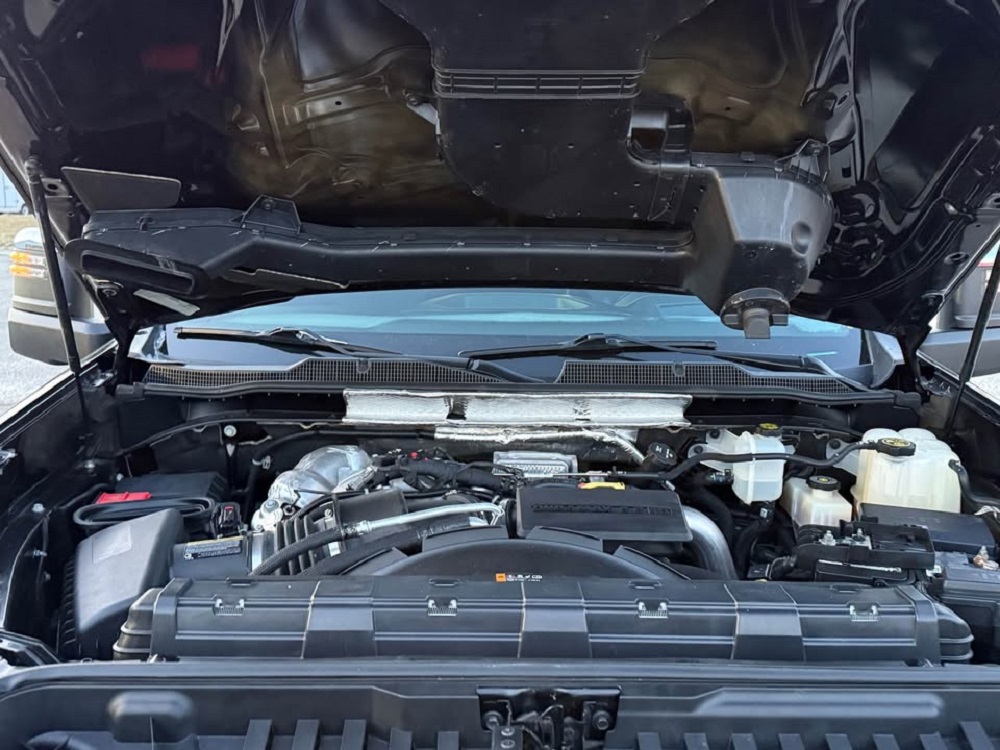
1. How Duramax problems show up when the truck’s working, not parked
It starts with small shifts, not snapped parts
You expect steady temps, strong pulls, and clean throttle when you put a Duramax to work. What you get first are hints, longer cranks, rising coolant temps on light grades, throttle drop mid-merge.
The truck still moves, so it gets brushed off. But those signs don’t fade. They stack. And by the time the problem takes over, it’s already expensive.
Failures don’t kick the door in. They creep through long tow days, high idle hours, and hot restarts, until something finally gives.
What breaks first depends on the generation
LB7 to LBZ trucks fail visibly. Injectors leak. Water pumps stop pushing coolant. Head gaskets let pressure into the overflow tank. You’ll spot fuel in the oil or coolant on the ground. The fix points to hardware.
LMM, LML, and L5P trucks fail through the systems built around the engine. Sensors, emissions hardware, and fueling logic shut things down before metal ever cracks. The engine runs fine, until the truck says it won’t.
More torque came with more shutdown triggers
GM kept boosting output without changing displacement. Injection pressure rose, heat climbed, and control systems tightened. You feel the gain on every grade. But that extra power brought more reasons for the truck to stop protecting itself and just shut down.
Duramax generations and the problems owners meet first
| RPO / years | Output (hp / lb-ft) | Emissions hardware | Trouble owners report first |
|---|---|---|---|
| LB7 (2001–2004) | ~300 / 520 | None | Injectors, head gaskets |
| LLY (2004.5–2005) | ~310 / 605 | EGR, VGT | Overheating, wiring chafe |
| LBZ (2006–2007) | ~360 / 650 | EGR | Water pumps, cooler lines |
| LMM (2007.5–2010) | ~365 / 660 | EGR, DPF | Oil dilution, DPF clogging |
| LML (2011–2016) | ~397 / 765 | EGR, DPF, SCR | CP4 pump failures, DEF faults |
| L5P (2017–2023) | ~445 / 910 | EGR, DPF, SCR | Sensor faults, intake soot |
| L5P Gen 2 (2024+) | ~470 / 975 | EGR, DPF, SCR, Global B | Injector recall, crank pin concerns |
2. LB7 and LLY fail the old-school way, with heat, fuel, and visible damage
LB7 injectors leak long before they quit
The LB7 buries its injectors under the valve covers, where heat and oil soak them nonstop. They don’t fail clean; they start leaking fuel past worn internals. Oil levels rise. Cold starts drag. White smoke lingers at idle. Let it go, and fuel washes down into the bearings.
Head gaskets stretch under pressure, and pumps fall off quietly
Hard towing stretches head bolts. The seal gives. Combustion pressure slips into the coolant system, and you lose coolant without puddles. Overheating creeps in with no clear cause. Water pump impellers fail the same way; less circulation, rising temps, little warning until it’s too late.
LLY moved the injectors and picked up a heat problem
The LLY made injectors easier to service but couldn’t shake the heat. A more restrictive intake and EGR load leave less margin on grades. Fan roar kicks in early. Coolant temps spike. Push it long enough, and head gaskets follow.
Harness rub becomes random limp mode
LLY injector harnesses rub through over time. Once the wires chafe, the truck starts tossing limp modes with no clear cause. The fix is simple if you know where to look. Until then, the symptoms waste time, and shake your trust in the truck.
3. LBZ and LMM earned their reputation, and the repair bills that follow
LBZ delivers power without the early tech baggage
The LBZ sits in the pocket most owners wish GM had stayed in; strong block, CP3 pump, no DPF, and the 6-speed Allison behind it. From the seat, it just works: steady power, good mileage, and fewer lights on the dash. Most problems hit from the outside, not deep inside the engine.
Water pumps still fail without warning. Cooler lines seep at the crimps, especially in cold weather, leaving red stains and slipping fluid levels. When LBZ trucks break big, it’s usually because someone pushed power too far; cracked pistons become the limit, not rods or crank.
LMM adds a DPF and brings oil dilution with it
The LMM keeps most of the LBZ’s hardware but adds a diesel particulate filter. That’s where the trouble starts. To burn off soot, it injects fuel late into the cylinder. Some of that fuel slips past the rings and lands in the oil. You’ll smell it on the dipstick, watch oil levels climb, and see mileage drop.
It gets worse with short trips and long idles. Miss a few regens, and the DPF loads up, forcing a dealer cleaning or a costly bake. The engine holds up, but the maintenance window narrows fast.
EGR coolers and pistons feel the heat
Both LBZ and LMM trucks run EGR coolers that fail over time. Soot builds, heat cracks the core, and coolant starts slipping into the intake. Early signs look like minor coolant loss or light haze at cold start, until one cylinder takes in too much and the repair turns serious.
The LMM also sees piston problems under heavy load. Smaller injector nozzles focus heat into the piston bowl. Stock power levels usually survive. Add a tune or a heavy trailer, and the risk of cracked pistons climbs fast.
4. LML makes real power, but one part takes down the whole system
The CP4 pump failure that snowballs fast
The LML’s biggest weakness sits front and center: the Bosch CP4.2 high-pressure pump. It runs at extreme pressure and relies on diesel fuel alone for lubrication.
When that lubrication fails; bad fuel, air, or wear; metal shavings move downstream into the entire fuel system. The truck stalls, or just won’t restart.
The fix isn’t small. Once metal shows up, the list includes pump, injectors, rails, lines, sometimes the tank. Repairs range from $8,000 to $12,000+, and downtime can stretch for weeks.
SCR and DEF don’t stop power, but they do stop time
The LML introduced full SCR hardware; NOx sensors, DEF tanks, heaters, and pumps. The upside: cleaner oil, since regen happens post-turbo through a ninth injector. The downside? The system doesn’t age well.
Sensors fail. Heaters short. Pumps stop priming. Most don’t leave the truck stuck, but they trigger limp mode countdowns or speed limits that force a visit on the system’s terms, not yours.
Lift pumps and CP3 swaps became the go-to survival plan
Owners who stick with the LML long term usually install a lift pump. It feeds cleaner fuel under positive pressure to the CP4, reducing cavitation and lowering the odds of failure. Others go further, scrap the CP4 and swap in a CP3 from earlier models. Less efficient, but proven.
Neither upgrade adds power. What they do is stop the clock on a known failure before it wipes out your fuel system.
LML fuel-system risk in real ownership
| Scenario | What fails | Repair scope | Owner impact |
|---|---|---|---|
| Early CP4 wear | Pump only | Pump and flush | $4,000–$6,000 |
| Full CP4 failure | Entire system | Pump, injectors, rails, tank | $8,000–$12,000+ |
| No lift pump, heavy use | Accelerated wear | Often catastrophic | High risk |
| Lift pump installed | Reduced cavitation | Failure odds lower | Better survival |
5. L5P and Gen 2 swapped hard failures for sensors, recalls, and shrinking margin
The fuel system finally stops blowing up
The L5P fixed what burned down the LML. GM ditched the CP4 pump for a Denso HP4, added a factory lift pump, and reinforced the block to live with 900+ lb-ft of torque. The result is a truck that pulls hard and feels solid doing it. Catastrophic fuel-system failures nearly disappear.
But that strength pushed the weak spots elsewhere. Now, the engine holds up while the electronics and emissions systems decide how long you stay on the road.
Sensors and soot pick away at reliability
L5P trucks feed a lot of exhaust back through the intake, and soot builds up fast. MAP sensors clog. Readings drift. Power drops without any mechanical failure. It’s just sensors drowning in soot.
Glow plugs also show up in owner complaints, especially on 2018–2019 trucks, causing rough cold starts and codes that won’t clear without a scan tool.
Cooling hardware adds to the pile. Hoses, reservoirs, and thermostats fail quietly, not catastrophically. The symptom? Temp swings on hills, not puddles on the driveway.
Gen 2 raises output and opens new cracks
The 2024+ Gen 2 L5P jumps to GM’s Global B architecture and adds more torque. Early builds saw injector flow calibration issues, rough idle, poor fuel economy, resolved by updated software. But a bigger concern hit right after: crankshaft pin slip.
When the harmonic balancer shifts on the crank, it can knock out oil pump drive. Aftermarket pin kits are already on the market because owners aren’t waiting for a recall. The power’s still there, but the safety margin isn’t what it used to be.
L5P and Gen 2 issues owners run into first
| Issue | Affected years | What you notice | Risk if ignored |
|---|---|---|---|
| MAP sensor soot | 2017–2023+ | Low power, poor mpg | Limp mode, regen failure |
| Glow plug failures | 2018–2019 | Hard starts, rough idle | Cold-start cylinder damage |
| Injector flow recall | 2024+ | Rough idle, mpg drop | Emissions system faults |
| Crank pin concerns | 2024+ | Vibration, front-end noise | Oil pump drive failure, engine risk |
6. The transmissions behind the Duramax don’t all play fair
Early Allisons wear out from heat, not time
The 5- and 6-speed Allison automatics earned their stripes with stock power and reasonable towing. But once torque climbs, tunes, hills, trailers, clutch packs start slipping. Heat outpaces cooling, and failures show up fast. You’ll feel it as soft shifts, flares between gears, or outright slip under load.
Cooler lines bring their own failure curve. Factory crimps weep first, then leak, especially in cold weather. Spot it early, and it’s a cheap fix. Miss it, and you’ll be low on fluid long enough to do real damage.
The 10-speed shifts clean, but hides a serious risk
The 10L1000 moves quick and keeps the L5P in its power band. But wear in the valve body, especially in feed-limit bores, can send hydraulic pressure into the wrong circuit. When that happens, two gears bind at once. Rear wheels lock. No warning.
GM’s recall patch limits gear range when wear is detected. It helps, but doesn’t fix the bore. That’s why diesel shops still push upgraded valve bodies and correction kits, especially on trucks that tow hard or rack up mileage fast.
7. The pattern failures that make some years feel cursed
Fuel systems keep ending the party
Injector and pump failures follow build years more than mileage. LB7 injectors leak internally. LML’s CP4 pump eats itself without warning. L5P avoids the big failures but still runs tight tolerances; once a sensor drifts or fuel trim goes off, the truck quits playing nice.
The pattern’s simple. Some trucks hit once and move on. Others circle back to the fuel system again and again.
Emissions systems don’t like the wrong kind of work
DPF and SCR setups don’t break at random, they fail when the truck’s driven in ways the system can’t handle. Short trips, long idles, and stop-and-go miles build soot faster than regen can clear it. The LMM floods oil. The LML and L5P eat sensors, DEF pumps, and heaters.
The engine might be fine. The exhaust system just taps out and calls it a day.
Owner pain profile by Duramax generation
| Generation | Engine and fuel risk | Emissions and electronics | Ownership reality |
|---|---|---|---|
| LB7 | High | Low | Strong once rebuilt, expensive if ignored |
| LLY | Medium-high | Low–Medium | Needs cooling support under load |
| LBZ | Medium | Medium | Simple and valuable when well-maintained |
| LMM | Medium | Medium–High | Solid highway truck, fussy in-town |
| LML | High | Medium–High | Great when protected, punishing when neglected |
| L5P | Low–Medium | High | Strong puller, dealer-dependent for repairs |
8. How Duramax owners stretch reliability without chasing unicorn years
Habits beat hype every time
Fuel quality doesn’t show up at the pump; it shows up later in the repair bills. CP3 and CP4 trucks last longer with filtration, lubricity, and clean diesel. LMMs avoid bearing wear with tighter oil intervals. LLYs and LMMs tow cooler when the radiator stack isn’t packed with dirt.
It’s not about babying the truck. It’s about knowing what wears, when it wears, and not letting it sneak up.
Match the truck to the job, not the forum favorites
Long-haul loads pair best with an L5P, a clean LBZ, or a fully upgraded LML. Regional and farm work land well with LBZs or LMMs that have already had fuel-system upgrades.
LB7s still make sense, if the injectors and head gaskets are documented. Stay away from mystery trucks with fresh paint and no paper trail.
Breakdowns happen faster when the job doesn’t match the hardware. Daily cold starts and plow work stop emissions trucks. Big trailers stress fuel and cooling systems.
Weak spots aren’t deal breakers, unless they’re still waiting
Known flaws are manageable when they’re fixed. Injector work on LB7s. Lift pumps or CP3 swaps on LMLs. Glow plug recalls done on L5Ps. 10-speed transmission recall verified. Those repairs change the story.
The deal breakers are the trucks with nothing, no receipts, no records, no answers. The best Duramax buys aren’t spotless. They’re trucks that’ve already had the expensive lessons paid off.
Sources & References
- The History Of 6.6L Duramax – Calibrated Power
- History of the Duramax: The Evolution of Duramax Generations – Diesel Power Products
- 6.6L Duramax Engine Updates by Year (2001–Present) – North Texas Truck Stop
- Duramax V8 engine – Wikipedia
- The Evolution of the GM Duramax Diesel Engine – eBay Motors Blog
- GM Recalls 461839 Trucks and SUVs Equipped With Duramax I6 and V8 Diesel Engines
- Duramax Years To Avoid: A Guide To Common Diesel Engine Problems – CarBuzz
- Common Duramax Diesel Problems, Troubleshooting, and Solutions – Diesel Power Products
- 6.6L Duramax LB7 Engine Specs & Information (2001–2004) – Duramax Hub
- Technical Service Bulletin – NHTSA
- Common Issues and Solutions for Duramax Diesel Engines – Branch Automotive
- What are the best years and most reliable Duramax? – Reddit
- Service Bulletin Preliminary Information – NHTSA
- Duramax Engine Comparison: LBZ vs LMM vs LML vs L5P Guide – Norcal Diesel Performance
- Merchant Automotive Transmission Cooler Line Repair Kit 06–10 6.6L GM Duramax
- Service Bulletin – NHTSA
- Leaking Transmission Lines on Allison? Here’s What To Do – Piston Twistin
- Special Coverage N182188930 – NHTSA
- 11 Common Duramax L5P Problems Every Owner Should Know – EGR Performance
- Duramax LML CP4 Pump Problems – Merchant Automotive
- Why Every LML Duramax Owner Should Consider a CP3 Conversion – Alligator Performance
- Duramax LML / LGH CP4 Pump Failure – Technical Bulletin – InjectorsDirect
- Technical Service Bulletin 16-NA-102 – GM Fuel Pump Settlement
- Service Bulletin – NHTSA
- Service Bulletin – NHTSA
- L5P Duramax HP4 vs. CP3: Do You Need the Conversion? – BS Built LLC
- LML vs L5P – Reddit
- L5P Duramax Problems Explained (2025 Guide) – SPEtuner
- Special Coverage Adjustment for L5P Glow Plug Failures – NHTSA
- Chevy 2500 6.6L Duramax Diesel (L5P) Top 5 Issues – MiniMaxxTuner
- Emission Recall N232415860 – NHTSA
- Fuel Injector Flow Rate Compensation Recall – NHTSA
- CR2 Duramax Crankshaft Pin Kit – Hawk Performance Diesel
- CR2 Duramax Crankshaft Pin Kit – UnderDog Diesel
- CR2 Performance & Fab Crankshaft Pin Kit 01–16 GM 6.6L Duramax
- CR2 29600 Duramax Crankshaft Pin Kit – CR2 Fabrication
- The 10-Speed Allison Transmission Recall: A Problem With a Known Fix – Diesel Army
- Allison / GM 10-Speed Transmission Recall: How We Fixed It! – Next Gen Diesel
- Understanding the 19-Later GM 10-Speed Safety Recall – Sonnax
- How to Prevent the LML CP4 Injection Pump Failure – Dirty Diesel Customs
- LLY Duramax Overheating Issues Examined – The Diesel Podcast
- DURAMAX Overheating? Try This First – YouTube
- L5P Duramax Engine Problems – Hot Shot’s Secret
- Emission Recall N212351211 – NHTSA
- Special Coverage Adjustment N192264210 – NHTSA