
Light turns green, revs spike, and the Crosstrek drags, another TR580 starting to fail. The 2013–2017 units weren’t junk, just built with tight margins. Weak pressure control and poor heat tolerance made the system brittle.
The chain and pulleys held up. The valve body didn’t. Lock-up solenoids ran hot, fluid thinned out, and failure followed. By the time P0700 or P2764 hit, shudder and limp mode were locked in.
This guide shows how the TR580 breaks, what Subaru tried to fix, and what actually works. Warranty extensions, flash updates like 16-132-20R, and the service habits that keep it alive past 150,000 miles.
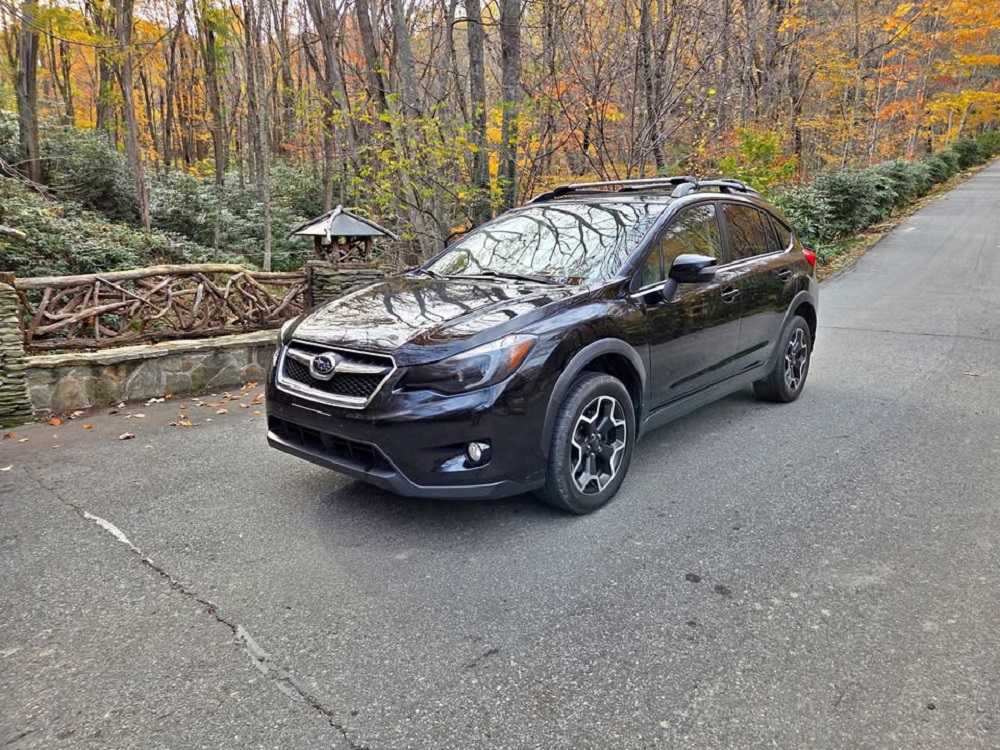
1. Which Crosstrek Builds Carry the Real CVT Risk
The powertrain setups that tip the scale
The 2013–2017 Crosstrek ran Subaru’s compact TR580 CVT behind a 2.0L engine. The hybrid’s TH58A shared most of the same guts, just with electric assist layered in. Both suffered the same failure point, valve bodies and solenoids losing grip as heat and fluid wear set in.
By 2018, Subaru tweaked the software. The tuning got smarter, and failure rates dipped, but the hardware stayed put. In 2021, the 2.5L engine showed up with more torque, still paired to the TR580, now with better cooling and shift logic to match.
Crosstrek Powertrain Map: CVT Risk by Year
| Years | Engine | CVT | Risk Notes |
|---|---|---|---|
| 2013–2017 | 2.0L NA | TR580 | High-failure cluster; solenoids prone to low-pressure faults (P0700, P2764) |
| 2014–2015 | 2.0L Hybrid | TH58A | Smaller pool; same pressure and heat limits |
| 2018–2020 | 2.0L NA | TR580 | Logic updates reduced limp-mode triggers |
| 2021–Present | 2.5L NA | TR580 | Same unit, stronger cooling, better tuning |
Why early models led the failure stats
The first Crosstreks got a CVT meant for lighter cars. Add crossover weight, steeper gearing, and mountain loads, and the pressure system buckled. Fluid thinned. Clamp pressure slipped.
Solenoids overheated. The 2013–2017 range saw the worst of it, enough for Subaru to extend coverage to 10 years/100,000 miles. Later updates helped, but the core design still needs clean fluid and cool temps to survive.
2. Why the Crosstrek CVT feels smooth, until it doesn’t
Chain drive under constant pressure
The TR580 uses a steel chain and two variable pulleys to keep the engine in its sweet spot. That seamless glide? It depends on precise fluid pressure. Thin fluid or a lazy solenoid drops clamp force. Pulleys slip. Heat climbs fast. What starts as a light shudder quickly turns into full flare and limp mode.
The repair bill stacks fast
The valve body isn’t in the pan; it’s bolted up top. Replacing it means stripping brackets, lines, and wiring before the wrench even hits the case. Solenoids are sealed in, so most shops just replace the whole valve body. Expect $1,900–$2,700 with labor.
Why Crosstrek strains the TR580 harder than the Impreza
Same gearbox, different load. The Impreza coasts. The Crosstrek climbs. With full-time AWD, more weight, and taller ride height, the pump works harder.
Steep roads and heat wear down the converter clutch and cook the fluid. That’s why early Crosstreks damaged their valve bodies long before the newer calibration patches showed up.
3. What the Crosstrek shows before the CVT gives up
The signs hit low and slow
TR580 failure starts small. Light throttle from a stop feels jumpy, then smooths out. That low-speed stutter usually means weak TCC lock-up: either a failing solenoid or fluid too thin to hold pressure. Once the system slips often enough, it throws P0700 or P2764 and preps for limp mode.
Other codes trace the pressure trail. P0868 or P0841 mean the pump’s falling behind. A flare shifting between Drive and Reverse signals the same loss. If you hear a rising whine under load, it’s not a belt; it’s aerated fluid wearing down pulley bearings.
CVT symptoms, likely cause, and first checks
| Driver Symptom | Likely Issue | Common DTCs | First Diagnostic Move |
|---|---|---|---|
| Launch shudder, low-speed bump | TCC lock-up instability, degraded fluid | P0700, P2764 | Check fluid color, test TCC solenoid resistance |
| Delay into Drive or Reverse | Solenoid or valve-body pressure fault | P0700, P0868, P0841 | Run pressure test, inspect harness |
| Whine or drone under load | Pulley bearing wear or fluid aeration | – | Check fluid level, listen for bearing noise, inspect debris |
| Vibration while cruising | Chain-slip (SIB-guided fault) | – | Follow 16-132-20R chain-slip test routine |
Why a mild stutter turns costly fast
Every stutter builds heat. That heat cooks the converter clutch and shortens fluid life. Next launch needs more pressure, but gets less. Slip deepens. The converter and valve body wear together, turning a simple fix into a full teardown worth over $2,000.
4. Where the Crosstrek CVT really fails, inside the valve body
How early cars tip their hand
It starts in the TCC circuit. First comes a broad P0700, then the more specific P2764, low current in the lock-up solenoid. Bench test tells the rest: a good solenoid reads 13+ ohms. A bad one drops near zero. Once that short hits, the valve body can’t hold lockup. The car bucks, flares, then locks into limp.
Why shops replace the whole valve body
The TR580’s solenoids aren’t plug-and-play. They’re sealed into a tight aluminum block that channels every drop of line pressure. Some are hard-wired. Others are buried. Swapping one is slow, risky, and not worth the return.
So most shops go straight to a full valve-body assembly, bench-tested, ready to install. After that, the TCU needs a relearn. Skip it, and even fresh parts feel broken.
What real owners see on the invoice
Valve-body jobs land between $1,961 and $2,750 with labor. The top-mount setup eats shop time just getting to it. A few specialists attempt solenoid-only swaps for $300–$400, but finding the right TCC unit and trusting it makes that a risk.
If the converter’s scarred too, that pushes the total past $2,000 without blinking.
5. How Subaru cleaned up the mess, and who still gets a lifeline
The quiet 10-year fix
Subaru didn’t launch a recall. No safety defect, no headlines. Just a quiet 10-year/100,000-mile warranty extension for Crosstreks and other models running the TR580 and TH58A. It started with 2013–2015 cars, then widened to 2016–2017 as failures piled up.
Covered parts included valve bodies, converters, harnesses, and seals, everything that took the most heat and abuse on the control side.
CVT warranty coverage by year
| Model Years | Coverage | What’s Typically Covered |
|---|---|---|
| 2013–2015 2.0L | 10 yr / 100,000 mi | Valve body, converter, harness, seals |
| 2014–2015 Hybrid | 10 yr / 100,000 mi | Same coverage for hybrid TH58A unit |
| 2016–2017 2.0L | 10 yr / 100,000 mi | Added later after post-campaign failures |
| 2018+ | Standard warranty only | Design tweaks cut down failure rate, no extended coverage |
Subaru knew early TR580s wouldn’t survive long-term heat and load. The warranty didn’t make headlines, but the parts list told the story.
The bulletin that changed the approach
By 2020, Subaru stopped throwing parts at the problem. Bulletin 16-132-20R laid out a new diagnostic path for “alleged chain slip” in 2018–2022 Crosstreks and other TR580/690 models. Techs had to follow a structured test route, complete a checklist, and prove the fault before Subaru approved any replacement.
That shift signaled a turning point. Failures were no longer hardware by default; they were often calibration gaps or pressure drift. Once software and diagnostics caught up, warranty claims dropped. And when fluid stayed clean and heat stayed low, the TR580 held up.
6. The maintenance habits that decide if the CVT lives or fails
The real-world fluid intervals that keep TR580s alive
Subaru’s official schedule stretches things thin. For “normal” use, fluid inspection shows up at 36 months, with some vague replacement guidance brushing up near 100,000 miles.
But in practice, that’s when failures spike. Stop-and-go traffic, hills, heat, and dirt chew up fluid faster, breaking down pressure stability long before the manual says to lift the hood.
Independent Subaru shops and CVT fluid makers now recommend 60,000-mile changes for commuters, and 30,000–40,000 miles for cars in hard service.
Fresh fluid keeps viscosity high and wear debris low, direct protection for the valve body, solenoids, and converter clutch. A $200–$400 fluid service beats a $2,000 teardown any day.
Fluid change guidance: factory vs. field
| Driving Conditions | Subaru Manual Says* | Expert Recommendation | Why the Shorter Interval Wins |
|---|---|---|---|
| Highway / mixed commuter | Inspect at 36 months, replace vague near 100k | Replace every 60,000 miles | Keeps pressure stable, slows thermal degradation |
| Heavy stop-go, towing, heat, steep climbs | Buried in “severe service” footnotes | Replace every 30k–40k miles | Fights shear and oxidation under high load |
Why software updates and relearns matter
When a new valve body or converter goes in, the job isn’t done until the TCU relearns how to use it. Subaru’s later TR580 builds rely heavily on software logic.
Without the relearn, the unit still runs pressure targets and lock-up timing based on worn-out parts. That mismatch leads to rough launches and flare, even if the hardware’s brand-new.
Updates smooth engagement and reduce shudder, but only when paired with a full adaptive reset.
Driving habits that either burn it up or buy it time
The TR580 can’t take repeated beatings. It’s built for steady throttle and moderate load, not dragging weight through heat or snow. Long climbs in Drive, deep-snow throttle jabs, and towing without care all spike fluid temps and grind down the converter clutch.
Backing off on hills, easing into climbs, and respecting load limits keeps the pressure system happy. It’s not just about saving the chain and pulleys; it’s about letting a borderline design survive in a chassis that pushes it near the edge.
7. Why newer Crosstreks hold up better, but still need watching
The TR580’s second act
By 2018, Subaru finally patched the weak spots. Hydraulic logic got overhauled, solenoids built tighter, and launch-phase pressure no longer sagged. Failure rates dropped hard. Most 2018–2022 Crosstreks no longer spit out early warning codes like P2764 or P0700 the way first-gen cars did.
But the core layout didn’t change. Same chain-and-pulley setup. Same valve body mounted up top. And it still depends on stable, clean fluid.
Miss a fluid change or let temps spike, and the newer units can stumble into the same decline. Subaru’s updated logic doesn’t erase the problem; it just slows it down.
How “chain slip” evolved into a control diagnosis
Starting in 2020, Subaru issued bulletin 16-132-20R, a clear shift in how they handled complaints. Techs now had to document fluid condition, drive behavior, and log data before condemning a transmission for “chain slip.” Many cases ended up being pressure drift, not mechanical failure.
It marked a turning point. The TR580 stopped failing mechanically and started showing its age through calibration quirks. Subaru moved from part-swapping to smarter assessment.
For owners, that means the updated CVT is more stable, but still leans heavily on proper service and heat control to stay out of trouble.
8. The manual Crosstrek, simple gears, fewer headaches
Why the 6-speed dodges CVT hazards
Crosstreks with the 6-speed manual skip the whole electro-hydraulic system. No solenoids. No fluid control logic. Just a clutch and a row of fixed gears.
Maintenance is simple: gear oil and clutch checks instead of pressure tests, and TCU relearns. Failures are mechanical and easy to pin down: worn synchros, tired clutches, not full system meltdowns.
That shows up in repair costs. A clutch job runs under $1,200. A CVT with a bad converter or valve body can clear $2,400 fast. For long-term owners, the manual wins on predictability, plain and simple.
The compromise: durability versus ease of use
The 6-speed trades smoothness for simplicity. With the 2.0L, it can feel flat-footed, especially on hills or under load. Later 2.5L CVT models fixed that torque gap, but brought the complexity back with it.
The manual appeals to a specific crowd, drivers who’d rather row gears than risk electronics. It won’t float through traffic like a CVT, but it keeps surprises under the hood to a minimum. Fewer sensors, fewer headaches.
9. What Crosstrek CVT problems really cost, and how to buy around them
Real-world repair costs when the CVT fails
When the TR580 goes soft, the invoice hits hard. Most valve body jobs run between $1,961 and $2,750. The top-mount layout means pulling brackets, wiring, and the upper case just to reach the unit.
Labor stacks fast before a wrench even hits the part. Shops don’t mess with individual solenoids; they install full assemblies, factory-tested, to avoid return risk.
Could you swap a bad TCC solenoid for $300–$400? On paper, sure. In the real world, only niche shops go down that road, and only when they’ve got time, test gear, and clean circuit data.
If heat and shudder have already worn the converter, add another grand. Wait too long, and you’re paying for both electrical and mechanical failure.
Crosstrek CVT repair cost ranges
| Repair Scenario | Typical Out-of-Pocket | What Drives the Cost |
|---|---|---|
| Full valve body (TR580) | $1,961–$2,750 | Labor-intensive access, full tested assembly |
| Solenoid-only repair (specialist shop) | $300–$400 | Rare parts, heavy diagnostic time |
| Valve body + torque converter | $2,000+ | Combined wear from heat, shudder, and delay |
What to check before buying a used Crosstrek
High-mile Crosstrek? The transmission file matters as much as the body panels. Step one: find proof of fluid changes, not just inspections, in the 30,000–60,000-mile window. Especially on 2013–2017 models, that’s your clearest sign of whether the CVT was protected or cooked.
Next, grab a dealer campaign printout. You’re looking for proof that the 10-year/100,000-mile extension applies, and whether any chain-slip updates or related bulletins have been done. That shows how Subaru and the last owner responded when pressure started to drift.
Last, plug in a scan tool and dig. Any trace of P0700, P2764, P0841, or P0868 means the car’s already raising its hand. Follow with a road test: dead stop, light throttle, uphill. If it hesitates, flares, or whines, the “clean title” price better leave four-figure room for CVT repairs.
The Crosstrek CVT today: mature, but still sharp-edged
Subaru’s TR580 had a rough start. The 2013–2017 models promised smooth shifts but hid fragile internals, valve bodies that failed just outside warranty. The 10-year extension didn’t erase the problem; it admitted it. Owners who stayed on top of fluid and service logs were the ones who dodged the fallout.
By 2018, Subaru cleaned it up. Software updates, tighter solenoids, and better heat control made the same hardware more reliable. Complaints dropped. Dealers stopped replacing transmissions and started following chain-slip diagnostics instead.
But this CVT never became bulletproof. It’s still a tight-tolerance, pressure-driven system that depends on fluid quality and heat management. It punishes neglect. Skip a service or ignore a shudder, and you’ll feel it.
Today’s TR580 will hold up if you treat it like a machine, not something extraordinary. Keep the fluid fresh. Confirm the updates. Don’t brush off early signs. Done right, it’ll outlive the bad reputation. But it won’t forget what it is: precise, efficient, and unforgiving when overlooked.
Sources & References
- Subaru’s Lineartronic CVT Explained | Sport Subaru in Orlando
- List of Subaru transmissions – Wikipedia
- 2013 needing CVT valve body/solenoid replacement – safe to drive? : r/XVcrosstrek – Reddit
- 2014 Subaru Crosstrek Hybrid P0700 P2764 Diagnosis. Quick & Easy. Valve Body Time! #mrsubaru1387 – YouTube
- Subaru CVT Transmission Problems – Are all Subaru Models Affected? | olive® Extended Car Warranty Solutions | Pays for Auto Repairs cover it. olive it.®
- CVT Warranty Extension – 2010-2015 Subaru – Subaru – OEMDTC
- SERVICE BULLETIN – nhtsa
- How many of you have experienced CVT transmission failure in your Subaru? – Reddit
- SERVICE BULLETIN – nhtsa
- Cvt went bad less than 1000 miles outside of the warranty 🙁 : r/subaru – Reddit
- Subaru CVT Transmission Problems: What You Need to Know – A&A, The Shop
- Subaru Crosstrek Generations: Key Updates Across All Model Years – CarBuzz
- Most Common Subaru Crosstrek Problems – GT Automotive
- Converter Lockup Diagnosis: Subaru TR580 – YouTube
- CVT Valve body replaced with help from Subaru of America – Reddit
- Valve body & torque converter replaced. What else could fail? – 2015 2.5i ltd, 96k – Reddit
- First Subaru issue- what should I do? – Reddit
- CVT valve body replacement? : r/Subaru_Outback – Reddit
- Valve body issue? : r/XVcrosstrek – Reddit
- SERVICE BULLETIN – nhtsa
- SERVICE BULLETIN – nhtsa
- Understanding Subaru’s CVT: A Comprehensive Guide
- When Should You Change Your Subaru Transmission Fluid? | Competition Subaru of Smithtown
- Subaru CVT Fluid Change: Why It Matters and How to Do It Right – ENEOS