
A low hum builds from the rear, and drivers start punching in “Forester wheel bearing recall.” But what they find is a mess, half answers, outdated posts, and no clear fix. The sound’s real, the failures are widespread, but they rarely trigger the kind of wheel-off hazard that puts NHTSA on high alert.
Subaru’s answer? Quiet part revisions, scattered TSBs, and one actual recall, 2025’s lug-seat defect tied to certain 18-inch wheels. Skip the noise. We’ll show what’s really breaking, why it keeps coming back, and how to lock in a repair that actually holds.
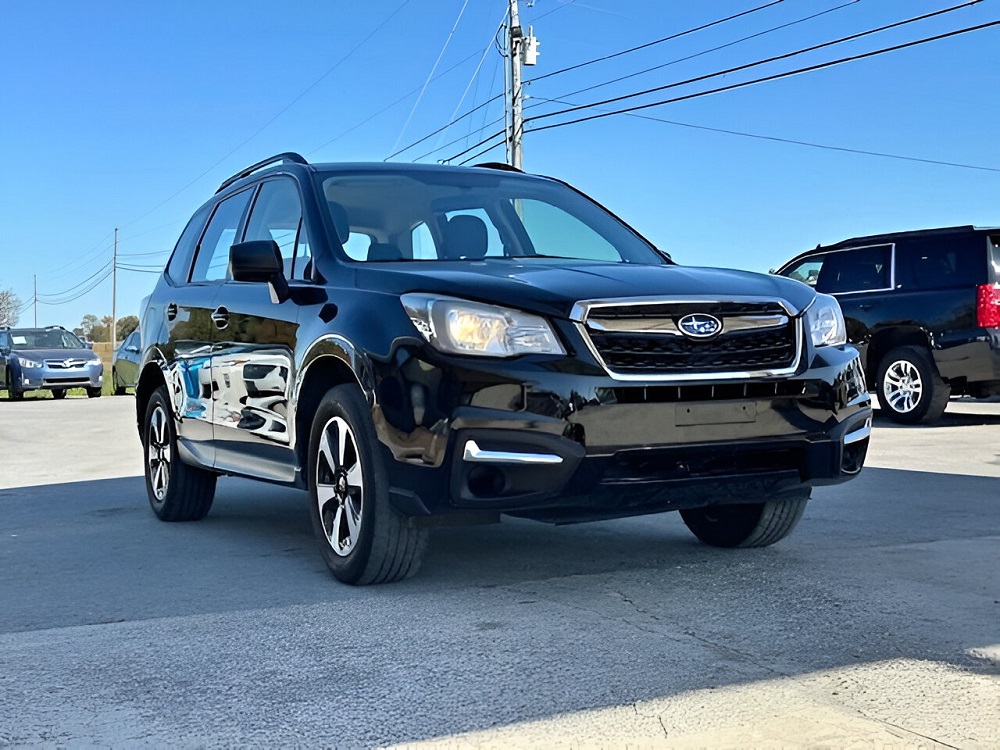
1. What counts as a recall when a Forester starts howling
Why bearing noise alone doesn’t raise federal red flags
A real NHTSA recall only lands when something threatens control, like the suspension folding, a wheel coming loose, or steering going dead. That’s the bar.
Noise, vibration, or parts that just wear out too soon don’t make the cut. Those fall into the “annoying but not dangerous” bin, where technical service bulletins (TSBs) step in.
TSBs don’t trigger free repairs, but they give dealers a roadmap when a known issue crops up. That’s where Subaru’s wheel bearing saga lives, no recall, no public campaign, just a string of memos behind the service desk.
Subaru’s silent fixes through Customer Satisfaction Programs
When a part fails more often than Subaru wants to admit, they sometimes issue a Customer Satisfaction Program (CSP). It’s not a recall. There’s no safety warning or public fuss, just a quiet warranty extension for specific symptoms.
Subaru did this with rear bearings on 2005–2006 Legacy and Outback models, covering failures up to 8 years or 100,000 miles. The howling was loud, but not considered hazardous.
That same behind-the-scenes approach shaped how they handled later Forester bearing issues: reengineered parts, updated procedures, and internal guidance, not NHTSA paperwork.
Why the Forester’s wheel bearings never crossed the line
Forester bearings usually fail loud, not loose. The hum turns into a growl and sticks around for thousands of miles. That’s not catastrophic, it’s just premature wear.
NHTSA tracks crash reports and defect patterns, and there’s no cluster of incidents pointing to sudden bearing failure. Instead, owners end up replacing the same part two or three times, often out of pocket, without any federal trigger for a recall.
Subaru tackled it with redesigned hub assemblies, updated backing plates, and new torque procedures, not because they had to, but because the parts weren’t holding up under real-world use.
How each service path plays out for Forester wheel issues
| Action type | Trigger | Who pays after warranty | Example on Forester |
|---|---|---|---|
| NHTSA safety recall | Defect risks control or stability | Manufacturer (by VIN) | 2025 18-inch wheel lug-seat error (WRB‑25), loose wheels from out-of-spec machining |
| TSB / service memo | Noise, wear, or non-safety part failure | Owner (unless covered) | Rear hub growl from backing plate distortion, detailed in TSB 05‑70‑19 |
| CSP / extended coverage | High failure rate without safety impact | Mixed, depends on limits | Rear bearing extension on 2005–2006 Legacy/Outback, never formally applied to Forester |
2. The one true recall and why it won’t help bearing complaints
The machining flaw that forced Subaru into action
In early 2025, Subaru recalled about 20,366 Forester Limited models after finding that a batch of 18-inch alloy wheels was machined with the wrong lug-seat angle. The seating surface was out of spec, meaning the lug nuts couldn’t clamp the wheel properly under load.
Some wheels passed torque checks at the dealer but came loose once driven, an early sign of shifting under heat cycles. NHTSA flagged the flaw as a safety hazard since a wandering wheel can shear studs or destabilize the car before drivers feel a thing.
Subaru issued a stop-sale and instructed dealers to inspect all four wheels, tag any flawed sets, and replace them as soon as correct parts arrived.
Why the recall stops at certain Limited trims
Only 2025 Forester Limiteds with that specific 18-inch wheel casting were pulled into the recall. Subaru traced the machining issue back to a single supplier batch, affecting no other trims or any of the 17-inch wheels used on Sport, Premium, or Wilderness models.
That’s why many owners hearing the familiar hum won’t find any recalls tied to their VIN. The stop-sale order confirms Subaru caught the issue at the factory level, not through on-road failures, tight scope, fast containment, and no sign of platform-wide spread.
Looks like a bearing recall, but doesn’t meet the bar
Forester safety recalls in recent years have hit seat anchor bolts and camera wiring, critical systems tied to restraint and visibility. Wheel bearings didn’t make that list.
They get noisy, not dangerous. The 2025 lug-seat defect was different: a structural error that undermined stability with no early symptoms. That’s what triggered federal action. But for the decades of bearing noise owners have reported? Still classified as wear-and-tear, not a safety risk.
3. The early Foresters that chewed through bearings
Undersized ball bearings didn’t stand a chance
First- and second-gen Foresters came with rear caged ball bearings that simply weren’t built for the job. Corrosion, off-camber roads, and lateral loads pushed them past their limits before 60,000 miles.
Meanwhile, Legacy and Outback of the same era ran tougher tapered roller bearings, and it showed. As failures stacked up, Subaru quietly switched to tapered rollers for replacements. It wasn’t a recall, but the message was clear: those original ball bearings were outmatched.
Press-fit service that warped the housing
Factory repair guides told techs to press bearings directly into the knuckle. Trouble is, the process often tweaked the bore or tilted the race. One small distortion meant every new bearing started with a baked-in side load.
Longevity tanked. Subaru issued updated instructions in TSB 03‑50‑02 that focused on proper knuckle support and pressing technique, but by then, plenty of housings were already compromised during first-round repairs.
Bolt-in hubs fixed one flaw, exposed another
By the late 2000s, Subaru moved to bolt-in tapered-roller hubs, easier to service, no more risky press fits. But 2013–2016 Forester, Impreza, and Crosstrek models had a new problem: warped backing plates.
Once torqued, those plates pulled the hub sideways and forced the bearing to work under tilt. Subaru tackled this in TSB 05‑70‑19, pairing redesigned backing plates with fresh hub assemblies.
Rear bearing evolution across key Forester generations
| Era/generation | Bearing style | Failure driver | Factory response |
|---|---|---|---|
| Pre-2005 Forester | Press-in caged ball | Weak load capacity | Tapered roller upgrade |
| Mid-2000s Foresters | Tapered roller cartridges | Housing distortion from press-fit | Revised service procedures (03‑50‑02) |
| 2013–2016 Forester & kin | Bolt-in hub units | Uneven backing plate distorting the hub | Updated plate design and hub pairing (05‑70‑19) |
4. The 2013–2019 flaw that kept the rear end howling
Warped backing plates tilted the hub off-axis
From 2013 through 2016, Subaru chased a rash of rear wheel bearing complaints across Forester, Impreza, and Crosstrek models. The issue: backing plates with uneven mounting faces. When the hub bolts were torqued, those plates twisted the cartridge off-center.
That shift threw off the load path, forcing the races to wear unevenly. It matched the symptoms owners reported, highway hum that rose with speed and worsened in curves. Subaru’s answer came in TSB 05‑70‑19, calling for new plates with tighter specs and a matched hub swap on each side.
Missed steps led to quick comebacks
Shops that replaced only the hub but reused the original backing plate set the failure cycle in motion again. Same plate, same tilt, same howl. Some owners got louder bearings after service because the underlying misalignment was never corrected.
The updated plates were critical, but too often overlooked. And when minor distortions from the knuckle, the plate, and the hub stacked up, it only took one repair to overload a brand-new bearing.
Rust-belt repairs turned into wrestling matches
Snowbelt Foresters faced a tougher fight. Rust fused the hub and plate together, so techs had to cut, heat, or hammer the assembly apart. That battle often scarred mating surfaces, setting up the next bearing for a short life.
Even torque played a role: crank the axle nut too tight and the rollers crush; too loose and the hub walks under load. Subaru’s fix worked, on paper. But out in the field, grit, corrosion, and missed prep steps kept the noise coming back.
5. What it sounds like, when it hits, and what it’ll cost
The signature drone of a dying rear bearing
Most failing rear bearings on a Forester start with a faint hum tied to road speed, not engine RPM. It usually shows up around 30–40 mph, deepens at highway pace, and changes pitch in sweeping curves as weight shifts side to side.
On a lift, techs can hear the roughness through a stethoscope pressed to the knuckle or feel it with a hand on the trailing arm. Let it go long enough, and that hum becomes a full-on roar. But the wheel stays put, which is exactly why it never crossed the recall threshold.
Where the mileage usually falls
Fourth-gen Foresters (2014–2018) often blow their first rear bearing between 40,000 and 86,000 miles. A lot of 2014–2017 models miss the 3-year/36,000-mile basic warranty but bump into the edge of the 5-year/60,000-mile powertrain coverage.
One side usually starts humming around 41,000–50,000 miles. The other corner follows not long after; it’s the same part, same load path, and same install quirks. This isn’t random wear. It’s a pattern tied to hardware and how the job gets done.
What shops charge and why some jobs don’t stick
Independent shops typically quote $500–$600 per side for a rear hub on these Foresters. Add rust, backing plates, or seized bolts, and the total climbs fast.
Extended warranties can help, but deductibles and add-ons often leave the owner paying a few hundred anyway, especially when plates run $150 apiece plus labor.
Where shops skip TSB 05‑70‑19 and reuse the backing plate, the same side often returns noisy in under 20,000 miles. Do it right, with fresh hub, matching plate, and proper torque, and the repair usually holds. Half-measures just restart the clock.
Fourth-gen Forester rear bearing patterns in the real world
| Model year | Failure mileage | Main symptom | Typical owner cost | Recurrence pattern |
|---|---|---|---|---|
| 2014 | 40,000–70,000+ (post-warranty) | Rear hum, highway drone | ~$550 per side, backing plates often extra | Some report return noise within weeks if plates weren’t replaced |
| 2017 | 41,000–50,000 | Hum that grows with speed | ~$550 per side, partial warranty help possible | Same corner often fails twice when only the hub is changed |
| 2018 | Around 80,000+ | Loud roar at highway speed | Warranty deductible plus plates | Lower recurrence rate when hub and plate were swapped together |
6. How to lock in a repair that actually holds
Check coverage before the wrenches come out
Before signing off on anything, run the VIN through NHTSA’s recall tool and Subaru’s campaign lookup. The WRB‑25 recall won’t apply to bearings, but it confirms whether the car has any open safety actions.
Quiet goodwill fixes sometimes exist for common issues, even if they’re not published. Ask directly. Bringing a printed copy of TSB 05‑70‑19 helps, too, especially when dealing with service staff who’ve cycled through a dozen models since that bulletin dropped.
Make sure the plate goes in with the hub
On 2013–2016, Foresters, the backing plate is part of the problem and part of the fix. Subaru’s bulletin ties the bearing failure directly to that plate’s uneven surface. Swap the hub but reuse the old plate, and you’re bolting a fresh part onto a warped base.
Ask the shop what’s on the parts list before they start. If the quote looks cheap, it may be because they’re skipping the matched set. That shortcut shows up later when the same side howls again.
Pick smart parts, torque it right, and time both sides
Stick with OEM hubs or units from the same bearing makers Subaru already trusts. Bargain cartridges can hum before the year’s out. Torque matters just as much; over-tighten the axle nut and you crush the rollers, under-tighten and the hub shifts under load.
Shops should install new one-time-use bolts and hit all spec values with a calibrated torque wrench, not a gun. On higher-mileage rigs, replacing both rear hubs in the same visit often saves time and labor, because when one side groans, the other’s rarely far behind.
7. Bearing life after 2019 and how to shop smart for a used one
What newer Foresters might do better (and what still needs proving)
Later Foresters with bolt-in hubs and corrected backing plates should hold up better, but time will tell. As 2019 and newer models rack up serious miles, patterns are still forming. Subaru’s engineers haven’t stopped tweaking.
TSB 03‑96‑25 shows fresh bearing revisions aimed at newer platforms, with tighter hub-to-knuckle geometry and plate refinements designed to cut down on side loading. That alone speaks volumes.
These aren’t major overhauls; they’re targeted fixes chasing noise complaints from the field. Owners who install the latest parts, torque them by the book, and keep underbody rust at bay (especially in salt states) give these updated hubs a better shot at long-term peace and quiet than early builds ever had.
Spotting good vs. bad bearing history on the used lot
Start with the paperwork. Service records that show hub and backing plate replacements, especially tied to Subaru bulletins, mean the job was likely done right. That’s what you want to see.
On a test drive, cruise at steady highway speed. That’s when a failing bearing hums loudest, especially on smooth pavement. If you catch a tone that rises with road speed, odds are a hub’s already going soft.
But multiple repairs on the same corner within short mileage windows? That’s a red flag. It usually means the shop skipped the plate, ignored surface prep, or guessed at torque.
When the file shows repeat failures or the test drive raises even a hint of doubt, price in at least one full hub and plate replacement. That turns a risk into a known cost, and keeps you from paying full price for someone else’s shortcut.
Why bearing records tell the real story
A quiet Forester with confirmed hub and plate work usually means the underlying issue’s been handled. That owner (or tech) didn’t just slap in a new part; they followed Subaru’s trail, fixed the geometry, and ended the howl at the source.
If a seller shows repair records spaced just 10,000 miles apart, that’s a problem. It likely means shortcuts: no new plate, warped surface, or sloppy torque.
One good highway run during the test drive will expose any leftover drone, and if the seller swears the work’s been done, you’re still wise to bake the cost of one clean bearing job into your offer.
Sources & References
- Subaru recalls 20,000 vehicles for defective wheels – Consumer Affairs
- Subarunet Announcement To: All Subaru Retailers From: Subaru of America, Inc. Date: January 24, 2025 New Safety Recall and Stop – nhtsa
- Has anyone moved forward with the wheel bearing recall for the 2025 Limited? My dealer just said there would just be an “inspection” at this point in time. : r/SubaruForester – Reddit
- Forester rear wheel bearings……… – ultimatesubaru.org
- SERVICE BULLETIN – nhtsa
- Rear wheel bearing replacement under warranty $650? : r/subaru – Reddit
- Added Security Extended Coverage – Subaru
- Check for Recalls: Vehicle, Car Seat, Tire, Equipment – NHTSA
- SERVICE BULLETIN – nhtsa
- Subaru Recalls: a list of recalls on various model – Cars101.com
- Wheel Bearing : r/SubaruForester – Reddit
- SERVICE BULLETIN – nhtsa
- Vehicle Recalls – Subaru
- 2009 Subaru Forester Recalls & Safety Notices | Kelley Blue Book
- Wheel Bearings – 1990 to Present Legacy, Impreza, Outback, Forester, Baja, WRX&WrxSTI, SVX – Ultimate Subaru Message Board – ultimatesubaru.org
- 03-50-0230493 replacing rear wheel bearings.pdf
- Subaru rear wheel bearing! It’s a Subaru thing…. – Blingstrom
- Subaru Wheel Bearing Replacement | PDF – Scribd