
Packed cabin, short merge, then a faint tick turns into a flashing dash light, another Palisade V6 flinching under pressure. That 3.8L GDI sounds smooth when it’s fresh, but the miles tell a different story.
Some 2024 models rolled out with faulty valve springs that can drop power in seconds. Earlier high-mile units face a slower breakdown, rising oil burn, spark knock, carbon-choked valves, and quiet failures that creep in right after the big warranty window closes.
This guide tracks both failure paths using NHTSA filings, dealership repair records, and real-world owner reports. We’ll nail down the years, symptoms, and known weak spots, then break down what actually works to keep this engine from quitting early.
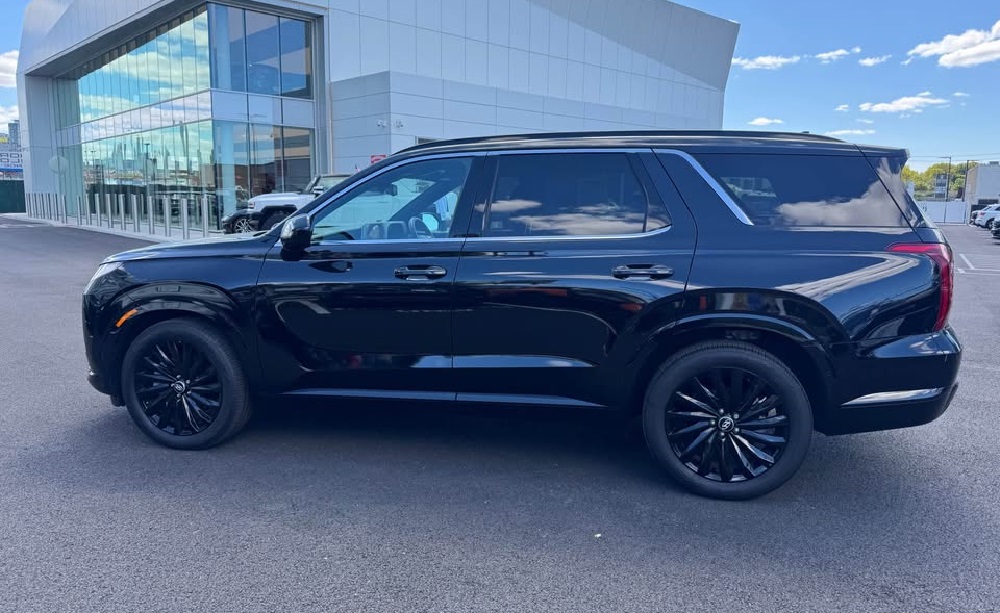
1. One engine, one weak link, same failure pattern
No variants, just repeat wear
Every Palisade since launch runs the same setup: a 3.8L GDI Lambda II V6 (G6DN) paired with an 8-speed automatic. Output holds steady at 291 hp and 262 lb-ft, with towing capped at 5,000 lbs.
Because Hyundai never changed the drivetrain, failure patterns fall into a predictable groove: carbon on the intake valves, oil consumption creeping up, light knock under throttle, and long-haul failures when the dipstick drops too low.
Telluride drivers see the same traits. Keep intervals tight, and the motor holds up. Skip oil checks, and things get expensive fast.
One exception: a narrow run of 2024 engines tagged in Recall 255 / 24V-106. These left the plant with cracked valve springs that can grenade the engine in seconds.
Where trouble really builds
The riskiest 2024s were built between August and October 2023, prime recall territory. When a spring snaps, the engine loses timing instantly. Hyundai skips piecemeal repairs and swaps the full engine assembly.
Backtrack to 2020–2022 and the problem’s slower but just as serious: top-offs become routine, oil-fouled plugs cause misfires, and knock grows louder as levels drop.
Failures often hit second owners, who lose the original 10-year powertrain coverage and fall back to 5 years/60,000 miles, right when wear shows up.
Towing, heat, and long uphill drives all hit this engine harder. They don’t create the flaws, but they sure speed them up.
Palisade model years vs. dominant engine risk
| Model years | Engine & fueling | Main engine-related risks | Relative risk (with good maintenance) |
|---|---|---|---|
| 2020–2022 | 3.8L Lambda II GDI + 8AT | Carbon buildup, rising oil use, knock, misfires | Moderate → High if checks slip |
| 2023 | Carryover | Early signs of the same GDI wear | Developing |
| 2024 (subset) | Same; Recall 255 batch | GDI wear plus valve-spring fracture risk | Low–Mod if outside recall, High if included |
| 2025 | Carryover | Too new for trend lines | Pending data |
2. Recalls that take engines down or get mistaken for it
The valve-spring fracture that can trash an engine
Hyundai’s Recall 255 / 24V-106 targets 2024 Palisades built from August 21 to October 12, 2023. The issue? Faulty valve springs, shipped with microscopic cracks from a bad die process. Once installed, they snap under stress.
When a spring fails, it throws the valve timing off instantly. You get a misfire, violent shaking, and sudden power loss. If the valve drops and hits a piston, the connecting rod can break and blow through the block, dumping oil onto hot metal and risking a fire.
Per TSB 24-01-039H, dealers must replace the entire engine sub-assembly. They can’t release affected vehicles until that job is done.
Tow-hitch short blamed on the V6
A separate fire risk hit 2020–2022 models with factory or dealer tow hitches. The trailer module behind the bumper can short if moisture seeps in, bridging the circuit board traces. Some units caught fire while parked, prompting Hyundai to urge owners to park outside and pull the fuse.
Technically, it’s not an engine issue, but since fires spread from the bumper and melt surrounding plastic, many reports list it under “engine problems” anyway. Updated hardware is still phasing into service departments.
A/C pulley issue that mimics engine noise
Hyundai also flagged 2020–2022 builds made between April 10, 2019 and June 29, 2021 for bad A/C pulley alignment. Out-of-spec hubs can squeal, drag the belt, and weaken cooling. Since the noise comes from the engine’s nose, many owners thought the V6 itself was going out.
Hyundai’s TSB directs techs to check pulley alignment and hub fitment. If either’s off, they replace the pulley or the full compressor.
Major Palisade safety and front-end campaigns often mistaken for engine failure
| ID / Action | Model years | Build range | Issue | Primary risk | Remedy |
|---|---|---|---|---|---|
| 24V-106 / 255 | 2024 | 08/21/2023–10/12/2023 | Damaged valve springs | Power loss, block damage, fire | Replace full engine sub-assembly |
| 22V-627 | 2020–2022 | Various | Tow-hitch module PCB short | Fire risk, parked or driving | Pull fuse, then install updated module |
| TSB 21-HA-003H | 2020–2022 | 04/10/2019–06/29/2021 | Out-of-spec A/C pulley and hub | Belt noise, cooling loss | Replace pulley or compressor |
3. GDI wear and oil burn, the quiet grind that ends this V6
What oil loss looks like in the real world
It starts small: dipstick down a notch, a quart gone every couple weeks. Then comes the burnt-oil smell at red lights, a blue puff on cold starts, and a rough idle that won’t go away.
Misfires follow, usually traced to oil-soaked plugs, especially in rear cylinders tucked under the intake where mechanics don’t like to reach.
Once that pattern sets in, some Palisades burn close to a quart every 1,000 miles. A handful of 2020–2022 units made it to full failure between 70,000 and 90,000 miles, after months of knock complaints and top-offs.
One second owner made multiple CEL trips, then lost the engine at 80,000 miles, past the 5-year/60,000-mile warranty cutoff.
Why carbon buildup leads straight to ring damage
The 3.8L GDI never sends fuel over the valves, so PCV vapor keeps baking onto the backs until it hardens and flakes off. Those flakes head for the piston rings, and once the oil-control rings start sticking, oil sneaks past and burns off silently, no puddles, no leaks, just a slow loss.
Towing, short trips, and long idles cook things faster. Blow-by rises, chamber temps climb, and now you’ve got a feedback loop. Many shops miss the cause. They swap plugs, clear codes, and move on, never checking compression or pulling the intake. That hides the damage until it’s too late.
From tick to knock to a dead block
Here’s how it plays out: light ping on hills, then misfires, then a louder knock when hot. Drop below the oil line and bearings start to wear.
The knock deepens, clearance opens up, and the crank starts scarring the journals. By the time anyone checks oil consumption or orders a leak-down, metal’s often already in the pan.
Warranty coverage draws the line between rebuild and regret. First owners, if fully documented, still get 10-year/100,000-mile powertrain coverage.
Second owners? Just 5 years or 60,000 miles, right when things usually unravel. Once failure hits, engine swaps push $7,000, and goodwill depends on clean records and tight service intervals.
How GDI wear snowballs into full engine loss
| Stage | What the driver sees | Internal state | Result if ignored |
|---|---|---|---|
| Early deposits | Light ping, rough idle | Carbon forming on valves and rings | Rising temps, early knock |
| Rising use | Dipstick drop, burnt-oil smell, faint smoke | Oil-control rings sticking, more oil burned | Frequent low-oil operation |
| Pre-failure | Knock under load, repeat misfires | Bearings losing protection | Rod/main wear nearing failure |
| Catastrophic loss | Loud knock, stall, no restart | Bearing or rod failure, block damage possible | Full engine replacement |
4. Knocks, misfires, and stalls that signal it’s coming apart
From faint ping to full knock
Two noises show up again and again. First is a light rattle, metallic, quick, and usually tied to carbon hotspots or low-octane fuel. It starts around 25,000 to 40,000 miles and might ease off with better fuel and a thorough cleaning, if caught early.
The second noise is worse: a steady, deep knock that rises with RPM. That’s bearing wear talking. It’s the same bottom-end failure pattern that plagued the Theta engines, though the 3.8L never got the KSDS monitor. Once you hear that hollow knock, the damage is already rolling downhill.
Misfires that always circle back to oil
Rough idle, hesitation, bad mileage, misfires often point to oil intrusion. Pull the plugs and look: rear cylinders like #5 are the usual suspects, and oil-drenched tips tell the story. One documented case showed pooling oil in a single cylinder, tied to ring failure, not ignition parts.
As oil and carbon gum up the combustion chamber, trims drift and codes fire off, especially P000A00. Swapping plugs gives you a short break, but the wear keeps creeping unless you fix the source.
Stalls that trace back to internal damage
Some Palisades cut power under load. Others stall outright. Fuel delivery can be one cause, but many cases trace back to oil-starved bearings. When the film breaks down, the crank pounds the journals, the engine shakes, and sometimes it shuts off on its own.
Hyundai’s logic will cut power if knock spikes too high, but once it hits limp mode with hard vibration, there’s usually metal in the oil. At that point, diagnosis shifts to bottom-end failure and the start of a very expensive call.
Drivability clues that link to internal wear
| Symptom pattern | Likely source | Shop focus | Risk if ignored |
|---|---|---|---|
| Light ping under load | Chamber carbon, fuel margin | Fuel trims, chamber deposits | Early knock progression |
| Rough idle, misfires | Oil in chambers, ring deposits | Plug condition, compression, borescope | Rising oil use, faster wear |
| Deep knock, stalls | Bearing wear from low oil | Metal in oil, bottom-end clearance | Seizure and engine loss |
5. Maintenance that actually keeps this V6 alive
Oil change habits that save bearings
The 3.8 GDI runs hotter than port-injected engines, so factory 7,500–10,000-mile intervals cut it close. A strict 5,000-mile synthetic cycle holds up better under heat, blow-by, and fuel dilution.
Checking the level matters even more. Dipstick pulls once a week catch rising burn early, before pressure drops and knock sets in. Many failed engines burned a quart every 1,000 miles without the owner noticing. The oil was long gone by the time the ticking started.
Fighting carbon before the rings seize
Dry-valve GDI setups like this build carbon fast. Fuel never washes the valves, so PCV vapor sticks and hardens. Using GDI-safe induction cleaners every 20,000 miles slows the buildup. It won’t stop it, but it delays the tipping point.
Once misfires return soon after plug swaps and idle stays rough, the carbon’s baked in. At that stage, only walnut blasting restores airflow and clears the valves.
PCV checkups, catch cans, and driving style
A sticky PCV valve sends more oil vapor into the intake, loading the valves and rings. Replacing it at regular intervals keeps things stable. After warranty, a properly mounted catch can can pull much of that vapor before it hits the intake.
Short trips, long idles, and too-gentle driving leave moisture and fuel in the oil. Running the V6 up to full temp and giving it light-to-moderate load now and then helps burn off that buildup.
How maintenance style shapes engine risk
| Owner type | Maintenance pattern | Long-term risk |
|---|---|---|
| “Book only” | Long intervals, rare checks, no carbon prevention | High, especially past 60k |
| Moderate-care | 5k synthetic, routine checks, occasional cleaning | Moderate |
| GDI-aware | Weekly checks, 5k synthetic, decarb + PCV attention | Lowest, 200k+ realistic |
6. How this V6 compares to the rest of the three-row field
Power wins early, but the upkeep bites later
Hyundai’s 3.8L GDI puts up solid specs: 291 hp, 262 lb-ft, and 5,000-lb towing across all years. It’s smooth, quiet, and pairs well with the Palisade’s soft ride and loaded cabin. Early on, owners are impressed.
But compare long-term wear, and it’s a different story. Toyota and Honda run dual-injection or port-injected setups in the Highlander, Grand Highlander, and Pilot. They resist carbon better and show far fewer oil-burning complaints or mid-life engine failures.
Warranties split the outcome by owner
Hyundai backs the first buyer with 10 years or 100,000 miles, as long as the records are airtight. Engines with solid paperwork often get replaced without much pushback.
Second owners lose that cushion. Their coverage drops to 5 years/60,000 miles, and many engine failures hit just after that cutoff. Without goodwill from Hyundai, they’re staring down $7,000+ replacement quotes out of pocket.
When the 3.8 is worth saving and when it’s not
If you’re the first owner, under 100,000 miles, and can prove regular care, the truck’s worth fixing. A fresh long block resets the drivetrain and preserves resale.
But if you’re sitting on a high-mile unit with oil burn, knock, and no strong paper trail, cut losses. At that point, the repair math rarely works. A trade-in, buyback push, or walking away makes more sense than sinking money into a fading block.
Where the Palisade stands in three-row powertrain longevity
| Model | Engine & fueling | Main chronic risk | Long-term outlook |
|---|---|---|---|
| Hyundai Palisade | 3.8L V6, pure GDI | Oil burn, carbon, knock | Sensitive to maintenance |
| Toyota Highlander/GH | V6 or PFI/GDI mix | Low-rate wear issues | Strong, high-mile reputation |
| Honda Pilot | V6, port or mixed inject | Minor wear/trans quirks | Generally durable with care |
7. Clear steps for owners, used buyers, and those already in deep
What current owners should do now
Start with a VIN check for both the 2024 valve spring recall and the 2020–2022 tow-hitch fire risk. The valve spring defect doesn’t allow partial fixes; only a full engine swap clears it. If your build falls in that batch, the dealer needs to move immediately.
Track oil use the old-fashioned way: mileage, amounts added, and when. That log becomes crucial if knock develops or you file a warranty claim.
Don’t ignore repeat misfires, rising oil use, or pinging under load. That’s when you push for a formal oil consumption test and full diagnostics, not just another plug swap.
What buyers should watch for in the used market
Skip the badges. One-owner trucks with full records are what count. A solid service trail tells you more than trim packages or mileage.
Test drives should be done hot. Listen for light pinging under throttle, deeper knock when warm, startup smoke, or a lumpy idle. Pull codes, especially for misfire or cam timing, to catch buried problems.
Buyers who want long-haul peace usually lean toward a Highlander or Pilot, where carbon and ring issues don’t build like they do here.
What to do when the engine’s already failing
Pull every record, top-off log, invoice, and complaint into one clean timeline. Link symptoms to mileage; that’s what Hyundai corporate looks for.
Failures just outside warranty often still get coverage if you can prove the issues started while coverage was active. No records, no help.
If the claim gets shot down, look for a consumer-law firm that knows Hyundai/Kia engine cases. While they review your case, get quotes on replacement engines from independent shops, not just dealers.
Action path by situation
| Situation | First priorities | What carries the most weight |
|---|---|---|
| Current owner | VIN checks, oil logs, 5k changes | Clean records before symptoms develop |
| Used-market shopper | One-owner history, quiet hot test ride, scan | Documented service history |
| Engine trouble already hit | Organize records, escalate with timeline | Early, well-documented complaints |
Why this V6 lasts long for some and quits early for others
The Palisade’s 3.8L runs smooth when it’s kept in check, but pure GDI means short oil intervals, regular dipstick checks, and carbon cleanup aren’t optional. Only the 2024 valve spring defect is a true recall-grade flaw. The rest? Slow-burn wear from skipped maintenance and long heat cycles.
First owners who stick to the book usually get covered if the engine lets go early. But second owners lose that lifeline at 5 years/60,000 miles, and many failures land just beyond it. That’s why some trucks quietly pass 200,000 miles, while others lock up before 90,000.
Buyers looking for long-term peace often shift toward Toyota or Honda, where fewer oil-burn sagas make headlines. But for those set on a Palisade, the pattern’s clear: strong service history, quiet engine at temp, and a plan to stay ahead of oil loss and carbon from day one.
Sources & References
- Hyundai Palisade Model Timeline Full Overview and Features
- Telluride vs. Palisade: Which SUV Is Right for You? – Shaker’s Family Hyundai
- Hyundai Palisade Generations: Compare 2025 Vs. 2024 Vs. 2023 Models
- Drive Classic Hyundai 2025 Palisade Specs
- A Reliable Hyundai & Kia Engine? Lambda 2 V6 Teardown – YouTube
- Part 573 Safety Recall Report 24V-106 | NHTSA
- Safety Recall 255: Engine Sub-Assembly Replacement – Dealer Best Practice – nhtsa
- lambda 3.8l engine sub-assembly replacement (recall 255) – nhtsa
- 2020 Hyundai Palisade Problems Commonly Reported To Keep In Mind When Buying Used
- 4 Hyundai Palisade Engine Problems & How to Fix Them – The Lemon Law Experts
- Welp, it happened. Oil consumption : r/HyundaiPalisade
- Should we buy this car or is it too risky? : r/Hyundai
- 30,000 Miles In Two Dealerships Say My Hyundai Palisade’s Noise Is a Spark Knock
- Hyundai Palisade Maintenance Tips Richmond VA
- How to remove carbon buildup permanently! – YouTube
- How To REMOVE CARBON Build Up From DIRECT INJECTION Engines For $12 – YouTube
- Is the 3.8 blowing up that common? : r/Hyundai
- Hyundai Oil Consumption Recall – California Lemon Law Attorney
- Hyundai Palisade Engine Problems – CoPilot for Car Shopping
- Kia Telluride (2020-present): A Complete Reliability Guide – YouTube
- How Many Miles Does Hyundai Palisade Last – Findlay Hyundai Prescott
- Safety Recall Campaign 255: Engine Valve Springs – Dealer Best Practice
- Engine Recalls – Hyundai
- Service Campaign 966: ENGINE MONITORING LOGIC – Dealer Best Practice (TSB# 21-01-023H-4)
- powertrain extended warranty – Hyundai – Recalls
- Recall for excessive oil consumption : r/Hyundai
- Petition for defect investigation of Hyundai/Kia oil drain pan assemblies – Class Action Lawsuits
- 2021 Hyundai Palisade Recalls & Safety Notices | Kelley Blue Book
- 2020-2022 Hyundai Palisade Recall – LLGP – Lemon Law Group Partners
- HMA TSB – nhtsa
- 2021 Hyundai Palisade Engine failure. 2nd owner 80,xxx miles. Requesting a goodwill repair – Reddit
- Most Reliable 3-Row SUVs: Grand Highlander vs Pilot vs Palisade – Top Speed
- Highlander vs. Palisade vs. Pilot : r/whatcarshouldIbuy – Reddit
- Hyundai Vs Toyota Which Is Better Value, Reliability, and Performance? – Arabity Online
- July 13, 2022 VIA EMAIL Stephen A. Ridella, Ph.D. Director, NHTSA Office of Defects Investigation – The Center for Auto Safety