
Cold start. The engine kicks over, rattles sharp, coolant lingers in the air, and torque surges like a jab to the chest. That’s the EcoBoost experience: quick off the line, but behind the punch hides a mess of noise, leaks, and wear.
Ford crammed V8 power into a twin-turbo V6, backed it with high-pressure fuel and fast-spinning cam phasers. It works; until it doesn’t.
Some F-150s chew through 200,000 miles without breaking stride. Others drop timing chains, crack turbo coolant lines, or suck oil through flawed PCV plumbing.
This guide maps the common failures by engine generation, digs into the issues, and shows what these problems cost when they go from warning sign to repair bill.
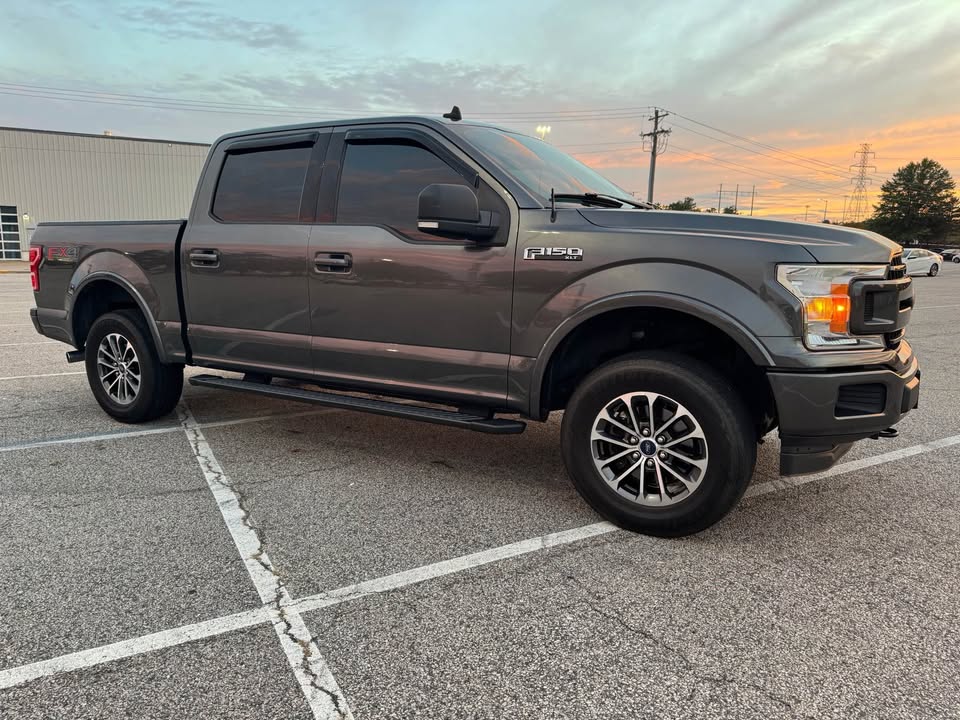
1. EcoBoost design – Where the power starts, and the stress stacks up
The torque recipe that pushes parts to the edge
Ford built the EcoBoost V6 with two goals: match V8 torque and sip less fuel. Twin turbos, high-pressure direct injection, port injection support, fast-reacting cam phasers, and tight spool times deliver serious low-end grunt.
But that same combo hits the timing gear, oil paths, cooling circuits, and bearings harder than a traditional V8.
Three failure families baked into the platform
First up, timing and cam phaser wear. Chains stretch, tensioners lose grip, and the phasers slip once the lock pins wear. It shows up after long oil intervals or towing duty. Second, heat strain.
Turbo coolant lines, radiators, pumps, and thermostats get pushed near their limits, especially on trucks that idle or haul heavy. Third, air and oil management. Issues like intercooler oil loading and PCV failure trigger oil consumption or misfires under boost.
How each generation shifts the risk
Gen 1 engines (3.5L from 2011–2016 and 2.7L from 2015–2017) show the early weak points, timing-chain stretch, and heat-related failures.
Only the 3.5L Gen 1 runs direct injection only, which invites carbon buildup on the intake valves. The 2.7L Gen 1 came with dual injection, direct plus port, from the start, which cuts down on valve coking.
Gen 2 engines (2017+) brought better chains, stronger heads, revised cooling, and dual injection across the board. But the 2017–2020 3.5L added a new problem: cam phasers with faulty lock pins. These fail cold, rattle loud, and throw codes like P164C before leading to full timing drift.
EcoBoost Generations and Their Signature Failures
| Engine / Gen | Approx. F-150 Years | Fuel System | Key Design Changes | Signature Problems |
|---|---|---|---|---|
| 3.5L Gen 1 | 2011–2016 | DI only | First EcoBoost truck V6 | Timing-chain stretch, coolant leaks, intake valve carbon |
| 2.7L Gen 1 | 2015–2017 | DI + Port (PFI) | Compact V6, RTV-sealed plastic oil pan | RTV oil-pan leaks, valve-guide defects (2016–2017 build range) |
| 3.5L Gen 2 | 2017+ | DI + Port (PFI) | Stronger chains, revised heads & VCT gear | Cam phaser lock-pin failures, oil-consumption TSBs |
| 2.7L Gen 2 | 2018+ | DI + Port (PFI) | Steel pan, improved cooling, updated block | Lower carbon risk, heat-sensitive turbo plumbing |
2. Gen 1 weak spots – Where early EcoBoosts crack first
Timing chains that walk out of phase under stress
The original 3.5L timing set ages fast under hot oil and aggressive cam movement. When oil breaks down, the tensioners lose bite, and the chains start to wander.
Once stretch sets in, the cams fall out of sync. You’ll hear it at startup, a dry rattle, then see timing codes and feel idle wobble that fades in and out with load.
High-mileage engines usually need the full kit: primary and secondary chains, tensioners, guides, and seals. The job dives deep into the front cover and runs between $2,061 and $2,683.
Leave it too long, and the chain misalignment can trigger misfires and stumbles under throttle, pushing the truck straight to the bay.
Valve carbon that builds silently, then chokes the top end
Early EcoBoosts with direct-only injection never wash the intake valves with fuel. Blow-by gases and heat bake on a thick layer of carbon that clogs the ports. You feel it as lag on throttle, light misfires, and slipping fuel economy. Additives won’t touch it once it’s crusted.
Shops use walnut blasting, blowing crushed shells through the intake to strip the valves clean. It costs $500 to $1,000 and usually hits around 50,000 to 70,000 miles, especially on work trucks.
Done right, it brings back throttle snap and clears up hesitation. Many Gen 1 owners treat it as scheduled maintenance.
Coolant leaks that whisper first, then warp the heads
The early 3.5L runs a heater-hose quick-connect near the turbos that fails with age. First, it seeps. Then it weeps. Eventually, it leaves a green trail down the block.
Leaks also form around the front cover and turbo hardware where gaskets shrink or clamps lose tension. As coolant drops, temps rise, fans scream, and heat output drops under load.
Catch it late, and you’re into gasket damage or warped heads. Many drivers report a sweet smell days before the needle climbs. These leaks are a known weak point in 2011–2014 trucks, and often a dealbreaker on the used lot.
Plastic oil pans and disappearing oil on early 2.7s
Ford sealed the 2.7L’s plastic oil pan with RTV, and time exposes the flaw. Heat cycling hardens the sealant, and the seam goes damp before becoming a steady drip. Ford’s fix? A new steel pan with a gasket, but the job often pulls valve covers too. Total cost lands between $1,600 and $3,100.
Engines built from April 2016 to January 2017 also show oil loss from flawed valve guides. A quart disappears every 3,000 miles with no leak in sight. Fouled plugs and light haze from the tailpipe at idle are common flags. These trucks need close watching and documented repairs to stay in the safe-buy zone.
When Gen 1 problems don’t come alone
High-mile 2011–2014 trucks often stack all three: stretched chains, carbon-clogged valves, and coolant trails down the block.
Long oil intervals and heavy heat cycles wear them down together. Once one system goes, the next weak point usually isn’t far behind, and every repair opens the door to the next.
3. Gen 2 upgrades – And the problems that came with them
Dual injection clears the valves, but adds new strain
Gen 2 EcoBoosts fix the biggest Gen 1 headache, carbon buildup. They add port injectors that run at idle and low load, keeping the intake valves clean. Direct injection still handles the muscle under boost, but the blended setup prevents the crusty intake fouling that affected Gen 1 throttle response.
Ford didn’t stop there. The timing set got stronger dual chains, the heads improved flow, and the valves carried more heat, hollow-stem intakes, and sodium-filled exhausts.
These upgrades hold power steady and spread the thermal load better. But they don’t stop what became Gen 2’s biggest weak spot: the cam phasers.
Cam phasers that can’t hold their position cold
From 2017–2020, the 3.5L EcoBoost used a phaser pin that sometimes fails to lock after shutdown. Oil leaks out overnight, the pin floats, and the next start rattles like a loose chain until pressure builds. Once the slop grows, trucks throw P164C, and some owners disable auto start-stop to soften the blow.
If the pin shears clean off, timing jumps hard. Valves contact pistons. Compression drops, and the engine’s done. Ford’s 21N03 service campaign covers full phaser replacement up to 70,000 miles, with partial coverage tapering to zero by 90,000.
If you’re out of warranty, expect a $2,500 to $4,000 hit for full timing access and phaser replacement.
Valve covers that feed oil to the intake
Certain 2017–2019 trucks burn oil with no drips to show for it. The issue: internal baffling that fails to separate vapor properly. Oil mist gets sucked into the intake and fouls the plugs. You might see a haze at idle before the computer flags it.
Ford issued a TSB that swaps both valve covers with updated units and reflashes the PCM to improve detection. Meanwhile, that same blow-by loads the intercooler, cutting its efficiency and softening power under heat or towing.
The tougher 2.7L that still runs hot
The updated 2.7L got a steel oil pan and gasket, closing the book on early RTV leaks. Revised heads also solved the valve-guide oiling issue, making later engines a safer used buy.
But heat’s still the enemy. Tight turbo packaging drives up temps, and short trips leave moisture in the crankcase. Over time, blow-by gums up the intercooler and undercuts response, especially in traffic or while towing.
Tuning and towing that walk the line
Turn up the boost or hook up a trailer, and you’ll hit the weak spots fast. Cylinder pressure climbs. The phasers chase every VCT change harder. Tuned trucks ride the edge of control. Long pulls thin the oil, and cam timing starts to drift.
Hot shutdowns roast the turbo bearings. When the engine stops and oil sits still, it cooks into carbon and grinds down the bearing surface.
Soon after, underboost codes light up, and the turbos lose bite. Run stock tuning and change oil on time, and Gen 2 holds together. Push it hard, and that margin vanishes quick.
4. Cooling, turbo plumbing, and heat-driven failures that snowball fast
Coolant lines that turn a whiff into a $6,000 job
The turbo feed lines run just inches from the hot side. Their seals cook over time, long before the truck racks up serious mileage. First clue is a sweet smell. Then a faint puddle. Then, a disappearing coolant level the tank can’t explain. Once it starts, it spreads fast.
The problem’s not the line, it’s the location. Buried behind manifolds and turbo gear, the fix often means lifting the cab. Shops quote 20+ hours. Full repair ranges from $2,745 to $8,900, depending on how many studs and brackets seize or snap during teardown.
Radiators, pumps, and thermostats that fade with heat
Towing, hills, and long idles dump turbo heat into the cooling system. Over time, radiators crack at the end tanks. Pumps drop flow. Thermostats lose spring tension and stick open or closed. Warning signs include screaming fans, weak cabin heat when accelerating, and needle blips in traffic.
Once coolant drops, temps climb quick. Even short overheats can warp heads or blow gaskets. Hot-weather work trucks show the pattern first, and usually get hit the hardest.
Turbos and wastegates that seize or scuff from heat
Stop the engine after a hard run, and the oil trapped in the turbo cartridges turns to carbon. That buildup scours the bearing surface and adds shaft play. Next thing you know, boost falls flat, the truck whistles under load, or throws a P0299 before any real warning.
Wastegates fail from sticky pivots, solenoid issues, or electrical faults in the actuator. Codes like P25B6 show up once the gate can’t open or close cleanly. A single turbo job usually runs $1,553 to $1,795, but the bolts often snap or seize, dragging labor and parts along for the ride.
One leak that triggers a full hot-side rebuild
A single coolant seep can turn into a full-blown teardown once the cab’s off. On high-mileage trucks, one leak often exposes cooked studs, crumbling clamps, and fried shields. It’s not just the line anymore, it’s the whole hot side.
Shops that know EcoBoost engines rarely go in for one fix. If the cab’s coming off, they replace everything vulnerable in the zone to avoid another $4,000 visit down the line. Once the heat’s had its way, the only smart move is replacing every compromised part in one shot.
5. 10R80 Transmission – When shift logic and hardware clash
Shifts that slam, flare, or can’t find the gear
On paper, the 10R80 should pair perfectly with the EcoBoost. In practice, age, heat, and towing bring out its flaws. Many trucks develop a sharp 1–2 or 2–3 shift, light-throttle flares, or a sudden jolt when easing into traffic.
Cold starts often trigger gear hunting until the fluid warms up. That light shudder at low speeds? It’s not a misfire; it’s torque converter lockup fighting itself.
As the transmission wears, line pressure maps drift. Clutches hit late or too hard. Trucks with heavy-haul history show these problems sooner. Hardware usually holds, but the control logic starts to lose the fight before anything breaks.
Calibration makes or breaks the drive
Ford’s released waves of software updates to smooth out harsh shifts, tame converter lockup, and refine pressure control. But many trucks never get reflashed, running outdated code that no longer matches the real wear inside the case. That mismatch creates awkward, erratic behavior, until the software catches up.
Dealers confirm calibration status through their portal, and independents with Ford-capable scan tools can check too. Trucks that get the newest logic often clean up instantly, especially if there’s no metal in the pan and shifts are just rough, not delayed. What feels like a failing trans is sometimes just a missing update.
When mechanical wear breaks through the software
Not every problem’s digital. Grit in the pan points to clutch wear or a weak pump. Delays shifting into Drive or Reverse, even with fresh software, often mean cross-leaks in the valve body or seals leaking off pressure. If the truck flares between gears at steady throttle, there’s a mechanical fault that logic can’t cover up.
EcoBoost torque hits the 10R80 harder than the old V8s ever did. Valve bodies with worn bores leak past the spools, and the converter clutch can’t hold steady. At that point, it’s teardown time. Band-aid fixes don’t last once the leaks start.
6. EcoBoost repair costs – Where labor flips the math
Labor-heavy engines, where small parts get expensive fast
EcoBoost repairs hurt not just from part prices, but from where the parts sit. Timing sets, turbo lines, phasers, they’re buried behind layers of brackets, covers, and crossmembers. A simple phaser job on a 3.5L Gen 2 can run 17 labor hours. Even at average shop rates, that pushes the bill to $2,500–$4,000.
Same story on Gen 1 timing chains. The set itself might cost under $800, but the tear-down and rebuild land most jobs in the $2,061–$2,683 range. Turbo coolant lines? Worse.
With cab-lift labor and seized studs, total quotes often run $3,000 to $9,000. On a simpler engine, the same leak would cost a fraction.
High-impact EcoBoost failures and what they cost to fix
| Component / Issue | Gen / Years | Typical Symptoms | Access Difficulty | Common Repair Range* |
|---|---|---|---|---|
| 3.5L timing-chain set | Gen 1 2011–2016 | Startup rattle, timing codes, rough idle | Front of engine, deep | $2,061–$2,683 |
| 3.5L VCT cam phasers | Gen 2 2017–2020 | Cold-start rattle, P164C, start-stop off | Front engine, timing open | $2,563–$4,000+ |
| Turbo coolant feed lines | All 3.5/2.7 | Coolant loss, sweet smell, overheating | Often cab-off | $2,745–$8,900 |
| Intake valve carbon clean | Gen 1 DI-only | Hesitation, misfires, loss of power | Intake off, blast ports | $500–$1,000 |
| 2.7L plastic oil pan leak | 2015–2017 2.7 | Oil spots, damp pan-to-block seam | Pan plus related parts | $1,600–$3,100 |
| Turbocharger replacement (ea.) | All years | Underboost, whine, P0299/P25B6 | Tight, in chassis | $1,553–$1,795+ per turbo |
*Parts plus labor. Actual totals vary with shop rates and how much hardware needs replacing once open.
Stacked failures – When the repair bill overtakes the truck
A single failure is painful. Stack a few, and it flips the decision. A high-mile 2011–2014 3.5L that needs timing chains, carbon blasting, and cooling work in the same year can rack up $5,000 to $7,000.
Gen 2 trucks with phaser failure plus a turbo coolant leak? Same ballpark, especially once cab-lift labor and seized bolts enter the mix.
At that point, it’s no longer about repair; it’s about value. Once the bill gets close to private-party resale, owners often bail. On the used market, trucks with records showing phaser fixes, oil pan conversions, or timing-chain jobs carry more weight than a clean Carfax or a flashy asking price.
7. Maintenance that actually buys time on an EcoBoost
Oil quality that decides how long your timing gear survives
The EcoBoost’s timing system lives and dies by oil quality. Turbos cook the oil thin fast, and long change intervals starve the tensioners. Once pressure drops, chain stretch and phaser clatter follow.
Full synthetic 5W-30 holds up better under boost, and trucks that tow, idle long, or see short trips need shorter oil change intervals, no matter what the dash says.
Sticking to 5,000–7,500-mile intervals keeps Gen 1 timing sets quieter and helps Gen 2 phasers last longer. On trucks that short-trip often, fuel and moisture dilute the oil early. Cold starts then become the moment where the timing gear slips first, and loudest.
Ignition parts that hold boost steady under load
Boosted engines are brutal on spark plugs. The high pressure, hot chambers, and direct injection arc chew through electrodes sooner than old-school V8s. Misfires show up under load or tow before they ever trigger a code. Many owners feel the stumble long before they see a warning.
Swapping plugs every 30,000–40,000 miles on Gen 1, and 50,000–60,000 on Gen 2, keeps combustion clean. If the truck’s tuned or tows heavy, a colder plug steps down the knock risk. Failing coils follow the same pattern: fine at idle, stumble under boost, and often get replaced in pairs once one slips.
Keeping airflow and boost clean with smart induction care
Gen 1 intake valves clog because fuel never touches them. Blow-by bakes on carbon that affects airflow and response. Walnut blasting clears the ports using crushed shells. Most trucks need it by 50,000 to 70,000 miles, sooner if they idle or tow regularly. Once clean, throttle response returns immediately.
On both generations, PCV mist loads the intercooler with oil. A quality catch can traps vapor before it hits the charge air cooler. Lower intake temps preserve knock control, especially under towing. Drain the can at every oil change; it keeps the cooler clean and your plugs firing right.
Real-world maintenance intervals that keep EcoBoosts alive
| Item | Gen 1 (DI-only) | Gen 2 (DI + Port) | Notes |
|---|---|---|---|
| Engine oil + filter | 5,000–7,500 miles | 7,500–10,000 max | Shorter if towed or driven hard |
| Spark plugs | 30k–40k miles | 50k–60k miles | Colder plugs recommended for tuned or towed trucks |
| Intake valve walnut blast | 50k–70k miles | Rarely needed | Gen 2 avoids buildup unless symptoms appear |
| Catch-can drain | Every oil change | Every oil change | Check more often in cold weather |
| Cool-down idle after hard use | 60–120 seconds | 60–120 seconds | Prevents turbo coking, extends bearing life |
Driving habits that protect turbos and calm cold starts
Turbo bearings hate heat soak. Shutting down right after a hard pull traps hot oil in the center housing, which cooks into carbon. Letting the truck idle for 60–120 seconds after towing or highway runs gives the oil time to circulate and cool, keeping shaft play and bearing damage at bay.
Cold starts are when weak phasers clatter loudest. Letting the idle settle for 30 seconds before loading the engine helps hold timing in place. Gen 2 engines with early phasers respond well to these habits, along with shorter oil intervals, because that’s when the design flaw tends to shout the loudest.
8. Model-year risk – The good, the bad, and the ones to steer clear of
The years with the most mechanical issues
The worst combo hits the 2011–2014 3.5L. These trucks pack early chain stretch, DI carbon, and leaky coolant quick-connects near the turbo zone. Many rack up all three by 120,000 miles, and once the front cover comes off, the repair total spikes.
The 2015–2017 2.7L has its own pitfalls. Ford sealed it with RTV and ran plastic oil pans, which leak as the sealant hardens. Units built from April 2016 to January 2017 also suffer valve-guide wear that quietly burns a quart every 3,000 miles. No puddles, just fouled plugs and low oil warnings.
Then there’s the 2017–2020 3.5L Gen 2. These trucks carry the phaser defect that triggers cold-start rattle and P164C. Engines without documented 21N03 repairs sit squarely in the danger zone for timing movement and piston-to-valve contact.
The years that track clean when maintained right
Later 2.7L Gen 2 engines fixed the oil-pan leak and valve-guide wear. They still run hot under load, but the foundation holds up well. 3.5L Gen 2 trucks with completed phaser and valve-cover service run smoother, hold timing longer, and stay cooler.
Maintenance history makes the difference. Trucks with proof of oil service, updated spark plugs, and key TSB repairs show fewer intercooler issues and tighter VCT performance. Updated PCM/TCM calibrations round it out, especially for owners who tow or idle often.
Matching EcoBoost risk to how the truck’s used
Corrected 3.5L and late-model 2.7L EcoBoosts handle daily driving well. Dual injection keeps valves clean, and the cooling system handles stop-and-go without surprise failures. Light-duty use keeps the weak spots buried.
Heavy towing, though, drags everything to the surface. Long climbs hammer the timing gear, heat the oil, and test the turbo cooling. Early Gen 2 phasers often give up first.
The 2.7L holds its own with small trailers but warms up fast near max payload. For high-mile, heavy-haul use, many owners still lean toward a V8 to avoid phaser slap, carbon buildup, and $7,000 hot-side rebuilds.
Closing the gap between quick trucks and lasting engines
EcoBoost trucks hit hard off the line, but that power comes with pressure. Turbos, phasers, timing chains, and cooling circuits all take more abuse than they would in a traditional V8.
Keep the oil clean, plugs fresh, and heat in check, and most of those problems stay dormant. Skip maintenance or tow heavy for years, and the weak links show up fast.
If you’re eyeing a used one, service history beats mileage every time. Completed timing-chain jobs, a steel oil pan on the 2.7L, or a phaser fix under 21N03 are the first signs the truck’s been looked after.
And for those who work their trucks hard, pulling long grades, running heavy loads, the EcoBoost will pull it. But if you want to skip valve coking, turbo line failures, or $4,000 phaser jobs, an old-school V8 still makes a quiet case.
Sources & References
- Are Ford EcoBoost Engines Good and Reliable?
- Ford EcoBoost engine – Wikipedia
- Ford Turbo Coolant Lines – YouTube
- Ford 3.5 EcoBoost Years to Avoid: Common Problems & Recall Guide (2025)
- Ford 3.5L EcoBoost Ticking at Start-Up? VCT Problem P164c (TSB 23-2143) – YouTube
- 2nd Generation Ford F-150 3.5L EcoBoost Engine – Truck Insiders
- 7 Common Ford F-150 3.5L EcoBoost Problems And How to Fix Them – Truck Insiders
- Ford 2.7 Ecoboost Problems – CoPilot for Car Shopping
- Oil pan replacement : r/f150 – Reddit
- 2024 Ford F-150 Raptor High-Output 3.5L EcoBoost® V6 Engine
- Ford: How to Stop Carbon Buildup in Direct Injection Engines
- What procedure does Ford dealerships have to remove carbon build up on the ecoboost engines | Ranger6G
- What is Ecoboost? 3.5L Ford Ecoboost V6 Generations Explained – Full Race Motorsports
- Ford 3.5L EcoBoost Cam Phaser Rattle
- Cam Phaser Class Action Lawsuit : r/f150 – Reddit
- Customer Satisfaction Program 21N03 Certain 2017-2020 Model Year F-150 – NHTSA
- 3.5l Cam Phaser Replacement Costs : r/f150 – Reddit
- Timing Chain Replacement Cost Estimate – RepairPal
- Top 5 F150 EcoBoost Challenges and How to Tackle Them – Stage 3 Motorsports
- How to Clean Intake Valves On Ford EcoBoost Engines with CRC GDI IVD® Intake Valve Cleaner | Ranger5G
- Ranger6G Carbon Removal Thread
- Common 2.7 EcoBoost Problems Every Ford Owner Should Watch Out For
- Ford F-150 Most Common Coolant Leaks | 3.5 EcoBoost V6 – YouTube
- Has anyone had the 3.5 Ecoboost turbo coolant leak? How much did it cost to repair?
- Ford F-150 Turbocharger Assembly Replacement Cost Estimate – RepairPal
- Stuck Wastegate: Everything You Need to Know – Essex Turbos
- Turbo actuator symptoms vs turbo failure – Wisco Automotive
- F150 3.5L Engine Light P25B6 turbocharger wastegate stuck closed – YouTube
- TSB: 3.5L – Excessive Oil Consumption With Or Without DTC P0365/P0369
- TSB: 3.5L EcoBoost – Excessive Oil Consumption With Or Without DTC P0365/P0369
- Ford 10R80 Transmission • Problems, Solutions & Upgrades – Next Gen Drivetrain
- Have you had issues with your 10 speed transmission? : r/f150 – Reddit
- 10R80 Transmission Issues: Common Problems and How to Fix Them
- TSB: 10R60/10R80/10R80 MHT Automatic Transmission – NHTSA
- Ford 3.5L Ecoboost Series — Cam Phaser Issues Explained – Newparts.com
- 2022 3.5 ecoboost- what catch can do y’all recommend? : r/f150 – Reddit
- Ford 3.5L Ecoboost Series — Ignition Problems – Newparts.com
- Comprehensive Ford F-150 2.7L EcoBoost V6 Maintenance Guide – Truck Insiders
- The Best Spark Plugs for Ford Ecoboost Engines: Unveiling the Top Choices
- Are catch cans worth it, or are they placebos? : r/ecoboostmustang – Reddit
- 3.5 Ecoboost rattle – can I live with it? : r/Ford – Reddit