
Twin turbos light up, the trailer settles, and one cold rattle or late shift tells you this SUV’s story isn’t simple. The Expedition’s got pull, no doubt; but it hides a few habits that cost real money if you don’t catch them early.
Timing chains that tick too soon, cam phasers that clatter, and a 10-speed that either nails the gear or slams hard enough to make you flinch. Most review scores call it “average,” but that smooth ride masks high-dollar repairs that creep in after 60,000 miles.
This breakdown cuts straight to the trouble spots, bad years, solid ones, and what it takes to keep the Expedition running strong without gutting your budget.
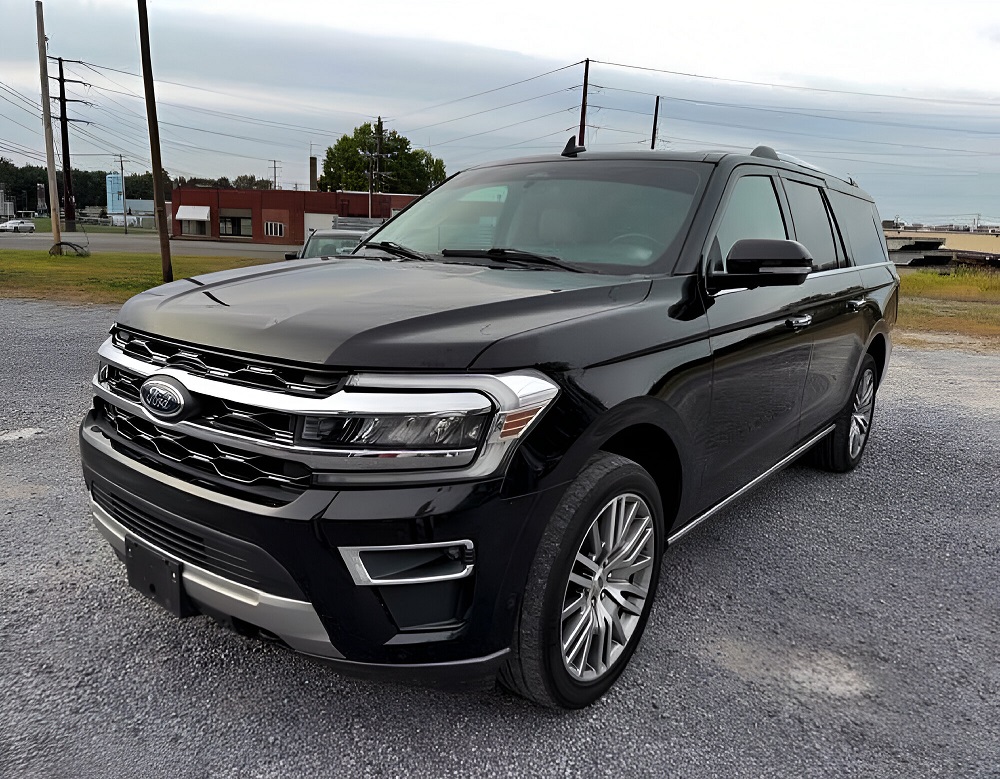
1. Where the Expedition actually lands on the reliability board
A full-size SUV earns its stripes by hauling families, towing hard, and racking up highway miles without throwing surprise repair bills. Simpler rigs like the old Sequoia bank on low-stress engines and parts that age slowly.
The Expedition takes a different route, twin turbos, a 10-speed auto, and a dashboard lit up with tech. It’s fast and comfortable, but every added system raises the stakes once you cross 60,000 miles.
J.D. Power gives the Expedition a 75/100 in Quality & Reliability, right down the middle for this segment. RepairPal pegs it at 3.0 out of 5, placing it 7th out of 14 full-size SUVs, with an average annual repair cost of $861, a notch above the class average.
On paper, it looks manageable: just 0.2 unscheduled visits per year, compared to the 0.4 average in its weight class. But it’s not about how often. It’s about how hard the hammer drops when it does.
The Expedition matches the segment’s 15% severe repair rate, but the failures in that bucket hit harder. A timing job on the 3.5L EcoBoost often clears $3,500–$6,000.
A full 10R80 transmission swap? Try $7,000 and up. That’s one repair wiping out years of projected maintenance in a single swipe. It’s not death by a thousand cuts; it’s one clean slice to the wallet.
In 2025, Ford jumped 10 spots to 13th in J.D. Power’s Dependability rankings. Internally, they credit that to tighter testing and better oversight on 2022+ vehicles.
If that trend holds, newer Expeditions could benefit, but long-term powertrain durability still hasn’t proven itself. The jury’s out on whether the fixes stick past the warranty line.
Ford Expedition reliability metrics at a glance
| Source | Metric | Expedition Result | Segment Context | Plain-Language Meaning |
|---|---|---|---|---|
| J.D. Power | Quality & Reliability (0–100) | 75/100 | Mid-pack | Typical reliability for a full-size SUV with complex hardware |
| RepairPal | Reliability Rating (0–5) | 3.0/5.0 | 7th of 14 | Above-average placement in its specific class |
| RepairPal | Annual Repair Cost | $861 | Higher than $784 avg | Slightly pricier to keep on the road |
| RepairPal | Unscheduled Repair Visits | 0.2/year | Lower than 0.4 avg | Few shop trips, but severity skews high |
| RepairPal | Severe Repair Rate | 15% | Matches segment | Big failures drive most complaints and cost exposure |
2. 3.5 EcoBoost reliability when torque meets wear
The 3.5L EcoBoost delivers solid shove, but direct injection means dry intake valves. Over time, oil vapor sticks, hardens, and gums up the airflow.
First-gen setups see buildup faster, and by 80,000 to 120,000 miles, many trucks need walnut blasting to clean it out. That runs $400 to $600, and most owners feel the sluggish throttle and rough idle long before any codes pop up.
A sharp rattle when cold is the EcoBoost’s sign. Worn cam phasers don’t hold position, timing jumps, and faults start stacking up in the PCM.
Ford issued TSBs for 2017–2020 models because fixing it means a full front-end teardown, chains, guides, tensioners, and all four phasers. Ignore it and timing scatter can snowball into real engine damage.
Timing work on this engine doesn’t land soft. Independent shops usually quote $3,500 to $4,500. Dealers push it to $6,000. When phaser failure gets ahead of the fix, some owners end up needing full engines, even with clean oil records. Shorter change intervals help, but they don’t erase the weak link that lives inside this timing setup.
3.5 EcoBoost problem patterns
| Issue | Mileage Window | Symptoms | Repair Range | Risk |
|---|---|---|---|---|
| Intake carbon | 80,000–120,000 | Rough idle, softer response, MPG drop | $400–$600 | Low, steady decline |
| Cam phasers | 60,000–120,000 | Cold-start rattle, timing faults | $3,500–$6,000 | High if ignored |
| Full engine | 80,000+ | Knock, severe noise | 5-figure territory | Critical |
3. When the 10R80 turns on you
The 10R80 doesn’t always fail clean. It acts up first, hard jolts, slow engagement, and gears that hunt under light throttle. Some Expeditions bang into drive, then lag when merging, never settling into a predictable shift pattern.
Other drivers hit shudder, flare, or no upshift at all, issues that’ve filled safety complaints and fueled class-action lawsuits against Ford.
Ford’s bulletin 24-2046 calls out the 2018–2021 Expeditions with delayed or erratic shifting. The issue? Sticky valves in the main control, unstable clutch engagement, and mismatched solenoid IDs that throw off pressure timing.
The fix isn’t small, pull the transmission, open it up, and replace key internals. If the truck’s still under early coverage, Ford might swap the whole unit instead of rebuilding.
When the warranty clock hits zero, the numbers get ugly. Some owners report paying $7,144 at independents and $9,500 at dealers for a full transmission replacement. And not every fix sticks; there are cases of trucks needing more than one rebuild before hitting 60,000 miles.
The worst part? Most failures land right after the 5-year/60,000-mile line, leaving owners with no backup and a five-figure bill when the shudder turns into a slip.
High-cost failure patterns on current Expeditions
| System | Common Failure Mode | Main Risk Years / Scope | Typical Symptoms | Typical Repair Cost | Risk Level |
|---|---|---|---|---|---|
| Engine (3.5 V6) | Cam phaser and timing wear | 2017–2020 focus, others with age | Cold-start rattle, timing faults, rough idle | $3,500–$6,000 | High, can lead to deeper damage |
| Transmission 10R80 | Harsh / delayed shift or failure | 2018–2021 under TSB 24-2046 | Bangs into gear, flare, refusal to shift | $7,000–$9,500 (replacement) | Very high, tow-only when failed |
| Air suspension | Compressor and air bag decline | Trucks with rear air option | Rear sag, loud compressor, level faults | $666–$1,440+ | Medium, comfort and load control hit |
| SYNC / APIM | Infotainment module failure | SYNC 3 and 4 trucks | Frozen screen, lost audio/nav controls | $530–$800+ (parts only) | Medium, electrical and usability hit |
4. Subsystems that quietly chew through trust
The rear air suspension keeps things level when the Expedition’s loaded or towing, but time wears it down. Rubber air bags crack, start leaking, and the rear end drops overnight.
The compressor strains to keep up, running longer and louder, burning itself out in the process. Compressor swaps run $666 to $724, and that climbs fast if bags or sensors are shot too.
Many owners ditch the air setup entirely. Coil conversion kits start around $322 and run well past $1,400 depending on brand and hardware.
Ride firms up a little, but hauling and towing stay solid as long as the springs are rated right. Once the bags and compressor are gone, so is the endless cycle of leaks, compressor codes, and wallet losses.
SYNC problems usually start small, black screens, frozen audio, navigation that ghosts out. Sometimes a reboot fixes it, but once the Accessory Protocol Interface Module (APIM) fails, it’s a parts swap.
Just the module can run $529 to $799, not counting labor. Owners also report flickering lights, driver-assist errors, and power running boards that stall halfway. These don’t leave you stuck, but they chip away at trust, and resale.
Subsystem problem snapshot on recent Expeditions
| System | Typical Symptom | Mileage Window | DIY vs Shop | Common Cost Range | Impact Level |
|---|---|---|---|---|---|
| Rear air suspension | Rear sag, loud/overworked compressor | 80,000+ mi common | Mostly shop work | $666–$724 compressor, higher w/ bags | Medium, comfort and load leveling |
| Coil conversion | Firm but stable rear ride | Used as permanent fix | DIY possible, shop preferred | $322–$1,400+ kit | Low, removes repeat failures |
| SYNC / APIM | Frozen screen, lost audio/nav | Any age post-warranty | Module swap usually shop | $529–$799 parts only | Medium, usability and resale |
| Other electronics | Warning lights, leaking lamps, stuck boards | Varies by options | Shop diagnosis | Wide, from minor to several hundred | Low to medium, nuisance and image hit |
5. When the Expedition gets expensive to keep
Running a new Expedition for five years usually runs $93,000 to $96,000. Depreciation swallows nearly half of that, no surprise for a full-size SUV that starts high and sheds fast.
Fuel adds another $19,250, thanks to real-world mileage that hovers around 18 MPG. Insurance, interest, and fees pad out the total, but the one to watch is maintenance. $3,352 to $5,000 sounds fair until a single timing job or failed 10R80 wipes it out in one shot.
Most Expeditions lose 49% to 59% of their value in five years, slightly better than the 54.1% segment average. That puts 3–6 year-old models in the sweet spot for used pricing.
But that window also overlaps the first big failures, EcoBoost timing, 10R80 shifts, and electrical gremlins. Trucks from 2018 to 2020 often hit the market right as warranties expire, making them look like deals… until the four-figure repair bills land on the second owner.
You’ll find Expeditions on high-mileage lists, but the ones that last usually had major work done along the way. Trucks that push past 200,000 miles tend to show records for timing repair, transmission replacement or service, and regular cooling or fluid work.
Heavy towing and long oil intervals eat into that life span. But highway cruisers with sharp maintenance logs? They hold up better than their early failures suggest.
Five-year cost breakdown compared with large-SUV norms
| Cost Category | Expedition (5-yr) | Large SUV Average | Reliability Angle |
|---|---|---|---|
| Depreciation | ~$45,168 | Slightly worse at 54.1% | Values hold decently, but risks stay hidden |
| Fuel (18 MPG) | ~$19,250 | Similar across class | High spend due to weight and turbo V6 |
| Insurance | ~$13,460 | Comparable | Premiums track with size and repair cost |
| Financing | ~$12,011 | Comparable | Big sticker = big interest |
| Maintenance/Repairs | $3,352–$5,000 | Segment average | One major job blows past projections |
6. Which model years are trouble and which ones aren’t
The 2003–2006 Expeditions have earned their reputation the hard way. Spark plug blowouts, early trans failures, and constant electrical problems stack up fast. Prices are low, but so is confidence. Many shops advise skipping these altogether unless you’re ready to chase down every system, one by one.
If you want a safer used buy, 2017 is a clean bet before the big redesign. It runs the older V8 and 6-speed combo with fewer headaches.
The 2018–2019 trucks bring in modern features but don’t yet show the clustered drivetrain issues of the next two years. You still need to check for EcoBoost carbon buildup and shifting quirks, but the odds are better.
The 2020 and 2021 models are where the risk piles up. These overlap the worst years for both cam phaser failures and the 10R80 bulletin (TSB 24-2046). Many owners report multiple transmission events before 60,000 miles, even with good service history.
Anyone considering these years should demand full records, timing work, transmission repairs, and solid warranty coverage. Otherwise, it’s a risk.
The 2022+ Expeditions brought a sleeker cabin and updated tech, but also introduced fresh complaints. Early problems include glitchy power running boards, SYNC freezes, and spotty electrical faults.
Ford’s overall dependability ratings climbed, but hard data on the new powertrain setups is still thin. Until more trucks clear the 60,000–100,000-mile mark, extended warranty coverage stays a smart move.
Model-year risk map for Ford Expedition shoppers
| Model-Year Band | Generation | Powertrain Setup | Main Problem Themes | Risk Rating | Extended Warranty Priority |
|---|---|---|---|---|---|
| 2003–2006 | 2nd gen | V8, older auto transmissions | Plug blowouts, early transmission failures, widespread electrical issues | High | Essential |
| 2007–2013 | 3rd gen | V8, 6-speed auto | Aging transmissions, rust, moderate electrical faults | Medium | Strongly recommended |
| 2014–2016 | Late 3rd | V8, improved 6-speed | Typical age-related wear, fewer headline defects | Medium | Recommended |
| 2017 | Late 3rd | V8, proven 6-speed | Relatively low complaint volume, straightforward repair profile | Lower | Good safety net |
| 2018–2019 | Early 5th | 3.5 EcoBoost, 10R80 | Emerging EcoBoost and 10R80 issues, but less clustering | Medium | Recommended, especially for higher miles |
| 2020–2021 | 5th gen | 3.5 EcoBoost, 10R80 under bulletin | Cam phaser failures, harsh/failed 10R80, repeat drivetrain work | High | Mandatory for most buyers |
| 2022–2024 | Updated 5th | 3.5 EcoBoost, 10R80, refreshed tech | Early-running board, SYNC, and electrical complaints, long-term data still building | Medium | Strongly recommended until failure trends are clear |
7. How the Expedition compares to Tahoe, Suburban, and Sequoia
The Toyota Sequoia still tops long-term reliability lists, mostly because it doesn’t push its hardware too hard. The drivetrain runs cool, the design stays simple, and major repairs are rare, even past 300,000 miles.
It’s not winning on mileage or tech, but buyers who care more about predictability than polish still line up for it. The Expedition matches it in ride and muscle but brings a lot more exposure to timing and transmission failures.
GM’s Tahoe and Suburban run similar risks: 6.2L V8 valve train failures, 10L80 shift issues, and plenty of glitchy electronics. Their drivetrains aim for the same balance of torque and refinement as Ford’s setup, and the trouble that follows looks familiar.
The Expedition edges out GM’s twins in ride sharpness and cabin quiet, but the reliability gap is narrow. Cost spikes come down to how well each truck was maintained, not which badge is on the grille.
The Expedition fits drivers who want power, room, and features, and are willing to plan for one big hit. Owners with repair reserves or extended coverage tend to get the smoothest run.
If you want the lowest odds of major failure, the Sequoia still wins. Compare it to a Tahoe, and you’re in the same risk ballpark, different logos, same high stakes once the odometer rolls up.
Reliability comparison across major full-size SUVs
| Model | Reliability Score Band | Major High-Cost Failures | Avg Annual Maintenance Cost | Long-Term Reputation |
|---|---|---|---|---|
| Ford Expedition | Average–Above Avg | Cam phasers, 10R80, air suspension, APIM | ~$861 | Capable but high severity risk |
| Chevy Tahoe/Suburban | Average | 6.2 V8 valve train, 10L80, electrical | ~$744–$850 (varies) | Similar risk profile to Expedition |
| Toyota Sequoia | High | Occasional aging-component wear | ~$642 | Long-running durability leader |
8. Keeping the Expedition in check long after the warranty ends
The 5-year/60,000-mile window is your best shot at forcing Ford’s hand on drivetrain defects. Document every cold rattle, harsh shift, or hesitation, and get it on record at the dealer.
Ask straight out if your symptoms match known cam phaser bulletins or TSB 24-2046 for the 10R80. If they dodge with software resets or “relearns,” push back. Lock in extended powertrain coverage before exclusions tighten and costs jump.
For a used 2018–2021, the test drive matters more than the paint job. Start it cold and listen; if the phasers are worn, they’ll let you know. Get it hot, then drive it hard, look for flares, bangs, hesitation, or gear hunting.
Scan for codes. Pull the history. If timing or transmission work hasn’t been done, or there’s no warranty with real drivetrain coverage, you’re one failure away from regret.
If you plan to keep the truck for 10+ years, budget for one major drivetrain failure. Tighten oil change intervals on the EcoBoost, service the transmission early, and don’t shrug off new noises or shift quirks, scan and document instead.
The longest-lasting Expeditions usually have new timing sets and a rebuilt or swapped transmission, which resets the wear clock. Owners who accept that rhythm and prep a repair reserve run this SUV with far fewer surprises.
What owning an Expedition really means when the gloves come off
The Expedition brings muscle, space, and comfort, but all that capability rides next to timing hardware that wears early and a 10-speed that can throw hard shifts without warning.
Owners who stay ahead of the trouble, logging cold-start noise, tracking shift changes, and using the warranty window to push for full repairs, usually end up with a truck that runs clean past 100,000 miles.
The best bets are trucks that already had timing work or a fresh 10R80. Once those jobs are in the rearview, the SUV tends to settle into a longer, quieter run.
Buyers who plan around the known trouble, through inspections, tighter maintenance, or real extended coverage, pull the best from this platform.
But if you’re expecting Sequoia-style peace of mind, you’ll find a steeper climb. The Expedition rewards drivers who manage risk. Those who don’t usually meet it head-on, and pay for it.
Sources & References
- Most Reliable Full-Size SUV: Chevrolet Suburban vs Ford Expedition vs Toyota Sequoia
- 2024 Ford Expedition Reliability Ratings – RepairPal
- Ford Improved in J.D. Power 2025 U.S. Vehicle Dependability Study | Frontier Ford
- Ford Improved in J.D. Power 2025 U.S. Vehicle Dependability Study – Peoria Ford
- 5 Ford 3.5 Ecoboost Problems & How to Fix Them – The Lemon Law Experts
- Finally a Ford TSB to Try and Fix our Transmission Problems (TSB 24-2046)
- Ford 10R80 10-speed Transmission Class Action | Home – Charney Lawyers
- 2018 Ford Expedition Consumer Reviews | Cars.com
- 3.5l Cam Phaser Replacement Costs : r/f150 – Reddit
- 2024 Ford Expedition Reliability, Consumer Ratings & Pricing – J.D. Power
- Ford Expedition Reliability Ratings & Reviews – autopom!
- 2024 Ford Expedition Prices, Reviews, and Pictures – Edmunds
- Ford Expedition Repair & Maintenance Costs Overview – RepairPal
- Ford 3.5 EcoBoost Engine Problems – CoPilot for Car Shopping
- Has anyone done their Cam Phaser repair themselves? : r/f150 – Reddit
- Ford Expedition Owner Reviews & Ratings – RepairPal Insights
- Common Ford Expedition Problems – Is Your SUV a Lemon? – Strategic Legal Practices
- Toyota Family Considering Ford Expedition or Chevy Suburban – Need Advice on Reliability! : r/fordexpedition – Reddit
- Ford 10 Speed Transmission Lawsuit: Updates to Know in 2024 – The Lemon Law Experts
- SSM 24-0223-AA Response to Ford TSB TSB 24-2046 – 10R80 Automatic Transmission – ROUSH Performance Help Center
- Ford Expedition Air Suspension Problems: Best Fix – Strutmasters
- Ford Expedition Active Suspension System Air Compressor Replacement Cost – RepairPal
- Ford Expedition air ride suspension issues leading to dissatisfaction and eventual disposal
- Ford Expedition Air Suspension to Coil Conversion Kit – AutoZone.com
- 2007–2014 Ford Expedition Rear Air Suspension Conversion Kit (FX3RB) – Strutmasters
- Ford SYNC Black Screen: Troubleshooting And Fixes – Montrose Ford
- Why is SYNC 3 showing a blank screen? – Ford
- Genuine Ford OEM APIM Module Sync3 Module With Without Factory Navigat
- Replacement SYNC 3 Module / APIM – 4D Tech
- Best Used Ford Expedition Years to Buy | What to Look Out For – Crossroads Ford of Prince George
- 2024 Ford Expedition Recalls, Complaints and Investigations – The Center for Auto Safety
- Ford Expedition Costs – CarEdge
- Ford Expedition Cost of Ownership – Boulevard Ford Lewes Blog
- Ford Expedition Depreciation – CarEdge
- Is the Ford Expedition a Reliable SUV? What You Need to Know
- Ford Expedition Generations Ranked By Reliability – CarBuzz
- Most Reliable Large SUVs for 2025 – iSeeCars.com