
Lose power in an $80,000 Escalade and traffic doesn’t pause for sympathy. The engine drops out, steering gets heavy, and you’re rolling on instinct. That’s how “gm 6.2 engine recall” broke into the open, pushed by real shutdowns, not message-board noise.
The 6.2L L87 is GM’s top-shelf V8, rated at 420 hp and 460 lb-ft. It’s used in 2021–2024 Silverado 1500, Tahoe, Yukon, and Escalade models and is now tied to NHTSA Safety Recall 25V274.
That recall focuses on bottom-end failures that can lock the engine without warning. Separate from that sits the long-running DFM/AFM lifter issue, a valve-train problem that builds damage over time. Same engine, different breakpoints.
This guide keeps those paths apart. It spells out what 25V274 actually covers, why GM shifted to 0W-40 oil, and where lifter failures fall outside recall protection. It also flags the safety risk, resale fallout, and repair costs tied to this V8.
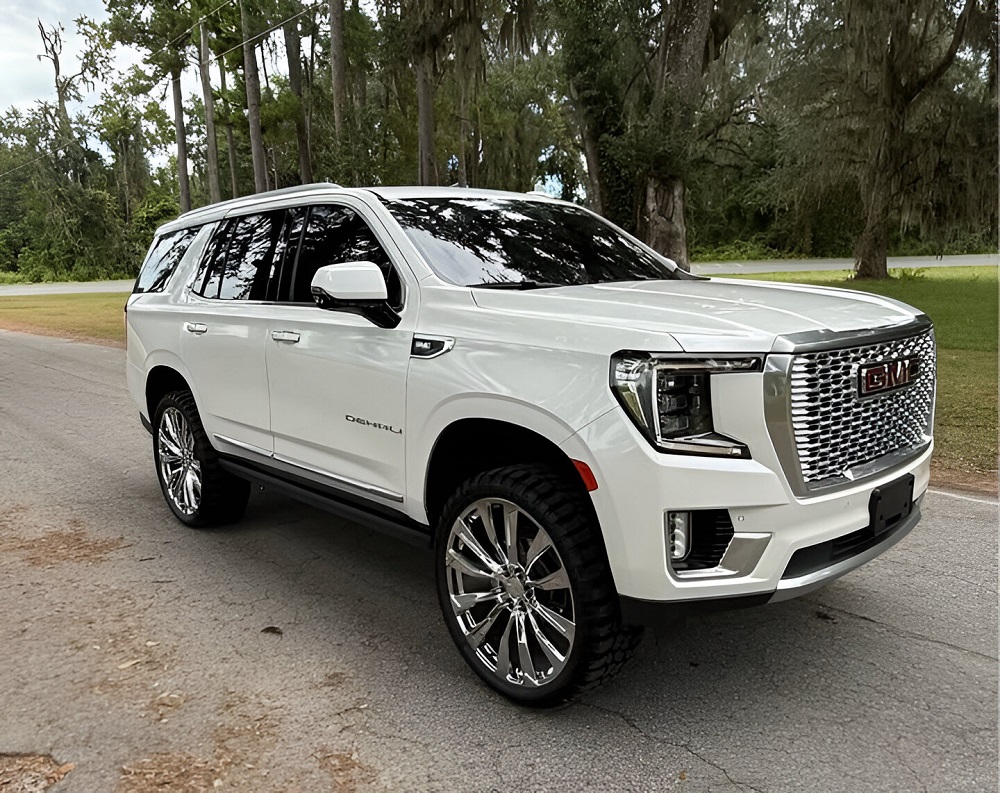
1. How the 6.2L L87 Ended Up in the Crosshairs
A halo V8 that couldn’t afford mistakes
Flagship engines carry expectations like a lien. The 6.2L L87 is GM’s Gen V small-block with direct injection and DFM, rated at 420 hp and 460 lb-ft.
It shows up only in premium trims like Denali, High Country, AT4, and Escalade, the rigs buyers expect to keep for 10 years without drama. When something breaks here, it stains the badge, not just the repair order.
This motor wasn’t pitched to fleets or bargain hunters. It was sold as smooth, quiet, and effortless, the V8 that justified the window sticker. Failures at this tier don’t get brushed off, they get dissected.
Two failures sharing one headline
Type “GM 6.2 engine recall” and two very different problems blur together. One is NHTSA Safety Recall 25V274, a bottom-end manufacturing defect that can take out the crank, rods, and bearings with little notice.
The other is the long-running DFM/AFM lifter failure, a valve-train issue that creeps in with ticks, misfires, and cam damage. Same engine family, different failure mechanics.
Online, the stories collide. A seized bottom end gets blamed on lifters, a collapsed lifter gets blamed on the recall. Dealers, owners, and even shops end up talking past each other once the engine is open. Pulling those threads apart is the only way risk and remedies make sense.
Why the distinction changes the outcome
The recall applies only to engines with specific VINs tied to a rotating-assembly defect. Lifter failures sit outside that scope, even though they can wreck an engine just as completely.
GM’s response follows that split, inspections and oil changes for some trucks, full engine replacements for others, and separate service paths for valve-train damage.
That line drives everything that follows. Road safety exposure, trade-in value, warranty leverage, and repair bills after coverage all depend on which failure is in play. Miss the distinction and the numbers stop adding up.
2. Inside NHTSA Recall 25V274 When the Bottom End Gives Way
The trucks and SUVs actually in range
Once you lock onto the recall number, the field narrows fast. NHTSA 25V274, GM campaign N252494002, targets 2021–2024 vehicles equipped with the 6.2L L87, not every 6.2 ever sold.
Silverado 1500s, Sierra 1500s, Tahoes, Suburbans, Yukons, and Escalades are included only within specific VIN ranges tied to affected builds. U.S. estimates land between 600,000 and 721,000 vehicles, depending on source and reporting window.
Vehicles Covered by Safety Recall 25V274 (L87 Only)
| Brand | Model | Body type | Model years | Engine note |
|---|---|---|---|---|
| Chevrolet | Silverado 1500 | Pickup | 2021–2024 | 6.2L L87 only |
| Chevrolet | Tahoe | Full-size SUV | 2021–2024 | Upper trims with L87 |
| Chevrolet | Suburban | Full-size SUV | 2021–2024 | Upper trims with L87 |
| GMC | Sierra 1500 | Pickup | 2021–2024 | Denali, AT4, higher trims |
| GMC | Yukon / Yukon XL | Full-size SUV | 2021–2024 | Denali and Denali Ultimate |
| Cadillac | Escalade / ESV | Luxury SUV | 2021–2024 | Standard gas V8 |
What breaks inside the block
The failure lives in the rotating assembly. Crank journals, connecting rods, and bearings left the line with surface finish issues or machining contamination. Once oil circulates, the bearing film breaks down early. Clearances open, metal contacts metal, and heat spikes fast.
This does not play out over years. Some engines failed under 5,000 miles because the damage was present from day one. As bearings wipe, debris spreads through the oiling system and speeds the collapse. When the knock turns loud, the block is already on borrowed time.
What drivers feel and why it triggered a recall
Warnings come late. Reports describe a deep knock that escalates quickly, oil-pressure alerts, a flashing CEL, then loss of power.
At speed, that sequence can end in an abrupt stall with only steering and brakes left. NHTSA flags that as a loss-of-propulsion event, which pushes it into recall territory instead of a quiet bulletin.
Real-World Symptoms and Risk Progression (25V274)
| What the driver notices | What’s happening inside | Risk level | Correct response |
|---|---|---|---|
| Light knock that grows quickly | Bearing wear accelerating | High | Stop driving, tow to dealer |
| CEL plus low oil pressure warning | Bearing clearance out of spec | High | Shut down immediately, tow |
| Sudden power loss at speed | Crank or rod damage imminent | Critical | Coast safely, roadside assist |
| No-start after loud metallic bang | Seizure or thrown rod | Critical | Do not restart, engine replace |
3. GM’s Official Fix and the Backlash Behind It
What really happens once the truck hits the service lane
Roll in with an open 25V274 and nobody grabs a wrench first. The dealer runs the VIN through GM’s internal system, then follows a scripted inspection laid out in the recall bulletin.
Engines that fail the check get a full long-block replacement. Others get approved, drained, and refilled before heading back out the door.
That split response is where tension starts. Two trucks can show up with the same mileage and symptoms and leave with very different outcomes. One gets a new engine. The other gets fresh oil and a handshake.
Why GM abandoned 0W-20 for 0W-40
The L87 launched on 0W-20 to chase efficiency targets. Tight bearing clearances, DFM hardware, and emissions math all leaned on thin oil behaving perfectly. Once bearing failures surfaced, that margin evaporated.
GM’s counter was thicker oil. More film strength. Less sensitivity to surface finish and debris. On paper, 0W-40 gives bearings a better cushion when things aren’t perfect inside the block.
Why owners don’t trust the cure
Oil can’t fix bad metal. A rough crank journal or an early-scarred bearing doesn’t heal because the oil got heavier. Thicker oil can quiet noise and slow wear, but the damage is already written into the parts.
For trucks cleared instead of replaced, that doubt lingers. Owners worry the oil change delays failure long enough to slide past warranty limits. The recall paperwork says “addressed.” The engine’s history says “we’ll see.”
4. The Other Problem Still Hanging Around: DFM/AFM Lifters
How cylinder deactivation creates its own risks
The L87 doesn’t live as a full-time V8. DFM constantly switches cylinders on and off, using oil pressure to collapse and re-engage lifters. That setup depends on tiny oil passages, tight tolerances, and stable pressure. When any of that drifts, lifters stop doing what they’re told.
DFM wasn’t a background feature. It was front and center in fuel economy claims and emissions compliance. The compromise shows up later, after miles, heat cycles, and wear start stacking the deck against precision hardware.
How a small tick turns into a teardown
Lifter failures ease in quietly. A cold-start tick that sticks around. A light-load misfire. Then warning lights, rough idle, and fading power. Tear-downs keep telling the same story: collapsed lifters, wiped cam lobes, sometimes bent pushrods.
Fixes aren’t minor. Heads come off. Cams get swapped. Full lifter sets go in. Even after all that, repeat failures still happen because the underlying system hasn’t fundamentally changed on most years.
Why none of this falls under 25V274
Recall 25V274 targets manufacturing defects in the rotating assembly. Lifter failures trace back to system design and oil-pressure sensitivity, not flawed cranks or rods. That line keeps them outside recall protection, even when both paths end with a disabled engine.
Regulators and courts treat these failures differently. Bottom-end seizures trigger safety recalls. Valve-train problems land in lawsuits, service bulletins, and revised parts. Owners caught dealing with both get no overlap in coverage.
Bottom-End Recall vs. Lifter Failure
| Dimension | 25V274 bearing defect | DFM/AFM lifter failure |
|---|---|---|
| Failure type | Manufacturing quality lapse | System and component design |
| Warning window | Short or none | Gradual |
| Repair path | Inspect or replace engine | Cam, lifters, or engine |
| Regulatory status | NHTSA safety recall | TSBs and class actions |
| Warranty leverage | Strong under recall | Case-by-case |
5. Ownership Fallout: Safety Exposure, Market Value, and Legal Leverage
Where the law actually lands for 6.2 owners
Recall 25V274 carries weight. It’s a federal safety recall tied to loss of propulsion, which obligates GM to inspect and, when required, replace engines at no cost.
That leverage is immediate and enforceable. Lifter failures sit on a separate track, handled through service bulletins and class actions that argue design defects rather than sudden safety risk.
The split matters once problems stack. A recall engine swap followed by valve-train trouble later shifts how warranty extensions and lemon-law claims get evaluated. Multiple major failures strengthen an owner’s position, especially when records show downtime and safety exposure.
How the market prices the risk
Recall stigma shows up fast on the lot. Buyers and dealers now sort 2021–2024 6.2 trucks into tiers before talking numbers. An original engine with an open recall draws the steepest haircut.
Engines that passed inspection and only received 0W-40 land in the middle. Trucks with documented recall engine replacements often trade stronger than both.
How Recall Status Shifts Value
| Truck status at sale | Buyer perception | Typical value impact |
|---|---|---|
| Open recall, original engine | High risk, unresolved | Largest discount |
| Recall completed, oil change only | Question marks remain | Moderate discount |
| Recall completed, engine replaced | Known fix, paper trail | Smallest hit, sometimes neutral |
Why paperwork turns into currency
Records decide outcomes. Recall notices, repair orders, oil receipts, and prior lifter work all carry weight when engines fail again or negotiations start. Dealers lean on gaps to deny goodwill. Buyers use clean files to justify price or walk.
Owners who document everything keep leverage. With repair stakes this high and failures this visible, missing paperwork costs real money.
6. What to Do While the Engine Still Turns
Verify the VIN before symptoms force the issue
Start with the VIN. Pull it from the dash or door jamb and run it through NHTSA and GM’s owner portal to confirm 25V274 status. An open recall means exposure exists even if the engine sounds fine. A closed recall means confirming exactly what the dealer performed.
Show up prepared. A brief log of noises, warning lights, mileage, and dates pushes the visit onto paper. Technicians document what’s presented in the moment, not what’s recalled later.
Know when to keep rolling and when to stop
Some signs buy time. Others erase it. A cold-start tick that fades points toward valve-train trouble and usually won’t leave you today. A deep knock, oil-pressure warning, or sudden power drop changes the decision immediately.
Service habits that protect leverage, not just parts
Follow GM’s oil spec to the letter after recall work. 0W-40 dexosR on recall-completed engines isn’t optional, and mixing specs weakens warranty footing. Shorter intervals help too, especially with towing or heavy idle time.
Save everything. Oil receipts, mileage notes, repair orders. Clean records don’t prevent failures, but they shut down finger-pointing when a five-figure bill shows up.
7. Buying a 2021–2024 6.2 Truck Without Stepping on a Mine
The questions that decide whether the deal survives daylight
Paperwork comes before paint. Any seller offering a 6.2 from these years should already have a 25V274 printout ready. The first question isn’t mileage, it’s whether the recall was completed and exactly what the dealer did.
Press for detail. Engine replacement or inspection and oil only. Ask about lifter, cam, or top-end work even if it’s pitched as unrelated. Vague answers don’t mean neutral risk, they mean hidden cost.
How to price a truck with a swapped engine
A documented recall engine replacement changes the equation. A new long block, factory paperwork, and fresh coverage calm nerves and often steady value, sometimes better than trucks that only cleared inspection. Buyers like knowing what’s bolted in.
Original engines that received only 0W-40 sit in limbo. Nothing’s failed, but nothing’s been reset either. That uncertainty deserves a discount, especially once bumper-to-bumper coverage is gone.
Who this V8 still works for, and who should walk
The 6.2 still fits a certain owner. Someone who tows, wants torque, tracks service, and stays ahead of maintenance can make it work. When healthy, the power delivery still delivers.
Shoppers chasing low-effort ownership should keep moving. Between recall history and DFM baggage, this isn’t a forget-it-and-drive-it V8. Ignore that, and any deal falls apart fast.
Sources & References
- 6.2L L87 V-8 Small-Block Engine | GM Powered Solutions
- It Took GM More Than 28,000 Failed V8s And Three Internal Investigations Before Recalling Its L87 Engines – The Autopian
- Safety Recall N252494002 L87 Engine Loss of Propulsion – nhtsa
- GM Recalls 721K Trucks, Full-Size SUVs Due to Defective 6.2L V-8s – Car and Driver
- Frequently Asked Questions (FAQs) for Safety Recall N252494002 L87 Engine Loss of Propulsion – nhtsa
- GM AFM and DFM Lifter Failure (class action lawsuit) – YouTube
- GM Class Action Alleges Company Knowingly Sold Vehicles With Dangerously Faulty Fuel Management Lifters
- Harrison, et al. v. General Motors LLC – | Berger Montague
- Consumer Class Action Lawsuit Against GM Valve Train Systems
- GM 6.2L Engine Recall: What Truck and SUV Owners Need to Know – The Lemon Lawyers
- GM 6.2L V8 L87 Engine Recall Service in Algona, IA – Kemna Auto Group
- Safety Recall N252494002 L87 Engine Loss of Propulsion – nhtsa
- GM 6.2L V8 Recall 2024 | Crankshaft Failure Fix | 0W-40 Oil Required | National Synthetics
- NHTSA to investigate General Motors over engine failure complaints – Class Action Lawsuits
- STOP Following OEM Oil Advice (GM Recall Proves Why) : r/wrx_vb – Reddit
- GM L87 V8 Engine Failure Class Action – Hagens Berman
- GM V8 Engine Recall: Teardown Reveals Internal Failure Issues – Autoblog
- Silverado and Sierra 6.2L Nightmare: Why Owners Call the Recall Fix a “Cheap Band-Aid … – Torque News
- Safety Recall N252494001 L87 Engine Loss of Propulsion – nhtsa
- GM Faces Another $5 Million Lawsuit For Defective V8 Engines – Autoblog
- Alright, help me settle this once and for all: what are the long term effects of disabling AFM/DFM? : r/Silverado – Reddit
- AFM DOD Valve Lifter Set Chevy GMC 5.3 6.0 6.2 Active Fuel Management 5.3L 6.0L 6.2L – Michigan Motorsports
- Have GM V8 Engine Technologies like Cylinder Deactivation, Light-Weight Oils Actually Hurt Truck Sales?
- Service Bulletin TECHNICAL – nhtsa
- Service Bulletin TECHNICAL – nhtsa
- 2005–2025 GM Engine Valve Lifter 12740071 | OEM Parts Online
- UNITED STATES DISTRICT COURT EASTERN DISTRICT OF MICHIGAN SOUTHERN DIVISION Danny Harrison and 40 other named plaintiffs, both i – GovInfo
- GM Finally FIXES Lifter COLLAPSE: 2026 Silverado Gets A New Valve Train! – YouTube
- The TRUTH About GM’s NEW V8 Lifter Fix for 2026 – YouTube