
At first, the Michelin CrossClimate 2 feels like the perfect compromise, winter traction without the seasonal swap. Snow grip is strong, handling stays sharp, and for a while, it just works. Then the cracks start to show.
Fuel economy slips. A low hum builds in the cabin. Some owners hear it, feel it, and start wondering if they made the right call.
None of this is random. It’s how the tire’s design plays out in the real world. This guide breaks down what drivers actually run into, lower MPG, rising road noise, wear that punishes skipped rotations, and winter grip that drops off on ice.
Toss in a recall and a few labeling quirks, and you’ve got a tire with more edge than its reputation suggests.
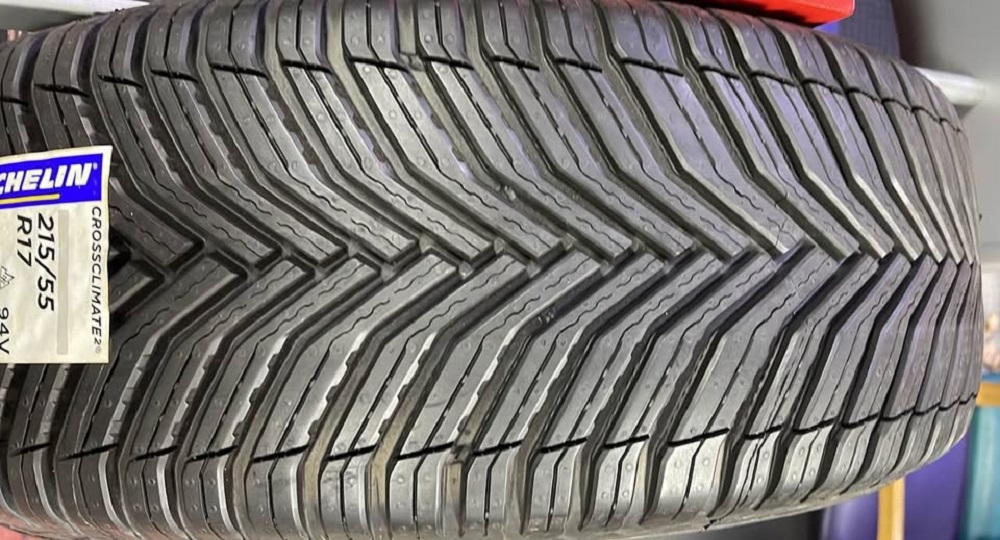
1. What drivers actually mean by “problems” with the CrossClimate 2
Cold-weather grip comes first, fuel savings don’t
The CrossClimate 2 was built to bite into winter roads, not stretch a gallon. It runs a flexible cold-weather compound, stiff directional blocks, and deep siping that stays active when temps drop.
All that helps on snow, slush, and wet pavement, but raises rolling resistance the second the pavement’s dry. Michelin tuned it that way, and it does exactly what it’s meant to do.
Weight adds another layer. There’s more rubber, more reinforcement, and more mass to haul. Braking stays stable, and load control improves, but it burns more energy every mile, especially once you’re cruising above 60.
The four complaints that won’t go away
Fuel economy slips first, usually on heavier vehicles or highway drives. Some see a small drop, others take a hard hit, depends what tire came off and how the car’s driven.
Road noise creeps up next. As the miles climb, the directional tread can wear unevenly and build a droning hum. It’s often mistaken for a bad bearing. Once it starts, you can’t rotate it away.
Wear issues show up on lazy maintenance. Skip rotations or let alignment drift, and the tire makes you pay fast. Directional layout means you’ve got fewer options once feathering or cupping sets in.
Winter traction trips up expectations. Snow performance is solid, better than most all-seasons, but ice grip runs out sooner than true winter tires. Some first-timers aren’t ready for that line.
What’s normal, and what signals a real issue
Some traits come baked in: firmer ride, audible tread feel, slight mpg loss. They don’t change much over time.
But sudden vibration, a fresh roar, or fast shoulder wear? That’s not normal. Those usually point to pressure problems, alignment drift, or worn suspension parts getting exposed by the tire’s aggressive tread.
2. Fuel economy and EV range take the first hit
Why this tire burns more energy per mile
The CrossClimate 2 doesn’t roll light. Every mile, the tread flexes, scrubs, and builds heat, especially that deep directional pattern. More movement means more energy loss. Then factor in the extra weight and internal reinforcement, and the cost adds up fast at speed.
This shows up clearly when drivers swap off factory eco tires. The difference in rolling resistance isn’t subtle. The dash confirms it fast.
Why some drivers take a bigger hit than others
Fuel economy losses aren’t consistent. Some drivers shrug it off, others feel like they just added 500 pounds. It depends on weight, driving style, and aerodynamics. Big SUVs and crossovers lose more than sedans. Highway commuters lose more than city drivers.
What tire you’re switching from matters too. Replace a low-rolling-resistance factory tire with CrossClimate 2s, and the swing is huge. Replace a mid-tier all-season, and the gap tightens. That’s why two drivers can run the same tire and tell completely different stories.
Real-world mpg change reports by vehicle
| Vehicle example | Baseline mpg | After CC2 | Reported loss | Likely driver |
|---|---|---|---|---|
| SUV example | 23.5 | 18.0 | ~23% | weight + speed |
| Crossover example | 33–37 | 22–26 | up to ~30% | highway drag |
| Compact example | 27.0 | 25.5 | ~6% | lighter load |
EVs feel the drag even more
Electric vehicles don’t hide rolling resistance. The moment you swap off low-drag tires, the power draw jumps. CrossClimate 2s have shown double-digit increases in watt-hours per mile, real, measurable range loss.
Still, in cold and wet regions, some EV owners see it as a fair exchange. These tires grip better under torque, control water, and hold traction when temps fall. But if range is your top priority, they feel like a constant drag.
When the extra grip is worth the penalty
If your winter has bite and you want one tire for all seasons, CrossClimate 2s earn their keep. Wet braking and cold traction beat most all-season options, and for many, that’s worth a few lost miles per charge or tank.
But if you drive long, mild-weather highway routes, the fuel penalty shows up every fill-up. The tire’s not hiding anything. It just rewards the drivers it was built for, and taxes the ones it wasn’t.
3. Road noise that creeps in as the miles add up
Why it starts quiet but gets louder over time
Brand new CrossClimate 2s ride quiet. The tread blocks sit even, the edges are crisp, and the cabin stays calm. But as the miles roll in, those big directional blocks begin to wear unevenly, especially at the trailing edges. That subtle shift builds a repeating rhythm on the pavement that eventually turns into a low, steady drone.
It’s not random noise. It rises with road speed, not engine RPM, and grows slow enough that most drivers miss the change until it’s too loud to ignore.
The wheel bearing ghost hunt
This noise fools people. It mimics a classic wheel bearing failure: a hum that builds with speed and doesn’t go away. Tire rotations sometimes make the sound feel like it’s “moving,” adding to the confusion. What’s really happening is the worn tread blocks are shifting position relative to the cabin, not the bearings.
Shops chase the wrong fix. Bearings get replaced, noise stays the same, and frustration builds.
How CrossClimate 2 noise evolves with mileage
| Mileage window | What shows up | What’s happening in the tread |
|---|---|---|
| 0–10,000 | mostly quiet | even block wear |
| 25,000–35,000 | steady hum or drone | heel-toe wear starts |
| later life | all-terrain-like roar | irregular edges amplified |
Why you can’t rotate your way out of it
Directional tread limits your options. Front-to-rear rotation helps balance wear across axles, but you can’t flip tires side-to-side without dismounting them. And if you skip that step, the same worn edges keep hitting the road the same way, keeping the noise alive.
These tires punish sloppy maintenance. Miss a rotation or let alignment drift, and you’ll hear it. Once the pattern sets in, it rarely quiets down without a remount, or replacement.
4. Uneven wear and why some mileage claims fall flat
Tread life depends on where and how you drive
CrossClimate 2 mileage isn’t one-size-fits-all. Run them on cool highways, and they last. Push them through heat, hills, or tight corners, and they don’t. That’s why one driver hits 60,000 miles while another hits the wear bars at 30,000.
The compound’s tuned for cold grip, not scorching heat. It stays pliable in winter, which helps traction, but that same softness gives up faster under heat and lateral load.
The same wear patterns keep showing up
Edge wear starts when toe or camber drifts even a little. These tires don’t tolerate slack alignment, and it shows fast on the shoulders. Cupping and scalloping point to weak shocks, where the tire skips instead of sticking. You’ll feel it and hear it.
Heel-toe wear is baked into the tread shape. Once the rear edges of the blocks round off unevenly, the noise and vibration don’t stay quiet. At that point, wear and sound feed off each other.
What wears the tire out and what keeps it in check
| Accelerator | What it causes | What slows it down |
|---|---|---|
| toe slightly off | feathering and noise | alignment before miles pile up |
| low pressure | heat and shoulder scrub | correct cold psi checks |
| tired dampers | cupping and vibration | suspension repair first |
Why directional tires change the game on rotation
CrossClimate 2s only rotate front to back, unless you ask a shop to remount them. That directional tread locks the wear pattern in, and once uneven edges form, they just keep running in the same direction.
Skip the dismount, and wear complaints start early. Stay on top of it, and you’ll get closer to what Michelin promises. But this tire doesn’t hand out second chances if maintenance falls behind.
5. Winter grip has a ceiling, and issues are closing in
Where the CrossClimate 2 still holds its ground
The CrossClimate 2 builds its name on wet and slushy roads. It cuts through standing water, brakes confidently in the cold, and stays stable on plowed surfaces, even in sub-freezing temps. That makes it a strong one-tire solution for drivers who want winter control without a second set of wheels.
For most daily winter driving, especially in cities or milder regions, it delivers what’s needed.
Where dedicated winter tires still win
Ice is where things shift. The CrossClimate 2 skips the micro-grit and soft, sticky compounds that give true snow tires their bite. On glare ice or frozen side roads, stopping distances stretch out, and steering loses its edge faster than many expect.
Light snow doesn’t reveal the gap, but black ice does. That missing grip is the line between a safe stop and overshooting a turn.
All-weather alternatives are starting to bite back
The CrossClimate 2 no longer runs unchallenged. Bridgestone’s WeatherPeak rides quieter and more efficiently on long trips. Goodyear’s WeatherReady 2 leans into cold-road braking and often edges ahead when balance matters most.
How drivers feel the differences
| Category | CrossClimate 2 | WeatherPeak | WeatherReady 2 |
|---|---|---|---|
| efficiency | often worse | often better | mid |
| noise over life | rises with wear | steadier | varies |
| wet braking | strong | strong | sometimes better |
| snow grip | strong | competitive | strong |
6. The install and maintenance habits that make or break this tire
Pressure matters more than most think
This tire punishes pressure mistakes. Run them soft, and the shoulders heat up, fuel economy tanks, and noise creeps in early. Overinflate, and the center wears fast while ride comfort goes stiff. Some owners run slightly above spec to balance the tread better and cut rolling resistance, trading softness for control.
Cold psi checks are critical. These tires respond fast to small pressure changes, and the wear pattern shows it within a few thousand miles.
The alignment slack that turns into noise and wear
Waiting until the wheel pulls is already too late. Directional tread exaggerates small toe errors long before you feel them. Shorter rotation intervals help spread out the load, but they won’t fix a drifted alignment or offset wear.
Skip an alignment after hitting a curb or replacing suspension parts, and the tire lets you know. Fast.
When it sounds like the tire, but isn’t
Not all noise is tire noise. Rough roads, sagging shocks, or aging wheel bearings often get blamed on the rubber, especially when the CrossClimate 2 starts broadcasting vibrations more clearly than smoother tires.
A simple front-to-rear rotation can help isolate the cause. If the hum moves with the tire, it’s the tread. If it stays put, you’re chasing a chassis problem.
7. Recalls, sidewall labels, and what actually matters
Real risk vs. paperwork noise
Not all recalls point to tires coming apart at speed. Some of the CrossClimate recall chatter comes down to missing or incorrect labels, not structural failure. If a tire lacks a required mark, it breaks federal compliance, but it doesn’t mean the tread’s unsafe.
That difference matters. A structural defect calls for immediate replacement. A labeling issue usually just means documenting the problem and verifying the tire’s origin. It’s about traceability, not grip.
The recall history behind the CrossClimate name
“CrossClimate” covers several tires, not just one model. That’s where the confusion starts. In 2019, the CrossClimate+ got flagged for missing DOT and UTQG markings.
In 2025, the Agilis CrossClimate, a commercial version, faced a structural recall for potential shoulder tread separation. That same year, a batch of CrossClimate 2 tires shipped without a DOT symbol on the sidewall.
None of these cases suggest a design flaw in the CrossClimate 2. They point to factory lapses and labeling errors that triggered NHTSA action and a response from Michelin.
CrossClimate recall summary
| Year | Product line | Issue type | Owner takeaway |
|---|---|---|---|
| 2019 | CrossClimate+ | labeling error | verify markings |
| 2025 | Agilis CrossClimate | structural defect | replace immediately |
| 2025 | CrossClimate 2 | missing DOT mark | compliance check only |
What to check before you leave the shop
The sidewall should show everything: size, load index, speed rating, and the DOT string. That last one tells you where and when the tire was made, and matters if a recall ever targets a narrow batch.
If any of those markings are missing or unreadable, don’t drive off. Call it out immediately. It’s a shop issue, and it’s easier to correct before the install is signed off.
8. Make the right call, or choose a better match
Who the CrossClimate 2 still works for
If your winters bring cold rain, slush, or the occasional snowstorm, this tire makes sense. It brakes well in the wet, holds traction in light snow, and skips the hassle of swapping tires twice a year.
It suits drivers who value control and all-season grip over cabin quiet or top-tier efficiency. For people in unpredictable climates, that exchange pays off.
Who’ll likely regret the choice
Highway commuters chasing fuel economy feel the hit quickly. So do EV drivers watching range shrink. Luxury owners sensitive to road noise or ride quality often lose patience once the miles rack up and the hum starts building.
Drivers in warmer climates get the least return. When winter rarely shows up, the added rolling resistance and wear just aren’t worth it.
Alternatives that trim the downsides
Bridgestone’s WeatherPeak gives up a bit of snow traction but rides smoother and stretches your tank further. Goodyear’s WeatherReady 2 pushes hard on wet grip and balanced winter control, but brings its own quirks with noise and wear.
Sources & References
- Michelin CrossClimate 2 Review: Never Switch To Winter Tires Again | AutoGuide.com
- Michelin CrossClimate2 Tire Owner Reports – Outstanding Winter Traction | Torque News
- Michelin CrossClimate 2 review after 1500 miles : r/tires
- Got the Michelin CrossClimate 2s last week and my miles/kWh dropped from 3.6 to 2.5
- Michelin Cross Climate noise over life of tire? : r/TyreReviews
- CROSSCLIMATE 2 – Car Tire | Michelin Canada
- MICHELIN® CrossClimate®2 | Sullivan Tire and Auto Service
- Michelin CrossClimate 2 VS Bridgestone WeatherPeak – YouTube
- Comparing Michelin CrossClimate 2 vs Bridgestone WeatherPeak tires
- Tested: Best All-Weather Tires for 2025 – Car and Driver
- Michelin CrossClimate2 First impressions – BMW X5 Forum (G05)
- What is rolling resistance and how does it improve fuel consumption?
- Review of Michelin CrossClimate 2 tires : r/crv
- Track Testing Validates Our Strong Opinions of the Goodyear Assurance WeatherReady2 Tires on Public Roadways
- How tires impact your electric vehicle’s range | Michelin
- Tire Test Results : Electric Vehicle Tires – Comparing Michelin
- Michelin CrossClimate 2 at 26k km getting very close to being replaced
- CrossClimate2 TIRE REVIEW – Michelin Tires
- Michelin CrossClimate 2 RFT Noisy! – BMW 3-Series and 4-Series Forum
- Cross Climate 2 disadvantage? : r/tires
- Michelin CROSSCLIMATE 2 – BJ’s Tire Center
- Michelin CC2 with 18k miles. Been hearing tire noises after rotation
- Is the Michelin CrossClimate 2 still considered a gold-standard tire?
- Michelin CrossClimate 2 at 26k km getting very close to being replaced (2mm on the outside and 4mm inside)
- MICHELIN CROSSCLIMATE 2 – Vehicle Tires | Michelin USA
- Consumers: Michelin Cross Climate2 outperforming actual Winter Tires?
- Goodyear Assurance WeatherReady vs Michelin CrossClimate 2: All-Weather Showdown
- MICHELIN® AGILIS® CrossClimate® Recall
- Recall issued for Michelin CrossClimate 2 Tires due to missing DOT symbol | WBIW
- NHTSA Recall Number 19T-025
- Michelin recalls more than 6,000 tires, NHTSA says – KSAT
- Defective Michelin CrossClimate 2 Tires Recalled Over Crash Risk | Lawyers & Lawsuits
- NHTSA Recall Number 19T-025 Subject: SAFETY RECALL NOTICE
- Brand new Michelin CrossClimate 3 Sport with sidewall defect
- MICHELIN – CrossClimate 2 – Cision
I have a newer set of crossclimate2 tires on a vintage SAAB convertible, less than 1000 miles on them. I started driving the car a month ago, once a week for about 5 miles for the battery, etc. On Thursday when I pulled out of the garage, all 4 tires left a very black mark on the garage floor, like someone painted the tread on the floor with black paint. When I came back home, a second set appeared. I think the rubber is failing, since the tires are within 2 years old, I will go to Belle tire for a discussion. I took a photo of the tread on the floor after pulling out. Anyone else with this problem?
That does sound strange, especially with tires that new. If all 4 left heavy black tread marks, I’d definitely have Belle Tire inspect them and document it, just in case there’s a compound issue or a storage problem before installation.
Sometimes fresh tires can leave more residue on a smooth garage floor, especially if the car sits a lot, but it shouldn’t look like wet black paint every time you roll out. Good move taking photos. That gives you something solid to show the shop.