
Highway-speed tread separation rarely starts with a blowout. It shows up as a soft slap in the wheel, faint, rhythmic, easy to miss. No warning lights. No hiss of air. Just a growing sense that something’s off.
That’s the danger with Nitto’s 25T018 recall. Some tires fail without looking damaged. Pressure stays normal. Tread depth seems fine. Then a long drive and rising heat push the bond too far, and the tread peels back.
This guide gets past the headlines. It breaks down what 25T018 covers, why this kind of failure hides until it’s too late, which Grappler lines are on the list, and how to check your DOT code before the problem shows up at speed.
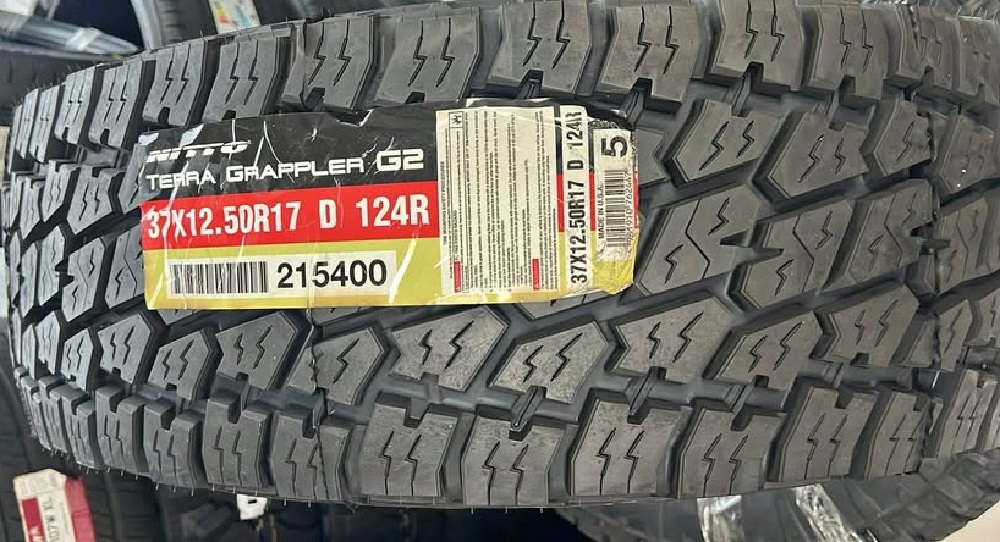
1. What recall 25T018 actually means on the road
A brief slip on the line caused a slow-building failure
This recall traces to a single missed step on the belt line. Before the tread got bonded to the steel belts, a contaminant hit the surface, just enough to weaken the chemical grip. The tire still cured, passed checks, and shipped out looking normal. But inside, the bond never reached full strength.
The failure doesn’t hit right away. It builds slowly, after heat, speed, and load start stacking. That delay is what makes this recall dangerous. A tire can balance fine, hold pressure, and run quiet while the tread bond inside quietly breaks down. By the time symptoms show up, the damage is already in motion.
Why tread separation hits harder than a blowout
This isn’t like popping a tire. Air stays in. The tread peels off, stays attached at one end, and starts whipping everything it can reach, fenders, suspension, brake lines. On a loaded truck, that flailing rubber can tear sheet metal and wiring before the driver even realizes what’s happening.
The risk climbs on LT tires. Stiffer sidewalls and heavier loads build more internal heat at highway speed. That heat feeds the failure. That’s why these cases keep showing up on full-size trucks and SUVs, not compacts or crossovers.
A tight production window shows it wasn’t random
Every affected tire came from Nitto’s White, Georgia plant, over just a few days. Not weeks. Not months. That narrow window usually means a localized slip, like a dirty part or mistimed cleanup, not a bad design.
The timeline checks out, too. Failures showed up about 6 to 8 months later, right when the heat cycles from real driving finally stressed the bond to its breaking point.
2. What failed inside the tire and how it unravels
The skim layer is where everything depends
Inside every radial tire, the real work happens at the steel-to-rubber bond. The belts don’t stick to rubber by themselves, they need a clean skim layer, applied right before curing. If that layer’s contaminated, it still looks fine. It still balances and mounts like any other tire. But the structural bond is weaker from day one.
And it doesn’t show early. The failure hides deep inside until highway forces and heat cycles start pulling it apart.
Why it feels normal until it’s not
Early miles don’t trigger anything. The defect needs time. As the belts and tread expand and contract with heat, they pull against the weak spot, bit by bit, pass by pass. That slow tug shaves away adhesion with every drive.
By the time you hear a hum or feel a shake, the separation has already started. That’s not an early warning, it’s the moment the internal damage finally makes it to the surface.
Bigger tires and bigger trucks raise the risk
Off-road tires add mass and radius. Both crank up centrifugal force at speed. Heavier trucks pile on more load. Higher PSI adds more tension. Every part of the equation pushes the bond harder.
And here’s the issue, drivers often write off early signs as “just truck stuff.” A little shake. A little noise. Must be the alignment or a worn shock. That shrug is what lets a weak belt bond run long enough to let go.
3. Which Nitto tires are involved and how to confirm yours fast
The Grappler names linked to the recall
The Ridge Grappler is the headliner here, by volume and by visibility. It’s bolted onto thousands of full-size trucks that split their time between highway miles and dirt weekends.
But it’s not alone. The Terra Grappler G3 also made the list, which caught some owners off guard given its newer compound and road-first tuning.
It goes further. The Recon Grappler A/T, Trail Grappler M/T, Mud Grappler, Dura Grappler, Exo Grappler AWT, and Crosstek 2 all show up, across select LT sizes. That spread makes it clear this wasn’t a bad tread design or mold.
The problem sits in the belt package, which got shared across lines during one short production run before the issue surfaced.
How to read your tire like a factory inspector
Skip the emails, the answer is already stamped into your sidewall. The full DOT Tire Identification Number gives you the plant, tire spec, and build week. The ones involved in this recall trace to the White, Georgia plant and show date codes from the third or fourth week of 2025.
But there’s an issue: many tires only show the full DOT code on the inboard sidewall. On a lifted truck, that means crawling under or pulling the wheel. And don’t skip the spare. It’s often from a different batch and can quietly carry the defect even if the other four don’t.
Why some recalled tires fly under the radar
The recall system works well if your tire came through a clean U.S. retail channel. But once distributors get creative, gray-market imports, secondhand sellers, overseas resellers, the registration trail goes cold.
That gap matters in hot regions where tires carry load and heat all year. If a truck isn’t tied to a dealer record, the first recall notice might be a vibration at 70 mph. In those cases, the sidewall check isn’t just helpful, it’s the only check that matters.
4. Early signs of separation drivers often misread
What it feels like before it looks serious
The first clue is often subtle. A soft thump through the wheel, speed-based, not engine-related, showing up between 55 and 75 mph. It fades on smooth pavement and hits harder on rough patches, which is why it gets dismissed as a balance issue.
But the rhythm’s wrong for balance. Vibration from a separating tread doesn’t vanish after a fresh spin. It usually comes back in a few hundred miles, because the problem isn’t a lost weight, it’s the tread shifting on the belts underneath.
What to look for once you know where to check
Visual signs trail behind the feel. Early on, you might catch a section of tread that looks faintly raised or waves slightly as the tire rotates. As it worsens, that spot may bulge or wear unevenly while the other tires look fine.
The sidewalls? Often perfectly smooth. That’s what makes this failure so deceptive, the casing holds air while the tread bond quietly fails above it.
When every extra mile adds to the repair bill
Once the vibration sharpens or the truck starts pulling under steady throttle, things have escalated. At that stage, centrifugal force is already peeling the tread outward. Every mile makes the failure worse.
On heavy trucks, that loose tread can strike wheel wells, brake lines, ABS harnesses, or anything nearby. And by then, the damage moves fast. A torn fender liner or clipped hose can cost more than a full tire set, before even factoring in safety.
5. Remedy, reimbursement, and how to avoid getting stuck in the middle
What a proper recall replacement actually includes
A clean recall swap means the same model, same size, straight from a confirmed production batch. Mounting, balancing, valve stems, and shop supplies are all covered. The old tire gets logged, tagged, and destroyed through the official recall process, so it doesn’t end up back on the street.
But stock shortages complicate things. If the exact tire isn’t available, Nitto may approve an equivalent. That substitution has to be cleared and documented. Swapping brands or sizes without that paperwork often backfires at the reimbursement stage.
When you’ve already paid out of pocket
Some owners replace the tire before hearing about the recall, especially if the failure hit mid-trip. Getting paid back hinges on proof, not stories. You need a receipt showing the exact tire model and size, and the DOT or TIN from the failed casing. That’s how it ties to the recall.
Most delays happen when that old tire gets tossed without recording the code. Once that info’s gone, so is the link to eligibility, and that’s where most claims die.
What matters once you know you’re affected
Driving on a confirmed recall tire is all risk, no reward. The safest move is to park it or mount a spare until the appointment happens. Using Nitto’s authorized process keeps everything tight, paperwork, scheduling, and tracking.
Do-it-yourself fixes or sidestepping the network just open gaps. Once the paper trail breaks, it becomes a process fight instead of a tire swap.
6. How recall 25T018 surfaced and what the timeline proves
A narrow defect, easy to trace
This wasn’t guesswork. Every tire tied to the recall came from two production days, January 23 and 24, 2025, at Nitto’s White, Georgia plant. That kind of precision points to a short-lived issue: a machine misstep, dirty component, or handling error that got fixed fast.
Failures didn’t show up until months later. By September 2025, trucks with those tires had logged highway miles and heat cycles. Once multiple claims lined up with that short build window, the factory confirmed the link, and the recall moved fast.
Why the delay fits how tread separation really works
This kind of failure needs time. Load, speed, and heat have to work through the weak bond before it finally gives. That 6–8 month delay between build and failure is exactly what shops expect when steel belts start peeling away under stress.
Once the pattern locked in, Nitto and Toyo didn’t stall. The recall was greenlit in early October 2025, and formally filed before the month closed. That timing reflects confirmation, not a guess.
snapshot timeline
| Date | Event | Why it matters |
|---|---|---|
| Jan 23–24, 2025 | Affected production run | Confirms a localized process issue |
| Sep 2025 | First separation reports | Real-world heat cycles expose the defect |
| Oct 2025 | Recall authorized and filed | Manufacturer confirms failure pathway |
| Through Jun 20, 2026 | Remedy window active | Owners still have time to act |
This points to process failure, not a design flaw
Nothing here blames the tread pattern or tire engineering. This recall lives in a tight window where one slip on the line crept into multiple product lines. The Grappler design held up. The bond didn’t, because the factory floor didn’t catch the problem in time.
That’s why build date matters. Even a well-reviewed tire from a trusted brand can carry risk if one production run goes sideways. Recalls like this one don’t call out the whole product, they call out the batch that didn’t leave the factory clean.
7. Buying after the recall and what’s actually changed
Ridge Grappler buyers now watch the build date
The Ridge Grappler didn’t lose its edge overnight. It’s still a favorite for its aggressive stance, quiet highway manners, and confident off-road grip. But tolerance has shifted. A tire that thumps at speed or won’t balance cleanly doesn’t get another pass, it gets replaced or skipped.
Buyers who once focused on load range and sidewall styling now ask for DOT codes before install, especially on LT sizes running highway loads or towing regularly. Build date isn’t a footnote anymore. It’s a filter.
Terra Grappler G3 buyers are reminded that timing still matters
The G3 fixed real issues from the G2, wet grip, winter traction, and road noise all improved. None of that changed. The recall doesn’t erase the design, it just reminds buyers that a good design still depends on clean execution at the factory.
Newer tooling and compounds don’t make a tire bulletproof. For owners, it’s a reminder to check build date before mounting. Once it hits the rim and rolls, the paper trail gets harder to protect.
Where other brands gain ground after a recall
For some buyers, this recall shifted priorities. Tires built for year-round wet and snow grip gain appeal when daily driving trumps trail time. Others still want tough all-terrains but put more weight on long-term reliability, crack resistance, clean balancing, and steady wear.
Nitto still holds ground in stance and off-road credibility. But brands like Falken, Toyo, and Cooper pick up the drivers who want fewer surprises in daily use. The recall didn’t flip the market, it just redrew the lines more clearly.
8. How to keep clean-build Nittos from heading the same direction
Heat kills tires faster than anything else
Even a clean tire fails early if it runs hot long enough. And that heat builds fast when LT tires run underinflated, especially on heavy trucks doing highway miles. Heat softens rubber, weakens the belt bond, and accelerates internal wear.
Correct pressure isn’t about comfort, it’s about load. Run the right PSI for the weight your truck actually carries, not just what looks good. Low stance and light pressure might ride better, but they shorten tire life and hide growing problems until it’s too late.
Rotation and alignment rules change for big tires
Large all-terrains don’t wear like passenger tires. They scrub more, flex harder, and punish alignment slop. Even a minor toe drift up front can tear the outer edges fast, and that one-sided load puts extra strain on the belt package underneath.
Regular rotations spread the load and delay the onset of uneven wear. And alignment checks aren’t optional after pothole hits, suspension swaps, or fender-benders. Just because a truck drives straight doesn’t mean it’s tracking right.
Heat-heavy regions demand tighter margins
Hot climates leave less room for error. Pavement temperatures stay high, and that cooks everything, rubber, glue layers, and belt interfaces. Tires that age well in milder regions often show cracks, oxidation, or belt fatigue sooner in the heat.
That makes monthly inspections worth doing. Subtle bulges, ripple marks, or early surface cracking show up before a tire fails, but only if someone’s actually looking for them.
Sources & References
- Toyo & Nitto Recall 36,000 Dangerous Tires – Here’s How To Know If Yours Are Affected
- Part 573 Safety Recall Report 25T018 | NHTSA
- Toyo & Nitto Recalling over 36000 Tires for Potentially Dangerous Tread Separation
- Toyo & Nitto Tire Recall 2025: Free Replacement Available – Rohnert Park Transmission
- Safety Recall Campaign – FAQ | Nitto Tire
- Part 573 Safety Recall Report 25T017 | NHTSA
- Fear No Ski-Hill Commute: Nitto Terra Grappler G3 AT Tire Review – GearJunkie
- Nitto Terra Grappler or Ridge Grappler? | Good Sam Community – 3194096
- Toyo and Nitto Truck and SUV Tires Recalled Due to Crash Risk | Lawyers and Lawsuits
- Toyo And Nitto Recall Nearly 37000 Truck And SUV Tires For Potentially Dangerous Tread Separation – Jalopnik
- IMPORTANT SAFETY RECALL – Nitto Tire
- Recall | Nitto Tire
- Why Wet Handling Matters — and How the Nitto Terra Grappler G3 Leads the Way
- Terra Grappler G3 : r/ToyotaTacoma – Reddit
- Toyo and Nitto recall tires – 64 types & sizes [recalled tires list & notice] – 4Runner6G.com
- New Nitto Terra Grappler G3 tire is all-terrain, all-season & all-weather
- Nitto Terra G2 VS Ridge Grappler • Looking feedback from folks who have them. I’m 80% road 20% Beach & Fireroads • Also considering Wildpeak AT3s : r/ToyotaTacoma – Reddit
- Reading a Sidewall | Nitto Tire
- DOT Tire Identification Number – Discount Tire
- Complete List of Tire DOT Codes – With All Old and New Plant Codes
- Reading a Sidewall | Nitto Tire Canada
- Recall of a Number of OTANI Tires – 2024 Models
- Anyone running Nitto Ridge Grapplers experience premature dry rot? : r/4Runner – Reddit
- Why do ridge grapplers suck so bad in cold weather, any other recommendations for good tires? – Reddit
- Nitto Ridge Grappler Vibration Problems – Ford-Trucks.com
- NITTO TIRE RECALL – Bronco Nation
- Check for Recalls: Vehicle, Car Seat, Tire, Equipment – NHTSA
- Nitto Tire – IMPORTANT SAFETY RECALL
- Nitto Terra Grappler G3 vs Goodyear Wrangler All-Terrain Adventure with Kevlar tires
- Tire Registration | Nitto Tire