
Choke. Stall. Flash the oil light. Honda’s J-series V6 used to be the golden child, quiet, smooth, near bulletproof.
Then came VCM, direct injection, cheap bearings, and a spike in engine complaints across the Pilot lineup. Misfires, timing-belt carnage, oil-burned cats, and crankshaft seizures have turned “reliable” into a liability.
This guide maps the damage. It tracks every generation’s J35, from early VTEC to DOHC, shows where the weak spots live, flags which years are safer, and calls out what you can still do before the engine eats itself.
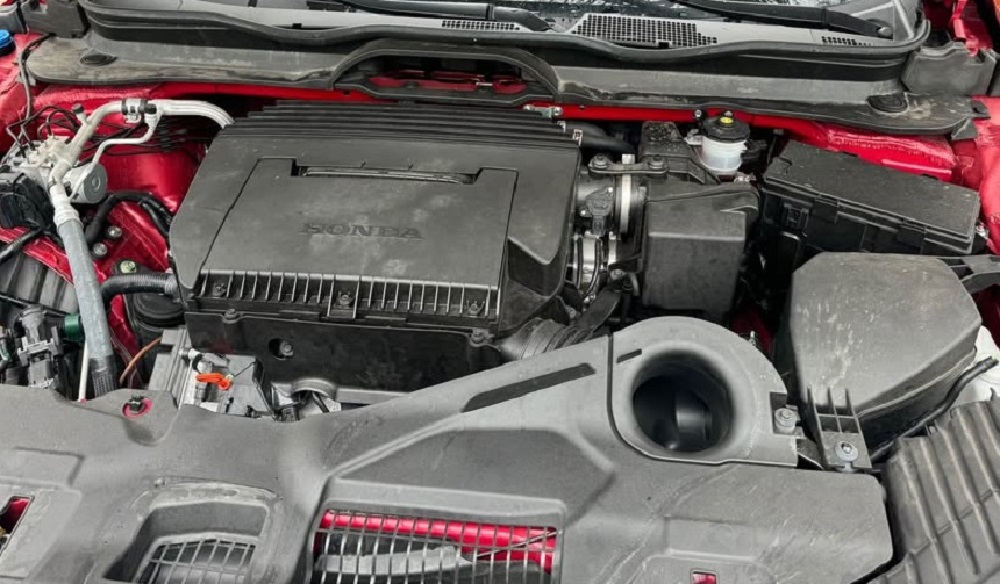
1. How the Pilot’s engines evolved, and where the flaws crept in
Four generations, four powertrains, four new ways to fail
1st-gen Pilots ran J35A4s and A6s, basic SOHC VTEC with MPFI. No cylinder shutoff. Problems stayed simple: belts, valves, and early 5-speed slippage.
2nd-gen brought the J35Z4. VCM became standard. Oil use spiked. Rings stuck. Misfires, fouled plugs, and cooked converters followed. Mounts couldn’t keep up with the constant mode switching.
3rd-gen meant direct injection. The J35Y6 raised compression and pressure. Injectors clogged. Rods spun. High-pressure pumps shredded themselves and fed metal into the fuel rail.
4th-gen engines (J35Y8) dropped lash adjustments and added dual cams. Hydraulic lifters helped. But now it’s ECU glitches, stalling, and drive-by-wire quirks, not mechanical failure, software failure.
Belt timing and interference heads raise the cost of delay
Every Pilot through 2022 uses a belt-driven interference engine. When that belt snaps or slips, valves bend. There’s no cushion, just broken heads and a wrecked top end.
VCM shortens timing life with pulsed heat and uneven load. Direct injection adds carbon and pushes oil past its limit. All the while, most owners skip lash checks, stretch oil changes, and blow past the 100k belt window.
Real-world use stacks the odds against the engine
Pilots idle in school lines, slog through summer road trips, and run short winter errands. That’s heat cycling, cold starts, fuel wash, and stop/start abuse, all bad for rings, oil, and valve seats.
Few get the upkeep they need. Long intervals, missed valve service, and worn mounts compound VCM’s damage. When failures hit, they rarely look like old-school blowups. Instead, it’s a flicker of lights, a misfire that won’t stay gone, or a cat that dies young.
2. VCM is the slow rot that wrecks the J35 from the inside out
Cylinder shutdown pulls oil, shreds rings, and poisons the cats
VCM doesn’t turn cylinders off. It ends combustion on the rear bank while pistons keep pumping. The result is vacuum in the sleeping chambers, just enough to drag oil past the rings and soak the plugs. Ring gaps rotate. Blow-by rises. Compression falls.
By 100,000 miles, misfire codes like P0301–P0304 hit. Oil crust builds on cylinder walls. Spark plugs foul early. Misfires keep coming back, even after new coils and plugs. Eventually, the soaked cats melt down. P0420 or P0430 follows, and each converter can run $2,000 or more.
Active mounts fight VCM shake until they don’t
To hide the harshness of ECO mode, Honda added Active Control Mounts. These counterbalance 3-cylinder vibration using electrical pulses. But they wear fast. Once the internal gel or control circuit fails, the engine shakes at every stoplight.
Mount failure often gets misread as tire balance or warped rotors. The real clue is shudder tied to ECO mode. These mounts cost over $400 each and bury deep against the subframe. Most shops bill 4–6 hours per side on AWD trucks.
Class-action relief covered some failures, but not most
Honda settled the Soto v. American Honda case by extending powertrain coverage to 8 years with no mileage cap on certain VINs. Fixes included PCM updates, ring jobs on cylinders 1–4, and new plugs.
Later, they bumped that to 10 years/150,000 miles for 2013–2015 Pilots, but only for certain VINs flagged in internal tech memos. Thousands of engines failed outside those lists. No coverage. No goodwill. Owners paid full freight on rings, converters, and labor.
VCM delete hardware works, but carries baggage
Most devices tap into the engine coolant temp sensor. A fixed resistor (“muzzler”) tricks the PCM into thinking the engine’s too cold to enable VCM. Some add dials for climate tuning. The best units use microcontrollers with overheat failsafes and CARB E.O. numbers.
Many owners report smoother power, stable oil levels, and fewer misfires once the delete’s in place. But tampering with emissions logic can void warranty coverage. Cheap knockoffs don’t fail safely, and some throw off temp readings by 10–20°F in hot weather.
VCM delete options and what they cost you
| Device type | How it works | Pros | Cons / risks |
|---|---|---|---|
| Passive resistor “muzzler” | Fixed resistor on ECT signal | Cheap, simple, plug-and-play | Skews temp reading, seasonal swapping, no fail-safes |
| Adjustable dial tuner | Variable resistance, manual dial | Tunable for climate, flexible | Owner must tweak settings, still “visible” to techs |
| Active microcontroller | Dynamic spoofing + overheat bypass | Automatic, overheat protection, CARB E.O. on some | Highest cost, needs 12V, still gray area for warranty |
3. J35Y6 rod bearing failures leave no warning and no survivors
Undersized crank journals triggered Honda’s biggest V6 recall
On November 16, 2023, Honda issued recall 23V-751 for nearly 249,000 vehicles with J35Y6 engines. The problem: crankshaft pins ground out-of-spec during machining. Undersized journals wiped rod bearings clean before 100,000 miles. Failures were fast; cold knock, sudden oil pressure drop, engine seizure.
Most owners had no advance symptoms. Some got a hot-load rattle or idle tick. Others coasted to a stop on the highway with a dead crank and a flickering oil light. The recall fix involved a tear-down inspection. If damage was found, Honda swapped in a short block or full engine.
NHTSA reopened the case after failures spilled outside the recall
By mid-2025, over 400 complaints pushed the agency to launch Preliminary Evaluation PE25008. Scope: 1.4 million vehicles across Honda and Acura. Same engine. Same bearing seizure. But many failures fell outside the recall build window.
The probe now covers 2016–2020 Pilots, including trims not originally flagged. Evidence points to a broader defect, either inconsistent grinding or deeper tolerance flaws in the crank design.
Failures typically show between 60,000 and 120,000 miles, often with no oil starvation, no overheating, and no prior codes.
Crank and bearing failure landscape for J35Y6
| Group | Years / models | Approx. population | Status as of 2025 |
|---|---|---|---|
| Original 23V-751 recall | 2016–2020 Pilot (subset) | ~249,000 | Engine inspect/replace campaign active |
| NHTSA PE25008 probe | 2016–2020 Pilot + siblings | ~1.4 million | Investigation ongoing, scope expanding |
| Owner experience | 60k–120k miles typical | N/A | Sudden knock → rapid failure |
Knock at load means park it and tow, no second chances
Once a rod starts knocking, damage stacks fast. Every cold start pushes metal into the oil. Hot-load rattle under acceleration means the bearing’s already spun or collapsed. Keep driving and you’ll wipe the crank, torch the rods, and end the block.
Owners catching early noise or pressure loss need an immediate VIN check. If not in the recall, push for a dealer diagnosis, oil filter inspection, and Honda case file escalation.
For used shoppers, any 2016–2020 Pilot without clear engine records needs oil analysis and a clean cold start. A fresh motor doesn’t always mean safety, some factory replacements reused the flawed crank.
4. DI fuel systems dump raw fuel, shudder, and light the dash
Injectors clog early, misfire, and trash the converters
J35Y6 engines use high-pressure injectors that push fuel straight into the combustion chamber. No port wash means no cleanup. Over time, fine debris or internal wear throws the spray pattern off.
Once that happens, misfires start. Fuel trims swing rich. The dash lights up with P0300–P0306, P219A/B, and eventually P0420/P0430 once the converter gets soaked.
Honda issued warranty extensions to 10 years/150,000 miles for select VINs, mostly 2016–2019 Pilots. Plenty of others didn’t qualify. Same codes, same injectors, full repair cost out of pocket. Most shops won’t replace just one. The fix is usually all six injectors and, if ignored too long, one or both converters.
HPFP failures coat the fuel rail in metal shavings
The high-pressure fuel pump bolts to the cam and runs over 2,000 psi. When it wears out, the internals score and grind. The noise hits first, a faint growl or click that follows RPM. Then pressure drops, delivery gets erratic, and raw fuel either drowns the cylinders or surges past the cats.
In worst cases, the pump throws metal upstream into the fuel rail. Debris clogs the injectors and ends the spray pattern. Replacing the pump alone doesn’t cut it. You’ll need a flush, rail cleanup, and likely another full injector set. Expect bills between $1,600 and $2,000, depending on how deep the damage runs.
Direct injection failures on J35Y6
| Component | Typical symptoms | Common DTCs | Typical repair scope |
|---|---|---|---|
| Injectors | Misfire, rough idle, poor MPG, emissions light | P0300–P0306, P219A/B, P0420/P0430 | Replace all 6 injectors, clean or replace cats if damaged |
| HPFP | Growl/click with RPM, hard start, misfires | Often same as injectors | Replace pump, flush rail, often injectors too |
| Cats (secondary) | Emissions warning, power loss | P0420/P0430 | Replace converter, address issue |
Carbon builds up fast on short-trip engines
No port fuel means dry intake valves. No fuel flow to wash them. Throw in cold starts, short drives, stop-and-go use, and those valves cake up fast. Sticky buildup doesn’t throw a code right away. But eventually it triggers the “Emissions System Problem” warning and ends airflow.
The fix isn’t in the dash message. That light hides misfires, fuel trim faults, and cat efficiency codes. Real repairs range from soft chemical cleanups to walnut blasting at 80,000–100,000 miles. Top-tier fuel helps. So does tighter oil service. But once carbon sets in, it doesn’t burn off, it gets scraped off or blasted clean.
5. Belt timing, lash, and the top-end traps no one warns you about
One skipped belt and the whole top end’s gone
Every J35 through 2022 runs an interference head. The timing belt keeps the pistons and valves in sync. Once it slips, it’s metal on metal, bent valves, cracked guides, sometimes a broken piston crown.
Honda sets the service interval at 105,000 miles or 7 years. But high heat, towing, or short-trip cycling can wear the belt faster. Most smart shops treat it like a package deal: belt, tensioner, idlers, water pump. One bad pulley ruins the rest.
Typical belt and pump service costs
| Service package | Labor time (est.) | Parts estimate | Real-world cost range |
|---|---|---|---|
| Belt only | 3–5 hours | $100–$200 | ~$400–$800 |
| Belt + pump + tensioners | 4–6 hours | $350–$600 | ~$1,050–$1,550 |
| Dealer full belt service | 5–7 hours | $600–$900 | ~$1,200–$2,200 |
Tight valves don’t tick, they burn
The J35 head uses solid lifters. No hydraulics. Valve lash tightens over time, especially on exhausts. When it does, the valve doesn’t seat. It runs hot, leaks compression, and slowly burns away.
No ticking. No warning. Just a cold start stumble that gets worse. By the time misfires hit, the seat’s already receded. Factory calls for lash inspection at the belt service, but most owners skip it. Shops charge $300–$600 alone, or roll it into a full service near the 100k mark.
When belt, lash, oil, and VCM stack, they snap engines in half
The failures don’t happen in isolation. Miss a belt. Stretch oil past 7,500. Let VCM soak the rear bank in oil. Skip valve service. It builds up.
Most engine deaths come from this pileup. The top end gets hammered by heat and poor sealing. Oil cokes. Plugs foul. Compression fades. One timing event finishes the job. When a J35 ends, it’s rarely from one part, it’s a chain reaction that starts with skipped maintenance and ends with a core return.
6. Fourth-gen J35Y8: better hardware, twitchy software, and early system faults
Dual cams and lifters fix old pain points, but torque drops off
The 2023 J35Y8 swaps the old SOHC layout for full DOHC with VTC on both cams. It’s the first Pilot engine with hydraulic lifters, no more lash checks, no more burned valves from tight clearances. Power climbs slightly to 285 hp, but the torque curve softens down low.
Owners of 2023–2025 Pilots, Odysseys, and Passports say the engine feels slower off the line, especially in city traffic. It pulls clean above 3,500 rpm, but around-town response takes a hit compared to the J35Y6.
FI-ECU software glitch triggers throttle cut and stall
A major recall hit the first batch of J35Y8 engines due to faulty fuel-injection control logic. Honda admitted the FI-ECU could hesitate or stall under throttle, usually at low speed or tip-in. The recall fix was a reflash, no hardware swap, but skipping it leaves you open to unexpected stalls.
Symptoms range from throttle lag to full loss of drive power. It’s not gradual. When it hits, the engine shuts down like someone yanked the plug. The recall fix is free, fast, and flagged by VIN. Every 2023–2025 Pilot should have this flashed before warranty runs out.
Fire recall, park/neutral bugs, and electric shift weirdness
In late 2024, recall 24V-900 landed on early J35Y8 Pilots for underhood fuel leaks. The filler neck could separate under pressure and spray fuel onto hot surfaces. Honda flagged this as a serious fire risk.
Separately, owners report software faults that cause the truck to shift into Park or Neutral without driver input. These events are tied to TCU logic, not shifter hardware, and often coincide with throttle glitch reports. Honda’s pushed small patches, but no full-fix TSB has dropped yet.
Idle Stop triggers no-start events in city-driven trucks
Auto Idle Stop shuts the engine off at every red light. But it hammers the 12V battery and starter, especially in heat, traffic, and short-cycle driving. When charge drops too low, the system disables itself. In some cases, the engine won’t restart after stopping.
One 2023 recall addressed this by tightening the software threshold. Still, the weak link is the battery. These trucks run AGM or high-cycle 12Vs, but even those degrade fast.
If you do a lot of city driving, expect to test or replace every 2–3 years, or risk stalling at the light with no crank, no click, and a dash full of warnings.
7. Which Pilot years survive and which ones blow up early
Reliability arcs by year, from ticking time bombs to solid bets
The worst engines landed between 2009 and 2011. VCM was aggressive, oil control was sloppy, and cats burned out by 90,000 miles. 2016 brought new failures: direct injection, rod bearings, HPFPs. Early 3rd-gens piled up class actions and NHTSA probes.
The cleanest runs hit at the end of each cycle. Late 2nd-gens (2014–2015) cut back VCM damage and ran cooler. Late 3rd-gens (2021–2022) saw injector fixes and fewer bearing complaints. The 4th-gen is still in flux, less lash drama, more software bugs.
Honda Pilot engine reliability by model year (engine-focused)
| Model year(s) | Engine family | Overall engine reliability snapshot | Primary engine concerns |
|---|---|---|---|
| 2003–2005 | J35A4/A6 | Poor to fair | Early trans issues, belt neglect, age |
| 2006–2008 | J35Z1/A9 | Fair | Early VCM, mounts, typical belt/valve issues |
| 2009–2011 | J35Z4 | Below average | VCM oil use, rings, cats, mounts |
| 2012–2013 | J35Z4 | Average | VCM issues mitigated but still present |
| 2014–2015 | J35Z4 | Strong | Mostly minor, some VCM/oil if neglected |
| 2016 | J35Y6 | Poor | Injectors, 9-spd trans jerks, early DI bugs |
| 2017–2019 | J35Y6 | Below average to average | Rod bearings (probe), injectors, HPFP, VCM |
| 2020 | J35Y6 | Improving but still under investigation | Rod-bearing probe, fuel system, belt/valves |
| 2021–2022 | J35Y6 | Good | Mostly software/recall cleanup, injector tail |
| 2023–2025 | J35Y8 | Early “average,” watch list | FI-ECU stalling, idle-stop, fuel leak recall |
Best used bets with the lowest engine exposure
The cleanest buys are 2014–2015 and 2021–2022. No widespread bearing or crank issues. Fewer injector complaints. Still belt-driven, but easier to manage when maintenance is done on time. VCM is still present, but less aggressive than 2009–2011.
The worst bets are 2016–2017 with the J35Y6. These overlap injector failures, early DI problems, and the now-active rod bearing investigation. Engines that haven’t ended yet often show early signs, cold knock, HPFP whine, or creeping oil loss on the rear bank.
What to check before buying a used Pilot with J-series power
Forget the Carfax polish. You want belt records, valve lash history, and hard paper on injectors or short-block swaps. If the seller can’t show proof, assume nothing’s been done.
Check the engine cold. Listen for startup rattle, idle flutter, or cat smells. Look for signs of a VCM disable plug, especially in older Z-series trucks. If it’s been tuned out, odds are the original system already started fouling plugs or pulling oil through the rings.
Never trust a clean dash. Most major engine failures in Pilots don’t trigger a single clear code until it’s too late.
8. Long-term survival strategy for each generation’s engine
Gen 1 and 2 Pilots live or die by belt and valve service
J35A and early Z-series engines don’t need much. But they don’t tolerate neglect. If the belt’s original, it’s a bomb. Replace it, the pump, and tensioners together. Do the valves at the same time or expect a rough cold start and burned exhausts by 120,000 miles.
VCM came in mid-2nd-gen. If it’s on the truck, assume it’s pulling oil past the rings. Disable it, cut oil intervals to 5,000 miles, and inspect mounts for shudder. Wait too long and you’ll be doing rings, plugs, and cats in one shot.
Gen 3 demands constant pressure on recalls and injectors
The J35Y6 is under the spotlight. If you’ve got one, start with the VIN, 23V-751 must be closed. Then check injector and HPFP eligibility. Warranty extensions on these parts save thousands, but they’re VIN-limited.
Don’t trust the dash. Log knock, misfire, and “emissions system” warnings early. Change oil every 5,000–6,000 miles, not 7,500. Run top-tier fuel. If you idle often or do short trips, plan on valve cleaning by 100,000.
Compression loss or hard misfire before 80,000 could mean a bad ring or bearing. Get the oil analyzed and push Honda hard if you’re close to coverage.
Gen 4 is all about updates, battery health, and ECU stability
The J35Y8 isn’t throwing rods, but it’s glitchy. Confirm the FI-ECU stalling recall is done. Check for fuel filler pipe repair if it’s a 2023. If the dash flickers or the truck drops into Park randomly, update the TCU and demand a case file.
Battery strength makes or breaks the Idle Stop system. Once the AGM dips, restarts fail. If you drive urban or short-trip, test it yearly and swap every 2–3 years. These systems need full voltage. Half-charged won’t cut it when you hit the light.
Sources & References
- History of the Honda Pilot Midlothian VA
- Honda Pilot – Wikipedia
- Honda J engine – Wikipedia
- Honda Pilot Generations & History | Germain Honda of Dublin
- The History and Evolution of the Honda Pilot SUV
- Variable Cylinder Management – Wikipedia
- VCMTUNER – Disable VCM / ECO for Honda Odyssey, Pilot, Accord & More.
- Every Honda Pilot Generation Ranked Worst To Best – SlashGear
- View Message DATE: November 24, 2020 TO: All Honda … – nhtsa
- Service Bulletin – nhtsa
- Honda’s First VTEC-less V6 Since The Original NSX – CarBuzz
- The Honda Pilot Through the Years | Klein Honda in Everett
- Honda Lawsuit – vcmtuner
- Service Bulletin – Honda TechInfo
- VCM warranty extension : r/hondapilot – Reddit
- Honda Pilot Catalytic Converter Replacement Cost Estimate – RepairPal
- Honda pilot 2017 need cat converter changed at 65k miles?? – Reddit
- I’ve read the VCM thread. However wondering how likely the fix is to work long term… – Reddit
- VCM Info – READ IF HAVING ISSUES WITH PISTON RINGS, MISFIRES, PLUG FOULING, ETC. – Reddit
- S-Vcm vs Vcmtuner ii : r/hondapilot – Reddit
- How it works – vcmtuner
- VCMTUNER II FAQ
- Why VCM-2 or sVCM and not Amazon knock off? – Reddit
- vcmtuner 2 vs vcmmuzzler 2 – are they the same? – Reddit
- Why has Honda not addressed known VCM issue? – Reddit
- NHTSA Reboots Honda Engine Investigation Amid Skyrocketing Failure – CarBuzz
- Feds Open New Investigation Into Honda 3.5L V6 Engine Over Connecting Rod Bearing Failures – autoevolution
- RCAK-23V751-1498.pdf – NHTSA
- NHTSA Escalates Investigation Into 1.4 Million Honda and Acura Vehicles – TFLcar
- ODI RESUME – NHTSA
- NHTSA Investigating 1.4 Million Honda and Acura Vehicles over Engine Failure Reports