
Lurch into traffic. The engine revs. The transmission slams into gear; then throws a warning across the dash.
That gut-punch moment sends thousands of Dodge Journey owners straight into transmission limbo. Harsh shifts. Stubborn limp mode. Shudder that mimics a misfire. Some deal with it once. Others live in the shop.
This guide tears down what’s inside those trouble-prone gearboxes: the 40TES, 41TES, and 62TE. We’ll map each by engine and year, pinpoint failure patterns, show how solenoids and software can mask deeper issues, break down what repairs cost, and call the line between a smart fix and a dead-end rebuild.
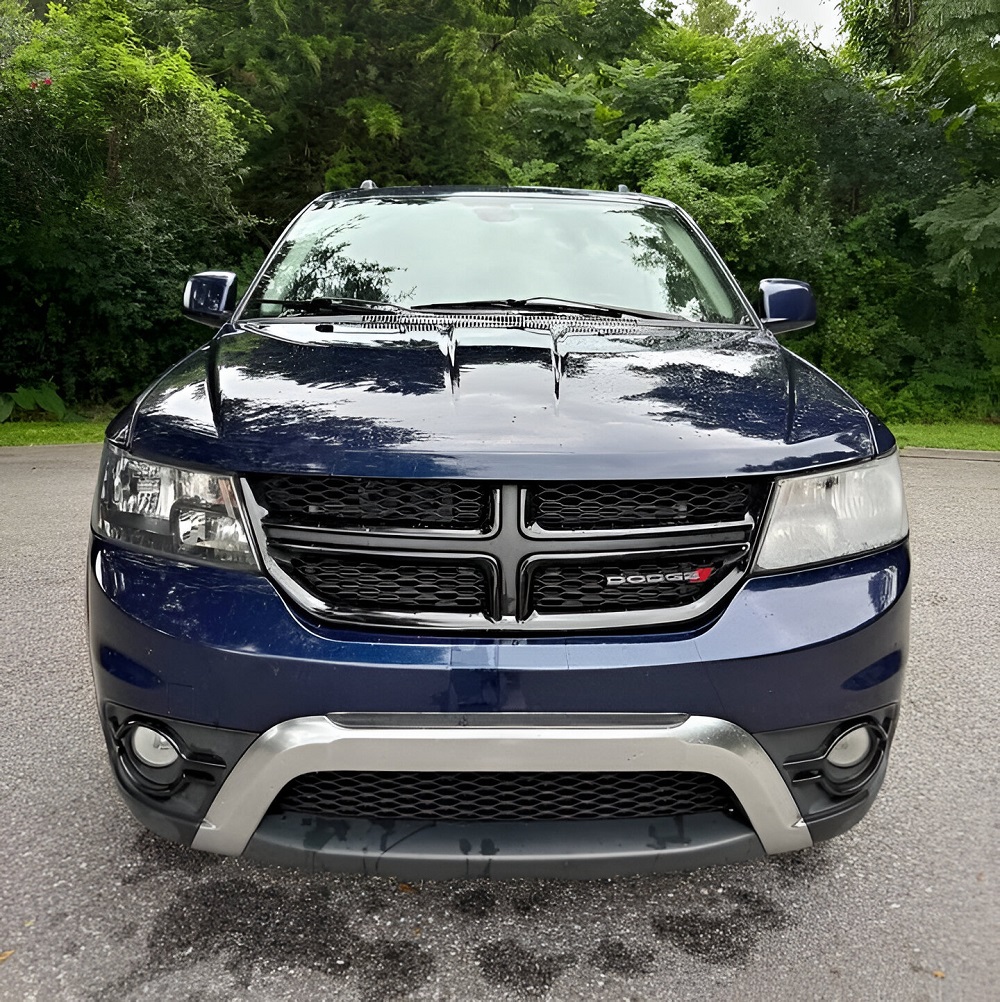
1. What’s actually in the Journey’s transmission tunnel
Ultradrive and the birth of electronic FWD automatics
Chrysler’s Ultradrive family marked one of the first fully electronic front-wheel-drive automatics in the U.S. The Dodge Journey inherited the later-gen 4-speed 40TES and 41TES, plus the 6-speed 62TE, all stamped with the “TE” badge, Transverse Electronic.
That last bit matters: every unit was designed to work sideways under the hood, using solenoids, sensors, and adaptive shift logic instead of cables and vacuum.
The “40” and “41” call out 4 forward gears. The middle digit ranks torque capacity: 0 is the light-duty GEMA inline-4, 1 adds strength for the old 2.7 V6. “62” means six speeds with a high-torque rating for Pentastar V6 power.
These boxes don’t behave like the old hydraulics. When they slip or stall, the fault can be physical, electronic, or both, and fixing them blind usually fails.
How engines, years, and layouts pair up with each transmission
The 2.4L I4 ran with the 40TES in base FWD Journeys and later with the 41TES. That motor didn’t need big torque handling, so Chrysler stuck with the simpler four-speed architecture.
Early 2.7L V6 builds used the 41TES, but from 2009 on, most six-cylinder models got the 62TE, especially with the 3.5L and later the 3.6L Pentastar.
The 62TE ran across both FWD and AWD trims, but AWD added strain. Rear-drive engagement on demand meant extra drag, more heat, and more stress on the torque converter and pump.
It also kept the fluid hotter in stop-and-go use, pushing wear into the solenoids, clutches, and compounder faster than on FWD trims.
Dodge Journey transmission by model year and engine
| Model years | Engine | Transmission | Drive layout | Notes |
|---|---|---|---|---|
| 2009–2010 | 2.4L I4 | 40TES | FWD | Early VLP 4-speed, basic power |
| 2009–2010 | 3.5L V6 | 62TE | FWD/AWD | First-gen 6-speed, more issues |
| 2011–2019 | 3.6L Pentastar V6 | 62TE | FWD/AWD | Most common; bulk of failure data |
| 2011–2020 | 2.4L I4 | 41TES/40TES | FWD | Budget trims, fewer but similar issues |
What owners feel when these transmissions start to fail
Sloppy shifts show up first. One day it delays into gear, the next it clunks on a downshift. In the 62TE, harsh 2–3 transitions are common, especially cold. That’s the compounder lagging behind the main clutch pack. It may feel like a double tap, or a loud bang under your seat.
At steady cruise, TCC shudder sneaks in. Light throttle, around 35–50 mph, and the whole cabin buzzes. That’s the lockup clutch dragging, not a misfire.
Push farther and the unit may drop into limp mode, stuck in 2nd, no downshifts, warning lights firing. In hot weather or traffic, pump seizures take the whole box offline. No warning. No drive. Just idle and coast.
2. Inside the 62TE: where the weak spots actually hide
The compounder setup that complicates every shift
The 62TE isn’t just a six-speed; it’s a 4-speed core with a built-in compounder that multiplies ratios. One shaft, two separate geartrains. The compounder sits on the transfer shaft and toggles between a 1:1 drive and a reduction gear around 1.45:1. That’s how it squeezes six forward gears out of a four-gear backbone.
First gear hits hard because it stacks the tall 2.84:1 base ratio with the compounder’s 1.45:1. Final math hits 4.13:1, which gets a heavy crossover off the line but loads the clutch pack fast. On the highway, 5th and 6th both run overdrives, good for mileage, rough on a torque converter with worn lockup clutches.
The complexity in that shaft split means every shift has two layers: mainline and compounder timing. If one falls behind, the shift flares. If it jumps ahead, the shift bangs. That tiny window tightens more when parts wear.
Double-swaps, 2–3 clunks, and compounder timing errors
The 2–3 shift is where the 62TE shows its age. That’s the classic “double-swap”; two elements release, two engage, all in under 70 milliseconds. It’s fast on paper but messy in real life. If one clutch drags or the compounder fires a few milliseconds early, the driver feels it like a hiccup or full-body jolt.
Every bad 2–3 doesn’t need a rebuild, but the rhythm doesn’t lie. On early wear, software covers it by adjusting pressure and pressure timing. But once the clutches glaze or the apply circuit leaks, no update fixes it. Late downshifts (like 4–2) bring the same stutter when the compounder disengages out of sync.
Worn drums, carved sealing rings, and broken planets
Early 62TEs used rotating sealing rings in the low clutch drum. Under heat and pressure, those rings spun grooves into the aluminum housing.
That groove leaks pressure, slips the clutch, and burns the pack. Chrysler moved to tabbed non-rotating rings in later units, but the damage shows up first, slip codes, soft shifts, or metal in the pan.
Planetary failure hits harder. The compounder gearset runs small-diameter pins that wear under load, especially in AWD trims or units that tow.
When the bearings go, the gearset whines, then grinds, then locks. That’s when you lose both forward and reverse and the fluid smells like burnt bearings.
3. Solenoid packs and sensors that short-circuit shift logic
One block controls all pressure, and it loves to fail
The 62TE and 41TES both run an external solenoid pack bolted to the valve body. It handles every shift, every lockup command, and all line pressure control through a sealed circuit board. No separate modules, no replaceable solenoids; if it misfires, the whole pack gets swapped.
Each solenoid opens or closes a fluid path that triggers a clutch. Pressure switches inside the block report back which circuits are live, but they fail often.
Once the TCM sees a mismatch, clutch A shows active, but pressure says it’s not, it throws a rationality code and locks into limp mode. Some failures hit cold. Others trip once warm, then reset after a battery pull.
Codes that point to the right part, if you read them right
The Journey doesn’t always light up the dash with a clear fault. But when it does, the codes below steer the whole diagnostic path. Ignore them, and you’re guessing.
| Code | Component / circuit | Real-world symptom |
|---|---|---|
| P0700 | Transmission control system | “Service trans,” limp mode, various harsh shifts |
| P0750 | Shift solenoid A | Stuck in 1st, no upshift, emergency limp |
| P0740 | TCC circuit | Shudder at cruise, stall coming to a stop |
| P083B | Pressure switch rationality | Surging, erratic shifts, intermittent limp |
P0700 means the TCM threw a flag, but the full story’s in the other codes. P0750 locks you in low. P0740 shows up with torque converter drag or stall. And P083B means the box thinks it shifted, but the hydraulics say otherwise, often a leaking clutch or cracked pressure plate.
Variable Line Pressure and the sudden death of the pump
The early 4-speeds used Variable Line Pressure (VLP) to trim hydraulic force. A dedicated pressure sensor and modulating solenoid let the TCM cut line pressure when load was low. That saved fuel but stressed the pump when fluid was dirty or cooling was weak.
On 2016 Journeys especially, the pump could seize without warning. The gear spins dry, pressure drops to zero, and no gear engages, forward or reverse. Some units made noise before failure.
Others didn’t. Mopar issued a targeted recall, but only certain VINs qualified. If the car still starts but won’t move, and the fluid’s clean, bet on a dead pump.
4. Torque converter drag, thermal stress, and why fluid breaks down
Lockup shudder that feels like a misfire but isn’t
The torque converter clutch (TCC) is the weak link on most high-mileage Journeys. At light throttle in 3rd, 4th, or 6th, it’s supposed to lock for better fuel economy.
When it slips or drags, the whole car buzzes like it’s dropped a coil. Some mistake it for engine trouble, but the shudder always hits during cruise, not under load or idle.
The converter’s clutch lining wears down, sheds debris, and loses grip. As it starts to fail, the TCC solenoid can overcompensate. Lockup comes on too hard or refuses to release, which leads to stalls during stoplights or a surge at coastdown. Ignore it too long and the converter dumps metal straight into the fluid circuit.
Overheated ATF, burned varnish, and gummed-up hydraulics
Journeys with 62TEs run hot, especially in city traffic or towing. No factory auxiliary cooler means the fluid bakes in the pan during long idle periods. Burned ATF+4 turns dark brown, smells scorched, and loses its friction chemistry. Clutch packs slip. Solenoids stick. Valves hang.
Once varnish forms inside the valve body, it chokes pressure circuits and delays clutch application. Dirty fluid also damages the TCC solenoid’s ability to modulate smoothly, turning minor shudder into full-on bind or drag.
That’s when the shudder turns to stall, or the shift to drive delays for 3 seconds after start.
When a fluid change helps, and when the converter’s already gone
If the converter buzzes but hasn’t set a P0740, it might still be saved. New fluid, a TCC solenoid, and updated software can smooth it out, if caught early. But once the converter sheds enough lining, the pan fills with debris. That grit makes it past the filter and eats the pump and valve body.
At that point, a TCC solenoid won’t save it. The converter needs to come out. Labor overlaps with full trans removal, which is why many shops quote both at once. Skipping the converter during a rebuild is asking for a comeback, especially on Journeys with stop-go histories or heat-soaked AWD setups.
5. Software flashes and relearns that can save, or mislead
Chrysler TSBs that rewrite the shift map
Shift quality on the Journey often comes down to software. Chrysler issued multiple TSBs to fix 2–3 bangs, sloppy downshifts, and grade-holding glitches. These recalibrations adjust line pressure tables, swap timing logic, and clean up double-swap clutches, if the hardware isn’t already worn out.
TSB #21-012-12 Rev B hit 2012 3.6L/62TE combos hard. It fixed harsh upshifts in Economy mode and smoothed out 2–3 transitions in Normal.
TSB #18-066-15 did the same for 2.4L four-speeds, tackling downshift clunks on hills. Neither one touched the valve body, but they bought time for Journeys with healthy clutches and no internal leaks.
Software’s the first move. No reflash, no fix. Techs who skip it waste parts chasing symptoms the TCM’s still triggering.
Quick Learn, road tests, and how to spot adaptive failure
Every Journey reflash needs a Quick Learn. It resets the clutch volume index and forces the TCM to relearn how much fluid it takes to apply each clutch. The process isn’t passive. It needs exact throttle, speed, and load cycles. No test drive, no adaptive baseline. No baseline, no clean shifts.
A proper post-flash drive shows crisp shifts under light throttle and stable downshifts without slam or coastdown bump. If the box still flares or bangs, it’s not software. That’s a hydraulic fault slipping past the shift map. Don’t chase it with more updates. Open it up.
When software tricks stop working, and teardown calls the shot
Eventually the TCM runs out of room to adapt. Pressure spikes, shift delays, and torque converter shudder still break through, no matter how fresh the calibration. Repeated P0740, P083B, or freeze-frame logs that point to the same clutch stack mean the hardware’s shot.
Some techs keep reflashing to avoid the rebuild. But stored fault patterns don’t lie. Once the system burns in the same fail point three times, the internal wear’s already past rescue. The shop has a choice: pull it or let the customer limp until it locks in 2nd for good.
6. Recalls that hit the shifter, pump, and rearview system
Shift cable bushings that fake “Park” and cause rollaways
Certain 2013–2016 Dodge Journeys had their shift cable bushings recalled for failure under heat and humidity. When the bushing degrades, the cable disconnects from the transmission lever, but the shifter still moves inside the cabin.
That mismatch fakes a Park position, even though the box stays in gear. Owners park, walk away, and the vehicle rolls.
Look for loose or vague shifter feel. If the cluster doesn’t match lever position, check the linkage before assuming internal damage. FCA’s Recall V34 / NHTSA #25V674000 covered this fix with a hardened bushing and updated retainer.
Transmission pump recall that leaves the whole vehicle immobile
In 2016 models with the 62TE, the pump could seize suddenly. When it does, the system loses all hydraulic pressure. No forward. No reverse. No warning codes until after the stall.
This was addressed in a targeted campaign that only applied to specific builds. Some pumps made noise before failure, growling at idle or slow engagement into gear, but others quit mid-drive with no signal.
If a clean fluid Journey won’t move and the shifter position is correct, check the VIN against the factory pump recall before authorizing teardown.
Camera circuit faults that still affect usability
On late-model 2019–2020 Journeys, the rearview camera microprocessor was recalled for internal cracking. That glitch blanks the reverse image or freezes the feed. While not a gearbox fault, it impacts real-world use, especially on backup-heavy maneuvers in tight spaces.
The recall, 59C / NHTSA #25V552000, involved a processor swap, not a full camera assembly. Owners often overlook it during transmission complaints. But a dead backup camera in a crossover with limited rear visibility increases fender risk and makes reverse parking unreliable, even with the transmission functioning perfectly.
7. Fluid myths, bad habits, and what real maintenance looks like
ATF+4 or nothing, don’t mix, don’t substitute
Every Journey transmission, 40TES, 41TES, or 62TE, runs on ATF+4 only. No Dexron, no multi-vehicle, no budget blends. This fluid has the right friction modifiers for Chrysler’s adaptive clutch control. Wrong chemistry triggers flare, chatter, and solenoid confusion.
Topping off with a different fluid, even a few ounces, can throw shift timing off. Mixed fluids shear faster and change viscosity under heat. On high-mileage gearboxes, that’s enough to kick a converter into shudder or spike line pressure mid-shift. No amount of “universal” label fixes that.
Why factory intervals don’t match real-world wear
Chrysler’s manual calls for 100,000 to 120,000 miles between changes on “normal use.” That doesn’t apply to Journeys that tow, idle long, or grind through stop-and-go heat. Burned ATF shows up around 30,000 to 60,000 miles, especially on 62TE units under load.
Power flushing a varnished transmission can dislodge debris and wipe a clutch. A simple pan drop, new filter, and fresh fluid does more good than any full system flush on a high-mile unit.
Practical Dodge Journey transmission service intervals
| Use case | Recommended interval | Notes |
|---|---|---|
| Light, mostly highway | 80,000–100,000 miles | Pan drop, ATF+4, filter |
| Mixed city/highway | 50,000–60,000 miles | Shorter if frequent stop-go |
| Towing / very hot climate | 30,000–40,000 miles | Add cooler, monitor fluid color and smell |
| Contaminated / burnt fluid | Immediate service | Multiple changes, filter, possible diagnostics |
Filters, pans, and upgrades that actually make a difference
The 62TE runs an internal filter that’s easy to overlook and easier to cheap out on. Poor-quality filters collapse under suction or bypass entirely, letting metal circulate. Mopar part #68018555AA remains the safe bet.
Deeper pans add cooling surface and capacity, but the real win is a drain plug. That turns fluid swaps from a full job into 20-minute maintenance.
External coolers help too, especially on Journeys that see mountain driving or trailer load. Inline magnetic filters catch early wear debris and can extend the life of a reman before trouble snowballs.
8. Real repair costs and the cutoff point for walking away
What shops actually charge, and what those jobs fix
Small repairs on Journey transmissions can cost more in labor than in parts. Solenoid packs, for example, aren’t complex, but they require valve body removal and fresh fluid.
A converter swap overlaps with a full pull, so the difference between a converter-only job and a full rebuild often comes down to a few hundred bucks.
Typical Dodge Journey transmission repair cost ranges
| Repair type | Ballpark cost (parts + labor) | What it usually fixes |
|---|---|---|
| Solenoid pack | $300–$750 | Limp mode, specific shift or TCC codes |
| Pan drop + filter/fluid | $200–$400 | Mild shudder, early harsh shifts |
| Full rebuild (62TE) | $2,000–$3,500 | Worn clutches, drum issues, moderate hard parts |
| Remanufactured unit | $3,200–$4,500 | Known weak points upgraded, better warranty |
| New OEM replacement | $5,700–$6,300+ | Rarely cost-effective on high-mile Journeys |
Shops charge diagnostic fees, usually around $100 to $150, for proper scan-tool testing. That includes pulling freeze-frame data, shift timing logs, and solenoid status, not just reading codes.
Rebuild, reman, or used, what’s worth the money
Used transmissions are cheap up front but carry all the same flaws. If the donor vehicle was wrecked, the converter could be cracked or misaligned. Most junkyard units get a 30-day warranty, sometimes less.
Local rebuilds depend on the shop. Some swap only burned clutches. Others use updated drums, anti-rotation rings, and hardened bushings.
Remanufactured units from vendors like Go Powertrain or Monster usually come with updated internals, dyno testing, and 12-month warranties. That coverage alone can justify the price.
On Journeys with high miles, even a clean rebuild skips trouble if the converter or valve body gets reused without full inspection. Some techs swap converters “just to be safe.” Others don’t, and those are the cars that bounce back with the same stall.
When the math stops working, and the Journey’s done
If the quote hits $3,500+ and the odometer’s over 120,000, it’s time to look hard at the rest of the vehicle. A rusty subframe, weak head gasket, or failing suspension turns the repair into a sunk cost.
KBB retail on a 2014 Journey with 130,000 miles sits around $3,000–$5,000. Pouring in a fresh trans doesn’t raise the resale enough to recover it.
Journeys that pass emissions, run clean, and don’t leak everywhere may justify the bill. But once the transmission fails, they rarely fail alone. If the service writer’s list starts climbing beyond the converter, check out early.
9. Survivable years, what takes these transmissions out early, and what actually extends life
Which model years break early, and which hold together
The worst transmission years for the Journey cluster around 2009 to 2012, with another spike in 2014. Early builds with the 62TE show high failure rates under 90,000 miles, converter lockup, harsh 2–3 shifts, and limp mode with no prior warning. Solenoid and pressure faults trip limp mode even on clean fluid.
By 2018–2020, Chrysler had revised clutch materials, pump tolerances, and pressure mapping. Journeys built in this range show fewer complaints and longer clutch life, especially on FWD-only trims.
Used buyers targeting late production years with documented service have the best shot at a clean box past 100,000.
Patterns that shred these units long before 150,000 miles
Heat destroys more 62TEs than high mileage. Journeys that tow, idle long in traffic, or run without a cooler cook the fluid early. Varnish gums the solenoids, clutches slip, and the TCM starts chasing its tail with line pressure commands.
Drivers who ignore converter shudder or flare shifts often find the clutches gone within 5,000 miles. Once debris circulates, it tears into the valve body and pump. Every second spent driving a failing converter sends grit through the pan.
Skipping TSB reflashes or topping off with generic fluid shortens life fast. So does clearing codes without fixing the underlying fault, masking symptoms until the mechanical damage locks in.
How to keep a Journey trans alive beyond the 150k mark
The 62TE isn’t bulletproof, but it’s not doomed either. Dropping the pan and swapping ATF+4 every 40,000–60,000 miles prevents most early failures. Mopar filters only. Inline coolers help, especially for AWD models that pull trailers or spend summers in traffic.
Pull the VIN and check for open recalls. Flash the TCM if it’s never been updated. Replace the converter or solenoid pack the first time shudder or limp mode appears. Small repairs early beat full rebuilds later.
Journeys that hit 150,000+ miles with a clean converter, good pump, and regular fluid changes aren’t rare. But they’re all owned by someone who treated the transmission like a wear item, not a lifetime fill.
Sources & References
- Ultradrive – Wikipedia
- GM 62TE Transmissions: All You Need To Know – Powertrain Products
- List of Chrysler transmissions – Wikipedia
- 62TE Transmission Problems & Symptoms – Monster Transmission
- Auto Trans 62te | PDF | Leak | Transmission (Mechanics) – Scribd
- How We Fix Chrysler/Dodge/RAM Van Transmissions (62TE)
- The 62TE Transmission: A Comprehensive Overview
- A Compound Solution – Gears Magazine
- Remanufactured Dodge Journey Transmissions
- Transmission Problems: Common Reasons – AAMCO.com
- P0700 Trouble Code – Diagnosis, Causes, Symptoms – AutoZone
- 5 Signs Your Car Has a Bad Transmission Shift Solenoid (Only MECHANICS Know)
- Dodge (5)45RFE Solenoid Pack Replacement : 6 Steps – Instructables
- Code P0750: what it means and how to fix it – Sun Transmissions
- p0750 Code – Shift Solenoid “A” | KBB
- 9 Symptoms of Bad Torque Converter Clutch Solenoid (TCC Fixes) – YouTube
- Transmission Case Studies: What’s the Real Problem? | MOTOR
- Chrysler 62TE Solenoid Pack Replacement PART 1 – YouTube
- Find Existing Dodge Journey Car Recalls – Dealer Rater
- Dodge Transmission Problems: What Every Driver Should Know
- 2017 dodge journey with strange problem. : r/MechanicAdvice – Reddit
- Transmission Torque Converter Clutch Solenoid
- Dodge Transmission Problems: Causes, Symptoms, And Solutions
- PCM/TCM Software Updates Will Address Shifting Problems on Dodge Charger – RepairPal
- SB-10069304-0335.pdf – nhtsa
- THIS BULLETIN SUPERSEDES SERVICE BULLETIN 18-008-13 – nhtsa
- Chrysler 41TE (604) – US Cars
- Lookup FCA Vehicle Recalls by VIN | Official Mopar® Site
- All 2025 Dodge Recalls By Model In Place – CarBuzz
- Stellantis Recalls Ram ProMaster And Dodge Journey For Rearview Camera Defect
- Stellantis issues recall of 219577 Ram ProMaster and Dodge Journey vehicles – Just Auto
- Dodge Journey Maintenance Service Near West Palm Beach, FL
- When to Change Transmission Fluid? | Ira Toyota of Manchester NH
- Dodge Journey Transmission Fluid – AutoZone.com
- Dodge Journey Maintenance Schedule
- 62TE Transmission Filter With Gasket – Moon Kee Restaurant
- 2007-2021 Mopar Transmission Oil Filter Package 68018555aa | OEM Parts Online
- 62TE Transmission Filter & Gasket Kit – Compatible With Dodge Chrysler Ram Vehicles
- 5 Common Torque Converter Solenoid Symptoms. Causes and Replacement Cost
- Dodge Journey Variable Valve Timing Control Solenoid Replacement Cost – RepairPal
- Transmission Replacement Cost – AutoZone.com
- How Much Does It Cost to Replace a Car Transmission – Synchrony.com
- Is it worth it to replace/rebuild 62te transmission on 2015 Dodge Journey? : r/AskAMechanic
- Transmission Replacement Cost Estimate – RepairPal
- 62TE Transmission: Specs, Fitment Tips & Reman Options – Go Powertrain
- 2017 Dodge Journey shuttering issue – Reddit
- Dodge Journey Reliability and Common Problems – In The Garage …
- Best Dodge Journey Years For Reliability – CarBuzz