
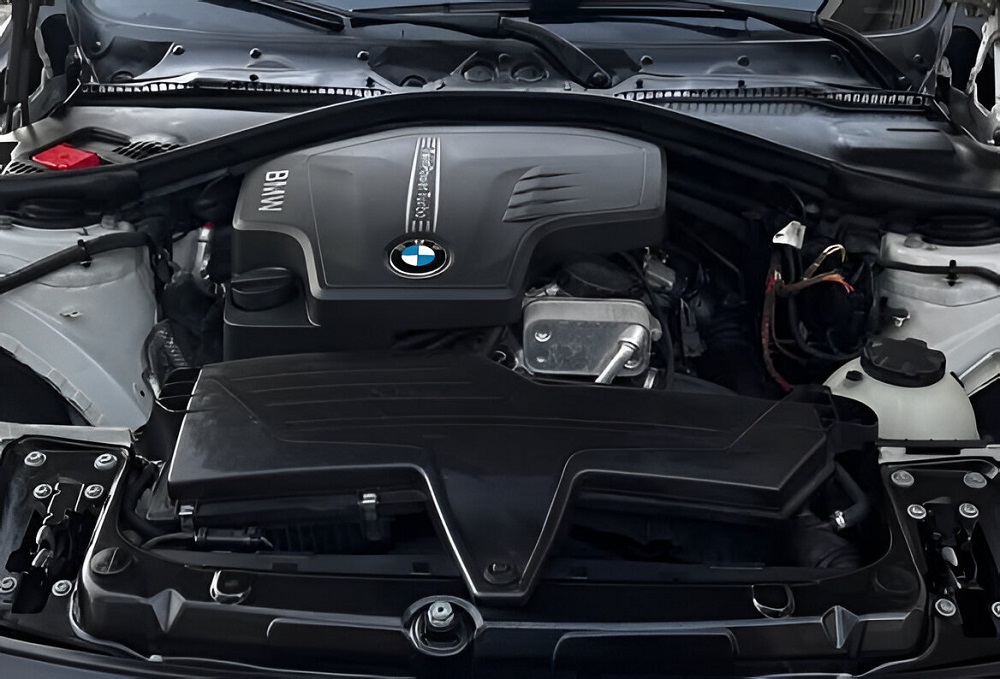
Catch a faint burning smell near the grille after shutoff? That pump plug might be cooking itself. BMW’s 24V-608 recall hits over 720,000 vehicles with N20 and N26 turbo 4-cylinder engines.
The defect? A mix of oil vapor and fuel condensate leaks from the PCV system and drips straight onto the water pump’s power connector. That fluid creeps inside, shorts the high-current pins, and can trigger fires, even while the car’s parked.
This guide breaks down exactly what fails, which models are hit, and how BMW’s fix shields the connector for good. If you want to keep your Bimmer and sleep easy, don’t skip this.
1. What BMW water pump recall 24V-608 actually targets
The defect starts at a bad seal, not a bad pump
BMW’s paperwork pins the failure on one weak point, the electric water pump’s power connector. On N20 and N26 engines, that plug sits low and exposed, with sealing that cannot keep oily PCV condensate out. Over time, blow-by fluid creeps inside, coats the pins, and eats away at the contacts.
Once corrosion sets in, resistance climbs while current stays high. Heat builds fast at the connector face, plastic softens, insulation chars, and smoke follows. This happens without the pump itself being mechanically failed, which is why many cars show no cooling warnings beforehand.
Why PCV blow-by turns a plug into a heater
PCV blow-by carries oil mist, fuel vapor, and moisture pulled straight from the crankcase. On these engines, that mix condenses inside the intake hose, then runs downhill by gravity. BMW routed that hose directly above the water pump connector.
This fluid is harsher than rainwater or road spray. Fuel fractions attack seal material, oil traps grit, and repeated heat cycles pull the contaminant deeper into the connector body. Once it reaches the energized terminals, localized heating becomes unavoidable.
Which engines and models sit in the danger zone
This recall does not cover every BMW with an electric water pump. It centers on turbocharged N20 and N26 four-cylinders built roughly from 2011 through 2018, where the PCV routing and connector orientation line up just wrong.
| Model line | Model years | Engine | Layout note |
|---|---|---|---|
| 3 Series 328i / 328xi | 2012–2016 | N20 / N26 | Highest volume, direct PCV drip path |
| X3 sDrive28i / xDrive28i | 2013–2017 | N20 / N26 | Same hose routing above pump |
| 5 Series 528i | 2012–2016 | N20 / N26 | Longitudinal mount, identical connector zone |
| 2 Series 228i | 2014–2016 | N20 / N26 | Compact bay, limited airflow |
| X1 / X4 | 2011–2018 | N20 / N26 | Shared pump and plug design |
| X5 xDrive40e | 2016–2018 | N20-based | Hybrid packaging, same connector risk |
BMW estimates the failure rate near 1 percent. That number looks small until you factor in the outcome, smoke, melting harnesses, and engine-bay fires that can start after shutdown.
Why BMW had to call this a safety recall
Cooling pump failures usually leave drivers stuck or spike temperatures. This defect adds ignition risk, even with the key out. The pump can run during after-run cooling, so the connector stays live while the car sits parked.
That single detail forced BMW’s hand. Any energized connector that can overheat unattended crosses from reliability issue into fire hazard, which triggers mandatory recall rules. That risk profile, not the raw failure count, explains the size and urgency of 24V-608.
2. How BMW’s water pump and PCV layout created the perfect drip
Why BMW went electric, and what it cost them
BMW dumped belt-driven pumps to chase tighter thermal control. Electric units gave them the freedom to cool turbos after shutdown, warm up engines faster, and claim efficiency gains on the EPA dyno.
But the shift shoved high-amperage wiring into the engine’s filthiest corner, just inches from the crankcase breather and turbo heat.
On the N20/N26, the pump’s mounted low, and the power feed plugs straight into the front housing. That plug sits directly below the PCV return hose.
What’s inside PCV blow-by, and why it eats seals alive
Blow-by isn’t just mist. It’s raw crankcase soup, oil, fuel vapor, water, unburned hydrocarbons, rerouted into the intake under EPA pressure. When the engine’s cold or running short trips, that sludge doesn’t vaporize. It condenses inside the hose and drips downhill.
On these engines, the hose path ends right over the water pump plug. Every shutdown leaves another sticky drop on the connector. That’s not surface moisture. It’s chemical assault.
Connector design flaws and what the seal can’t handle
The plug on these pumps was never built to handle fuel and oil exposure. Its weather seal is meant for water splash, not long-term immersion in hot PCV residue.
Small gaps in the seal lip and strain relief let the fluid wick past the insulation. From there, it hits the pin sockets and PCB paths. Corrosion kicks in. Resistance climbs. That’s when the pump starts pulling extra current, and the connector starts cooking.
The plug doesn’t need to break apart to start the damage. Even low-level pin pitting triggers heat spikes during normal pump cycles. And since these pumps can run after shutoff, the worst-case hits when no one’s looking.
3. What happens when the connector starts to fail
Short circuits don’t stall the car, they torch it
Once the fluid reaches the live terminals, current jumps where it shouldn’t. Corroded joints push resistance up. Heat builds fast at the contact face. In some cases, the harness insulation melts before the fuse trips.
Plastic smolders. Smoke leaks from the grille. And because the electric pump can stay powered during turbo cooldown, this happens without the engine running.
BMW’s internal docs show the pump circuit stays live for several minutes after key-off. Owners have found melted connectors hours after parking.
The warning signs aren’t what you think
A cooked pump motor throws a temp light or sets the car into limp. This defect doesn’t always show its hand. Drivers report:
• Sharp, plasticky burning smells after shutdown
• Thin wisps of smoke near the front of the engine
• Cooling system faults that clear on restart
• No visible coolant loss
Some saw overheating messages just once, then nothing. Others never got a single code before spotting damage. One look under the hood showed the plug baked, pins green, insulation scorched.
Not every failure leads to fire, but the risk is real
Electric pump failures usually fall into two camps:
| Failure type | Typical symptoms | Primary risk |
|---|---|---|
| Pump motor or impeller | Overheating, limp mode, fan cycling constantly | Engine wear, gasket failure |
| Power connector short (24V-608) | Smoke, smell, melted plug or harness | Fire, thermal damage |
Plenty of BMWs have lost pumps without melting down. But a corroded connector is a different animal. When the fault path includes live power, bad chemistry, and poor sealing, fires become a real-world outcome, not just a theoretical hazard.
4. Where this fits in BMW’s history of cooling system failures
Old problems leaked. This one burns.
Back in the mechanical-pump days, BMW cooling issues came from bad gaskets, worn bearings, and cracked impellers. Pre-2006 models mostly leaked or overheated slowly.
Then came N54 and N55 six-cylinders with full electric pumps, quieter, smarter, but fragile. Those failed without warning, usually around 60,000 to 80,000 miles. Sudden limp mode. Boiled coolant. No start.
But none of those carried ignition risk. They shut the car down, not set it alight.
BMW’s seen this fire scenario before
This recall didn’t come out of nowhere. BMW already recalled N63, S63, N74, and some MINI engines under 18V-248 for auxiliary electric pumps that could short and overheat internally. Same recipe: coolant mist, hot circuit board, poor sealing.
The difference here is location. The N20/N26 plug sits lower in the bay, right under a PCV path. Instead of an internal short, this one’s caused by external fluid creeping into a live power feed.
A new pump won’t save you if the plug’s still vulnerable
Even if the electric pump was recently replaced, the risk remains. If the new pump uses the same connector layout and no shield, the failure path’s still open.
That’s why 24V-608 applies whether the pump is 10 years old or 10 days old. The recall targets the harness side and installs a shield to divert future drips. Without it, the next pump just starts the countdown over again.
5. What BMW’s official fix actually does
How dealers inspect and decide what gets replaced
First step is a VIN check. If the car’s flagged under 24V-608, the dealer pulls it in, pops the hood, and checks the water pump plug. They’re looking for signs of trouble: dried oil streaks, green corrosion, heat discoloration, or brittle plastic.
If the plug shows damage, they replace both the water pump and the connector harness. If it’s clean, they still install the shield. The scan tool also checks for stored faults tied to cooling or electrical loads, even if no warning light was triggered.
The new parts don’t just hide the problem, they block it
The updated connector has tighter sealing and better insulation around the power feed. It’s made to resist the blow-by mix that eats the old plug.
The shield isn’t just a cap. It’s a molded deflector that clips over the pump housing and routes any future drips away from the connector. No more oil trail running straight into the plug face. It doesn’t patch the old part, it cuts off the fluid path entirely.
What it costs, and who gets paid back
Recall repairs are free. BMW covers parts and labor under federal safety rules. That applies whether the pump is original or aftermarket.
Owners who already paid for a pump or harness job because of this connector issue can request reimbursement. You’ll need a dated invoice showing what was replaced and why. BMW reviews each case, but there’s a clock, delay too long and you’re out of luck.
Why ignoring this is a bad risk
Some owners roll the dice, especially if the plug “looks fine.” But this isn’t a coolant leak that slowly grows worse. The connector fails fast, and the damage isn’t always visible until it’s already arcing.
Unrepaired recalls show up in dealer systems. That can block warranty claims and drag down resale. More than that, you’re driving with a known fire risk wired hot under the hood. No warning. No reset. Just melt.
6. The legal weight behind the recall
Why unsold cars can’t leave the lot
In the U.S., federal law bars new car sales if there’s an open safety recall like 24V-608. BMW dealers can’t hand over the keys until the fix is done. That applies even if the pump looks untouched. A clean inspection still requires the shield install and full documentation.
Used cars get murkier. Independent dealers don’t always check recall status, but if a fire starts post-sale, they can be held liable. Some states treat this as negligence, especially if the defect was public and documented.
When recall repairs cross into buyback territory
One recall visit doesn’t trigger Lemon Law. But if the connector fails again after the fix, or if the pump shorts more than once, owners may have a case. Laws vary, but most states give you protection after multiple failed repairs or extended shop time for a safety issue.
Lawsuits have already started. A class action filed in October 2024 argues BMW knew about the defect for years and dragged their feet. Plaintiffs want buybacks or compensation for out-of-pocket repairs, lost resale value, and cars stuck in shops for weeks.
Safety rules don’t stop at borders
Recall status follows the VIN. A car exported from the U.S. or EU still carries its recall record. Most authorized BMW dealers worldwide can check it, order the parts, and close the campaign, even if the car was sold in another market.
Fire-risk recalls like 24V-608 are tracked globally. Regional laws may differ, but manufacturers are expected to honor safety repairs wherever the car ends up.
7. Keeping your BMW safe after the recall
These pumps don’t last forever, plan on replacing them
BMW electric water pumps are wear items. On N20 and N26 engines, most last between 60,000 and 80,000 miles. Some fail early. Few make it past 100,000 without slowing down or tripping codes.
They don’t fail gently. A worn pump may whine on cooldown or cut out under load. One minute you’re idling fine, the next you’re in limp mode with the fan howling. Treat these like timing belts, budget to change them once per ownership cycle.
How to catch problems before they escalate
Don’t wait for steam. Check coolant temps on startup. A slow warmup is fine. A sharp rise under light load isn’t.
With the engine off, listen for pump hum, rough, pulsing sounds mean the motor’s straining. Pop the hood after a drive and inspect the pump area.
Look for oil streaks, burnt plastic, or chalky residue on the harness. Check the expansion tank too, oily film inside may come from a PCV issue dumping blow-by into the system.
Smart service combos that save labor and cash
When one part goes, the next isn’t far behind. Most shops pair the water pump with the thermostat. Same labor zone. Same aging curve. Doing them separately doubles the hours.
OEM pump and thermostat kits can hit $700 in parts alone. Add labor and you’re north of $1,000. That’s why getting the recall work done, if it qualifies for a new pump, is a huge win. Free fix, fresh parts, cleaner bay.
Which cars are worth keeping, and which aren’t
Look for three things: completed 24V-608 recall, clean PCV system, and recent pump service. If all three check out, the car’s got a solid cooling baseline.
If the recall’s still open, the pump’s untouched, and the history’s vague, walk. A smoked connector can leave you stuck fast or toast your harness before you smell a thing. These cars aren’t junk, but without the shield, they carry a fuse you didn’t light.
Sources & References
- Part 573 Safety Recall Report 24V-608 | NHTSA
- BMW Recall: Water Pump Electrical Wire Connector Short Circuits Causing Increased Fire Risk – RepairPal
- IMPORTANT SAFETY RECALL – BMW USA
- BMW recalls more than 720000 cars because electric water pump may catch fire
- recall 18v-248: electronic auxiliary water pump – nhtsa
- BMW Recalls 720,000+ Vehicles for Water Pump Defect – Consumer Action Law Group
- BMW recalling more than 720000 vehicles due to water pump issue – AP News
- BMW Recall 24V-608: Coolant Pump Electrical Connector – nhtsa
- N20 Water Pump Plug Recall – Parts Available : r/F30 – Reddit
- BMW Recalls Over 720,000 Cars for Water Pump Wiring That Can Catch Fire – The Drive
- RECALL 18V-248: ELECTRONIC AUXILIARY WATER PUMP – nhtsa
- N20 Water Pump Recall… Any update for 2025? – BMW 3-Series and 4-Series Forum (F30 / F32) – Bimmerpost
- BMW Water Pump Recall – Leaks, Overheating & Fixes – Southside Euro
- How To Replace A BMW F30 Water Pump & Thermostat (BMW N20/N26 Engine) | FCP Euro
- RECALL 18V-248: ELECTRONIC AUXILIARY WATER PUMP – nhtsa
- Remedy Available – Safety Recall 24V-608 : r/BMW – Reddit
- Recalls – BMW USA FAQ
- BMW Water Pump Lawsuit Filed Over Aug. 2024 Recall of More Than 720K Vehicles
- BMW Recalls Over 330,000 Cars After Finding Engine Fire Risk – TT – Transport Topics
- All 2025 BMW Recalls By Model – CarBuzz
- BMW Issues Urgent Recall Affecting 2025 3, 4, 5 Series, and X3 Models
- I got charged $1500 for a water pump replacement : r/BmwTech – Reddit