
Buzz shoots through the floorboard. The tach needle twitches. Nothing’s slipping, but something’s wrong. The Acura RDX hides its transmission flaws well, until it doesn’t. Judder at 45 mph. Limp mode with no warning. Harsh shifts that vanish after a key cycle.
These problems cut across three generations and two powertrain layouts, from the early V6 six-speeds to the tech-heavy 10-speed.
This guide breaks down what actually fails, when it starts, what Acura tried to fix, and what repairs cost in 2026. If your RDX shudders, slams, or stalls, this is where you start.
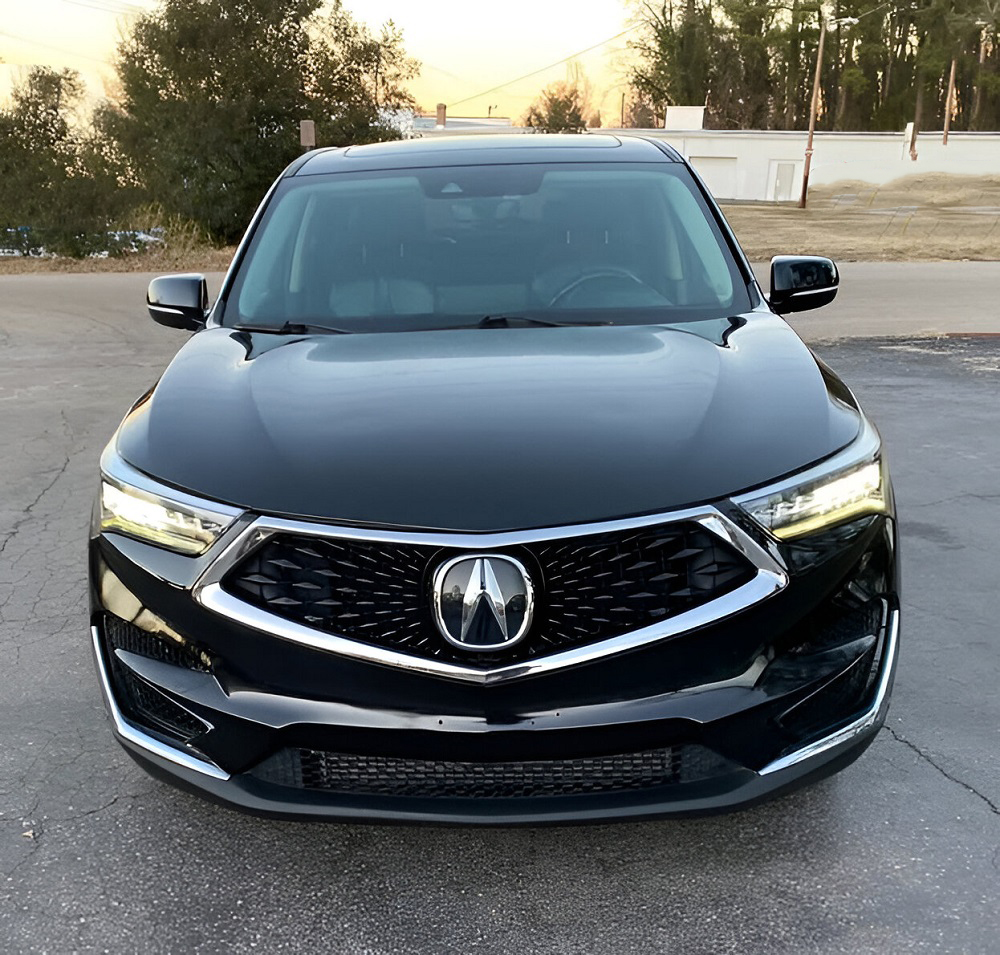
1. Why Acura’s transmission design went from simple to temperamental
First-gen RDX kept it old-school, and that saved it
The 2007–2012 RDX ran a 5-speed automatic with a mechanical soul. No fancy lock-up logic. No multi-clutch juggling. Just a single torque converter, five gears, and a sport mode that actually held ratios under load.
It backed the 2.3L K23A1 turbo with SH-AWD, but most failures came from neglected fluid or heat, not flawed engineering.
Solenoids or shift valves can wear, especially with cooked ATF-Z1 or over-extended DW-1, but these are fixable without cracking the case. If the fluid’s red and the shift timing’s clean, these boxes last.
Second-gen V6 brought fuel-saver lock-up that backfired
Starting in 2013, Acura swapped the turbo-four for a 3.5L V6 and paired it with a 6-speed auto. On paper, it looked like a win; smoother delivery, better fuel burn, and fewer moving parts. But they pushed torque-converter lock-up hard in the name of MPG, and that’s where the trouble started.
The converter would engage and disengage at light throttle, especially between 35 and 50 mph. That rapid cycling raised ATF temps and sheared the fluid. Over time, it created stick-slip behavior between the converter clutch and cover, causing vibration under steady cruise.
Cracked lock-up pistons showed up in later builds, especially 2017–2018. These leak off pressure and prevent full clutch engagement, making shudder permanent once it starts.
Third-gen 10-speed added speed, but layered in failure points
By 2019, the RDX was back to turbo power with the 2.0T engine, but now with a 10-speed automatic, drive-by-wire throttle, and SH-AWD all feeding data across multiple CAN networks.
This transmission doesn’t just shift on hydraulic command; it needs split-second consensus from the ECM, TCM, pedal sensors, and wheel-speed modules.
The wide gear spread gives snappy shifts on paper, but it’s also sensitive to lag, interference, or bad grounds. Harsh shifts, delayed gear changes, and full limp-mode events became common, especially on early builds with outdated software or mixed-signal errors.
RDX transmission architecture by generation
| Generation | Model years | Engine | Transmission | Known transmission-side issues | Overall pattern |
|---|---|---|---|---|---|
| 1st (TB1/TB2) | 2007–2012 | 2.3L turbo I4 | 5-speed auto | Isolated solenoid/shift-valve wear, heat-stressed fluid on neglected service | Generally robust if serviced on time |
| 2nd (TB3/TB4) | 2013–2018 | 3.5L V6 | 6-speed auto | Torque-converter judder, fluid breakdown, occasional pressure-switch failures | Main source of “shudder” complaints |
| 3rd (TC1/TC2) | 2019–2025 | 2.0L turbo I4 | 10-speed auto | Limp mode, harsh shifts from software/pressure-switch issues, intercooler-driven misfire that mimics trans failure | More electronics-heavy failures than hard-part breakage |
2. Second‑gen torque‑converter judder on 2013–2018 RDX
What torque‑converter judder feels like from the driver’s seat
Vibration shows up first at steady cruise. Hold 35–50 mph, light throttle, flat road, and the cabin starts buzzing like you’re rolling over shallow grooves.
The tach stays steady, but the shake pulses through the floor and seat, strongest around 1,500–2,000 rpm. Push harder and it often fades, back off and it comes right back.
Early on, the dash stays quiet. As the problem deepens, the shake sharpens and the MIL finally lights, usually with P0741 stored after enough failed lock‑up events.
Why fluid shear and lock‑up hardware start the chain reaction
The 6‑speed’s converter locks early and often to save fuel. That strategy runs the clutch in partial engagement for long stretches, which cooks ATF DW‑1 faster than owners expect. Once the fluid loses friction stability, the clutch can’t hold cleanly and starts grabbing, releasing, then grabbing again.
By 2017–2018, a harder failure joined the mix. Cracks formed in the lock‑up piston inside the converter. Pressure leaks past the piston face, the clutch never clamps fully, and no amount of fresh fluid can restore a solid hold.
Software flashes and triple‑flushes, and why they stop working
Acura’s first response leaned on calibration. Updated PCM and TCM files softened lock‑up timing and tried to control heat. When shudder was already present, dealers followed with a triple drain‑and‑fill to clear degraded fluid from the converter, cooler, and passages.
That routine can calm early cases tied only to fluid breakdown. Once the clutch surface glazes or the piston cracks, the vibration returns within weeks or a few thousand miles, because the mechanical leak never went away.
Warranty extensions and how coverage actually triggers
Acura expanded coverage as complaint volume climbed. Certain 2017–2018 RDX models gained extended protection that started at 8 years/150,000 miles and later stretched to 10 years/150,000 miles for affected VINs.
Approval depends on reproducing the shudder, documenting fluid condition, and pulling supporting codes or test‑drive notes.
Miss the time window or mileage cap and the same repair shifts fully onto the owner.
Torque‑converter judder patterns by model year
| Model years | Typical mileage when symptoms show | Key DTCs | Acura response | Common dealer repair |
|---|---|---|---|---|
| 2013–2014 | 60,000–90,000 mi | Often none early | Software updates, fluid service guidance | ATF service, converter if vibration persists |
| 2015–2016 | 40,000–80,000 mi | P0741 in advanced cases | Case‑by‑case goodwill, updated diagnostics | Converter replacement with fluid and programming |
| 2017–2018 | 20,000–70,000 mi | P0741, occasional roughness | Formal warranty extension to 8y then 10y/150k | Torque‑converter replacement plus updated calibration |
Owner decision points once shudder shows up
Document speeds, rpm, road load, and dates before the first dealer visit. Repeated flushes without converter inspection waste time and burn coverage miles. Once the shudder is repeatable and P0741 appears, the fix path narrows to converter replacement or living with the vibration.
3. Pressure-switch failures and the shifting problems they trigger
How the pressure switches control shift decisions
Each switch confirms oil pressure in a specific clutch circuit. When 3rd gear engages, the 3rd-gear pressure switch tells the TCM that the gear is fully held. If the signal comes in late, spikes, or vanishes, the module either delays the shift or cuts torque to protect the transmission.
These switches sit in hot, contaminated fluid. Over time, the diaphragm warps, internal contacts drift, or corrosion creeps in, and the signal no longer reflects reality. The TCM starts guessing, and that’s when gear changes go sideways.
Failure patterns in late second-gen and early third-gen RDX
The 3rd-gear pressure switch fails most often, followed by 4th and 6th. Shifts start to bang, flare, or disappear entirely. One minute the SUV drives fine, next it hangs in gear or slams into the next. Coast down from 60 mph and the RPMs can spike randomly, or it might refuse to shift into top gear at all.
Code P0848 (pressure switch circuit high) shows up in many of these cases, but not always. Some clear on ignition cycle. Others linger just long enough for the owner to feel it before the dealer says no fault found.
Why catching this early saves the whole transmission
When a switch lies to the TCM, the module still tries to manage torque. It might dump too much pressure or hold a shift too long. That slip or slam builds heat, eats clutches, and stresses the valve body.
Swapping a $100–$140 switch early prevents thousands in repairs. Wait too long and the heat cooks seals, clutches glaze over, and the whole unit needs a teardown or a reman install.
Pressure-switch failure vs driveability
| Component | Common code | Driver symptom | Short-term risk | Long-term risk |
|---|---|---|---|---|
| 3rd-gear pressure switch | P0848 | Bangs into 3rd, won’t upshift, “hangs” in gear | Harsh driving, poor MPG | Burnt clutches, increased valve-body stress |
| 4th/6th-gear switches | Varies | Lags or flare at highway speeds | Weak acceleration or shift delay | Heat buildup, premature wear |
| Multiple switch failures | Multi-code pattern | Random harsh shifts, limp mode during long drives | Frequent driveability issues | Full rebuild or transmission replacement |
4. Third‑gen 10‑speed problems that drop the RDX into limp mode
Why the 10‑speed depends on fast, clean data
The 10‑speed transmission doesn’t shift on pressure alone. It reads throttle angle, torque request, wheel speed, and yaw rate, all in real time.
If any module lags, skips, or misreads the signal, the system holds gear or slams to protect itself. Every shift relies on the TCM, ECM, and throttle sensor syncing within milliseconds.
A loose ground or aging battery can introduce just enough noise or delay to throw it off. When that happens, the RDX either coasts in neutral or locks itself into a failsafe gear.
Software conflicts that trigger sudden neutral and limp mode
Early 2019–2020 builds show a pattern: hard throttle from a roll, then a snap loss of power. The vehicle won’t rev, won’t accelerate, and sits stuck around 30–40 mph. Dash lights flash, or sometimes stay clean, depending on how the modules interpret the conflict.
In the Partovich v. Honda lawsuit, owners described the TCM and ECM receiving conflicting torque values from the pedal sensor and engine map. The system panics, assumes critical drivetrain failure, and drops into limp mode without warning.
How intercooler condensation fakes out the whole powertrain
On humid days or in hard rain, water builds inside the intercooler on some 2.0T RDX models. One sharp throttle stab pulls that water into the cylinders. The engine misfires, drops load, and the ECM sees chaos.
The transmission thinks it’s dealing with mechanical failure. It yanks power and locks the SUV in a single gear to avoid internal damage. Acura issued TSB 20-053 to address this, with a redesigned intercooler and revised software.
Common limp-mode causes in 10-speed RDX
| Root cause | Trigger conditions | Driver symptom | Typical fix path |
|---|---|---|---|
| Software miscommunication (ECM/TCM) | Heavy throttle, uneven roads | Power cut, locked gear, dash lights | ECM and TCM reflash, module sync confirmation |
| Intercooler condensation | Humid or rainy weather, extended light-load driving | Misfire, stutter, limp mode without shift code | Replace intercooler, install software update per TSB 20-053 |
| Failing pressure switch or solenoid | Any driving, worse with hot fluid or stop-go conditions | Harsh or delayed shifts, occasional limp mode | Swap sensor or solenoid, reset adaptives, verify line pressure |
What changed after 2021, and what problems still surface
Software updates for 2021–2023 models smoothed torque delivery, cleaned up launch behavior, and cut down limp-mode triggers. Reliability scores rose and complaints dropped.
Even with better calibration, the system still relies on healthy grounds, solid battery voltage, and updated firmware across every module. If one sensor falls out of spec or one control unit falls behind, the 10-speed doesn’t hesitate; it locks you out of full power instantly.
5. Fluid, service intervals, and how neglected maintenance ruins these transmissions
Fluid chemistry and why each RDX generation demands a specific type
Each transmission in the RDX line runs a different fluid with different friction needs. The 5-speed uses old-school ATF-Z1 or later DW-1, which handles moderate heat but breaks down faster under turbo stress. The 6-speed sticks with DW-1, but it needs top-tier stability for constant torque-converter cycling.
The 10-speed demands ATF Type 2.0, a higher-shear, low-viscosity fluid built for tight clutch packs and quick shifts. Mixing in generic fluid changes shift feel, ruins clutch bite, and spikes wear inside the valve body.
Factory intervals vs what really protects the transmission
Acura’s official range for ATF service lands between 30,000 and 60,000 miles depending on driving style and Maintenance Minder codes. That window only works if the SUV sees light, steady use. Stop-and-go traffic, short trips, hills, or towing break the fluid down faster than the system accounts for.
Burnt ATF smells sharp, feels thin, and shows dark on the dipstick. Long before codes pop up, the transmission starts dragging shifts, slipping torque-converter lockup, or triggering rough gear holds.
Why flush procedures matter as much as the fluid itself
There’s no one-size-fits-all flush for the RDX. A quick drain-and-fill only replaces part of the fluid, but a full machine flush can dislodge debris and clog solenoids. Acura’s own triple-drain process was built to purge torque-converter shudder cases cleanly without jarring the system.
Fill level also matters. Overfilling causes foaming. Underfilling drops pressure and throws off engagement timing. On the 10-speed, fluid temp must be monitored during fill; too cold or hot skews the level, and the problems begin.
Acura RDX transmission fluid specs by generation
| Transmission | Generation / years | OEM fluid spec | Why it matters |
|---|---|---|---|
| 5-speed auto | 2007–2012 | ATF-Z1 (early), ATF DW-1 | Handles moderate heat, weak under turbo abuse if intervals are skipped |
| 6-speed auto | 2013–2018 | ATF DW-1 | Needs clean fluid for repeated lock/unlock cycles in the converter |
| 10-speed auto | 2019–2025 | ATF Type 2.0 | Built for high shear loads and fast clutch transitions across 10 gears |
6. Real repair costs for common RDX transmission problems
What typical shop jobs cost when symptoms start
Torque-converter replacement takes time and labor. The converter sits behind the bellhousing, which means full transmission removal. AWD models cost more; extra brackets, shafts, and teardown hours. Expect $600–$1,500, depending on shop rate and whether it’s dealer or independent.
Pressure-switch jobs stay cheaper if done early. A single switch runs $100–$140, with labor pushing the total to $250–$400. Once ignored, the same failure starts damaging clutches and valve-body seals.
Basic fluid service, drain and refill, can go for $150–$600. Shops using full flush machines or dealer-only fluid charge more. Still, this is the cheapest shot at delaying deeper work.
Acura RDX transmission repairs and price ranges
| Repair / service | What’s involved | Typical shop cost (parts + labor) | Notes |
|---|---|---|---|
| ATF drain-and-fill or flush | 8–10 quarts ATF, pan drain, sometimes line exchange | $150–$600 | Cost swings with dealer vs independent and flush method |
| Torque-converter replacement | Trans removal, converter swap, seals, ATF refill | $600–$1,500 | Often higher on AWD; may be covered under extended warranty on 2017–2018 |
| Pressure-switch replacement | Replace 1–3 oil-pressure switches, relearn | $250–$400 | Parts near $100–$140; early repair avoids clutch damage |
| Valve-body / solenoid repair | Remove pan/valve body, replace solenoids, clean passages | $800–$1,800 | Usually on higher-mileage or fluid-neglected units |
| Remanufactured transmission | Swap in reman unit, transfer externals, refill ATF | $3,163–$5,000 | Core cost only; total with labor can trend higher |
| Complete transmission replacement | Remove and replace with new or reman, full setup | $3,000–$7,000 | Range depends on year, AWD, and shop labor rate |
Where shady quotes and shortcuts show up
Some shops push multiple flushes as a cure for torque-converter judder without ever opening the bellhousing. If they don’t inspect for piston cracking or test TCC pressure, those flushes only delay the inevitable.
Others throw in cheap additives or ATF that doesn’t meet DW‑1 or Type 2.0 spec. That ruins shift timing and clutches fast. Always ask for a line-item quote: diagnosis fee, parts, labor, tax. If they won’t split it out, walk.
When warranty extensions or goodwill actually help
For 2017–2018 models, Acura’s extended converter coverage up to 10 years/150,000 miles changes the repair math. Even beyond warranty, documented service and dealer loyalty often help with partial coverage or goodwill.
Third-party warranties vary. Some cover fluid and labor, others don’t. Many exclude pressure-switch jobs or “wear items” unless the module fails completely. Read the contract before signing, especially for high-mileage third-gen RDXs.
7. Which RDX years bring the worst transmission trouble
Which generations carry the heavy failures
First-gen RDXs hold up well. Transmission problems take a backseat to turbo and cooling quirks. The 5-speed may feel dated, but it rarely fails early if the fluid stays clean.
Second-gen models, especially 2015–2017, carry the most complaints. Shudder from torque-converter lockup spikes hard in this window, and piston cracking becomes more common. These years dominate NHTSA filings.
Third-gen 2019–2020 builds trigger the most limp-mode events. Electronic noise, throttle sensor conflicts, and early calibration flaws lock drivers into low gear at highway speeds. By 2021, software updates calmed most of that down.
Acura RDX transmission reliability by model year
| Generation | Model year(s) | Overall reliability snapshot | Transmission-focused notes |
|---|---|---|---|
| 1st gen | 2007–2008 | Good, minor edge-case launch issues | Few early 5-speed complaints, mostly tied to fluid neglect |
| 1st gen | 2009, 2011–2012 | High marks for drivetrain durability | Solid transmission performance, even as turbo support tapers |
| 2nd gen | 2013–2014 | Above average | Occasional shudder, fewer converter failures than mid-cycle models |
| 2nd gen | 2015–2016 | Most flagged years | High shudder volume, pressure-switch codes, and converter failure spikes |
| 2nd gen | 2017–2018 | Mixed, reliability data decent, but major converter flaw | Warranty-extension years; cracked pistons and early TCC lock-up shudder |
| 3rd gen | 2019–2020 | Lowest scores in the lineup | Software conflicts, limp mode, misfire-linked dropouts |
| 3rd gen | 2021–2023 | Improving | Fewer complaints, smoother calibration, better shift control |
| 3rd gen | 2024–2025 | Strong early results | No new transmission patterns yet, high JD Power and owner satisfaction data |
What used buyers should line up before making a call
A clean 2012 often makes a safer bet than a 2015 with no records. Even a 2019 with low miles runs a higher risk if it skipped ECM/TCM updates or still runs the factory intercooler.
Service invoices, a full TSB history, and one good test drive under load tell the story. Shudder at cruise, slow engagement into Reverse, or gear hunting under throttle, any of those on a used RDX mean you’re buying a problem.
8. What to do when your RDX shifts rough or drops into limp
Early signs that point to real transmission trouble
Vibration at steady speeds, RPM spikes between gears, or a thump when going from Park to Drive, those are your first warnings. Some RDX units hesitate when shifting into Reverse or hold lower gears too long on the highway. These are signals.
Codes like P0741, P0848, or generic “transmission system problem” alerts don’t always stay lit. Even if the dash clears, the shift behavior tells you what’s brewing inside.
Limp mode, sudden loss of acceleration, stuck gear, throttle deadness, is the final stage. The car might restart clean but the problem always returns.
When repairs make sense and when they cross the line
If you own a 2017–2018 model still under the 10-year/150,000-mile warranty extension, a torque-converter replacement is worth it. The fix resets performance without ruining resale. Some owners push another 50,000 miles with no comeback.
But if you’re sitting on a 2015 with 140,000 miles and need a full reman? That $4,500 job might top the vehicle’s trade-in value. Price the repair against real market numbers. Look at private-party value, not what dealers claim.
Habits that actually keep the transmission alive
Drop your ATF change intervals to 30,000–40,000 miles on 6-speed and 10-speed models. Skip that and the fluid breaks down long before the Maintenance Minder tells you.
Let the transmission warm before pushing throttle. These units rely on fluid pressure and temperature-sensitive logic. Cold starts with heavy load spike wear. Same goes for hot shutdowns; cool it down before parking after a long climb or tow.
Stay ahead on software. TSBs for converters, shift logic, and throttle control fix real bugs. If your RDX hasn’t been reflashed since the day it left the lot, odds are good it’s working harder than it should.
Sources & References
- History of the Acura RDX
- Acura RDX – Wikipedia
- Acura RDX Generations Ranked By Reliability – CarBuzz
- Best Acura RDX Model Years For Reliability – CarBuzz
- Class Action Filed Over Alleged Software ‘Miscommunication’ Defect in 2016-2020 Acura MDX, RDX Vehicles
- Service Bulletin – nhtsa
- 2007 RDX Press Kit – Acura Newsroom
- 2007 Acura RDX Specifications
- Service Bulletin – nhtsa
- Service Bulletin – nhtsa
- 2025 Acura RDX Trim Level Breakdown – Ocala
- 2025 Acura RDX Specs & Features
- Acura 2013-18 RDX transmission issues — anyone have personal experience? – Reddit
- Shudder or Vibration While Driving at Speeds Between 35 and 40 MPH on Acura MDX
- 2018 RDX – RPM fluctuations and shudder – taking to dealer to hopefully diagnosis : r/Acura
- Service Bulletin – nhtsa
- View Message – nhtsa
- View Message – nhtsa
- So who else got this, (torque converter warranty extension) : r/hondaridgeline – Reddit
- Acura RDX transmission not shifting into higher gears due to …