
Locks into Drive. Engine revs spike. The SUV doesn’t move an inch. That’s how the 9TXX fails; without warning, without a code, and sometimes without a fix. GM’s 9-speed automatic (9T45, 9T50, 9T60, 9T65) shows up in nearly every front-drive Chevy, GMC, Buick, and Cadillac built after 2017.
What looked like a clean-sheet upgrade from the old 6-speed brought new hardware; SOWC clutches, shift-by-wire park valves, direct-acting solenoids, and a pile of hidden failure points.
This guide tears it down: mechanical faults, ratio errors, recall repairs, class-action claims, and what drivers actually feel when the system starts to go.
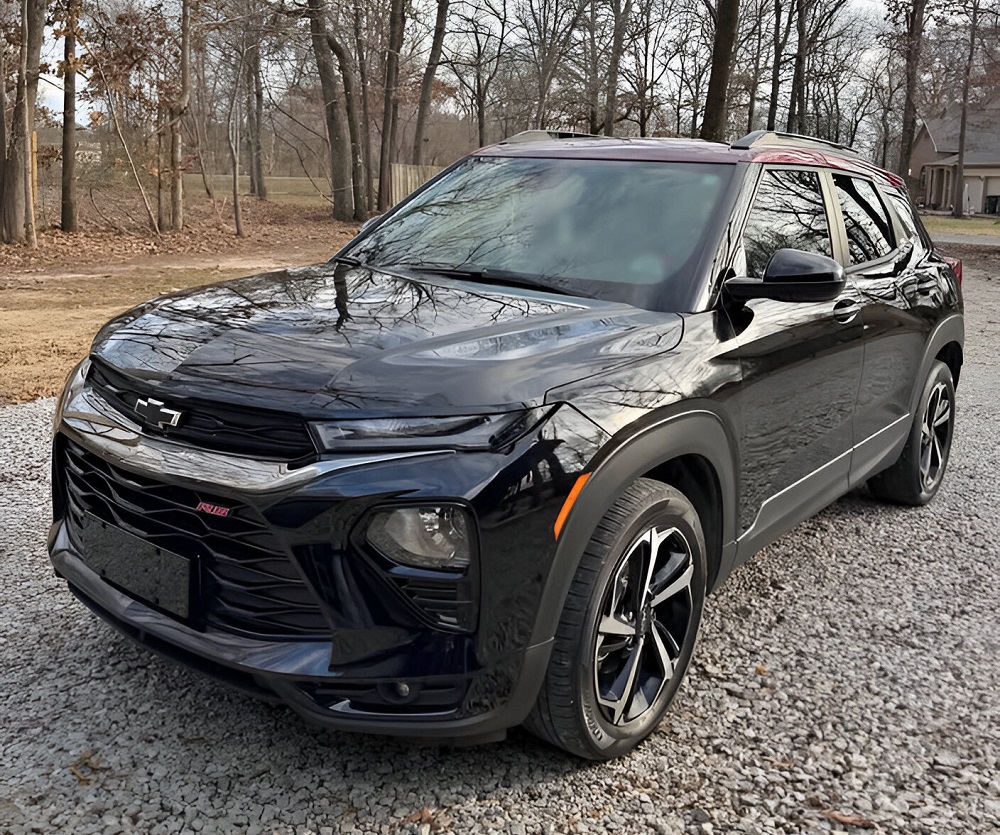
1. How GM squeezed 9 gears into a 6-speed footprint and where it shows up
Ford bailed, GM doubled down on the 9-speed
The 9TXX family came out of a 2013 handshake deal between GM and Ford. Both needed high-gear-count automatics to meet tightening fuel rules without gutting performance. Ford took the rear-drive 10-speed path. GM focused on front-drive layouts and built the 9-speed in-house.
It wasn’t a stretched 6-speed. GM patented over 60 new designs and built more than 800 prototypes. The result: an on-axis layout with three planetary gearsets and seven frictions packed into a case that still fit under crossovers like the Equinox and XT5.
Ford walked away from the ninth gear, spinning its version into the simpler 8F series. GM stuck with the full stack; 9T45, 9T50, 9T60, and 9T65; and rolled it across the lineup.
What 9T45 through 9T65 actually power
That number at the end of the name tells you its weight class. 9T45 and 9T50 back up smaller turbo fours. 9T60 and 9T65 take on the 2.0L turbo and 3.6L V6 loads. Every unit shares a basic hydraulic logic and gearset layout. The difference is in clutch size, fluid pressure, and shift tuning.
These 9-speeds show up in anything from a Chevy Malibu to a Cadillac XT6. Front-drive and front-biased AWD only; no trucks, no rear-drives, no hybrids. GM didn’t reuse these in the 1500s. They’re a crossover workhorse, not a torque monster.
9TXX variants and typical applications
| 9TXX variant | Typical engines | Common platforms (examples) | Duty profile |
|---|---|---|---|
| 9T45 | 1.2T/1.3T, 1.5T, 2.5L I4 | Small crossovers and cars (Trailblazer, smaller Buick/Chevy) | Light-duty, economy-focused |
| 9T50 | 1.5T, 2.0T, 2.5L I4 | Malibu 2.0T, Equinox/Terrain 2.0T, Envision | Mid-range torque, mixed city/highway use |
| 9T60 | 2.0T, 3.6L V6 | Some mid-size crossovers | Higher torque with moderate tow loads |
| 9T65 | 3.6L V6 | Traverse, Acadia, XT5, XT6, larger Blazer | Heavy crossover duty, towing, full-passenger load |
Gearing tricks and how the 9TXX feels behind the wheel
GM stretched the ratio spread to 7.6:1. First gear hits a deep 4.69:1 for solid launch torque, while ninth slips down to 0.62:1 to chop highway RPM. Eighth gear lines up with sixth from the old 6T70; GM just added another overdrive.
You’ll feel the difference in traffic and on the interstate. Launches are punchier. Cruising runs quieter. But more gears mean tighter tolerances. Small issues; debris, varnish, voltage drops; have bigger consequences when every solenoid and clutch has a narrower window to work in.
9TXX vs 6T70 gearing
| Gear | 9TXX ratio | 6T70 ratio | Effect on drive feel |
|---|---|---|---|
| 1st | 4.69 | 4.48 | Stronger launch, more off-the-line torque |
| 2nd | 3.31 | 2.87 | Tighter step from 1st, smoother city acceleration |
| 3rd | 3.01 | 1.84 | Close mid-range for passing |
| 4th | 2.45 | 1.41 | Fills gaps between lower and highway gears |
| 5th | 1.92 | 1.00 | Transitional gear for moderate speeds |
| 6th | 1.45 | 0.74 | Pre-overdrive cruising |
| 7th | 1.00 | – | Traditional direct drive |
| 8th | 0.75 | – | Similar to old 6T70 6th, main highway gear |
| 9th | 0.62 | – | Extra overdrive for low-RPM interstate cruising |
| Rev. | 2.96 | 2.88 | Comparable reverse feel |
2. Fragile by design: what’s inside the 9TXX that makes it fail
The SOWC locks wrong and turns a shift into a stall
At the core of the 9TXX is a compact stack of three planetary gearsets and seven friction elements. To save space, GM replaced the old low/reverse clutch with a Selectable One-Way Clutch; a hydraulic part that can lock, freewheel, or hold both directions depending on pressure.
The SOWC isn’t sealed. Its internals depend on precise fluid flow to toggle the dogs into place. Metal flakes or burnt varnish jam those dogs.
When that happens, low gear doesn’t hold, or worse, it binds. Some units launch fine once. On the next stoplight, they act like they’re stuck in Neutral. Others flare on the 1-2 shift, then slam in.
Shift-by-wire park control with brittle magnets and no fallback
The Electronic Transmission Range Select (ETRS) system ditches the mechanical shift cable. It runs on Hall-effect sensors and TCM logic. The gear lever tells the module what you want. The module tells solenoids where to direct fluid. If a magnet cracks or a sensor loses signal, that chain breaks.
The most common failure throws P187E, which flags a stuck park valve. But in practice, the driver sees a bigger mess; can’t shift out of Park, can’t shift into Park, or can’t shut the car off. On hills, some units fail to lock the pawl, letting the vehicle roll. On startup, others ignore the lever entirely and refuse to move.
Solenoid clips back out, clutch snap rings shear, and the valve body can’t hide it
The solenoids in the 9TXX don’t always stay put. Retaining clips can fatigue early and let them walk out of their bores. That leaks pressure and throws shift timing out of spec. Some solenoids don’t even have return springs; they rely on pressure alone to move. Any varnish or bore wear, and they start to stick.
Clutch packs are tight. Too tight in later 9T60 and 9T65 units. Snap rings sit in shallow grooves with minimal margin. A small overtorque or machining variance can pop the ring. The result? No forward drive even when the engine revs like it’s in gear. That’s not slipping; it’s failure to engage.
Critical 9TXX subsystems and typical failures
| Subsystem | Purpose | Typical problem | Road symptom |
|---|---|---|---|
| SOWC | Provides low/reverse function in multiple ranges | Debris blocking internal dogs, partial lock | Bind or flare on 1-2 shift, no-move in Drive and Reverse |
| Valve body & solenoids | Direct fluid to clutches and SOWC | Clip fatigue, bore wear, debris-stuck valves | Harsh shifts, slip, ratio error codes |
| ETRS & park valve | Shift-by-wire range control | Broken magnet/valve tip, P187E | Stuck in Park or inability to select Park |
| 1-2-3-4-5-6 clutch pack | Drives most forward gears | Snap-ring pop-out | No forward movement despite engine revving |
3. What drivers actually feel when the 9-speed starts failing
Rough from the start: early flares, jerks, and gear-hunting
Most trouble starts in low mileage. First gear grabs hard, second slips, third bangs in late. The 1-2 and 2-3 shifts are the most common trouble spots. RPM spikes, gear takes a second to bite, then the whole thing jolts forward.
Even when it doesn’t jerk, it hunts. Light throttle on the highway triggers constant, tiny gear swaps; 8 to 9 to 8 again; like it can’t decide. That bounce burns gas and wears the clutches faster than you think. GM’s own dealers have replaced valve bodies under warranty just to calm down early-life flare.
Total shutdown: no drive, no hold, and no warning
Some failures hit without build-up. One morning it drives. The next, nothing. Shift to Drive, engine revs, but the car stays put. That’s a failed 1-2-3-4-5-6 clutch pack or a popped snap ring. No forward motion at all.
The worst cases drop out of gear while moving. Some Traverse and Acadia owners report sudden coast-down; like the gear lever slipped into Neutral on its own. In a parking lot, that’s annoying. On a hill, it’s dangerous. Once the half-shaft pulls out due to a bad sun gear fit, Park can’t hold either.
False signals: shifter moves, car doesn’t, Park won’t engage
The ETRS system can mimic full transmission failure. You move the shifter into Drive. The dash still shows Park. Or worse, it shows Drive but won’t let you move. On shutdown, it flashes “Shift to Park” and won’t release the key.
These cases often connect to cracked magnets or broken park valve tips. But low battery voltage or BCM power drops can trigger the same mess. It’s a coin toss whether the issue lives in the hardware or the harness. Most techs start by chasing P187E, but the fix isn’t always under the pan.
Symptom map for GM 9-speed issues
| Driver symptom | Likely subsystem(s) | Common DTCs (examples) | Severity summary |
|---|---|---|---|
| Harsh 1-2 shift, occasional flare | Solenoid/valve body, SOWC | P0746, P0747, ratio error codes | Moderate; may be repairable with valve body work |
| Shudder under light throttle | Torque-converter clutch, fluid quality | TCC performance codes | Moderate; fluid and calibration can help |
| No movement in any forward gear | 1-2-3-4-5-6 clutch snap ring, SOWC | P0747, internal slip codes | High; often needs full teardown or replacement |
| Sudden loss of drive, rollaway risk | Incorrect sun gear, half-shaft disengagement | May log driveline/ABS faults | Critical; covered by recall on affected VINs |
| Stuck in Park or no Park function | ETRS magnets/park valve | P187E and related | High; vehicle can be immobilized or unsafe to park |
4. When the guts give out: sun gears, snap rings, and total failure
2023 recall over sun gears that won’t grip the shaft
Some 2022–2023 crossovers left the San Luis Potosí plant with a sun gear that didn’t meet spec. The bore was oversized just enough to let the left-side half-shaft slip out. Once that happens, there’s no drive, no Park, and no warning. The vehicle can roll away even when “locked.”
GM issued recall 23V172000 to cover it. Over 7,800 SUVs were called back; mostly Traverse, Acadia, XT5, XT6, and Blazer builds. The repair involves tearing into the case, swapping the sun gear, and inspecting the shaft splines. Dealers also check for Park pawl damage caused by false engagement.
Weak snap rings collapse the core clutch pack
Starting in late 2023, GM flagged a batch of snap rings that didn’t hold. They were installed behind the 1-2-3-4-5-6 clutch, which handles almost every forward gear. If the ring jumps out of its groove under torque, the clutch pack can’t clamp. The result: shift to Drive, rev climbs, nothing moves.
This hits early; some under 30,000 miles. Codes like P0746 or P0747 may show up first, but many owners don’t see a warning until the car fails to launch. Some rebuilders now measure groove depth and ring tension before installing replacement parts in any 9T45/60/65 built after mid-2023.
SOWC locks up or slips from debris contamination
Fluid carries every failure through the rest of the transmission. When the clutches wear or a bearing starts to flake, the fine metal gets into the SOWC.
That piece isn’t sealed. Once the debris loads the grooves, the dogs can’t rotate cleanly. You get partial locks, full bind, or free-spins where the clutch should hold.
This shows up as a bind when pulling away from a stop, or a no-move condition on cold starts that clears up after a restart. Most early “dead transmission” calls in 9T50 and 9T60 units were traced to a dirty SOWC, not hard part breakage.
Major mechanical failure paths in GM 9-speed
| Failure mode | Affected years/range | Typical mileage window | First noticeable symptom |
|---|---|---|---|
| Incorrect sun gear machining | 2022–2023 selected SUV builds | Low mileage, often <10,000 mi | Sudden loss of drive, rollaway risk |
| 1-2-3-4-5-6 clutch snap-ring pop-out | 2023–2024 units with specific Julian dates | Often early life <30,000 mi | No forward engagement, high RPM |
| SOWC debris binding | Broad range of 9T45/50/60/65 | 40,000–100,000+ mi, especially with poor maintenance | Harsh 1-2 shift, intermittent no-move |
5. How the hydraulics and electronics sabotage each other
Solenoids shake loose and leak the pressure away
Inside the valve body sit 10 or 11 solenoids. They route fluid to clutches, run converter lockup, and manage line pressure. Most rely on small steel clips to stay seated. When those clips fatigue, the solenoid shifts in its bore. Pressure leaks. Gear timing goes haywire.
Some solenoids don’t use springs. They rely entirely on fluid force to move. Even slight varnish buildup gums the bore and sticks the valve. Flares, harsh engagement, or missed gears follow.
Codes like P0796, P0797, P2723, and P2724 usually lead techs to TSB 20-NA-136, which walks the pressure test tree and flags solenoid movement.
Heat warps the readings and throws off pressure logic
The TCM depends on the Transmission Fluid Temperature (TFT) sensor to set duty cycles and pressure targets. That sensor is cheap and critical. If it drifts out of range, the entire shift logic leans the wrong way.
GM publishes a resistance chart by temperature. At 176°F, it should read within a tight ohm window. Anything outside that, and the fluid logic won’t match real temps. Overheated units log clutch timing faults. Undercooked ones can hang in gear or delay downshifts.
Weak battery skips the cleanup cycle
When the engine shuts off, the T87A TCM pulses each solenoid rapidly. That cycle scrubs varnish off the valves and keeps everything moving freely. It’s built-in self-maintenance. But it only works if the battery stays stable long enough after shutdown.
Low voltage or early BCM shutdown interrupts the dither cycle. Over time, that lets debris collect. Sticky valves show up in units that sit too long or crank on weak batteries. It’s not a software glitch. It’s physical varnish that never got cleaned out.
Park codes and shift issues don’t always mean bad gears
P187E doesn’t always mean internal damage. In many cases, the valve tip is fine; but the magnet that triggers the Hall sensor is cracked, misaligned, or missing entirely. Water intrusion, heat cycles, or supplier defects can all break that loop.
Some owners chase “no-move” complaints that connect to the ETRS feedback system misreading lever position. The trans never left Park in the TCM’s eyes; even if the lever shows Drive. A bad guess leads to a full rebuild on a transmission that was mechanically fine.
Common GM 9-speed DTC clusters and likely issues
| DTC group | Typical codes | Likely issue | Recommended first checks |
|---|---|---|---|
| Pressure-control/ratio errors | P0746, P0747, P0796, P0797, P2723, P2724 | Solenoid/valve-body wear, clutch damage | Fluid condition, line pressure, solenoid clip integrity |
| Park/ETRS faults | P187E and related | Park valve, magnets, ETRS assembly, wiring | Gear-position feedback, physical inspection of magnets/valves |
| TCC shudder/engagement | TCC performance codes | Fluid breakdown, converter clutch | Fluid exchange, updated ATF spec, TCC test drives |
| Sensor plausibility | TFT range/performance codes | TFT sensor, harness | Resistance check vs temp chart, wiring continuity |
6. Recalls, bulletins, and GM’s push for full-unit swaps
Sun gear recall triggers safety action on 7,800+ SUVs
GM issued recall 23V172000 to fix sun gears that couldn’t hold the half-shaft. It wasn’t a minor fit issue. The bore was too wide, and the shaft could slide out under load. That meant loss of propulsion, Park not engaging, and rollaway risk; even with the lever locked in place.
The recall covered over 7,800 crossovers, mostly 2023 Traverse, Acadia, XT5, XT6, and Blazer builds. Dealers had to open the transmission, replace the faulty sun gear, inspect the shaft, and confirm proper park pawl function before release.
Snap rings and early-life failures trigger VIN-specific campaigns
Outside of formal safety recalls, GM flagged VINs with bad 1-2-3-4-5-6 clutch snap rings and faulty ring grooves. These units often fail under 30,000 miles with no forward drive and high engine revs. GM’s response depends on build date and symptom.
Some campaigns stop short of calling it a recall. Dealers inspect affected units, tear down the stack, and replace the clutch pack if damage is found. When snap rings hold but show signs of stretch or walkout, a valve body update often rides along.
TSB 20-NA-136 walks techs through pressure loss diagnostics
This bulletin covers the heavy hitters; P0796, P0797, P2723, P2724, plus harsh shift complaints and slip without stored codes. GM directs techs to test fluid color, smell, and line pressure before authorizing teardown.
If solenoids hang or the valve body shows wear, the fix includes a new solenoid body, full fluid exchange, and TCM programming. If the clutch stack shows heat marks or slip, GM wants a full rebuild or replacement depending on cost and labor.
Pilot programs steer techs toward full replacements
Starting in 2020, GM told dealers to skip internal repairs on early 9T65 units with under 18,000 miles or 18 months of service. The order: replace the entire transmission, send the old one to engineering, and log the results.
That program wrapped in 2021 but changed how dealers handle most 9TXX failures. Even now, many shops swap in a reman or new unit instead of rebuilding. Programming time, labor hours, and risk of comeback often make repair the slower, costlier path.
Recall and bulletin landscape for GM 9-speed
| Action type | Focus | Typical fix | Owner impact |
|---|---|---|---|
| Safety recall (e.g., sun gear) | Incorrectly machined internal parts | Replace sun gear/related components, verify half-shaft engagement | Eliminates high-risk rollaway and sudden no-drive events |
| Quality campaign | Snap-ring, early-life hardware flaws | Open unit, inspect clutches and rings, replace as needed | Targets no-forward conditions in narrow build windows |
| Diagnostic TSBs | Solenoid/pressure codes, shift quality | Guided testing, valve-body or solenoid-body replacement | Helps avoid mis-diagnosis and parts-cannon repairs |
| Pilot replacement programs | Early 9T65 internal failures | Full unit replacement, tear-down in GM labs | Faster customer fix, better data for engineering |
7. What keeps it alive: fluid choice, interval discipline, and battery health
Wrong fluid wrecks shift quality and converter control
Every 9TXX is calibrated for Dexron VI or Dexron HP; low-viscosity, synthetic-based ATFs. Multivehicle fluids that don’t meet GM spec shear down fast and can remove friction-modifier additives. Once that happens, converter clutch lockup turns harsh, or fails entirely.
Cheap fluid doesn’t just slip. It cooks. Additive dropout leads to seal shrink, clutch glaze, and early varnish in the valve body. Many converter shudder complaints vanish after switching to high-quality LV synthetic ATF; especially Mobil 1 LV ATF HP, which matches Dexron HP behavior.
Factory intervals don’t hold up under real use
GM pushes a 100,000-mile fluid change for “normal” driving. That number doesn’t survive stop-and-go traffic, towing, or short-cycle habits. Debris loads spike early. So does varnish. Waiting that long puts SOWC channels and solenoids at risk.
Shops that see these units last past 150,000 miles usually follow a 30,000–45,000-mile schedule. Fluid swaps every 45,000 for city use, every 30,000 if the crossover tows or runs hot. No flushes; just full drain, new filter, refill, and level set with a scan tool.
Fluid strategy vs expected 9TXX lifespan
| Use pattern | Fluid & filter interval | Typical fluid choice | Observed transmission life trend |
|---|---|---|---|
| Manufacturer “normal” | 100,000 mi | Dexron VI/HP | Higher chance of valve-body/SOWC issues before 150,000 mi |
| Mixed city/highway, light towing | 45,000 mi | Dexron HP / LV synthetic | Many units reach 150,000+ mi with only minor shift quirks |
| Heavy towing, frequent short trips | 30,000 mi | Premium LV synthetic (e.g., Mobil 1 LV ATF HP) | Best odds of avoiding early hydraulic failures |
| Neglected (no changes) | “Run to failure” | Old/burnt ATF | Strong correlation with early SOWC, clutch, and solenoid faults |
Weak batteries and bad shut-downs ruin solenoid timing
Battery voltage ties directly to post-run health. After key-off, the T87A module runs a solenoid cleaning cycle; short pulses to keep the valves from varnishing. If the BCM cuts power too early or the battery sags below threshold, that cycle fails.
Repeated short trips, quick restarts, or borderline battery health block the dither routine. Over time, that builds into stuck solenoids and misfire shifts, especially in cold starts. Fixing it means more than charging the battery. You need stable voltage, clean grounds, and time for the shutdown sequence to finish.
Cooler lines matter too. Sludged radiators and blocked ATF passages spike internal temps and burn the fluid fast. That heat accelerates wear inside the SOWC, breaks down clutch friction, and leaves more suspended debris than the filter can catch.
8. When the bill lands: repair costs, legal fights, and used value fallout
Shop pricing ranges from patch fix to full drivetrain swap
Light-duty repairs run cheap; if you catch them early. A solenoid swap or valve-body replacement runs under $2,500 at most shops. But once the clutch stack fails or the SOWC seizes, you’re into rebuild or replacement territory.
Programming adds labor hours. Every reman or new 9TXX needs to be flashed and married to the TCM and BCM. Dealers charge premium time for that. Add fluids, core returns, and transport, and the total bill climbs past $5,000 fast. Many used crossovers don’t hold enough resale value to justify the repair.
GM 9-speed repair cost bands
| Repair type | What’s involved | Typical total cost (parts + labor) |
|---|---|---|
| Minor hydraulic repair | Solenoid or small valve-body repair, fluid service | $600–$1,500 |
| Valve-body replacement | New or reman valve body, programming, fresh ATF | $1,200–$2,500 |
| Internal rebuild | Tear-down, clutches, snap rings, seals, hard parts as needed | $2,500–$4,500 |
| Remanufactured unit | Swap reman 9T45/50/60/65, program TCM | $3,000–$5,500 |
| New OEM transmission | Brand-new unit plus programming at dealer rates | $4,500–$7,000+ |
Class-action lawsuits push GM into arbitration fights
Speerly v. GM pulled in owners of Hydra-Matic 8- and 9-speed automatics built between 2015 and 2019. Plaintiffs showed internal GM docs pointing to fluid and valve-body faults that were known, but never fully fixed. A $305-per-vehicle hardware solution was proposed, then rejected in favor of quiet one-off replacements.
In 2024, the Sixth Circuit certified 26 statewide classes. That ruling opened the door for court battles by region; each focusing on shudder, lurch, hard shift, and early lockup. Newer suits like Ulrich v. GM pick up where Speerly left off, going after coverage in states that weren’t part of the original wave.
GM pushed for arbitration. Judges have pushed back. In 2025, a federal court ruled that GM couldn’t rely on dealer sales contracts to force private arbitration. The claim stayed in open court.
Used values take the hit when records don’t hold up
Private sale prices sag on crossovers with a 9TXX and no service history. Buyers know the risk. Dealers know the repair cost. Units with fluid change records, clean shift calibration, and completed recall work sit in a different lane than identical-mileage vehicles with nothing on file.
Extended warranties help, but many third-party contracts carve out coverage limits for known-problem gearboxes. A used Terrain with a reman 9T50 and a fresh filter pulls more on resale than a clean original still running the factory fill at 90,000 miles.
Sources & References
- GM 9T50 transmission – Wikiwand
- 184400 – ATSG Tech Manuals 9T45 9T50 9T60 9T65 – GM Chevy Buick Cadillac – Transparts Warehouse
- 9T45 9T50 9T60 9T65 Tech Repair Manual | ATSG – Global Transmission Parts
- How Did That Happen? 9T50/9T60/9T65 No Movement – Gears Magazine
- GM Built Certain 9-Speed Transmissions Incorrectly, Recalls 7,840 SUVs – autoevolution
- Common Problems with 8, 9 & 10-Speed Car Transmissions
- 6th Circuit to rehear class certification in GM defective transmission lawsuit
- GM 9T50 transmission – Wikipedia
- The GM 9T45: Efficiency and Smooth Performance – Transmission Repair
- 9T45 9T50 9T60 9T65 Transmission Solenoid Kit for GM Chevrolet Buick | eBay
- 9T45 9T50 9T60 9T65 Automatic Transmission Assembly For GM Cadillac Buick Chevry | eBay
- 9T65 Transmission Rebuild Kit Parts – Raybestos Powertrain
- 9T50 Problems and Diagnosing – Gears Magazine
- 8F24 Transmission – No Reverse Engagement With DTCs P0766 And P2703 21-2421 – nhtsa
- GM 9T45, 9T50, 9T60, 9T65 ZIP KIT® Valve Body Identification Guide – Sonnax
- GM 9T45/50/60/65 Identification Guide – Sonnax
- 2017 Chevrolet Malibu Test: Small Change Is Good Change – Car and Driver
- Chevrolet Malibu Buying Guide: Cost, Reliability, and the Best Years to Buy – CarGurus
- 2016 Chevrolet Malibu (Chevy) Review, Ratings, Specs, Prices, and Photos – The Car Connection
- Tested: 2018 Chevrolet Traverse V-6 FWD – Car and Driver
- 2018 Chevrolet Traverse Price, Value, Depreciation & Reviews | Kelley Blue Book
- 2018 Chevrolet Traverse (Chevy) Review, Ratings, Specs, Prices, and Photos – The Car Connection
- Listen for the Snap – 9T45/9T60/9T65 No Forward, Possible DTC’s P0747 and/or P0746 – Gears Magazine
- Service Bulletin INFORMATION – nhtsa
- Automatic Transmission – 9T45 (M3F) – Specifications – Trailblazer – Scribd
- New 9T65 Transmission – TechLink
- Service Bulletin INFORMATION – nhtsa
- Repair or Replace? – TechLink
- Transmission Repair Costs: A Comprehensive Guide (2025) – Milex Complete Auto Care
- How Much Does A Transmission Replacement Cost? | Endurance Warranty
- How Much Does It Cost to Repair GM Transmission Issues? | 11/25/2025
- Transmission Replacement Cost – AutoZone.com
- Is It Cheaper to Repair or Replace a Transmission? | San Antonio Transmission Repair – West Ave Automotive
- Transmission Replacement Cost Estimate – RepairPal
- GM Genuine Parts 9T65 9-Speed Automatic Transaxle (Programming Required by Automotive Professional) | 24296142
- General Motors Litigation – Cohen Milstein
- GM Faulty Transmission Litigation – Keller Rohrback
- GM transmission class action to proceed
- Actual transmission failure rates : r/Silverado – Reddit
- Gm transmission life span? – BMW 3-Series (E90 E92) Forum
- Transmission Solenoid Symptoms, Causes & Repair
- Automatic Transmission Fluids – Mobil
- Understanding the Different Types of Automatic Transmission Fluid – Valvoline™ Global
- Is mobil 1 compatible with dexron vi or hp please help : r/Cadillac – Reddit
- Mobil 1™ Synthetic LV ATF HP
- Mobil 1 Synthetic LV ATF HP 124715 Reviews | Summit Racing
- New transmission after 127k miles! Anyone else have 8 speed woes? : r/gmcsierra – Reddit
- Has Gm fixed the transmission issues on the 10 speed? Looking to go from a 14 to a 2020. : r/Silverado – Reddit
- Looking for Gremlins in a 9 Speed: When is a Transmission Problem NOT a Transmission Problem? – Gears Magazine
- TCM Tehcm Service Guide | PDF | Technology & Engineering – Scribd
- GM 9T45, 9T50, 9T60, 9T65 Vacuum Test Guide – Sonnax
- GM 9T45, 9T50, 9T60, 9T65 – Sonnax