
Whines. Clunks. Hesitation. Dealer says it’s “normal,” then quotes $9,000 for a reman transaxle. Toyota sold the Highlander as a bulletproof family hauler. Early models mostly lived up to it.
But starting in 2017, the shift to an 8-speed “Direct Shift” transmission cracked that image wide open. What followed: internal washer defects, torque-converter lockup chatter, heat-cooked WS fluid, and lawsuits over serial-number exclusions.
This guide breaks it down by generation, code, and failure timing, plus how to spot high-risk years and what Toyota’s bulletins actually fix.
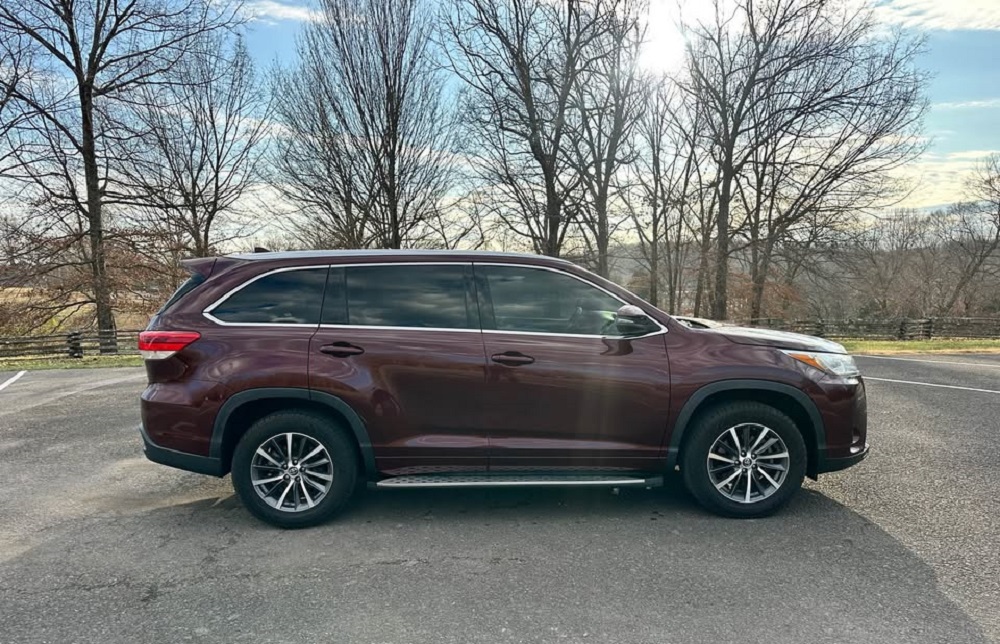
1. Where Highlander transmissions split, heavy-duty vs high-risk
Transmission matchups by generation and drivetrain
Early Highlanders used overbuilt 4- and 5-speed Aisin automatics with wide fluid tolerances and thick castings. Most failures came from age, not design.
By the 2010s, Toyota thinned the castings, trimmed weight, and pushed 6-speed efficiency through tighter internal clearances. Then came the pivot: in 2017, the UA80 8-speed arrived with a downsized case, relocated valve body, and hyper-aggressive lockup calibration. That’s when failure rates spiked.
Highlander transmissions by generation and basic risk profile
| Gen / years | Engines | Transmissions | Type | Transmission risk level* |
|---|---|---|---|---|
| XU20 2001–2007 | 2.4 / 3.0 / 3.3 | U140 / U151 / U241 + P310 | 4/5-spd auto, early eCVT | Low–moderate (age/AWD wear) |
| XU40 2008–2013 | 2.7 / 3.5 | U151E / U760E | 5/6-spd auto | Low (gearboxes strong) |
| XU50 2014–2016 | 2.7 / 3.5 | U760E / U660E | 6-spd auto | Low–moderate (tuning complaints) |
| XU50 2017–2019 | 3.5 / Hybrid | UA80E/F / P610 | 8-spd auto / eCVT | High (UA80 hardware/software) |
| XU70 2020–2025 | 3.5 / 2.4T / Hybrid | UA80E/F / P810 | 8-spd auto / eCVT | High on gas 8-spd, low on eCVT |
*Risk level = transmission-only risk, not overall vehicle reliability.
U140 and U151 units were built loose, slow, and stout. U760 added a ratio and smoothed the shifts, but the real turning point came with the UA80. Lightweight internals, tighter lube paths, and torque converter lockup at low load made it efficient, but also fragile under heat and bad fluid.
Why Toyota chased tighter tolerances and earlier lockup
Starting in 2017, the Aisin-sourced UA80 was tuned to hit federal fuel targets, not survive 300,000 miles without a hitch. Lockup clutch grabs harder and earlier. Upstrokes hit faster. Solenoids pulse under minimal pressure to reduce parasitic drag.
To squeeze the 8-speed into the same bay as the old 6-speed, Toyota shaved over 6 kg and shortened the case by 5 mm. That required tighter gearsets, smaller bearings, and a split valve body moved inside the pan.
Less fluid, less forgiveness. One cooling hiccup or skipped drain-and-fill, and the friction material starts to char.
Clogged solenoids. Converter chatter. Shudder between 25–50 mph. These are baked into the logic that trades thermal margin for EPA ratings.
2. Early Highlanders with old-school automatics that held their ground
XU20 (2001–2007): U140, U151, and the AWD wear trap
Toyota’s first-gen Highlander ran 4- and 5-speed Aisin automatics with conventional converters and broad tolerances. The U140E and U151E/F shared internals with the Camry and Sienna; tough, low-strung gearboxes that held up under light use.
Failures mostly come down to time. Valve bodies wear, causing soft engagement or high-RPM flares. Some AWD models show rear driveline binding or failed viscous couplings, but that’s outside the transaxle.
A few outliers reported harsh downshifts or lunging starts, but deeper investigations pointed to throttle control quirks and not internal geartrain damage.
2006–2007 hybrids introduced the P310 eCVT. Few complaints. The motor-generator setup bypassed traditional gear change logic entirely and used a planetary split, not pulleys.
XU40 (2008–2013): U151E/U760E, the most bulletproof era
Second-gen Highlanders stuck with Aisin automatics but bumped up refinement. The U760E 6-speed joined the returning U151E 5-speed in 3.5L and 2.7L models. Both earned a solid reputation among fleet operators and long-haul owners.
Hard part failures were rare. What showed up: shift flare on the 2–3 upshift in neglected units, harsh cold shifts with aging fluid, and the occasional solenoid glitch. These boxes handled stop-and-go traffic, road trips, and mild towing without cooking themselves.
The standout detail, transmission complaints during this era were drowned out by unrelated engine problems: oil burning, VVT controller ticks, and timing cover seepage.
How these hold up compared to the UA80 generation
First- and second-gen Highlanders might show age, but they rarely suffer catastrophic gearbox loss before 180,000 miles. Compare that to UA80 failures showing up under 70,000 miles, and the shift in durability becomes obvious.
Back in the U140/U760 days, Toyota gave these transmissions room to breathe, physically, thermally, and hydraulically. Once the 8-speed dropped in, that margin disappeared.
3. XU50 before the 8-speed, quirks without blowups
U760E and U660E in 2014–2016: clunky but mostly reliable
Toyota stretched the old 6-speed autos into the early third-gen Highlander. The U760E handled most FWD duty; the U660E took AWD and heavier loads. Both shared roots with earlier Camry and Avalon drivetrains.
Common complaints had more to do with feel than failure. Owners reported gear hunting at highway speeds, slow throttle response followed by sudden downshifts, and an awkward lag off the line. But the hard parts inside, planetaries, clutches, bearings, held up when fluid wasn’t neglected.
Transmission shops that open these up mostly find worn seals, varnished solenoids, or cooked fluid from heat cycles, not broken gearsets.
When these 6-speeds finally give up
Failures usually show late. Units that towed, sat in traffic, or ran long on original WS fluid start to show converter shudder, hesitation, or burnt smell on dipstick. Some lose Reverse engagement after hot soak. Others flare between 3rd and 4th under load.
Inside, techs find scorched clutches, metal flecks in the pan, and sometimes pitting on converter splines. These failures come from abuse or time, not a ticking defect like the UA80.
4. UA80 8-speed meltdown, when tighter builds led to faster failures
What changed inside the UA80 vs the 6-speed era
The UA80E/F wasn’t an update. It was a full redesign. Eight forward gears. Lighter rotating assembly. A relocated valve body now mounted inside the pan. The housing was shorter and thinner than the U660, trimmed to meet packaging and efficiency targets.
To get there, Aisin tightened tolerances across the board. Oil flow paths narrowed. Lock-up happened earlier. Internal heat rose fast under load.
Any contamination, fluid breakdown, or software glitch hit harder. Once the solenoids fouled or converter clutch material wore, shift quality dropped, then gear holding failed.
This unit depended on perfect calibration and clean fluid to survive normal driving. Anything less shortened its life.
Washer-tab defect, 2017–2018 whine tied to gearset misalignment
A critical gearset nut inside the UA80 was supposed to be locked in place by a bent metal washer tab. On early builds, many tabs weren’t bent far enough during assembly. The nut backed off under vibration.
The result: a rising whine that tracked with speed. Then metal shavings in the pan. Then loss of forward drive as gears slipped out of alignment.
Toyota issued Customer Support Program ZJC for a specific batch. It covers 2017–2018 units with serials between 7A600000000 and 7A617E03416, offering 10-year, unlimited-mile coverage.
To qualify, dealers require VIN, mileage, and proof of the noise before failure. No pre-approval, no fix.
Failures outside the ZJC serial window
Reports of similar whine and internal failure continued through 2022. Fluid analysis in some of these showed the same metallic contamination.
In others, teardown revealed bearing damage or uneven gear wear. The cause likely shifted from washer tab to other assembly-related faults, still inside the geartrain, but without official acknowledgment.
There’s no expanded campaign. No new bulletin. These failures fall outside Toyota’s support programs, even when symptoms match the known defect. Owners face full replacement costs unless a dealership intervenes.
Used Highlanders with the UA80, even late ones, carry this risk. Serial range doesn’t guarantee reliability.
5. Software, heat, and lock-up failures inside the UA80
Shift strategy that pushes too hard, too early
The UA80 shifts fast and low. Toyota mapped the TCM to hit top gear early and hold it. Torque-converter lock-up comes on at low RPM, under load, and stays engaged longer than older automatics. That cuts slip and improves fuel numbers. It also spikes internal heat.
Slip-load cycles that used to be absorbed by fluid film now hammer the lock-up clutch. Add traffic, hills, or towing, and the converter runs hot with little room to release the heat. Solenoids pulse more often. Pressure modulation goes soft. That’s when clutch plates start to glaze and drag.
WS fluid breakdown and the start of flex lock-up shudder
Toyota’s WS fluid runs thin for efficiency. It cuts drag, improves cold flow, and helps hit fuel economy targets. But under real heat, traffic, towing, or long highway climbs, it breaks down fast. By 30,000 to 60,000 miles, the fluid often darkens and loses grip.
Drivers start to feel a low-speed shudder between 25 and 50 mph. RPM may rise with no pull. Shifts from 2nd to 3rd or 3rd to 4th get sloppy. Hot restarts bring harsh engagement. Inside the pan, the smell turns burnt, and clutch material shows up in the fluid.
Once that starts, a drain-and-fill won’t clean it out. The converter’s already chattering, and the clutch faces are worn.
Key TSBs and software patches that delay, but don’t erase, the problem
Toyota issued several tech bulletins targeting UA80 performance and failure onset:
• T-SB-0160-18: Covers whine, harsh shift, MIL on, or reduced power. Fix: remanufactured trans plus ECM flash.
• T-SB-0122-20: Addresses flex lock-up chatter and delayed Reverse-to-Drive. ECM/TCM update to increase solenoid pressure.
• Lock-up DTC bulletins (P07407E, P27567F): Trigger software updates to hold gears longer or soften engagement during converter transitions.
These patches improve feel and slow progression. They don’t restore friction material or unclog screens. Once the clutch plates wear or the converter drags, a reflash won’t hold the damage back.
6. Fourth-gen Highlanders, new body, same transmission trouble
2020–2022 V6 models kept the UA80 problems alive
Toyota carried the same UA80E/F transmission into the early XU70 V6 Highlander. The hardware didn’t change. Neither did the failure pattern.
Owners kept reporting high-pitched whine, drive loss, and shudder. Some units failed outright under 70,000 miles. Dealers diagnosed gearset damage or burned converters.
Transaxle replacements became common. In some cases, parts weren’t available for months. Vehicles sat parked, waiting on backorders.
No new TSB was issued to expand ZJC coverage. Complaints showed up outside the covered serial window, but dealers followed the same policy: no campaign, no coverage. If the VIN didn’t match, the owner paid.
Class-action lawsuits called out Toyota’s delay in addressing known transmission defects. Legal filings claim Toyota downplayed early signs until vehicles aged out of warranty.
2023+ 2.4L turbo added hesitation, not hardware fixes
When Toyota dropped the 3.5L V6 for the 2.4L turbo, it kept the UA80. The turbo four makes torque earlier, but depends heavily on boost timing and throttle mapping to deliver smooth acceleration.
Many owners reported a dead zone off the line, throttle pressed, no response, then a sudden surge. Some thought the transmission was slipping. Others blamed turbo lag. What’s really happening is a mismatch between engine torque ramp-up and UA80 gear selection.
Toyota issued T-SB-0087-23 to recalibrate ECM throttle and shift behavior. The fix helps tip-in smoothness but doesn’t change anything inside the transmission. On paper, the drivetrain’s fine. But many drivers still feel lag or surge in daily driving.
2024–2025 Grand Highlander, same 8-speed, new complaints
The gas-powered Grand Highlander uses the same UA80 variant as the standard model. Complaints began early: hesitation at low speeds, clicking during turns, rough downshifts.
In many cases, the clicking came from front CV joints or knuckles, not the transmission, but the drivetrain feel raised red flags for new owners.
Some units showed performance issues within 5,000 miles. Others were recalled for unrelated problems, like airbags that wouldn’t deploy if windows were down (24V-461), adding to customer frustration.
Despite the new platform, the transmission behavior remains tied to old hardware. Any fix still depends on fluid condition and software updates, not a redesigned gearbox.
7. Highlander Hybrid eCVT, why this one holds together
Planetary eCVT layout skips clutch wear and shift timing
Toyota’s hybrid system doesn’t use a stepped automatic or a belt-driven CVT. The P310, P610, and P810 eCVTs use a planetary gearset with two motor-generators, MG1 and MG2, to split and route power. There’s no torque converter, no clutch packs, and no internal shift events.
The gas engine feeds into the sun gear. MG1 controls gear ratios by changing electrical load. MG2 drives the wheels and captures regen. The power-split design lets the engine stay near its most efficient RPM while electric torque fills the gaps.
No friction clutches means no burn-up from bad fluid, hard downshifts, or slow converter lock-up. The hybrid eCVT has fewer ways to fail under load.
Real-world miles show how durable the eCVT design is
Taxi fleets, rideshare cars, and long-term owners regularly push these eCVTs past 300,000 miles without internal failure. Many don’t touch the fluid until after 100,000 miles.
Independent shops now lean toward 50,000–60,000 mile intervals to stay ahead of wear, but the data shows these units hold up even with delayed service.
When failures do happen, they’re usually outside the gearset. Inverter pump failures cut cooling flow. Temperature sensors in the motor-generator loop sometimes trigger shutdowns.
If fluid is skipped entirely, a light bearing hum can start to creep in, but even then, the main drive system keeps working.
Compared to the UA80, which often breaks down from heat or fluid shear before 100,000 miles, the eCVT avoids the same weak points by design.
Trade-offs in feel, not reliability
The eCVT drives smooth but doesn’t hide engine RPM. Under load, the engine revs high and holds there while speed builds. Some drivers say it feels disconnected or loud. Others find the lack of shift shock a plus.
AWD hybrid Highlanders use a separate electric motor to drive the rear wheels during slip. No driveshaft, no transfer case. That setup skips multiple failure points found in gas AWD Highlanders, especially U-joints and couplers that wear with age.
If longevity matters more than throttle feel, this is the safest transmission in the Highlander lineup.
8. Fluid strategy, “lifetime” WS, and maintenance that actually changes outcomes
Toyota’s lifetime claim vs real service intervals
Toyota labels WS fluid as “lifetime” under normal use. The manual recommends checking it around 100,000 miles, but doesn’t call for a change unless it’s visibly bad. That guidance leaves too much room for failure.
Transmission shops and fleet techs don’t buy it. For any UA80, they recommend fluid swaps every 30,000 to 60,000 miles. Towing, mountain climbs, and stop-and-go heat cycles shear fluid faster.
Once WS breaks down, pressure drops and clutches start to drag. Early fluid service delays wear. Waiting until symptoms show means you’re too late.
Highlander transmission fluid intervals: book vs real-world practice
| Use case | Toyota line on WS | Common expert recommendation |
|---|---|---|
| Light commuting | “Lifetime” / inspect around 100k | 60k drain-and-fill |
| Mixed / suburban | Not clearly specified | 40k–60k drain-and-fill |
| Heavy stop-and-go or hot climate | Not clearly specified | 30k–45k drain-and-fill |
| Towing / mountain use | 60k severe-service | 30k or less, plus cooler checks |
WS vs aftermarket fluids, where protection meets risk
WS fluid runs thin by design. It flows fast, warms quickly, and keeps friction low to meet mileage targets. But it doesn’t hold up well when torque load and internal heat climb.
Some owners swap to full-synthetic WS-compatible fluids after warranty. Brands like Idemitsu or Red Line offer better thermal protection. These fluids can reduce oxidation, hold viscosity longer, and keep solenoids cleaner.
But during warranty, using anything other than genuine WS gives dealers room to deny claims. Even if the failure isn’t related, fluid records get flagged. If the trans goes out at 55,000 miles and the pan smells off, Toyota walks away.
Why sealed Highlanders are harder to service right
The Highlander has no dipstick. Fluid level checks require scan tool access and a precise temp window, roughly 104 to 113°F at the overflow plug. Overfilling causes harsh engagement. Underfilling leads to early whine.
Quick-lube shops often miss this. Some use generic fluid. Some fill cold. Others never reset temp monitors. A bad service won’t break down the UA80 immediately, but it sets the fuse.
Hybrid eCVTs are sealed too, but the risk is lower. Still, shops seeing long-term hybrids now recommend eCVT fluid changes every 60,000–100,000 miles to avoid bearing hum and metal flake buildup. The gearset rarely fails, but clean fluid keeps the motor-generator loop stable.
9. TSBs, extended coverage, costs, and which Highlanders are safest to own
Key bulletins and support programs every owner should check
Toyota issued multiple TSBs and one extended coverage program tied to Highlander transmission issues. T-SB-0160-18 addresses UA80 whine, harsh shifting, MIL warnings, and power loss. It includes a reman trans and ECM flash.
The ZJC Customer Support Program extends UA80 coverage on select 2017–2018 vehicles to 10 years, unlimited miles, but only for specific VINs and confirmed failures.
T-SB-0122-20 recalibrates ECM/TCM to address lock-up chatter and delayed Reverse-to-Drive. T-SB-0087-23 cleans up throttle and shift behavior on 2.4T models. None of these change hardware. They reduce symptoms or slow failure, if caught early.
Before paying out of pocket, check your VIN on Toyota’s recall/campaign lookup. A covered TSB or CSP can save thousands.
Lawsuits, backorders, and real-world costs
Class-action filings claim Toyota downplayed UA80 failures until warranties lapsed. Many owners were told the symptoms were “normal” until post-warranty breakdowns forced full replacements. During 2023–2024, UA80 units faced severe backorders, with vehicles sidelined for months.
Typical Highlander transmission repair cost ranges
| Repair type | Cost (USD) | Notes |
|---|---|---|
| Drain-and-fill | $250–$450 | May help early shudder if fluid is clean |
| Flush + ECM update | $400–$800 | Helps if converter wear hasn’t started |
| Torque converter only | $1,500–$3,000 | Rarely offered; only viable early on |
| Reman unit (indie shop) | $4,500–$6,500 | Quality varies by supplier |
| Dealer replacement | $7,400–$11,000 | Factory parts, high cost, long wait times |
Transmission risk by generation and what to ask before buying
The safest Highlanders to own are the 2008–2013 models with U151E/U760E and any hybrid with an eCVT. These drivetrains rack up miles with minimal drama. The 2014–2016 6-speed models sit in the middle, rough shifts, but few early failures.
Highest-risk models include 2017–2022 V6s and early 2023+ 2.4T gas Highlanders. These use the UA80, which shows known failures linked to fluid breakdown, washer-tab defects, and software mapping.
When buying used, ask for receipts showing fluid service. Check if TSBs or ZJC were performed. If there’s no paper trail, assume no work was done, and price the car accordingly.
Sources & References
- Okay. Are the Highlander transmission issues being blown out of proportion? – Reddit
- Toyota Faces Class Action Lawsuit Over Alleged Eight Speed Transmission Failures
- $5 Million Lawsuit Alleges Toyota Ignored Transmission Problems for a Decade – Autoblog
- Toyota Highlander Generations Ranked By Reliability – CarBuzz
- Toyota Highlander – Wikipedia
- Toyota Highlander Generations: Key Updates Across All Model Years – CarBuzz
- Toyota Highlander Generations – Autolist
- Toyota, Lexus UA80 Transmission, Torque Converter Problems Caused by Defects, Class Action Lawsuit Says
- Toyota Facing Class-Action Over Transmissions Allegedly ‘Plagued’ By Defects – SlashGear
- Second Lawsuit Says Toyota’s Automatic Gearbox Is Quietly Failing Without Warning
- Toyota Facing Class Action Lawsuit For Alleged Defective Transmissions – CarBuzz
- Customer Support Program Bulletin – nhtsa
- CUSTOMER SUPPORT PROGRAM ZJC – Certain 2017 to 2018 Model Year Toyota Sienna – nhtsa
- Toyota Highlander Years to Avoid: What Canadian Used SUV Shoppers Should Know
- 7 Toyota Highlander Transmission Problems and How to Fix Them
- 2023+ Highlanders welcome to AT failure club! : r/ToyotaHighlander – Reddit
- Toyota Facing Class Action Lawsuit For Alleged Defective Transmissions | Military.com
- Transaxle Whine Noise, Harsh Shift, MIL ON, or Reduced Power – nhtsa
- 2021 Toyota Highlander Owner Says, “My XSE’s Transmission Died at 40K, Now the Dealer Says I’ll Be Waiting 3 Months Because They Are On Back Order | Torque News
- How to tell if UA80E Transmission will go bad : r/ToyotaHighlander – Reddit
- Toyota Camry Transmission Repair Guide (2012-2024) | 8-Speed Problems & Service
- Toyota Highlander Years To Avoid & Issues By Year – AGT Europe Automotive Import SA
- 2024 Toyota Grand Highlander Problems | What You Should Know – Lemberg Law
- Toyota Highlander Years to Avoid | Expert Buying Tips – Cab Motors
- Cvt decision : r/ToyotaHighlander – Reddit
- What Is An E-CVT And How Is It Different From A CVT? – Jalopnik
- How’s the transmission in the Hybrid. Heard it takes time to think. Your thoughts? : r/ToyotaHighlander – Reddit
- Toyota eCVTs vs. CVTs – Reddit
- CVT vs eCVT (Hybrid): Which One You’d Get? : r/Toyota – Reddit
- Common Problems with the e-CVT (Toyota Hybrid Models) – ASR Gearbox Repairs
- Toyota Recalls Certain 2024 and 2025 Highlander Crossovers for Safety Concern
- How Often Should You Change Your Transmission Fluid? – Toyota
- Do you need a transmission fluid change? – Toyota of Orlando
- When to Change Transmission Fluid? | Ira Toyota of Manchester NH
- 2022 Hybrid Highlander – TOYOTA has no guidance for Replacing Transmission Fluid? : r/ToyotaHighlander – Reddit
- Highlander Transmission Fluid Change Guide – Keith Pierson Toyota
- How Often Should You Change the Transmission Fluid in Your Toyota?
- Best ATF available on the market for Highlander 2023 2.4T . : r/ToyotaHighlander – Reddit
- Best ATF for Toyota: Your Complete Guide – Nacita Auto Care
- Transmission fluid change OR NOT? : r/ToyotaHighlander – Reddit
- When Should You Change Your Toyota Transmission Fluid? – Toyota of Stamford
- What transmission fluids are equivalent to Toyota ATF WS? : r/mechanics – Reddit
- Look up Safety Recalls & Service Campaigns by VIN | Toyota Owners
- TSB for A/T noise https://youtu.be/23lQoPiM7LM – YouTube
- Flex Lock-up Concerns and MIL ON With DTC(s) P07407E and/or P27567F – nhtsa
- Lack of Power, High RPM Shift Point, Hesitation in Low Gears – nhtsa
- Hesitation/Non-linear Acceleration From a Stop – nhtsa
- Delayed Acceleration – 23 XLE : r/ToyotaHighlander – Reddit
- Toyota DTCs P0087/P107A2A Fix Guide | PDF | Hybrid Vehicle – Scribd
- My 2021 Toyota Highlander with 60K Miles Needed a New Transmission, and Now At 65K There’s a New Problem, But the Dealer Can’t Figure It Out | Torque News
- Complete Auto Transmissions for Toyota Highlander for sale | eBay
- Sell or fix? : r/ToyotaHighlander – Reddit
- Class action alleges Toyota sold vehicles with defective UA80 transmissions
- 2023 Highlander limited awd transmission failure : r/ToyotaHighlander – Reddit
- Changes to the 2024 Toyota Models – JD Power
- Toyota Grand Highlander – Wikipedia
- 26 GHH : significant hesitation or delayed acceleration from a stop – Reddit
- IMPORTANT UPDATE – nhtsa