
Slip into traffic, tap the throttle, feel a shudder ripple through the cab. Watch the tach flare while the truck barely moves. That’s how Frontier transmission trouble usually introduces itself.
From 1998 to today, Nissan ran three distinct gearbox eras in the Frontier. Early D22 trucks used simple 4-speeds and 5-speed manuals that wear out slowly.
The 2005–2010 D40 brought the RE5R05A and the SMOD coolant breach that can wipe a transmission in weeks. The 2020 shift to the nine-speed GE9R01A and JR913E traded radiator failures for software lag, shift shock, and recall-grade park issues.
This guide breaks down what fails by generation, what the codes really mean, and what repairs actually last.
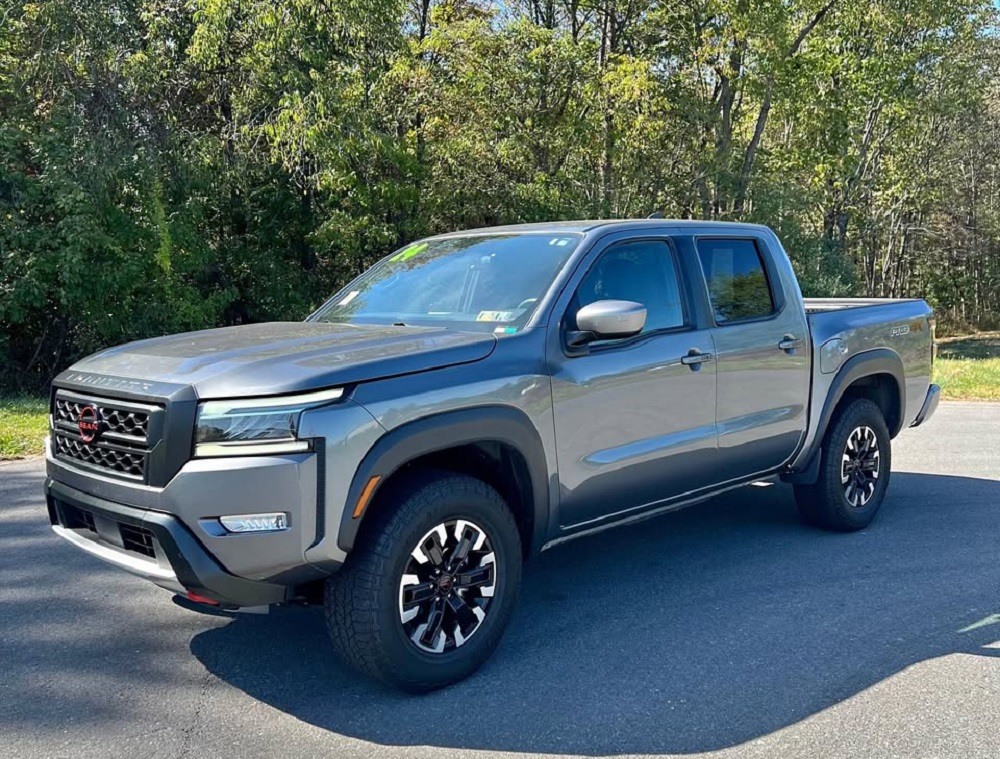
1. Frontier transmission families and where the real risk lives
D22 hydraulics that age instead of explode
D22 trucks from 1998–2004 ran basic 4-speed Jatco automatics and 5-speed manuals. No internal TCM. No adaptive logic. Line pressure came from springs, valves, and throttle input.
Failures build slowly. Bands glaze. Accumulators stiffen. Fluid cooks past 220°F on hot highway runs and loses friction stability. You feel flare on the 2–3 shift long before total loss of drive.
Most die from neglect, not design. Fresh ATF every 30,000–40,000 miles keeps them alive past 200,000. Ignore leaks and heat, and rebuild bills land around $2,500–$3,500.
D40 shifts from simple hydraulics to mechatronic exposure
The 2005 D40 brought the 4.0L VQ40DE and the RE5R05A 5-speed automatic. Torque jumped. So did internal complexity. Nissan placed the TCM directly on the valve body, submerged in hot ATF.
Electronics now lived in a 200°F fluid bath. Thermal cycling cracked solder joints. Solenoid drivers failed under vibration load. Limp mode locked the truck in 3rd gear when codes like P1757 or P1759 hit.
Radiator failures from 2005–2010 added coolant contamination risk. Post-2011 trucks fixed the radiator design but kept the same internal TCM layout. Valve-body or TCM replacement typically runs $1,700–$3,000.
| Generation | Platform | Model Years | Automatic Code | Manual Code | Headline Risk |
|---|---|---|---|---|---|
| 1st Gen | D22 | 1998–2004 | 4-speed Jatco | 5-speed | Heat wear, band fatigue |
| Early 2nd | D40 | 2005–2010 | RE5R05A | FS6R31A | SMOD coolant breach |
| Late 2nd | D40 | 2011–2019 | RE5R05A | FS6R31A | TCM solder, solenoids |
| Transitional | D40 | 2020–2021 | GE9R01A | – | Calibration lag |
| 3rd Gen | D41 | 2022–present | JR913E | – | Shift shock, park recall |
Nine speeds bring software dependency and tighter tolerances
The 2020 refresh swapped in the 3.8L V6 and a Mercedes-based 9-speed, coded GE9R01A. Four planetary gearsets. Six shift elements. Ratio spread near 9.17:1. Highway cruise drops below 1,500 RPM at 65 mph.
Clutch-to-clutch shifts require millisecond timing. Slight pressure delay creates flare. Early release creates bang-shift shock. Software calibrations carry most of that load.
Park-by-wire systems added actuator and pawl alignment risks. Recalls 22V-457 and 22V-671 addressed rollaway potential in 2020–2023 trucks. Physical repair plus software update required to restore park engagement torque capacity.
Nine-speed fluid is Matic P only. Severe service interval targets 30,000 miles. Fluid service averages $550–$850, and skipping IP calibration after part replacement triggers P17F0 or P17F1 limp mode.
2. SMOD radiator failure and the chain reaction inside the RE5R05A
Inside the radiator where coolant and ATF collide
The 2005–2010 D40 used a Calsonic radiator with an internal ATF cooler. A thin steel tube separates coolant from transmission fluid. Years of heat cycles fatigue that wall.
Engine coolant runs higher pressure than the ATF return circuit. When the wall cracks, coolant pushes into the transmission. The mix turns pink and foamy.
Coolant contamination can start after 60,000–100,000 miles. Many failures show up around year 5 to 8, not at a specific mileage.
What glycol and water do to clutch packs and seals
Water attacks the adhesive bonding the friction material to steel plates. Friction lining lifts and sheds into the pan. Clutch packs lose holding force under load.
Glycol swells rubber seals. Line pressure leaks off at apply pistons. Rust forms on drums and planetary gears within days of exposure.
Debris circulates through the valve body. Solenoids stick. TCC control becomes unstable. Once friction material spreads through the unit, hard parts score and overheat.
How symptoms build from rumble to total loss of drive
Early SMOD feels like driving over rumble strips at 40–60 mph. That’s torque converter clutch shudder under light throttle. Fluid still looks mostly red but cloudy.
Intermediate stages show pink milkshake fluid on the dipstick. Shifts grow harsh. Reverse engagement delays 2–3 seconds. Slip appears on the 3–4 upshift.
Advanced cases lose forward gears. Limp mode locks 3rd. Whining grows from the pump. Internal clutch failure at this stage requires full rebuild or replacement.
| Contamination Stage | ATF Appearance | Driver Symptoms | Recovery Potential |
|---|---|---|---|
| Early | Slightly cloudy red | Light TCC shudder 40–60 mph | Radiator swap + aggressive flush may save it |
| Intermediate | Pink, foamy | Harsh shifts, delayed engagement | Valve body or rebuild likely |
| Advanced | Thick brown-pink | No movement or limp mode | Full transmission replacement |
Rebuild or reman on a contaminated RE5R05A typically runs $4,500–$8,000 installed.
Bypass, updated radiator, or external cooler
The bypass route disconnects the radiator cooler and runs an external air cooler only. That removes the cross-contamination path. Cold climates suffer longer warm-up times.
Slow warm-up delays torque converter lockup. Fuel economy drops during winter driving. TCC may cycle more often under light load.
The 2011+ updated radiator isolates the internal cooler better. Many owners pair it with an auxiliary cooler. Radiator replacement averages $250–$450 for parts, plus 3–4 hours labor.
3. Life after SMOD, the RE5R05A’s electronic weak points
Internal TCM failures and hard 3rd-gear limp mode
Heat soaks the valve body on every drive. The TCM board sits in 180–220°F ATF. Years of cycling crack solder joints on the ceramic substrate.
When the front brake solenoid driver fails, P1757 or P1759 sets. The truck may drop into neutral on the 4–5 shift. Many lock into fixed 3rd gear on restart.
Line pressure stays high to protect clutches. Shifts slam on engagement. Valve-body or TCM replacement runs $1,700–$3,000 installed.
P0744 shudder with fluid that still looks clean
Light throttle at 45–60 mph, slight grade, RPM wavers 100–200. That’s torque converter clutch slip. P0744 flags intermittent TCC circuit behavior.
ATF shears over time and loses friction stability. Lockup clutch chatter follows. Fluid may look red but carries degraded additive chemistry.
Early cases respond to drain-and-fill with Matic S and a relearn. Worn converters require replacement. Converter plus labor lands between $1,500 and $3,000.
P0705 and PRNDL confusion that mimics major failure
Selector shows Drive, cluster flashes Neutral. Engine cranks only in certain positions. P0705 logs range sensor circuit fault.
The range switch sits on the transmission case. Corrosion enters the connector. Linkage misadjustment skews gear position data.
Low voltage triggers ghost codes. Weak batteries drop below 11 volts during crank and confuse the TCM. Range sensor repair runs $300–$800.
Common RE5R05A failures mapped to real repair paths
| Symptom or Code Pattern | Likely Issue | Repair Path | Typical Cost |
|---|---|---|---|
| TCC shudder 40–60 mph, P0744 | Worn converter clutch, degraded ATF | Converter replacement + fluid service | $1,500–$3,000 |
| Fixed 3rd gear limp, P1757/P1759 | TCM driver or valve-body failure | Valve body or TCM assembly | $1,700–$3,000 |
| No upshift past 3rd, harsh engagement | Internal clutch damage | Full rebuild or reman unit | $4,500–$8,000 |
| Random no-start, P0705 | Range sensor or linkage fault | Sensor replacement or adjustment | $300–$800 |
| 2–3 flare at high mileage | Early clutch wear or valve wear | Fluid service or valve-body repair | $500–$1,500 |
Hard-part damage from overheated clutches pushes rebuild costs toward $8,000 in high-mile trucks.
4. Nine-speed Frontier problems, hesitation, bang shifts, and rollaway risk
Inside the GE9R01A and JR913E hardware
Four planetary gearsets sit inside the nine-speed case. Six shift elements handle clutch-to-clutch transitions. First gear runs deep for towing. Ninth drops highway RPM near 1,500 at 65 mph.
A start-off clutch replaces a simple one-way sprag. That clutch handles launch torque every time you pull away. Fluid temperature climbs fast in stop-and-go traffic.
Shift timing depends on precise pressure control. Millisecond delays create flare. Early clutch overlap creates shock that feels like a rear-end tap.
Rolling-stop hesitation and 2–3 bang shifts
Coast toward a light, roll back into throttle, feel a pause. RPM climbs. Then the truck lunges as a lower gear grabs late. That’s delayed clutch apply during decel-to-accel transition.
Owners report harsh 2–3 or 3–4 upshifts under steady throttle. Some describe it as a light collision from behind. TSB updates retune clutch fill time and torque management.
Fluid over 200°F accelerates friction change. Worn fluid skews apply timing. Nine-speed drain-and-fill service runs $550–$850 using Matic P only.
Software flashes, adaptive resets, and their limits
Nissan released multiple TCM calibration updates, including NTB21-073 and NTB24-005. Updates adjust shift timing and downshift logic under cruise load. Adaptive values must be reset after flashing.
Skipping relearn leaves old pressure data in memory. Shift feel remains erratic. Proper relearn requires steady throttle runs and full warm fluid.
Calibration can smooth behavior. Hardware wear still triggers slip or harsh engagement. Valve body or internal repair exceeds $4,000 once clutch packs score.
Parking pawl recalls and rollaway hazard
Model years 2020–2023 faced rollaway risk under recalls 22V-457 and 22V-671. Some cases involved case interference blocking full pawl engagement. Others involved excessive friction in the park rod and wedge.
Drivers placed the truck in Park and felt slight vehicle movement on slopes. In severe cases, the truck rolled despite “P” displayed. Repairs required hardware correction plus updated actuator software.
Affected units required inspection and mechanical adjustment. Completed recall work restores park engagement torque capacity. Unrepaired trucks carry documented rollaway risk under federal recall classification.
5. Calibration lock and why modern Frontier gearboxes reject generic repairs
Solenoid fingerprinting at the factory
Each GE9R01A valve body leaves the plant with measured flow variance. Solenoids do not flow identical volume at the same voltage. Jatco records those deviations in an IP Characteristics file.
The TCM expects that exact data set. Pressure commands are calculated against that file. A mismatch skews clutch apply time by milliseconds.
Milliseconds matter in clutch-to-clutch shifts. Apply overlap burns friction plates. Late apply triggers flare and ratio error codes.
Write IP Chara or stay in limp mode
Replacement valve body or TCM requires a Write IP Chara procedure. The technician scans a QR code or loads calibration data through CONSULT. The TCM then writes the solenoid profile into memory.
Skip that step and the box uses base calibration. Judder codes P17F0 or P17F1 set. Limp mode may lock the unit to protect clutches.
These codes often will not clear without proper IP data. Dealer-level tooling is mandatory. Programming labor typically adds $150–$300 to the repair invoice.
The deterioration metric that tracks heat history
The nine-speed stores a fluid deterioration value in the TCM. The number rises with temperature and torque load. Stop-and-go towing drives it up fast.
Mileage alone does not control service timing. A truck with 20,000 miles of heavy towing may show higher fluid stress than a 60,000-mile commuter. High readings demand fluid replacement even when color looks acceptable.
| Deterioration Reading | Usage Pattern | Recommended Action |
|---|---|---|
| 0–50 | Highway use, light load | Inspect only |
| 51–120 | Mixed driving, some heat | Drain-and-fill |
| 121–180 | Frequent towing, hot climate | Full service with filter |
| 180+ | Severe use or overheating | Service plus diagnostic check |
Severe service interval lands near 30,000 miles. Ignoring fluid stress accelerates clutch glazing and shift shock.
What a correct nine-speed service actually requires
Drain the pan and inspect debris. Replace the filter and gasket where equipped. Refill with Nissan Matic P only.
Reset the fluid counter in the TCM. Perform a controlled relearn drive cycle. Monitor shift quality under light and moderate throttle.
Power flush machines can shock worn clutch packs. Incorrect fluid chemistry alters friction coefficient. Nine-speed fluid service averages $550–$850 at retail shops.
6. Manual Frontier transmission problems and why the “safe bet” still wears out
FS6R31A synchros that grind under load
High-RPM 2nd or 3rd gear shifts start to crunch. Cold mornings make it worse. That points to synchro wear inside the FS6R31A 6-speed.
Synchronizers use brass friction rings to match shaft speed. Missed shifts and fast clutch release beat them up. Heat from towing accelerates surface wear.
Grinding under power means the ring can’t slow the gear fast enough. Continued driving chips dog teeth. Full manual rebuild with synchros and bearings runs $1,800–$3,000.
Clutch drag that quietly ends synchronizers
Pedal feels normal but engagement creeps forward. Shifts resist at stoplights. That signals clutch drag.
Internal leaks in the master or slave cylinder reduce release travel. Fluid absorbs moisture over time. Boiling fluid under heavy use creates air pockets.
Incomplete disengagement forces synchros to fight spinning shafts. That wear accumulates quickly. Clutch master and slave replacement usually costs $400–$900.
Wrong gear oil chemistry that eats brass
The manual box requires GL-4 spec fluid. High-sulfur GL-5 oils attack brass synchronizers. Chemical corrosion roughens friction surfaces.
Owners sometimes install generic gear oil. Shift feel degrades within months. Metal shavings appear on the drain plug magnet.
Fluid like Red Line MT-85 meets proper friction targets. Three-quart fluid change costs under $100 in parts. Running GL-5 long term shortens synchro life dramatically.
Squeaky clutch pedal that signals bracket stress
A light squeak may come from dry bushings. A changing engagement point signals flex. The pedal bracket can crack at weld seams.
Bracket flex reduces effective clutch stroke. Release fork travel drops. Gear grinding follows even with a healthy clutch disc.
Reinforcement plates or weld repair fix the structure. Ignoring bracket fatigue leads to accelerated synchro wear and eventual transmission teardown.
7. What the codes and shift feel reveal inside your Frontier
High-value DTCs that separate electrical faults from hard-part damage
Scan the truck before guessing. Frontier TCM logic throws specific codes when pressure, speed, or position data goes out of range. Some point to wiring. Others point to burned clutches.
Low battery voltage can corrupt module data. Cranking below 11 volts sets false transmission codes. Always test battery and grounds before condemning the unit.
| Code | Short Definition | Most Likely Frontier Subsystem | First Checks |
|---|---|---|---|
| P0744 | TCC circuit intermittent | Torque converter clutch / valve body | Check ATF condition, TCC solenoid, debris |
| P0705 | Range sensor circuit fault | PRNDL switch / linkage | Inspect connector, alignment, battery voltage |
| P1757 | Front brake solenoid circuit | RE5R05A TCM driver | Ohm solenoid, inspect valve body board |
| P1759 | Front brake solenoid function | RE5R05A hydraulic control | Line pressure test, harness continuity |
| P0894 | Transmission component slipping | Internal clutch pack | Pan inspection, pressure test under load |
| P17F0 | Judder detected | 9-speed calibration / fluid | Verify IP file, reset adaptives |
| P17F1 | Severe judder | 9-speed hardware or calibration | Check fluid stress, inspect for clutch wear |
Persistent P0894 with dark fluid usually signals clutch pack failure. That repair pushes into $4,500–$8,000 territory.
What the driver feels and what the hardware is doing
TCC shudder feels like rumble strips at 45–60 mph. Engine RPM flickers 100–200. That points toward converter clutch slip, not engine misfire.
Upshift flare shows RPM rise during gear change. Clutch apply timing lags. Harsh bang shift shows early clutch overlap and pressure spike.
Delayed engagement into Drive or Reverse over 2 seconds suggests low line pressure. Pump wear or internal leak is likely. Continued driving accelerates clutch glazing.
Match the symptom to the year and gearbox
| Driver Complaint | Years Most Suspect | Likely Fault Pattern | Smart First Move |
|---|---|---|---|
| Rumble 40–60 mph, pink ATF | 2005–2010 5-speed | Coolant contamination | Inspect radiator part number, check ATF color |
| Fixed 3rd gear limp | 2005–2019 5-speed | Valve body / TCM driver | Scan for P1757/P1759, test solenoids |
| Harsh 2–3 shift, no codes | 2020+ 9-speed | Calibration or aged fluid | Confirm latest TCM flash, reset adaptives |
| Rolls in Park on slope | 2020–2023 9-speed | Unrepaired recall issue | Check VIN for 22V-457 / 22V-671 |
| Grinding 2nd gear | Any 6-speed manual | Synchro wear or clutch drag | Check clutch travel, verify GL-4 fluid |
| No-start in Park, P0705 | 5-speed auto | Range sensor fault | Inspect sensor alignment and wiring |
Repeated harsh engagement under load raises fluid temperature fast. Sustained temps above 230°F shorten clutch life and push rebuild timing forward.
8. Long-term survival math and when the numbers stop making sense
Cooling strategy that keeps D40 automatics alive
Heat ends the RE5R05A faster than mileage does. Towing in summer traffic pushes ATF past 220°F. Fluid oxidizes and clutch friction changes.
2005–2010 trucks need an updated 2011+ radiator at minimum. Many owners add an external cooler in series. Inspect coolant and ATF every oil change until the radiator is confirmed updated.
A failed radiator can wipe out a transmission in weeks. A $350 radiator swap prevents a $6,000 rebuild.
Fluid intervals that match real use, not brochure promises
Nissan severe service targets about 30,000 miles for ATF. Heavy towing or off-road use justifies even shorter intervals. Nine-speed trucks track fluid stress with a deterioration metric.
Drain-and-fill cycles protect clutch material. Power flushes can dislodge debris and shock worn seals. Matic S for 5-speed, Matic P for 9-speed, no universal fluid.
Nine-speed service runs $550–$850. Skipping service accelerates clutch glazing and raises rebuild odds past 120,000 miles.
Rebuild, reman, or used, the real cost bands
| Option | Installed Cost Range | Typical Warranty | Primary Risk |
|---|---|---|---|
| Factory reman | $5,900–$9,100 | 3 years / mileage cap | Highest upfront cost |
| Quality rebuild | $3,000–$5,500 | 1–3 years | Dependent on rebuilder skill |
| Used salvage | $1,800–$3,500 | 30–90 days | Unknown history, hidden damage |
| Valve body / TCM only | $1,700–$3,000 | 6–24 months | Hard parts may already be worn |
| Manual clutch job | $1,200–$2,100 | 1 year typical | Does not fix synchro damage |
Used units often inherit prior heat stress. SMOD-era trucks carry contamination risk unless documented. A quality rebuild reuses hard parts if undamaged.
Once hard parts score, costs climb fast. Complete 9-speed replacement can exceed $8,000 installed.
Matching Frontier years to owner profiles and usage
Light-duty drivers see fewer failures in 2011–2019 5-speeds with documented fluid service. Manual trucks suit drivers who maintain clutch hydraulics and fluid discipline. Nine-speed trucks demand software updates and strict fluid chemistry.
Heavy towing stresses both 5-speed and 9-speed units. External cooling and 30,000-mile service intervals become mandatory. Ignoring fluid and calibration shortens transmission life below 150,000 miles.
Sources & References
- Nissan Frontier Generations – Autolist
- What Are the Cons of a Nissan Frontier? – Nissan of Streetsboro Blog
- Best Nissan Frontier Model Years For Reliability – CarBuzz
- Nissan Frontier Reliability and Common Problems – In The Garage with CarParts.com
- The Best Years For Nissan Frontier (And Some To Avoid) – SlashGear
- Nissan Frontier (US) Review 2026 – Top Gear
- Nissan Frontier 9speed transmission oil drain and fill GE9R01A AKA JR913E. – YouTube
- 2nd Gen (2005-2021, D40) Frontier Maintenance and Buyer’s Guide – Reddit
- Nissan 9-Speed Transmission Stalling Problems | Lemon Law Help
- The Good, Bad & Ugly About Nissan’s 9 Speed Transmission – The Lemon Law Experts
- Nissan / Jatco RE5R05A / Skyline / Navara TCM Repair – Solenoid Out – Get Electronic
- The Best Years for Nissan Frontier: A Comprehensive Guide for Streetsboro Truck Buyers
- What y’all think about the 9 speed : r/nissanfrontier – Reddit
- 2026 Nissan Frontier Review, Pricing, and Specs – Car and Driver
- Radiators, Antifreeze & Strawberry Milkshake Of Death (SMOD …
- Can anyone tell me what these codes mean/what needs to be fixed? 2006 Nissan Frontier Automatic : r/MechanicAdvice – Reddit
- 2025 frontier transmission shifting issues : r/nissanfrontier – Reddit
- What are common issues on a 22/23 Frontier : r/nissanfrontier – Reddit
- What is the best way to replace a 2008 Nissan Frontier Transmission that has gone out? Should it be rebuilt by a shop, remanufactured by Nissan factory/dealer, or replaced with a used one? Nissan charges about $5000 for a remanufactured transmission. – Quora
- P0744 Code Symptoms, Causes, Diagnosis & Repair Cost Guide Overview
- Rebuild vs Replace Transmission: Real Costs, Risks, and What Actually Lasts
- SMOD Question – 2005-2012 R51 Pathfinders – NPORA Forums
- Saw on a Xterra blog the bypass can be done by just swapping these 2 lines. Can the same just be done with a frontier? : r/nissanfrontier – Reddit
- Diagnostic Trouble OBD Code P0744 – PartsAvatar.ca
- P0744 OBD-II Trouble Code: Torque Converter Clutch Circuit Intermittent – YourMechanic
- 5 Signs Your Nissan’s Transmission is Going Bad
- Nissan Frontier: Common Transmission Problems
- 2020 Transmission Replacent : r/nissanfrontier – Reddit
- SMOD Radiator Bypass – By Moderator RyTheCarGuy : r/XTerra – Reddit
- Infiniti G35 Transmission Repair: P1757 Code Fix – RE5R05A – YouTube
- P1757, P1754 NISSAN PATHFINDER RE5R05A TRANSMISSION COMPUTER FIX(FRONT BRAKE SOLENOID)PART 2 – YouTube
- For people who have had the P1757 Front brake solenoid valve circuit issue… – Reddit
- 9 Speed vs 5 Speed Autos : r/nissanfrontier – Reddit
- Nissan Frontier and Titan Rollaway Recall | Lemon Law Help
- Question for people with the 9 speed transmission : r/nissanfrontier – Reddit
- NISSAN RECALL CAMPAIGN BULLETIN – nhtsa
- Common issues with frontier? : r/nissanfrontier – Reddit
- NISSAN RECALL CAMPAIGN BULLETIN – nhtsa
- 9-Speed A/T Hard Upshift with Steady Acceleration – nhtsa
- Part 573 Safety Recall Report 22V-671 | NHTSA
- 2022 Nissan Frontier Transmission Recall Problems – Lemberg Law
- Part 573 Safety Recall Report 22V-671 | NHTSA
- Nissan recalls over 180,000 Frontier and Titan pickups due to roll-away risk – Autoblog
- Has anyone experienced any of the reported issues with the new Frontiers? : r/nissanfrontier
- Understanding the Nissan CVT “Judder” Code and how it relates to “Recalibration” A Technician’s Guide
- P17F0 / P17F1 DTC on CVT8 Transmissions – Berkeley Standard
- P17F1 – CVT Judder in Nissan or Infiniti. What’s this? – YouTube
- Nissan P17F1 CVT Judder Code – Valve Body or Chain Slip? (Pathfinder) – YouTube
- Gen 3 Transmission Fluid Change : r/nissanfrontier – Reddit
- Manual Transmission Grinding Gears: Synchro Failure Diagnosis – Patsnap Eureka
- How To Know If Your Synchronizers Are Faulty. – Clower Automotive | Manchester, TN
- ALL – CLUTCH DRAG KILLS SYNCHROS! – Jacks Transmissions
- Synchro or clutch problem? : r/ManualTransmissions – Reddit
- Why Your Clutch Pedal Is Squeaky & How To Fix It – Clutch Masters
- Squeaky Clutch Pedal FIX Quick & Easy! – YouTube
- Squeaking clutch pedal after fluid change : r/MechanicAdvice – Reddit
- Nissan Matic-P Automatic Transmission Fluid (ATF) – Z1 Off-Road
- DIY Quick Squeaky Clutch Fix – YouTube
- Got a squeaky clutch pedal? Here’s the surprise fix. : r/4Runner_1stGen – Reddit
- P0705: Transmission Range Sensor Circuit Malfunction – Edmunds
- P0744 Code: Torque Converter Clutch Circuit Intermittent – In The Garage with CarParts.com
- Trouble Code P0705: Transmission Range Sensor TRS Circuit Malfunction – AutoZone.com
- p0705 Code – Transmission Range Sensor “A” Circuit (PRNDL Input) | KBB
- Code P0705: Meaning, Symptoms, and How to Fix It – Sun Transmissions
- Transmission fluid inquiry : r/nissanfrontier – Reddit
- New ’23 Frontier – electrical/transmission problems at 1500mi : r/nissanfrontier – Reddit
- NISSAN RECALL CAMPAIGN BULLETIN – nhtsa
- 2021 Nissan Frontier Automatic transmission fluid Service & Maintenance Guide
- Nissan automatic trans fluid question? : r/nissanfrontier – Reddit
- 2018 Nissan Frontier Automatic transmission fluid Service & Maintenance Guide
- Transmission Replacement Cost Estimate – RepairPal
- Automatic Transmission Rebuild or Replace: What’s Better?
- If you’ve had your CVT rebuilt, how is it holding up? : r/Nissan – Reddit
- How’s the ZF9 transmission? : r/nissanfrontier – Reddit
- Transmission Rebuild vs Replacement: What’s Best for Your Vehicle in Denver?