
Flicker the oil light at idle. Hear a faint rattle on cold start. Smell coolant after a short trip. That’s how the 1.0 EcoBoost starts talking before it bites.
Launched in 2012, the 999 cc three-cylinder “Fox” pushed 124 bar of cylinder pressure and up to 210 Nm with overboost. Cast iron block, integrated exhaust manifold head, direct injection, wet timing belt. Small package, big load. In the wrong service life, that load accumulates fast.
Some engines run 120,000 miles with strict oil changes and early belt service. Others shed belt debris at 70,000 and clog the pick-up, starving the turbo first. Add early nylon coolant pipes and the 23S64 oil-pump belt recall on certain automatics, and the risk map gets clear.
This guide calls out what fails, which years carry heat, and which maintenance moves actually keep one out of the scrapyard.
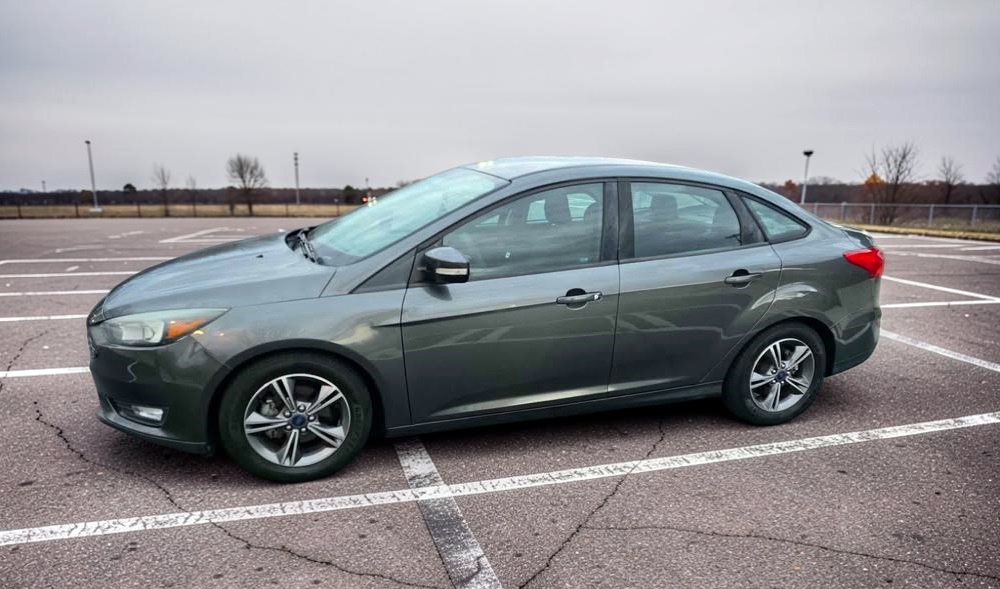
1. How the 1.0 EcoBoost is built and why it runs on a knife edge
Cast iron block, high boost, and elephant-level cylinder pressure
Pack 124 bar of peak firing pressure into 999 cc. That’s about 1,800 psi hammering each piston at full load. Ford chose a cast iron block for rigidity and faster warm-up, up to 50 percent quicker than aluminum. The block handles the load, but the bearings and rings live under constant stress.
Bore and stroke measure 71.9 mm by 82.0 mm. Compression sits at 10.0:1 across 100, 125, and 140 PS versions. Overboost pushes torque to 200–210 Nm on higher trims. That low-rpm shove loads rod bearings hard at 1,400 rpm, especially in heavier Focus and EcoSport models.
The aluminum head carries an integrated exhaust manifold. Coolant flows around the exhaust ports to control heat. Under boost, exhaust temps still climb fast. Sustained motorway pulls can push oil past 230°F, thinning the film at the turbo bearings.
Variable cam timing works both cams. Direct injection runs up to 150 bar. Cold starts spray extra fuel for emissions control. That extra fuel washes cylinder walls and ends up in the sump, diluting oil and attacking belt material.
Wet timing belt and oil pump belt soaked in the same oil
Submerge the primary timing belt in engine oil. Do the same for the oil pump drive belt. Both belts rely on rubber compounds that tolerate heat, oil additives, and fuel traces. Ford rated them to 150,000 miles or 10 years.
Real-world data shows belt shedding between 60,000 and 100,000 miles. Fuel dilution softens the outer belt layer. Swollen ribs start to fray. Fine black fibers circulate through the sump before larger chunks break loose.
The oil pick-up strainer sits low in the pan. Rubber debris builds on the mesh. Hot idle oil pressure drops first. Drivers report a flicker at 650 rpm with oil near 220°F, often before any DTC sets.
The turbo feeds from the main oil gallery. Any pressure loss hits its journal bearings first. Shaft speed reaches 248,000 rpm. A brief pressure dip can score the bearing surface in seconds.
Power levels, body weight, and where failures accumulate
| Variant | Typical models | Max torque | Common stress pattern |
|---|---|---|---|
| 100 PS | Fiesta, B-Max | 170 Nm | High city cycle, frequent cold starts |
| 125 PS | Fiesta, Focus, EcoSport | 170–200 Nm | Most common, wide failure spread |
| 140 PS | Fiesta Red/Black, Focus | 180–210 Nm | Higher boost, more turbo complaints |
Heavier cars load the same bottom end harder. A Focus 1.0 weighs roughly 300 lb more than a base Fiesta. Add an automatic and you add rotational load and heat. Lugging at low rpm in high gear spikes cylinder pressure and bearing load.
Short trips build fuel dilution fast. Oil analysis often shows elevated fuel content under 5,000-mile intervals in urban cars. That accelerates belt degradation and sludge formation.
Engines maintained on 12,500-mile oil intervals show higher belt debris rates in teardown reports. Short 6,000–8,000 mile intervals cut visible belt shedding and reduce pick-up blockage events before 80,000 miles.
2. Wet-belt timing system, from clever shortcut to engine issue
Fuel dilution, hot oil, and rubber that starts to melt
Spin a rubber timing belt in hot engine oil for 80,000 miles. Add fuel dilution from cold starts. Heat cycle it between 70°F and 230°F thousands of times. The belt compound swells and softens.
Direct injection sprays fuel at up to 150 bar. During cold starts, extra fuel slips past the rings. Piston diameter can vary about 0.4 mm from cold to hot. That gap lets raw fuel wash into the sump.
The oil carries detergents and anti-wear additives. Mix in gasoline and those additives change behavior. Belt ribs lose stiffness. The fabric backing begins to shed black fibers into the oil stream.
Early failures show light top-end rattle on cold start. No codes. No misfire counts. Belt debris is already circulating by then.
Pick-up blockage, pressure drop, and how engines seize
| Stage | Internal event | What the driver sees |
|---|---|---|
| Early shedding | Fine rubber fibers in sump | Slight cold rattle, no warning light |
| Partial blockage | Pick-up mesh clogging | Oil light flicker at hot idle |
| Severe blockage | Pump cavitation, gallery starvation | Constant oil light, turbo whine |
| Terminal | Bearing wipe, turbo shaft lock | Knock, stall, engine may seize |
The oil pump draws through a fine strainer in the pan. Rubber debris packs into the mesh. Flow drops first at idle when viscosity is lowest. Oil pressure can fall below 10 psi at 700 rpm.
Turbo bearings fail fast. Shaft speeds hit 248,000 rpm under load. Once the oil film breaks, the shaft scores the housing. Drivers report a rising siren noise, then sudden power loss.
Crank bearings go next. Journal surfaces overheat and smear. A seized rod bearing can lock the crank solid at highway speed. Replacement long blocks run $4,000 to $6,000 installed in most U.S. markets.
Failure mileage, proper repair, and what partial fixes miss
Original service intervals claimed 150,000 miles or 10 years. Field data shows many failures between 60,000 and 100,000 miles. Poor oil history pushes that lower. Short-trip city cars fail earlier than highway-driven ones.
A correct belt service replaces the timing belt, oil pump belt, tensioners, guides, and front cover seals. The sump must come off. The pick-up strainer needs inspection or replacement. All debris must be flushed from the pan and galleries.
Partial jobs skip the oil pump belt or leave debris in the pan. That sets up a repeat failure within 10,000 miles. A full preventive belt job runs 10 to 12 labor hours and typically costs $1,200 to $2,000, still far below the cost of a seized engine.
3. Cooling system weak points that cook the head fast
Nylon degas pipe cracks and sudden coolant dump
Route hot coolant through a thin nylon return pipe above the engine. Early 2012–2014 cars used a molded plastic degas pipe. Heat cycling turns that nylon brittle. Cracks form near the quick-connect joints.
When it splits, coolant dumps fast. System pressure can exceed 20 psi at operating temp. The small 1.0 has little thermal buffer. Cylinder head temps spike before the dash gauge moves.
Drivers report steam and a sweet smell, then misfire codes like P0300 or P0302. Overheat once at full load and the aluminum head can warp. Head gasket jobs run $1,500 to $2,500 if the block survives.
Thermostat housings, pumps, and slow leaks that still end engines
| Component | Failure mode | Early sign | Likely outcome |
|---|---|---|---|
| Nylon degas pipe | Crack at seam | Steam, rapid coolant loss | Overheat, warped head |
| Thermostat housing | Hairline crack or seal leak | Pink crust on block | Hot spots, pre-ignition |
| Water pump | Seal wear, bearing play | Coolant at weep hole | Belt contamination, overheat |
| Heater hose | Clamp fatigue | Coolant smell in cabin | Low level, head damage |
The thermostat module is plastic. It sits near the head where heat peaks. Small cracks leak slowly, often 4 to 8 ounces per week. Many owners top off without tracing the source.
The temp gauge is damped by software. It holds center from about 170°F to 230°F. By the time it climbs, head metal temps may have already exceeded 260°F. That’s enough to distort the gasket sealing ring.
Water pump bearings can grind before leaking. Coolant traces at the weep hole signal seal wear. If coolant hits the wet belt area, belt life drops fast.
Updated parts and the limits of software protection
Ford issued field service actions in several markets to replace the nylon pipe with a rubber-and-metal assembly. The revised pipe tolerates higher heat cycles. Updated clamps reduce stress at the joints. Many 2014+ cars received this upgrade.
Some cars also received software updates. Revised logic adds warning messages and can limit engine power during thermal events. Limp mode cuts boost and fuel under high head temperature readings.
No software prevents coolant loss from a split hose. Once air enters the head, hot spots form around exhaust valve seats. A single overheat can stretch head bolts beyond yield, and bolt replacement alone does not restore clamping force.
4. Turbocharger failures that start with oil and end with smoke
Oil-starved bearings and a turbo that welds itself
Spin the Continental turbo at 248,000 rpm. Feed it through a small oil line off the main gallery. Drop oil pressure below spec for a few seconds and the journal bearings score.
Wet-belt debris or low oil level usually starts the chain. Hot idle pressure dips under 10 psi. The hydrodynamic film collapses. Metal contacts metal at shaft speeds over 4,000 revolutions per second.
Drivers hear a faint siren at 2,000 to 3,000 rpm. Boost drops under load. Codes like P0299 for underboost may set. A seized shaft can snap turbine blades and send fragments downstream.
A replacement turbo typically runs $900 to $1,500 for the unit. Installed cost often lands between $1,800 and $2,500, assuming the engine bottom end is still intact.
Seal failure, blue smoke, and crankcase pressure spikes
Turbo seals rely on balanced pressure. Excess crankcase pressure pushes oil past the seals. A weak PCV valve or clogged breather raises that pressure fast.
Blue smoke on overrun points to oil pooling in the turbine housing. Blue smoke under boost suggests pressure imbalance under load. Oil consumption can jump to a quart every 800 to 1,000 miles.
Oil in the intercooler lowers octane resistance. Knock counts rise under load. Persistent knock can trigger timing retard and cut power. Continued driving risks piston crown damage.
Wastegate rattle, boost loss, and cheap fixes that rarely last
| Turbo issue | Issue | Driver complaint |
|---|---|---|
| Bearing wear | Oil starvation | Rising whine, sudden power loss |
| Seal leak | High crankcase pressure | Blue smoke, high oil use |
| Wastegate rattle | Flapper pivot wear | Metallic buzz on lift-off |
| Underboost | Flapper not sealing | Flat acceleration, P0299 |
The internal wastegate flapper wears at the pivot. Exhaust pulses hammer it during decel. Slack develops and the valve no longer seals tight.
Rattle often starts around 40,000 to 70,000 miles. Some install flapper repair kits. Those may quiet noise for a while. Excess wear at the seat usually means full turbo replacement is the only durable fix.
5. Direct injection carbon buildup that chokes airflow
Intake valves that never see fuel
Spray fuel straight into the chamber at up to 150 bar. The intake valves never get washed by gasoline. Oil vapor from the PCV system coats the hot valve backs.
Heat bakes that film into hard carbon. Short trips and cold starts speed it up. By 60,000 to 100,000 miles, deposits can thicken enough to disrupt airflow.
Airflow drops unevenly across cylinders. Cold starts misfire first. Codes like P0301 or P0302 may appear before the MIL stays on.
Rough idle, flat midrange, and trims that creep high
| Driver symptom | Likely intake cause | Check before blaming valves |
|---|---|---|
| Rough cold idle | Heavy valve deposits | Coil packs, spark plugs |
| Hesitation off idle | Disturbed swirl and tumble | Boost leaks, diverter valve |
| Poor steady-speed mpg | Reduced volumetric efficiency | Tire pressure, dragging brakes |
| Random misfire counts | Uneven cylinder filling | Injector balance test |
Scan data shows long-term fuel trims creeping positive. The PCM adds fuel to compensate for reduced airflow. Misfire counters spike at idle with no clear ignition fault.
Deposits can also raise compression slightly. That increases knock tendency under boost. Timing gets pulled, and power drops at 3,000 to 4,000 rpm.
Left unchecked, heavy buildup can burn valve edges. Burned valves require head removal. Valve jobs on this engine often run $1,800 to $3,000.
Cleaning methods that help and ones that cause damage
Induction sprays are common quick fixes. On light deposits, they can smooth idle. On heavy buildup, they can break chunks loose.
Large carbon flakes can hit the turbine wheel. Turbo blades spin at extreme speed. Any impact can chip edges and unbalance the shaft.
Walnut shell blasting remains the standard shop method. The intake manifold comes off. Each valve is blasted closed and vacuumed clean.
Most city-driven cars need this between 40,000 and 60,000 miles. Highway-driven cars can stretch beyond 80,000 miles. A proper walnut service typically costs $400 to $800 in most U.S. shops.
6. Chain-drive “Dragon” update and what actually improved
Pre-2018 Fox engines where the risk is highest
Run the original wet timing belt and wet oil pump belt together. Add long 12,500-mile oil intervals. Stack cold starts and city miles. That’s where failure rates climb.
Most belt delamination cases cluster between 60,000 and 100,000 miles. Focus and EcoSport models see more failures than lighter Fiesta trims. Heavier curb weight and automatic load increase bearing stress and oil heat.
Early engines also carried the nylon degas pipe. Combined coolant loss and belt debris events show up in field reports from 2013 to 2017 builds. Long oil intervals and non-approved oils correlate with higher belt shedding before 80,000 miles.
Manual cars avoid the 6F15 vibration profile. They still carry full wet-belt exposure. A manual with poor oil history can seize just as fast as an automatic at 75,000 miles.
2018+ chain-drive layout and what still remains
| Feature | Pre-2018 Fox | 2018+ Revised / mHEV | Reliability effect |
|---|---|---|---|
| Primary cam drive | Wet belt | Timing chain | Removes main belt delamination risk |
| Oil pump drive | Wet belt | Wet belt | Still oil-quality sensitive |
| Turbo position | Front | Rear | Changes heat soak and access |
| Hybrid system | None | 48V BISG | Adds battery and belt load |
| Cylinder deactivation | No | Yes on some | Adds valvetrain complexity |
Ford replaced the primary timing belt with a chain in 2018. That removes the largest catastrophic risk. Chain stretch can occur over high mileage, but it rarely sheds debris into the sump.
The oil pump still runs on a wet belt. That belt sees less load than the cam drive. It still depends on correct oil spec and short intervals. Sludge or fuel dilution can shorten its life.
The turbo moved to the firewall side. Heat soak changes underhood airflow. Access for service tightens. Oil changes and belt care still control long-term durability.
Automatics, balancer shafts, and vibration-driven failures
The 6F15 automatic pairs with a balancer shaft assembly. That assembly alters engine vibration patterns. Under certain conditions, it increases stress on the oil pump belt tensioner.
This issue triggered recall 23S64 in affected models. Some 2016–2018 Focus and 2018–2022 EcoSport automatics face oil pump belt tensioner arm fracture. When the arm separates, the belt can lose teeth.
Loss of oil pressure follows immediately. Brake assist can drop due to loss of vacuum support. Ford’s remedy includes revised oil pump belt and tensioner parts, with engine replacement authorized for failed units. Over 139,000 vehicles fall under this recall scope.
7. Safety recall 23S64 and when failure turns dangerous
Oil pump belt tensioner fracture in 6F15 automatics
Pair the 1.0 with the 6F15 automatic and add a balancer shaft. That setup changes vibration loading inside the block. In certain builds, the oil pump belt tensioner arm can crack at the backing plate joint.
When the arm separates, belt tension drops fast. The oil pump belt can skip teeth or snap. Oil pressure falls to zero within seconds.
This affects 2016–2018 Focus and 2018–2022 EcoSport models with the 1.0 and 6F15. Recall 23S64 and NHTSA campaign 23V-905 cover roughly 139,000 vehicles in the U.S. market.
Engine stall, hard brake pedal, and crash risk
| Recall element | What happens in real use |
|---|---|
| Oil pressure loss | Engine stalls without warning |
| Vacuum loss | Brake pedal goes hard |
| Bearing damage | Rapid internal seizure |
| Final remedy | Revised oil pump belt and tensioner |
Loss of oil pressure can stall the engine at speed. The mechanical vacuum pump loses drive when oil pressure drops and the engine stops. Drivers report a hard brake pedal that requires much more force.
Some vehicles failed before parts were available. Ford authorized long-block replacements for engines already damaged. A full long block can cost $4,000 to $6,000 outside warranty.
Final remedy installs a revised oil pump belt and tensioner design. Vehicles that have already lost oil pressure often need complete engine replacement, not a partial repair.
Manual models under investigation for timing belt failures
Manual 1.0 models do not carry the same tensioner arm issue. They still use the wet primary timing belt. Complaints of premature belt failure led to federal investigation into certain manual builds.
Reported failures include sudden oil pressure loss and seized engines. Many occurred between 60,000 and 90,000 miles. Maintenance records play a major role in claim outcomes.
No broad recall covers manual timing belt delamination at this time. Owners without documented oil changes may face full repair costs, often exceeding $5,000 for engine replacement.
8. Maintenance strategy that keeps the 1.0 alive
Oil spec, fuel dilution, and why intervals must shrink
Run oil that meets Ford WSS-M2C948-B in 5W-20 grade. The wet belts depend on that additive package. Generic synthetic without approval can swell belt material over time.
Factory intervals often list 10,000 to 12,500 miles. Field failures show better survival at 6,000 to 8,000 miles or once a year. Short trips push fuel into the sump fast.
Oil analysis on city-driven cars often shows measurable fuel dilution by 5,000 miles. Diluted oil thins at high temp. Hot idle pressure drops below safe margins near 220°F oil temperature.
Skip intervals and belt debris appears earlier in teardown. Strict 6,000-mile oil changes reduce visible belt shedding before 80,000 miles.
Proactive belt and carbon service before damage accumulates
| Maintenance action | Specialist interval | Risk controlled |
|---|---|---|
| Oil and filter | 6,000–8,000 miles | Belt chemistry, turbo wear |
| Timing and oil pump belts (pre-2018) | 70,000–80,000 miles or 7 years | Delamination, oil starvation |
| Coolant hose inspection | Monthly visual check | Sudden overheat |
| Walnut blasting | 40,000–60,000 miles city use | Misfire, airflow loss |
| Spark plugs | 25,000–30,000 miles | Boost misfire, coil stress |
Timing and oil pump belts require engine support and front cover removal. Labor often runs 10 to 12 hours. Full service typically costs $1,200 to $2,000 in U.S. shops.
Carbon cleaning restores idle quality and fuel trims. Walnut blasting with intake removal costs $400 to $800. Ignoring heavy deposits can lead to burned valves and a $2,000-plus head job.
Coolant checks take minutes. A cracked degas pipe can empty the system in one drive. One overheat can warp the head beyond resurfacing limits.
Warning signs that demand immediate shutdown
Cold-start diesel-like chatter signals belt slack. Hot idle oil light flicker signals restricted pick-up flow. Both require immediate inspection.
A faint turbo siren under boost signals bearing wear. Blue smoke under load points to seal failure. Coolant smell after shutdown signals pressure loss in the degas circuit.
Driving with an active oil pressure warning risks rod bearing wipe within minutes. A single oil-starvation event can score the crank journals beyond spec, forcing full engine replacement at $4,000 to $6,000.
Sources & References
- A Beginner’s Guide to Ford’s EcoBoost® Technology | Efficient & Powerful – Willis Ford
- Ford’s Tiny but Powerful 1.0-litre EcoBoost Wins International Engine of the Year for Unprecedented Third Straight Year | Ford of Europe | Ford Media Center
- Ford EcoBoost engine – Wikipedia
- ford focus 1.0-litre ecoboost specifications
- How Reliable Is the Ford 1.0 EcoBoost Engine in 2025? – Approved …
- Ford 1.0 EcoBoost Engine Reliability: Honest Assessment 2025
- Trouble with Ford’s EcoBoost? What Drivers Need to Know Now – The Car Co
- Ford’s Game-Changing 1.0-Liter Engine Dominated The Engine Of The Year Awards
- Capacities and Specifications – Engine Specifications – 1.0L EcoBoost™
- Ford Wet Belt Replacement Cost: What Owners Should Expect in …
- Ford Ecoboost wetbelt issues explained | Prestige Cars Kent
- Which Ford Models Have Wet Belts? A Guide to Affected Vehicles – Andrews Car Centre, Lincoln, Lincolnshire
- 3 Signs Your Ford EcoBoost Wet Belt is Failing – Apexx Engines
- Timing Belt in Oil for Ford EcoBoost 1.0L Industrias Dolz
- How to Spot Early Signs of Wet Belt Failure in Ford EcoBoost Engines – Andrews Car Centre
- A Guide to Wet Timing Belts for Ford EcoBoost 1L Engines – Wheelbase Garage
- Ford Recalls 139,000+ Focus & EcoSport for Oil Loss – Consumer Action Law Group
- Ford 1.0 EcoBoost Problems: Causes, Symptoms, and Repair Costs – Approved Engines
- Ford 1.0 Ecoboost Engine Problems & Effective Solutions – KSB Autostyling
- 2016—2022 Ford EcoSport ® and Focus ® 1.0L Engine — Oil Pump Failure Recall
- Failure of the degas pipe affecting 1.0L Fox engines – UK Parliament
- This Upgrade Will SAVE your Ecoboost! #ford
- Mk3 Focus 1ltr EcoBoost Degas Coolant Pipe Detailed How To Replacement Upgrade 2011-2014
- Fix the Most Common Coolant Leak on Ford EcoBoost Trucks! Easy Overflow Tank Replacement
- I Fixed a Coolant Leak on My Ford Focus MK3
- Ford Focus 1.0 EcoBoost Engine Guide: What to Look For – CarInterior
- Turbocharger failure modes: Oil starvation – Delphi
- 2018 1.0 ecoboost. It’s knock g quite a lot and I can hear a whining, almost grinding noise noise in there too. Slight white smoke coming from exhaust and oil buildup on top of the engine (2vids in post) : r/FordFiesta – Reddit
- Dreaded Wastegate Actuator Rattle, and subsequent boost loss. : r/FocusST – Reddit
- 5 Ford 2.3 Ecoboost Problems & How to Fix Them – The Lemon Law Experts
- Turbo Wastegate Rattle Flapper Repair Kit For Ford Focus 1.0 CM5G6K682GB 1761178
- Turbocharger Wastegate Rattle Flapper Repair Kit For Ford 1.0 EcoBoost. 1761178. | eBay
- Turbocharger Wastegate Rattle Flapper Repair Kit For Ford Focus 1.0 CM5G6K682GB 1761178 – mamba turbo
- GTDI12V 1761178 Turbo Wastegate Rattle Flapper Ford C-MAX Focus III 1.0 EcoBoost – AliExpress
- Ford EcoBoost Engine Overview: Tech, Specs, Options & More
- Living With Direct Injection – A Practical DIY Guide For Intake Deposits Cleaning and Answers to FAQ
- How to Clean Carbon Buildup on Valves: A Comprehensive Guide – Berryman Products
- Do I Need Walnut Blasting? How Carbon Buildup Affects Your Engine (and What to Do About It) – King’s Auto Center
- Has Ford resolved the carbon issues on the Ecoboost engines? If so when? – Reddit
- The ONLY Safe Way to Remove Carbon From Ford Engines (DON’T Try This WRONG!)
- Is Walnut Blasting the Answer to Ford’s Ecoboost Carbon Issues?
- Valve cleaning : r/ecoboostmustang – Reddit
- Induction Service Cleaners Can Damage Ford EcoBoost Engines | Cars.com
- When Did Ford 1.0 EcoBoost Engines Stop Using Wetbelts …
- Ford 1.0L FOX 155ps MHEV Engine – Ford UK
- 2020-2021 Focus 1.0 EcoBoost mHEV Business , are they reliable? : r/FordFocus – Reddit
- The BIG Problem With the Ford ECOBOOST #carsofyoutube #fordfiesta #fordecoboost #fordfocus #carslove
- Is the wet belt in a 2022 Ford Focus a problem? – CompleteCar.ie
- Buying a 2023-2025 Ford Focus 1.0 mHEV (EU Market) – Have the reliability issues been fixed? : r/FordFocus – Reddit
- U.S. Ford and Lincoln Dealers SUBJECT: NEW VEHICLE DEMONSTRATION / DELIVERY HOLD Safety Recall 23S64 – nhtsa
- Recall – Ford
- NHTSA Investigates Ford 1.0L EcoBoost-Powered Manual Vehicles Over Timing Belt Failures – autoevolution
- U.S. Ford and Lincoln Dealers SUBJECT: NEW VEHICLE DEMONSTRATION / DELIVERY HOLD Safety Recall 23S64 – nhtsa
- Newer Recall : Oil Pump on 1.0L engines!!! Recall# 23S64 : r/Ford – Reddit
- Capacities and Specifications – 1.0L EcoBoost