
Slams into second, then hesitates like it forgot what gear comes next. That’s how Expedition automatics start talking back. Since 2009, Ford cycled this SUV through two very different gearboxes, the 6R80 six-speed and the 10R80 ten-speed.
The six-speed holds torque well and tows strong. Its weak spot hides in the molded lead frame, where bad speed data can trigger harsh downshifts and limp mode.
The ten-speed adds ratio spread and smoother cruise RPM, but early builds struggle with CDF drum sleeve movement and valve-body leakage that cause flares and clunks.
This guide calls out what fails, why a 2014 behaves nothing like a 2021, which TSB fixes matter, and when a harsh shift means hardware, not software.
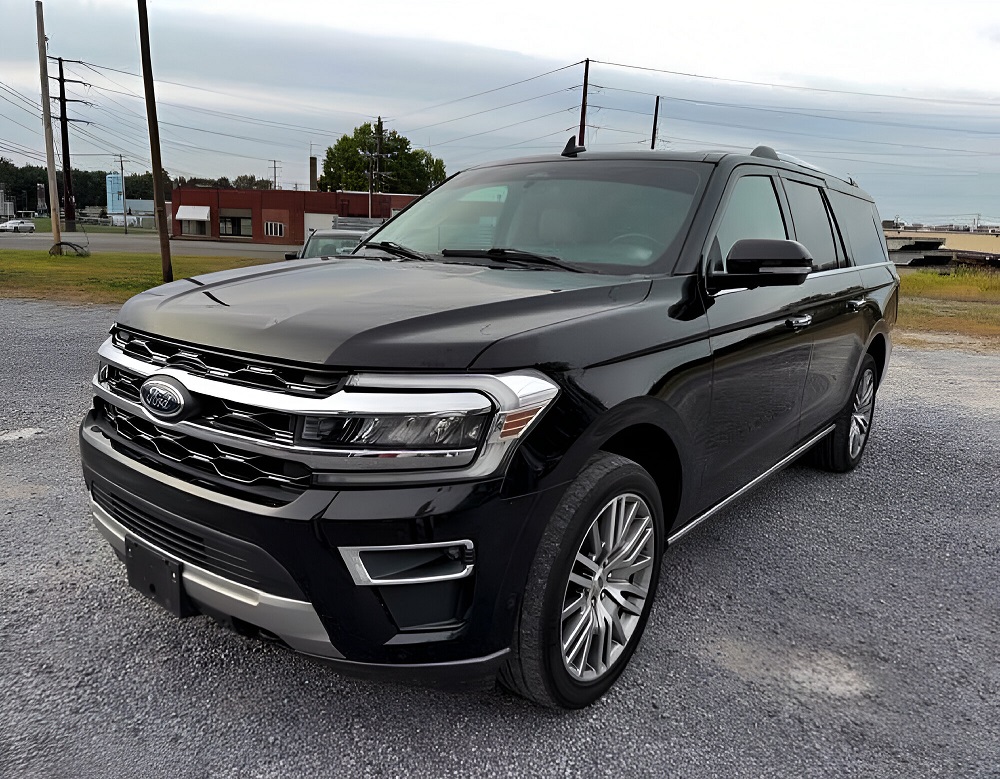
1. The Expedition transmission timeline and why the risk profile changed
The 6R80 years ran strong, until the electronics aged
Launched in 2009 Expedition models, the 6R80 replaced the old 4R75E with a ZF-based six-speed. It runs five clutch packs and one one-way clutch. No bands. Full torque-converter lockup in all six gears.
First gear sits at 4.17:1. Overall spread is 6.04:1. Tow/Haul mode holds gears hard and uses engine braking well.
Behind a 5.4L Triton or early 3.5L EcoBoost, the hard parts hold up. Clutch drums and gearsets rarely fail stock. Units pushing 400 lb-ft daily towing loads often pass 150,000 miles without internal breakage.
The weak point hides in the molded lead frame bolted to the valve body. That plastic assembly carries OSS, TSS, TFT, and range signals on one circuit board.
When it corrupts speed data, the PCM commands the wrong gear at the wrong time. NHTSA campaigns like 19N01 extended coverage to 10 years or 150,000 miles on affected units.
The 10R80 added ratios, pressure paths, and failure points
Fourth-generation Expeditions in 2018 switched to the 10R80. Joint-built with GM. Six clutch packs. Four planetary gearsets. No bands.
First gear drops to 4.69:1. Overall spread jumps to 7.38:1. Three overdrives cut highway RPM and boost fuel numbers.
Each shift is clutch-to-clutch. No freewheeling overlap. Line pressure and clutch timing must land exactly right.
Early builds from 2018 through mid-2022 show CDF drum sleeve migration. The pressed-in sleeve walks. Hydraulic ports feeding C, D, and F clutches lose pressure. TSB 24-2254 directs replacement with updated drum part JL3Z-7H351-B.
Harsh 3-4 or 7-8 shifts. Delayed Park-to-Drive engagement. RPM flares before gear catch. Repair requires transmission removal and drum replacement, often $3,500 to $6,000 retail.
| Transmission | Expedition years | Core design | Primary systemic fault | Typical repair range |
|---|---|---|---|---|
| 6R80 | 2009–2017 | 6-speed, band-free, wide lockup | Molded lead frame signal failure | $800–$1,800 |
| 10R80 | 2018–2022 early builds | 10-speed, clutch-to-clutch | CDF drum sleeve migration | $3,500–$6,000 |
Valve-body bore wear compounds 10R80 failures. Mercon ULV runs thin. Cross-leaks lose pressure across circuits. Once debris circulates, shift quality degrades fast and adaptive learning can’t compensate.
Expedition load changes the heat story
Curb weight runs 5,300 to 5,800 pounds. Add seven passengers. Add a 6,000-pound trailer.
Converter slip climbs. Fluid temps pass 220°F under load. Mercon ULV oxidizes quickly at sustained heat.
Repeated high-temp cycles glaze clutches and darken fluid. Burnt odor in the pan means friction modifiers already broke down. Extended towing without auxiliary cooling shortens clutch life below 120,000 miles.
2. 6R80 failures that turn a solid gearbox into a safety complaint
The molded lead frame runs the show
Bolt the pan off a 6R80 and the weak link sits on top of the valve body. The molded lead frame carries OSS, TSS, TFT, and TR signals in one plastic shell. Part numbers like AL3Z-7G276-D show up again and again in repair orders.
Metal dust from clutch wear builds on the OSS magnet. Signal drops out. The PCM loses vehicle speed input and guesses wrong.
Highway reports logged with NHTSA describe sudden downshifts into first. Investigations covered over 1.3 million Ford trucks and SUVs tied to this architecture. Software updates under campaigns like 19S07 and 16S19 changed shift logic but left aging hardware in place.
When speed data lies, the shift strategy goes violent
Lose OSS input at 60 mph and the module can default to a low-gear map. Early calibrations could command first gear. Rear wheels decelerate fast. Drivers report tire chirp and rear-end slide.
Later programming holds the current gear or forces limp mode. The truck may lock into 5th or 6th with limited throttle. DTCs often log P0720, P0722, or ratio errors like P0731.
Intermittent failures dominate the early phase. One harsh event, then weeks of normal driving. Once signal dropout grows frequent, the wrench light stays on and limp mode becomes repeatable.
What drivers feel before it quits for good
Hard downshift at steady cruise. PRNDL display flickers or shows the wrong range. Engine cranks but selector reads neutral.
Some trucks stall when shifting from Park to Drive. Others refuse to move despite normal engine RPM. Codes like P0705, P0715, and P0717 stack together when the frame degrades internally.
Cold weather can trigger early symptoms. Heat soak can trigger them later. Once solder joints fatigue, failure rate climbs fast after 120,000 miles.
| Lead frame function | Failure behavior | Common DTCs | Result on road |
|---|---|---|---|
| OSS signal | Speed dropout | P0720, P0722 | Sudden harsh downshift, limp |
| TSS signal | Turbine speed error | P0715, P0717, P0718 | Flare, wrong shift timing |
| TR sensor | Range mismatch | P0705, P0708 | No-crank, wrong gear display |
| Internal circuit | Signal corruption | P1500, P0731 | Repeated shift chaos |
Repair reality inside the six-speed
Fix requires pan removal and valve-body drop. Lead frame swaps run 3 to 5 labor hours. Total bill often lands between $900 and $1,800.
Full rebuild rarely needed unless shock events damaged clutches. Burnt fluid or heavy debris in the pan changes that math fast. A clean pan with stable line pressure usually means the hard parts survived.
3. 10R80 CDF drum failures that cause the brutal shifts
The CDF drum sleeve that walks out of place
Crack open an early 10R80 and the trouble sits deep in the case. The CDF clutch cylinder feeds the C, D, and F clutch packs. A pressed-in sleeve forms part of the hydraulic path.
On many 2018 to mid-2022 builds, that sleeve migrates. It moves axially in the drum bore. Hydraulic ports lose sealing surface.
Pressure drops before a shift completes. Clutches apply late or uneven. TSB 24-2254 calls for replacing early drums HL3Z-7H351-A or JL3Z-7H351-A with the revised JL3Z-7H351-B design that adds a mechanical retention step.
The symptom pattern that screams internal leakage
Shift from Park to Drive and nothing happens for two seconds. Then the gear slams in hard. Drivers describe a rear-end hit.
Cruise at light throttle and watch the tach flare between 3rd and 4th. RPM spikes 300 to 800 before the gear grabs. Some units show ratio codes or solenoid pressure faults.
Hot operation makes it worse. Line pressure compensates late. Repeat events glaze clutch friction and darken the fluid.
Why software can’t seal a leaking drum
Reflash clears adaptive tables. Shift feel improves for a short stretch. Leakage still exists inside the drum.
The module ramps pressure to mask slip. Harsh engagement grows stronger over time. Eventually, metal and clutch debris fill the pan.
Once the sleeve has walked, only mechanical replacement fixes it. Repair requires transmission removal and teardown. Retail cost often lands between $4,000 and $6,500 depending on damage.
| Symptom | Internal cause | Common codes | Repair path |
|---|---|---|---|
| Delayed Park-to-Drive | CDF circuit pressure loss | Ratio errors | Drum replacement |
| 3-4 flare | Sleeve blocking port | P0734 | Full teardown |
| Harsh multi-gear shifts | Late clutch apply | Solenoid performance codes | Valve body + drum |
| Repeated hot flare | Ongoing leakage | Mixed ratio faults | Rebuild or reman |
Metal shavings in the pan change the outcome. Once planetary steels shed material, rebuild cost climbs past $6,000 and often justifies a reman unit.
4. Valve body wear and cross-leaks that scramble shift timing
The hydraulic brain wears out under thin fluid
Pull the pan on a high-mile 10R80 and check the valve body. Aluminum bores guide steel valves thousands of times per mile. Mercon ULV runs thin to cut drag.
Thin fluid means less cushion between metal surfaces. Heat and debris accelerate bore wear. Once clearances grow, pressure loses across circuits.
Line pressure commands stay correct on the scan tool. Actual clutch pressure drops at the drum. Cross-leakage creates flare, bind, or double-apply during clutch-to-clutch shifts.
Debris turns minor wear into full failure
Early CDF wear sheds metal fines. Clutch slip adds friction dust. That material circulates through solenoids and valve passages.
Solenoid screens clog. Valves stick in their bores. Adaptive learning drives pressure higher to compensate.
Higher pressure hammers worn bores harder. That cycle shortens clutch life fast after 80,000 to 120,000 miles in heavy-use trucks.
| Wear point | Mechanical effect | Driver symptom | Likely repair |
|---|---|---|---|
| Valve bore enlargement | Cross-leak pressure loss | RPM flare, delayed shift | Valve body replacement |
| Solenoid contamination | Erratic pressure control | Random harsh engagement | Solenoid pack or full VB |
| Spacer plate wear | Internal pressure bleed | Soft apply, then slam | Updated plate + seals |
| Debris circulation | Multi-circuit instability | Mixed gear faults | Full teardown |
Why some rebuilds fail again
Soft-part rebuild swaps clutches and seals. Worn valve body stays in place. Leakage returns under load.
Updated CDF drum without valve body correction leaves pressure imbalance upstream. Shift feel improves briefly. Harsh engagement returns within months.
A proper repair machines or replaces the valve body and installs the revised drum. Skipping that step risks repeat failure inside 20,000 miles.
5. Heat and towing loads that cook both gearboxes
Heavy SUV mass drives fluid temperature past safe limits
Load 5,600 pounds of SUV with seven passengers and hitch 6,000 more. Converter slip rises on launch. Clutch apply times stretch under throttle.
Factory coolers use liquid-to-liquid heat exchangers tied to engine coolant. Long grades push transmission temps past 220°F. Sustained towing in summer can hold 230°F for miles.
Mercon ULV starts oxidizing faster above 220°F. Friction modifiers break down. Clutch surfaces glaze and lose holding capacity.
What overheating feels like before hard failure
Drive two hours on the highway. Exit and feel delayed engagement into Drive. Back a trailer uphill and notice flare that wasn’t there cold.
Scan tools often show 215°F to 230°F under load. No warning light triggers at those temps. Repeated cycles darken fluid and increase clutch slip rate.
Burnt smell in the pan signals thermal breakdown already occurred. Once fluid shears down, line pressure must rise to maintain clutch torque capacity.
Cooling upgrades change the survival curve
Aftermarket deep pans add about 2 extra quarts. More fluid means slower heat saturation. Stacked-plate external coolers rated near 40,000 to 46,000 BTU/hr drop temps 20°F or more under load.
Lower temps extend clutch life and slow bore wear. Shorter service intervals of 30,000 to 50,000 miles remove debris before it circulates.
Run these units at 240°F repeatedly and clutch life can fall under 100,000 miles. Hold temps near 180°F to 195°F and the same hardware often passes 150,000 miles without internal failure.
| Heat clue | Measured temp | Mechanical risk | Likely outcome |
|---|---|---|---|
| Normal cruise | 175°F–195°F | Stable viscosity | Normal wear rate |
| Heavy towing | 210°F–230°F | Fluid oxidation | Accelerated clutch wear |
| Repeated 230°F+ | 230°F–250°F | Glazing, slip | Early rebuild |
| Burnt odor | Variable | Friction breakdown | Internal damage present |
Fluid overheated past 250°F loses viscosity rapidly and can trigger permanent clutch damage in a single extended towing event.
6. Adaptive learning masks damage until the metal gives up
The strategy that adjusts pressure on the fly
Monitor clutch fill time and slip every shift. The TCM stores those values in adaptive tables. It tweaks line pressure and apply timing to keep shifts smooth.
As clutches wear, commanded pressure rises. Fill time shortens or stretches based on past events. This happens hundreds of times per drive cycle.
On a healthy unit, adaptation keeps engagement crisp past 100,000 miles. On a leaking 10R80, it starts chasing a moving target.
Why a reset feels good, then fades
Clear Keep Alive Memory with a scan tool. Shifts feel sharper for a few days. The tables reset to baseline pressure maps.
Hardware wear still exists. Leakage at the CDF drum or valve body returns the same flare pattern. Within a few hundred miles, the TCM relearns higher pressure.
Owners report smooth shifts for 1 to 3 weeks after a reflash. Repeat flare and harsh engagement follow once adaptation ramps pressure back up.
Disabling learning removes the cushion
Some use FORScan to disable adaptive tables. Pressure stays at fixed calibration values. Shifts feel consistent at first.
Clutch wear continues without compensation. Apply timing drifts as friction material thins. Fixed pressure can increase slip under load.
Long-term operation without adaptation can shorten clutch life and accelerate failure. Once clutch clearance exceeds spec, no software setting restores hydraulic integrity.
7. When it feels like slip but the engine caused it
EcoBoost boost leaks that fake a flare
Roll into throttle and watch RPM jump without strong pull. Many blame the transmission first. On 3.5L EcoBoost Expeditions, boost faults can mimic clutch slip.
Loose intercooler ducts split under load. Turbo wastegate control sticks. DTC P0234 or underboost codes log in the PCM, not the TCM.
Engine torque drops mid-shift. The transmission completes the shift normally. Reduced torque makes it feel like a flare.
Turbo whine and surge that mislead diagnosis
Hear a whirring noise under acceleration. Feel surging at steady throttle. Some trucks received replacement transmissions before techs traced the issue to a failed turbocharger assembly.
Certified case studies document repeat complaints after gearbox swaps. Issue traced to a faulty turbo and worn charge pipe. Transmission hardware stayed intact.
Scan both PCM and TCM before condemning the unit. Ratio codes in TCM point inside. Boost and fuel codes in PCM point forward of the bellhousing.
| Driver complaint | TCM codes present | PCM boost codes present | Likely issue |
|---|---|---|---|
| RPM flare under load | Yes | No | Internal clutch slip |
| RPM flare under load | No | Yes | Boost leak or turbo fault |
| Harsh slam into gear | Yes | No | Hydraulic or drum issue |
| Surge with whine | No | Yes | Turbocharger assembly |
Replacing a 10R80 runs $5,000 or more. A turbocharger repair often lands between $1,200 and $2,500 depending on labor and parts.
8. Recalls, TSBs, and the model years under the microscope
The 6R80 lead-frame coverage fight
File shows up as Customer Satisfaction Program 19N01. It covers molded lead-frame failures on certain 2011 to 2013 vehicles equipped with the 6R80. Coverage extended to 10 years or 150,000 miles from warranty start.
Campaign followed safety recalls 16S19 and related updates tied to unintended downshifts. Software reprogramming changed default behavior during OSS dropout. Hardware degradation still required lead-frame replacement when failure progressed.
Dealers often demand stored DTCs before approving repair. Intermittent faults complicate claims. Outside coverage, typical repair lands between $900 and $1,800.
The 10R80 CDF bulletin trail
TSB 24-2254 targets harsh or delayed engagement linked to CDF clutch cylinder sleeve movement. It applies to many 2020 to 2022 builds. Repair calls for removal and installation of the updated drum assembly.
Earlier bulletins addressed shift flare and pressure concerns with calibration updates. Software improved feel in some units. Hydraulic leakage persisted in others.
Units with repeated flare after reflash often required mechanical repair. Transmission removal and drum replacement push total cost above $4,000 in most markets.
The shifter cable recall that mimics internal failure
Recall 22S43 covers shifter cable bushing damage or separation. The cable can detach from the transmission linkage. Gear selection may not match indicator position.
Driver may shift to Park while transmission remains in Drive. Rollaway risk rises. Repair replaces the bushing and verifies linkage engagement.
This recall does not involve internal clutches or drums. Misdiagnosis can lead to unnecessary teardown. Bushing repair typically completes in under 1 hour.
| Campaign / TSB | Affected system | Core issue | Practical impact |
|---|---|---|---|
| 19N01 | 6R80 lead frame | Sensor signal loss | Harsh downshift, limp mode |
| 24-2254 | 10R80 CDF drum | Sleeve migration | Delayed or harsh shifts |
| 22S43 | Shift linkage | Bushing separation | Wrong gear engagement |
Once CDF migration or valve-body wear advances, no recall extends coverage. Out-of-pocket repair frequently exceeds $5,000 on early 10R80 units.
9. Rebuild or reman, and which Expeditions are safer bets
When a targeted rebuild makes mechanical sense
Open a 6R80 with clean hard parts and a bad lead frame. Replace the frame. Inspect the valve body. Button it back up.
Costs stay under $2,000 if clutches show no burn. Many six-speeds run strong past 180,000 miles after that repair. Geartrain and drums rarely fail in stock form.
On a 10R80 with confirmed CDF sleeve movement, rebuild only works if the shop installs the updated drum and addresses valve-body wear. Skip either step and the flare returns. Half-measure rebuilds often fail inside 20,000 to 30,000 miles.
When a reman unit earns its price
Severe debris in the pan changes the plan. Metal from planetary sets or heavily glazed clutches contaminates every circuit. Full teardown and cleaning drive labor high.
Quality reman units include the revised CDF drum, updated valve body, and fresh solenoids. Some add improved torque converters and machined bores. Warranty coverage can reach 3 years with unlimited miles.
Installed price commonly runs $5,500 to $7,500 depending on region. That figure often undercuts repeated partial repairs.
Used-market risk by transmission era
Later 6R80 trucks with documented fluid service and lead-frame history present moderate risk. Hard parts hold torque well under stock loads. Electronic failure remains the main threat.
Early 2018 to 2022 10R80 models without proof of CDF repair carry higher exposure. Repeated harsh-shift complaints signal internal leakage. Towing history above 7,000-pound loads raises heat stress.
Later builds with documented drum updates show improved durability. None of these units tolerate sustained 230°F operation without shortened clutch life.
| Era | Risk level | Why |
|---|---|---|
| Late 6R80 with service records | Moderate | Strong geartrain, known electronic fix |
| Early 10R80 no repair history | High | CDF migration and valve-body wear |
| 10R80 with documented drum update | Moderate | Revised hardware reduces leakage risk |
| Any era with heavy towing and no fluid service | High | Heat accelerates clutch and bore wear |
Repeated overheating above 230°F or ignored flare under load often turns a repairable issue into a $6,000 transmission replacement.
Sources & References
- 5. Ford 6R80 & 10R80 Automatic Transmission – Advance Adapters
- 6 speed or 10 speed. : r/f150 – Reddit
- How can I verify my 6R80 needs a lead frame? Is there an upgraded part to replace it with? (2011 F-150) – Reddit
- Ford’s 6R80 6-Speed Automatic Transmission Problems
- Customer Satisfaction Program 19N01 Certain 2011 – 2013 Model Year – nhtsa
- Ford Motor Company Issues Three Safety Recalls and One Safety Compliance Recall in North America | Canada | English | Ford Media Center
- NHTSA Investigating 1.3 Million Ford F-150s with Faulty Transmissions – Car and Driver
- Ford’s 10-Speed Transmission Targeted in New Class Action – Le Guide de l’auto
- Ford Motor Company – Ford Customer Service Division PO Box 1904
- U.S. Ford and Lincoln Dealers SUBJECT: Customer Satisfaction Program 19N01 – Supplement #1 Certain 2011 – nhtsa
- US opens probe into nearly 1.3 million Ford F-150 trucks over unexpected gear shift – Reddit
- NHTSA Opens Investigation Into Ford F150 6R80 Transmission. – Reddit
- Ford Transmission Diagnostic Codes Guide | PDF – Scribd
- U.S. Ford and Lincoln Dealers SUBJECT: Customer Satisfaction Program 19N01 – Supplement #4 Certain 2011 – nhtsa
- 6R80 Transmission Lead Frame Repair Kit – For Ford F150, Expedition, Super Duty, Transit (2010-2020), Includes Connector & Filter
- Ford 10R80 Transmission • Problems, Solutions & Upgrades
- Ford 10R80 Transmission Guide: Specs, Strengths, and Common Issues
- What Makes the 10R80 a Great Option for Towing? – Monster Transmission
- 10R80 Transmission Problems: The Most Common Failures (and …
- TECHNICAL SERVICE BULLETIN 10R80 Transmission … – nhtsa
- 10R80 CDF Triple Drum Hub Assembly with Anti-Walk Bushing Update
- 10r80 from 2018-2022, who’s got one and how has it been? : r/fordexpedition – Reddit
- Ford F-150 Transmission Repair Guide (2015-2024) | Common Problems & Costs
- Top 5 Signs Your 10R80 Is Failing | Inglewood Transmission
- Ford Ranger 10R80 Fault Codes & Fixes – Brisbane Tuning and Turbo Centre
- Class Action Filed Over Ford 10R80 Automatic Transmission Problems Linked to Clunky, Harsh Shifting
- Ford 10R80 Transmission Complete Guide
- Ford 10R80 Transmission C-D-F Clutch Drum Shell Hub Combo OEM NEW 2017-24 | eBay
- 10r80 fears : r/f150 – Reddit
- No coolers for 10R80? : r/f150 – Reddit
- Power By The Hour Transmission Cooler Kit (6R80 / 10R80 Transmissions) – Lethal Performance
- Buy Transmission Cooler Kit for 6R80 / 10R80 Transmission – TD Motion Perf Conversion Kits
- 6R80/10R80 – Transmission Cooler Kit – Complete w/ Adapters & Fittings
- Forscan made me love driving my truck again : r/f150 – Reddit
- FYI for 6R80 transmission owners : r/f150 – Reddit
- Disabling learning on 10R80 : r/f150 – Reddit
- PSA – Clear your adaptive transmission tables with Forscan : r/f150 – Reddit
- 10R80 Transmission : r/f150 – Reddit
- Ford Expedition 3.5L Turbo Problems – Certified Transmission
- Ford 10-Speed Transmission Problems: 10R80 vs 10R140 vs 10R60 Common Failures, Symptoms & Fixes
- Ford 10-Speed Transmission Problems | Lemon Law Help
- U.S. Ford and Lincoln Dealers SUBJECT: Customer Satisfaction Program 19N01 – nhtsa
- Recall – Ford
- 6R80 2010 Ford Expedition/F150 – Remanufactured 6-Speed Automatic Trans – Powertrain Products
- 6R80 Remanufactured Automatic Transmission Assembly | Ford Expedition / F-150 2010