
Pull away from a stop. Feel the cabin shake. Hear the next gear hit like a hammer. That’s how Acadia transmission trouble shows up.
Since 2007, this SUV has run three different automatics. Early trucks use the 6T75, known for a 3-5-Reverse failure that spreads metal through the whole unit.
2017 to 2023 models switch to the 9T65, where shudder, valve wear, and control issues take over. The 2024 redesign brings a new 8-speed, already tied to early service updates and low-mileage failures.
Some years break fast. Others slip, shake, then fail under heat and load. Let’s split these transmissions apart and track what actually goes wrong.
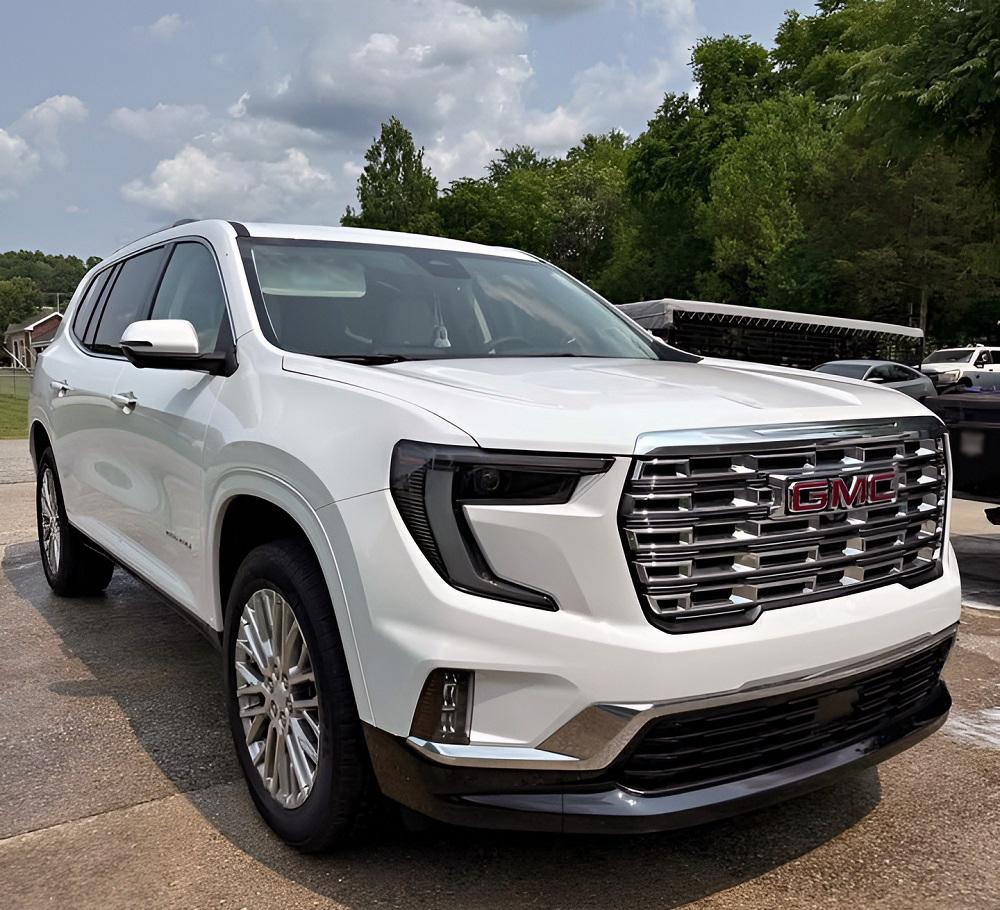
1. The Transmission Family Tree Decides Which Acadia Story You’re Actually Reading
The First-Generation Acadia Runs on a Heavy-Duty 6T75 Built for Load, Not Forgiveness
Start with the 2007 to 2016 trucks. They carry the 6T75, a reinforced version of the 6T70 built for weight and towing. GM added a five-pinion carrier, stronger differential, and thicker case ribs to hold torque from the 3.6L V6.
That hardware handles load, but it runs hot and relies on clean fluid. Once debris enters the system, valves score fast and solenoids stick. Failures here tend to be mechanical, not software-driven, and they escalate quickly once damage starts.
The Second-Generation Acadia Shrinks the Vehicle and Shifts Failure into Control and Hydraulics
Move to 2017 through 2023. The Acadia gets lighter, and the transmission changes to the 9T65. More gears keep RPM low, but the unit depends on precise pressure control and stable fluid behavior.
This is where complaints shift. Shudder shows up at 25 to 50 mph under light throttle. Valve bodies wear, pressure control drifts, and shift timing starts to feel inconsistent. Common codes include P0741 for TCC slip and P0796 for pressure control solenoid performance.
The 2024 Redesign Drops to 8 Speeds to Handle Higher Torque and Towing Load
Jump to 2024 and newer. GM pairs a 2.5L turbo with an 8-speed automatic rated around 326 lb-ft. The goal was stronger gear holding under load and fewer shift events when towing up to 5,000 lb.
Early service data shows hardware concerns. Retaining rings inside clutch packs can fail to seat, leading to slip and loss of drive. Some units fail under 1,000 miles, with complete loss of forward and reverse reported in dealer cases.
| Era | Transmission | Model years | Core failure pattern |
|---|---|---|---|
| First generation | 6T75 | 2007–2016 | Wave plate breakage, debris contamination, hard failure |
| Second generation | 9T65 | 2017–2023 | TCC shudder, valve wear, pressure control issues |
| Third generation | 8-speed | 2024–up | Retaining ring faults, early slip, low-mileage failures |
2. The 3-5-Reverse Wave Plate Starts Small, Then Wipes Out the Whole 6T75
The Wave Plate Cracks Under Load and Turns into Shrapnel Inside the Case
Focus on the 3-5-Reverse wave plate inside the 6T75 clutch pack. It’s a thin spring steel disc that cushions clutch apply. In 2007–2009 units, the metal fatigues, then splits under repeated load.
Once it breaks, pieces shear off and enter the fluid stream. The pump pulls that debris through the valve body and into the TEHCM. Metal scores valve bores, sticks solenoids, and contaminates clutch circuits within minutes of failure.
The Failure Builds in Stages You Can Feel from the Driver Seat
Early signs show up as a flare into 3rd or 5th gear. RPM spikes, then the gear catches late. Reverse starts slipping next, then drops out completely as clutch material burns.
Engagement gets violent. Drop it into Drive or Reverse and it slams hard enough to rock the chassis. Once debris spreads, the unit can lock into limp mode and hold a single forward gear.
Coverage 14404B Admits the Defect but Cuts Off at 120,000 Miles
GM issued Special Coverage 14404B for affected models. Coverage runs 10 years or 120,000 miles for the wave plate failure.
Units that fail outside that window require full teardown or replacement. A contaminated 6T75 often needs a reman unit, with real-world invoices between $3,500 and $5,500 installed.
3. Later 6T75 Acadias Run Cleaner, but Age, Heat, and Weight Still Grind Them Down
Early 2007–2009 Units Sit in the Danger Zone, Later Years Run Revised Hardware
Split the first generation by build years. The 2007–2009 units carry the highest wave plate failure rate. Later units received revised clutch components and better metallurgy.
By 2015–2016, most wave plate failures had dropped off. Failures still occur, but they show up later in life. Mileage past 120,000 becomes the tipping point where wear replaces design flaws.
Heat and Fluid Breakdown Drive Most Failures After the Early Defect Years
The Acadia weighs over 4,500 lb and stresses the 6T75 in traffic and towing. Fluid temps climb past 200°F in stop-and-go driving. Each 20°F rise cuts fluid life and seal life in half.
Breakdown shows up as delayed engagement and harsh shifts. Converter clutch slip increases, often setting P0741. Valve body wear follows, with pressure instability during low-speed shifts.
Shared GM Platform Means the Same Failures Show Up Across Sibling SUVs
The Acadia shares its drivetrain with the Chevrolet Traverse and Buick Enclave. All three run the same 6T75 architecture with similar load demands.
A failure in one follows the same pattern in the others. Wave plate debris, valve scoring, and converter wear track the same way. Labor time for replacement runs 12 to 18 hours due to subframe removal.
4. The 9T65 Trades Broken Parts for Shudder, Valve Wear, and Pressure Control Problems
Torque Converter Shudder Shows Up as a Vibration Band, Not a Hard Failure
Cruise at 30 to 50 mph and feel a rumble through the floor. The torque converter clutch slips instead of locking clean. The slip speed oscillates, and the TCM struggles to stabilize apply pressure.
Fluid condition plays a direct role. Degraded Dexron VI loses friction stability and lets the clutch chatter. GM’s fix path starts with a full fluid exchange under bulletin procedures, not immediate hardware replacement.
Launch Shudder and Slide-Bump Follow Worn Valve Bodies and Stuck Valves
Pull away from a stop and feel a shake or delayed grab. This comes from pressure control issues in the upper and lower valve bodies. Debris scores valve bores, and valves hang instead of moving clean.
Shift timing drifts as pressure leaks off. The transmission may flare, then grab hard on low-speed shifts. Common codes include P0796 and P2723, tied to pressure control solenoid performance.
The 20V668 Recall Exposes a Hardware Fault That Can End Drive Completely
Some 2019–2020 units left the factory with missing accumulator endcap bolts. That allows fluid to leak from the start-stop accumulator circuit. Pressure drops, and the transmission can lose propulsion without warning.
Leaked fluid can contact hot exhaust components. That creates a fire risk under load. The repair requires installing bolts and verifying seal integrity before restoring line pressure.
5. Shift to Park Faults Fake a Transmission Failure but Start in the Shifter Circuit
A Worn Microswitch Blocks the Park Signal and Keeps the System Awake
Move the shifter into Park and the dash still says it isn’t there. The fault sits inside the shifter assembly, not the gearbox. A small microswitch fails to send a ground signal to the BCM.
Contacts wear or lose tension over time. The signal drops out, and the BCM never confirms Park. The transmission itself stays in Park mechanically, but the system refuses to acknowledge it.
The Symptoms Hit Daily Use, Not Gear Engagement
The engine may not shut off cleanly. The vehicle can stay in accessory mode and drain the battery overnight. Door locks may not respond because the system thinks the vehicle is still in gear.
No gear slip occurs during driving. No clutch damage follows. The issue lives in the signal path between the shifter and the BCM.
The Factory Fix Bypasses the Weak Signal Path Instead of Rebuilding the Shifter
GM released bulletin 19-NA-206 to address the fault. Early steps included cycling the shifter to clean contacts. That method fails once wear sets in.
The permanent repair installs an inline jumper harness. The harness stabilizes the signal sent to the BCM. If that fails, the full shift control assembly gets replaced, often costing $300 to $700 installed.
6. The 2024 8-Speed Brings Stronger Hardware, but Early Builds Show Assembly Faults
Higher Torque Forced a Gearset Change and Tighter Clutch Control
The 2024 Acadia runs a 2.5L turbo pushing about 326 lb-ft. That torque loads the clutch packs harder during low-speed shifts. GM moved to an 8-speed to reduce gear hunting and stabilize load transfer.
Fewer shifts mean fewer clutch apply cycles under towing. Internal pressure control still runs tight tolerances. Small errors in clutch clearance now show up faster under load.
Retaining Ring Faults Cause Early Slip and Total Loss of Drive
Some early units left the factory with out-of-spec retaining rings. These rings hold clutch backing plates and pistons in position. If the ring fails to seat, the clutch pack loses apply force.
Drivers report slip under light throttle, then full loss of movement. Units can fail under 1,000 miles with no warning codes. Repair requires full teardown or replacement of the transmission assembly.
Seal Defects and Housing Leaks Add Pressure Loss and Repeat Failure Risk
Later service updates point to misassembled shaft seals. Fluid leaks reduce line pressure across multiple clutch circuits. Pressure drop leads to delayed engagement and overheating.
Leaks at the torque converter housing show up during pressure testing. Dye tests confirm fluid escape under load. Units with internal seal faults often require full replacement, not resealing, due to internal wear spread.
7. Match the Symptom First or You’ll Chase the Wrong Failure and Waste Money
Loss of Reverse on a 6T75 Points Straight at the 3-5-Reverse Clutch Failure
Select Reverse and get nothing or a delayed slam. That failure tracks back to the 3-5-Reverse clutch pack. The wave plate breaks, clutch clearance spikes, and the pack can’t hold.
Fluid often carries metal at this stage. Pan inspection shows debris and clutch material. No scan tool fix applies here, teardown becomes mandatory once Reverse drops out.
Rumble-Strip Vibration and Launch Shudder Follow Different Failure Paths Inside the 9T65
Cruise at steady speed and feel a light vibration. That points to torque converter clutch slip. GDS2 logs show fluctuating slip speed during lockup attempts.
Shake on takeoff signals a different fault. Valve body wear causes unstable pressure during clutch apply. Mixing these two leads to wrong repairs and repeat visits.
Engagement Delays and Harsh Shifts Require Pressure and Control Checks Before Parts Replacement
Shift into Drive and wait, then feel a hard hit. That indicates pressure loss or delayed clutch fill. Low line pressure or leaking circuits cause slow engagement.
Pressure testing uses a gauge at the test port. Idle pressure must stay above spec or internal leaks exist. Codes like P0796 or P2723 confirm solenoid or pressure faults.
| Symptom | First target | Best first check |
|---|---|---|
| Rumble vibration at steady speed | Torque converter clutch | GDS2 slip-speed logging |
| No Reverse | 3-5-Reverse clutch | Pan debris check, teardown inspection |
| Launch shudder | Valve body | Confirm no misfire, inspect valve wear |
| Harsh or delayed engagement | Line pressure system | Pressure test, fluid level, DTC scan |
| Shift to Park message | Shifter signal circuit | BCM signal check, harness inspection |
8. Fluid Condition and Heat Load Decide How Long These Transmissions Survive
Each Transmission Family Runs a Different Fluid Demand and Tolerance Window
The 6T75 and 9T65 both use DEXRON VI. This fluid resists shear but breaks down under sustained heat. The newer 8-speed units shift toward ultra-low viscosity fluid with tighter friction control limits.
Mixing fluid types causes clutch slip and erratic pressure control. Wrong fluid reduces friction stability and triggers shudder or delayed engagement. Cross-fill errors often lead to converter clutch failure within 5,000 to 15,000 miles.
Fluid Level Checks Depend on Temperature, Not Guesswork
Modern GM procedures require fluid checks within a set temperature range. Most units must be checked between 185°F and 203°F. Below that range, fluid contracts and reads low.
Overfilling aerates the fluid and drops pressure. Underfilling starves the pump and delays clutch apply. Both conditions lead to slip, heat rise, and clutch damage within a few drive cycles.
Towing and Stop-Go Driving Push Fluid Past Its Thermal Limits Fast
Heavy loads raise fluid temps above 220°F in traffic or towing. At 240°F, fluid life drops by half and seal wear accelerates. Repeated heat cycles harden seals and reduce clutch apply pressure.
Many shops recommend fluid service every 30,000 to 45,000 miles under severe use. Factory intervals often stretch beyond 60,000 miles. Delayed service increases valve body wear and raises the risk of converter clutch slip.
9. Repair Choices Split Between Short-Term Fixes and Long-Term Risk
Targeted Repair Works Only When Damage Stays Contained Inside One Circuit
Some failures stay isolated early. A worn valve body or failed solenoid can be replaced without full teardown. Shops may replace pressure control solenoids tied to P0796 or P2723 codes.
Costs range from $400 to $1,200 depending on access and parts. Once debris spreads or clutch material burns, this path stops working. Internal contamination turns small repairs into repeat failures.
Full Rebuild Depends on Shop Skill and Internal Hard-Part Condition
A rebuild removes the unit and replaces clutches, seals, and worn hard parts. Shops often upgrade known weak points like the 3-5-Reverse clutch pack. Success depends on machining quality and valve body condition.
Rebuild costs run $2,500 to $4,000 in most regions. Poor rebuilds fail early due to missed debris or worn valve bores. Reusing damaged hard parts leads to pressure loss within a few thousand miles.
Reman Units Cost More but Address Design Flaws and Contamination Risks
Remanufactured units arrive with updated parts and corrected tolerances. They replace worn valve bodies, converters, and clutch packs as a complete system. Most include a 3-year or 100,000-mile warranty.
Installed cost ranges from $4,000 to $6,500. Labor runs 12 to 18 hours due to subframe removal on AWD models. Shops often recommend reman units after wave plate failure or full-system contamination.
Used Transmissions Carry Hidden Wear and Repeat the Same Failure Patterns
Salvage units cost less upfront. Prices often fall between $800 and $1,500 for the unit alone. Mileage and prior damage remain unknown in most cases.
Many used 6T75 units still carry original wave plate risk. 9T65 units may already have valve wear or converter shudder. Installation adds 12 to 18 labor hours, and failure risk remains high without teardown inspection.
| Model years | Transmission risk | Why |
|---|---|---|
| 2007–2009 | High | 3-5-Reverse failure and debris contamination |
| 2015–2016 | Moderate | Improved hardware, still heat and weight stress |
| 2017–2018 | Moderate to high | Shudder, valve wear, Shift to Park overlap |
| 2021–2022 | Moderate | Improved control logic, still fluid-sensitive |
| Early 2024 builds | Watch closely | Retaining ring faults and seal-related pressure loss |
Sources & References
- acadia models
- Service Bulletin – special coverage
- Service Bulletin TECHNICAL
- Service Bulletin TECHNICAL
- Product Safety Recall N202313440 Transmission …
- Service Bulletin TECHNICAL
- GM SERVICE AND PARTS OPERATIONS
- December 9, 2024 Subject: N242473580
- MC-10250254-0001.pdf
- INFORMATION
- 6T70 Transmission for Sale | Remanufactured Performance
- 6T70/6T75: The Future is Now, Part 1
- GM Wave Plate Issue Fixed | Tri-City Case Study
- Service Bulletin – nhtsa
- 2012 GMC Acadia Denali AWD – Is it actually a torque converter/transmission issue?
- How Much Does Transmission Repair or Rebuild Cost in California?
- I have a 2024 GMC Acadia that has a slipping/slamming transmission, dealership says it’s normal operation. How do I finish it off?(Please read body text) : r/MechanicAdvice – Reddit
- Common Problems with 8, 9 & 10-Speed Car Transmissions
- Transmissions Impact on Fuel Efficiency | Auto Trans R Us
- SYMPTOMS OF A BAD TORQUE CONVERTER (HERE ARE THE COMMON PROBLEMS)
- Service Bulletin TECHNICAL – nhtsa
- GMC Acadia Shift to Park Recall: What Owners Need to Know – Quill and Arrow Law
- GM Shift to Park Recall Overview: 2025 Update – Lemon Law Firm
- Service Bulletin TECHNICAL – nhtsa
- What’s New for the 2024 GMC Acadia? | Car Dealer Near Elgin, IL – Fox Valley GMC
- A Closer Looking at the Newly Redesigned 2024 GMC Acadia
- Test drive: 2024 GMC Acadia looks better than it acts – The Car Connection
- The transmission failed in this GMC Acadia before 1,000 Miles …
- My 2024 GMC Acadia Transmission Failed With 950 Miles On It, It Was Slipping and Wouldn’t Go Into Drive or Reverse After I Took It Back To the Dealer – Torque News
- Service Bulletin INFORMATION – nhtsa
- Service Bulletin – nhtsa
- 2025 GMC Acadia: Change Transmission Fluid Guide
- USE THE RIGHT TRANSMISSION FLUID – GM Service Insights
- What Kind of Transmission Fluid Does Your Vehicle Need? – Hot Shot’s Secret
- Understanding the Different Types of Automatic Transmission Fluid – Valvoline™ Global
- 2024 GMC Acadia Maintenance Schedule
- Recommended service and maintenance schedule for GMC Acadia – Patriot Buick GMC
- When Does Your GMC Acadia Need Maintenance? – McCluskey Chevrolet
- Transmission Replacement Cost Estimate – RepairPal
- Transmission Repair Costs: A Comprehensive Guide (2025) – Milex Complete Auto Care
- How Much Does It Cost to Repair GM Transmission Issues? | 11/25/2025
- Enclave 3-5-R Waveplate Replacement – Part 1 – YouTube
- GMC Acadia Lemon Law: Transmission & Drive Issues (2020-2025 Models)
- GMC Acadia Buying Guide: Cost, Reliability, and the Best Years to Buy – CarGurus
- Best GMC Acadia Years to Buy Used | Octane GMC of Santa Fe
- Uncovering the Truth About Gmc Acadia Reliability: A Must-Read Guide
- gmc-acadia-reliability-everything-you-need-to-know – Bentley Buick GMC Blog