
Slip into Drive. Press the gas. Feel the delay before the car moves. That’s how GMC Terrain transmission problems begin.
Since 2010, this SUV has used three transmission generations with multiple variants. Early models run 6T45 and 6T70 units with a weak 35R wave plate that can break and spread metal inside.
2018–2024 models switch to 9T45 and 9T50, where shudder, gear hunting, and rough low-speed shifts show up.
New models split again. FWD gets a CVT. AWD uses an 8-speed automatic. Same badge, different risk. Some fail fast. Others wear down slowly and cost more in the end.
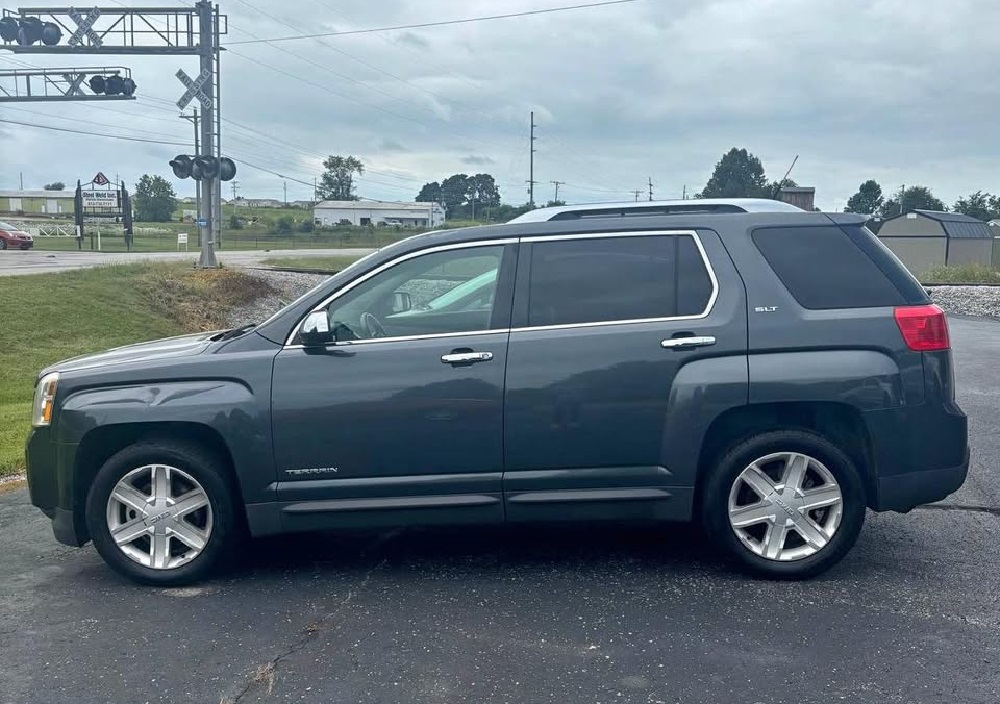
1. The Terrain never had one transmission story, it had four
First generation splits between two very different 6-speed units
2010 to 2017 models run two separate transmissions. The 6T45 sits behind the 2.4L engine, which produces about 172 lb-ft. The 6T70 pairs with the V6 and is built for higher load, with capacity around 280 lb-ft.
Both use clutch-to-clutch shifting with no bands. That design cuts weight but depends heavily on clean fluid and stable pressure. Once pressure drops or debris builds, clutch packs slip fast and heat spikes past 200°F.
The 6T70 uses larger gears and stronger clutches. It also runs hotter due to higher load and vehicle weight. Internal temps climb faster under towing, especially near the 3,500 lb limit.
Second generation adds gears and more software control
2018 to 2024 models switch to 9T45 and 9T50 transmissions. These units use four planetary gear sets and five clutches. Gear ratio spread increases, which drops highway rpm and improves fuel use.
Low-speed behavior gets messy. The transmission cycles through multiple gear options below 30 mph. Drivers report hesitation, delayed engagement, and sudden downshifts in traffic.
The system relies on clutch learning inside the TCM. It adjusts apply pressure over time to match wear. This process can trigger brief bumps or delays during light throttle inputs.
Third generation splits hardware again with CVT and 8-speed
2025 and newer models split by drivetrain. Front-wheel drive uses a CVT with a belt and pulley system. AWD models switch to a conventional 8-speed automatic.
The CVT holds engine rpm steady under load. Heat builds fast under heavy throttle or hills due to constant belt tension. Fluid shear becomes a limiting factor above sustained 200°F.
The 8-speed uses fixed gears and torque converter lockup. It handles load better under towing and AWD use. Early units lack long-term failure data past 60,000 miles.
| Generation | Years | Transmission setup | Main failure pattern |
|---|---|---|---|
| First | 2010–2017 | 6T45 (I4), 6T70 (V6) | 35R wave plate, pressure loss, debris |
| Second | 2018–2024 | 9T45, 9T50 | TCC shudder, valve wear, gear hunting |
| Third | 2025–2026 | CVT (FWD), 8-speed auto (AWD) | Heat load, belt wear, limited data |
2. Early 6-speed failures start with the 35R wave plate and spread fast
Small steel plate, full transmission failure
The 35R wave plate sits inside the 3rd, 5th, and Reverse clutch pack. It cushions clutch apply during gear changes. Thickness runs about 1–2 mm with a stamped wave shape.
Early units crack from fatigue. Once it breaks, sharp fragments spin through the drum. Fluid carries that debris into the valve body, pump, and torque converter.
Metal shavings clog solenoids and score valve bores. Line pressure drops and clutch apply becomes unstable. Full teardown follows once debris spreads past the clutch drum.
Failure shows up in a clear gear-loss pattern
Reverse usually fails first. Engagement delays, then disappears. Next comes slip or flare during the 2–3 or 4–5 shift.
RPM jumps without matching vehicle speed. The transmission may bang into gear once pressure spikes. Limp mode can lock it in 2nd or 3rd.
Codes like P0776 and P0730 often appear as pressure and ratio errors. At this stage, clutch material and metal already circulate through the system.
V6 models push the 6T70 harder and hotter
The 6T70 handles more torque but runs higher thermal load. The V6 adds weight and sustained heat during acceleration and towing. Fluid temps climb faster under load, especially past 200°F.
Heat weakens clutch material and accelerates fluid breakdown. Debris buildup increases once clutch packs start to slip. Internal wear spreads faster than in the lighter 6T45 setups.
Heavy towing near 3,500 lbs raises fluid temps beyond safe limits without auxiliary cooling.
3. Not every 6-speed failure throws metal, some lose pressure and cook themselves
Pressure control faults mimic internal damage fast
The 6T45 and 6T70 rely on precise line pressure to hold clutches. The pressure control solenoid regulates that force in real time. When it sticks or drops output, clutch packs slip under load.
Code P0776 flags “Pressure Control Solenoid B Stuck Off.” The transmission may slam into gear or flare between shifts. Fluid pressure drops below the level needed to hold 3rd or 5th gear.
Slip creates heat within seconds. Fluid temps push past 200°F and thin out. Clutch friction material starts to burn and shed into the pan.
Torque converter slip drives heat through the whole unit
The torque converter locks at cruise to reduce slip. When it fails, it keeps spinning under load. Code P0741 shows the clutch won’t lock.
Engine rpm stays higher than normal at steady speed. Fuel economy drops and heat builds in the fluid. That heat spreads through the valve body and solenoids.
Contaminated fluid loses friction stability. Solenoids start to stick as debris builds in tight passages. Converter failure often leads to full fluid contamination.
Cheap rebuilds miss worn hydraulics and come back
Some rebuilds replace broken hard parts only. Worn valve bodies and solenoids stay in place. Internal leaks remain and pressure never stabilizes.
Old converters often go back in with metal still inside. That debris re-enters the fresh build within minutes. The unit starts slipping again under load.
A basic rebuild runs $1,800 to $3,500. A reman unit with updated parts runs $3,500 to $6,000 and replaces worn hydraulic components.
4. The 9-speed fixed fuel economy, then brought low-speed chaos
More gears, tighter ratios, higher control demand
The 9T45 and 9T50 add three more gears over the old 6-speed. They use four planetary gear sets and five clutch packs. Gear spacing gets tighter, which keeps the engine in its power band.
At highway speed, rpm drops and fuel use improves. Around town, the transmission keeps shifting between close ratios. Below 30 mph, it may cycle through multiple gears in seconds.
Each shift depends on exact clutch timing and pressure. Small errors show up as hesitation or delayed engagement.
Torque converter shudder hits at steady throttle
A common complaint feels like driving over rumble strips. It shows up at light throttle between 30 and 50 mph. The torque converter clutch slips instead of locking clean.
GM tracks this under bulletin 18-NA-355. The first fix calls for a full fluid exchange with updated Dexron VI. Old fluid loses friction control and causes the clutch to chatter.
If ignored, the shudder worsens and heat builds. Converter clutch material starts to wear and contaminate the fluid.
Launch shudder and slide-bump point to valve body wear
Another issue shows up from a stop. The car may hesitate, then grab hard. Some drivers feel a double bump during light acceleration.
GM separates this under 18-NA-358. The cause links to scored valves and sticking passages in the valve body. Fluid flow becomes uneven during clutch apply.
Replacing the TEHCM does not fix this condition. Valve body wear requires internal repair or replacement of the hydraulic unit.
Adaptive clutch learning adds its own bumps
The transmission uses clutch learning to adjust for wear. It applies clutches at low pressure to measure response. This process runs during normal driving.
Drivers may feel a light bump or delay during these events. It often happens during slow acceleration or steady cruising. The behavior changes as the system relearns over time.
The system stores these values in the TCM and updates them continuously.
5. Missing bolts inside the transmission can end drive without warning
The start-stop accumulator holds pressure between engine restarts
2018 to 2020 models use a stop-start system. The transmission includes an accumulator that stores hydraulic pressure. That pressure keeps clutches ready when the engine shuts off at a stop.
When the engine restarts, the transmission uses that stored pressure to re-engage drive. Without it, the system must rebuild pressure from zero. That delay can leave the vehicle without movement for a moment.
The accumulator sits inside the transmission case and seals fluid under pressure.
Recall N202313440 links missing bolts to fluid loss and failure
GM issued recall N202313440 for 2018–2020 Terrain models. Some units left the factory missing bolts on the accumulator end cap. Those bolts hold the cap tight against internal pressure.
Without them, fluid leaks from the accumulator housing. Pressure drops inside the transmission during operation. Clutches lose apply force and slip under load.
Loss of fluid can lead to total loss of propulsion. Leaked fluid can reach hot surfaces and ignite under certain conditions.
This failure sits outside normal shudder and shift complaints
This issue does not start with rough shifts or hesitation. It can appear as a sudden loss of drive after a stop. The vehicle may restart but fail to move when shifted into gear.
No gradual warning pattern exists in many cases. Fluid loss continues until pressure cannot hold any clutch pack. Internal pressure drops below minimum operating range for gear engagement.
6. Codes and live data separate real damage from false alarms
A few codes tell most of the transmission story
The Terrain logs faults through the TCM. Code P0700 acts as a master flag. It tells the ECM to turn on the check engine light.
Code P0717 shows no signal from the input speed sensor. The transmission loses track of input shaft rpm. Shifts turn harsh or the unit drops into limp mode.
Code P0776 points to pressure control failure. Line pressure falls and clutches slip. Code P0730 shows a gear ratio mismatch, often from internal clutch loss. Code P0741 flags torque converter clutch failure and rising heat.
| Symptom | Likely cause | First check |
|---|---|---|
| No Reverse, flare in 3rd/5th | 35R wave plate failure | Pan debris, ratio codes |
| Rumble at steady speed | TCC shudder (P0741) | TCC slip, fluid condition |
| Hard shifts with code | Pressure loss (P0776) | Line pressure, solenoid data |
| Stuck in one gear | Limp mode, ratio error (P0730) | Commanded vs actual gear |
| Harsh shift + sensor code | Speed sensor (P0717) | Live data, wiring, battery |
Live data exposes what the transmission is actually doing
Scan tools show real-time values. Input speed, output speed, and commanded gear must match. A mismatch shows slip inside the unit.
TCC slip speed should drop near zero during lockup. If it stays high, the converter clutch is failing. Pressure commands can also be tracked against actual response.
Battery voltage matters here. Low voltage can corrupt sensor signals and trigger false codes. A weak battery can cause harsh shifts without internal damage.
Not every shake or surge comes from the transmission
Converter shudder feels like vibration at steady speed. Engine misfires feel sharper and follow rpm changes. Gear hunting shows as repeated upshift and downshift cycles.
A dirty throttle body or weak ignition coil can mimic shift issues. Misfires send uneven torque through the drivetrain. The transmission reacts to that load change.
Wrong diagnosis leads to full teardown when the problem sits in the engine bay.
7. Heat and fluid decide how long the transmission survives
Fluid type and level control clutch life
All Terrain automatics use DEXRON VI fluid. It handles higher heat and keeps friction stable under load. Wrong fluid changes clutch apply timing and causes slip.
Fluid level must be checked at a set temperature range. Too low drops pressure and burns clutches. Too high aerates the fluid and reduces pump output.
The system runs best around 180°F to 200°F. Above that, fluid starts to lose viscosity and protection.
Heat breaks fluid down and takes solenoids with it
Once fluid overheats, additives break down. Friction modifiers stop working and clutches grab unevenly. That creates shudder and slip during shifts.
Metal and clutch dust mix into the fluid. That debris travels into solenoids and valve passages. Sticking valves follow, along with pressure loss.
Code P0776 often appears after contamination builds. Solenoid response slows and pressure control fails.
Driving conditions decide service intervals, not the brochure
Normal service runs about 45,000 to 60,000 miles. Stop-and-go traffic cuts that down fast. Heat builds every time the transmission cycles through gears.
Heavy use drops the interval to around 30,000 miles. That includes city driving, hills, and short trips. Frequent cold starts also increase wear.
Fluid darkens and carries more debris as mileage climbs. Delaying service lets contamination reach the valve body and converter.
Towing pushes the system past its cooling limits
Older V6 models with the 6T70 can tow up to 3,500 lbs. That load raises fluid temperature under steady pull. Without added cooling, temps climb past safe limits.
Turbo 2.0L models with the 9T50 also reach 3,500 lbs with proper setup. Smaller 1.5L setups drop to about 1,500 lbs. The newer generation keeps that lower limit.
Sustained towing without a cooler pushes fluid past 220°F. At that point, clutch wear accelerates and fluid breakdown speeds up.
8. New Terrain splits into CVT and 8-speed with different risk paths
The CVT trades gears for constant load and belt stress
Front-drive 2025 and newer models use a CVT. It replaces fixed gears with a steel belt and variable pulleys. The system holds engine rpm steady under load.
Belt tension stays high during acceleration and hill climbs. Heat builds quickly in the fluid under constant pressure. That load stresses the belt and pulley faces over time.
Fluid shear becomes a limiting factor. Once fluid breaks down, the belt can slip against the pulleys. CVT damage often requires full replacement instead of repair.
The 8-speed handles load better but lacks long-term data
AWD models use a conventional 8-speed automatic. It uses fixed gear sets and a torque converter for launch. Lockup occurs earlier to reduce slip and heat.
Gear changes follow a more predictable pattern than the 9-speed. Fewer ratio jumps reduce low-speed hesitation. Internal load spreads across multiple clutch packs.
Field data remains limited beyond 60,000 miles. Early units have not built a long-term failure record in high-mileage use.
New hardware removes old problems but adds unknowns
The new generation drops the push-button shifter system. A mechanical column shifter replaces it. That removes the microswitch failure tied to “Shift to Park.”
The CVT introduces a different wear pattern. Belt and pulley surfaces take the main load instead of clutch packs. Fluid condition becomes critical for friction control.
The 8-speed uses updated valve body design and control logic. Long-term wear rates and failure modes remain unproven past early service life.
9. Repair cost and model year risk decide how expensive this gets
Rebuilds fix damage, reman units fix the design
A rebuild replaces failed parts inside your transmission. Shops swap clutches, seals, and broken hard parts. Worn valves and internal leaks often stay.
A reman unit gets torn down to the case. Every tolerance gets checked and worn parts replaced. Updated wave plates and valve bodies go back in.
Rebuilds run about $1,800 to $3,500. Reman units cost $3,500 to $6,000. New OEM units can reach $8,000 installed.
Some years fail early, others last with service
2010 to 2012 models carry the highest risk. Early 6T45 and 6T70 units see wave plate failure and pressure loss. Failures often hit before 120,000 miles.
2013 to 2017 models improve internal parts. Later builds show fewer wave plate failures with proper fluid service. High mileage units still face valve body wear.
2018 to 2020 models bring 9-speed issues and the accumulator recall. Shudder and valve wear show up under 80,000 miles in some cases. Recall-related failures can cause total loss of drive.
2025 and newer models lack long-term data. CVT and 8-speed units have not proven durability past early mileage ranges.
The transmission under the car matters more than the badge
A maintained 6-speed can outlast a neglected 9-speed. Fluid service and heat control change failure timelines. Skipped service accelerates wear in every generation.
Internal damage spreads once debris enters the system. Early repair limits cost, delayed repair multiplies it. Full failure often leads to replacement over repair.
Transmission replacement can exceed half the vehicle’s resale value in older models.
Sources & References
- GMC Terrain – Wikipedia
- GM 6T transmission – Wikipedia
- Case Study: General Motors Automobile Wave Plate Failure – Tri-City Transmission
- Meenan Transmission 6t70 6t45 – YouTube
- 2025 GMC Terrain Is Boxy Again, Ditches the Push-Button Shifter – Car and Driver
- Service Bulletin – nhtsa
- GMC Terrain Reliability and Common Problems – In The Garage with CarParts.com
- Common GMC Terrain Problems & Reliability Issues | CarBrain
- GMC Terrain vs The Competition – Cable Dahmer Buick GMC of Independence
- GMC Terrain vs Chevy Equinox | SUVs for Sale in Kernersville, NC
- 9T45 9T50 9T60 9T65 Automatic Transmission For GMC Terrain Cadillac Buick Chevy | eBay
- Service Bulletin – nhtsa
- INFORMATION – nhtsa
- 2018–2024 GMC Terrain Problems: Engine, Transmission & Electrical Issues
- 6 speed vs 9 speed — any actual data on which is better? : r/hondaridgeline – Reddit
- Common Problems with 8, 9 & 10-Speed Car Transmissions
- 6T40-6T45 Updates and Product Concerns
- Things That Go Bump – 6T70 Transmission Shift Quality Issues – Gears Magazine
- Electronic Precision Shift | Vehicle Support – GMC
- GMC Terrain: Electronic Precision Shift – Terra Nova Motors
- GM ‘Shift to Park’ Problem: A Guide for Equinox, Terrain, Cruze & More (2014-2024)
- GMC Terrain Says ‘Bye-Bye Gear Shifter’ – WardsAuto
- GM Shift to Park Recall: 2025 Update – The Lemon Law Experts
- GM Shift to Park Recall Overview: 2025 Update – Lemon Law Firm
- GMC Terrain Generations Ranked By Reliability – CarBuzz
- GMC Terrain Transmission Recall – Asbury Automotive Group
- Which Years Of Used GMC Terrains Are Most Reliable? – CoPilot for Car Shopping
- p0700 Code – Transmission Control System (MIL Request) | KBB
- P0700 & P0717 : r/Silverado – Reddit
- P0717 – Input/Turbine Speed Sensor “A” Circuit no Signal – RepairPal
- Transmission Diagnostic Trouble Codes
- 9T45 Troubleshooting, Diagnostic Help!
- P0700 Code: What It Means and How to Fix It – Solo Auto Electronics
- GMC ACDelco GM Original Equipment Dexron VI Automatic Transmission Fluid – 1 qt
- 6 Quarts GMC OEM Automatic Transmission Fluid ATF AcDelco Dextron VI | eBay
- 2025 GMC Terrain: Change Transmission Fluid Guide
- When Should You Change Your GMC Transmission Fluid?
- When Should You Change Your GMC Transmission Fluid
- 6t45 Transmission Understanding the 6T45 Transmission: A Comprehensive Guide
- 2024 GMC Terrain Towing Capacity: What You Need to Know
- 2026 GMC Terrain Towing Capacity – Ron Carter GMC
- GMC TERRAIN TOWING CAPACITY | i.g. Burton Buick GMC of Glen Burnie
- 2019 GMC Towing and Trailering Guide
- GMC Sierra 1500 Towing Capacity: Chart By Year & Engine – DeVoe Buick GMC
- Top 10 Common Problems with the 6T70 Transmission
- Transmission Repair Cost (2026): Complete Price Guide by Service Type
- How Much Does It Cost to Repair GM Transmission Issues? | 11/25/2025
- GMC Terrain Transmission Fluid Change Cost Estimate – RepairPal
- Transmission Flush and Fluid Change Costs – Jiffy Lube
- GMC Terrain Variable Valve Timing Control Solenoid Replacement Cost – RepairPal
- Transmission Repair and Replacement Prices & Cost Estimates | Kelley Blue Book
- 6T45 Transmission for Sale | Remanufactured Performance
- 6T45 2015-2016 Chevy/GMC Equinox/Terrain – Remanufactured 6-Speed Automatic Trans – Powertrain Products
- Jefferson & Riley v. General Motors
- General Motors Settlement Resolves Lawsuits Over Alleged ‘Shift to Park’ Defect in Certain GMC Acadia, Chevy Vehicles – Class Action
- GM defective shifter class action settlement
- Gmc terrain & equinox same car?? – Reddit
- 2020 GMC Terrain Review, Pricing, and Specs – Car and Driver
- Stop GM 6T40 & 6T70 3-5-R Failure with Sonnax Drum Saver Kits – YouTube
- GMC Terrain Transmission Fluid Service Costs – YourMechanic
- Transmission Filter and Fluid Change Cost Estimate – RepairPal