
Fire it up cold. Hear a chirp. Smell coolant. Watch the check engine light join fast. That’s how many Chevy Cruze engine problems start. Since 2011, this car has run small turbo engines, a basic 1.8, and two diesels, each with its own failure pattern.
Early models pile on PCV failures, cooling cracks, and turbo heat stress. Later cars shift toward piston damage, carbon buildup, and tighter emissions systems that add cost and complexity.
Some engines take abuse and keep moving. Others fail early and fail hard. Let’s split the engines, track what breaks, and pin down which ones drain wallets first.
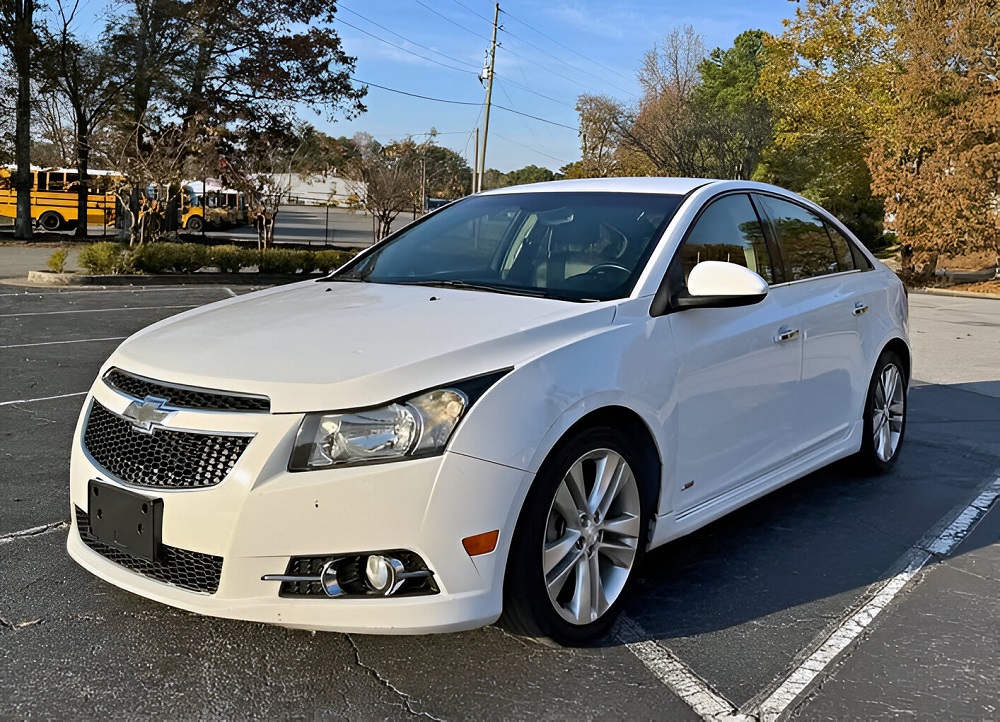
1. The engine family tree matters more than the badge on the trunk
First-gen Cruze splits into three different failure paths
Start with 2011–2015. Three engines, three completely different failure patterns. The 1.4L LUJ/LUV turbo runs hot, builds pressure, and fails through PCV and cooling systems.
The 1.8L LUW/LWE stays simpler but hides timing-belt risk and oil leaks. The 2.0L LUZ diesel holds strong internally but loads up emissions hardware and maintenance costs.
The 1.4T fails from pressure imbalance. The 1.8 fails from neglected service intervals. The diesel fails from system complexity, not core engine weakness.
Second-gen Cruze rewrites the hardware, then creates a new weak point
Move to 2016–2019. GM drops the old iron-block layout and switches to the aluminum 1.4L LE2 and 1.6L LH7 diesel. Weight drops. Efficiency improves. Heat behavior changes fast under load.
Early LE2 engines develop cracked pistons under low-speed pre-ignition. Misfires show up under load, then compression drops. Diesel models shift the problem toward emissions faults and high labor repairs tied to packaging.
Engine map with real failure patterns and cost triggers
| Engine | Years | What holds up | What fails first |
|---|---|---|---|
| 1.4L LUJ/LUV turbo | 2011–2015 | Strong low-end torque | PCV failure, coolant leaks, turbo oil starvation |
| 1.8L LUW/LWE | 2011–2015 | Simple layout | Timing belt failure, oil cooler leaks, VVT faults |
| 2.0L LUZ diesel | 2014–2015 | Durable long block | DEF heater, NOx sensors, timing belt service |
| 1.4L LE2 turbo DI | 2016–2019 | Better efficiency | Cracked pistons, LSPI damage, carbon buildup |
| 1.6L LH7 diesel | 2017–2019 | High MPG | Rear timing chain labor, emissions failures |
Early 1.4T cars often stack $800–$1,200 PCV repairs with $300–$600 cooling leaks. LE2 piston failures push $2,700–$5,000 when compression drops. Diesel timing or emissions repairs regularly exceed $3,000 once labor stacks up.
2. The first-gen 1.4 turbo’s real failure starts with one hidden PCV valve
A tiny check valve inside the intake manifold triggers the chain reaction
Buried inside the intake manifold sits a small rubber check valve. It controls crankcase pressure under boost. Heat and oil vapor break it down over time.
Once it fails, boost pressure pushes straight into the crankcase. Pressure builds where vacuum should exist. Seals, gaskets, and diaphragms start taking hits they were never built for.
Crankcase pressure spikes fast under throttle. Oil leaks follow, then idle problems show up within a few drive cycles.
The valve cover diaphragm rupture creates the noise most drivers hear first
The valve cover houses a thin pressure diaphragm. It’s built to handle slight vacuum, not turbo boost. Once crankcase pressure rises, the diaphragm tears.
Idle goes rough. Fuel trims spike lean. Codes like P0171, P0106, and P1101 start stacking. A high-pitched whistle or chirp comes from the front seal area as air gets pulled through weak points.
That chirp often shows up before the check engine light stabilizes.
Replacing the valve cover alone guarantees the failure comes back
Many repairs stop at the valve cover. The issue sits upstream in the intake manifold. If the check valve is gone, the new diaphragm faces the same pressure spike.
Fresh valve covers fail again within 500–1,000 miles in many cases. Shops that miss this pattern turn a $150 fix into repeat labor.
Full repair requires intake manifold replacement plus valve cover. Combined parts and labor usually land between $800 and $1,200.
3. Cooling leaks start small, then push the engine into overheating damage
Plastic cooling parts crack under heat cycles and pressure spikes
The Cruze uses plastic for the water outlet and thermostat housing. These parts sit near the cylinder head and turbo. Heat cycles push them from cold to over 220°F daily.
Plastic weakens, then cracks along seams or sensor ports. Leaks often stay hidden until pressure builds. Coolant burns off on hot metal, leaving orange crust near fittings.
Small leaks drop system pressure. Boiling point falls. Engine temps climb fast under load.
The water pump failure rate forced a factory coverage extension
The 1.4L water pump fails at the shaft seal or weep hole. Coolant loss starts slow, then turns steady. Some pumps lose internal impeller grip, which ends flow at higher RPM.
GM issued special coverage 14371A for 2011–2014 models. Coverage extends to 10 years or 150,000 miles for pump leaks and overheating events.
Overheating triggers reduced power mode once temps cross critical limits near 250°F.
Replacing plastic with aluminum stops repeat failures but raises cost
Aftermarket aluminum housings replace the plastic weak points. They handle heat without warping or cracking. Seal surfaces stay stable under pressure.
Install costs run $200–$400 for parts alone. Full cooling refresh with pump, outlet, and thermostat lands near $600–$900.
Stock plastic parts often fail again within 60,000 miles under normal driving heat cycles.
4. The 1.8L looks simple, then hits hard when maintenance slips
Timing belt failure bends valves fast and ends compression
The 1.8L LUW/LWE runs a timing belt, not a chain. Service interval sits between 60,000 and 100,000 miles. Many cars miss that window.
This engine uses an interference design. When the belt snaps, pistons hit open valves. Cylinder head damage follows within one rotation.
Full repair needs valve work or a replacement head. Typical cost runs $1,200 to $2,500 depending on damage depth.
Oil cooler leaks mix oil and coolant and mimic head gasket failure
The oil cooler and filter housing sit near the exhaust side. Gaskets fail from heat and age. Oil starts leaking into the cooling system.
Coolant turns thick and brown. Reservoir fills with sludge that looks like a blown head gasket. Cooling passages clog as oil coats internal surfaces.
Flush alone won’t fix it. Cooler replacement and full system clean often exceed $600 in parts and labor.
VVT solenoids clog and trigger erratic timing control
Variable valve timing uses oil-fed solenoids to adjust cam position. Dirty oil clogs the fine screens. Electrical faults also show up with age.
Engine starts to hesitate under load. Idle becomes unstable. Codes like P0011 and P0014 appear as timing drifts out of range.
Solenoid replacement runs $100 to $300. Ignored faults can push the engine into limp mode within a few drive cycles.
5. Turbo failure starts in the oil line, then wipes out the bearings
Heat cooks oil in the feed line and chokes lubrication
The turbo oil feed line runs close to the exhaust manifold. Heat builds fast after shutdown. Oil sits in the line and cooks into carbon.
That carbon restricts flow to the turbo center housing. Bearings lose lubrication under load. Shaft play develops as the oil film breaks down.
Failure starts long before noise shows up. Damage builds during every hot shutdown cycle.
Underboost code P0299 flags mechanical wear inside the turbo
As bearings wear, the compressor slows under load. Boost pressure drops below target. The ECU flags P0299 and limits power output.
Drivers feel lag, weak acceleration, and reduced engine power messages. Wastegate wear can also leak exhaust flow, lowering boost. Cracked charge pipes add another failure path.
Turbo replacement becomes necessary once shaft play exceeds spec.
Oil starvation damage spreads beyond the turbo housing
Metal debris from worn bearings can enter the oil return path. Contaminated oil circulates through the engine. Secondary wear hits cam journals and timing components.
Turbo replacement alone won’t stop the damage if oil isn’t flushed. Full repair may include new lines, filters, and oil changes within short intervals.
Turbo replacement costs range from $900 to $2,000 depending on parts and labor.
6. The second-gen LE2 fixed old issues, then cracked pistons under load
A clean-sheet engine brought new materials, tighter tolerances, and higher cylinder pressure
The LE2 replaces the old iron-block 1.4T with an aluminum design. It uses direct injection and an integrated exhaust manifold. Combustion runs hotter and faster under boost.
Cylinder pressure spikes higher at low RPM with heavy throttle. The engine relies on precise fuel control and oil chemistry to keep combustion stable.
Any imbalance shows up fast under load.
Low-speed pre-ignition hammers piston ring lands and breaks them
LSPI hits during low RPM, high load conditions. Fuel and oil droplets ignite before the spark event. Pressure spikes far above normal combustion levels.
The shock loads crack piston ring lands. Compression drops in the affected cylinder. Misfire code P0300 appears along with rough running and vibration.
Some engines fail below 40,000 miles under repeated LSPI events.
Once compression drops, repair means internal engine work
Diagnosis starts with a compression test. Low readings confirm internal damage. Leak-down testing isolates the cylinder with ring land failure.
Repair requires piston replacement across all cylinders to prevent imbalance. Cylinder walls must remain within spec or the block needs replacement.
Full repair costs range from $2,700 to $5,000 depending on damage and labor.
7. Diesel Cruze trades gasoline faults for emissions failures and high labor repairs
The 2.0L diesel runs strong, but emissions hardware triggers limp mode
The 2.0L LUZ diesel uses a cast-iron block and strong internals. Torque peaks at 264 lb-ft, which stresses less at low RPM. Core engine parts hold up under load.
Failures come from the DEF system and NOx sensors. Heater elements fail in cold weather. Faults trigger countdown warnings and speed limits before shutdown.
Timing belt service hits around 100,000 miles and costs $800 to $1,200.
The 1.6L diesel hides its biggest problem behind the engine
The 1.6L LH7 diesel moves the timing chain to the rear. It sits against the firewall near the transmission. Access requires major teardown.
Startup rattle signals chain stretch or tensioner wear. Repair means removing the transmission or engine assembly. Labor hours spike past 15 in many shops.
Total repair costs often exceed $3,000 once parts and labor stack.
Emissions faults shut the car down even when the engine runs fine
Diesel systems monitor NOx output and DEF flow constantly. Sensor drift or injector faults trigger warning messages first.
If ignored, the system limits speed and then blocks restart. Mechanical condition of the engine doesn’t override emissions faults.
NOx sensor replacement costs $300 to $600 per unit, often requiring recalibration after install.
8. Carbon buildup and cold-weather faults create misfires that mislead diagnosis
Direct injection loads intake valves with carbon until airflow drops
The LE2 uses direct injection, so fuel never washes the intake valves. Oil vapor from the PCV system sticks to hot valve surfaces. Carbon builds layer by layer.
Airflow drops as deposits grow. Cold starts turn rough. Misfires show up at idle and low RPM with codes like P0300.
Severe buildup can drop compression during cold starts until heat expands the valves.
Walnut blasting becomes the only effective cleaning method
Chemical cleaners won’t remove heavy deposits. Carbon hardens under repeated heat cycles. Intake removal becomes necessary for access.
Walnut shell blasting removes deposits without damaging metal. Shops charge $300 to $700 depending on labor time.
Neglected buildup leads to persistent misfires and poor fuel trim control.
Charge-air cooler icing blocks airflow and mimics turbo failure
Cold, humid air condenses inside the intercooler. Moisture freezes during low-speed driving. Ice restricts airflow under boost.
Drivers feel hesitation, stumble, and loss of power. Codes may point to underboost or airflow faults. Symptoms overlap with turbo or boost leaks.
Severe icing can block airflow enough to stall the engine under acceleration.
9. The years to buy and the years to avoid come down to engine risk
Early 1.4T cars stack multiple failure systems in one package
2011–2012 1.4T models carry the highest risk. PCV failure builds crankcase pressure. Cooling parts crack under heat. Turbo oil lines coke and starve bearings.
Failures overlap and mask each other. One repair often exposes the next. Combined repairs can exceed $2,000 within a short period.
Transmission issues in early builds add another $3,000 risk once slipping starts.
Early second-gen LE2 cars carry piston failure risk under load
2016–2017 LE2 engines show the highest LSPI exposure. Cracked pistons show up with P0300 and low compression. Failures often occur below 50,000 miles.
The “Cruze Limited” name in 2016 adds confusion. It still uses the older first-gen engine design. Buyers often misidentify the platform and its failure risks.
Piston replacement jobs run $2,700 to $5,000 depending on damage.
Later models and specific engines reduce risk but still carry known limits
2013–2015 1.8L models avoid turbo and PCV failures. Timing belt service remains critical at set intervals. Oil cooler leaks still appear with age.
2018–2019 LE2 engines show fewer piston failures after updates. Carbon buildup and turbo support systems still require attention.
Diesel models demand higher maintenance discipline. Emissions faults and timing service push repair costs past $3,000 in many cases.
Sources & References
- Chevrolet Cruze Generations – Autolist
- Chevrolet Cruze – Wikipedia
- Which Years Of Used Chevy Cruzes Are Most Reliable? – CoPilot for Car Shopping
- Review: Chevrolet Cruze – Winding Road Magazine
- The Gen 1 Chevy Cruze is an amazing vehicle. – Reddit
- Chevrolet Cruze Is Overheating – RepairPal
- Chevy Cruze Problems Over The Last 14 Years To Note If Buying Used – CarBuzz
- Here Are The Chevy Cruze Years To Avoid – CoPilot for Car Shopping
- Opinions…first car for daughter : r/cruze – Reddit
- Chevrolet Cruze – Model Years, Generations & News – Cars.com
- Chevrolet Sonic vs Spark vs Cruze near Chicago, IL | Mike Anderson
- 2012 Chevrolet Cruze Price, Value, Depreciation & Reviews | Kelley Blue Book
- Chevy Cruze Turbocharger Replacement
- 2012 1.4 possible turbo issue? : r/cruze – Reddit
- Why does the LUJ engine have such a bad reputation in the US but not in Europe ? : r/cruze
- PCV Woes : r/cruze – Reddit
- PCV failure – is the dealer supposed to replace both the intake and valve cover under the extended warranty? : r/cruze – Reddit
- Are there really that many problems with the Cruze? : r/cruze – Reddit
- GM SERVICE AND PARTS OPERATIONS – nhtsa
- ZZP 1.4L Aluminum Coolant Outlet Kit – ZZPerformance
- PSA to everyone. Buy the aluminum water outlet. : r/cruze – Reddit
- Would replacing the thermostat housing with a metal one instead of plastic fix this code and keep it from happening so often? – Reddit
- Coolant Hose – MITZONE Aluminum Upgrade Issues : r/cruze – Reddit
- Service Bulletin – nhtsa
- Upgraded parts : r/cruze – Reddit
- 2014 Chevrolet Cruze Engine Timing Parts
- Chevrolet Cruze Timing Belt Replacement Cost – RepairPal
- COMMON OIL LEAK FIX CHEVROLET CRUZE SONIC. OIL PAN LEAK OIL FILTER HOUSING COOLER LEAK – YouTube
- Top 5 Problems: Chevy Cruze Sedan 2008-16 1st Gen – YouTube
- Chevrolet Cruze Turbocharger Oil Line Replacement Cost Estimate – RepairPal
- Chevrolet Cruze Turbochargers – Buy Auto Parts
- 2017 Chevrolet Cruze Turbocharger Intercooler Tube Replacement Cost – RepairPal
- Chevrolet Cruze Turbochargers and Parts – Advance Auto Parts
- 2019 Chevy Cruze Premier – P0299 & P2227 Codes + “Engine Power Reduced” Limp Mode on Highway – Need Advice! – Reddit
- Looking at 2017 chevy cruze – Reddit
- 2017 Cruze 1.4L Turbo 12k miles, cracked piston issue – Reddit
- Gen II 2017 Cracked Piston NHTSB Complaint : r/cruze – Reddit
- 5 Of The Most Common Problems With The Chevy Cruze (According To Owners)
- Service Bulletin TECHNICAL – nhtsa
- PIP5490 Malfunction Indicator Lamp Illuminated With DTC P0300 – nhtsa
- Chevrolet Problems Overview | CarComplaints.com
- Service Bulletin TECHNICAL – nhtsa
- Opinions on the 2015 Chevy 2.0 Diesels? – Reddit
- Chevy Cruze Reliability: The Best (And Worst) Generations To Buy – CarBuzz
- 2.0L ecotec Diesel.. we had no idea it was even a thing! : r/Justrolledintotheshop – Reddit
- GM Medium Diesel engine – Wikipedia
- 2018 Equinox 1.6L LH7 Diesel ‘BAD’ Engine Teardown. Replaced FOR THIS? – YouTube
- PIP5456A 1.6L Diesel Engine (LH7) Engine Exchange Program – nhtsa
- Chevrolet Cruze Reliability and Common Problems – In The Garage with CarParts.com
- Chevrolet Cruze Recalls | Cars.com
- 2018 Chevrolet Cruze Repair: Service and Maintenance Cost – RepairPal
- Chevrolet Cruze Limited Reliability Rating – RepairPal
- Chevrolet Cruze Repair: Service and Maintenance Cost – RepairPal
- Are Chevy Cruzes Reliable Cars? Here’s What You Need to Know – Okotoks GM
- Chevrolet Cruze Limited Repair: Service and Maintenance Cost – RepairPal
- Chevy Cruze Turbo Failure Symptoms – Becker Service Center | Auto Repair in Naperville, Il