
Start it cold. Hear the rattle before the oil light settles. That noise can mean 3 different trucks. Early Expeditions blow spark plugs out of shallow Triton head threads. Mid-2000s 5.4L 3-valves snap two-piece plugs and punish dirty oil through the VCT system.
The EcoBoost years move the pain forward. 2015–2017 trucks bring carbon buildup, timing-chain stretch, and boost-side misfires. 2018–2020 trucks put cam phasers in the spotlight, with TSB 23-2143 calling out a 2–5 second cold-start rattle after a 6-hour soak.
Newer trucks carry their own risk. The 2024–2025 3.5L GTDI cup-plug recall can mean a fast oil leak, smoke, fire risk, or lost power. Listen cold, smell for oil, check the VIN, then follow the engine family before the bill follows you.
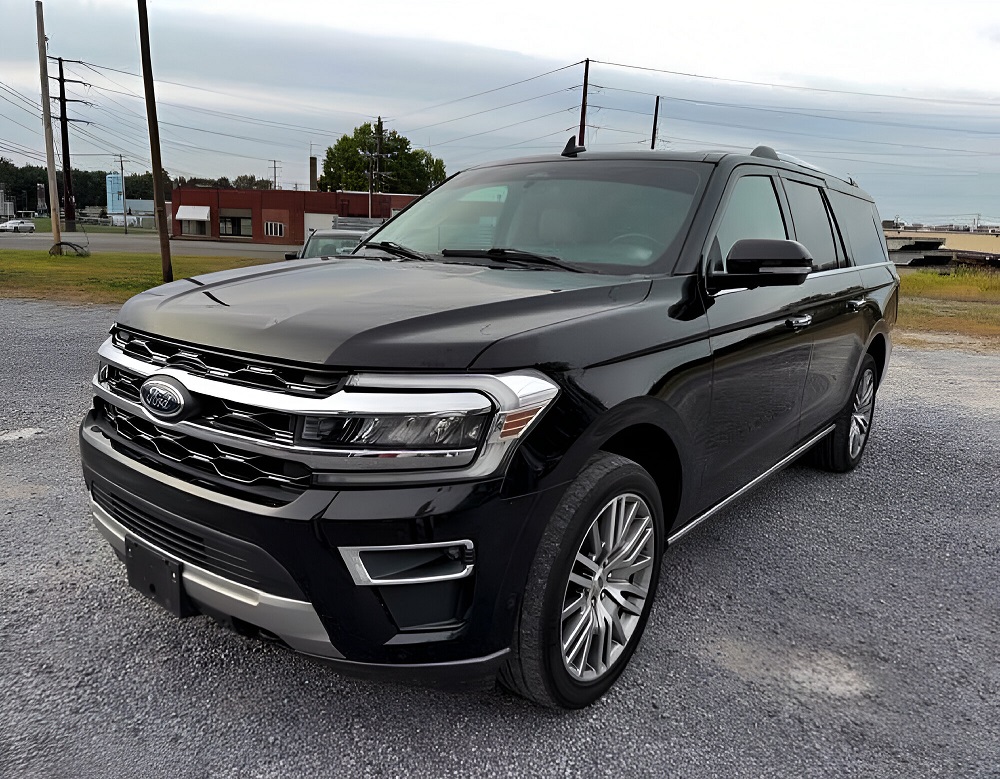
1. Start with the engine eras, because each Expedition breaks by generation
The badge stays the same, the failure does not
Ford Expedition engine problems change hard by year. A 1999 truck usually sends you toward plug threads and plastic coolant parts. A 2006 truck points at two-piece spark plugs, VCT noise, and dirty-oil damage. A 2018 truck sends your ear straight to the front cover after an overnight cold soak.
That year break matters because these engines fail from different weak points. The early 4.6L and 5.4L Triton 2-valves had shallow aluminum plug threads. The 5.4L 3-valve added oil-fed cam timing hardware in 2005, so sludge and low hot idle pressure started doing real damage.
The EcoBoost years changed the load again. The 2015–2017 3.5L EcoBoost brought direct injection, turbo heat, timing-chain stress, and charge-air moisture complaints. The 2018–2020 Gen 2 trucks improved valve washing with dual injection, then put cam phaser locking pins under the spotlight.
The year map tells you where to listen first
| Expedition era | Engine family | Main failure pattern | Best buyer angle |
|---|---|---|---|
| 1997–2002 | 4.6L / 5.4L Triton 2V | Spark plug blowout, intake manifold cracking | Tough short block, weak plug threads and coolant crossover |
| 2003–2004 | 5.4L Triton 2V | Lingering plug and intake issues | Safer only with repair proof |
| 2005–2008 | 5.4L Triton 3V | Two-piece spark plugs, VCT noise, sludge | Plug job risk plus oil-fed timing hardware |
| 2009–2014 | 5.4L Triton 3V | Matured 3V trouble, timing wear with neglect | Better late V8 years, still oil-sensitive |
| 2015–2017 | 3.5L EcoBoost Gen 1 | Timing chain stretch, carbon buildup, condensation misfires | Strong torque, higher maintenance demand |
| 2018–2020 | 3.5L EcoBoost Gen 2 | Cam phaser cold-start rattle, VCT wear | Main modern cam phaser danger zone |
| 2021–2023 | 3.5L EcoBoost Gen 2 | Lower phaser risk, normal turbo heat stress | Better used buy with clean records |
| 2024–2025 | 3.5L GTDI EcoBoost | Cup-plug oil leak recall | VIN screening matters before price talk |
| 2026 | 3.5L EcoBoost / High Output | EcoBoost-only power, more heat under load | Strong tow rating, no room for neglected oil |
Modern power keeps the oil busy
The 2026 Expedition still centers on the 3.5L EcoBoost V6. Ford lists the standard engine at 400 hp and 480 lb-ft, while the High Output version makes 440 hp and 510 lb-ft. Max towing reaches 9,600 lbs with the right 4×4 setup and Heavy-Duty Trailer Tow Package.
Those numbers matter because the engine works harder than an old 2-valve Triton. Turbo bearings, cam phasers, chain guides, and tensioners all depend on clean oil. Stretch the oil interval too far, and the first warning may be a cold-start rattle, a cam-timing code, or a turbo noise under load.
2. Early Triton V8s usually fail at the plug threads and coolant crossover
When the spark plug leaves the head
The 1997–2002 Expedition used 4.6L and 5.4L Triton 2-valve V8s with aluminum heads. Those heads had shallow spark plug threads, often only 4 or 5 threads holding the plug. Heat cycles, towing load, and cylinder pressure could damage the threads until the plug launched out of the head.
You usually hear it before you understand it. A sharp pop hits first, then the engine runs on 7 cylinders. Raw fuel smell, loud ticking, a dead coil, and a sudden misfire usually follow.
The worst reports cluster around 1999–2001 trucks. Some plug blowouts damaged ignition coils and nearby fuel rail parts. A proper insert repair can save the head, but a crooked repair leaves the next plug job waiting to fail.
Plastic coolant parts added another weak seam
Early Modular V8 intake manifolds used a plastic coolant crossover. The hot coolant path sat near the front of the manifold, where heat cycling worked the plastic hard. When the crossover cracked, coolant could dump into the valley, onto the alternator, or near hot engine parts.
Ford later moved toward an aluminum crossover design. That helped the worst cracking pattern, but gasket leaks still showed up on older repairs. A coolant leak on these trucks can foul plugs, trigger lean codes, or overheat the engine before the driver sees a large puddle.
A used 1997–2001 Expedition needs a cold pressure check and a look under the front of the intake. Green crust, coolant smell, wet alternator housing, or steam at the crossover means the manifold area still owns the repair bill.
The short block usually isn’t the issue
The early 4.6L and 5.4L Triton bottom ends can run a long time when oil and coolant stay where they belong. Fleet use proved that much. The weak spots sit above the rotating assembly, mainly plug threads, intake plastic, gaskets, and old repair work.
That distinction matters at buying time. A repaired 2-valve Triton with clean thread inserts and an updated intake can be a serviceable old SUV. One with mixed coil brands, fresh fuel smell, and no plug-repair paperwork can turn a cheap truck into a cylinder-head job.
3. The 5.4L 3-valve made oil quality a survival item
The tune-up that can turn ugly
The 2005–2008 Expedition 5.4L 3-valve used long two-piece spark plugs. Carbon could lock the lower shell into the cylinder head. During removal, the upper body could snap off and leave the metal sleeve buried in the plug well.
That turned a normal plug job into extractor work. Shops often needed special tools, patience, and extra labor just to clear the broken shell. Skip plug service too long, and the risk rises every heat cycle.
The symptom doesn’t always show up before service. The truck may run fine until the plugs come out. Then the bill jumps from a basic tune-up to several hours of broken-plug labor.
The cam timing hardware lives on clean oil
The 5.4L 3-valve added Variable Cam Timing in 2005. It uses engine oil to move the cam phasers and control valve timing. Dirty oil, sludge, and low hot idle pressure can starve the VCT solenoids, phasers, and timing chain tensioners.
That’s where the diesel-like knock starts. You may hear it at hot idle, cold start, or under light throttle. Codes like P0011 and P0012 can point toward cam timing control, especially when the noise comes from the front cover.
The oil passages are tight, and the system has little patience for neglect. Long oil intervals can load the oil with sludge before the timing hardware complains. Once the phasers lose stable oil control, the idle can hunt, clatter, and shake.
Timing chains turn the warning into damage
The expensive path starts when the tensioners quit holding pressure. Their seals can fail, which lets the timing chain slacken. The chain then slaps the plastic guides and starts chewing up the front of the engine.
Guide debris can move toward the oil pickup. That cuts oil flow where the phasers, bearings, and tensioners need it most. A noisy 5.4L 3-valve can go from clatter to low oil pressure fast.
Repair cost depends on how deep the damage runs. A phaser and timing job costs far less than a seized engine or reman long block. If hot idle clatter comes with low oil pressure, the cheap guesses are already gone.
4. The 2015–2017 EcoBoost brought torque, carbon, chains, and wet-boost misfires
Direct injection left the intake valves dirty
The 2015–2017 Expedition moved to the 3.5L EcoBoost V6. It made 365 hp and 420 lb-ft, but the Gen 1 setup used direct injection without port injectors washing the intake valves. Oil vapor from the PCV system could bake onto the valve backs and harden into carbon.
You feel that buildup as rough idle, weak throttle response, lost fuel economy, or a lazy pull under load. Fuel additives don’t wash the valve backs on a direct-injected engine. Real cleaning means pulling the intake and using walnut shells to blast the deposits off the valves.
Carbon trouble usually grows slowly. The truck may pass a quick test drive, then stumble cold or feel flat on a long grade. A used 2015–2017 EcoBoost needs a cold idle check before any talk about boost power.
The long timing chain carries turbo torque
The Gen 1 3.5L EcoBoost uses a long timing chain to control 4 camshafts. In a heavy Expedition, that chain sees turbo torque, cold starts, fuel dilution, and soot-loaded oil. Over time, the pins and rollers wear enough to shift cam timing.
The common danger band sits around 80,000 to 120,000 miles. A stretched chain can trigger P0016, cold-start timing noise, or a rough run after startup. The tensioners and guides then carry extra load every time the crank pulls the chain tight.
Oil service decides how fast that wear shows up. Ford’s longer oil intervals may work on paper, but EcoBoost timing parts live better on shorter service. Push dirty oil too long, and the chain turns a maintenance miss into a front-cover repair.
Humid air can turn boost into a stumble
Early EcoBoost trucks can collect moisture in the charge-air cooler. Humid air cools inside the intercooler, water pools low in the housing, then a hard throttle pull can drag that water into the intake stream. The driver feels a shudder, stumble, flashing misfire light, or limp-mode event.
That passing-lane cough matters because it doesn’t feel like a normal bad coil. It often shows up after steady cruising, then a sudden demand for boost. Codes may land in the P0300–P0308 range, but plugs, coils, carbon, and condensation can all sit in the suspect pile.
Ford addressed some charge-air complaints through TSB work involving airflow changes around the intercooler. A used Expedition with repeat wet-weather misfires needs boost plumbing, plugs, coils, and intercooler history checked together. A flashing MIL under boost means the catalytic converters are already taking heat.
5. The 2018–2020 EcoBoost cam phaser rattle became the modern Expedition warning sound
The cold-start rattle has a narrow Ford paper trail
Ford TSB 23-2143 applies to 2018–2020 Expedition and Navigator models with the 3.5L EcoBoost. The build cutoff is on or before Nov. 30, 2019. The noise shows up after a 6-hour cold soak, usually as a ticking, tapping, or rattle from the top front cover for 2–5 seconds.
That scope matters in the bay. A warm restart noise doesn’t carry the same weight as a true cold-soak rattle. A front-cover chatter after sitting overnight points harder at the VCT units than a random tick from injectors, wastegates, or belt-drive parts.
Ford also tied this condition to possible P164C and no auto-restart during auto start-stop operation. That code moves the complaint past ordinary startup racket. It puts the VCT units and restart logic in the same diagnostic lane.
The locking pin loses the first few seconds
The cam phaser should lock in its base position before oil pressure builds. Inside the Gen 2 EcoBoost phaser, a locking pin holds the phaser steady during startup. When the pin or its seat wears, the phaser can move before hydraulic pressure stabilizes it.
That loose movement creates the metal rattle you hear at cold start. The vanes slap inside the phaser housing for a few seconds. Then oil pressure arrives, the noise fades, and the truck may drive normally.
That pattern fools owners because the engine often quiets down fast. The wear still sits inside all 4 VCT units. If the rattle grows longer or comes with P164C, the phasers are no longer just making noise.
The software campaign changed the repair math
Ford’s 21B10 program used PCM reprogramming as the first move. The goal was to protect the cam phasers through calibration before replacing hardware. Owners had to complete that update in time to preserve eligibility for later 21N03 coverage.
21N03 gave eligible owners one-time cam phaser repair coverage, but mileage changed the payout. Ford listed 100% coverage up to 69,999 miles. Coverage dropped to 66% from 70,000–79,999 miles, 33% from 80,000–89,999 miles, and 0% at 90,000 miles or higher.
That cutoff turned one rattle into 2 different stories. One Expedition got phasers covered under the campaign. Another crossed 90,000 miles and carried the full front-cover repair bill.
6. The 2024–2025 cup-plug recall points to assembly, not wear
This oil leak starts at the back of the block
Cam phasers wear with miles, oil quality, and cold starts. The 2024–2025 cup-plug recall comes from engine assembly. Ford’s Part 573 filing says some 3.5L GTDI engines may have a misaligned cup plug that can leak oil fast.
The cup plug sits at the rear of the engine block. If it doesn’t seat correctly, oil can escape under pressure. That failure path doesn’t need 120,000 miles, sludge, or a neglected timing chain.
This recall belongs in a different bucket than Triton plug threads or EcoBoost phasers. It’s a manufacturing defect with a VIN-screening answer. A 2024 or 2025 Expedition needs recall status checked before price, warranty, or trade-in math.
The danger is oil on heat, then oil loss
Ford’s recall language ties the defect to a rapid oil leak. Oil near hot engine or exhaust parts can raise fire risk. Fast oil loss can also drop oil pressure and cause loss of motive power.
You may see a low-oil-pressure warning, reduced power, visible oil, white smoke, or engine noise. A burning smell after a short drive deserves more attention than a fresh drip on the driveway. Turbo bearings don’t survive long when oil pressure falls away.
The repair question starts with the VIN. The risk signs start with smell, smoke, pressure warnings, and oil level. Keep driving with low oil pressure, and the 3.5L GTDI can move from recall repair to engine damage.
The paperwork separates the failures
| Ford paper trail | Engine area | Main Expedition relevance |
|---|---|---|
| TSB 23-2143 | 3.5L EcoBoost VCT units | 2018–2020 Expedition cold-start rattle after 6-hour soak |
| 21B10 | PCM calibration | Software-first cam phaser protection path |
| 21N03 | Cam phaser coverage | One-time cam phaser repair coverage with mileage proration |
| 25V198 / 25S30 | 3.5L GTDI cup plug | Rapid oil leak, fire risk, power-loss risk |
| Earlier Triton service repairs | Plugs, intake, timing hardware | Used-truck inspection proof for older Expeditions |
7. Diagnosis starts with the sound, smell, code, and engine family
Each failure leaves a different fingerprint
A Triton plug blowout sounds violent. You hear a sharp pop, then the engine ticks like an exhaust leak and runs with a dead miss. Raw fuel smell and a damaged coil usually point back to damaged plug threads.
A 5.4L 3-valve timing problem sounds lower and dirtier. Hot idle clatter, cold-start chain noise, and rough idle put VCT oil control in play. If the noise comes with low oil pressure, the tensioners and guides may already be losing the fight.
EcoBoost cam phaser noise has a tighter pattern. The 2018–2020 rattle usually comes from the front cover after a 6-hour cold soak. Ford’s TSB 23-2143 gives the window as 2–5 seconds, with possible P164C on affected trucks.
Codes help only when they match the symptom
P0011 and P0012 point toward cam timing control. On a 5.4L 3-valve, that can mean VCT solenoids, cam phasers, sludge, or oil-pressure loss. On an EcoBoost, the same code family can push the diagnosis toward phaser control or timing hardware.
P0016 carries more weight on a Gen 1 EcoBoost. It points to crankshaft and camshaft correlation, often after timing-chain stretch. The danger band often shows up around 80,000–120,000 miles when dirty oil has worn the chain pins and rollers.
P0299 belongs in the turbo lane. P0300–P0308 belong in the misfire lane. A misfire can come from plugs, coils, carbon, moisture in the charge-air cooler, or mechanical damage, so the freeze-frame data matters more than the code alone.
Match the complaint before replacing parts
| What you notice | Likely failure area | Common code or clue | Most tied engine era |
|---|---|---|---|
| Plug pops out, loud ticking, raw fuel smell | Damaged spark plug threads | Misfire, damaged coil | 4.6L / 5.4L 2V |
| Plug breaks during tune-up | Carbon-locked two-piece plug | Broken shell in head | 5.4L 3V |
| Diesel-like hot idle knock | VCT/phaser oil control | P0011, P0012 | 5.4L 3V |
| Cold-start rattle for 2–5 seconds | Worn VCT units/cam phasers | Possible P164C | 2018–2020 EcoBoost |
| Rough idle and power loss | Intake valve carbon | Misfire or airflow symptoms | 2015–2017 EcoBoost |
| Stumble under hard acceleration | Intercooler condensation or ignition miss | Flashing MIL, P0300 | 2015–2017 EcoBoost |
| Low oil pressure, smoke, burning smell | Cup-plug oil leak | Recall concern | 2024–2025 3.5L GTDI |
A flashing MIL under boost means stop loading the engine. Raw fuel can overheat the catalytic converters when P0300–P0308 hits under throttle. A low-oil-pressure warning gets no second test drive, because turbo bearings and cam phasers can fail before the next restart.
8. The safest buys come down to records, not Expedition folklore
Older good years still need proof
A 2009–2014 5.4L 3-valve Expedition can be a decent buy. The timing system needs to be quiet cold and hot. Oil records matter because VCT solenoids, cam phasers, and tensioners all live on clean pressure.
A 2005–2008 truck needs plug-service proof before the price looks good. Those two-piece plugs can break in the head during removal. No plug history means the tune-up risk still sits in the cylinder head.
A 1997–2002 truck needs a different inspection. Look for proper spark plug thread inserts, an updated intake manifold, and no coolant smell near the front crossover. Mixed coils, fresh plug work, and a sharp exhaust tick can point to a repair that didn’t hold.
EcoBoost trucks need a cold start, not a warm test drive
A 2015–2017 EcoBoost needs timing-chain noise checks, carbon symptoms, plug history, and boost-system inspection. The danger band often lands around 80,000–120,000 miles when chain wear starts showing as P0016 or cold-start timing noise. Rough idle and weak pull can also point toward intake valve carbon.
A 2018–2020 Expedition needs an overnight cold start. Ford’s TSB 23-2143 points to a 2–5 second rattle after a 6-hour cold soak on affected 3.5L EcoBoost trucks. Ask for 21B10, 21N03, and cam phaser repair records before trusting a quiet warm engine.
A 2024–2025 Expedition needs a VIN recall check before negotiation. The 3.5L GTDI cup-plug recall can mean rapid oil loss, burning smell, smoke, low oil pressure, or loss of motive power. That defect belongs to assembly, so mileage alone won’t screen it out.
The risk buckets are year-specific
The caution zones stay clear. 1999–2001 trucks need plug-thread and intake proof. 2005–2008 trucks need two-piece plug and VCT history. 2015–2017 trucks need timing-chain, carbon, and boost-misfire checks.
The 2018–2020 trucks need cam phaser proof. A repair note that only says “noise checked” doesn’t carry the same weight as updated phaser parts and campaign history. A 2–5 second front-cover rattle after sitting overnight still points to the same VCT hardware.
The 2024–2025 trucks need cup-plug recall verification. Clean oil history, no coolant smell, no burning oil smell, completed campaigns, and a quiet cold start matter more than trim, mileage claims, or a clean detail job. Walk away if low oil pressure, active misfire, or cold-start phaser rattle shows up during the first inspection.
Sources & References
- Ford Expedition – Wikipedia
- Ford Expedition For Sale in Red Lion, PA
- The Best Years for the Ford Expedition: Finding the Right Full-Size SUV for You – Tomball Ford
- The Trouble with Ford’s 5.4L V8 Engines – Cheap RV Living
- Ford Engine 3.0 vs 4.6 vs 5.4
- Common Problems With The Ford 5.4 Triton Engine – SlashGear
- Ford Expedition Buying Guide: Cost, Reliability, and the Best Years to Buy – CarGurus
- TECHNICAL SERVICE BULLETIN 3.5L EcoBoost – Cold Start Ticking/Tapping/Rattle With Possible No Restart During – nhtsa
- Fixing Cam Phaser Rattle on 3.5L EcoBoost Engines #ford #f150 #fordecoboost – YouTube
- Ford Towing Capacity Guide
- The car wizard gives his take on why the Ford 5.4L Triton V8 engine is terrible. – Reddit
- Why does everybody say that the 5.4 triton is a bad engine? : r/FordTrucks – Reddit
- Ford 4.6L V8 Engine Problems – CoPilot for Car Shopping
- Which Years Of Used Ford Expeditions Are Most Reliable? – CoPilot
- Best Ford Expedition Model Years For Reliability – CarBuzz
- Ford 5.4L Triton V8 Engine: The Workhorse With a Mixed Legacy – Go Powertrain
- The Ford 5.4L Triton V8 – Common Problems And Solutions | Powertrain Products Blog
- Which is better, 5.4L Triton V8 or 4.6 Triton V8? : r/Ford – Reddit
- July 15, 2021 TO: All U.S. Ford and Lincoln Dealers SUBJECT: Customer Satisfaction Program 21N03 – Supplement #1 Certain 2017- – nhtsa
- Ford 3.5 EcoBoost Timing Chain Service and Information | Lakeview …
- Ford Expedition Intake Manifold Gaskets Replacement Costs – YourMechanic
- Ford Expedition 1997-2005 Engine Intake Manifold Gasket Set: A Complete Guide
- Ford 4.6L Plastic Intake Manifold Problems – AGCO Automotive Repair Service – Baton Rouge, LA – Detailed Auto Topics
- Ford 3.5 EcoBoost Years to Avoid: Top Problems & Recalls (2025 …
- EcoBoost Challenges pt. 3: Navigating Internal Issues: Carbon Buildup and Timing Chain Stretch
- Has Ford resolved the carbon issues on the Ecoboost engines? If so when? – Reddit
- Guidance on long-term 3.5 Ecoboost : r/f150 – Reddit
- Do Ford EcoBoost Engines Really Require Intake Carbon Blasting Service? #shorts – YouTube
- Walnut blasting ecoboost. Yay or nay, how often? | MaverickTruckClub
- Truck Comparisons – Ford Westown Ford
- 3.5l Cam Phaser Replacement Costs : r/f150 – Reddit
- $4k to replace timing chain and cam phasers or sell my truck? : r/f150 – Reddit
- Heard Cam Phaser rattle on my ’11 this morning for the first time. Tell me it’s gonna be okay : r/f150 – Reddit
- Ignoring Cam Phaser Rattle? : r/f150 – Reddit
- Cost for timing chain and phaser replacement? : r/f150 – Reddit
- Recall Information – Ford Recalls | Ford Owner Support
- Cam Phaser Fix!! : r/f150 – Reddit
- What’s a reasonable mechanic’s price for cam phaser replacement? : r/f150ecoboost
- November 19, 2021 TO: All U.S. Ford and Lincoln Dealers SUBJECT: Customer Satisfaction Program 21N03 – Supplement #3 Certain 2 – nhtsa
- Cam Phaser rattle… : r/f150 – Reddit
- Find Existing Ford Expedition Car Recalls – DealerRater
- Vehicle Detail Search – 2025 FORD EXPEDITION SUV 4WD – NHTSA
- Ford Expedition Reliability by Year (NHTSA Data) – VinItel
- Comprehensive Ford F-150 3.5L EcoBoost Maintenance Guide – – Truck Insiders
- Ford F-150 Timing Chain Tensioner Replacement Cost – RepairPal
- Ford F-150 Maintenance Schedule and Costs – CarEdge