
The dipstick comes out dry, yet there’s no oil beneath the RAV4. On some 2006-2008 models, faulty piston rings let oil burn inside the engine.
Early V6s can lose oil through a failing supply hose. Certain 2019-2020 models faced a different threat: defective engine blocks that could leak coolant, overheat, or cause a stall.
Toyota addressed several of these failures through recalls, service bulletins, and extended warranty programs. But coverage depends on the engine, model year, and repair history. A missed oil-pressure warning can turn a repairable fault into a ruined engine.
This guide identifies the engines most at risk, the symptoms worth checking, and the repairs Toyota may still cover.
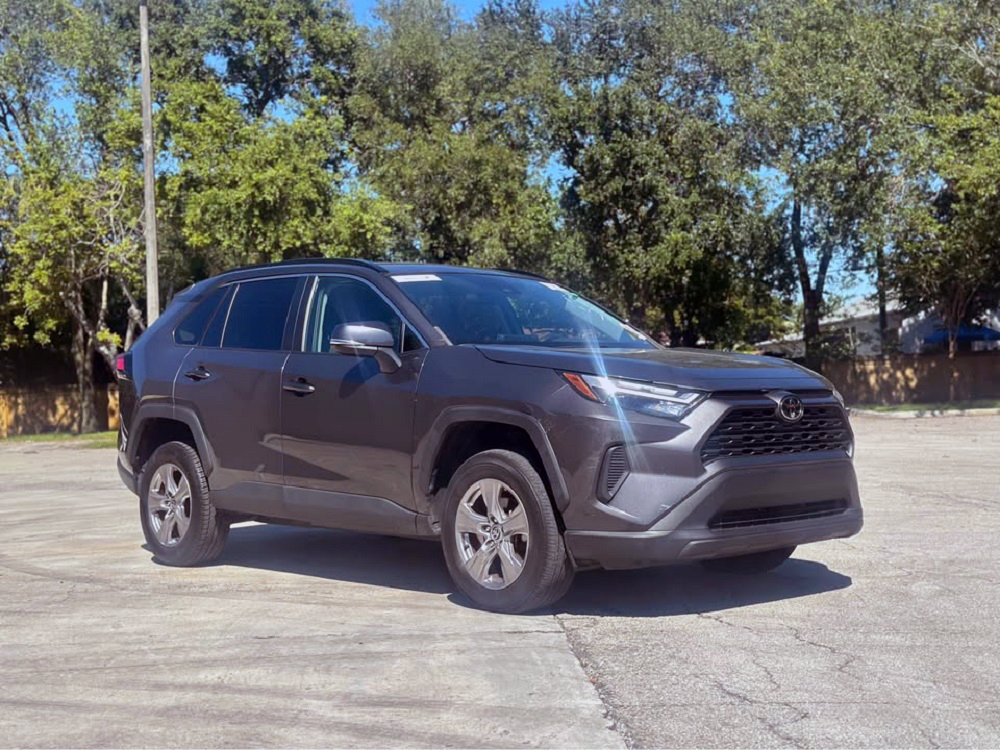
1. The Engine Under the Hood Changes Everything
Match Your RAV4’s Model Year to Its Engine Code
Toyota changed the RAV4’s engines several times, and each has its own weak points. The 2.4L 2AZ-FE arrived in 2004, followed by the 2.5L 2AR-FE in 2009. The 3.5L V6 ran alongside both engines but faced different failures.
| U.S. model years | Engine | Main concern |
|---|---|---|
| 1996-2000 | 2.0L 3S-FE | Timing belt, aging oil seals, and cooling hoses |
| 2001-2003 | 2.0L 1AZ-FE | Age-related leaks; separate from later 2.4L faults |
| 2004-2008 | 2.4L 2AZ-FE | Head-bolt threads on 2004-2005; oil consumption on 2006-2008 |
| 2006-2012 V6 | 3.5L 2GR-FE | VVT-i oil-supply hose and external oil leaks |
| 2009-2018 gasoline | 2.5L 2AR-FE | Startup rattles, water-pump leaks, and oil seepage |
| 2016-2018 Hybrid | 2.5L 2AR-FXE | Hybrid-specific operating behavior and service coverage |
| 2019-2025 gasoline | 2.5L A25A-FKS | Early engine-block recalls, fuel faults, and coolant valves |
| 2019-2025 Hybrid; 2021-2025 plug-in hybrid | 2.5L A25A-FXS | Cooling controls, selected recalls, and cold-weather faults |
Engine codes matter when checking Toyota’s repair bulletins. A 2007 four-cylinder and a 2010 four-cylinder don’t share the same piston repair history. Even gasoline and hybrid versions of the 2.5L can have different bulletin limits.
Early RAV4s Need Belt Records, While New Hybrids Need Time
The original 1996-2000 RAV4 used the 3S-FE, which has a timing belt. A missing replacement record deserves attention, especially on a vehicle approaching 30 years old. Cracked cooling hoses, leaking crankshaft seals, and signs of past overheating also deserve inspection.
Toyota switched to timing chains with later U.S. four-cylinder engines. That removes the scheduled timing-belt replacement job, but chains and tensioners still depend on clean oil. Heavy rattling or poor timing control needs diagnosis.
The 2026 redesign brought another major change. Toyota dropped the gasoline-only engine from the U.S. lineup, keeping hybrid and plug-in hybrid powertrains. The hybrid retains the 2.5L A25A-FXS engine, paired with updated electric-drive hardware.
Toyota’s November 2026 announcement confirmed that the 2027 lineup continues with hybrid and plug-in hybrid power. Carryover engine architecture offers some known service history, but the redesigned vehicles remain too new for long-term reliability claims. There isn’t enough high-mileage evidence to assign the 2026-2027 generation a proven engine-failure rate.
A Stall or Shudder Doesn’t Always Point to Engine Damage
A RAV4 that shakes under light throttle may have a transmission fault. Weak 12V batteries can prevent newer hybrids from starting, while corroded rear high-voltage cables can trigger hybrid warnings. None of those symptoms proves worn pistons, damaged bearings, or a failed head gasket.
A stall needs closer attention. The scan should capture engine and hybrid-control fault codes, operating temperature, and the conditions before shutdown. Replacing engine parts without those findings can leave the actual cause untouched.
Toyota’s 23TA01 / 23V-041 recall shows why that distinction matters. Certain 2021 RAV4 Prime models could lose drive power after prolonged EV operation in cold weather, followed by rapid acceleration. The hybrid-control software could shut down the drive system, creating a crash risk.
Toyota’s remedy updates the hybrid vehicle control ECU. No engine teardown is required for that specific fault. The recall covered approximately 16,680 vehicles, and affected VINs need the software update confirmed in Toyota’s service records.
2. The 2.4L Engine Can Burn Oil or Lose Head-Gasket Pressure
Why 2006-2008 RAV4s Can Burn Oil Without Leaving a Leak
A falling dipstick reading is a familiar warning on the 2006-2008 RAV4’s 2AZ-FE engine. Oil slips past the piston rings and burns inside the cylinders. The engine can consume a quart between oil changes without leaving a drop beneath the vehicle.
The trouble starts with the oil-control rings. Carbon deposits can clog their drain passages, leaving oil on the cylinder walls. Each combustion stroke burns some of that oil. Blue exhaust smoke may appear, but many affected engines show little visible smoke.
Toyota documented this failure in T-SB-0030-15 and introduced revised piston assemblies. The bulletin covers 2006-2008 RAV4s with the 2.4L engine. The repair requires engine disassembly and replacement of the affected pistons and rings.
Before approving that work, the shop should rule out external leaks and a faulty PCV valve. Toyota’s T-SB-0158-14 specifies a measured oil-consumption test over 1,100-1,300 miles. Low oil can starve the crankshaft bearings and camshaft journals, making continued driving risky.
Toyota’s ZE7 Coverage Has Expired, but Repair Records Still Matter
Toyota introduced Warranty Enhancement ZE7 to address excessive oil consumption on qualifying 2AZ-FE engines. The program offered piston-and-ring repairs under specific conditions. Its secondary coverage lasted 10 years from first use or 150,000 miles, whichever came first.
That coverage has expired for affected 2006-2008 RAV4s. A previous repair still matters, especially when comparing used vehicles. Ask for the Toyota invoice showing the revised pistons and rings were installed.
A rebuilt engine or used-engine replacement deserves closer scrutiny. An undocumented swap could introduce another 2AZ-FE with the original piston design. Verify the replacement engine’s history and measure its current oil consumption.
If the dipstick keeps dropping after a documented repair, further testing is needed. Check for oil leaks, crankcase pressure faults, and cylinder wear before another teardown. An illuminated oil-pressure warning calls for an immediate safe stop and engine shutdown.
Stripped Head-Bolt Threads Can Turn a Gasket Repair Into an Engine Job
Some earlier 2.4L RAV4s face a different failure. The aluminum block can lose its grip on the cylinder-head bolts. Once the threads pull out, the bolts cannot maintain proper clamping pressure against the head gasket.
Coolant may then escape externally or enter a combustion chamber. Watch for unexplained coolant loss, rising engine temperature, or persistent white exhaust smoke after warmup. Severe overheating can warp the cylinder head and damage its sealing surface.
Toyota addressed this condition in T-SB-0015-11, which lists 2004-2005 RAV4 applications. The repair calls for threaded inserts in the damaged block, provided the surrounding aluminum remains suitable. This bulletin doesn’t establish the same repair eligibility for every 2002-2007 RAV4.
A new head gasket alone won’t hold if the bolts cannot reach their specified clamping load. The shop must inspect the threads, check the head and block surfaces, and confirm whether inserts can restore the connection.
If the block is too damaged for a reliable thread repair, engine replacement may be necessary. A gasket-only estimate leaves the underlying failure untouched when the head bolts can no longer hold torque.
3. The V6 Oil-Supply Hose Can Turn a Small Leak Into Engine Damage
Early 3.5L V6 Engines Have a Dangerous Oil-Hose Weak Point
The 2006-2009 RAV4 V6 has an oil line worth checking before anything else. Certain 2GR-FE engines used a rubber section in the VVT-i oil-supply hose. Years of heat exposure can weaken that rubber until it cracks or ruptures.
Unlike a slow gasket leak, this hose carries pressurized engine oil. A rupture can release oil rapidly while the engine runs. You may notice oil beneath the vehicle, abnormal engine noise, or a flashing oil-pressure warning.
Toyota addressed the defect through Limited Service Campaign 90K. The campaign covered certain 2006-2009 RAV4 V6 models and replaced the affected hose at no charge. Toyota later extended coverage through December 31, 2021.
That deadline has passed. Check the repair invoice and inspect the installed hose before buying an older V6. A documented campaign replacement also shouldn’t be confused with a later all-metal oil-line upgrade.
If the oil-pressure light comes on, stop safely and shut the engine off. Continued operation can damage the crankshaft bearings and camshaft journals. A ruptured hose can leave the engine without enough oil pressure to protect either.
Timing-Cover Leaks Can Look Worse Than They Are
The 2GR-FE also develops slower oil leaks as its seals age. The timing-chain cover and valve covers are common places to inspect. Oil can run down the block, collect near the oil pan, and make the leak appear lower than its actual source.
A timing-cover reseal can involve substantial labor because of the V6’s tight engine-bay clearance. Before approving that work, the shop should clean the engine and identify the highest wet point. A leaking valve-cover gasket shouldn’t trigger a major timing-cover repair.
Water-pump leaks need separate attention. Coolant escaping from the pump’s mechanical seal may leave pink deposits around its drain opening. Dry residue alone doesn’t prove an active leak.
Toyota’s mechanical water-pump guidance distinguishes old, dry coolant stains from fresh leakage. Wet coolant, falling reservoir levels, or excessive pump-bearing play support replacement. The shop should also check whether the pump pulley turns smoothly.
A dry pink stain with stable coolant levels doesn’t justify replacing the pump by itself. Fresh coolant dripping from the weep hole or a loose pump bearing changes that diagnosis.
4. The 2.5L 2AR Engine Has Its Own Rattles and Leaks
A One-Second Startup Rattle Can Point to a Worn Cam Gear
The 2009-2018 RAV4 uses the 2.5L 2AR-FE, which replaced the oil-burning 2AZ-FE. It avoided the older engine’s widespread piston-ring trouble. Still, some early models developed a sharp metallic rattle during cold starts.
Toyota documented this noise in T-SB-0041-13, covering certain 2009-2012 RAV4s. The sound lasts roughly 1 second immediately after a cold-soak startup. Toyota linked the condition to the camshaft timing gear and prescribed a revised gear assembly.
The bulletin has production-VIN limits, so model year alone doesn’t confirm eligibility. A shop should verify the noise before replacing the gear. The repair involves removing the valve cover and accessing the timing-chain hardware.
A rattle that continues after startup needs a different diagnosis. Low oil pressure, a worn chain tensioner, or damaged timing parts can produce similar sounds. Deep knocking under load also falls outside this bulletin.
Check the oil level and pressure before approving timing repairs. Persistent metallic knocking after the engine warms up deserves further inspection, especially if oil pressure is below specification.
Water-Pump Leaks and Rising Oil Use Need Separate Tests
Water-pump leakage becomes a concern as the 2AR-FE ages. Its mechanical pump can lose coolant through a worn shaft seal. Fresh pink coolant near the pump, falling reservoir levels, or bearing noise can point to failure.
Toyota’s revised T-SB-0103-20 provides guidance for inspecting mechanical water-pump leaks. Dried coolant residue alone doesn’t confirm a failed pump. Active leakage or excessive bearing play gives the shop stronger grounds for replacement.
Oil seepage can also develop around the timing cover, valve cover, and crankshaft seals. Oil running down the block may make the oil pan appear to be leaking. Cleaning the affected area helps identify the actual source before resealing.
High-mileage 2AR-FE engines can also consume oil internally, particularly when piston rings stick or wear. This doesn’t place them under the older ZE7 piston campaign. The 2016-2018 2AR-FXE hybrid also has different operating conditions and bulletin coverage.
Measure oil consumption over a known distance and check the PCV valve and external seals. Compression testing can reveal worn cylinders or valve-sealing problems, but normal compression doesn’t rule out stuck oil-control rings. An engine that keeps losing oil with no visible leak needs a measured consumption test before piston repairs are considered.
5. Newer RAV4 Engines Can Stall or Leak Fuel for Different Reasons
Defective Engine Blocks Put Certain 2019-2020 RAV4s at Risk
Some 2019-2020 RAV4s left the factory with incorrectly manufactured engine blocks. The casting defect can allow coolant to leak inside or outside the engine. Continued coolant loss can cause overheating, abnormal engine noise, and internal damage.
Toyota addressed this through Safety Recall 20TA04 / 20V-064. The recall covered approximately 30,500 gasoline RAV4s and 6,400 RAV4 Hybrids. Most were built between September and December 2019.
A damaged block can cause an engine stall, especially on gasoline-only models. Toyota also identified a fire risk under certain conditions. Warning lights, engine smoke, or rising coolant temperature may appear before severe damage occurs.
The remedy starts with checking the engine block’s casting serial number. If the block is affected, Toyota replaces the engine assembly at no charge. Vehicles outside the defective casting batch require no engine replacement.
A 2019 or 2020 model year alone doesn’t prove the engine is defective. Check the VIN and request the completed recall record. The paperwork should confirm whether Toyota inspected the block or replaced the engine.
A Recalled Fuel Pump Can Stall the Engine Without Warning
Certain 2019-2020 gasoline RAV4s were included in Toyota’s 20TA02 fuel-pump campaign. The associated NHTSA recalls include 20V-012 and 20V-682. The defect affects the low-pressure fuel pump inside the tank.
Its impeller can deform and stop turning properly. Fuel delivery then drops, causing hesitation, rough running, or an engine stall. In some cases, the engine won’t restart.
Toyota’s recall remedy replaces the affected pump with an improved unit. Coverage depends on the VIN, and the campaign’s RAV4 listing shouldn’t automatically be extended to every hybrid. A completed recall repair should appear in Toyota’s service history.
A separate fuel-pressure problem affects certain 2019-2022 RAV4s. Toyota documented it in T-SB-0058-22, which addresses P0087/P008700 and P107A2A.
The fault typically appears above 3,300 feet when outside temperatures exceed 85°F. Drivers may see a check-engine light as fuel pressure drops. Toyota’s fix installs a revised ECM and an improved fuel-suction tube assembly, rather than reflashing the original unit.
This bulletin has production-VIN limits and requires its own diagnosis. Replacing a recalled in-tank pump doesn’t automatically resolve a high-altitude pressure fault.
A Gasoline Smell May Qualify for Extended Fuel-Pump Coverage
A gasoline smell near the engine can point to the high-pressure fuel pump. On some RAV4s, fuel seeps from the pump and produces an odor around the engine bay. The smell may enter the cabin when the ventilation system draws in outside air.
Toyota addressed this through Customer Support Program 23TE01 and T-SB-0008-23. The program includes specified 2019-2022 RAV4 and RAV4 Hybrid models, along with certain RAV4 Primes.
Coverage lasts 10 years from the vehicle’s first-use date, regardless of mileage. Toyota replaces the high-pressure pump when a dealer verifies the covered condition. The program doesn’t cover every source of gasoline odor.
Fuel can also escape through damaged lines, loose connections, or other parts of the fuel system. EVAP faults may produce similar smells without visible liquid fuel. The shop must locate the source before replacing the pump.
Visible gasoline leakage requires shutting the engine off and arranging repair without driving the vehicle. For an eligible RAV4, 23TE01 can still cover a verified high-pressure pump seepage repair within its 10-year window.
6. The Coolant-Bypass Warning Can Point to a Failed Valve
“Engine Maintenance Required” Can Mean a Leaking Coolant Valve
A warning reading “Engine Maintenance Required” can appear on certain 2019-2021 RAV4s. Unlike the routine oil-service reminder, this message can point to a fault in the coolant flow shut-off valve.
Toyota documented the condition in T-SB-0112-24. The bulletin covers specified gasoline and hybrid RAV4s from 2019-2021, plus certain 2021 RAV4 Primes. The key fault codes are P268111 and P268115.
The valve controls coolant flow through part of the engine’s cooling circuit. Toyota says coolant can drip onto other parts of the vehicle, and some vehicles also develop abnormal air-conditioning operation. Technicians commonly find coolant inside the valve’s electrical connector, which fits the short-to-ground and short-to-open codes.
Toyota introduced Customer Support Program 24TE04 to cover verified valve failures. Its mileage-independent primary coverage ended November 30, 2025. Secondary coverage lasts 10 years from first use or 100,000 miles, whichever comes first.
Eligibility depends on the VIN and confirmed failure. An authorized Toyota dealer must verify the condition before replacing the affected valve. Vehicles past 100,000 miles no longer qualify under the secondary mileage limit.
A Faulty Bypass Valve Doesn’t Automatically Mean a Failed Water Pump
The newer A25A-FKS and A25A-FXS engines use an electric water pump. It circulates coolant through the engine, while the flow shut-off valve directs coolant through selected passages. Each part has a separate job.
A P268111 or P268115 code points toward the bypass-valve circuit. It doesn’t prove the electric pump has failed. The shop should inspect the valve connector, wiring, and coolant leakage before replacing parts.
A suspected pump failure needs different checks. A technician should test the pump’s electrical supply, command its operation with a scan tool, and monitor coolant temperatures. Poor circulation or abnormal temperature readings can support further pump diagnosis.
Unexplained coolant loss also needs a pressure test. The shop should inspect the hoses, radiator, water pump, and valve connections before suspecting internal engine damage. An EGR cooler or head gasket deserves attention only when testing points toward that leak path.
Reports of electric water-pump failures don’t establish a fixed replacement interval for every RAV4. Toyota hasn’t identified a universal 100,000-mile replacement requirement for these pumps. A valve-circuit warning alone doesn’t justify replacing the electric water pump.
7. Cold Starts Can Expose Misfires, Milky Oil, and Hidden Leaks
Cold-Weather Misfires Can Stem From to Exhaust Valve Lash Adjusters
Some 2019-2025 gasoline RAV4s develop misfires after sitting overnight in cold weather. The engine may shake briefly after starting, while the check-engine light comes on. Toyota linked certain cases to the exhaust-side hydraulic valve lash adjusters.
The problem appears in T-SB-0010-24 Rev2, which covers specified A25A-FKS engines. Toyota identifies cold-soak starts with coolant temperatures between 14°F and 41°F. Relevant codes include P030000 and P030100-P030400, indicating random or cylinder-specific misfires.
Those codes alone don’t confirm failed lash adjusters. Worn spark plugs, weak ignition coils, and fuel-delivery faults can produce similar symptoms. The shop must check freeze-frame temperatures and complete Toyota’s diagnostic steps before replacing parts.
For confirmed cases, Toyota specifies replacement of the exhaust-side hydraulic lash adjusters. The bulletin doesn’t automatically apply to RAV4 Hybrids with the A25A-FXS engine.
Toyota lists the repair under its 5-year/60,000-mile powertrain warranty when the specified conditions are met.
Milky Oil After Freezing Short Trips Can Trigger a Pressure Warning
Repeated short winter trips can leave moisture trapped inside the engine oil. The engine never stays hot long enough to evaporate all the condensation. In extreme cold, that moisture can freeze and interfere with oil circulation.
Toyota documented this condition in T-SB-0104-21 Rev2, which covered specified 2019-2024 RAV4, RAV4 Hybrid, and 2021-2024 RAV4 Prime models. Toyota declared that bulletin obsolete in February 2026, so treat it as a description of the condition rather than a current repair program.
Two codes deserve attention. P05202A points to an oil-pressure sensor signal stuck within its operating range. P052477 indicates severely low engine oil pressure.
A creamy deposit beneath the oil filler cap doesn’t always mean coolant has entered the engine. Short trips can leave condensation near the cap while the sump oil remains normal. Milky oil on the dipstick needs closer inspection, especially if coolant levels are falling.
Check the coolant reservoir and investigate possible internal leakage before blaming condensation. If the oil-pressure warning appears while driving, stop safely and shut off the engine. Frozen moisture can restrict oil flow enough to damage bearings and camshaft journals.
Some 2023-2024 RAV4s Leak Oil at the Lower Crankcase Joint
An oily undertray on a newer RAV4 can hide a leak at the oil-pan seam. Certain 2023-2024 gasoline and hybrid models develop seepage between the oil-pan subassembly and stiffening crankcase.
Toyota addressed this through T-SB-0096-24. The bulletin applies to specified A25A-FKS and A25A-FXS engines built before listed production VIN cutoffs. The affected joint uses liquid gasket sealant to keep engine oil inside.
Over time, a compromised seal can let oil collect along the lower crankcase. Road airflow may spread that oil across nearby surfaces. The resulting stain can make the leak appear larger or farther from its source.
Oil can also run down from the cam housing, valve cover, or timing cover. A shop should clean the engine and trace fresh oil before removing the pan. A wet undertray alone cannot identify which seal has failed.
Toyota’s prescribed repair removes the oil-pan subassembly, cleans the mating surfaces, and applies fresh sealant. The bulletin doesn’t call for automatic pan replacement.
If the leak originates above that joint, T-SB-0096-24 doesn’t apply. The repair must target the actual leaking seal.
8. International RAV4 Engines Have Their Own Expensive Weak Points
The 2.2L Diesel Can Burn Oil and Damage Its Head Gasket
Outside North America, Toyota sold the RAV4 with 2.2L diesel engines. The 2AD-FTV and 2AD-FHV appeared in third- and fourth-generation models. Both have a documented history of oil consumption, carbon buildup, and head-gasket trouble.
Excess oil consumption can leave heavy carbon deposits on the pistons and inside the exhaust-gas recirculation (EGR) circuit. Deposits can clog the EGR valve, cooler, and intake passages. Some engines also develop head-gasket damage and overheating.
A falling coolant level deserves attention, especially when paired with hard cooling hoses or rising engine temperature. Persistent white exhaust vapor after warmup may indicate coolant entering a cylinder. Oil consumption and coolant loss should be measured separately before blaming the head gasket.
Toyota acknowledged these problems in its archived WB553 warranty bulletin. It addressed excessive oil consumption, carbon-related head-gasket failures, and associated EGR or exhaust-treatment faults.
The bulletin covered 2AD-equipped RAV4s built from July 2005 through December 2008. Its historical coverage extended to 7 years or 180,000 km, whichever came first. Vehicles also needed a qualifying complaint and reasonable maintenance history.
Those limits have long expired. The bulletin doesn’t establish free repairs for every later 2.2L diesel. A used RAV4 with unexplained coolant loss needs a pressure test, while heavy oil consumption warrants measured testing before major engine work.
The 2.0L Badge Can Hide Three Very Different Engines
A 2.0L badge tells you little about the engine fitted to an international RAV4. Toyota used several gasoline and diesel designs with different maintenance needs and failure patterns.
Earlier diesel models used the 1CD-FTV. EGR fouling can restrict airflow and reduce power as soot accumulates. Before replacing expensive fuel-injection parts, the shop should check intake restrictions, EGR operation, and stored fault codes.
Toyota later introduced the BMW-sourced 2WW diesel in European RAV4s from 2015 through 2018. Its service schedule differs from earlier Toyota diesels. Toyota UK specifies servicing every 12,500 miles or 12 months, compared with 10,000 miles or 12 months for the older 2.2L diesel.
Gasoline models bring another distinction. The 3ZR-FAE uses Toyota’s Valvematic variable valve-lift mechanism. Its actuator changes how far the intake valves open, helping control airflow without relying solely on the throttle plate.
A failing Valvematic actuator can cause reduced power, uneven acceleration, or a check-engine warning. Wiring faults and poor electrical connections can produce similar behavior. A technician should read the stored codes and test actuator operation before replacing the assembly.
Later global RAV4 models also offered the 2.0L M20A-FKS gasoline engine. Its Dynamic Force design differs from the older 3ZR-FAE. Repairs and bulletins written for other M20A-equipped Toyotas shouldn’t automatically be applied to the RAV4.
For a used import, confirm the engine code before ordering parts or approving major work. A Valvematic actuator diagnosis applies to the 3ZR-FAE, while the BMW-sourced 2WW requires its own diesel-specific service procedures.
9. Repair Costs and Maintenance That Can Save Your RAV4 Engine
Short Trips and Heavy Use Can Cut Oil Service Intervals in Half
Oil changes matter most when the engine runs hot, cold, or under heavy load. Repeated short trips can leave fuel and moisture in the oil. Long periods of idling also expose the engine to wear that mileage alone doesn’t show.
Toyota’s 2024 RAV4 Hybrid maintenance guide sets normal oil-and-filter changes at 10,000 miles or 12 months. Certain driving conditions shorten that interval to 5,000 miles or 6 months. These include repeated trips under 5 miles in freezing weather, specified heavy loading, and extensive idling or low-speed operation.
Use the oil viscosity listed in your exact model-year owner’s manual. Earlier 2AR engines and newer A25A engines have different lubrication requirements. The wrong oil grade can affect cold-start flow and variable valve timing.
Coolant service has its own schedule. For the 2024 RAV4 Hybrid, Toyota specifies the first engine-coolant replacement at 100,000 miles or 120 months. Later replacement intervals are shorter.
Fresh oil can’t repair damaged block threads, worn piston rings, or a leaking fuel pump. A low-pressure warning still requires an immediate safe stop, even if the oil was changed yesterday.
Water Pumps and Head Gaskets Can Carry Very Different Repair Bills
Repair costs change sharply with the engine, model year, and labor involved. Replacing an accessible water pump costs far less than opening an engine to repair a failed head gasket.
RepairPal published these U.S. estimates on September 3, 2026.
| Repair example | Estimated cost | What to check |
|---|---|---|
| 2018 RAV4 water-pump replacement | $531-$711 | Engine fitment and active coolant leakage |
| 2020 RAV4 water-pump replacement | $763-$957 | Gasoline or hybrid pump application and coolant service |
| 2005 RAV4 head-gasket replacement | $1,707-$2,271 | Cylinder-head bolt threads and sealing surfaces |
| 2020 RAV4 head-gasket replacement | $3,632-$4,932 | Confirmed internal coolant leakage before teardown |
These estimates can change with labor rates, location, taxes, and additional engine damage. A 2005 RAV4 with stripped block threads may need inserts or a replacement block. The published head-gasket estimate doesn’t guarantee that work is included.
Piston-and-ring repairs on the older 2AZ-FE are also labor-heavy. Toyota’s T-SB-0030-15 assigns 15.6 warranty labor hours for a 2WD RAV4 and 16.3 hours for 4WD. Those figures describe Toyota’s warranty repair allowance, not a guaranteed customer-pay estimate.
The bill can grow further if the shop finds scored cylinder walls, worn bearings, or damaged sealing surfaces. Ask for a written labor and parts breakdown before authorizing engine disassembly.
When a Targeted Repair Makes Sense and When the Engine Is Finished
A confirmed coolant valve, water pump, oil hose, or cam timing gear failure usually supports a targeted repair. The shop should identify the failed part and check for damage caused by the fault. Replacing an entire engine for an isolated coolant-bypass valve failure would be excessive without further evidence.
Internal damage changes the calculation. Scored cylinders, bearing debris in the oil, stripped head-bolt threads, and warped sealing surfaces can make a rebuild much more expensive. A failed head gasket also needs a check for overheating damage before reassembly.
A replacement engine may cost less than repairing extensive internal damage. But a used engine can carry the same weakness as the original, especially an unrepaired 2AZ-FE. Ask for its donor mileage, engine code, repair history, and warranty terms.
The installation quote should also cover fluids, required programming, and related seals. Check whether the warranty pays for labor if the replacement engine fails. Some warranties cover only the engine itself, leaving you responsible for removal and installation.
Before approving a rebuild or engine swap, require evidence of the damage. Cylinder measurements, oil-pressure readings, cooling-system pressure tests, or photographs of damaged parts can support the estimate. A parts-only warranty can leave you paying the full installation bill twice.
Sources & References
- Toyota Celebrates 25 Years of the RAV4 in North America
- The Next Adventure Begins: 2026 RAV4 Arrives This Winter
- 2027 Toyota RAV4 Builds on a Fully Electrified Formula
- Toyota Limited Service Campaign for VVT-i Oil Line
- Toyota Limited Service Campaign 90K Extension: VVT-i Oil Hose Dealer Letter
- Toyota Warranty Enhancement ZE7: 2AZ-FE Excessive Oil Consumption Dealer Letter
- Toyota T-SB-0030-15: 2AZ-FE Engine Oil Consumption
- Toyota T-SB-0158-14: 2AZ-FE Engine Oil Consumption Inspection Procedure
- Toyota T-SB-0094-11 Rev2: 2AZ-FE Engine Oil Consumption
- Toyota T-SB-0015-11: Cylinder Head Bolt Threads Damaged (2AZ-FE)
- Toyota T-SB-0041-13: Brief Engine Knock/Rattle Noise at Cold Startup (1AR/2AR)
- Toyota T-SB-0103-20 Rev1: Water Pump Leak Inspection and Diagnostic Tips
- NHTSA Safety Recall 20V-064: Engine Block Coolant Leak, 2019-2020 RAV4
- Toyota Defect Information Report for Recall 20TA04 / 20V-064
- Toyota Safety Recall 20TA02 (20V-012 and 20V-682) Remedy Notice and FAQ
- Toyota T-SB-0058-22 Rev1: MIL ON With DTCs P0087, P008700 and/or P107A2A
- Toyota Customer Support Program 23TE01: Fuel Odor From the High-Pressure Fuel Pump
- Toyota T-SB-0112-24: Engine Maintenance Required Message With DTCs P268111 and/or P268115
- Toyota Customer Support Program 24TE04: Engine Coolant Flow Shut-Off Valve
- Toyota T-SB-0010-24 Rev2: MIL ON With Misfire DTCs After Cold Soak
- Toyota T-SB-0104-21 Rev2: Low Oil Pressure DTCs and Milky Engine Oil in Freezing Temperatures
- Toyota T-SB-0096-24: Oil Leak Between Oil Pan Sub-Assembly and Stiffening Crankcase Assembly
- Toyota Warranty Bulletin WB553: AD Engine Out of Warranty Guidelines
- Toyota Launches D-4D Diesel Engine for RAV4
- Toyota RAV4 Service Intervals: All Models Covered
- Toyota T-SB-0098-19: MIL ON With Valvematic DTCs (3ZR-FAE)
- Toyota Global Newsroom: All-New RAV4
- 2024 RAV4 Hybrid Warranty and Maintenance Guide
- 2024 RAV4 Owner’s Manual
- 2018 RAV4 Owner’s Manual
- RepairPal: 2018 Toyota RAV4 Water Pump Replacement Cost
- RepairPal: 2020 Toyota RAV4 Water Pump Replacement Cost
- RepairPal: 2005 Toyota RAV4 Head Gasket Replacement Cost
- RepairPal: 2020 Toyota RAV4 Head Gasket Replacement Cost
- Toyota Safety Recall 23TA01: Engine Control Unit Software May Cause Stall, 2021 RAV4 Prime
- Toyota S Engine: Timing Belt Design