
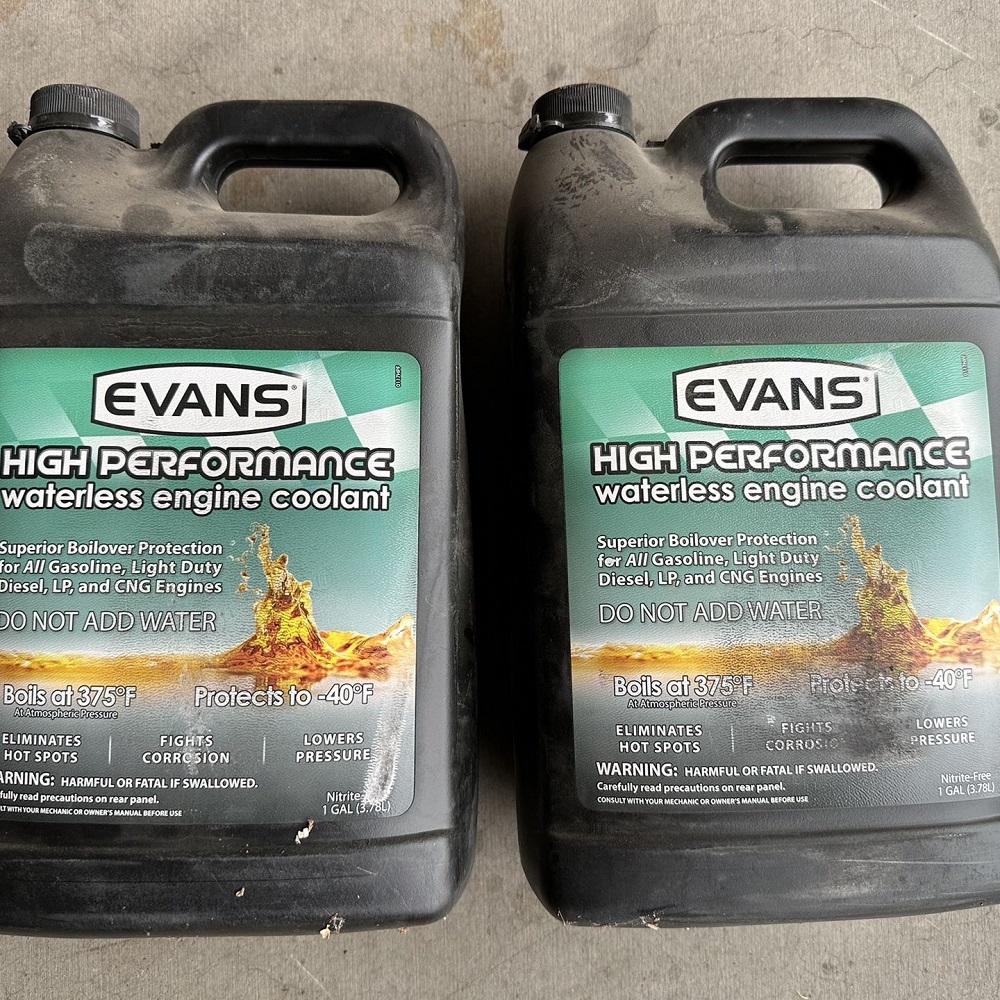
Switching to Evans Waterless Coolant might sound like the perfect solution for eliminating common cooling issues like rust, pressure buildup, and frequent changes.
However, many drivers encounter unexpected challenges, such as a complex conversion process or performance concerns in extreme temperatures.
If you’re wondering whether the benefits outweigh the potential headaches, keep reading to see what you can expect and how to overcome the most common issues.
1. Detailed Conversion Process
Switching to Evans Waterless Coolant is not straightforward. Unlike traditional coolants, even a small amount of water left in the system can compromise its performance.
This makes it essential to thoroughly remove all traces of water before adding Evans. The company recommends using Evans Prep Fluid to absorb and flush out any remaining moisture, ensuring a pure, waterless environment.
This process can be challenging for those converting older vehicles, where water may remain trapped in hoses, heater cores, or radiators.
A flush with the prep fluid often isn’t enough, requiring multiple attempts to completely dry out the system. This adds to both the time and cost.
Failure to remove all water can diminish the cooling benefits, potentially leading to overheating or reduced boiling point advantages. Some users have reported needing several tries to get it right, which can become irritating and expensive.
2. High Costs
Evans Waterless Coolant is significantly more expensive than traditional coolants, with a price per gallon that can be three to four times higher.
Many vehicles need multiple gallons, which quickly drives up the initial investment. Using the Evans Prep Fluid to ensure a water-free system further increases the overall cost.
Hiring a professional mechanic to complete the process can become an added expense for those who prefer not to handle the conversion themselves.
This means that switching to Evans can be prohibitive for many, particularly everyday drivers accustomed to the lower prices of conventional coolants.
Although Evans’s longer lifespan may help offset these initial expenses, the upfront investment is a significant consideration, especially for those who don’t need the extended benefits for everyday driving.
3. Struggles in High Heat
Evans Waterless Coolant is marketed for its high boiling point, aiming to prevent boil-overs even in harsh conditions.
However, some users have found that while it prevents boiling, it doesn’t cool as efficiently as water-based options. Traditional coolants can absorb and transfer heat more effectively, a difference that becomes critical in very hot environments.
Owners of high-performance vehicles, trucks, and motorcycles have observed that their engines run hotter with Evans, especially in places with extreme summer temperatures like Arizona or Nevada.
While the coolant itself does not boil over, the engine’s overall temperature remains higher, negatively impacting performance and fuel efficiency.
This has led some drivers to return to water-based coolants, seeking better heat management for high-temperature conditions.
4. Higher Engine Temperatures and Wear
Evans Coolant’s ability to let engines run hotter without boiling can seem beneficial, but it has raised concerns among mechanics and users.
Higher operating temperatures may increase wear on components like valve seats, piston rings, and seals—especially in older engines that weren’t designed for such conditions.
These higher temperatures can also cause engine oil to break down more quickly, which may require more frequent oil changes.
Users who have closely monitored their oil quality after switching to Evans have noticed quicker degradation, suggesting that the engine is under more thermal stress.
Although Evans prevents boil-overs, the downside might include increased wear and maintenance, particularly for older cars where replacing parts can be more challenging.
5. Compatibility Issues
Evans Waterless Coolant is often recommended for classic cars, as it can prevent the corrosion problems associated with water-based coolants. However, some owners of older cars have faced issues after switching, such as more noticeable leaks.
The lower surface tension of Evans Coolant can make small leaks more severe, especially in engines with older seals and gaskets.
Modern vehicles may also encounter compatibility issues. Cars with advanced cooling systems designed for precise temperature management might not work as well with Evans.
Some newer vehicles have shown higher engine temperatures after switching to Evans, prompting owners to return to traditional coolants that match the vehicle’s specific needs.
6. Slow Warm-Up in Cold Weather
The thermal properties of Evans Coolant mean that it takes longer to warm up than water-based options. This can be a disadvantage in colder climates where rapid warm-up times are essential for engine efficiency and driver comfort.
Drivers in places like Minnesota, Michigan, and Canada have reported that their vehicles take longer to reach operating temperatures after switching to Evans.
This can delay the time it takes for cabin heaters to start working, making it less comfortable during cold winter mornings.
Some users have switched to traditional coolants during winter for quicker warm-up times and better overall comfort.
7. Warranty Concerns
Using Evans Coolant in newer vehicles can create concerns regarding warranties. Many manufacturers specify which type of coolant should be used, and deviations from these guidelines could potentially void warranty coverage.
This is particularly concerning if a cooling-related part, like the radiator or water pump, fails while using an unapproved coolant.
There have been instances where users’ warranty claims were denied after switching to Evans, especially if a part failure could be attributed to the coolant choice.
This risk has led many owners of newer vehicles to avoid using Evans, even when intrigued by its long-term benefits.
8. Air Pockets and Circulation Problems
Switching to Evans requires careful attention to removing air pockets from the cooling system. Trapped air can cause poor circulation, leading to localized overheating or temperature fluctuations.
Bleeding the system thoroughly after adding Evans is critical but challenging for those less familiar with cooling system maintenance.
Many users, especially those who attempted the conversion themselves, have reported ongoing issues with trapped air that caused inconsistent engine temperatures.
This can lead to multiple attempts to fully purge the air from the system, adding to the time and effort required for a successful conversion.
9. High Viscosity in Cold Starts
Evans Coolant has a thicker consistency than traditional coolant, particularly in colder temperatures. This higher viscosity can place additional strain on the water pump during startup, making it more difficult for the coolant to circulate through the engine initially.
Some users have noticed their water pumps working harder and making more noise during cold starts, suggesting an increased effort to push the thicker fluid.
Over time, this additional strain could reduce the water pump’s lifespan, particularly in regions where cold starts are common.
10. Difficult Reversion Process
Switching back to a traditional coolant after using Evans is not simple. The system must be thoroughly flushed to remove all traces of the waterless coolant, as even small remnants can interfere with the new coolant’s performance.
This often means draining and refilling the system several times with distilled water or a flushing agent.
Users who have decided to revert to traditional coolants often describe the process as time-consuming and challenging.
Multiple flushes can be required to ensure that the cooling system is free of any remaining Evans Coolant, and sometimes, even professional help is needed.
This complex process can discourage drivers from switching to Evans, as the prospect of reverting can seem like a significant hassle.
Conclusion
Evans Waterless Coolant offers benefits like a high boiling point and protection against corrosion, but it also brings challenges. The conversion process is demanding, and the product costs significantly more than traditional coolants.
Problems like overheating in hot weather, slower warm-ups in cold climates, and compatibility concerns with certain engines have caused some users to switch back to conventional options.
While it can be an excellent fit for those dealing with corrosion-prone systems or looking for long-term coolant solutions, it may not suit those who prefer a more straightforward, cost-effective approach to engine cooling.
Thank you for gathering this information. Jay Leno’s Garage features Evans Waterless Coolant and no drawbacks are ever mentioned. I appreciate your efforts to educate people about it.
Thanks! Glad it helped, appreciate you reading.