
Toyota trucks are known for lasting forever—but what happens when the frame holding everything together starts falling apart? That’s exactly what Tundra owners faced when severe rust issues turned into a safety risk.
Some frames corroded to the point of cracking near suspension mounts and crossmembers, leading Toyota to step in with frame replacements and rust treatments.
But not every owner had the same experience—some got brand-new frames, while others were left frustrated when their trucks didn’t qualify. So, what went wrong, and how did Toyota handle it? Let’s break it down.
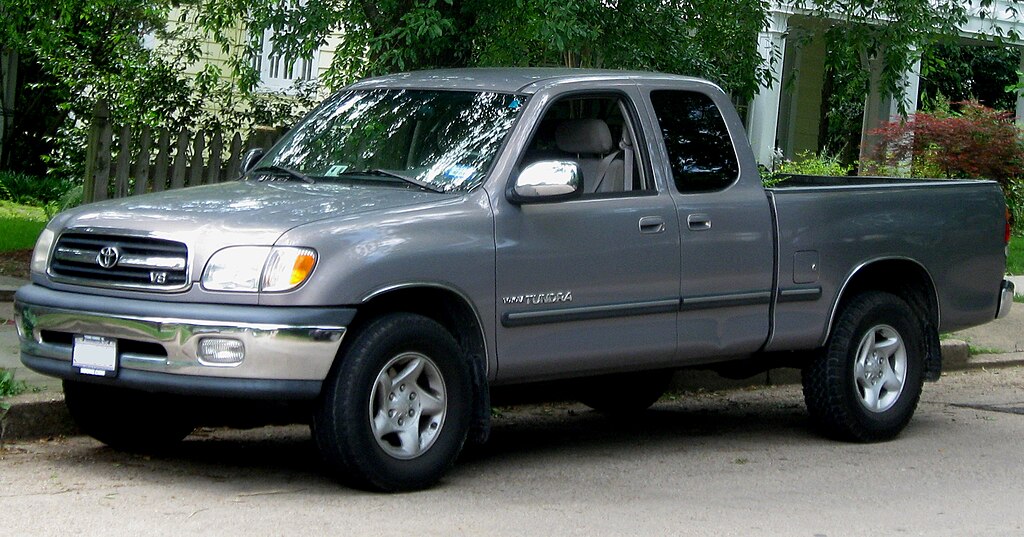
1. Toyota Tundra Frame Recall: What Went Wrong and How Toyota Responded
What Led to the Recall?
It started with rust—way more than there should have been on trucks that weren’t even that old. Owners began noticing corrosion spreading across their frames, especially in areas exposed to winter road salt. In some cases, the rust got so bad that parts of the frame weakened or even cracked, leading to serious safety concerns.
This wasn’t just a cosmetic issue. Some Tundras developed rust near suspension mounting points, crossmembers, and fuel tank supports, which put structural integrity, handling, and even fuel safety at risk. It wasn’t long before Toyota had to acknowledge the problem.
The issue wasn’t entirely new—Toyota had already dealt with frame rust recalls on Tacoma and Sequoia models, tracing the root cause back to Dana Holding Corporation.
Issues with the anti-corrosion coating left the steel more vulnerable than expected, especially in cold-weather states where road salt accelerates the problem.
Which Tundras Were Affected?
At first, Toyota focused on 2000–2003 Tundras, launching an official recall. However, as complaints kept rolling in, the issue expanded to include later models.
Some 2004–2006 trucks also qualified under an extended Customer Support Program (CSP), which provided repairs or full frame replacements for trucks showing serious corrosion.
Even some 2007–2008 models were included, though not under an official recall. Instead, Toyota handled them through extended warranties, meaning eligibility depended on dealer inspections.
It should be noted, however, that the 2007–2008 Tundras were also covered under the 2016 $3.4 billion class-action lawsuit settlement – along with 2005–2010 Tacomas and 2005–2008 Sequoias – providing frame replacements and reimbursement for past repairs, with eligibility ending in March 2020.
In these cases, owners received replacement frames through the settlement, not via an official recall. Trucks from “Salt Belt” states—where winter road salt is common—were the main focus, but some owners outside those areas also qualified.
However, it’s important to note that frame issues were reported nationwide. Some owners outside the Salt Belt experienced advanced rust and, due to Toyota’s regional priority system, were denied repairs even when rust was significant, causing considerable frustration.
Toyota’s response was a mix of full-frame replacements and rust-proofing treatments, but how well that worked depended on how bad the rust had already gotten.
2. Why the Frames Rusted Prematurely
Frame Coating and Manufacturing Deficiencies
Rust is expected over time, but Tundra frames weren’t just rusting—they were breaking down years earlier than they should have. The root cause? A flawed anti-corrosion process during manufacturing.
As mentioned earlier, Toyota outsourced the frames to Dana Holding Corporation—the same supplier responsible for frame issues in the Tacoma and Sequoia models. In some cases, the protective coating was too thin or improperly applied, leaving the steel exposed.
Once moisture and road salt started seeping into unprotected areas, corrosion spread fast—especially in welded seams and crossmembers where water could collect.
Toyota had designed the frame to be strong and rigid, but the coating failure turned it into a liability. What should have been a decades-long lifespan turned into a safety hazard within just a few years.
The Weakest Points: Where the Rust Hit Hardest
Some parts of the frame were more vulnerable than others.
• Rear Crossmember & Spare Tire Area – One of the first spots to go. Excessive rust here weakened the structure holding the spare tire and, in some cases, caused it to fall off entirely while driving.
• Side Rails & Suspension Mounts – Since these sections carry the truck’s weight, corrosion here directly impacted handling and stability. Some owners noticed a wandering steering feel before realizing their frame was deteriorating.
• Front Suspension Mounts – Although not as common, rust near the front suspension raised concerns about long-term safety. A weakened frame here could affect alignment and steering response.
Once rust took hold in these key areas, the truck’s entire structural integrity was at risk. That’s why Toyota had no choice but to offer frame replacements for severely affected vehicles.
3. Diagnosing a Rust-Compromised Frame
How to Spot the Warning Signs
For some Tundra owners, the problem was obvious—large flakes of rust peeling off the frame, visible holes, or even entire sections that looked paper-thin. In other cases, corrosion was hiding underneath layers of dirt and factory undercoating, making it harder to spot.
A simple visual inspection can reveal a lot. Common red flags include:
• Heavy rust buildup near crossmembers and welds
• Peeling or bubbling undercoating—a sign that rust is forming underneath
• Flaking metal or soft spots when touched
For a more thorough check, some owners use the mallet test. A few solid taps with a rubber mallet can tell you if the metal is still strong—or if it’s already turned brittle. A hollow, cracking, or crumbling sound usually means the frame is compromised.
What Happens During a Dealer Inspection?
Toyota dealerships used a standardized inspection process to determine whether a Tundra’s frame qualified for repair or replacement. The main tool? A measurement template that checked metal thickness.
The key benchmark was the 10mm rule—if rust perforation in any critical area was larger than 10mm (about the size of a pencil eraser), Toyota classified the frame as structurally compromised and eligible for a full replacement.
If the rust hadn’t reached that level yet, the truck might still qualify for rust-proofing treatment, but not a new frame. This led to frustration for some owners, especially those who could see the problem getting worse but were told their truck didn’t meet Toyota’s criteria—yet.
4. Toyota’s Fix: Frame Replacements and Rust Treatments
Full Frame Replacement—A Second Life for the Tundra
For trucks with severe rust perforation, Toyota didn’t just patch things up—they replaced the entire frame. This was one of the most extensive recall repairs ever offered, essentially giving affected Tundras a brand-new foundation at no cost to the owner.
The process wasn’t simple. To swap out the frame, technicians had to:
• Lift the entire cab and bed off the old frame
• Remove the engine, transmission, suspension, and fuel system
• Reassemble everything onto a brand-new OEM frame
It was a labor-intensive job, sometimes taking days or even weeks, depending on dealer workload. However, for owners who qualified, it was the best possible outcome—a fresh frame with a new anti-corrosion coating that could potentially extend the truck’s lifespan for decades.
Corrosion-Resistant Coating—A Partial Fix
Not every truck got a new frame. If the rust hadn’t yet eaten through the metal, Toyota applied a protective corrosion-resistant compound designed to slow further damage.
While this seemed like a reasonable solution, the results were mixed. Some owners reported that the coating peeled off prematurely, allowing rust to continue spreading.
Multiple owners reported that in several cases, the rust-proofing treatment failed within a few years, with rust reappearing beneath the coating and causing further structural concerns.
Challenges and Delays in the Recall Process
While Toyota’s response was generous, the recall process wasn’t without headaches.
• Long Wait Times – Frame replacements were labor-intensive, and during peak recall periods, some dealerships faced months-long backlogs due to parts shortages.
• Limited Dealer Capabilities – Not all Toyota dealers had the right equipment to perform full-frame swaps, forcing some owners to wait longer or visit specialized locations.
• Disputed Eligibility – Some owners were frustrated when their trucks didn’t qualify, even though they had visible rust. If the perforation wasn’t large enough at the time of inspection, they were only offered rust-proofing instead of a full replacement.
The strict 10mm rule meant that even visibly advancing rust was sometimes dismissed as insufficient for replacement, leaving owners with no recourse once the CSP period ended.
For those who did get a new frame, the recall was a huge win—it gave their truck a second life. But for those left in limbo with only partial repairs or rejected claims, the process felt less reassuring.
5. Legal Action and Toyota’s Response
The Class-Action Lawsuit That Forced Toyota’s Hand
By the time Toyota officially addressed the Tundra frame rust issue, owners had been dealing with serious corrosion problems for years. Some had already paid thousands out of pocket for frame repairs, while others had barely roadworthy trucks. The frustration boiled over into legal action, leading to one of the biggest automotive settlements in history.
In 2016, Toyota settled a $3.4 billion class-action lawsuit covering frame rust issues in Tacoma, Sequoia, and Tundra models. The lawsuit argued that Toyota knew about the premature frame corrosion but failed to take action quickly enough. As part of the settlement, Toyota agreed to:
• Inspect and replace frames at no cost for affected owners
• Reimburse customers who had already paid for frame repairs before the recall
• Owners who paid for frame replacements out-of-pocket before January 3, 2017, were eligible for reimbursement; however, some encountered difficulties if repairs were performed by independent shops instead of authorized Toyota dealerships due to strict documentation requirements.
• Extend rust-related warranty coverage for certain vehicles
While this was a win for many owners, the reality was not every claim was honored. Some Tundra owners reported their trucks didn’t meet Toyota’s repair criteria, even though rust was clearly advancing.
Others had trouble getting reimbursement, especially if they had repaired their frame at an independent shop rather than through Toyota.
Toyota’s Long-Term Strategy: Damage Control and Reputation Repair
Toyota has always been known for reliability, and a widespread frame rust scandal threatened that reputation. The company’s response—offering full-frame replacements, extending warranties, and settling lawsuits—was one of the most aggressive recall actions in the industry.
For many owners, it restored confidence in their truck, especially those who received a completely new frame. But for others who missed the recall window, got denied a replacement, or dealt with long wait times, the process wasn’t as reassuring.
Toyota eventually phased out the problematic frame coatings, and newer Tundras (post-2010) have improved rust protection. However, for owners of older models, this recall remains one of the most significant—and controversial—fixes Toyota has ever had to roll out.
6. The Pros and Cons of Toyota’s Frame Recall
What Owners Gained
For many Tundra owners, the recall was a huge win. If their truck qualified, they got a completely new frame installed for free, essentially resetting the clock on their vehicle’s lifespan.
• No-Cost Frame Replacements – Owners who qualified got a brand-new OEM frame, which could have easily cost $10,000+ if done out of pocket.
• Extended Truck Lifespan – Trucks with fresh frames had a second life, avoiding structural failures that could have led to early retirement.
• Stronger Resale Value – A Tundra with a new frame under warranty became far more attractive in the used truck market.
• Extended Warranty Coverage – Some owners received a 15-year extended warranty on the replacement frame, offering peace of mind.
For those lucky enough to get a frame swap, the recall turned a rusted-out liability into a truck that could last another 10–15 years.
The Downsides of the Recall
Not everyone had a smooth experience. While Toyota covered a huge number of repairs, some owners were left frustrated by eligibility restrictions, repair delays, or partial fixes.
Certain Tundra owners struggled to get reimbursement for prior repairs, especially if the work had been done by independent shops rather than Toyota dealers.
• Long Repair Wait Times – Some dealerships had months-long waitlists for frame replacements, leaving owners stuck with an unsafe or undrivable truck.
• Limited Dealer Capability – Not every Toyota dealer had the right equipment or training to perform frame swaps, leading to delays or owners being sent to specific locations.
• Not All Trucks Qualified – Some Tundra owners, especially in non-Salt Belt states, weren’t included in the recall—even if they had visible rust issues. Others were told their truck wasn’t corroded “enough” to qualify for a frame replacement, leading to frustration.
• Mixed Results from Rust Coatings – For trucks that didn’t meet the replacement threshold, Toyota applied a corrosion-resistant treatment instead. Some owners found this effective, while others reported it wore off within a few years, allowing rust to keep spreading.
While Toyota took major steps to fix the issue, the recall process wasn’t perfect. Some owners ended up with delays, denied claims, or incomplete fixes, which made the experience feel like a lottery rather than a guaranteed solution.
Final Verdict: What This Recall Means for Tundra Owners
Act Fast on Inspections
If you own a 2000–2008 Toyota Tundra, getting a frame inspection is essential—especially if you live in an area where road salt is common. Even though the recall period has ended for some trucks, catching rust early can help you decide whether further treatment or repairs are needed to extend your truck’s lifespan.
Post-Repair Confidence
For many owners, the recall completely changed their truck’s future. Getting a brand-new frame for free wasn’t just a quick fix—it was an upgrade that ensured their Tundra could keep going for years. Those who qualified for full replacements got the best possible outcome.
For those who only received rust coatings or were denied repairs, the situation was less reassuring. Some had to seek alternative rust-proofing solutions on their own, while others ended up selling their trucks before the frame became a bigger issue.
It is also worth noting that while replacement frames feature improved corrosion-resistant coatings, long-term durability remains uncertain as comprehensive data on their longevity is still forthcoming. Toyota phased out the problematic coatings in later models, so Tundras, from 2010 onward, generally have far better frame durability.
Long-Term Durability
Toyota learned a hard lesson from this recall, and newer Tundra models now feature better rust-proofing from the factory. While early 2000s models had serious corrosion problems, routine undercarriage cleaning, rust prevention treatments, and regular frame inspections remain the best ways to avoid future surprises.
The recall was one of the most extensive ever, but it wasn’t a cure-all for every owner—yet for those who got a new frame, it was a game-changer.
I have a 2008 Tundra from Nova Scotia, Canada. Can I get some help with the frame or undercoating? Should I have my Toyota dealer do an inspection for Rust damage and does it cost anything for the inspection?
Thanks
Tom
Hi Tom,
Yeah, I’d have the dealer look at the frame before putting any new undercoating on it. In a place like Nova Scotia, coating over rust that’s already started can hide the problem and sometimes make it worse.
The first move is to run your VIN through Toyota’s recall page or have the dealer check it for you. For a 2008 Tundra in 2026, the old frame coverage that helped a lot of owners is likely past its window, so a full frame replacement is probably not something Toyota will automatically cover unless your VIN still shows an active program.
That said, open safety recalls are a different story. If your VIN still has a corrosion-related recall open, Toyota should inspect and repair that part at no charge. If there are no open campaigns, then the dealer will usually treat it like a normal paid inspection, so it’s smart to ask about the cost before you book it.
When you call, I’d keep it simple. Ask if your VIN has any open recalls or campaigns tied to frame rust, spare tire carrier corrosion, or fuel tank strap corrosion. If not, ask what they charge for a proper frame safety inspection.
If the frame checks out and you want to protect it, I’d lean toward an oil-based undercoating instead of a thick rubberized one. In salty coastal climates, the oil-based stuff tends to age more honestly, while rubberized coatings can crack and let rust creep underneath where you can’t see it.