
Flare on the 2–3 shift. Bang into Drive. Feels like someone bumped the rear bumper. That’s how many Tahoe transmissions start to go. Since 1992, Chevrolet has moved the Tahoe from simple 4-speeds to tightly packed 10-speeds chasing mileage and tow ratings.
The early 4L60-E units break in known ways. The 6L80 brings converter shudder and internal wave-plate failures. The 8L90 adds the “Chevy Shake” and fluid drama. The 10-speed introduces valve wear, limp modes, and even rear-wheel lock recalls under campaigns like 26V085.
This guide tracks what fails, why it fails, and which years carry real risk. It also shows what fixes last and what simply resets the clock.
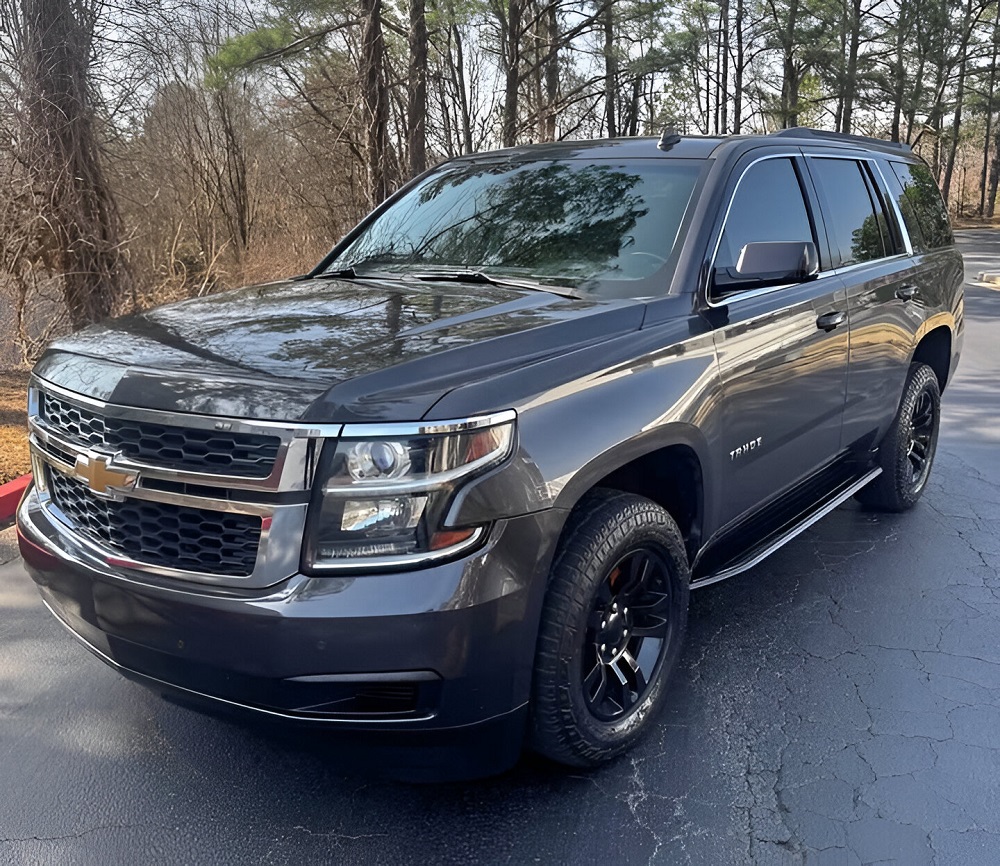
1. From 4 speeds to 10 speeds, and where the trouble started
Five generations, five very different gearboxes
Roll back to 1992. The first Tahoe on the GMT400 platform runs the 4L60-E or 4L80-E. Four forward gears. Basic solenoids. Line pressure stays hydraulic-first, electronic-second. Failures usually trace to worn clutches or hard parts, not software.
Move into GMT800 from 2000–2006. The 4L60-E remains. Same core layout. Same 3–4 clutch weakness. Tow heavy without a cooler and it burns the overdrive pack around 120,000–160,000 miles.
The GMT900 shift in 2007 changes the game. The 6L80 arrives with clutch-to-clutch shifting and an internal TCM. No more bands. No simple accumulators. Apply timing now lives in code and solenoid pulse width.
Then K2XX from 2015–2020 pushes gear count higher. The 8L90 joins the lineup behind the 6.2L V8. Later builds start integrating the 10-speed. Hydraulic tolerances tighten. Fluid spec changes. Converter strategy gets more aggressive.
The T1XX era from 2021 forward standardizes the 10L80 and 10L90. Ten ratios. Ultra-close spacing. Continuous micro-adjustments under light throttle. Rear-wheel lock recalls land under campaigns like 24V797 and 26V085. Valve wear can now trigger safety logic at highway speed.
Transmission spread by platform
| Platform generation | Model years | Main transmissions | Architecture type |
|---|---|---|---|
| GMT400 | 1992–1999 | 4L60-E, 4L80-E | Hydraulic-electric 4-speed |
| GMT800 | 2000–2006 | 4L60-E | Electronic 4-speed |
| GMT900 | 2007–2014 | 4L60-E, 4L65-E, 6L80 | Hybrid 4/6-speed era |
| K2XX | 2015–2020 | 6L80, 8L90, early 10-speed | Multi-ratio modernization |
| T1XX | 2021–2026 | 10L80, 10L90 | Integrated software-driven 10-speed |
The jump from 4 to 6 gears adds clutch packs and eliminates bands. The jump from 6 to 8 and 10 shrinks apply windows to fractions of a second. Shift overlap timing now runs in milliseconds. Fluid condition and valve wear start deciding shift quality.
More gears, tighter margins
Six-speed Tahoes cruise lower in the rev range. Ten-speeds hold torque on grade without big RPM swings. Tow ratings improve. Fuel economy gains 1–2 mpg on paper.
The cost sits in heat and friction strategy. The 6L80 and later units use slip-controlled torque converter clutch logic at low load. The converter partially locks in 2nd, 3rd, and higher gears to damp cylinder deactivation pulses. That constant micro-slip wears thin TCC lining and sheds debris into the pump.
Ten-speed units add even narrower hydraulic tolerances. Control valve wear drops line pressure. A few PSI lost during an 8–7 downshift can misroute fluid and spike clutch apply. In certain 2021–2024 Tahoes, that pressure event can momentarily lock the rear wheels, prompting federal recall action.
More ratios increased capability. They also reduced forgiveness. A 4L60-E might survive 220°F fluid for years. A 10L80 operating above 200°F with degraded fluid can start wearing valves before 80,000 miles.
2. Old-school Tahoe boxes, simple hardware, predictable break points
4L60-E, the 3–4 clutch issue
Slip into 3rd and watch the RPM flare 400–800 rpm. That’s classic 4L60-E 3–4 clutch burn. The overdrive pack runs thin frictions and limited apply area. Tow in overdrive at 210–230°F and it glazes by 120,000–160,000 miles.
The sun shell cracks next. Early shells strip splines or snap the neck. Lose Reverse and 2nd in one hit. The “Beast” aftermarket shell fixes that weak link.
PWM torque converter clutch shudder shows up around 45–55 mph. It feels like a light misfire. Fluid darkens. Debris loads the filter. A full rebuild with updated frictions and shell runs $2,000–$3,000 in most markets.
4L80-E, heavier internals, different failures
Police and heavy-tow Tahoes often carried the 4L80-E. Bigger gearsets. Larger shafts. More clutch capacity. Rated for higher torque from the start.
Converter clutch wear still happens. High mileage units develop apply shudder under light load. Intermediate sprag failures can freewheel 2nd gear under throttle. Harsh shifts often trace to worn pressure regulator valves or backyard line-pressure mods.
These units tolerate heat better than 4L60-E. Sustained 230°F still shortens seal life. Rebuilds cost $2,500–$4,000 depending on hard part damage.
Why older Tahoes still move in the used market
GMT800 trucks with documented fluid changes often clear 200,000 miles on original internals. Failures are mechanical and visible. Burned clutches. Broken shells. Worn bushings. No embedded TCM to corrupt.
Parts remain cheap and stocked. Every transmission shop knows the valve body circuits. Most rebuild kits run a few hundred dollars. Hard parts stay available nationwide.
Compare that to a 10-speed valve body assembly at $1,000–$1,500 alone. Early Tahoes trade complexity for fuel economy. They also trade $6,000 remans for $3,000 rebuilds.
3. 6L80 Tahoe failures, shudder, shattered plates, and fried control modules
6L80 design, tight clutch timing and rising heat
GM launched the 6L80 in GMT900 Tahoes to gain ratio spread and tow control. It uses clutch-to-clutch shifts. No bands. Every shift depends on precise apply and release timing measured in milliseconds.
The torque converter runs a slip-controlled clutch strategy at low load. The TCC partially applies in 2nd through 6th to smooth V8 pulses. That constant micro-slip builds heat and sheds friction material. Fluid temps often sit at 200–220°F in stock form.
The TCM lives inside the transmission as the TEHCM. It sits in hot, contaminated fluid. When debris moves through the pump, it also moves through the control module. That design choice drives many cascading failures.
Rumble-strip shudder, thin TCC lining, metal in the pump
Cruise at 45–70 mph and feel a vibration under light throttle. It mimics driving over rumble strips. That’s classic TCC shudder.
The factory converter uses a thin friction lining. Slip strategy accelerates wear. The lining breaks down and releases fibers into the fluid. Those fibers score the pump and stick valves in the valve body.
DTCs like P0741 and P1870 can follow. Line pressure drops. Overheat events log in the module. By the time shudder is steady, the damage often extends beyond the converter. Converter-only swaps fail if debris remains in the system. Full upgraded rebuilds run $3,500–$5,500.
3–5–Reverse wave plate fracture, sudden gear loss
Shift into Reverse and get nothing. Roll into throttle and lose 3rd and 5th together. That’s the 3–5–Reverse clutch wave plate cracking.
Early plates used brittle metallurgy. Heat cycles and torque spikes stress the outer edge. The plate fractures and the clutch pack loses apply force. Metal fragments land in the pan.
Free-rev conditions follow. No movement in Reverse. No 3rd on acceleration. Rebuild requires updated wave plates and clutch packs. Hard part debris often contaminates the pump and TEHCM. Repair cost mirrors full rebuild territory at $4,000–$6,000.
TEHCM and garage shift violence
Drop from Park into Drive and feel a hard slam. Wait one second before engagement. That points to TEHCM pressure control issues.
The TEHCM integrates solenoids and pressure switches. Contamination or heat damage skews solenoid response. Harsh “garage shifts” develop. Limp mode may lock the unit in 2nd or 3rd gear.
Common codes include pressure switch rationality faults and U-codes. Replacing the TEHCM alone can cost $800–$1,500 in parts. If clutch material circulates through the unit, replacement alone won’t restore line integrity. Total reman remains the only durable fix.
| Weak point | Typical symptoms | Issue | Real fix |
|---|---|---|---|
| TCC friction | 45–70 mph shudder, light throttle vibration | Thin lining wear, debris in pump | Billet converter + full teardown rebuild |
| 3–5–R wave plate | No 3rd/5th/Reverse, metal in pan | Fractured wave plate | Updated plate + full clutch and pump service |
| TEHCM | Hard P–R–D slam, limp mode | Solenoid/pressure switch contamination | New TEHCM, often with full reman |
Neglect fluid changes past 60,000–80,000 miles under tow use and failure odds spike sharply. Many 6L80 Tahoes fail between 90,000 and 150,000 miles when run hot and serviced late.
4. 8L90 “Chevy Shake,” fluid failure, and the lawsuit years
Eight gears, tighter spacing, new vibration problem
GM paired the 8L90 with the 6.2L V8 in K2XX Tahoes. Eight ratios keep the engine in a narrow torque band. First gear multiplies torque hard. Two overdrives drop highway RPM below 1,600 at cruise.
Shift timing runs tight. The converter clutch applies early and often. Light throttle in 7th or 8th gear keeps the TCC in controlled slip. Fluid condition now decides shift feel more than clutch thickness.
Owners reported highway vibration between 45 and 80 mph. It felt like driving over small rumble strips. Many trucks showed no misfire codes. The issue lived in the converter clutch and fluid chemistry.
Hygroscopic fluid and TCC chatter
Early 8L90 units used fluid that absorbed moisture. Water content altered friction characteristics. The TCC began cycling between apply and release under steady load. That rapid chatter produced the “Chevy Shake.”
GM issued TSB 18-NA-355. The fix required a triple flush and refill with blue-label Mobil 1 LV ATF HP. Shops used a fluid exchange machine to purge the old fluid fully. Cost ranged from $300 to $600 at dealers.
Some trucks improved immediately. Others saw shudder return within 10,000–30,000 miles. Fluid correction addressed friction instability. It did not repair worn valves or damaged clutch surfaces.
When fluid won’t cure it
Repeated shudder after proper fluid signals mechanical wear. Valve body bores can oval out. Pressure leaks skew clutch apply timing. The converter clutch surface may already be compromised.
Hard N–D clunks and 2–1 bang shifts often follow. Debris circulates through the pump and valve body. Converter replacement alone costs $1,000–$1,800 installed. Full rebuild with updated valve body and converter runs $4,000–$6,000.
Highway shudder combined with harsh low-speed shifts usually means the unit has moved past fluid-only territory. At that point, wear has altered hydraulic integrity.
Litigation and market impact
Class actions alleged GM sold vehicles with known defects. Internal documents discussed valve body revisions. Courts allowed litigation to proceed before later appeals shifted certification status.
No blanket recall covered all 8L90 Tahoes. Warranty extensions varied by case. Some owners secured goodwill repairs. Many paid out of pocket.
Used-market pricing reflects the history. K2XX Tahoes with documented HP fluid service command more confidence. Units without proof of flush history trade at a discount. A neglected 8L90 can require $5,000 in transmission work before 120,000 miles.
5. 10-speed Tahoes, valve wear, wheel lock, and software containment
Ten ratios, constant shifting, narrow pressure windows
The 10L80 and 10L90 arrived in K2XX late builds and fully in T1XX. First gear runs deep for launch. Seventh is 1:1. Eighth through tenth stack overdrives tightly.
The transmission shifts often under light throttle. Gear changes can occur every few seconds in traffic. Apply timing runs in milliseconds. A small pressure drop skews clutch overlap and causes flare or bang.
Fluid temperature still hovers near 200°F in stock form. Close tolerances mean valve wear shows early. Cold units may slam into 2nd. Warm units may hunt between 8th and 9th on mild grades.
Control valve wear and rear-wheel lock recalls
GM identified excessive wear in certain control valves. A worn bore allows internal fluid leak. Pressure drops during specific downshifts. In some 8–7 transitions, clutch timing misroutes fluid.
Rear wheels can momentarily lock at speed. Field reports documented skids and at least one crash. Federal recall filings include campaigns such as 24V797 and 26V085 covering 2021–2024 SUVs.
The defect centers on hydraulic mismanagement, not driveline binding. A few PSI loss during a commanded downshift can spike clutch apply force. That event lasts fractions of a second. At highway speed, that fraction matters.
Software patch, reduced propulsion mode
GM’s recall remedy focuses on software. The TCM update monitors valve performance trends. It flags wear before a lock condition. When thresholds trigger, the system limits the transmission to 5th gear.
The dash displays reduced propulsion warnings. The vehicle may feel sluggish. Owners report sudden derates mid-trip. The update prevents the specific downshift tied to lock-up.
Hardware remains unchanged in many cases. Later production introduced revised valve bodies. Gen 3 valve body assemblies began appearing in updated service parts and some reman units.
CDF drum movement and internal pressure loss
Separate from the recall, the 10L80 has internal mechanical weak points. The CDF drum bushing sleeve can move. That movement bleeds pressure from clutch circuits.
Symptoms include cold harsh shifts and erratic gear hunting. DTCs may not always log. Pressure loss reduces clutch holding force. Over time, frictions glaze and slip.
Corrected drum designs use improved bushing retention. Rebuilds that ignore this flaw often fail again. Full 10L80 reman with updated valve body and drum typically runs $5,000–$8,000 installed.
| Issue | Driver experience | Issue | Field remedy |
|---|---|---|---|
| Rear-wheel lock event | Brief skid during downshift | Control valve bore wear | TCM recall update, possible valve body swap |
| Cold harsh 1–2 or 2–3 shift | Sharp bang when fluid cold | Pressure imbalance, valve wear | Reflash, fluid check, possible valve body |
| Gear hunting at light throttle | Frequent 8–9–10 cycling | Control valve leakage, clutch timing | Valve body replacement or full reman |
| Reduced propulsion warning | Stuck in limited gear range | Software detecting internal wear | TCM update, eventual transmission replacement |
Ten-speed Tahoes operate inside tight hydraulic margins. Sustained 200°F fluid and delayed service shorten valve life. Once bore wear advances, only hard parts restore stability.
6. Heat affects Tahoes, thermal bypass valves and cooked fluid
Factory warm-up strategy runs fluid too hot
GM uses a Thermal Bypass Valve, or TBV, in 6L80, 8L90, and 10-speed units. The valve restricts cooler flow until fluid reaches a target temp. Early calibrations kept the valve closed until roughly 194–200°F.
Under light load, that helps emissions and quick warm-up. Under towing, it traps heat. Fluid can climb past 220°F on long grades. ATF oxidizes fast above 200°F.
Clutch material and seals break down sooner at those temps. A 20°F increase can cut fluid life in half. Sustained 230°F accelerates varnish and valve sticking.
Updated “70” valve and lower opening temp
GM later released an updated TBV, part number 86774933. Many units carry a stamped “70.” The new valve opens closer to 158–170°F.
Lower opening temp sends fluid to the cooler earlier. Owners report 15–30°F drops under load. Cruise temps often fall into the 170–190°F range after update.
The factory design still uses a thermostatic element. If the valve sticks closed, fluid overheats again. A stuck TBV can push temps above 230°F without warning.
Aftermarket bypass blocks and constant cooler flow
Several companies sell billet bypass blocks. PPE and TransGo offer delete kits that remove the thermostatic function. Fluid flows to the cooler full time.
Heavy tow users see 20–30°F reductions during sustained load. Cooler fluid reduces TCC slip damage and valve bore wear. Cold climates may see longer warm-up times.
Install cost runs $100–$300 for parts, plus labor. The mod doesn’t fix worn clutches. It prevents further heat-driven damage.
Heat risk by transmission
| Transmission | Stock cooling behavior | Heat sensitivity | Effective upgrade |
|---|---|---|---|
| 4L60-E | Direct cooler flow, no smart TBV | Moderate | Larger auxiliary cooler |
| 6L80 | High TBV opening temp | High | Updated TBV or full bypass |
| 8L90 | Sensitive to fluid breakdown | High | HP fluid + bypass + regular service |
| 10L80/90 | Thermostat-controlled, tight valves | High | Bypass, strict fluid intervals |
Fluid above 200°F shortens clutch and valve life across all modern units. Many failed 6L80 and 10L80 Tahoes show chronic operation above 210°F before 100,000 miles.
7. Rebuild or reman, fixing the flaw instead of resetting the clock
Stock rebuilds often repeat the failure
Many rebuilds replace frictions and seals only. Weak factory hard parts go back in. Thin converter covers return to service. Valve bodies with worn bores get cleaned and reused.
The truck drives fine for 20,000–40,000 miles. Heat and slip reappear. The same TCC shudder or 3–5–R failure returns. The second teardown costs more than the first.
Budget 6L80 rebuilds can run $3,000–$4,000. Without upgraded converters and updated wave plates, failure risk remains high under tow use.
Corrected 6L80 and 8L90 builds change the hardware
Quality reman shops upgrade the torque converter first. Billet base covers resist warping under slip. Thicker steels and higher-capacity frictions increase heat tolerance.
Updated 3–5–R wave plates go in every 6L80 build. Pump bushings and pressure regulator valves get replaced, not polished. Valve bodies may receive oversized valves to restore hydraulic integrity.
Reputable remans hot-test each unit on a dyno. They simulate load and monitor pressure curves. Full upgraded 6L80 or 8L90 remans typically land between $4,500 and $6,500 installed.
Ten-speed repairs demand precision parts
The 10L80 and 10L90 run tight hydraulic tolerances. Worn valve bodies often cannot be salvaged. Reusing a scored bore leads to flare within months.
Updated CDF drums with corrected bushing retention are critical. New internal wiring harnesses prevent intermittent solenoid faults. Solenoid retainer clips must match revised spec.
Programming matters. TCM calibration and adaptive relearn procedures require dealer-level tools. A full 10-speed reman with updated valve body and drum can exceed $7,000.
Cost bands by repair level
| Transmission & repair level | Typical installed cost range | When it makes sense |
|---|---|---|
| 4L60-E basic rebuild | $2,000–$3,500 | Older GMT800, light duty use |
| 6L80 upgraded reman | $4,500–$6,500 | K2XX Tahoe kept long term or used for towing |
| 8L90 converter + valve body rebuild | $4,000–$6,000 | Chronic shudder, documented fluid updates |
| 10L80/10L90 full reman with Gen 3 updates | $6,000–$8,500 | T1XX trucks with recall history or valve wear codes |
Reinstalling stock-spec parts into a high-heat Tahoe sets up repeat failure. Corrected hardware and strict fluid control are the only path past 150,000 miles on modern units.
8. Model-year risk map, which Tahoes bite hardest
High-risk years that increase transmission trouble
2007–2009 GMT900 trucks carry early 6L80 builds. Converter shudder and 3–5–R failures show up before 120,000 miles. Many also faced oil consumption issues that added heat load.
2015 marks the first K2XX Tahoe year. Early 6L80 units still shudder. The 8L90 enters the lineup behind the 6.2L V8. Highway vibration complaints spike in 2016–2018.
2021–2022 T1XX models run early 10L80 calibrations. Control valve wear triggers recalls like 26V085. Reduced propulsion warnings appear under 70,000–90,000 miles in some cases.
Multiple systems can increase risk. Engine lifter failures and transmission heat share the same fluid and cooling ecosystem. A stressed powertrain compounds repair cost.
More stable windows if serviced correctly
2010–2014 6L80 Tahoes fare better when fluid changes happen every 50,000–60,000 miles. Updated wave plates and better service awareness reduce catastrophic failures. Heat control still matters.
2017–2020 K2XX units with documented blue-label HP fluid in 8L90 trucks show lower repeat shudder rates. Valve body wear still occurs. Maintenance history decides outcome.
2023–2026 T1XX builds include revised valve bodies and software refinements. Later production reduces lock-up risk. Strict fluid intervals and temp monitoring remain critical.
Year-by-year transmission risk overview
| Model years | Platform | Main transmission(s) | Risk level | Core concern |
|---|---|---|---|---|
| 2000–2006 | GMT800 | 4L60-E | Moderate | 3–4 clutch wear, sun shell failure |
| 2007–2009 | GMT900 | 4L60-E, early 6L80 | High | Early 6L80 converter and wave plate failures |
| 2010–2014 | GMT900 | 6L80 | Medium | Heat-driven TCC wear if poorly serviced |
| 2015–2018 | K2XX | 6L80, 8L90 | High | 6L80 shudder, 8L90 fluid instability |
| 2019–2020 | K2XX | 6L80, 8L90 | Medium-High | Valve body wear, prior fluid history critical |
| 2021–2022 | T1XX | 10L80/10L90 | High | Control valve recall, early calibration bugs |
| 2023–2026 | T1XX | 10L80/10L90 | Medium | Complex system, maintenance-sensitive |
High-risk years often trade lower purchase price for higher repair exposure. A 2016 Tahoe with no transmission history can carry a $5,000 liability before 120,000 miles.
9. Keeping a Tahoe transmission alive, real maintenance, real diagnostics
Service intervals that match real-world load
Factory schedules often stretch fluid to 90,000 miles or more. That assumes light duty and moderate temps. Family hauling and towing push fluid past 200°F regularly.
Heavy-use Tahoes need fluid and filter service every 40,000–60,000 miles. Severe tow use may justify 30,000-mile intervals. Fresh ATF maintains friction stability and line pressure.
Monthly fluid level checks matter on sealed units. Low fluid drops pump pressure first. Pressure loss burns clutch packs fast. One quart low can start slip under load.
Red-flag behavior by gearbox
A 4L60-E that hesitates more than one second into Drive signals pressure loss. A 2–3 flare under light throttle warns of 3–4 clutch wear. Delayed Reverse often precedes full loss.
A 6L80 that shudders at 50 mph under light throttle points to TCC lining wear. Hard P–R–D slam suggests TEHCM pressure control issues. Loss of 3rd and 5th flags 3–5–R wave plate failure.
An 8L90 vibrating in 8th gear with no misfire codes indicates converter chatter. Repeated fluid flushes without lasting improvement hint at valve body wear.
A 10L80 throwing reduced propulsion warnings signals internal valve degradation. Cold harsh shifts or 8–7 downshift jolts deserve immediate scan. Ignoring these signs can lead to full replacement within 10,000–20,000 miles.
Smart moves before authorizing a rebuild
Pull full scan data first. Check for codes like P0741, pressure switch rationality faults, or adaptive limit warnings. Monitor commanded vs actual line pressure.
Verify fluid condition and level. Burnt smell and dark fluid confirm clutch material in suspension. High temp history in freeze-frame data tells the story.
Ask the shop about TBV updates and cooler flow. Confirm converter type and valve body updates in any rebuild quote. A modern Tahoe transmission replacement can exceed $7,000, so diagnosis must precede teardown.
Sources & References
- 10L80 Transmission Guide: Problems, Specs, Vehicles, and the Monster Fix
- Which Year Models of Used Chevrolet Tahoe to Avoid – CoPilot for Car Shopping
- Chevy Tahoe Reliability – Municibid
- 10L80 vs 6L80 Transmission: Differences, Problems, and Which One Is Better
- GMT K2XX – Wikipedia
- GMT900 – Wikipedia
- Chevrolet Silverado – Wikipedia
- Chevrolet Tahoe – Wikipedia
- Chevrolet Tahoe Generations: Key Updates Across All Model Years – CarBuzz
- GM Recalls 10-Speed Sport Utility Vehicles Over Transmission Issue – autoevolution
- The Ultimate 6L80 Transmission Guide: Common Problems, Fixes …
- 6L80E Transmission Common Problems and How to Fix Them
- 2021 Tahoe Transmission : r/ChevyTahoe – Reddit
- How we Fix GM Transmission Failure (6L80 & 6L90)
- GM transmission class action to proceed
- 6th Circuit to rehear class certification in GM defective transmission lawsuit
- GM wins appeal on 8-speed transmission class-action lawsuit – Pickup Truck +SUV Talk
- 2020 Silverado 8-Speed Clunking & Shudder – Fluid vs. Valve Body Fix – YouTube
- 8L90 Transmission Service Experience – Did I get ripped off? : r/Silverado – Reddit
- GM Transmission Recalls and Issues: What Drivers Need to Know
- GM 8-Speed Transmission Lawsuit
- Lawsuit against GM as to 8 speed tranny moves forward | Classic Corvette Club UK
- 8 Speed “Chevy Shake” Fixed! Had to pay the dealer $515.34 for a transmission flush and oil change. GM should have helped with the cost as this was a “known” issue! Anyone get any assistance from corporate? I’ve heard of a possible class action. Just glad she’s running right again. : – Reddit
- Chevrolet Tahoe Generations Ranked By Reliability – CarBuzz
- 2025 Chevrolet Tahoe Reliability, Consumer Ratings & Pricing – JD Power
- Part 573 Safety Recall Report 26V085 | NHTSA
- Understanding ’19-Later GM 10-Speed Safety Recall – Sonnax
- Diagnosing The 10L Series Transmission – Gears Magazine
- GM Releases New Gen 3 Valve Body for 10-Speed Transmission Wheel Lock-Up Fix
- GM Recalls 43,000 Full-Size SUVs for Potential Rear-Wheel Lockup Due to Faulty Transmission Control Valve – The Fast Lane Truck
- 2021 Chevrolet Tahoe Recalls & Safety Notices | Kelley Blue Book
- Mfr’s Report Date: February 13, 2026 NHTSA Campaign Num – autoevolution
- 2014-2018 GM 6L80 Transmission Fluid Thermal Bypass Valve – 3/8” Line – Pacific Performance Engineering
- Service Bulletin INFORMATION – nhtsa
- Superior 6L80 6L90 8L90 10L90 Cooler Flow Bypass Kit 2014-Up (#STL010) | eBay
- Transgo 6L80-CLR-BYPASS Cooler Flow Delete Kit 6L90 8L90 6L45 6L50 Automatic Transmission – Oregon Performance Transmission
- 6L80 6L90 8L90 1000 Cooler Flow Bypass Delete Kit by TransGo
- Superior STL010 | Superior Transmission Parts – The problem solvers of the transmission industry
- Which Years Of Used Chevy Tahoes Are Most Reliable? – CoPilot for Car Shopping
- Recommended service and maintenance schedule for Chevrolet Tahoe
- Recommended service and maintenance schedule for Chevrolet Tahoe
- Chevrolet Tahoe Service Intervals | Van Chevrolet | in Scottsdale, AZ
- Resolving 10L80 Transmission Problems: Expert Tips and Solutions from Cleveland’s Best Auto Repair Team!
- Remanufactured Chevy Tahoe Transmission – Wholesale Pricing – Ships Same Day
- Recommended service and maintenance schedule for Chevrolet Tahoe
- ’21 Tahoe Z71 Transmission Failure : r/ChevyTahoe – Reddit
- What’s the truth on the 10 speed transmission? I hear the 8 speed has all sorts of issues : r/Silverado – Reddit
- Service Bulletin INFORMATION – nhtsa
- 2023-2025 Chevy Silverado 1500 Known Problems – 6.2L V8 Engine Failure, Lifters, Transmission Woes – Pickup Truck +SUV Talk
Was This Article Helpful?