
Ease into the throttle, hear the turbo spool, then the dash lights up and torque vanishes. One minute it’s punchy, the next it’s crawling with a P0299 code, a rev-hunting transmission, and a dealer muttering about actuators, cold-weather updates, or LSPI.
The 1.3L L3T Ecotec packs serious torque into a pint-sized, turbocharged triple. Strong on paper. Quick off the line. And yet, behind the low-end grunt and 30-mpg badge lies a pattern of failures that hit early and stack fast, especially in Trailblazers and Encore GXs.
This guide cuts through GM’s thermal maps and TSB bandaids to show where the 1.3 excels, where it cracks, and what keeps it alive past warranty.
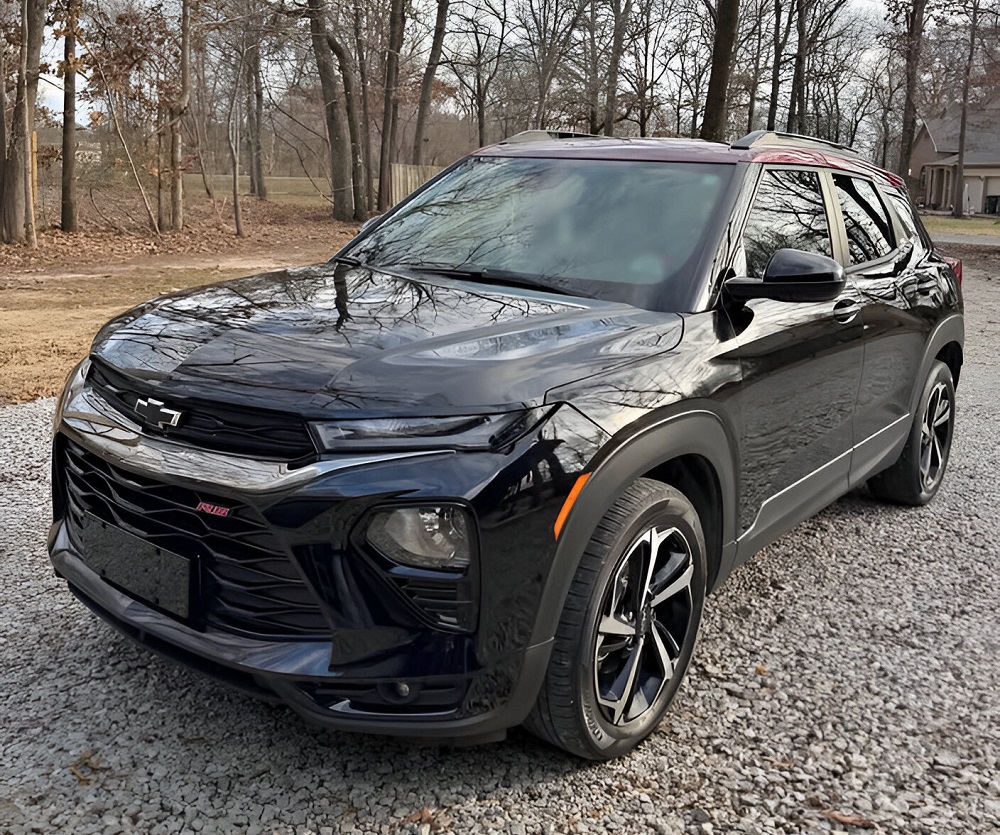
1. What this engine’s made of and where the stress starts
Alloy block, high boost, and why it runs hot
The 1.3L L3T is a high-pressure system in a light shell. It runs an inline-3 layout with a die-cast aluminum block, cast-in iron cylinder liners, and an aluminum cross-flow head.
The pistons are cast aluminum with graphite-coated skirts. The crankshaft’s forged micro-alloy steel. It’s chain-driven, DOHC, 4-valve-per-cylinder with integrated balance shaft and direct injection.
This isn’t a lazy commuter motor. It compresses air at 10:1, then slams in fuel under boost that hits fast and low. Cylinder pressures spike hard under load. That’s where trouble brews, tight thermal windows, high oil stress, and no cushion for slop.
The aluminum head and block combo sheds heat quickly but doesn’t tolerate hotspots well. On short trips or during turbo-heavy pulls, the thermal cycling warps sensor data, gums up oil flow, and pushes marginal parts, especially cooling valves, knock control, and turbo actuators, past their limits.
Specs look solid, until they don’t
This little triple punches above its weight. The torque kicks in fast. On paper, the engine looks better than GM’s older small fours.
| Metric / Feature | 1.3L L3T Ecotec (Trailblazer / Encore GX) | Older 1.4T / 1.5T GM fours |
|---|---|---|
| Cylinders | 3 | 4 |
| Rated power | 155–162 hp | 138–170 hp |
| Peak torque | 174–177 lb-ft @ low rpm | Similar or lower |
| Timing drive | Chain | Chain or belt (1.5T) |
| Typical combined mpg | High 20s to low 30s | Mid to high 20s |
It builds torque low with a tight boost ramp. The timing chain avoids the fiber-shedding belt problems found in other small turbos. MPG holds steady if the calibration and cooling system cooperate.
But the compromise comes fast. The turbo actuator’s integrated into the housing. The coolant valve is electronic, not mechanical. One sensor misread or software misfire knocks the whole strategy out of sync.
Failures cascade, not isolate. The ECM pulls timing, dumps fuel, ends boost, or trips reduced-power mode, often from a single upstream glitch.
Platform behavior shapes the failure curve
GM dropped the L3T into the Trailblazer and Encore GX, small crossovers with big expectations. The 9-speed auto comes with AWD. The CVT trims stay FWD. Both load the engine differently, but neither setup avoids the core engine issues.
Short-trip commuters see slow warm-ups and repeat condensation. Cold-climate drivers trigger intercooler icing and valve delays. Owners who lean on low-end torque, hill climbs, early throttle during merges, risk LSPI and turbo strain.
It’s the daily cycle that breaks the system: cold starts, low rpm/high load, short shutdowns, long idles. The engine doesn’t get to stretch. Sensors stay dirty. Boost control never stabilizes. That’s when drive quality slips, mileage drops, and fault codes start stacking.
2. Turbo hardware and wastegate electronics that pull the rug out
A small turbo pushed hard from idle
GM hangs a single, small-frame turbo on the L3T, tuned to make torque early and often. Boost ramps in low, the ECM leans on precise wastegate control, and emissions targets stay tight.
That response sells test drives. It also keeps the actuator working nonstop, especially in traffic where throttle angles swing fast and oil temps lag.
Early calibrations command aggressive low-rpm boost. Oil shear climbs. Heat soaks the turbine housing. The actuator motor and position sensor cycle constantly to hit targets the engine barely tolerates when cold. Hardware life shortens under that workload.
How failures show up on the road
When the actuator drifts or sticks, boost drops instantly. Power falls flat, the dash flashes “Engine Power Reduced,” and the MIL lights. Scan it and you’ll usually see P0299 with companion boost or pressure codes. The engine feels naturally aspirated and underfed, especially on merges or grades.
Moisture intrusion and internal motor wear top the failure list. The linkage can bind. The position sensor loses track. The ECM reacts by ending boost to protect the engine. The turbo itself often spins fine, but the control side can’t hold commanded position.
Service reality and why costs spike
Early builds tie the actuator to the turbo as one assembly. A failed motor or sensor means replacing the whole unit. Dealer quotes land in the four-figure range once labor and calibration are added. That stings out of warranty.
Later parts move toward modular service, letting shops replace the actuator without pulling the turbo. Not every VIN qualifies. Part numbers and TSB coverage matter. Approving a full turbo swap without checking those details turns a small electronic fault into a big bill.
3. Intercooler icing that chokes it mid-drive
Cold air, hot boost, and why ice forms inside
The L3T charge-air system pulls in cold, damp air and compresses it hard through a small-frame turbo. That heat gets stripped in the intercooler, but the pressure drop across the core turns condensation into a freezing hazard. In sub-freezing weather, the moisture doesn’t drain. It crystalizes.
That buildup clogs the cooler from the inside. On startup or during light cruising, airflow seems fine. But when the driver asks for power, like pulling out into traffic or passing, air can’t move fast enough. The result is a sudden choke. Boost crashes. Power dies. The car stumbles or stalls.
What the driver sees, and what the ECM flags
It doesn’t feel like typical turbo lag. Drivers report hesitation, delayed throttle response, or near-stalls after short trips. The engine may restart fine. The problem comes back when icing returns, usually with highway windchill or steep humidity drops.
The codes vary, but the pattern’s clear:
| Code | What it points to | How icing triggers it |
|---|---|---|
| P0299 | Turbo underboost | Intercooler chokes airflow |
| P0236 | Boost pressure sensor performance | Sensor sees unstable or low signal |
| P2227 | Barometric pressure sensor performance | Readings clash with actual manifold pressure |
| P00C7 | Intake pressure correlation fault | ECM sees sensor disagreement under load |
| P0300 | Random misfire | Lean misfire from sudden airflow restriction |
Shops without cold-climate experience often chase boost sensors or turbo hardware before spotting the real issue inside the cooler.
What GM tried and what actually helps
TSB 21-NA-229 ordered lower grille covers in freezing markets. These block frigid airflow and help raise intercooler temps. GM also rolled out a wide-fin intercooler design that drains better. Both aim to keep water moving instead of freezing in place.
The updated parts cut the risk, but icing still shows up when drivers run without the winter cover or punch the throttle before warm-up. Short trips, frozen roads, and cold pulls still choke airflow and that stalls boost whether or not the parts were swapped.
Use the cover when temps stay below 32°F. Ease into boost until the system’s hot. And if you’re still on the old-style intercooler, swap it before winter locks in.
4. Cooling valve failures that wreck temp control
Electronic valve, no thermostat, and a fragile balancing act
GM ditched the thermostat on the L3T and replaced it with an electronically controlled valve, part 12716827. It’s a stepper-motor unit that meters coolant flow between the block, radiator, and heater core. The idea is tighter combustion control, faster warm-up, and leaner emissions under EPA cycles.
But when the valve fails, the whole temperature strategy falls apart. It can stick open, delay warm-up, and wreck cabin heat. Or it can misfire and hold flow back, overheating the head while the gauge looks normal.
Either failure screws with closed-loop fuel control and kicks off mileage drop, drive quality weirdness, or overheating warnings that don’t match coolant levels.
When this valve sticks, things get messy fast
If the valve sticks open, warm-up takes forever. The heater blows lukewarm even after 10 miles. The temp needle hovers low. Fuel trims go rich, ending MPG.
Cold oil lingers. On the flip side, when the valve fails closed or hunts for position, the engine may flash overheating warnings, spike the fan to full blast, or swing temps even with fresh coolant.
Drivers complain of ticking from the valve, coolant bottle bubbling, or sudden limp mode during slow climbs. It mimics head gasket failure, but pressure tests often pass. The issue is flow mismanagement, not combustion leaks.
MPG loss and long-term engine stress
Here’s how it plays out:
| Condition | Typical combined mpg | What’s happening |
|---|---|---|
| Valve working normally | High 20s to low 30s | Fast closed-loop switch, steady temps |
| Valve stuck open / cold running | Low to mid 20s | Rich trims, long warm-up, fuel wash on cylinder walls |
| Valve sticking / false overheat | Varies | Coolant path blockage, hot spots, uneven ECM behavior |
The danger isn’t just MPG, it’s oil dilution from cold running, high-metal temps during missed circulation, and sensor drift from thermal swings. If the valve clicks, hesitates, or throws heat off balance, change it. Wait too long, and it’ll cost you a turbo or a warped head.
5. LSPI, oil chemistry, and why this engine eats itself under load
Low-speed pre-ignition hits hardest at part throttle
LSPI isn’t rare theory, it’s real damage. In the L3T, it shows up under low rpm, high load pulls: slow hill climbs, early throttle after a red light, or highway acceleration in top gear. That’s when oil and fuel droplets ignite before the spark. One bad detonation cracks ring lands or bends rods.
The triple’s small displacement means high boost comes early, but that same layout can’t absorb misfires the way a larger engine can. You get big cylinder pressures in a small hole, and no time for the ECM to pull timing before it’s too late.
Why cheap oil and long intervals don’t work here
GM mandates dexos1 Gen 2 or Gen 3 0W-20. Those formulas cut calcium, boost magnesium, and resist LSPI. Skip the spec, and pre-ignition risk jumps. Run bulk oil for 10,000 miles, and you’ll be feeding the bearings with fuel-thinned sludge. Direct injection always brings oil dilution. That’s baked in.
The real ceiling here is 5,000 miles, 8,000 km if you’re lucky. Especially in short-trip driving where the oil never fully bakes off the fuel. Keep that interval, or you’ll chase cold-start rattle, cam wear, or worse, a spun rod bearing.
GDI carbon problems that show up around 60k
This engine’s SIDI system sprays fuel straight into the chamber. That skips the intake valves. Over time, oil vapor, PCV mist, and EGR residue coat the backs of the valves in dry soot. That layer doesn’t burn off. It builds.
The result? Rough idle, hesitation off the line, low-rpm stumble, and hard-start misfires. Some drivers hear a “carbon rap,” hard deposits pinging on hot metal or changing compression balance between cylinders.
Oil catch cans help a little. But once the gunk’s there, only chemical or mechanical cleaning clears it. And at that point, walnut blasting may be the only real fix.
6. NVH quirks and fake sounds that backfire
The 3-cylinder layout fights itself by design
Three-cylinder engines rock. Literally. The L3T fires every 240 degrees with no opposing bank to cancel forces. That rocking couple wants to shake the car apart. To counter it, GM baked in a balance shaft, hydraulic mounts, and tight engine bay geometry to absorb the motion.
The balance shaft runs off the timing chain and spins opposite the crank. It works, until wear sets in or oil pressure drops. Then the vibes creep back in. Mounts lose stiffness. Low-speed shake becomes more noticeable, especially under light throttle or when idling in gear.
Speaker tricks and ANC masking low-end boom
GM didn’t stop at hardware. The Encore GX and Trailblazer use Active Noise Cancellation (ANC). Microphones in the cabin listen for low-frequency engine boom, and the radio module pumps out inverted-phase sound through the speakers to cancel it. On top of that, some trims add enhanced engine sound, fake growl layered over the real thing.
It’s slick when it works. But when it glitches, the system makes the car feel worse. The “fix” becomes the source of the noise.
When the ANC system creates its own problem
Drivers call it the helicopter effect. A deep pulsing, often at 1,000–1,500 rpm, that feels like a subwoofer stuck in a loop. Some report ear pressure. Others say it causes dizziness on long drives. It usually tracks to a miscalibrated mic, a bad ANC amp, or firmware that overcorrects and loops the wrong phase.
It’s not engine damage, but it’s easy to misdiagnose. Mechanics swap mounts or chase phantom misfires while the real fix is a software update, or disabling ANC altogether. If the thump disappears when the radio fuse is pulled or ANC’s turned off, the problem’s digital, not mechanical.
7. Recalls, software tweaks, and electrical faults that fake engine trouble
Cam actuator valve binding throws off timing
Early Trailblazer and Encore GX builds saw binding in the camshaft actuator oil control valve. GM flagged it under Service Update A202304840. The center bolt on the OCV could seize once oil temps rose, locking the variable valve timing in place.
Drivers felt it as rough idle, sluggish throttle, or delayed downshifts. No hard failure, just a drive quality drop that looked like a tune-up issue. But under the hood, the VVT wasn’t adjusting.
Fixing it meant checking OCV travel with oil at full temp, which takes 10–15 minutes of warm-up and a specific scan sequence most quick shops skip.
Hot restarts that knock and stumble after Stop/Start
In 2024, GM issued Recall A242435780 to correct ignition timing after Auto Stop/Start restarts. The ECM was firing too early during hot re-engagement, which caused spark knock and momentary stumble. Some drivers thought the engine was misfiring or losing compression.
No mechanical damage showed on teardown. The issue was timing calibration lagging behind crank sensor input. Updated software smoothed the restart curve and pulled advance under those conditions. But before the fix, the thump felt real and made some owners ditch the car thinking the rods were bent.
“Shift to Park” bugs that end systems while parked
Some 2021 Trailblazers throw a “Shift to Park” message even when the gear lever’s clearly in position. The system refuses to power down, leaving lights or accessories on, draining the battery overnight.
This glitch tracks to worn shifter switches or TCM communication loss. But it doesn’t stop there. If the ECM and BCM don’t talk cleanly, the ANC module, radio, and even engine warning logic can drop out or stack faults. Owners see ghost MILs, random “engine power reduced” warnings, or no start commands.
Most of these aren’t real mechanical faults. They’re wiring, switch, or software handoff issues. But they clog diagnostic paths and make it easy to blame the engine when the real issue sits on the network.
8. L3T vs other small turbos and why the chain matters
Chain drive wins the long-game over belt-in-oil designs
The 1.3L L3T runs a full timing chain system, unlike the smaller 1.2L LIH and LBP engines that use a wet timing belt. That difference matters.
Wet belts can shred fibers into the oil over time, clog pickups, and lose tension before mileage markers hit. Chains aren’t immune to wear, but they usually stretch, not disintegrate.
| Feature | 1.3L L3T Ecotec | 1.2L LIH / LBP Ecotec |
|---|---|---|
| Timing system | Chain | Wet belt (in oil) |
| Transmissions | 9-speed auto / CVT | 6-speed auto / CVT |
| Rated power | 155–162 hp | 137–155 hp |
| Fuel compatibility | 87 octane | Some trims E85-capable |
| Longevity concerns | Cooling, actuator, LSPI | Belt wear, oil shedding |
The L3T also pairs with the stronger 9-speed auto in AWD models, while the 1.2L often sticks with base CVTs. For buyers aiming past 100,000 miles, the chain setup avoids the belt service risk entirely.
Common pain points across the 3-cylinder class
Every boosted triple runs hot, spools early, and depends on tight control. The L3T holds up well against competitors like Ford’s 1.0L/1.5L Dragon, Toyota’s 1.2T/1.5T, and Hyundai’s small GDI turbos. But the pressure points shift.
The Ford Dragon series is known for coolant intrusion and oil dilution. Toyota’s small turbos stay reliable but lack low-end grunt.
GM’s L3T sits in the middle: strong base architecture, but exposed to failure via electronics and thermal stress. Where others fight timing systems or core block cracks, the L3T stumbles on actuators, sensors, and thermal mismanagement.
Early production years showed the weak spots
Most of the repeat issues, intercooler icing, cooling valve faults, bad ANC behavior, showed up in 2020–2022 builds. TSBs and recalls targeted those years. Later models rolled out with revised intercoolers, updated valve controls, and improved software calibration for Stop/Start and ANC logic.
Reports from 2024–2025 Trailblazer and Encore GX models suggest a cleaner record so far. But with the LBP taking over in newer platforms, long-term results on the L3T’s legacy will come down to how well those updates hold at 80,000+ miles.
9. Real-world upkeep, failure costs, and who should run the 1.3
What maintenance actually prevents the big-ticket repairs
This engine needs more than oil and gas. Here’s what keeps it alive:
| Item / Service | Severe interval | Why it matters on the 1.3L L3T |
|---|---|---|
| 0W-20 dexos1 Gen 2/3 oil + filter | 5,000 mi / 8,000 km | Cuts LSPI risk, keeps turbo and bearings alive |
| Cooling system inspection + bleed | Yearly | Finds valve drift, prevents hot-spot damage |
| Intercooler / duct inspection | Pre-winter + mid-winter | Flags icing or internal water buildup |
| Induction / intake valve cleaning | 60,000–80,000 mi | Stops GDI carbon loss of torque or rough idle |
| Turbo / actuator scan (data review) | At major service visits | Spots underboost, actuator lag, or sensor drift |
Ignore these and you’ll end up chasing mystery misfires, “reduced power” shutdowns, or $2,000 turbo swaps at 70,000 miles. The schedule’s tight for a reason. Every skipped fluid or inspection stacks wear in the background.
What to look for, and avoid, on the used market
Green flags are rare but obvious. A clean VIN history with updated intercooler and valve, short oil intervals, and no drive quality complaints is gold. Bonus if there’s proof the Stop/Start and cam actuator recalls were done.
Red flags pop fast: repeated P0299 codes, power loss in winter, weak heater, or ANC noise the seller shrugs off. If the car’s been to three shops for “turbo issues” under 50,000 miles, walk. If it cranks slow, idles rough cold, or shows temp swings on a scan, pass.
Who this engine suits, and who it doesn’t
The L3T can work well for someone who respects what it is: a small, boosted, direct-injected engine that rewards maintenance and punishes shortcuts. It’s strong for city drivers who warm it up, stay on oil, and service it on time.
But it’s not set-and-forget. It’s not for hard commuters who run it cold and long on bulk fluids. And it’s definitely not for owners who treat service lights as suggestions.
Push this motor past its comfort zone without watching the data, and you’ll pay for it in boost control faults, carbon buildup, or bent rods from an LSPI hit that started with cheap oil.
Sources & References
- Chevrolet 1.3L L3T ECOTEC Turbo Engine Specs | Gordon Chevrolet in Jacksonville,FL
- New Buick – ENCORE GX Arrives – TechLink
- GM’s Small Turbocharged Engines Suffer From Loss of Performance in Winter Conditions
- High Quality Engine Cooling Control Valve 12716827 for Trailblazer / Encore GX 1.3L 2020–2024: A Real-World Review – AliExpress
- 2020 Buick Encore GX New Model Features – nhtsa
- 2025 Chevrolet TRAILBLAZER (1.3L 3 -cyl Engine Code [L] L3T L …
- Encore Gx 20,000m replace turbo : r/Buick – Reddit
- 5 Recalls for 2021 CHEVROLET Trailblazer – The Center for Auto Safety
- Chevy 2022 Equinox and Trailblazer Have A Major Engine Problem – MotorBiscuit
- GLOBAL SAFETY FIELD INVESTIGATIONS DCS5456 URGENT – DISTRIBUTE IMMEDIATELY Date: July 24, 2020 Subject: A202304840-01 – Service – nhtsa
- Pre-Owned 2024 Buick Encore GX Sport Touring – Sid Dillon Chevrolet Crete
- “Noise Cancelling” issue? : r/ChevyTrax – Reddit
- GM uses active noise cancellation technology to improve fuel economy – New Atlas
- Disabling the Fake Engine Sounds in the Cadillac ATS-V and CTS VSport – News – trifectaperformance.com
- Vibrating : r/ChevyTrax – Reddit
- 2023 Chevrolet TRAILBLAZER (1.3L 3 -cyl Engine Code [L] L3T L Turbo) Motor Oil, Filters and Lubricants – AMSOIL
- Full text of “Popular Mechanics ~ 1980” – Internet Archive
- Service Update A202304840 Camshaft Actuator Oil Control Valve Center Bolt Binding – nhtsa
- GENERAL MOTORS DCS6982 URGENT – DISTRIBUTE IMMEDIATELY Date: August 14, 2024 Subject: REVISION: A242435780-01 – Emission Recal – nhtsa
- 2025 Chevrolet Trailblazer near Henderson, NV
- Are 1.2 liters are less reliable as 1.3 : r/whatcarshouldIbuy – Reddit
- Are three-cylinder turbo engines worth buying? : r/whatcarshouldIbuy – Reddit
- How are the 1.2 and 1.3L turbo engines doing so far on the Trax and Trailblazer? : r/Chevy
- Just got a 2025 Buick encore gx st fwd 1.3l turbo cvt. Did I make a good choice? – Reddit
- 2024 and above model the engine reliability : r/ChevyTrax – Reddit
Was This Article Helpful?