
Blow the fuel pump, and shrapnel clogs every line from rail to tank. Let the oil-pump belt shed, and pressure drops before the screen ever clogs.
Ford’s 3.0 Power Stroke promised torque and range in a half-ton frame, but short service windows, heat-soaked packaging, and fragile emissions gear flipped the compromise.
This breakdown goes case by case. CP4.2 failures, oil starvation, DEF lockouts, turbo carbon, and how the 3.0 compares to gas EcoBoosts and competing diesels when miles rack up and money’s tight.
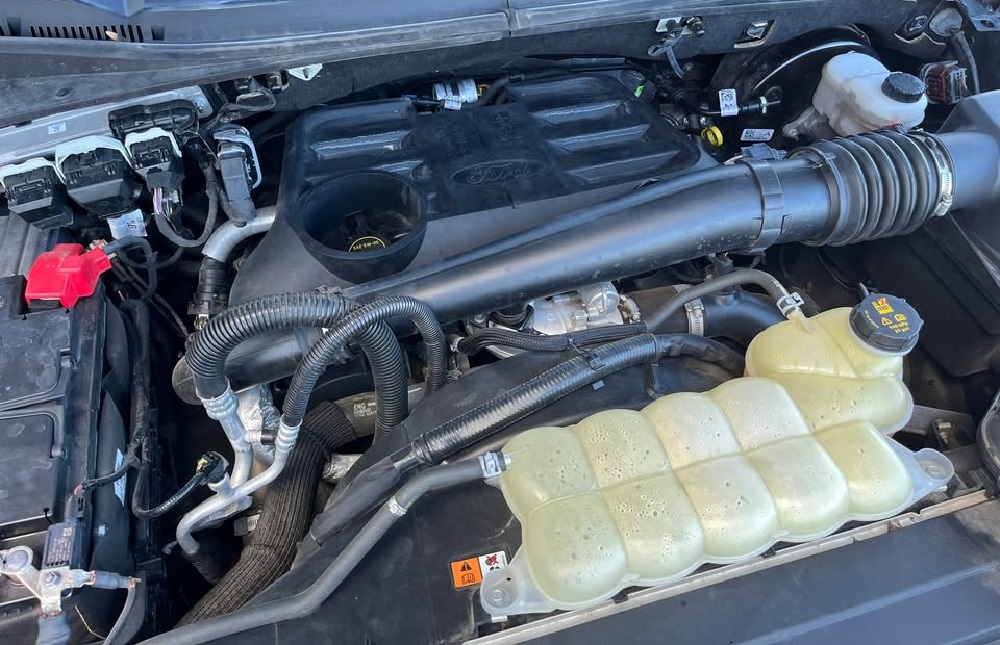
1. How 3.0 Power Stroke design loads up its weak spots
V6 Lion block under truck-load stress
Born in Europe, the Lion V6 ran in Land Rovers and Jaguars. Same CGI block, aluminum heads, twin cams, and high-pressure fuel.
But the F-150 hauls 11,500 lb, runs hotter under the hood, and stays loaded longer. The crank and bearings got beefed up, but lugging in tall gears keeps heat and pressure pinned.
Boost hits early, RPM stays low, and strain lands on the CP4.2, turbo, and emissions gear harder than that block ever saw in SUV duty.
Heat-choked valley and the price of packaging
The 60-degree block squeezes in tight, but the valley’s a mess, fuel pump, EGR pipe, filter, and throttle gear all stacked between the heads. No airflow, no wrench room. It cooks sensors and looms, and even minor jobs rack up hours.
This isn’t the 5.0. Just getting to a bad EGR valve means pulling half the top end. Time adds cost, and heat adds failure.
Low-end torque loads parts where gas engines don’t
Ford tuned it for grunt, 440 lb-ft at 1,750 rpm, and the 10-speed keeps it there. It tows smooth, but systems stay loaded. Turbo’s lit. Fuel pressure’s pegged. Exhaust flow crawls, soot builds up, and oil temps stay high.
Gas engines move faster. A 3.5 EcoBoost clears heat by revving past 2,500. The 3.0 hangs low, works hard, and breaks different.
3.0 Power Stroke vs 3.5 EcoBoost: stress profile, not just specs
| Engine | Peak Torque / RPM | Typical Use Case | Primary Stress Zones |
|---|---|---|---|
| 3.0 Power Stroke | 440 lb-ft @ ~1,750 rpm | Long, loaded highway pulls | CP4.2 fuel system, DPF/regen, wet belt |
| 3.5 EcoBoost | 500+ lb-ft @ higher rpm | Mixed towing + daily use | Turbo temps, intake valves, LSPI risk |
2. CP4.2 fuel pump failures take out the whole system
Fuel runs dry on protection
The Bosch CP4.2 runs at 29,000 psi. It’s built for precision, not forgiveness. The tappets ride a cam lobe, and diesel fuel handles all the lubrication. That worked fine overseas with higher-lubricity blends.
U.S. ULSD removes that margin down to near zero. Any air, water, or missed additive thins the cushion. Once contact shifts from rolling to dragging, the wear starts instantly.
A rotated tappet doesn’t warn first. It scores the cam, sheds metal, and spreads it through the rails in seconds.
From shaved metal to full fuel system loss
The debris doesn’t stay put. It hits the rails, coats the piezo injectors, fouls seals, and rides the return line into the tank. Every downstream part gets hit.
Fuel pressure drops, codes stack, and the truck might crank with no fire or stall mid-grade. Crack the filters and you’ll find glitter. That’s game over.
One failure takes out the entire high- and low-pressure fuel system. Replacing just the pump guarantees a second failure.
$15,000 gone and no warranty to chase
Parts stack fast, pump, 6 injectors, lines, rails, filters, possibly the tank and lift pump. Even with used or reman pieces, shops quote $10,000–$15,000 for a full job. Ford dealers often call it “fuel contamination” and walk the claim. You’re left with the tab.
Once metal spreads, the only right fix is full replacement. Anything short leaves shrapnel waiting to hit new parts.
What slows it down and what doesn’t
Additives help. Not the snake-oil stuff, but real lubricity boosters rated for ULSD. They don’t reverse damage, but they can delay it. A few cents per gallon buys time.
Bypass kits change the situation. They reroute return fuel through an external filter. If the pump fails catastrophically, the filter catches the metal before it re-enters the tank. Less to clean, fewer parts ruined.
Fuel filter intervals matter too. Skip the 30,000-mile factory number. Run clean filters every 15,000. Bad tanks and truck-stop water can still slip through, but fresh filters cut the odds.
CP4.2 failure vs prevention
| Scenario | Fuel Treatment | Hardware Protection | Likely Outcome if CP4 Fails |
|---|---|---|---|
| No additive, no bypass | None | Stock layout | Full fuel-system rebuild |
| Additive only | Lubricity boosted | Stock layout | Failure less likely, still “full spread” if it does fail |
| Additive + bypass kit + early filters | Lubricity + clean fuel | Debris re-routed through extra filter | Smaller contamination zone, repair bill cut significantly |
3. Emissions hardware failures drag the truck into limp mode
EGR coolers choke, overheat, and sometimes leak internally
The EGR cooler takes hot exhaust and pushes it back through the intake. Soot and unburned fuel stack inside the cores, especially on trucks that idle or run short trips.
Flow drops, temps climb, and codes like P0401 and P2457 follow. Combustion heat rises with it, stressing valves and the SCR downstream.
Some coolers fail deeper. Internal cracks let coolant slip into the intake path. On shutdown, liquid pools. On restart, a cylinder can lock solid. Ford flagged the pattern and rolled out CSP 21M04, extending coverage on many trucks, but failures outside that window still land hard.
DPF regens wash fuel into the oil
The DPF needs heat to burn soot. When passive regen can’t keep up, the system injects extra fuel late in the cycle to spike exhaust temps. Shut the truck off mid-regeneration and that fuel has nowhere to go. It seeps past the rings and thins the oil.
Repeated interruptions push soot load higher and force dealer regens. Oil level creeps up, viscosity drops, and bearings lose protection. Turbo shafts and the wet oil-pump belt take the hit first.
DEF electronics fail before the hardware wears out
The SCR system depends on heaters, pumps, and quality sensors living under the truck. Water intrusion and terminal fretting show up at connectors like C3613 and C4851/C3610. Codes stack fast: P21DD, P20BA, P20B9, U02A2. The dash starts counting miles to no-start.
Clear the code without fixing the wiring and it comes back. Miss the countdown and the truck won’t restart until the fault clears. Tow bills follow.
Emissions subsystems and their signature problems
| Subsystem | Common Faults & Codes | Driver-Visible Symptoms | Long-Term Risk |
|---|---|---|---|
| EGR | P0401, P2457, coolant leaks | MIL on, rougher running, white smoke possible | Overheat, cracked heads, hydrolock |
| DPF | P2463, P246C, high soot load | Frequent regens, reduced power | Oil dilution, forced derate |
| SCR/DEF | P21DD, P20BA, P20B9, U02A2 | DEF warnings, countdown, no-start risk | Non-start, emissions violations |
Driving pattern decides how fast it unravels
Highway towing keeps exhaust hot and systems clean. Short trips do the opposite. Cold starts, idle time, and early shutdowns load soot and fuel into places that can’t clear it. The hardware hasn’t failed yet. The operating window has.
4. Wet oil-pump belt shreds quiet and starves bearings
Rubber belt swims in oil meant for gears
The 3.0 diesel splits drive duties across three critical belts. A dry timing belt runs up front, while the oil pump is driven by a separate rubber ‘wet belt’ also located at the front, buried behind the timing cover and spinning through hot oil.
A third belt, located at the rear of the engine, drives the high-pressure fuel pump. Engineers wanted quiet operation and less drag. What they got was a fragile setup that can’t take contamination.
Once the belt absorbs heat-soaked oil laced with fuel from regen blow-by, its surface starts to break down. The fabric layers fray. The rubber softens. Tension drops, and chunks flake off into the pan.
Belt doesn’t snap, it chokes the pickup
This belt rarely breaks clean. Instead, it sheds. Microscopic debris clogs the oil pickup screen. Pressure fades slowly at first, enough to trigger a warning, or nothing at all. Bearings go dry, and the turbo gets starved. By the time pressure lights up on the dash, the damage is already deep.
Engines get opened with the belt still intact. It’s not the break that ends them. It’s the plugged screen hiding below it.
“Lifetime” belt stretches $3,000 worth of labor
Ford rates the belt past 150,000 miles. Most techs don’t buy it. Real-world swaps start between 100,000 and 120,000. Up front, the timing and oil pump belt service requires specialized crank timing tools and an extensive teardown.
While the oil pump belt is at the front, the high-pressure fuel pump belt is located at the rear of the engine.
On the F-150, accessing these rear components often requires significant labor, and on some Lion-family variants, it can even necessitate moving the transmission or lifting the cab. This combination of front and rear services turns preventive maintenance into a multi-thousand-dollar bill.
Quotes run $2,500 to $3,000. Not for performance, just to stop oil pressure from fading out without warning.
Oil-pump belt risk vs timing
| Mileage / Use Pattern | Oil Quality History | Belt Condition Likelihood | Failure Mode Risk |
|---|---|---|---|
| <80k, frequent highway, 5k oil | Spec oil, minimal dilution | Good | Low |
| 80–130k, mixed driving, 7–10k oil | Some dilution, spec oil | Aging, shedding starts | Medium (pickup restriction) |
| 130k+, short trips, extended intervals | Diluted, wrong oil possible | Advanced degradation, cracking | High (oil starvation, engine loss) |
5. Small parts cause big failures when they slip
Rear vacuum pump leaks steal braking assist
The 3.0 diesel doesn’t make manifold vacuum. A mechanical pump at the back of the head feeds the brake booster and emissions actuators. When the seal seeps or the pump wears, oil drips onto the downpipe. Smoke rolls out of the bay, and the cab fills with burnt oil smell.
If the pump loses output, the brake pedal goes hard. Stopping distance stretches fast, especially with a trailer behind you. Fixing the leak early keeps oil off the exhaust. Waiting risks losing assist when you need it.
VGT vanes stick and push boost out of range
The variable-geometry turbo keeps torque flat, but soot and oil vapor don’t stay clean. Short trips and idle time coat the vanes. They start hanging up. Boost surges or falls flat, and the truck feels lazy off the line or jerky under load.
Codes for under-boost or over-boost follow. Repeated spikes stress the turbo, raise exhaust temps, and load the DPF harder. Cleaning or replacing the turbo costs far less than chasing melted substrates later.
NOx sensors turn warning lights into derates
NOx sensors live in brutal heat and vibration. On the 3.0, they fail often enough to count as wear items. A bad sensor scrambles SCR dosing and lights the dash. Ignore it and the system starts limiting power.
Replacement isn’t cheap, and skipping the fix stacks codes until the truck derates or refuses to clear the warning. The sensor doesn’t stop the engine. The software does.
6. Maintenance choices decide how long this engine holds
Factory intervals favor the brochure, not the bearings
Ford’s published schedule calls for 7,500–10,000 mile oil changes, 30,000 mile fuel filters, and 150,000 mile belt service. That math works if the truck only sees warm highway miles. It collapses under cold starts, short trips, or missed regens.
Fleets and diesel techs cut those numbers hard. Oil every 5,000, fuel filters at 15,000, belts at 100,000–120,000. The wet belt’s survival depends on oil quality. Waiting for the dash to ask is waiting too long.
Additives and specs that actually shift outcomes
This engine needs diesel-rated oil that meets Ford spec WSS-M2C171-F1 or better. Wrong oil breaks down early, fails to protect the belt, and shortens turbo life. Don’t chase brand. Match the spec. Change early.
Fuel treatment isn’t optional on trucks running ULSD. Lubricity boosters help the CP4.2 stay alive, especially when winter blends or bad diesel hit the tank. Water-control additives buy even more margin. Fuel systems cost five figures. Additives cost cents.
Scan tool warnings beat towing bills
Basic OBD2 readers won’t cut it. You need live fuel rail pressure, regen history, oil life vs miles, and DEF status. Rising soot load, slow pressure builds, or creeping oil level all flag real failures in motion.
Wait for symptoms, and the failure’s already underway. Watch the data, and most of these trucks give you a heads-up before parts break.
Factory vs “diesel reality” service timing
| Service Item | Factory Interval (typical) | Diesel-Practical Interval | What It’s Saving |
|---|---|---|---|
| Engine oil & filter | 7,500–10,000 miles | 5,000 miles in mixed use | Wet belt, bearings, turbo |
| Fuel filters (2) | 30,000 miles | 15,000 miles | CP4.2, injectors |
| Timing, Oil Pump & HPFP belts | 150,000 miles | 100,000–120,000 miles | Oil pressure, fuel delivery, engine timing |
| Transmission fluid | 150,000 miles | 60,000 miles if towing | 10-speed longevity |
7. Where the 3.0 diesel lands against gas and competing diesels
Failure risk versus payoff across powertrains
The 3.0 Power Stroke delivers strong highway mileage and easy towing manners, but its failure curve is steep. CP4.2 exposure, emissions downtime, and the wet oil‑pump belt stack risk that gas engines don’t carry. When one system slips, repairs cascade and costs jump fast.
A 3.5 EcoBoost trades fuel economy for simpler ownership. Turbos and intake issues show up, yet fixes stay localized. GM’s 3.0 Duramax brings its own baggage, lifters and oil‑pump belt service among them, but avoids the CP4 cleanup bill that wrecks budgets overnight.
Usage patterns that tip the odds
City miles punish this engine. Short runs interrupt regens, load soot, thin oil, and keep the turbo dirty. Idle-heavy work fleets see EGR, DPF, and DEF faults pile up early. Skipped fuel filters and untreated ULSD accelerate CP4 wear.
Highway pullers fare better. Long grades keep exhaust hot, regens finish, and oil stays cleaner. Owners who change oil at 5,000 miles, treat fuel, and service belts early see far fewer surprises.
When the diesel makes sense and when it doesn’t
The 3.0 fits drivers logging heavy highway miles with trailers in tow and a strict service routine. Fuel savings show up past six figures on the odometer, assuming no major failures break the run.
For mixed driving, light towing, or short commutes, gas or hybrid F‑150s sidestep the diesel’s weakest points. They burn more fuel, but they don’t carry a single failure mode that can erase the truck’s value in one visit.
Sources & References
- Power Stroke History, Lesson 5: 3.0L | DrivingLine
- History Of Ford’s Power Stroke Diesel F-150: Yeah, Ford Did That
- Tested: 2018 Ford F-150 3.0L V-6 Power Stroke Diesel – Car and Driver
- CP4 Failure: Symptoms, Causes, Prevention, & Upgrades – Diesel Power Products
- Comprehensive 3.0L Powerstroke Maintenance Guide & Parts List – Diesel Resource
- Bosch CP4 High-Pressure Fuel Injection Pump Failure Lawsuit | 10/17/2025
- 5 ways to prevent CP4 Failure on the 6.7 Ford Powerstroke – Dirty Diesel Customs
- CP4 failing?? : r/Diesel – Reddit
- CP4 pump failures… GM suit what about Ford? : r/Diesel – Reddit
- Ford Power Stroke engine – Wikipedia
- THIS Is The TRUTH About Diesel Additives… – YouTube
- 3.0 L diesel : r/f150 – Reddit
- Ford F-150 3.0L Powerstroke Fuel Filter 2018-2025 – Doc’s Diesel
- 4 Ford 3.0 Diesel Problems & How to Fix Them – The Lemon Law Experts
- U.S. Ford and Lincoln Dealers SUBJECT: Customer Satisfaction Program 21M04 Certain 2011-2014 Model Year – nhtsa
- 2025 Chevy Silverado Duramax Owner Says His 3.0L Crapped-Out 5K In, and Is On National Back Order, He Adds, “Except My Payments Are Not On Back Order” | Torque News
- P2463 P246C – French Car Forum
- P246C Code: How to Fix DPF Restriction Forced Limited Power – SuncentAuto
- TECHNICAL SERVICE BULLETIN 3.0L/6.7L – Illuminated … – nhtsa
- Ford Diesel DEF System WARNING ⚠️ | P21DD, P20BA, U02A2 Codes Explained + TSB 23-2161 Fix! – YouTube
- Oil pump timing belt? : r/f150 – Reddit
- Rubber Belt Meets Oil: Because Who Needs Durability in Engine Design? – Reddit
- Which Ford Models Have Wet Belts? A Guide to Affected Vehicles – Andrews Car Centre, Lincoln, Lincolnshire
- Time Bomb Timing Belt! Ford 3.0 F150 Diesel – YouTube
- The Real Cost of The Oil Pump Belt – 3.0 Duramax Diesel
- Diagnosing a BAD Vacuum Pump on your F-150! *ENGINE SMOKING* – YouTube
- Tackling 3.5 vacuum pump : r/f150 – Reddit
- Signs of failing or bad car vacuum pump | Brake vacuum pump symptoms – YouTube
- January 4, 2024 TO: All U.S. Ford and Lincoln Dealers SUBJECT: NEW VEHICLE DEMONSTRATION / DELIVERY HOLD – Advance Notice Sa – autoevolution
- Engine Oil Pump Belt And Tensioner Fail Causing Stall (23V905000) – RepairPal
- Diesel NOx Sensor Failure: Symptoms, Causes, And An Easy Fix
- Ford 3.5 Eco boost or GMC Sierra 1500 with 3.0 diesel – Reddit
- Chevrolet Silverado vs Ford F-150: Performance Comparison – Wheelers Family Auto Group
- 2018 Ford F-150 3.0L Diesel V6 vs 3.5L EcoBoost Gas V6: Which One to Get? (Video)
- Normal Scheduled Maintenance
- Duramax 3.0L Diesel Cost of Ownership Model for Maintenance and Maintenance/Fuel/DEF : r/Silverado – Reddit
- 2015–2020 General Ford F-150 Maintenance Info & Schedule
- Weekly Recalls: Ford/Lincoln, Jaguar, Toyota – CarPro
- Ford Acknowledges 2.7L EcoBoost V6 and 3.0L EcoBoost V6 Intake Valve Problem
- Ford Recalls 91K EcoBoost Models over Potential Engine Failure – Car and Driver
- 24S55: Bronco Edge Explorer F-150 (2021-2022) Engine Intake Valves Recall – Ford
- Ford Lemon Law – Fuel Pump Assembly Recall – Allen Stewart PC
- I’m looking to buy a 3.0 AT4 : r/gmcsierra – Reddit