
Brake pedal locks up. Cam codes flood the dash. Engine cranks forever, then dies. That’s the 2.5-liter Ecotec at failure. Vacuum pump seizes, twists the cam, and the whole top end goes out. Some fail without warning. Others lose oil for months until the chain skips and the head’s toast.
This guide tears through the full lineup, from the old pushrod Iron Duke to today’s LCV, LKW, and turbocharged LK0. Where the vacuum system shreds camshafts, how carbon buildup stalls cold starts, and why the oil control system was never built for 7,500-mile intervals.
1. How GM’s 2.5 evolved from brick-simple to failure-prone
From Iron Duke grunt to high-strung Ecotec
The original 2.5 was a sledgehammer. Cast-iron block. Pushrods. Single cam. Tuned for simplicity, not speed. It made 90 hp, barely cracked 4,000 rpm, and had room for sloppy tolerances. Drivers could skip oil changes, overheat it, even run it half dry, and it still kept turning.
Then came the LCV and LKW. All-aluminum, dual overhead cams, direct injection, high compression (11.3:1). No carryover parts. Every spec shifted toward efficiency and emissions, but it raised the stakes.
This newer 2.5 made nearly double the power, revved higher, and needed tighter oil control to survive. GM swapped out brute strength for tight tolerances and complex systems, all of which fail harder when something slips.
Design moves that hardwired future failures
The long-stroke layout (88 x 101 mm) boosted low-end torque but pushed piston speed and rod angles higher than most four-cylinders in its class.
The forged crank was overbuilt, but the pistons ran skinny rings with light tension. Oil jets sprayed the undersides to keep temps down, but those same pistons relied on clean bores and clean oil to stop blow-by.
Cooling came from a plastic-heavy system, T-fittings, hose junctions, and composite housings. The dual-cam setup used chain timing, plastic guides, and a hydraulic tensioner fed by oil pressure that had to be there fast, even cold.
Up top, a cam-driven vacuum pump fed brake assist, until debris or sludge choked its tiny screen, causing the rotor to seize and twist the cam to failure. All of it worked, until the owner missed a single oil change.
Where these engines live and how they’re used
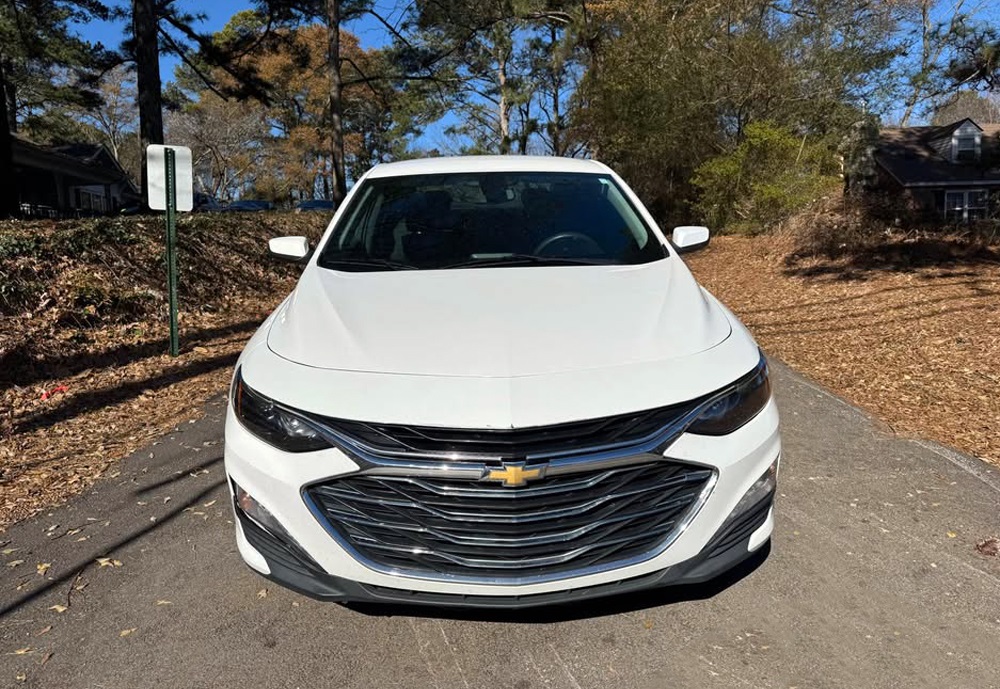
GM planted the LCV and LKW across midsize sedans, pickups, and light SUVs. In the Malibu, it saw commuter duty, short trips, stoplights, long drain intervals.
In the Colorado, it towed and idled in fleet service, sometimes racking up over 200,000 miles. Impala use sat somewhere in the middle: higher miles, but still heavy on urban traffic and taxi stops.
Duty cycle shapes failure. Short-tripped engines never reach full temp, letting fuel and water pollute the oil. Long-haul units heat-soak the chain, loading tensioners and cooking plastic guides. Every failure path was written by how the engine lived, sludged in suburbia, or thrashed on long-haul roads.
GM 2.5-liter generations and risk profile
| Era / Engine family | Architecture & fueling | Typical vehicles | Strengths | Core problem pattern in the real world |
|---|---|---|---|---|
| 1970s–1990s Iron Duke | Cast-iron block, OHV, TBI/port | X-bodies, S-trucks, basic sedans | Simple, low specific output | Age-related leaks, slow but rarely catastrophic |
| 2013–2022 Ecotec LCV/LKW | Aluminum DOHC, DI, VVT | Malibu, Impala, Colorado, Canyon, LaCrosse | Smooth, efficient, forged crank | Vacuum pump/cam failures, oil burning, chain wear |
| 2024+ LK0 2.5T | Aluminum DI turbo, VVT | Traverse, Acadia | Strong power, good paper mpg | Early NVH complaints, performance, unknown long-term |
2. Vacuum pump failures that crack cams and end engines
Brake vacuum had to come from somewhere
The LCV and LKW don’t pull much vacuum at idle. High overlap from VVT and direct injection cut intake manifold draw. GM solved brake assist by bolting a mechanical pump to the back of the exhaust cam. It runs off a hex drive and feeds the brake booster with engine oil lubing a tiny screen and rotor inside the housing.
This setup works, until sludge clogs that screen. Then the rotor drags. The pump starts to gall or lock, and torque spikes backward into the camshaft lugs. From there, the damage climbs fast.
Pump seizes, cam shifts, timing codes hit
When the pump locks, its drive lugs try to twist the cam. Most times, the reluctor ring shears loose and spins on the cam journal. That throws off the signal the ECM uses to time ignition and fuel.
Sometimes the cam itself cracks. Other times, the reluctor shifts just enough to create correlation codes like P0014 or P0017, or it moves so far out of phase the engine won’t start.
Even without a CEL, you’ll see long cranks, no vacuum at the booster, or “Reduced Engine Power” mode. In worst-case cases, metal shavings from the pump or cam get sucked into the oil system. Then you’re looking at a teardown or a new long block.
Real-world failures, lawsuits, and cost to fix
By 2020, GM had issued TSB 21-NA-268 to cover extended crank and cam correlation faults. It walks techs through checking the 2D alignment mark on the cam hex. If the reluctor ring moved, the cam and pump both get replaced.
Owners weren’t impressed. A class-action lawsuit (2:22-cv-11548) called out the fact that GM replaced failed parts with identical designs, never redesigning the drive or screen. The Malibu took the brunt, but Impala and LaCrosse models show similar failure patterns.
Vacuum-pump / cam failure: symptoms vs likely damage
| Driver symptom | Typical codes / findings | Likely failed parts | Typical repair range (USD) |
|---|---|---|---|
| Hard brake pedal, still runs | None or pending cam code | Vacuum pump internals, early wear | 600–1,000 (pump only) |
| Hard start, “Reduced Engine Power” | P0014, P0017, cam/crank corr | Pump plus exhaust cam reluctor shifted | 1,500–2,500 (cam + pump) |
| Sudden stall, no restart, metal in oil | Multiple cam/crank codes | Pump seized, cam lugs broken, metal shed | 8,000–11,000 (engine swap) |
3. Oil burners and chain jumpers: how the 2.5 spirals when it drinks its sump
Low-tension rings that give up early
The pistons run skinny, low-drag rings meant to boost fuel economy. On fresh engines, they hold fine. But once soot builds in the ring lands, the tension’s not enough to scrape it off. That lets oil sneak past, burn in the chamber, and vanish by the quart.
Direct injection makes it worse. No fuel wash on the valve or cylinder wall means carbon loads up fast. By 60,000 miles, some engines are down a quart every 1,000 miles, without smoke, without leaks, and without any low-oil warning strong enough to flag it before damage builds up.
Blocked PCV ports that blow out the rear main
The PCV system routes vapor through a fixed orifice molded into the intake. It’s not a valve, just a pinhole that clogs once sludge sets in. When that happens, crankcase pressure builds. Vapors force their way up the intake, past rings, and out through the weakest seal in the system: the rear main.
Once the seal pops, oil loss isn’t a drip, it’s a stream. Some owners lose the whole sump in 100 miles. You won’t always smell it. You won’t always see it. But by the time the light clicks on, the chain’s already starving.
When low oil wipes the chain and bearings in one shot
The 2.5 runs a timing chain, not a belt, but it’s only as strong as the oil behind it. The tensioner’s hydraulic. The guides are plastic. Starve it on a highway pull, and the chain starts slapping. One skip is all it takes to bend valves on this interference design.
It doesn’t stop at the chain. Once pressure drops, bearings go next. Main, rod, and cam journals take heat and metal contact they weren’t built for. What starts as a quart-every-1,000 habit ends with a seized short block.
Oil-consumption path and knock-on failures
| Stage / condition | What’s happening mechanically | Early warning signs a driver can catch | If ignored, what usually fails first |
|---|---|---|---|
| Mild ring sticking, 1 qt / 2,000 miles | Carbon in ring lands, low-tension rings not sealing | Rising top-offs between changes, sooty tips | Accelerated bore wear, increased blow-by |
| PCV restriction, higher crankcase pressure | Vapors + liquid oil pushed into intake, seals loaded | Oily throttle body, whistling, new external seep | Rear main seep, higher oil usage |
| Low sump, hot highway pulls | Oil pickup draws air, pressure dips, chain slack | Cold-start rattle, intermittent cam timing codes | Chain guides, phasers, then rod/main bearings |
4. Timing failures and valve tricks that punish bad oil
Chain tension lives or dies on pressure
The 2.5 uses an inverted-tooth chain, hydraulic tensioner, and plastic guides. All of it sits on the front of the engine and feeds off main oil pressure. If it’s low on startup, the chain runs slack. Cold mornings with old oil trigger the worst hits, no cushion, no tension, just slop between gears.
The guides crack first. Then the tensioner can’t catch up. Once the chain stretches, it knocks timing out of range. On these engines, the timing chain isn’t a maintenance item, it’s a pressure-driven system that fails early if starved.
Phasers, solenoids, and the lift-switch gear on the LKW
Cam phasers ride on both intake and exhaust cams. Oil-fed solenoids trigger them. When the solenoid screens clog, the phasers stick in place. If they stop in advance or retard positions, idle gets rough. If they drift mid-range, the ECM goes limp and throws torque limiting codes.
The LKW adds one more layer: IVLC. That’s a switchable intake rocker that drops lift at light loads. It’s meant to save fuel, but when it sticks, it hangs open and chokes the charge. Cold starts stumble, misfires rise, and throttle delay gets worse. No unique code flags IVLC failure, techs have to back-trace valve lift manually.
When the data says timing job, not just solenoids
Dirty oil causes solenoids to fail. But so does voltage drop, harness faults, and camshaft wear. The ECM logs P0010, P0011, P0012, P0014, or P0017, and each points to a slightly different issue. If a fresh oil change and new solenoids don’t clear it, it’s time to pull the cover.
A full timing job includes chain, guides, tensioner, both phasers, and updated bolts. Skipping any one part risks redoing it later. Don’t chase phantom solenoid codes when chain stretch has already thrown cam timing out of spec.
Common 2.5 VVT / timing codes and what they usually mean
| DTC code | What the ECM thinks is wrong | Common real-world issue | Typical first repair attempt |
|---|---|---|---|
| P0010 | Intake cam actuator circuit fault | Failed intake VVT solenoid / wiring | Replace solenoid, clean connector |
| P0011 | Intake cam over-advanced | Stuck phaser, dirty solenoid, thick/sludged oil | Oil change, solenoid, sometimes phaser |
| P0012 | Intake cam over-retarded | Low oil pressure, weak tensioner, severe sludge | Oil pressure check, chain/tensioner eval |
| P0014 | Exhaust cam over-advanced | Vacuum-pump drag, sticky exhaust phaser | Pump inspection plus phaser/solenoid |
| P0017 | Crank/cam correlation (Bank 1, exhaust) | Stretched chain, slipped reluctor, cam damage | Often full timing set or engine teardown |
5. Carbon buildup and coolant leaks that tighten the noose
DI valves that coke up by 60K
Fuel never hits the back of the intake valves. That’s the compromise with direct injection, spray goes straight into the chamber. So the usual fuel wash that cleans ports is gone.
Instead, oil vapor from the PCV system and EGR soot bake onto hot valve stems and faces. Over time, deposits thicken, airflow drops, and cold-start misfires creep in.
By 60,000 miles, many Ecotecs show rough idle, slow tip-in, and lazy throttle response. On commuter cars that never see full throttle, the ports choke faster. Once the carbon sets, no additive reverses it.
Blasting, sprays, and when cleaning pays off
“Pour-in” fuel cleaners don’t reach the deposits. Induction sprays can slow buildup but won’t fix it once symptoms start. Walnut blasting is the only method that clears coked valves without pulling the head. Shops fire crushed shells through a pressurized wand with the intake off, loud, dusty, but effective.
On city-driven engines, blasting every 50,000 to 70,000 miles keeps idle and MPG consistent. On long-haul units, the interval can stretch longer. But once cold misfire codes hit or you see a 2–3 mpg drop, it’s already due.
Heat-soaked plastic and hidden coolant loss
The 2.5 cooling system runs several molded plastic joints, T-fittings, housings, and radiator necks. Most of these are friction-fit with o-rings and age poorly.
Heat cycling hardens the plastic and shrinks the seal. A few drops per trip don’t look like a leak, but they drop pressure, run the head hotter, and edge the temp needle higher on steep grades.
Low coolant makes the carbon problem worse. Intake valves see higher chamber temps, which cooks vapor faster and deepens the crust. Once coolant drops below the sensor range, heads warp and timing covers start seeping under load.
Carbon and cooling issues vs performance complaints
| Problem type | Main mechanical cause | Common owner complaint | Long-term risk if untreated |
|---|---|---|---|
| Intake valve carbon buildup | DI + oily PCV vapors, no fuel wash | Cold-start misfires, sluggish mid-range, worse mpg | Misfire damage, cat overload, valve wear |
| Coolant T / housing seep | Aged plastic, thermal cycling | Sweet smell, occasional low coolant warning | Overheat, warped head, gasket failure |
| Combined hot-running + carbon | Lean DI burns hot around deposits | Feels “tighter,” pinging under load on cheap fuel | Cracked plugs, pre-ignition, ring damage |
6. The turbocharged 2.5 LK0 – more boost, more noise, more questions
Inside the high-output 2.5 that replaced the V6
The LK0 shares its bones with GM’s 2.7T but drops one cylinder. It runs a closed-deck aluminum block, integrated exhaust manifold, high-pressure direct injection, and a high compression ratio for a turbocharged engine.
Boost comes from a twin-scroll turbo tuned for torque early in the rev range. Cooling is heavier than past 2.5s, with an upgraded intercooler and external oil cooler baked into the Traverse and Acadia layouts.
This isn’t a Malibu commuter engine. The LK0 carries three-row family haulers. Output crests 328 hp and 326 lb-ft with premium fuel. GM targeted V6 power from a smaller, lighter package. It gets there, but rides harder doing it.
NVH complaints, rough launches, and calibration quirks
Owners and testers flagged early noise complaints. Idle clatter sounds closer to a diesel than a gas four-cylinder. On cold starts, the engine ticks loud enough to trigger warranty visits.
At light throttle, lag lasts a beat too long, then torque hits hard enough to chirp the tires. The 8-speed tries to cover it but still stumbles between 1st and 2nd under part load.
Throttle delay and overshoot show up most in rental reviews. It’s not classic turbo lag, it’s calibration. The system holds boost and pulls timing in bursts to meet torque targets, but the delay can spook drivers used to the old 3.6 V6’s linear pull.
What to expect while failure data trickles in
No widespread failures have landed yet. But patterns are forming. Coolant leaks from housing joints are up. MAP sensors and knock sensors throw early codes. Some modules drop GPS or stall the drive mode selector after ignition cycles.
What matters long term is how well this engine handles heat, oil quality, and carbon. It runs hotter than the LCV/LKW and makes more torque under load.
The DI system is nearly identical to the 2.7T, so valve coking is a question of time, not if. Shops should treat this as a truck engine in a crossover shell, shorter oil intervals, tighter cooling checks, and no delay on DI cleanings.
7. What keeps the 2.5 alive and when it’s still worth the risk
High-mile survivors don’t follow GM’s instructions
Engines that clear 200,000 miles on the 2.5 aren’t running factory intervals. Owners who last that long ignore the oil life monitor and stick to 3,000–5,000-mile synthetic changes.
They check oil weekly, not just at service. They replace plastic coolant fittings by 100,000, before they crack. And they don’t wait for a rattle to turn into a chain job, they pull covers at the first cold-start slap.
Fleet trucks rack up big miles doing just this. Timing sets still wear. Pumps still weep. But the core bottom end, the forged crank, the piston skirts, the head sealing, holds if oil and heat stay in check.
Driving pattern decides how the engine fails
Short trips end the 2.5 faster than hard driving. A Malibu that idles 20 minutes every morning and shuts off before it reaches 190°F builds up fuel and moisture in the crankcase. That’s what clogs pump screens and blocks PCV ports. Same engine on a highway commute lasts longer, even with occasional redlines.
Oil loss creeps in sooner on high-temp cycles. Towing in a Colorado thins the sump faster and pulls chain wear forward. But it’s not just use, it’s response. One skipped change can move up a rebuild by 50,000 miles.
When buying a used one still makes sense
The 2.5 works for buyers who don’t mind extra maintenance. It’s a bad pick for second owners who assume “low miles” means “low risk.” It fits fleets, highway commuters, and anyone who knows how to check a dipstick and change oil on time.
Where it breaks down is in resale or neglect. A used Malibu with a vague rattle and no service history is a loaded engine pull. Better to walk toward a 3.6L V6 with noise than a 2.5 that’s too quiet to warn you.
Major GM 2.5 engine problem types and owner impact
| Problem cluster | Main design / usage driver | Typical fix cost band (USD) | Downtime / risk to engine |
|---|---|---|---|
| Vacuum pump / camshaft failure | Pump lubrication limits, debris, long intervals | 600–11,000 (pump → engine) | High, brake safety + engine |
| Chronic oil consumption | Low-tension rings, DI soot, PCV layout | 0 (top-off)–4,000 (rebuild) | Medium–high, chain, bearings |
| Timing chain / guide damage | Low oil, aged guides, long drain intervals | 1,000–2,700 | High, interference valvetrain |
| VVT / IVLC solenoid & phaser faults | Dirty oil, fine screens, sensitive control logic | 150–1,000 | Medium, performance/limp mode |
| DI carbon and cooling-plastic leaks | DI design, PCV vapors, plastic fittings aging | 150–2,000+ | Medium, misfire, overheat |
| LK0 turbo NVH / performance issues | High boost, aggressive tuning, early calibration | Mostly under warranty now | Unknown long-term, still emerging |
Sources & References
- GM’s Unkillable Iron Duke 4-Cylinder Engine Powered Dozens Of Trucks, Cars, and SUVs For Decades – Driving Line
- The Iron Duke – GM’s Worst Engine Ever? | GMParts Center Blog
- GM 2.4 Liter Ecotec Motor Issues – Automotive Magic
- 2013-2022 Chevy Malibu Models Suffer from Brake Booster Vacuum Pump Defect, Class Action Claims
- 2024 Chevrolet Traverse Goes Official With 2.5L Turbo I4 Engine, Truck-Inspired Front End
- List of GM engines – Wikipedia
- GM Ecotec Engine: Generation I | PDF | Motor Vehicle – Scribd
- GM PowerTrain 2.5L LCV Engine Features and … – Regulations.gov
- GM’s New 2.5L Four-Cylinder Engine Will Be Standard in Malibu – Fuel – Automotive Fleet
- Chevrolet 2.5L LCV Engine Specs & Info
- 2020 Malibu… vacuum pump exploded and twisted the exhaust cam… lovely.. : r/Justrolledintotheshop
- Service Bulletin INFORMATION – nhtsa
- 2021 CHEVROLET Colorado Recalls, Complaints and …
- How Much Does It Cost To Get A Timing Chain Replacement? – J.D. Power
- WHY GM HAS NOT FIXED ITS OIL CONSUMPTION ISSUES? & 3 TIPS TO HELP – YouTube
- Feedback on the 2.5L v4 (base) editions? : r/GMCcanyon
- PCV valve vs. bad engine – Which is the culprit for burning oil? : r/Hyundai
- Why GM Ecotec Engines FAIL – YouTube
- Is Your VVT Solenoid Acting Up? Common Indicators to Watch For – Foxwell
- Chevrolet Malibu Timing Chain and Gear Set Replacement Cost Estimate – RepairPal
Was This Article Helpful?