
Got a 2003 Silverado or Grand Am that cranks fine, runs for two seconds, then dies? You’ve probably already done the 30-minute key dance, three 10-minute on cycles hoping that damn security light shuts off. But it doesn’t.
And now you’re wondering if you did something wrong. You didn’t. The truck just thinks you’re trying to steal it. When the Passlock system fails to relearn, it shuts off fuel right after startup.
Doesn’t matter how fresh your key is or how many forums you’ve read. If the security light stays on or keeps blinking after the relearn, it’s not just bad timing, it’s usually a bad sensor, a broken wire, or a module on its last leg.
And if you don’t know whether your setup is Passlock I, Passlock II, or PK3 PassKey? You’re shooting in the dark, swapping parts.
Let’s clear it up, starting with how to tell what system you actually have.
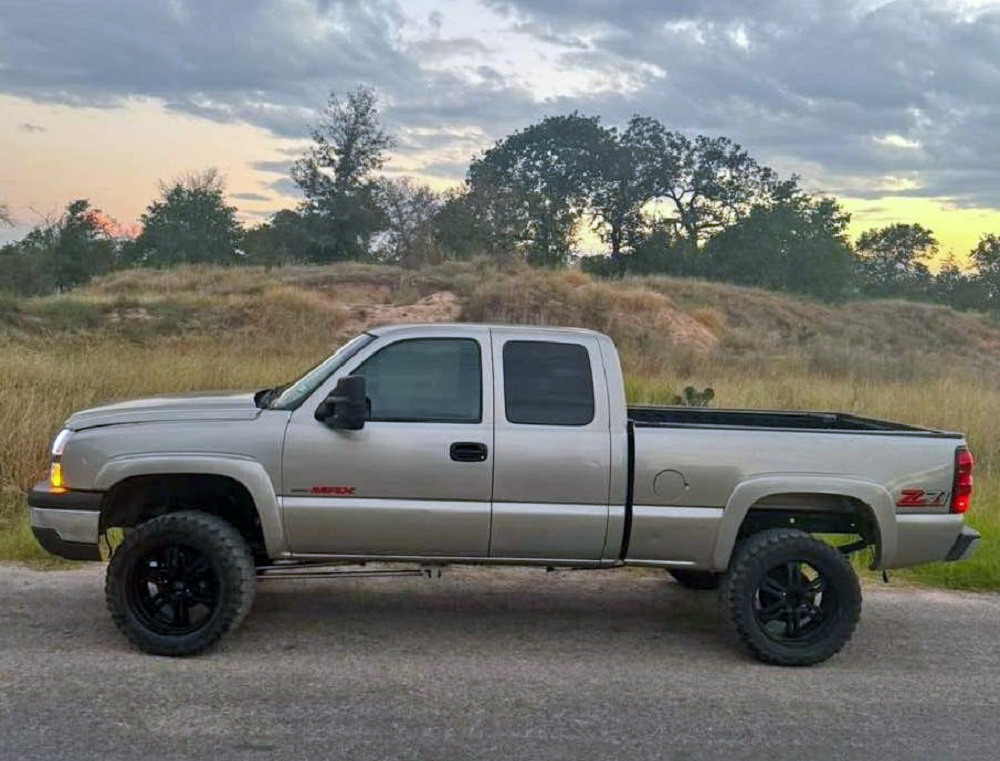
Passlock vs PassKey vs VATS: get the system ID right first
Not all GM anti-theft systems work the same. If you don’t know which one your vehicle uses, the relearn won’t work, and replacing the lock cylinder might do absolutely nothing.
Passlock I & II: the magnet-and-sensor setup
Used from the mid-’90s through the early 2000s, Passlock I and II rely on a rotating magnet inside the lock cylinder housing. When you turn the key, a sensor reads that magnet’s position and sends a voltage signal to the BCM or instrument cluster. That module then tells the PCM it’s okay to send fuel.
It’s analog, sensitive, and the sensor isn’t part of the lock cylinder itself, so swapping keys or cylinders usually doesn’t fix anything.
PassKey III (PK3): the chip-in-key version
Starting around 1999, GM rolled out PassKey III, also known as PK3. Some folks call it “Passlock III,” which just muddies the water.
The real difference? PK3 uses a transponder chip inside the plastic key head. A ring antenna around the ignition barrel reads the chip, sends the code to the BCM, and the BCM either greenlights fuel or shuts it down.
If you’re running a 30-minute relearn on a PK3 system, make sure you’re using the right timing; this one’s digital, not magnetic.
Legacy VATS: the resistor-key dinosaur
If your key has a visible black resistor pellet in the blade, you’ve got an old-school VATS setup (Vehicle Anti-Theft System). Mostly used in the late ’80s and early ’90s, VATS has no BCM, no Passlock sensor, just a resistor value read directly by ignition contacts. If the value’s off, the system locks out for four minutes per failed attempt.
Know your system before you troubleshoot
| System | Years Used | Key Type | Signal Source | Common Fail Point |
|---|---|---|---|---|
| VATS | 1986–1995 | Metal key with resistor | Resistor read by ignition contacts | Worn contacts, wrong resistor |
| Passlock I | 1995–1999 | Standard key | Magnet sensor in housing | Sensor failure, wiring issues |
| Passlock II | 1999–2005 | Standard key | Same as above | Sensor or BCM faults |
| PassKey III (PK3) | 1999–2014 | Transponder key | RF chip read by antenna ring | Key not programmed, BCM failure |
Still unsure what you’ve got? Pull the key. Fat plastic head = probably PK3. Skinny metal blade = likely Passlock. Resistor in the shaft? That’s VATS.
That blinking security light? It’s trying to tell you something
Every time you turn the key, that red or yellow “Security” or “Theft” light follows a routine. And how it behaves, flashing, staying solid, or disappearing, tells you exactly what the system’s doing.
Problem is, most folks don’t know what each signal actually means. Misread it during a relearn or crank-stall, and you’ll head down the wrong path.
Flashing = in learn mode
If the light flashes steadily after a crank-and-die, the Passlock system’s in learn mode. That’s normal after replacing a PCM, lock cylinder, or sensor.
Leave the key alone. Don’t cycle it, don’t bump it. Wait the full 10 minutes. If you move it too soon, you reset the clock and have to start over.
Solid = hard fault
A steady light before or after cranking means the system has flagged a problem, such as a bad sensor read, wrong voltage, or a BCM glitch. In this state, it’s not trying to learn at all.
You’ll need to clear DTCs and check wiring, ground, and signal voltages. If the light stays on after a successful start, it may still clear itself after a few minutes. If not, scan for a B29xx code.
Off = normal or no signal at all
If the light comes on briefly during key-on, then shuts off, you’re good, it passed the bulb check and got a clean read. But if the light never shows, even for a second, don’t celebrate yet. It could mean a dead bulb or a bad IPC. If the truck still dies, dig deeper.
Flashing after shutdown = armed system
If the light flashes after you pull the key and walk away, that’s normal. It’s just the system arming itself. Nothing to fix.
What your GM security light is really saying
| Light Behavior | What It Means | What To Do First |
|---|---|---|
| Brief on, then off at key-on | Normal bulb check | System’s good to go |
| Flashing after crank, engine dies | Learn mode in progress | Let it finish—don’t touch the key |
| Solid ON before or after crank | Fault in sensor, wiring, or BCM logic | Scan for codes, check voltage and ground |
| Off at all times | Burned bulb or IPC failure | Confirm bulb and cluster, scan for input |
| Flashing after shutdown | System armed (normal on some models) | No action needed |
Got the steps right, but it still won’t start? Here’s why
You did everything right. Key on, light flashing, charger hooked up. Sat through all three cycles. But the truck still cranks and dies like nothing happened. So what’s still jamming the system?
It usually comes down to one of three things: timing was off, voltage dipped, or the hardware’s shot, and no amount of relearning will bring it back.
You rushed the clock or skipped a step
The Passlock timer isn’t flexible. Key in RUN for 9 minutes and 45 seconds? Too short. Finish two cycles but miss the third? It never learns the new code.
Turning the key off too early between cycles resets everything. Use a stopwatch. Guessing doesn’t cut it.
Voltage sag killed the signal
This one slips past a lot of folks. If battery voltage drops below 12.2V during a relearn, the BCM might lose the signal. It doesn’t pause, it cancels.
Weak battery, bad ground, corroded posts, all of it matters. The charger isn’t just a backup. It’s part of the process. Quick tip: Clamp to the frame or block, not just the battery posts. Ground faults hide in plain sight.
You replaced the cylinder, but the sensor’s still toast
Swapping the key and lock cylinder won’t help if the problem’s in the sensor inside the housing. And most of the time, it is. That sensor reads magnet movement and turns it into a voltage. If it’s cracked, dirty, or the signal wire’s loose, the BCM gets junk data.
That’s how you get codes like B2957, B2958, or B2960, even when you followed the relearn step-by-step. WD-40? Don’t even think about it. It fouls the sensor and throws off voltage even more.
Bad ignition switch or missing IGN1 voltage
A worn ignition switch can kill voltage to the IGN1 circuit just long enough to ruin the relearn. The BCM needs that power solid through all three cycles. If it blinks even once, the PCM never gets the go-ahead.
What you’ll see: crank, stall, no injector pulse, and no obvious warning from the security light.
Check IGN1 at the fuse box or BCM with a scope. If it dips, replace the switch.
BCM or PCM isn’t playing ball
Sometimes the Passlock sensor’s fine, but the BCM can’t store the new code, or the PCM won’t accept it. No handshake, no start. Codes like B1000, P1626, or P1631 usually mean bad flash memory or internal failure.
You’ll need to reflash or replace the module. Used BCMs must be VIN-matched and programmed with dealer-level tools.
Wiring breaks that only show up when you move the column
Tilt your steering wheel up and down for 20 years, and you’ll start cracking wires. Most Passlock setups use yellow, black, and orange/black leads from the lock housing to the BCM.
The wires break inside the insulation, so you won’t see it. But you’ll get flaky voltage, failed relearns, or no signal at all. Strip the harness near the column and do a tug test. If a wire stretches like a rubber band, it’s broken inside.
When the dash light’s not enough, it’s scanner time
The security light gives you a rough idea. But if the truck still won’t stay running after a relearn, you’ll need a scanner to see what’s actually happening. This is where voltage numbers and status flags tell you whether the system’s working or just pretending.
Passlock Data Voltage: the number that makes or breaks it
Passlock I and II systems send a voltage signal, usually between 0.5 and 4.5 volts, when you turn the key. The BCM stores that number as your key’s “signature.”
But it’s picky. If the signal drifts even 0.02 volts from what it learned, the BCM might block fuel. That’s why worn housings, flaky grounds, or cheap aftermarket parts can kill a relearn. The voltage looks close, but close isn’t enough.
Use a scan tool (Tech 2, Snap-On, or MDI) to watch “Passlock Data Voltage” during a crank. If it spikes, sags, or flatlines, your sensor’s bad or the wiring’s compromised.
Fuel Enable status: the final handshake
Every successful relearn ends with the BCM telling the PCM: “Fuel’s enabled.” If you never see Fuel Enable flip from “No” to “Yes,” the PCM never got the green light. You’ll crank, maybe get a quick sputter, but the injectors stay shut down.
On older tools, it might show up as “Theft Deterrent Status” or “VTD Status.” Look for anything labeled “Enable,” “Allow Fuel,” or “Security State.”
If the sensor voltage looks solid but Fuel Enable stays at “No,” you’re likely dealing with a BCM that can’t store the new code or a PCM that’s not listening.
DTCs that matter: the ones that kill a relearn
Skip the random P-codes for now. These are the ones tied directly to Passlock failures:
| Code | Meaning | Likely Cause |
|---|---|---|
| B2947 | Short to ground on sensor power circuit | Broken wire, bad ground |
| B2957 | Signal voltage too low | Failed sensor, shorted lead |
| B2958 | Signal voltage too high | Corrosion, resistance, failing sensor |
| B2960 | Wrong voltage learned | Housing mismatch, voltage drift |
| B3031 | Learn mode active, no valid signal | Open circuit, bad timing during relearn |
| P1626 | PCM didn’t receive fuel enable | BCM-to-PCM communication failure |
| P1631 | Incorrect password received | Sensor fault, BCM memory failure |
See B2960 or P1631? That usually means the BCM didn’t get a clean read, or it forgot the password altogether.
Here’s what actually fixes a failed Passlock relearn
You’ve cleared the codes. Followed the timing to the second. Scoped the voltage. Still no start?
Then, you’re past software tricks, it’s time to fix what’s physically broken.
Replace the lock-cylinder housing, not just the cylinder
In Passlock I and II systems, the sensor lives in the lock housing, not the key cylinder. Swapping the key or cylinder won’t do a thing if the sensor’s cooked.
What works: Replace the entire ignition lock housing with the sensor already installed. Parts run $80–$130. After install, redo the 30-minute relearn with a charger hooked up.
What points to this fix: Codes like B2957, B2960, or classic crank-then-die symptoms, even when your timing’s perfect.
Fix the broken wire hiding in the column
If voltage from the sensor bounces around or the security light stays locked on, you might have a cracked wire from years of tilting the steering column.
Usual suspects: Yellow, orange/black, or black wires behind the ignition housing. Breaks often hide under intact insulation.
What works: Strip the harness and pull gently on each lead. If one stretches or pops loose, solder in a fresh section or re-pin the connector. Then run the relearn again.
What points to this fix: Voltage drops, security light stuck on, or “no valid code learned” errors.
Replace or reflash the BCM or PCM: when modules stop talking
If you’ve tried everything else and still get codes like P1626, P1631, or B1000, the problem’s deeper. Either the BCM isn’t storing the new code or the PCM’s ignoring the green light.
What works: Replace the bad module and reflash it with your vehicle’s VIN using a dealer Tech 2 or MDI tool. Some independent shops can handle it, but most DIYers will need a tow.
Cost: Expect $200–$400 for dealer programming. Used BCMs can work, but only if they’re VIN-matched and flashed clean.
What points to this fix: You’ve already replaced the housing and checked the wiring, but Fuel Enable still fails or you keep getting password mismatch codes.
Done chasing ghosts? Here’s how to bypass Passlock for good
If you’ve replaced the sensor, checked the wires, nailed the relearn, and it still won’t start, then bypassing the system might be your cleanest way out. This means removing Passlock from the equation entirely.
Just know: once you do this, your truck’s anti-theft system is gone for good.
NEWROCKIES PRO Module: the hard shut-off
This is the go-to bypass kit for Passlock, VATS, and PK3 systems. It wires into the ignition circuit, simulates a valid key signal, and tells the PCM to send fuel, no BCM needed.
• Cost: Around $200
• Install Time: 45–90 minutes
• Skill: Moderate, requires splicing, reading diagrams
• Warranty: Most kits offer lifetime coverage
Why it works: These modules generate the correct voltage or data the PCM expects, cutting out the BCM entirely on some models.
What to watch for: Once installed, your truck has no theft protection. If someone knows how to start it with a screwdriver, they can.
Some installers add a hidden kill switch to bring back a little security.
DIY resistor trick: cheap, if you’re precise
For Passlock I or II systems, you can measure the resistance value sent during a valid key read, then wire in a resistor to match it.
You’ll need a multimeter, soldering iron, and steady hands. Wire the resistor between the yellow and black/orange leads in the harness.
Good for: Farm trucks, remote-start setups, tight budgets
Not good for: Inexperienced DIYers or anything still under warranty
Heads-up: This only tricks the sensor circuit. Your BCM still needs to function. It won’t work if the module’s already dead.
Bypass risks: what you’re giving up
Bypassing solves the no-start, but it also wipes out the factory theft system. You’ll need to weigh the trade-offs:
• No more security: Anyone with basic skills can start it
• Insurance issues: Some policies may reject theft claims
• Warranty loss: Disabling Passlock voids powertrain coverage on most vehicles
Only go this route if the truck’s out of warranty, lives in a low-risk area, and you’re done throwing time and money at module swaps.
Fix, bypass, or tow it in? Match the method to the mission
Not every no-start is worth chasing all the way down the rabbit hole. The right fix depends on what the truck does, what it’s worth, and how much downtime you can afford.
Daily driver? Stick to OEM parts and a proper relearn
If it’s your only vehicle, you park it on the street, and your insurance is still active, don’t cut corners. Replace what’s failed, check the wiring, and follow the full 30-minute relearn by the book.
It takes longer, but it keeps the factory theft system working and avoids patchwork fixes that can leave you stranded later.
Best approach:
• Replace the full lock-cylinder housing (with the sensor)
• Repair or re-pin any damaged wires
• Flash or replace the BCM/PCM if needed
Result: Factory behavior, clean starts, and full security coverage.
Work truck or field beater? Bypass it and move on
If the truck’s used for hauling, farming, or just needs to fire up no matter what, skip the diagnostics and hard-disable the system.
Use a NEWROCKIES module or resistor trick, confirm it starts reliably, and get back to work. Add a kill switch if you want some basic theft protection.
Best approach:
• Bypass the Passlock system
• Confirm consistent starts
• Skip BCM/PCM reflashes
Result: It starts every time, no more fuel cutoffs, but the anti-theft’s gone.
Adding remote start? Build the bypass in from the start
Planning a remote start on a Passlock or PK3 truck? You’ll need a bypass anyway, these systems won’t allow remote ignition without one.
Some kits include Passlock defeat circuits. Others require you to program a spare key into a bypass module.
Best approach:
• Choose a bypass module that matches your system
• Use a spare key if it’s PK3-based
• Test both remote start and key start after install
Result: Remote start works as it should, and the system stays intact.
Before you pay the shop, ask these four questions
Some techs test. Others just throw parts at the problem. These four questions help you figure out which one you’re dealing with and whether you’re paying for real work or guesswork.
“Are you watching IGN1 voltage during the relearn?”
The BCM needs solid voltage on the IGN1 circuit through all three 10-minute cycles. If there’s a drop even for a second, the relearn fails. If they’re not watching this live, they’re missing a key part of the problem.
What you want to hear:
“Yes, we monitor voltage live with a scanner or meter during the relearn.”
“Are you replacing the whole housing or just the cylinder?”
In Passlock I and II, the sensor lives in the housing, not the key cylinder. Swapping the wrong part does nothing. If they don’t know that, it’s time to find someone who does.
What you want to hear:
“We’re replacing the full lock housing with the sensor. That’s what the BCM reads.”
“Can you show me Passlock voltage and Fuel Enable status before and after the fix?”
This tells you they’re pulling live data, not guessing. You want to see Passlock voltage during crank and Fuel Enable flipping to “Yes” when the system works.
What you want to hear:
“We can show you screenshots from Tech 2 or MDI if needed.”
“Do you warranty the module programming?”
If they reflash your BCM or PCM and it fails a week later, you shouldn’t have to pay again. Make sure the programming comes with a guarantee.
What you want to hear:
“At least 12 months on module programming, parts and labor.”
Final takeaway: this system doesn’t guess, and it doesn’t bend
Passlock isn’t smart, it’s just strict. It checks voltage, watches the clock, and waits for a perfect match. If the timing’s off by a few seconds, the signal’s noisy, or the battery dips mid-cycle, it cuts fuel and shuts you down.
To get past it, three things need to line up. First, power has to stay stable. That means a good battery, clean grounds, and a charger connected during the relearn.
Second, the sensor signal must be clean, no drifting voltages or corroded wiring. And third, the modules have to talk. The BCM needs to send the code, the PCM needs to accept it, and Fuel Enable has to flip to “Yes.”
Get all three right, and the truck starts. Miss one, and you’re stuck in the loop no matter how many times you turn the key.
Sources & References
- GM Passlock Security Light Issues: Troubleshooting Guide – RepairPal
- Understanding GM Passlock Anti-Theft Systems – RepairPal
- General Motors Passlock I/II/III Relearn Procedure – FS1 Inc.
- GM Security Relearn Procedure – Automotive Discounts
- GM Vehicle Theft Deterrent (VTD) Relearn Procedures – CARDONE
- VATS Basics – Lockmasters
- DTC P1626 – The Theft Deterrent Fuel Enable Signal Lost
- How to Reset Chevy Body Control Module – YouTube
- How To Replace GM Passlock Ignition Key Lock Cylinder – APDTY
- VATS Relearn Procedures – Jet Performance
- Unlocking Anti-Theft Systems: Disable, Reset & Start Your Car – Key Me
- What Does the Security Indicator Light Mean? – Reolink
- GM Anti-Theft Systems – MOTOR Magazine
- PassLock Problems – r/chevycolorado
- GM Security Light Stays On – Haynes Manuals
- Chevrolet Monte Carlo Security System Fault – RepairPal
- 1999 Chevy C1500 Suburban Passlock II No-Start Guide – RepairPal
- Disable Theft Deterrent System? – HP Tuners Forum
- Chevy Truck No Start Security Light Flashing (Fixed) – YouTube
- No Start Due to Passlock Sensor – RepairPal
- How to Read OBD2 Codes – AutoZone
- GM Theft Deterrent Systems Overview – CARDONE
- How to Bypass Passlock – Tely.ai
- GM Passlock Wiring Info – JayCorp Technologies
- Directechs Passlock Overview – NET
Was This Article Helpful?

i have a 07 monte carlo ls 3.5 flex fuel. I changed the key cylinder and the ignition switch. tried the relearn procedure at least 5 times. the security light stays on and no crank. i also tried to install the resistors but can’t find the right wires. they say orange black and yellow, and all different color wires I found non of them. I DID find the wire that have 5 volts when the key is off but I can’t find the ground wire that goes with it. The one i found is a white wire with a black stripe, the plane white wire that was with it when I put the resistor between them i got power without the key. I knew that was wrong. can anybody help me. my car been down since thanksgiving. thank you in advance I love this car it has 268759 miles and still going strong. the passlock is the only problem. i’m ready to take the whole system out will that work.
Yeah, that’s frustrating, especially when the car’s still solid otherwise. On the 2007 Monte Carlo, wire colors often don’t match what you see online, so the resistor bypass gets tricky fast. The reason you can’t find those specific wires is that the 2007 model uses the Passkey 3+ transponder system (look for a ‘+’ on your key) rather than the older Passlock system, so a resistor bypass won’t work here.
If the security light stays on and you still have no crank after multiple relearns, it usually means the new cylinder sensor isn’t communicating with the BCM or there’s a wiring issue in the column. Pulling the whole Passlock system won’t work, it’s tied into the BCM and PCM. At this point, the smartest move is a shop with a proper scan tool to see what the BCM is actually reading. That’ll save you from more guessing and cutting wires.
Hello,
I have a 2003 Chevrolet Silverado hd diesel. I am having issue with the passkey system I believe and was wondering if anyone could give any assistance. I have replaced the ignition lock cylinder the ignition housing and afterwards did the relearn. I have two keys and for some reason I did not need to do the relearn after replacing the housing. My problem is some days it will start other days it will not. I have been moving the (passkey) plug and wires by the key cylinder and it would sometime allow the truck to start. I have no security lights or any other lights on the dash indicating security issues. Moving those wires is the only thing that sometimes allows the truck to start. Can you buy the three wire plug somewhere? Why would I not have to relearn my keys after replacing the housing?
Thank you
This sounds a lot more like a wiring gremlin than a bad key.
On these 2003 Silverados, if moving that little 3-wire plug changes whether the truck starts, the connector or the wires near it are usually the real problem. The insulation can look fine while the copper inside is cracked from years of column movement and vibration.
The reason you may not have needed a relearn is probably that the BCM was still seeing a close enough Passlock signal from the new housing, or the wiring fault is intermittent enough that it has not fully locked the system out yet.
You can usually buy that 3-wire pigtail separately. The ACDelco repair connector people often use is PT2153, and the GM number commonly tied to it is 88987131. Replacing that pigtail is usually a better fix than trying to patch one brittle wire at a time.
I’d also take a quick look at the heavier ignition-switch wiring while you’re in there. If moving that harness changes things too, then the electrical side of the ignition switch may be part of the mess. At this point, I’d stop chasing the keys and put the focus on that connector and the nearby harness. That’s where this kind of ghost usually hides.