
Type “GMC Yukon transmission recall,” and you’ll hit two stories pretending to be one. One’s a shifting headache, the other’s a safety hazard.
The first centers on the 8-speed that shakes and slips from worn fluid and a weak torque-converter clutch. The second hits the 10-speed, where a bad valve can drop gears hard enough to lock the rear wheels.
One fix costs you, the other the feds forced free. This guide draws that line clean; what’s a true recall, what’s just a bulletin, and how to tell which side your Yukon sits on.
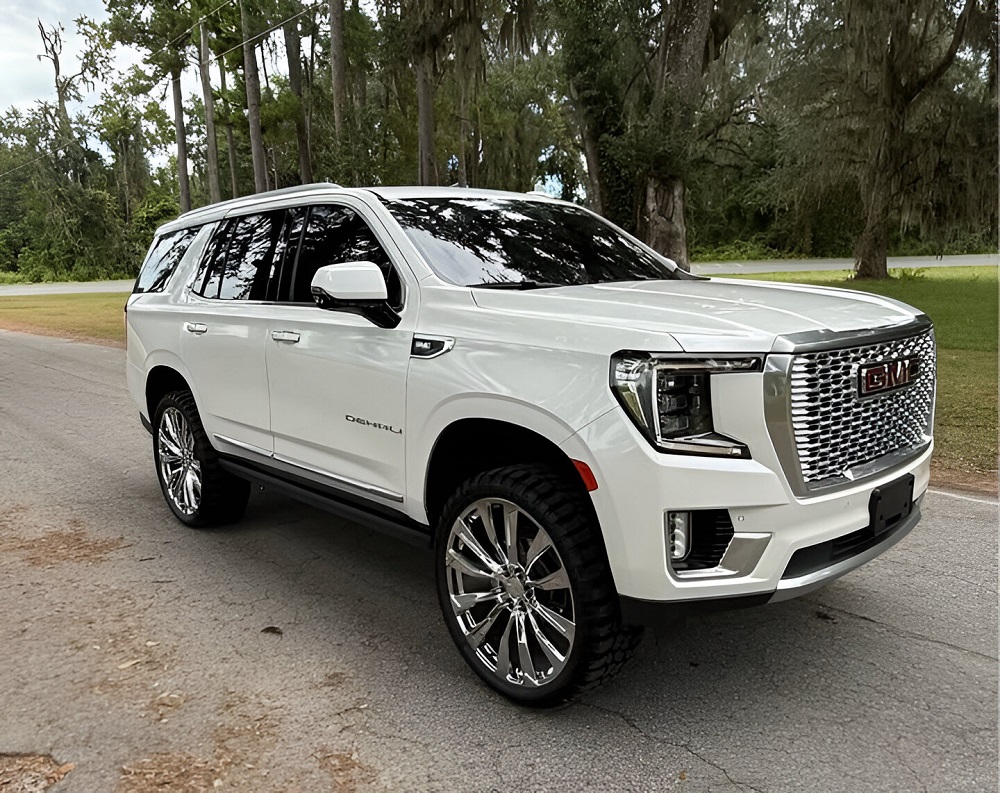
1. Two Problems, One Nameplate
Search results blur two issues together, but they couldn’t be more different. The 8-speed shakes under steady throttle; the 10-speed can drop gears so hard it locks the rear wheels. Only one earned federal recall status.
Recall vs. bulletin, who pays, and why
A recall means a verified safety risk and a free repair under federal oversight. That’s the 10-speed case; valve-body wear causes pressure loss and harsh, unintended downshifts.
A TSB is an internal fix guide. GM used one, 18-NA-355, to address the 8-speed’s fluid-related torque-converter shudder without paying for out-of-warranty work. One protects drivers, the other protects budgets.
Which Yukon fits each story
The 2015–2019 Yukon uses the 8L90 or 8L45, both prone to rumble-strip vibration from fluid breakdown. The cure: a full swap to Mobil 1 LV ATF HP done at a strict 95–113 °F fluid temp.
The 2021-up Yukon runs the 10L80 or 10L90. Its Feed Limit Low Valve can leak pressure, triggering sudden downshifts and rear-wheel lock. GM launched recalls 24V-797 and 25V-148000; first a software safeguard, then hardware updates with a steel valve and stronger spring.
Yukon transmission issues at a glance
| Transmission | Yukon years | Core defect | Status | Fix |
|---|---|---|---|---|
| 8L90 / 8L45 | 2015–2019 | Torque-converter clutch shudder from degraded fluid | TSB 18-NA-355 | Full HP-fluid exchange; converter if wear advanced |
| 10L80 / 10L90 | 2021–present | Valve-body wear causing abrupt downshift | Safety recalls 24V-797 / 25V-148000 | Software limiter + updated valve, spring, spacer plate |
2. The 8-speed shake, where it starts, and how to stop it
The 8L90 and 8L45 built into 2015–2019 Yukons share the same flaw; heat and time chew up the factory fluid until the torque-converter clutch starts to chatter.
The shake usually shows up around 40 to 70 mph under light throttle. It feels like rumble strips and slowly erodes shift quality as the clutch faces glaze over.
How the failure builds inside the converter
The factory-fill fluid breaks down fast. It absorbs moisture, loses viscosity, and can’t hold the friction balance the converter needs to lock smoothly.
The clutch slips, the slip makes heat, and that heat scars the surfaces that should grip clean. Early on, the fix is chemistry. Leave it too long and it becomes metal wear. That’s the point where even perfect fluid won’t cure the shake.
The only fix that actually clears it
GM’s official fix guide is TSB 18-NA-355, which calls for a complete exchange with Mobil 1 Synthetic LV ATF HP. It’s not a quick drain and fill; the entire 20-quart charge has to be cycled through until the return runs clean.
Technicians must hit a tight temperature window between 95 and 113 °F when setting the level; anything outside it skews the volume and hurts lockup timing.
Mixing with older Dexron VI or aftermarket additives ruins the blend instantly. Done right, most Yukons settle after a short re-learn drive, often within 200 miles.
When the converter’s already cooked
Once the clutch faces are scored, fluid alone can’t fix it. The shudder may fade for a day, then return harsher, usually with a thump when the converter locks. At that point, only a torque-converter replacement restores proper lockup.
After the swap, the same HP-fluid exchange and temperature verification are mandatory. Service records should list both the fluid type and temperature range; proof that the repair followed GM’s procedure, and ammunition if warranty or resale questions ever come up.
3. The 10-speed lock-up risk that forced a federal recall
The newer 10L80 and 10L90 transmissions were meant to fix the 8-speed’s rough manners. Instead, they introduced a mechanical flaw that could lock the rear wheels at highway speed.
The trouble starts inside the valve body, where a small part called the Feed Limit Low Valve wears down and leaks hydraulic pressure. Once that pressure drops, the transmission can command a violent, unintended downshift that snaps the driveline.
What fails inside the valve body
The Feed Limit Low Valve meters pressure to the transmission’s control circuits. As the bore wears, fluid escapes past the valve, starving the solenoids that regulate clutch timing. The system reacts by slamming into a lower gear to recover line pressure.
Drivers feel it as a hard lurch or sudden braking jolt, sometimes followed by a “Reduced Propulsion” warning on the dash. Each incident spikes torque through the rear wheels and raises crash risk.
GM traced it directly to valve-body wear on high-mileage 10-speeds, most often in 2021–2023 Yukon and Denali trims.
How the recall was rolled out
The first wave, Recall 24V-797, launched after reports of momentary rear-wheel lock-up. GM issued a software patch that constantly monitors valve-body pressure and limits the transmission to fifth gear when wear is detected.
It prevents crashes but doesn’t cure the defect. The company followed with Recall 25V-148000, broadening coverage to more GM vehicles and preparing for the real remedy: hardware repair.
Dealers reflash the transmission control module first, then order updated valve-body parts. The software is a safeguard, the hardware is the fix. Any Yukon showing the Reduced Propulsion message should receive both under federal coverage; no mileage limits, no service fees.
The permanent repair that stops it for good
GM’s final step is mechanical. Under TSB 25-NA-255, techs disassemble the valve body and replace three pieces that caused the wear cycle: a steel Feed Limit Low Valve, a stronger spring, and a new spacer plate and gasket.
The steel valve holds pressure longer, and the spring’s higher tension keeps the hydraulic circuit sealed under heavy torque. Once installed, the 10-speed regains smooth gear control without the pressure dips that triggered the lock-up.
Owners should confirm paperwork shows both the software update and the valve-body rebuild. Without the new hardware, the safety patch only masks the wear, leaving the same weak point waiting down the road.
4. Spotting the difference between a shudder and a lock-up hit
The Yukon’s two transmission failures feel nothing alike. One rattles through the seat; the other hits like a hammer to the driveline. Knowing which one you’re feeling saves time, money, and sometimes the truck itself.
When the road feels like a rumble strip
A steady tremor at 40–70 mph points straight to the 8-speed’s torque-converter clutch. The fluid has lost its grip, and the clutch alternates between partial lock and slip.
The result is a fine, rhythmic vibration that never trips a warning light but makes the whole truck feel rough on light throttle. Catch it early, and a Mobil 1 LV ATF HP exchange per TSB 18-NA-355 usually clears it. Wait too long, and the converter plates harden, and the shudder becomes permanent.
When the transmission drops hard and the dash lights up
A sharp downshift followed by a “Reduced Propulsion” message signals the 10-speed recall problem. The control valve loses pressure, and the transmission dives for a lower gear to protect itself.
The jolt feels like the truck just got rear-ended, sometimes locking the rear wheels for a split second. The software patch limits the gearbox to fifth gear to prevent more damage, but it doesn’t heal the valve body. The permanent cure is the steel valve and spring kit covered under recall 24V-797 / 25V-148000.
Quick comparison of how each failure behaves
| Road feel | Likely transmission | What’s happening | Correct action |
|---|---|---|---|
| Fine vibration at cruise, no warnings | 8-speed (8L90/8L45) | Torque-converter clutch slipping from fluid breakdown | Request HP-fluid exchange at correct temp; keep invoice noting 18-NA-355 |
| Sudden jolt, harsh downshift, “Reduced Propulsion” message | 10-speed (10L80/10L90) | Valve-body wear causing pressure loss and unintended downshift | Schedule recall repair for software + valve-body hardware update |
5. VIN-level proof, no guessing
Run the 17-character VIN through NHTSA.gov/Recalls and the GMC Owner Center. Those portals show open safety recalls tied to that exact Yukon, and they update quickly after a dealer closes a campaign.
If the 10-speed recall applies, you will see it by ID. If nothing shows and the truck still drops gears, the software may be installed without the hardware fix, so read the service history next.
Where to run the number, what to expect
Use the VIN from the windshield tag or registration. NHTSA’s tool lists unrepaired safety recalls within the federal window, usually 15 years. It does not show completed recalls, non-safety campaigns, or dealer goodwill work.
The GMC Owner Center mirrors that data and sometimes adds appointment prompts, which is useful if the truck has logged a Reduced Propulsion event.
What the report will not show on 8-speed trucks
The 8L90 and 8L45 shudder lives under TSB 18-NA-355, not a safety recall, so NHTSA will not display it. Verification comes from dealer records.
You are looking for a full exchange to Mobil 1 Synthetic LV ATF HP with the level set at 95 to 113 °F. If the ticket says drain and fill or lists Dexron VI, the fix was not performed to spec, and the shudder will return.
Paper trail that protects you
For 10-speed Yukons, the file should show the recall software plus a valve-body repair. The notes need to name the updated Feed Limit Low Valve, the stronger spring, and the spacer plate or gasket.
For 8-speed trucks, the invoice should spell out the HP fluid by name, the temperature window, and any follow-up exchange. Keep copies with dates and mileage. That proof settles warranty coverage arguments and preserves value at sale time.
6. Getting the right repair the first time
Dealers follow GM’s fix guide, but that doesn’t mean every Yukon leaves the bay fixed. The difference comes down to whether the technician followed the bulletin or just cleared the code.
A proper repair means using the right fluid, hitting the right temperature, or installing the right valve-body parts, not just resetting the warning light.
For 8-speed Yukons, precision over shortcuts
The 8L90 and 8L45 respond only to a full exchange with Mobil 1 Synthetic LV ATF HP, done exactly by TSB 18-NA-355.
The procedure calls for the transmission fluid temperature to sit between 95 and 113 °F before the level is checked. That small detail makes or breaks the repair; too cold or too hot, and the torque converter stays underfilled.
The order should also list “complete exchange,” not “drain and fill.” Any mix with older Dexron VI or aftermarket additives restarts the shudder within weeks.
If the vibration softens but lingers, it usually means the old fluid film still coats the converter. A second exchange often clears what the first pass loosened. When the shake returns fast or shifts grow harsh, the torque converter itself is already worn.
Replacement at that point restores the clutch grip and resets the system to baseline, so long as HP fluid is used from then on.
For 10-speed Yukons, software first, steel next
Every 10L80 and 10L90 affected by recalls 24V-797 and 25V-148000 must receive both parts of the fix. The first visit installs the software patch that limits the gearbox to fifth gear if pressure drops, keeping it safe from wheel lock.
The second visit completes the job with hardware: a steel Feed Limit Low Valve, a stiffer spring, and a new spacer plate and gasket. Without those parts, the valve body still wears, and the pressure loss comes back.
Ask the service desk to confirm both repairs are logged. The invoice should name the hardware kit and list the campaign numbers. Trucks that only got the software update stay drivable but not durable; the mechanical wear keeps grinding underneath.
Once the hardware’s in place, the 10-speed regains full gear control without the sudden downshifts or limp mode warnings.
7. Reliability after the fix: what you can expect
Repairs on these gearboxes settle into two paths. The 8-speed responds to chemistry if caught early. The 10-speed needs the recall software for safety and the hardware kit for staying power. Paperwork matters because it proves which path your truck actually received.
8-speed outlook once the fluid is right
A complete 18-NA-355 exchange with Mobil 1 Synthetic LV ATF HP usually smooths the rumble within 200 miles. Shift feel sharpens as the converter re-learns steady lockup at cruise.
If the shake returns quickly or a thunk appears as lockup engages, the converter lining is already scarred. Replacing the torque converter, then running the same HP fluid, restores clean lockup and keeps the shudder from creeping back.
10-speed outlook once the valve body is rebuilt
The recall reflash keeps the truck safe by limiting gears when pressure drops, but it does not stop wear. Durability returns only after the valve body gets the steel Feed Limit Low Valve, stronger spring, and new spacer plate under 25-NA-255.
With those parts installed, harsh downshifts disappear, and the Reduced Propulsion message stays gone. Units that received software alone remain vulnerable to the same pressure leak over time.
How to keep it that way
For 8-speed trucks, stick to clean HP fluid and verify level at 95 to 113 °F during service. Do not mix fluids or additives. For 10-speed trucks, confirm the repair order lists both the recall calibration and the specific valve, spring, and plate.
Keep copies with mileage and dates. That file closes warranty arguments and proves the truck received the permanent fix.
8. Shopping used Yukons without inheriting a bad gearbox
A Yukon’s resale value rides heavily on which transmission it carries and how it was serviced. The 8-speed versions hide shudder risk behind smooth test drives, while the 10-speed trucks can look clean on paper but still carry unfinished recall work. A quick paper check and a focused test drive tell the real story.
Paper proof before the keys
Start with the service records. For 2015–2019 Yukons, search for TSB 18-NA-355 and the phrase “Mobil 1 Synthetic LV ATF HP” printed on the repair order. Anything listing a generic “fluid exchange” or “flush” isn’t valid.
The job must mention temperature verification between 95 and 113 °F; that’s the sign a real fix was done. Trucks missing that record are likely running the original degraded fluid, even if they drive fine today.
For 2021 and newer Yukons, look for recall documentation showing both the software calibration and the valve-body parts replacement under 24V-797 or 25V-148000.
If a dealer only marked “reflash complete,” the hardware fix is still pending. That distinction decides whether the gearbox holds together long-term.
Short test drives that reveal the truth
On 8-speed trucks, hold a steady 50 mph and apply light throttle. Any faint vibration that fades when you lift off the gas signals early TCC slip. On 10-speed trucks, focus on downshifts at low speed.
A harsh lurch or a brief hang between gears hints that pressure loss has begun in the valve body. Trucks that show either behavior need service soon, regardless of what the seller claims.
A few miles of real driving tell you what paperwork can’t. The 8-speed gives itself away through feel; the 10-speed through force. The one that stays smooth after heat soak and a few stoplights is the one worth signing for.
What this recall story really means for Yukon owners
The Yukon’s transmission troubles split cleanly between two generations and two mindsets: maintenance versus safety. The 8-speed’s shake came down to chemistry; catch it early with the right fluid, and it stays alive.
The 10-speed’s lock-up risk came down to hardware, and the federal recall forced GM to rebuild what software alone couldn’t save.
Every fix now rides on proof. Owners who keep invoices naming Mobil 1 LV ATF HP, temperature readings, or the updated Feed Limit Low Valve are the ones holding leverage, whether at the dealer or the auction lot.
A Yukon with its transmission work documented isn’t a liability; it’s a rare full-size SUV that’s been through both the lab and the courtroom and come out stronger.
Sources & References
- Chevrolet Silverado Transmission Repair Guide (2014-2024) | 8-Speed Problems & Costs
- Second Class Action Filed Against General Motors for Defective Transmissions – Cohen Milstein
- Did GM hose it’s customers? GM 8 speed transmission Lawsuit Overturned! What now?
- Part 573 Safety Recall Report 25V-148 | NHTSA
- Safety Recall N242454440 Momentary Rear Wheel Lock-Up – nhtsa
- Vehicle Safety Recalls Week – NHTSA
- GM wins appeal on 8-speed transmission class-action lawsuit – Pickup Truck +SUV Talk
- GM Lawsuit Over Shuddering 8-Speed Moves Forward – LSX Magazine
- GM 10 Speed Recall Update Complete – YouTube
- GM 10-Speed Automatic Transmission Recall Fix: Bandaid or Reliable?
- What is Causing that? A Look at the GM 8L90’s Most Common Concerns – Gears Magazine
- The GM 8L90 Transmission: Innovations, Issues, and Applications
- Understanding ’19-Later GM 10-Speed Safety Recall – Sonnax
- Consumer Class Action Lawsuit Against GM 8-Speed Transmission
- GM 10-Speed Transmission Recall: Wheels Lock Up | Lemon Law Help
- Service Bulletin TECHNICAL – nhtsa
- GM Issues New Valve-Body Repair for P0747 on 10-Speed (10L80/10L90) – Duramax News
- Common 8L90 Transmission Problems and How Upgrades Can Fix Them
- The GM 8-Speed TCC Shudder Solution – Lubegard
- General Motors 8L90 Transmission • Problems, Solutions & Upgrades
- Check for Recalls: Vehicle, Car Seat, Tire, Equipment – NHTSA
- GM Recall Information | GMC account
Was This Article Helpful?