Crank the temp dial to LO. Nothing changes. Heat pours in, windows fog, and the vents wheeze dry. Jeep calls some of these faults safety defects, others “customer satisfaction.”
Some never got a campaign at all. What looks like a blown blower motor or a leaky evaporator might trace back to a software bug, or a missing signal.
This guide sorts the mess. Which AC problems trigger real recalls, which get quietly patched, and which leave you paying out of pocket while the dealer shrugs.
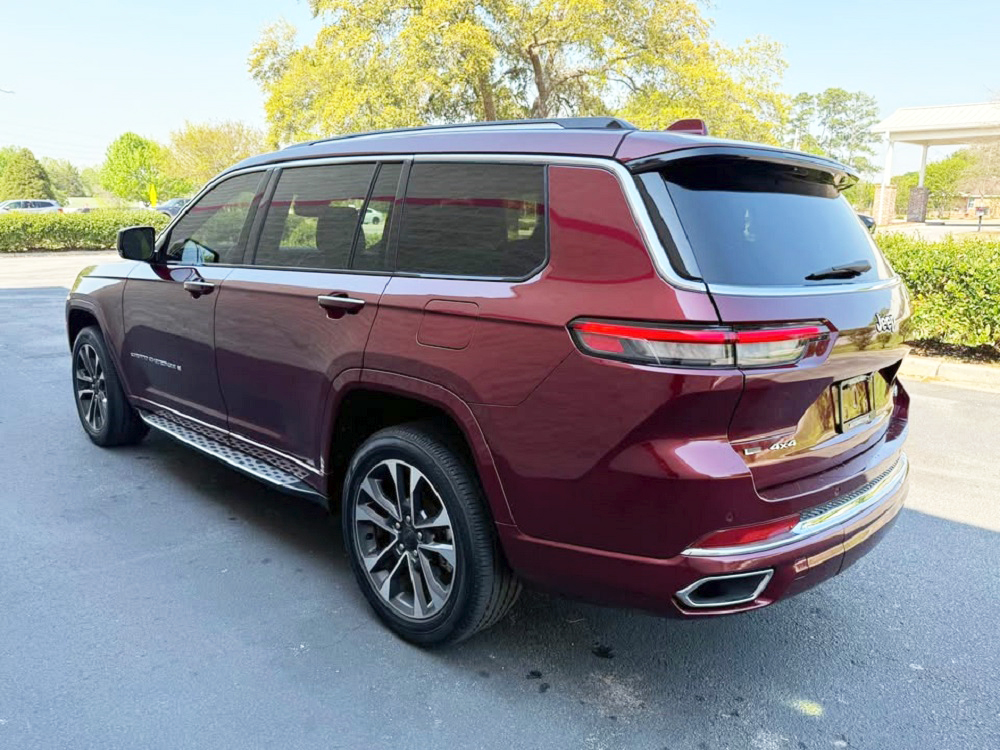
1. What “air conditioning recall” really means on a Grand Cherokee
NHTSA won’t recall your AC just because it’s hot
Air that doesn’t cool doesn’t mean there’s a recall. Under U.S. law, weak or warm AC isn’t a safety defect unless it causes visibility loss or fire risk. That’s the bar.
The legal trigger is FMVSS 103, the federal rule on windshield defrosting and defogging. If a software bug stops the defroster from clearing the glass, that’s a compliance violation. If a faulty blower motor cuts airflow across the core, same deal. That’s when NHTSA steps in.
Evaporator leaks? Not covered. No matter how common. Jeep calls them wear or environmental damage, not a design flaw. That keeps them off the recall list, no matter how many owners run out of refrigerant every spring.
Why different platforms fail in different ways
The WK2 platform (2011–2021) runs a traditional belt-driven AC system. The control module works on its own. It leaks, corrodes, and fades. The usual suspects.
The newer WL platform (2021+) runs a shared thermal loop. On hybrids, the cabin system also cools the high-voltage battery and inverter. The refrigerant path touches both. So does the software.
That split matters. When the WK2 loses AC, it usually means physical failure, leak, clogged orifice, bad clutch. When a WL system quits, it can be logic, voltage thresholds, or battery protection kicking in. You can lose cold air even with a full system and no warning light.
The HVAC recall timeline that actually matters
Here’s where the real action happened. Each line ties to a specific failure path, some comfort, some compliance, some fire hazard.
| Model years | Platform / powertrain | Campaign / action | AC-related consequence | Who pays |
|---|---|---|---|---|
| 2021–2022 | WL Grand Cherokee | CSN Z33 | Software blocks compressor enable signal, no cold air | Stellantis (no-charge CSN) |
| 2022–2024 | WL 4xe PHEV | Recall 24V-111 | Defrost/defog inoperative, windshield can’t clear | Stellantis (safety recall) |
| 2023 | WL74 / WL75 | Recall 49C | Blower motor can quit, no airflow across core/evap | Stellantis (safety recall) |
| 2022–2026 | WL 4xe PHEV | Recall 25V-741 | Battery fire risk; AC chiller loop tied into HV cooling | Stellantis (safety recall, park-outside notice) |
| 2011–2021 | WK2 | No recall; TSBs/backorders | Evaporator core rot, slow refrigerant loss and warm air | Owner (out of warranty) |
2. Software failures on WL models that stop AC without warning
CSN Z33 blocks the compressor without tripping a code
Everything looks normal. Fan blows. Panel lights up. But the air stays hot, and the system won’t throw a fault.
This isn’t a hardware break. It’s a logic glitch inside the HVAC control module. On 2021–2022 WL Grand Cherokees, the module sometimes fails to send the compressor enable signal. Nothing engages. No pressure rise. No cold air. And no DTCs.
This hits hardest when cabin heat or humidity rises. In summer, you get zero dehumidification. Glass fogs from the inside during storms. In winter, defrost suffers. Jeep flagged this under Customer Satisfaction Notification Z33, not a full recall, but the outcome in the cabin is the same.
Flashing the fix only works if the voltage stays stable
The repair isn’t a swap. It’s a flash. Dealers update the HVAC software through wiTECH 2.0 using a battery maintainer locked between 13.0 and 13.5 volts. Drop below that mid-write and the module corrupts. At that point, you’re not reprogramming, you’re replacing.
On the repair order, look for the Z33 code and an updated software ID. The tech should confirm full AC mode operation after the flash, floor, panel, defrost, and blend positions. No partial tests. If the AC doesn’t switch modes or reverts to hot after ignition cycles, the flash failed.
24V-111 disables defrost on hybrids without any warning
On the 4xe hybrid, cold mornings turn dangerous. The fan runs, buttons respond, but the windshield never clears. This isn’t condensation, it’s visibility loss.
The issue is in the Hybrid Control Processor (HCP). It mismanages heater requests under certain load and voltage conditions, keeping the defrost logic from activating.
Jeep pushed a fix under Recall 24V-111, calling it a safety violation under FMVSS 103. They’re not wrong. The system looks active but fails to heat the right air paths.
Units built between mid-2021 and late 2023 are the most affected. If the HVAC never clears glass but works fine in foot or panel mode, check if this recall was completed. Dealers update the HCP software, not the HVAC controller.
OTA updates help some units but break others
Jeep started rolling out over-the-air fixes for 24V-111 and similar logic bugs. No dealer needed. Sounds good, until it misfires.
OTA pushes on 4xe models have triggered HCP resets, loss of drive, and temporary HVAC blackout on affected builds. The Wrangler PHEV recall 25V-710 exposed how fragile this update pipeline is. Owners reported blank screens, sudden power cuts, and heater dropout after OTA installation.
The safest path is letting the dealer apply HVAC or HCP updates on a charger with stable power. OTA is faster, but if the update bricks a module, you’ll still end up in the bay.
3. Blower failures that shut down defrost and trigger recalls
49C blower motor defect cuts airflow without warning
The blower motor in some 2023 Grand Cherokees fails without sound or smoke. The panel lights up, mode changes respond, but air barely moves, or stops completely.
The issue comes from inside the Mahle blower motor. A damaged electrical connector deep in the housing breaks contact or burns out under load. This flaw showed up early in cold states, where owners lost defrost on startup and couldn’t clear the windshield.
Jeep launched Recall 49C after a 9-month field investigation. It covers a narrow VIN range built from late 2022 through fall 2023. Models outside that window get nothing, even if the failure looks identical.
In-bay repairs include more than a motor swap
The repair starts with confirmation. Dealers are required to check for power and ground at the blower harness before replacement. If the circuit checks out and the motor doesn’t run, they open the housing to confirm connector damage.
The new motor comes with internal changes: strain relief on the wire lead, tighter routing, and modified connector angles. These reduce flexing and prevent repeat failures during hot-cold cycles.
Some techs skip the diagnostic step and throw in a motor. That misses the point. If the power source isn’t confirmed clean, or the harness overheated from arcing, you’ll get another failure inside a year.
Defrost problems double up when 49C and 24V-111 overlap
On hybrid models, some owners get hit with both recalls: one for airflow, one for control logic. When the blower fails and the software also blocks defrost, the windshield stays fogged no matter what you do at the dash.
Fixing both requires a clear order of operations. Blower replacement comes first, confirm it moves air at all speeds, especially on floor and defrost. Then update the HCP and HVAC software. If you reverse that order, you risk a false pass on system checks.
After the repair, test in real weather. Defrost should kick in hard within 30 seconds. If side glass stays wet or airflow drops again within weeks, the job wasn’t done right.
4. Battery fire recalls tied directly to the AC system
Why weak AC on a 4xe can overheat the battery
The Grand Cherokee 4xe uses a shared chiller circuit. The same refrigerant loop that cools the cabin also pulls heat from the high-voltage battery coolant. If the AC system gets disabled or the compressor stalls, battery temps can spike, fast.
The handoff happens inside a heat exchanger buried in the front structure. It feeds cooled coolant back into the battery pack.
When refrigerant charge drops or control logic shuts the compressor down, battery cooling drops with it. Under charging, hot weather, or towing, that pushes cells toward thermal stress.
Recall 25V-741 stopped the software bandaid and flagged real fire risk
Jeep first tried to catch overheating packs with a software patch. It logged thermal behavior and tried to shut down power early. That campaign failed. Fires still happened.
Recall 25V-741 replaced the old logic with new thresholds and fallback strategies. The recall also came with a park outside order and a hard stop on charging.
The underlying defect? Cell separator breakdown inside the pack. Once that damage happens, heat builds from within, and the AC system can’t dump it fast enough.
WL 4xe owners got the notice late in 2025. Roughly 91,800 units were tagged. No parts were replaced. The entire fix was software. If your AC performance dropped after the update, that wasn’t a fluke. The new code shifts priority to battery cooling and lets cabin temps rise.
AC glitches after the recall aren’t always AC problems
Owners in hot zones started reporting delayed AC startup, loud fan cycling, and reduced cabin cooling, especially while charging or idling. These aren’t broken systems. They’re symptoms of thermal prioritization.
After the 25V-741 patch, the vehicle routes limited refrigerant capacity toward the battery loop. Cabin air takes a backseat. On warm days, the AC might take minutes to kick in at idle, or stay warm until the vehicle starts moving and ambient airflow increases.
If cold air only fails while plugged in or shortly after fast charging, it’s likely thermal load management, not a leak. But if the cabin stays hot during highway driving or never cools at all, the AC system still needs inspection. Stellantis won’t automatically cover a compressor or TXV if the battery side is working.
5. WK2 evaporator failures that Chrysler never recalled
Leaks start slow, hide deep, and burn through recharges
WK2 evaporator cores don’t break apart. They rot out. Tiny pinholes open up in the aluminum, usually near the bottom of the case. The system holds charge for a few weeks, maybe a month, then the air starts warming up again.
The first recharge works. The second might hold. By the third, the shop finds dye pooling in the drain or smeared around the floor duct. But even then, you won’t see a fault code. The pressure drop is too slow. Most owners don’t get a straight diagnosis until the dash comes out.
Dealers see it in waves, especially spring and early summer. Chrysler never recalled it. The failures didn’t fall in a tight VIN group and never triggered a safety risk under FMVSS. So the fix falls to the owner, every time.
Why Jeep calls it “environmental,” not a defect
Jeep pins the blame on climate, not construction. Their position is clear: moisture, airborne acids, and long recirculation runs trap corrosive film on the core. No cracked welds. No batch flaw. Just wear.
That framing matters. Recalls require a traceable defect, a supplier issue, an assembly line error, a failed design spec. Corrosion over time doesn’t qualify. So instead of a campaign, owners get TSBs, long parts waitlists, and four-figure invoices.
Even when cores come back rotted clean through, the claim doesn’t move. Chrysler holds the line. If you’re out of warranty, you’re paying.
Repair pricing breaks down to parts versus dash time
Here’s what owners actually see when the evaporator lets go:
| Item | Independent shop estimate | Jeep dealer estimate |
|---|---|---|
| Evaporator core (aftermarket) | $120–$450 | N/A (OEM only) |
| Evaporator core (OEM Mopar) | $350–$750 | $550–$750 |
| Labor (dash removal 8–12 hrs) | $800–$1,200 | $1,500–$2,000 |
| Refrigerant, oil, shop fees | $150–$250 | $300–$450 |
| Typical total | $1,300–$1,900 | $2,300–$3,200 |
Evaporators are often backordered. Core swaps without a dash-out are impossible on WK2s. Every job means pulling the column, cluster, and console. Shops eat the risk. If the seal leaks later, it’s another full teardown.
New refrigerant, new corrosion headaches
Late WK2s switched from R134a to HFO-1234yf. It runs cleaner, greener, and slightly flammable. But the service window is tighter, and the breakdown chemistry’s nastier.
In humid zones, moisture inside the system reacts with HFO-1234yf and forms acids. Traces of trifluoroacetic acid can etch aluminum. Some techs blame that for the spike in early evaporator failures.
Top-off kits make it worse. Cheap cans bring in air, water, and incompatible oils. If a shop mixes refrigerants or runs open-hose fills, they could be setting up the next failure, even if the core holds today.
6. How to prep and verify your Grand Cherokee HVAC recall
Know the signs before heading to the dealer
When the HVAC system glitches, it’s not always a failed part. On WL models, software faults often leave full refrigerant systems blowing hot. If the blower runs, AC light is on, but the compressor clutch never kicks, you’re likely dealing with blocked logic, not a leak.
Dead blower? That’s hardware. No airflow on any speed usually means a failed motor, fried connector, or bad ground. Clicking behind the dash points to actuator faults. Stains under the passenger footwell or oily moisture at the condensate drain suggest a leaking evaporator.
Scan tools help. If you can pull B-codes or HVAC module faults before the appointment, it’s harder for the dealer to dismiss the issue as “working as designed.”
A proper recall repair goes beyond a flash
On Z33 or 24V-111, dealers are supposed to run a full HVAC function check before and after the software update. That includes mode control, temperature swing, and blend door operation. Not just plugging in and sending you home.
49C blower repairs require more than a swap. The tech should verify current draw, check airflow at every mode, and test for blower whine under load. If they miss a melted harness or skip testing defrost, the new motor won’t last.
For 25V-741, repairs must confirm the AC system works in both EV and hybrid mode. Cooling performance while charging is key. If the update causes compressor delay or changes how fast cabin temps drop, that needs to be documented on the service record.
Don’t accept “no fault found” if the symptoms keep coming back
If your AC cuts out, fogs the glass, or surges under load, document it. Take photos of fogged windows, shoot video of the HVAC panel while symptoms are active, and record outside temps when the issue shows up. Dealers can’t ignore proof.
Repeat visits help your case. Three failed attempts at the same complaint builds a record. If the dealer keeps logging “working as intended,” it tanks your shot at buyback, warranty extension, or coverage under hidden TSBs.
If you hit a wall, escalate to Stellantis customer care. Push back on “OAD” notes. Ask for a second opinion or request zone-level review. Weak AC in hot weather, especially post-recall, isn’t just annoying, it can be the first sign something else is slipping.
7. How to keep Grand Cherokee AC systems alive after the fix
Stop moisture buildup before it starts eating the core
The evaporator sits in a dark, wet box behind the dash. Once moisture, dust, or organic debris settle in, corrosion kicks off fast, especially in hot, humid or dusty regions.
Cowl drains must stay clean. When they clog, water backs up and soaks the lower HVAC case. That’s how acid films start forming across the fins. Cabin filters should be swapped often, 6 to 10 months in tough climates, not just at the oil change.
Any musty smell from the vents means mold is growing in the case. Hit it with a proper HVAC disinfectant spray before it eats into the aluminum or spreads to the blower.
Don’t cheap out on 1234yf top-offs or routine leak checks
HFO-1234yf isn’t backyard refrigerant. It needs sealed machines, vacuum-pulled cycles, and precise charge weights. Topping off with open-can kits adds air and moisture, which break down the refrigerant and turn it corrosive.
Shops running mixed recovery tanks can ruin a good system in one refill. If you’re servicing a 4xe or late WK2, demand a machine-rated 1234yf recovery and recharge, not a guess-and-go.
In hot climates, have the system checked every 12 to 18 months. Pressure balance, sight glass clarity, and temp at vent should all be logged. If it’s slow to cool or kicks off at idle, you’re already behind the curve.
Know which parts save money, and which cut corners
Evaporator swaps carry one brutal cost: labor. That makes part quality critical. Aftermarket cores from GPD or TYC run cheaper but can vary on fit and coating. If the dash is coming out, it’s not the time to risk money on thin fins or weak joints.
Mopar OEM cores cost more but follow OE spec on plate construction and flow rates. Seals matter too. A cheap O-ring kit can undo a $2,000 job if it leaks two weeks later.
Blower motors fall in the same trap. If the connector redesign from Recall 49C fixed the weak point, don’t go backward with an old-style plug. Always match the new service part number, and if your VIN doesn’t show a recall, ask for the upgraded version anyway.
Sources & References
- All-new 2022 Jeep® Grand Cherokee: Most Technologically Advanced, 4×4-capable and Luxurious Grand Cherokee Yet – PR Newswire
- Jeep recalls 200,000 plug-in hybrids for defroster bug – The Car Connection
- Stellantis recalls over 24,000 Jeep vehicles — Drivers urged to take one urgent action
- Jeep recall: Inoperable defrosting, defogging system
- Customer Satisfaction Notification Z33 Heating Ventilation … – NHTSA
- Customer Satisfaction Notification Z33 Heating Ventilation AC Module – NHTSA
- Is There a Jeep Grand Cherokee Air Conditioning Recall? – The Lemon Law Experts
- Jeep Recall: Windshield Clearing Fails Due To Failure Of Defroster – RepairPal
- Jeep recalls 200k Grand Cherokee and Wrangler hybrids – Formacar
- RECALL: 2023 Jeep® Grand Cherokee for HVAC Defect – MoparInsiders
- Recall: Jeep Wrangler, Grand Cherokee for Fire Risk – NHTSA
- Do You have A Faulty Chrysler Evaporator Core? | Brigham-Gill Village CDJR
- Warning signs of a bad AC evaporator – Natrad
- Causes of Evaporator Failure in Car Air Conditioning – Cleaning Services – WordPress.com
- Why did my evaporator core fail?
- Leaking Evaporator Cores – AGCO Automotive Repair Service – Baton Rouge, LA – Detailed Auto Topics
- Jeep Grand Cherokee AC Evaporator Replacement Cost Estimate – RepairPal
- Jeep dealership SAs… have you seen a lot of A/C issues in ’17-’21 Grand Cherokees?
- Jeep GRAND CHEROKEE WK2 2014–2017 workshop factory service repair manual
- Ok talk to me. Are these trucks reliable? : r/GrandCherokee
- Safety Recall U99 / NHTSA 18V-635 Coolant Hose – 2018-2019 Alfa Romeo Stelvio Quadrifoglio – FCA – OEMDTC
- 2011–2021 Jeep Grand Cherokee A/C Evaporator – TYC 97363 – PartsGeek.com
- 2011–2021 Jeep Grand Cherokee A/C Evaporator – GPD 4712086 – PartsGeek.com
- A/C Evaporator Core for 2011–2021 Jeep Grand Cherokee / 11–13 Dodge Durango | eBay
- Jeep Grand Cherokee A/C Evaporator Core; Parallel Flow (14–21 Jeep Grand Cherokee WK2) – Extreme Terrain
- Recalls You Need to Know About in October 2025 – Vehicle Research – Work Truck Online
- Check for Recalls: Vehicle, Car Seat, Tire, Equipment – NHTSA
- Look for Vehicle Recalls | Official Mopar® Site
Was This Article Helpful?