
Cold-start tick. You hear it once, and your eyes go straight to the cluster. On Kia’s 2.4L Theta II, that tick turned into knock, stall, and in too many cases, engine fire.
The failures weren’t flukes. They were baked into the build. Crankshaft machining left metal shavings behind. Those bits tore up the rod bearings from the inside out.
Kia didn’t replace every engine. Instead, they pushed out a software update built around a single code: P1326. Hit that code, and the car goes into limp mode. No code? No help.
This guide lays it out clean. What failed, which vehicles fall under recall, how the dealer decides who gets a new engine, and where the so-called lifetime warranty runs out of road.
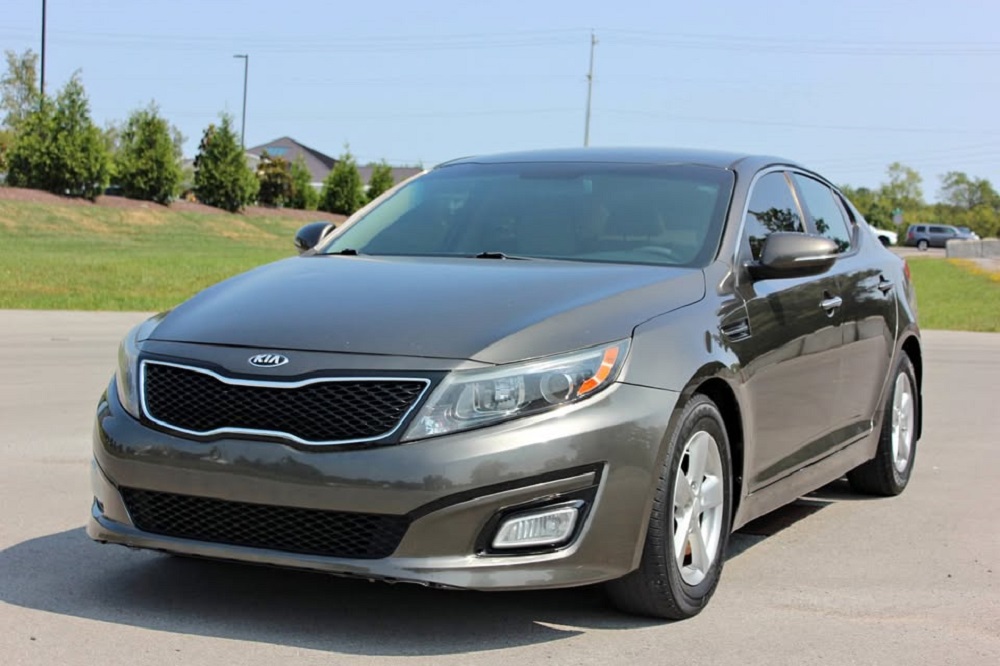
1. How the 2.4 Theta II failed from the inside out
Metal shavings turned bearings into grit
During factory machining, oil passages were drilled into the crankshaft. But not every one got cleaned out like it should’ve.
Some left the line with metallic chips still inside. Once the engine fired up, oil pressure pushed that debris straight into the rod bearings, tiny clearances, big consequences.
The damage came fast. Those sharp fragments gouged the soft bearing layer, opened up the clearances, and cut oil pressure right where the engine needed it most.
Bearings that should’ve floated on a cushion of oil started riding on metal. The engine kept running, but every turn widened the gap and deepened the tick.
This wasn’t a fluke or a bad batch. The same crank design and flawed cleanup process fed multiple plants and ran across years. That’s why engines kept failing even after the first recall rounds were long closed.
From cold-start tick to stall, seizure, and fire
Most owners heard it before they felt it. A soft rattle on cold starts, then a hollow knock once the oil thinned out. Push it hard, especially on the highway, and the knock deepened while power dropped. That’s the rod bearing losing its film and dragging against the crank.
Keep driving, and it gets ugly. The rod overheats, locks up, or snaps clean. When that happens, chunks of metal can blow through the block, dump oil, and sling it onto hot exhaust parts. That’s how fire risk entered the picture, and why regulators didn’t treat this like a typical wear-and-tear failure.
Engines also seized without warning. At speed. With no time to react. That meant no power steering, no momentum, and no margin. It wasn’t just an expensive failure, it was a safety hazard. That’s what pushed this from a warranty issue into full-blown recall territory.
2. Where the 2.4 Theta II shows up and what else got caught in the net
The core engines that pulled Kia into recall territory
The 2.4L Theta II showed up in Kia’s biggest movers: Optima, Sorento, and Sportage. Same crank, same bearing layout, just tuned for different vehicle weights and load profiles. That’s why failures didn’t stay isolated. Once the issue hit, it hit across the board.
The 2.0L T-GDI version didn’t escape. It used the same bottom-end, then stacked on turbo heat and pressure. That pushed the weak points harder and earlier. Turbo models didn’t just fail, they failed faster and louder.
Even the MPI variants weren’t in the clear. They avoided some of the carbon issues tied to GDI, but the crank and bearing flaws stayed. Many owners heard “port injection” and figured they were safe, until the same knock showed up at startup.
Why Nu and Gamma engines keep getting pulled in
Later recalls blurred the lines. Nu 2.0L and Gamma 1.6L engines weren’t part of the original crankshaft debris story, but they showed up in fire investigations and oil-consumption complaints that followed. So Kia folded them into the KSDS software updates and started running similar inspections.
That’s where confusion took over. Owners showed up at dealers with Nu-powered Souls and Fortes, expecting the full Theta recall treatment.
The process looked similar, same code, same limp mode, but the issue was different. These weren’t debris failures. They were part of a broader fire-risk push tied to rings, oil burn, and thermal events.
Kia engines caught in the 2.4/Theta II recall shadow
| Engine family | Displacement | Fuel system | Key Kia models (U.S./Canada) | Typical model years | Primary issues tied to recalls/TSBs |
|---|---|---|---|---|---|
| Theta II | 2.4L | GDI | Optima, Sorento, Sportage | 2011–2019 | Bearing debris, rod knock, stall and fire risk |
| Theta II | 2.0L | T-GDI | Optima, Sportage | 2011–2018 | Same bearing risk with added turbo heat |
| Theta II | 2.4L | MPI | Forte, Sorento, Optima Hybrid | 2010–2016 | Bearing wear plus chronic oil consumption |
| Nu | 2.0L | GDI | Forte, Soul | 2014–2019 | KSDS fire risk campaigns, oil consumption |
| Gamma | 1.6L | GDI | Soul | 2012–2016 | Ring sticking, oil burn, fire recalls |
3. How the Kia 2.4 engine recalls actually played out
Hyundai pulled first, Kia got forced in
Hyundai moved early. In 2015, they issued recalls after rod-bearing failures piled up on Theta II engines. Kia held back, arguing their plants and data didn’t match. But when the same failures kept stacking across both lineups, that defense didn’t hold.
The NHTSA opened Recall Query RQ17-003, and the issue was blunt: same crank design, same risk. Delaying meant more engines stalling or catching fire. Kia couldn’t pretend its version of Theta II lived on an island anymore.
SC147 wrote the rules in the service bay
Safety Recall SC147 became the core procedure. Dealers had to test specific Optima, Sorento, and Sportage models using a built-in knock test through Kia’s diagnostics. If the engine failed, the short block got replaced. If it passed, it stayed, but the file got marked, and the car got watched.
The rules didn’t stay static. Follow-up notices expanded eligibility, and dealers got stricter on seized engines where the system couldn’t run the test. In those cases, visible damage and service history became the evidence.
Consent orders forced permanent change
By 2020, the pressure shifted from recalls to federal oversight. Kia agreed to consent orders with civil penalties, third-party audits, and mandatory safety infrastructure. A U.S.-based safety office followed, along with stricter reporting deadlines.
For owners, that meant recalls came faster, KSDS updates hit more models, and the outcome stopped depending so much on which dealership you walked into. The process still wasn’t generous, but it got harder for Kia to duck responsibility.
Key Kia 2.4/Theta II recall and product-improvement actions
| Campaign / action | Type | Core models and engines | What actually happens |
|---|---|---|---|
| SC147 / 17V224 | Safety recall | 2011–2014 Optima, 2012–2014 Sorento, 2011–2013 Sportage (2.4L/2.0T) | Engine noise test, short-block replacement on failure |
| KSDS PI campaigns | Product improvement | Theta II 2.0L and 2.4L families | Software update, P1326 detection, limp-home trigger |
| PI2104 / PI2107 | ECU logic updates | Theta 2.4 MPI, Nu 2.0 GDI | Refined thresholds for knock detection |
| 23V877 and later | Safety recalls | Expanded Theta, Nu, Gamma families | Fire-risk inspection, engine replacement if trigger conditions met |
4. P1326 and KSDS, the line between ticking and failure
How KSDS catches a bearing before it blows
Kia didn’t add sensors, they changed how they used them. The knock sensor stayed, but the ECU started watching for a specific frequency range tied to rod knock, not spark knock. When that signal shows up consistently, the system sets code P1326 and flashes the check engine light.
That blink isn’t random, it’s the tripwire. It marks the point where Kia says the engine crossed from normal wear into failure risk. That’s the moment that matters for coverage. That log becomes your proof.
Limp mode is designed to hurt
Once P1326 sets, the system chokes the engine hard. RPM caps around 1,800 to 2,000. Throttle response drops off. Top speed barely clears 60 mph. The car feels broken, and that’s the point.
It’s not about keeping you moving. It’s about stopping the engine from tearing itself apart. Less speed, less pressure, fewer explosions per minute. You limp it to the shoulder and get it off the road before it throws a rod.
KSDS limp-home limits on a flagged 2.4L
| Parameter | Typical limit | What it prevents |
|---|---|---|
| Engine speed | ~1,800–2,000 RPM | Peak bearing load |
| Vehicle speed | ~65 mph or less | High-speed seizure |
| Throttle response | Heavily reduced | Pressure spikes that snap rods |
Why KSDS is tied to the lifetime warranty
Coverage didn’t come free. To get the lifetime short-block warranty, owners had to install KSDS first. That gave Kia a defense, it let them say they tried to prevent failure before it happened. Skip the update, and the coverage doesn’t apply, even if the engine’s part of the defective batch.
And if the code gets cleared? That’s the real problem. Without P1326 stored, there’s no digital record linking the knock to a factory defect. That’s why towing it in, leaving the code intact, and letting the dealer pull the data matters. It’s the difference between a no-cost engine and a long argument.
5. What happens when your 2.4 shows up noisy or flagged
The SC147 knock test, and how setup shapes the result
The process kicks off once the engine’s hot. Techs warm it to operating temp, confirm oil’s at spec, then drop a sound probe down the dipstick tube. That signal feeds into the Kia Diagnostic System as the engine runs at steady RPM, then idles.
One bad setup throws the result. Off-angle probes, low oil, or background shop noise can all skew the reading. That’s why Kia locks dealers into a strict script.
Results fall into three buckets:
• Pass: No knock detected, engine stays in service, but the reading gets logged.
• No Pass: Knock confirmed, short block gets replaced.
• No Test: Engine’s seized or ventilated, photos or video required for corporate sign-off.
It’s rigid because warranty money’s on the line.
What each outcome triggers, and who pays
“No Pass” means you’re getting a short block. Rods, crank, pistons, and bearings come out as one unit, accessories get swapped over. A seized engine skips testing and goes straight to documentation. A pass doesn’t end the story, it just logs a clean reading. If P1326 sets later, that test becomes part of the case file.
Coverage splits right here. The recall pays for the test and software. The lifetime warranty only kicks in if KSDS logs a real-time failure. That’s how two identical cars can roll in, but only one rolls out with a new engine.
New dipsticks, oil fill bumps, and why the paperwork matters
A lot of early Theta IIs leave with a new dipstick, usually a different color, and a bumped fill mark. It’s not cosmetic. The new target adds oil margin for worn bearings. Dealers top off with fresh oil and a new filter after inspection.
But the real key is the paperwork. Completion records show the recall’s closed, KSDS is installed, and the oil update’s logged. Without that trail, your next visit gets harder, especially if noise turns into failure.
6. Oil burners, stuck rings, and how they crash into recall logic
Some 2.4s just drink oil, no knock, no codes
Plenty of Theta II engines start burning oil early, long before any knock shows up. The trouble lives in the pistons. GDI engines run dry, no fuel wash. That lets carbon build in the ring lands. The oil-control ring loses tension, sticks in place, and stops doing its job.
Power feels fine. The engine sounds normal. But the dipstick keeps dropping. Drivers top it off and move on, until plugs foul or the catalytic converter starts cooking.
The soak test that buys Kia time
If you complain about oil burn, the dealer doesn’t tear it down, they measure it. They log a 1,000-mile consumption test. If you’re missing a quart or more, the engine gets a chemical soak to unstick the rings.
Cylinders sit flooded for hours, then get cleared out, refilled, and monitored again.
This isn’t a fix, it’s a filter. If consumption drops, the case gets closed. If it doesn’t, you move closer to a long block. But it slows things down, and that’s why owners often feel stuck in the test loop.
When oil loss still ends with a new engine
Some engines don’t respond. High loss after cleaning, misfires, cooked plugs, or catalyst failure put them over the line. At that point, it’s not about maintenance, it’s a defect claim.
These are the quiet failures. One engine knocks and locks up. The next one runs smooth but empties its sump week after week. Both wind up under the same VIN notes, and timing decides who gets a rebuild and who waits through another quart burned.
7. The class-action promise, and where owners still get burned
Who actually gets the lifetime coverage
Lifetime short-block coverage only applies to specific VINs and only for failures tied to the Theta II bearing defect. When it triggers, Kia covers the short block, even if the car changes hands, but leaks, ancillaries, and unrelated wear still fall on the owner.
One issue: KSDS had to be installed. That update is Kia’s proof they tried to monitor the engine before it failed. No software log, no coverage. Even if your engine was built with the defect, the warranty stops cold if the system wasn’t in place.
Reimbursement, fire claims, and trade-in credits
If you paid out of pocket before the recall net expanded, you can file for reimbursement, repairs, towing, rentals all count. Engine fires (non-crash) get handled separately, with payouts tied to how the fire started and whether the vehicle was scrapped or repaired. No docs, no check.
Then there’s the “lost faith” clause. If your engine failed under qualifying conditions, you might be offered credits toward a new Kia. Timing matters. So does proof. Miss a filing window, lose paperwork, or fall outside the defined scope, and the credit disappears.
What “exceptional neglect” actually means
The warranty isn’t supposed to vanish just because you lost receipts. For second owners especially, the settlement raised the bar: Kia has to show clear neglect, sludge, coking, varnish, signs of abandonment. Missing oil changes on paper doesn’t cut it by itself.
Still, some dealers push back. Knowing the limits matters. If the engine failed clean and you’ve got the KSDS log, that’s what the claim hangs on, not just what’s in the glovebox.
What the Theta II settlement really protects
| Protection | What it covers | Where it stops |
|---|---|---|
| Lifetime short-block warranty | Bearing-related engine failure | KSDS required, defect-linked damage only |
| Reimbursement | Prior repairs, towing, rentals | Proof and qualifying VIN needed |
| Fire compensation | Non-collision engine fires | Evidence of origin required |
| Trade-in credits | Discount toward new Kia | Only after qualifying failure + correct paperwork |
8. What comes after Theta II, and how it should shape what you buy
Smartstream engines weren’t patched, they were a reset
The newer Smartstream lineup came with better machining standards, tighter oil flow, and dual injection to cut the carbon buildup that plagued early GDI systems. Cooling was reworked. Factory checks got stricter, because regulators forced them to be.
Early results look better. No spike in bearing knock. No wave of sudden seizures. That doesn’t make these engines bulletproof, but the chain of failure that defined Theta II isn’t following them.
How to read a used 2.4 before you regret it
Used Theta II cars fall into three broad categories. The highest risk sits with early builds that lack service records, show no sign of KSDS installation, and haven’t had any recall work documented.
At the other end, you’ll find the safer bets, engines with closed recall files, KSDS logged in the system, or a short block already replaced under warranty. Then there’s the clean slate: newer Smartstream-powered Kias that don’t carry the Theta design at all.
The price has to match the story. A well-documented Theta II car with lifetime coverage can still be worth it, if the numbers reflect the stigma. But if the history’s thin, the warning light was cleared, or the seller can’t prove anything? That’s not a risk. That’s a bill waiting to land.
Sources & References
- UNITED STATES DEPARTMENT OF TRANSPORTATION NATIONAL HIGHWAY TRAFFIC SAFETY ADMINISTRATION 1200 New Jersey Avenue, SE West Buildi,
- The Biggest Problem With Kia & Hyundai’s Theta II Engines – Jalopnik
- Kia Global Information System – TSB – nhtsa
- Kia Engine Class Settlement
- safety recall campaign – theta ii engine inspection and/or replacement (sc147) – nhtsa
- Hyundai / Kia Theta II GDI Engine Fire Hazard Settlement – Hagens Berman
- P1326 Code: What Is It And How To Fix It – Car Talk – Panda Hub
- P1326 Code: What It Is And How To Fix It – CarBuzz
- Kia Engine Recall – Asbury Automotive
- Hyundai Theta engine – Wikipedia
- VIN Lookup – Kia E2 Settlement
- Hyundai, Kia recall 1.5 million vehicles after engine failures | PBS News Weekend
- NHTSA Announces Consent Orders with Hyundai and Kia Over Theta II Recall
- nu 2.0l gdi – knock sensor detection system (ksds) ecu upgrade (pi2002b) – nhtsa
- theta 2.4l mpi – knock sensor detection system (ksds) ecu logic improvement (pi2104) – nhtsa
- nu 2.0l gdi – knock sensor detection system (ksds) ecu logic improvement (pi2107) – nhtsa
- IMPORTANT SAFETY RECALL – nhtsa
- Kia Code P1326 and your Service Options at Emich Kia in Denver
- Hyundai Motor America and Kia America Resolve Engine Litigation – HyundaiNews.com
- Frequently Asked Questions – Kia Engine Settlement
- APA Update on Kia and Hyundai Engine Reliability Issues
- Owners Pamphlet.pdf – Kia Engine Settlement
- SECOND INTERIM NOTICE Theta II Engine Safety Recall, SC147 – nhtsa
- Kia Recalls 2021–2023 Seltos, Soul Models with Piston Ring Issue – Car and Driver
- technical service bulletin – excessive oil consumption nu/gamma/theta/kappa engines – nhtsa
- Everyone talks about Kia reliability, well here’s my experience with Honda and Toyota
- For those with 2.4L engine failures, have a couple of questions for the sake of curiosity! : r/kia – Reddit
- Piston soak procedure (TSB 222) – which cleaning fluid (Kia, Valvoline, Berryman’s)?
- excessive oil consumption nu/gamma/theta/kappa engines – nhtsa
- technical service bulletin – excessive oil consumption nu/gamma/theta/kappa engines – nhtsa
- Technical Service Bulletin: Notice | PDF | Motor Oil | Fuel Injection – Scribd
- Campaign Customer Reimbursement – Kia Customer Care Center
- FAQ – Hyundai Theta Engine Settlement
- product improvement campaign – nhtsa
- Engine Recall Question : r/kia – Reddit
- Exceptional Neglect Definition | Law Insider
- Possible Denial of Warranty Claim for Theta II Engine Due to Lack of Maintenance Records : r/kia – Reddit
- Kia denies engine replacement under class action because of lack of oil change records.
- Process of getting engine replaced by Kia (recalled GDI theta ll engine) – Reddit
- Frequently Asked Questions – Kia HECU Settlement
- TERMS AND CONDITIONS 10 years/200,000km Engine Warranty (“Engine Warranty”) – Kia
- Kia Sorento vs Toyota Highlander – Car Comparison
- Kia reliability : r/kia – Reddit
- Are Kia’s reliable after 2022 or should I stay away? – Reddit
Was This Article Helpful?