
Hear a metallic knock. See the oil light blink. Smell fuel or burnt oil at a stoplight. That’s how many Kia Optima engine problems begin.
From 2011 to 2020, this sedan carried five different engines. The 2.4L and 2.0T Theta II units drove most recalls and engine swaps. Later 1.6T, hybrid, and plug-in models changed the symptoms, not the stakes.
Federal probes, class settlements, and software campaigns reshaped the ownership story. Some Optimas survive with strict maintenance. Others fail fast and expensive. Let’s sort the engines that hold up from the ones that don’t.
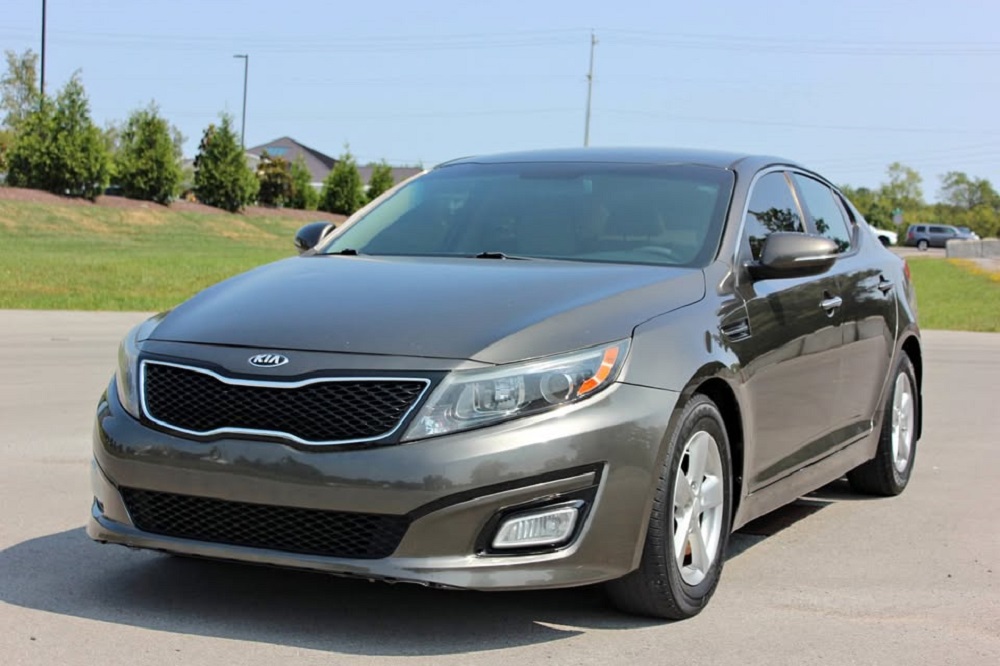
1. The engines under the hood and the risks they carry
The 2.4L Theta II GDI that built the Optima’s reputation
Run a VIN on a 2011–2020 Optima LX or EX and you’ll often find the 2.4L Theta II GDI. Output ranged from 185 to 200 hp. It powered the bulk of U.S. sales. It also drove the largest recall exposure.
Federal consent orders traced failures to crankshaft machining debris. Metal shavings restricted oil flow to connecting rod bearings. Bearing clearance grew. Oil film failed. Engines knocked, seized, or threw rods between 60,000 and 120,000 miles.
Warranty extensions tied to KSDS updates cover certain engines for 15 years or 150,000 miles from first service. A long-block replacement at retail runs $6,000 to $9,000 installed.
The 2.0T Theta II that adds boost and heat
Step into an SX or SX Turbo and the 2.0T Theta II sits under the cover. Output climbed from 245 to 274 hp. Cylinder pressure and exhaust heat rose with it.
The core architecture matches the 2.4. Same oiling layout. Same bearing risk path. Add turbo load and oil breakdown accelerates under high boost and hot ambient temps.
Failures show rod knock, flashing MIL, and P1326 tied to KSDS logic. Turbo replacement alone can hit $1,500 to $2,500. Pair that with a short block and the bill clears $8,000.
The 1.6T Gamma and the shift toward efficiency trims
Later JF models brought the 1.6T Gamma to LX and EX 1.6T trims. Output sits at 178 hp. Lower displacement means less peak load than the 2.0T.
Oil consumption complaints rise as mileage climbs past 70,000 miles. Low-tension rings and GDI deposits play a role. Some units trigger oil tests under TSB ENG222 with a 1 quart per 1,000 mile threshold.
Carbon buildup leads to misfire codes like P0300 and fouled plugs. Walnut blasting intake valves runs $400 to $800. Ignoring oil loss risks bearing wear once levels drop below the safe mark.
Hybrid 2.4 MPI and 2.0 Nu PHEV, different hardware, similar exposure
The 2014–2016 Optima Hybrid used a 2.4L Theta II MPI engine. No direct injection, but rod-bearing concerns still triggered KSDS campaigns under PI2104. ROM IDs changed during updates to enable knock detection logic.
Hybrid drivetrains can mask early power loss. Electric assist fills torque gaps while bearing wear grows. By the time P1326 stores, internal damage may already be advanced.
The 2.0L Nu GDI in PHEV models adds direct injection back into the mix. Oil consumption and fire-related recalls appear in certain 2017–2018 units. High-voltage hardware does not shield the engine from mechanical wear.
2. The Theta II bearing failure that detonated Kia’s reputation
Crankshaft debris and the oiling flaw that started it
Open a failed 2.4 Theta II and you’ll find scored bearings. Metal swarf from crank machining sat inside oil passages.
A 2011 process change left debris trapped in the crankshaft. Oil flow to the connecting rod journals dropped under load. Clearance grew. Heat spiked. Bearing overlay began to smear.
Once copper shows on the bearing shell, damage moves fast. Rod knock can begin before 80,000 miles. Some units failed under 50,000.
From faint knock to a windowed block
Early stage sounds light. A tick at cold start. A dull knock under light throttle.
Mid-stage shows oil pressure fluctuation. The knock grows sharper at 2,000 rpm. Metal debris spreads through the oil system.
Late stage throws the rod. The rod punches through the block. Oil hits a 1,200°F exhaust manifold and ignites.
| Failure Stage | Driver Symptom | Mechanical Condition | Risk Level |
|---|---|---|---|
| Early | Light metallic knock | Bearing clearance increasing | Low |
| Mid | Blinking MIL, reduced power | KSDS detecting abnormal vibration | Moderate |
| Late | Oil light, stall | Bearing seizure, crank scoring | High |
| Catastrophic | Smoke, fire risk | Thrown rod, block breach | Extreme |
A seized engine can stall at highway speed. Loss of motive power triggered federal scrutiny and a 2020 NHTSA civil penalty, with Kia assessed $70 million as part of a $210 million joint action.
Why this turned into a fire investigation
A thrown rod sprays oil under pressure. Hot exhaust parts sit inches away.
Multiple recalls cite non-collision fire risk tied to engine damage. Fire reports came from parked vehicles and cars in motion.
Once the block cracks, repair ends in replacement. A dealer-installed long block runs $6,000 to $9,000 before tax.
3. Oil consumption that drains the sump before the knock starts
Rings stick, oil burns, bearings starve
Watch the dipstick drop 1 quart every 800 miles. No puddle under the car. No blue cloud at idle.
Low-tension oil control rings sit in tight grooves. Carbon packs into those grooves in GDI engines. The ring can’t scrape oil off the cylinder wall.
Oil slips past the rings and burns in the chamber. Run 2 quarts low and bearing load climbs fast at 3,000 rpm.
Carbon buildup and short-trip damage
Cold starts feed the problem. Fuel sprays direct into the cylinder at high pressure.
Intake valves never see detergent fuel wash. Deposits build on valves and piston crowns. Short trips never heat the oil past 212°F long enough to boil off fuel dilution.
Diluted oil thins under load. Hot idle pressure drops. Bearing film strength falls below safe margin near 230°F oil temp.
The factory oil test and the 1 quart rule
Dealers follow TSB ENG222. They seal leaks, top off oil, and send the car out 1,000 miles.
More than 1 quart lost in that span triggers cleaning. Next step is a combustion chamber soak. Fail the retest and the path moves toward long-block replacement.
Miss oil checks during that test and the engine can seize. Run 3 quarts low at highway speed and rod knock can start in under 5 minutes.
Piston soak limits and hard reality
Technicians fill the cylinders with solvent. The car sits 12 to 24 hours.
Some engines recover compression. Some cut consumption by half. Scored cylinder walls do not heal.
A soak cannot fix a worn bore. If compression stays below 150 psi on one hole, replacement is the only cure.
4. KSDS and P1326, the software gatekeeper between limp mode and a free engine
KSDS rewrites how the knock sensor listens
Flash the ECU and the knock sensor gains a new job. Kia calls it the Knock Sensor Detection System, or KSDS.
The update tunes the sensor to catch rod-bearing vibration. It looks for a narrow frequency band tied to bearing wear. When it sees that pattern, it flags danger before seizure.
The ECU then limits engine speed to about 1,800–2,000 rpm. Top speed drops near 65 mph under load.
P1326, the code that freezes your weekend
Store P1326 and the car goes into limp mode. The MIL blinks nonstop. Power feels cut in half.
Dealers run a bearing clearance test. Some engines pass and get new software. Some fail and get a long block.
Ignore limp mode and keep driving at high load. Bearing damage can move from light knock to seizure in a single highway trip.
Software status decides who pays
Settlement terms tie extended coverage to KSDS completion. Miss that update and coverage fights begin.
Certain engines qualify for 15 years or 150,000 miles from first service. That coverage applies only to bearing-related damage.
A used Optima without KSDS in its history risks a denied claim. An out-of-pocket engine replacement still lands between $6,000 and $9,000.
5. High-pressure fuel faults that can spark after an engine swap
SC172 and the pipe that can leak under 2,000 psi
Replace a Theta II long block and the fuel system gets disturbed. The high-pressure fuel pipe runs from the pump to the rail. It sees pressures near 1,500 to 2,000 psi at wide throttle.
Recall SC172 targeted 2011–2014 Optimas after engine swaps. Pipes were bent, reused, or misaligned during reassembly. Even a slight flare-nut mis-torque can create a fine fuel mist.
Fuel under that pressure can atomize onto hot exhaust parts. A leaking pipe under boost creates a real fire path.
| Component | Torque Spec (lb-ft) | Torque Spec (N·m) |
|---|---|---|
| HPFP pipe flare nut | 19.5–23.9 | 26.5–32.4 |
| HPFP pipe bracket | 5.8–8.7 | 7.8–11.8 |
| Fuel pump housing bolts | 3.6–5.8 | 4.9–7.8 |
Miss those torque windows and the seal fails. A new pipe and labor can run $300 to $600 outside recall coverage.
P0088 and the pump that over-pressurizes the rail
Later models show a different fuel issue. The high-pressure fuel pump itself can wear internally.
The fuel control valve plunger can stick. Rail pressure climbs above target. The ECU logs P0088 for fuel rail pressure too high.
Drivers report long crank, rough idle, or stall at stops. Some cars restart right away. Others need a pump.
An HPFP replacement can exceed $2,000 at retail. Ignore overpressure and injector damage can follow.
6. Hybrid and PHEV engines that hide trouble behind electric assist
The 2.4L MPI hybrid that still fell under KSDS
Check a 2014–2016 Optima Hybrid and you’ll find a 2.4L Theta II MPI engine. No direct injection, but the bottom end shares core architecture.
Campaign PI2104 pushed KSDS updates to these hybrids. The ECU ROM ID changed during reflash. The knock sensor gained bearing-damage detection logic.
Electric assist can smooth early power loss. Rod-bearing wear still follows the same mechanical path. A failed hybrid long block lands near $7,000 installed.
Electric torque masks early engine failure signs
Hybrid drive fills torque gaps at low speed. A weak gas engine feels like a mild surge, not a hard stall.
The system blends motor and engine under load. Drivers may notice uneven acceleration at 40 to 60 mph. The MIL can flash only after damage advances.
By the time P1326 stores, clearance is already high. Bearing metal may already be circulating through the oil system.
The 2.0L Nu PHEV and fire-related scrutiny
Move to the plug-in and the 2.0L Nu GDI takes over. Direct injection returns. Oil consumption risk returns with it.
Certain 2017–2018 PHEV units saw recall action tied to engine damage and fire risk. High-voltage hardware does not protect the short block. Run low on oil in EV-heavy driving and wear continues unseen.
A PHEV engine replacement can exceed $8,000. Hybrid complexity does not reduce mechanical repair cost.
7. Cooling leaks that push a stressed engine over the edge
Thermostat housing cracks and slow coolant loss
Spot a sweet smell after shutdown. See the reservoir drop a half inch each week.
Many Optimas use a plastic thermostat housing. Heat cycles warp the flange where it meets the block. Coolant seeps down the front of the engine.
TSBs call for pressure testing the cooling module. Housing and gasket replacement runs $400 to $800 at retail.
Water pump seepage and sudden overheat
Hear a faint chirp near the belt drive. Find crusted coolant near the pump weep hole.
Pump seals can fail around 80,000 to 120,000 miles. Loss of flow spikes head temperature fast in traffic. Aluminum heads can warp once coolant climbs past 250°F.
A warped head risks head gasket failure. Head removal and machining can exceed $2,000 before parts.
Why heat multiplies existing engine risk
Run a Theta II low on oil and add heat. Bearing film strength drops further under high temp.
Oil that thins past its viscosity rating at 230°F loses cushion. Clearance grows faster under load. Knock that was faint can turn sharp in one drive cycle.
A small coolant leak can trigger a major failure. Ignore overheating and you risk both a head job and a short block.
8. Recalls, warranty extensions, and the paperwork that decides who pays
The class settlement that reshaped engine risk
Scan recall history on a 2011–2018 Optima with a 2.4L or 2.0T Theta II. Most fall under the engine class settlement umbrella.
Eligible cars gained extended coverage for rod-bearing damage. Coverage runs 15 years or 150,000 miles from first service on qualifying units. KSDS installation is a condition for that coverage path.
Reimbursement covers prior engine repairs, towing, and rental limits near $40 per day. Miss documentation and the claim can stall fast.
Exceptional neglect and maintenance record fights
Settlement language includes an “exceptional neglect” clause. Kia can deny coverage if the vehicle shows clear long-term neglect.
Service gaps over 1 year raise red flags. Burnt sludge under the cap does not help your case. Owners may need oil change records from August 18, 2020 forward.
No records means arbitration or out-of-pocket repair. A denied engine claim leaves you staring at a $6,000 to $9,000 bill.
Model-year risk shifts from TF to JF
Third-generation TF cars ran 2011–2015. Fourth-generation JF ran 2016–2020.
Early 2011–2013 builds show the highest volume of catastrophic failures. By 2019, KSDS logic was factory integrated on more units. Later cars still show oil consumption and HPFP complaints.
| Generation | Model Years | Primary Engine Risk | Overall Engine Concern |
|---|---|---|---|
| TF | 2011–2015 | Swarf-induced bearing failure | Highest |
| JF | 2016–2020 | Oil use, HPFP wear, KSDS limp mode | Moderate to High |
A later build reduces exposure but does not erase it. Paperwork and recall completion still decide whether Kia pays for the next failure.
9. Which Optima engines carry the most risk and which can still make sense
The engines that demand the most caution
Pull service history on a 2.4L or 2.0T Theta II car first. These engines sit at the center of the recall storm.
Cold-start knock, prior P1326, or heavy oil use are red flags. Check for KSDS completion and engine replacement records. No proof means full financial exposure.
A used Theta II with no warranty path can turn into a $7,000 repair overnight. That’s the real purchase risk.
The engines that are more manageable with discipline
Look at late 1.6T Gamma or later JF builds with full records. These avoid the worst swarf-era production runs.
Oil consumption still needs monitoring every 500 miles. HPFP faults like P0088 still require attention. Cooling leaks still demand quick repair.
Stay on 3,000 to 5,000 mile oil intervals with full synthetic. Skip maintenance and bearing wear returns fast.
What separates a smart buy from a money pit
Verify recall history through NHTSA. Confirm KSDS update status.
Scan for stored or pending codes, especially P1326, P0088, and misfires. Listen for rod knock at cold start and light throttle. Check oil level before and after a 20-minute test drive.
An Optima with clean records and stable oil level can serve well past 150,000 miles. One with hidden knock can fail before the next oil change.
Sources & References
- Kia Optima Generations: All Model Years | CarBuzz
- Kia Optima – Model Years, Generations & News | Cars.com
- Kia Optima (2015 – 2020) used car review | RAC Drive
- Common Problems With Kia & Hyundai’s Theta Engines
- 5 Of The Worst Kia Engines Ever Made – SlashGear
- Hyundai’s $5 Billion Engine Recall Nightmare Explained
- The Biggest Problem With Kia & Hyundai’s Theta II Engines – Jalopnik
- Hyundai-Kia’s Billion Dollar Engine Problem that Broke the NHTSA Civil Penalty Barrier
- Petition for defect investigation of Hyundai/Kia oil drain pan assemblies – ClassAction.org
- IMPORTANT SAFETY RECALL RENOTIFICATION … – nhtsa
- Kia Theta II failures after 100k – Reddit
- If you own a GDI engine, are you concerned with cleaning the carbon buildup on your valves? : r/kia – Reddit
- Oil Consumption : r/KiaSoulClub – Reddit
- excessive oil consumption nu/gamma/theta/kappa engines – nhtsa
- Hi. I have an oil burning Kia Optima,2018. I have tried various piston ring soaks. My questions are a two parter . (Kia) – CarParts.com
- Kia Engine Class Action – Register Now
- Piston soak procedure (TSB 222) – which cleaning fluid (Kia, Valvoline, Berryman’s)?
- Is overnight soak for oil consumption worth it? : r/kia
- theta 2.4l mpi – knock sensor detection system (ksds) ecu … – nhtsa
- important safety recall – nhtsa
- IMPORTANT SAFETY RECALL – nhtsa
- Kia Engine Class Settlement
- Frequently Asked Questions – Kia Engine Settlement
- Exhibit 3 BBB National Programs Disputes Over Coverage Under Warranty Extension Provided by Kia Engine Class Action Settlement – Amazon AWS
- Everyone talks about Kia reliability, well here’s my experience with Honda and Toyota
- What’s the most reliable KIA engine? – Reddit
- safety recall campaign – high pressure fuel pump outlet inspection (sc172) – nhtsa
- sc172 – high pressure fuel pump outlet inspection safety recall campaign – nhtsa
- technical service bulletin – high-pressure fuel pump … – nhtsa
- high-pressure fuel pump replacement instructions for dtc p0088 (sc281y) – OEMDTC
- How To Know If You Have A Kia Fuel Pump Issue
- 2019 Kia optima LX 2.4 high pressure fuel pump – Submit Your Question HERE – CarKiller
- Estimator Kia Optima Fuel Pump Replacement Cost – RepairPal
- The Many Engines of the Kia Optima – Raceway Kia of Freehold
- Kia Optima Coolant Leak Diagnosis & Repair Guide | RepairPal
- 19 Coolant leak in area of coolant thermostat housing/coolant pump – nhtsa
- Kia Optima Thermostat Housings – Advance Auto Parts
- Used Kia Optima review – ReDriven
- If the engine overheats – Kia
- Radiator for 2011-2015 Kia Optima 2011 2012 2013 2014 Hyundai Sonata 2.0L NEW | eBay
- Estimator Kia Optima Coolant Leak Diagnosis Cost – RepairPal
- January 31, 2023 VIA EMAIL Stephen A. Ridella, Ph.D. Director, NHTSA Office of Defects Investigation 1200 New Jersey Avenue SE
- My Kia Optima’s engine decided today was it’s last day. Does an engine swap make any sense?
- Frequently Asked Questions – Kia E2 Settlement
- Which Years Of Used Kia Optimas Are Most Reliable? – CoPilot for Car Shopping
Was This Article Helpful?