
Engines seize. Fires start without a crash. Power cuts out on the highway with no warning. Kia’s Sorento lineup runs three main engines: Theta II, Lambda II, and Smartstream.
Each carries its own failure path; bearing debris, stripped head bolts, bad solder joints. Then come the fire risks: overheated ABS modules, melting HVAC harnesses, shorted tow hitch boards.
Some recalls fix the danger. Others stall until the engine quits. This guide shows which engines fail, which fixes matter, and how to keep a Sorento alive past 200,000 miles without getting burned.
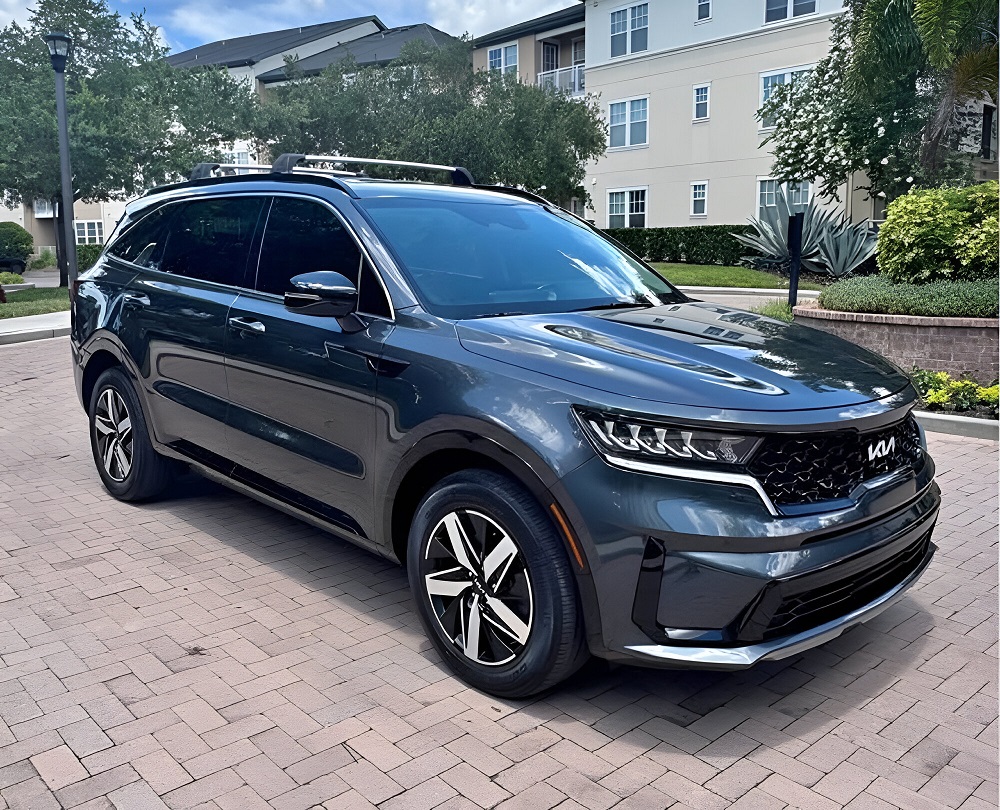
1. Which engines fail and why Sorento recalls pile up
Theta II, Lambda II, and Smartstream: three engines, three weak spots
Sorento powertrains follow a rough timeline: Theta II 4-cylinders from 2011–2020, Lambda II V6s from 2014–2020, and Smartstream units from 2021 forward. All three carry hardware flaws serious enough to trigger fires or sudden loss of power.
Theta II failures trace to leftover metal debris in the crank. That shrapnel hits the bearings, eats through oil film, and leads to rod throw.
Lambda II issues come from the block itself; stripped threads in soft aluminum weaken head clamping, let coolant seep in, and warp the top end. Smartstream’s trouble hits transmission-side first: electric oil pumps short, DCTs lose pressure, and gear engagement drops out at speed.
Brake and electrical fires muddy the picture. Owners report flames and shutoffs even when the engine isn’t the issue. But under NHTSA’s safety definition, a stalled SUV or underhood blaze, whether from the HECU, the DCT, or the block, is an engine failure where it counts.
What years, engines, and failures triggered real recalls
Here’s where the legal and mechanical lines start to blur. Some campaigns are full safety recalls. Others show up as warranty extensions, “Customer Satisfaction” programs, or class-action settlements with retroactive coverage.
Kia has issued VIN-based recalls for Theta II engine seizure and Smartstream DCT failures. Lambda II engines, despite overheating and head bolt pullout, only got warranty extensions.
Meanwhile, non-engine fires, HVAC harness melt, HECU module shorts, still caused loss of drive or full-vehicle fires. Most owners don’t care whether it’s recall or not. If the SUV dies in traffic or burns on the driveway, it’s the same repair cost and the same risk.
Sorento engine families vs major recall/coverage actions
| Engine family | Common displacements | Key years (Sorento) | Primary safety issue | Main action type |
|---|---|---|---|---|
| Theta II GDI/MPI | 2.4, 2.0T | 2011–2020 | Rod bearing wear, seizure, fires | Engine recalls + KSDS + settlements |
| Lambda II V6 | 3.3 | 2014–2020 | Head-bolt/thread failure, overheating | Warranty extension (SC3.3) |
| Smartstream gasoline | 2.5, 2.5T, 3.5 | 2021–present | DCT oil pump failure, rod-bolt torque fault | DCT recall, 2.5T recall |
| All engines | – | 2011–2023 | Non-crash fires from ABS/HECU/HVAC/etc. | Multiple fire-related recalls |
2. Theta II failures: bearing debris, broken rods, and fire risk
Crankshaft leftovers that wiped out oil flow
Theta II engines came off the line with a dirty secret: metal debris left behind in the crankshaft’s oil channels. These shavings slipped past post-machining cleaning, stayed buried in the crank, and leaked into the oil system once the engine fired up.
Once inside, that debris rode the oil to the connecting rod bearings. These aren’t built to take grit. The particles tore the bearing surfaces, broke the oil film, and left the crank riding metal-on-metal at load. This didn’t happen over years. Some engines knocked under 60,000 miles.
When the damage spread far enough, the bearing spun. At that point, oil pressure drops, the crank journal locks, and the next step is usually a thrown rod punching a hole through the block.
What happens when a rod breaks and the case cracks
Rod failure isn’t quiet. Once the bearing goes dry and the rod lets go, it’s not just a stall; it’s a full mechanical failure that turns the engine block into shrapnel.
Most cases ruptured near the lower skirts, but the bigger danger was what came next: hot oil dumping onto the catalytic converter or manifold. Enough cases caught fire that NHTSA stepped in.
Many owners reported visible flames under the hood before the vehicle came to a stop. These weren’t wrecked cars, these were normal drives.
Even when fire didn’t hit, the failure usually meant total engine loss. No rebuild, no short-block. Once the rod goes through the block, it’s a core charge and a complete swap.
SC147 and the noise test recall that didn’t catch all of them
Recall 17V-224, better known inside Kia as SC147, launched the first big response. It covered 2011–2014 Sorentos with the 2.4L Theta II. The fix wasn’t a full recall of all engines; it depended on an inspection.
Dealers used the Kia Diagnostic System (KDS) with an Engine Noise Tester. The test had to run at idle and 2,000 RPM, with coolant above 185°F and the dipstick reading full. If the system picked up abnormal bearing knock, the engine got replaced. If not, the Sorento went back to the road, even if it failed later.
This test filtered out the worst early failures. But it also let some damaged engines slide by. One clue is the dipstick color; orange means post-inspection, yellow usually means original build. But even that isn’t foolproof. Some passed the test and failed months later, with the same fire risk as the rest.
3. Why 2011 Sorentos stayed risky and got recalled again
Georgia-built engines that slipped through the cracks
The 2011 Sorento sits in a danger zone. Built during the transition to Kia’s Georgia plant (KMMG), these early units used the 2.4L Theta II MPI engine with the same flawed machining, but didn’t make the first recall cut. For years, many ran without the KSDS update or any fire-related repairs.
In December 2023, Kia issued Recall 23V-877 targeting 79,812 of these 2011 units. This wasn’t triggered by a new issue. It came after a long paper trail of burn-downs with no collision and no warning. ODI flagged the pattern under EA21-003 and pushed Kia to act.
Unlike the earlier SC147 recall, this move didn’t rely on test results or oil analysis. Kia called it “preventative” and replaced the engine outright if signs of prior bearing damage were present. No test, no pass/fail. Just a VIN-based pull.
KSDS turns rod knock into limp mode before it flames out
The Knock Sensor Detection System (KSDS) flips the knock sensor’s job. Instead of listening for spark knock, it watches for vibrations tied to worn bearings. If it catches a hit, it sets P1326, flashes the MIL, and locks the engine into a low-RPM limp mode.
The RPM ceiling drops to around 2,000. Speed caps out near 65 mph. The car still drives, but barely. That buy-you-time limp mode is designed to keep the rod in the block and the oil off the exhaust. The system doesn’t repair anything. It just locks down the damage path.
Every covered engine needs the KSDS installed to qualify for extended warranties or class-action coverage. If it’s missing or fails to trigger, Kia can deny the claim, even if the rod throws days later.
Dipstick color, software tags, and limp mode = recall history in plain sight
The dipstick swap tells part of the story. Yellow dipsticks were factory issue. Orange means the oil was flushed and filled during a recall or campaign. Some also show a red dipstick, usually paired with an updated block.
But visual checks aren’t enough. Techs and owners need to scan the ECU and confirm the KSDS software is live. On KSDS-equipped engines, a blinking check engine light is critical, not optional.
That light means the bearing sensor tripped and the ECU’s already throttled power. Driving past that point risks fire and voids warranty eligibility.
4. Lambda V6 block failures that heat up, warp, and seize
Weak threads, soft blocks, and boiling coolant
The Lambda II 3.3L V6 brought its own defect; stripped head bolt threads in the aluminum block. Over time, thermal cycles stretched and pulled the threads until they lost clamping force. Once that pressure dropped, the head gasket let go.
Coolant started creeping into combustion chambers. Some drivers noticed steam out the tailpipe. Others caught a low reservoir or a whiff of glycol in the cabin. With coolant leaking and pressure dropping, the heads warped, and block deck surfaces went uneven. That’s when the real damage started.
If driven too long, the engine overheated, cooked the oil, and took out bearings. Same seizure risk as Theta, different failure path.
Warranty fix with limits, not a recall with teeth
Kia didn’t recall the Lambda II V6. Instead, they launched a warranty extension, SC3.3, on specific 2016–2017 Sorentos. Coverage was bumped to 15 years or 180,000 miles for head bolt and gasket failures. But the rules are tight: no preemptive repair. The engine has to show active symptoms first.
Dealers must confirm a head-gasket leak or verify signs of coolant intrusion before touching the block. No fix for preventive peace of mind. Drivers with slow leaks or temp spikes have to wait until it gets worse, or risk footing the bill.
Kia’s language treats this as a wear-based risk, not a recallable defect. That legal line let the company avoid a full NHTSA safety campaign.
What shops have to prove to get a block swap
The burden lands on the tech. Before Kia greenlights a long-block under SC3.3, the service team has to document it: pressure tests, combustion gas in the coolant, white smoke, cylinder misfires from coolant intrusion. Intermittent heat spikes aren’t enough.
It’s a catch-22 for owners. The block’s weak, but the shop can’t act unless it fails hard. Many get turned away until the gasket fully blows or the engine overheats in traffic. Once it seizes, the warranty kicks in. But by then, towing, rental, and downtime land on the customer.
5. Smartstream Sorentos and the DCT stall zone
Failed solder joints that ended power in under 30 seconds
The 2021–2022 Sorento 2.5T used an 8-speed dual-clutch transmission (DCT) with an electric oil pump. Inside that pump, a faulty solder joint on the control board caused the motor position sensor to drop signal. No warning, no gear engagement, just a “stop safely immediately” message and a dead drivetrain.
Once the fault triggered, the system gave a 20–30 second grace period. After that, the DCT shut off. No drive. The car coasted to a stop, regardless of speed or throttle. Stored code: P1C2D03. Most drivers never saw it until the warning lit up.
Kia issued Recall 22V-760 / SC250. If the fault code showed, the fix was a full transmission replacement. No rebuild, no pump-only swap. If the code wasn’t stored, dealers flashed updated logic to soften the shutdown sequence.
Why the “software fix” doesn’t fix the weak point
The software patch doesn’t change the hardware. If the solder fails later, it’ll still end oil pressure. The new code just stretches the response window and adds more warnings. Some owners got replacements. Others left the shop with the same circuit board and a longer fuse.
Kia’s logic split the field: parts for failures, code for the rest. From a repair standpoint, that means some Sorentos are still rolling with the same bad solder. No campaign forces a swap unless the code is active at the time of scan.
This isn’t a minor shift-lag issue. It’s a full loss of motive power.
Rod bolt torque error brings back old-school failure in a new engine
In 2025, Kia issued Recall 25V-548 for a batch of 2.5T engines with improperly torqued connecting rod bolts. Underspec torque left the rod caps vulnerable to working loose under load. If one backed off, the engine would seize or throw a rod; same catastrophic failure path as Theta II.
Only a small population was affected, but the mechanical risk mirrored earlier recall logic: internal hardware out of spec, power loss, potential fire.
These engines are part of the Smartstream line, but the fix wasn’t software. Kia swapped the long block if signs of wear or torque loss were present.
6. Electrical fires that mimic engine failure and trigger recalls anyway
ABS control module shorts that sparked fires in parked Sorentos
From 2011 through 2014, many Sorentos left the factory with Hydraulic Electronic Control Units (HECUs) that stayed powered even after shutdown. If moisture entered the module or corrosion built up, the circuit could short and start a fire, with no key in the ignition.
Recall 23V-652 / SC284 pulled 1.7 million Kia and Hyundai vehicles, including a wide chunk of Sorento VINs. Owners were told to park outside and away from buildings until a fuse downgrade or module inspection was done.
This wasn’t speculation. NHTSA recorded multiple thermal events that started hours after parking, often destroying the vehicle before the fire could be contained. No crash, no warning lights, just a smoldering SUV in the driveway.
HVAC wiring that melted on fan speed 3
On 2021–2023 Sorento models, the HVAC blower motor wiring harness carried undersized wires and weak connectors. The problem hit hardest when the fan ran at speed 3. Heat built up at the resistor, melted the harness, and sometimes lit up the dashboard.
Kia issued a recall in late 2025 for roughly 40,000 units. The remedy was a new harness and blower resistor with thicker gauge wiring. No interim patch.
Signs before failure were subtle: burning plastic smell from the vents, fan dying without warning, and sometimes smoke from behind the dash.
Tow hitch modules that shorted through the accessory circuit
From 2016 through 2022, Sorentos equipped with factory or dealer-installed tow hitch wiring kits carried another fire risk: control modules that pulled constant battery voltage even when parked. Internal board shorts triggered high heat and occasional rear-end fires.
This issue mimicked the earlier HECU defect in how it presented; parked vehicle, no ignition input, full thermal event. The fix included fuse changes or module replacement, depending on the dealer’s inspection.
Same outcome, different source: why it all matters
To the driver, the label on the recall doesn’t matter. Whether the fire starts under the hood or behind the dash, whether it’s oil-fed or current-fed, the outcome is the same. Dead vehicle. Insurance claim. Sometimes injuries.
A single Sorento can carry five overlapping fire risks; engine block failures, rod-through-case fires, HECU shorts, HVAC melt, hitch module flareups. NHTSA now pushes “park outside” guidance on all of them.
Key Sorento fire-related recalls by system
| System / source | Typical years involved | Failure mode | Remedy type |
|---|---|---|---|
| Theta II engine | 2011–2020 | Rod failure, oil leaks, fires | KSDS + engine recall/extended warranty |
| HECU (ABS/ESC) | 2011–2014 | Internal short in ABS module | Fuse changes, module inspection |
| HVAC blower harness | 2021–2023 | Overheated connector and wiring | Harness and resistor replacement |
| Tow hitch module | 2016–2022 | Module circuit board short | Fuse/module replacement |
7. Regulators, lawsuits, and why coverage lasts longer than you think
How NHTSA forced late recalls after years of fire complaints
It took a federal investigation to get Kia moving. In December 2021, the Office of Defects Investigation (ODI) opened EA21-003, targeting non-crash engine fires in 2011–2016 Sorentos. Hundreds of complaints had piled up; burned vehicles with no wreck, no warning lights, and no active recall.
Kia pushed back. Their early filings claimed no pattern, no defect. But NHTSA didn’t close the case. After repeated Information Requests and internal data reviews, ODI applied pressure, and in late 2023, Kia issued Recall 23V-877 for 2011 Sorentos that had been excluded from earlier campaigns.
The agency’s stance shifted: any sudden loss of power or non-collision fire now counts as a safety defect. Not just a mechanical failure. That single pivot widened the net for future actions and forced Kia to reclassify problems they’d previously treated as reliability issues.
Class-action wins that rewrote the warranty rules
Kia and Hyundai didn’t just face regulators, they faced courtrooms. The biggest legal shift came from the Theta II engine settlement, covering 2011–2019 Sorentos with 2.4L and 2.0T engines.
Terms included a lifetime short-block warranty, but only for vehicles with KSDS installed. No software, no coverage. Owners also got cash reimbursements for past repairs, free towing, and rental car compensation if the engine failed under warranty conditions.
Even vehicles that had already burned or seized could qualify, depending on VIN and paper trail. The claim deadline for most benefits was July 8, 2024, but the lifetime warranty portion still applies as long as maintenance records check out.
These settlements didn’t trigger new recalls, but they forced Kia to cover failures outside the official NHTSA campaigns.
When oil changes decide who gets paid and who gets denied
Kia built a clause into the warranty called “Exceptional Neglect.” If you can’t prove the oil was changed at proper intervals, they can shut the claim down, even on a known defective engine.
This hits hardest for DIY owners. Many maintained their Sorentos on schedule but didn’t keep receipts or part invoices. Once the engine knocks or throws a rod, Kia asks for documentation. No paper trail, no engine.
Shops trying to submit claims under extended warranty programs have to show logged mileage, oil type, and date stamps. Even one missed oil change after August 31, 2020 can tank eligibility.
8. What owners and shops need to check before the engine quits
One VIN check won’t tell you if the engine’s safe
A recall lookup only shows part of the story. It won’t flag settlement coverage, campaign overlaps, or engines cleared by outdated test procedures. A Sorento might pass the KSDS test, skip the HECU fuse update, and still carry the exact fire risk it left the factory with.
To get the real read, ID the engine family, pull the TSBs, and check which software updates were actually installed. Service history matters more than the recall label. Some powertrain failures were never labeled as recalls at all, just warranty extensions or “customer satisfaction” programs.
Even the dipstick color tells a partial story. Yellow usually means untouched. Orange means campaign work. Red means a new or rebuilt long block.
But none of that matters if the ECU flash is missing or the knock sensor logic wasn’t installed. Without that software, coverage doesn’t trigger, and failure still leads to full-cost replacement.
Miss one oil change, lose the engine
On Theta II and Lambda platforms, skipping an oil change means risking the whole bottom end. These engines don’t tolerate long intervals. Once the oil level drops, bearing wear picks up fast.
Rod knock, white exhaust, misfire codes, limp mode, all of them are red flags. Don’t wait for a scheduled appointment. Park it. Tow it. The engine may still be under coverage if the KSDS catches it early. If it throws the rod before the system reacts, you’re likely out of pocket.
Shops need to log every detail; oil type, date, mileage. DIY owners need receipts or parts invoices. Verbal records don’t cut it. If it seizes and you’ve got no trail, Kia can deny the long-block.
Recalls aren’t one-time repairs, they’re a long-game checklist
Most Sorentos that fail didn’t blow up out of nowhere. They passed on a campaign. Got flagged later. Got missed because the code wasn’t active. Every visit is a chance to catch the gap.
Shops should verify KSDS install, transmission updates, SC3.3 eligibility, and fire-related recalls, every time the SUV comes in. Owners should treat those campaigns like timed maintenance. If the flash isn’t installed, the warranty clock won’t start. If the oil level’s low, the fail-safe won’t stop the damage.
The Sorento platform runs long when it’s serviced, logged, and updated. Skip one campaign or ride out a knock, and the next step is a tow and a $6,000 engine. That’s the cutoff.
Sources & References
- Consumer Alert: Kia and Hyundai Issue Recalls for 3.3M Vehicles, Advise Owners to Park Outside | NHTSA
- Kia Recalls Nearly 40000 Sorentos That May Catch Fire When The Climate Control Fan Speed Is Set To Three – Jalopnik
- How to Choose a Used Kia Sorento Engine: Lifespan & Buying Guide – CarInterior
- Kia Global Information System – TSB – nhtsa
- 2021-2022 Kia Sorento Transmission & Oil Pump Recall: What It Covers and What It Doesn’t
- Kia Engine Settlement – Home
- 10 Of The Most Reliable Kia Engines Ever Built – SlashGear
- Hyundai and Kia’s Decade of Very Troublesome Engines Continues | The Truth About Cars
- Common Kia Engine Problems and Solutions – Lemon Law Group Partners
- 2016 Kia Sorento Engine Failure | CarComplaints.com
- Part 573 Safety Recall Report 23V-877 | NHTSA
- IMPORTANT SAFETY RECALL – nhtsa
- 2011MY Sorento Engine Compartment Basis of Safety Defect Determination 573.6(c)(6) December 22, 2021 National Highway Traffic – nhtsa
- Frequently Asked Questions – Kia E2 Settlement
- Kia Engine Class Settlement
- Any 3rd Gen Kia Sorento owners interested in starting a class action lawsuit with me?
- 2016 KIA Sedona Recalls, Complaints and Investigations – The Center for Auto Safety
- ATTENTION: ALL DEALER PARTS & SERVICE MANAGERS – nhtsa
- 2016 Sorento Engine Replacement? : r/kia – Reddit
- Extended warranty letter for head bolt + gasket issue. : r/KiaSorento – Reddit
- Help me navigate the warranty extension for the 3.3L Sorento head gasket/head bolt issue (long post) : r/kia – Reddit
- Sorento 3.3L V6 Extended Warranty Head Bolts/Gasket 2016/17 (Canada) : r/kia – Reddit
- 2018 KIA Sorento Recalls, Complaints and Investigations – The Center for Auto Safety
- Kia Issues Recall for Over 69,000 Sorentos and K5s – Edmunds
- 8-speed dct (dtc p1c2d03) inspection / replacement / logic … – nhtsa
- IMPORTANT SAFETY RECALL – nhtsa
- Part 573 Safety Recall Report 25V548 | NHTSA
- National Highway Traffic Safety Administration Makes/Models/Model Years: Mfr’s Report Date: August 25, 2025 NHTSA Campaign Numbe
- 2025 MY K4 & Sorento Vehicles – Connecting Rod Bolt(s) Safety Recall Campaign (SC349) – nhtsa
Was This Article Helpful?