Driving on unreliable tires can turn a routine trip into a risky experience. If you’ve noticed issues like uneven wear, poor traction, or unexplained vibrations with your Nexen tires, it’s more than just an inconvenience—it’s a safety concern.
This guide explores the common Nexen tire problems, helping you understand what might affect your ride and safety.
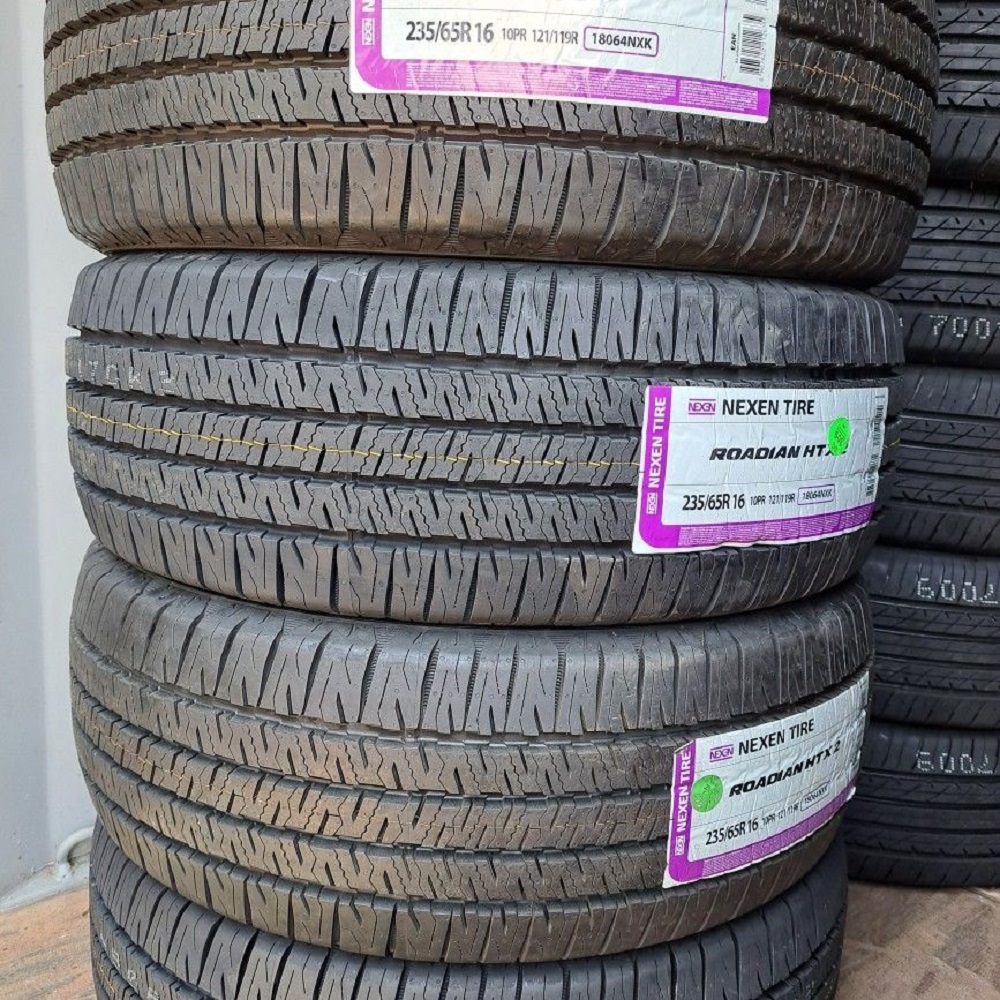
1. Tread Separation and Delamination
If you’re driving on older Nexen tires, like the Roadian HT or CP521 from the mid-2010s, you might notice the tread starting to separate. It’s not just an inconvenience—it can be a serious safety issue, especially if you’re cruising at highway speeds.
Tread separation happens when the layers of the tire, like the tread and internal belts, don’t stay bonded as they should. Add in heavy loads or hot weather, and things can go downhill fast.
You’ll usually notice something’s off when the ride starts to feel wobbly or uneven. If you inspect the tires, you might spot the edges of the tread lifting or uneven bumps forming.
Check the area where the tread meets the sidewall for cracks or any signs the tread is pulling away—it’s like a tire giving you a warning sign.
2. Irregular or Premature Tread Wear
Have you ever noticed your Nexen tires wearing unevenly, almost like someone took a chisel to the tread? This kind of wear, called cupping, scalloping, or feathering, often appears on models like the Nexen N5000 or N7000 series. It can make your tires look uneven and feel bumpy, especially when driving at higher speeds.
Cupping usually stems from a combination of misaligned wheels and underinflated tires. Sometimes, the tread compound itself doesn’t mesh well with your vehicle’s suspension, leading to excessive wear in certain areas.
For example, performance-focused tires like the N5000 are more prone to uneven wear if your alignment or cornering loads aren’t dialed in.
Grab a tread depth gauge, or just run your hand along the tire. You’ll feel high and low spots or notice the tread looks patchy. If the tires are noisy, especially during turns or at highway speeds, that’s another clue you’re dealing with uneven wear.
3. Excessive Road Noise and Vibration
If your Nexen tires are causing a constant humming or drumming noise while you drive, it’s not just annoying—it can point to underlying issues.
Models like the Nexen CP671, often factory-installed on sedans and crossovers, and early versions of the N5000 series are frequently noted for becoming noisier with wear.
Tread pattern resonance is one culprit, where the tread design amplifies noise over time. Uneven block wear, caused by improper inflation or alignment, can add to the problem. Also, the harder rubber compounds in these tires tend to age noisily, making them louder as mileage adds up.
Pay attention to when the noise is loudest. If it increases with speed and seems to echo from the tires, you’re likely dealing with uneven wear or an out-of-round tire. Run your hand over the tread surface to feel for inconsistencies.
4. Sidewall Bulges or Cracking
Sidewall issues are not just cosmetic but red flags for potential tire failure. Nexen models like the Roadian HTX RH5 and older CP521 have been reported for developing sidewall bulges or visible cracking, especially under certain conditions.
Blisters often form due to internal belt separation or ply damage, which can occur from hard impacts, like hitting a pothole or curb.
On the other hand, Cracks are typically caused by prolonged UV exposure, improper storage, or a defect in the manufacturing process. Overloading the tire can also exacerbate these issues.
Inspect your tires regularly for raised spots, which indicate a bulge or fine lines of cracking along the sidewall. Cracks near lettering or logos are common and easy to overlook.
5. Poor Wet or Winter Traction
Tires are your first line of defense in adverse weather, and certain Nexen models like the CP671 and CP662 and older performance lines such as the N3000 have faced criticism for lackluster wet and winter performance.
Tread design significantly affects a tire’s ability to handle rain or snow. Shallow grooves or minimal siping in these Nexen models limit water dispersion, increasing the risk of hydroplaning. For snow and ice, a harder rubber compound and simplistic tread blocks fail to provide sufficient grip.
Pay attention to how your vehicle handles during moderate rain or snowy conditions. Slipping, longer braking distances, or a tendency to skid are clear indicators. Hydroplaning is particularly concerning—it feels like the vehicle is floating and losing contact with the road.
6. Handling Instability and Steering Feedback Issues
Some Nexen models, particularly the N3000 performance series and early N’Fera lines, have been reported to exhibit handling instability.
Drivers often describe a lack of precise steering response or a feeling of “wandering” on the road, especially at higher speeds or during quick lane changes.
The root issue often lies in overly flexible sidewalls or an inadequate load rating for heavier vehicles. Tires designed for sportier applications may also have tread patterns that prioritize high-speed grip over straight-line stability, which can result in delayed feedback during routine driving.
If your vehicle feels unsteady during gentle steering maneuvers or seems to drift without input, the tires may lack the stiffness or design necessary for your car. Pay close attention during lane changes or quick swerves to gauge responsiveness.
Final Thoughts
Tires play a critical role in road safety; even minor issues can quickly escalate into serious hazards. Problems like uneven wear, tread separation, or reduced traction can impact handling and braking, especially in challenging conditions.
If you experience unusual noise, vibrations, or slipping, act quickly. Replacing damaged tires, fixing alignment problems, or switching to a better-suited model can help prevent accidents and ensure a safer, more reliable ride.
Was This Article Helpful?
Thanks for your feedback!
Rami Hasan is the founder of CherishYourCar.com, where he combines his web publishing experience with a passion for the automotive world. He’s committed to creating clear, practical guides that help drivers take better care of their vehicles and get more out of every mile.


I have Nexen tires on my truck. I’ve tried several times to have them balanced. When I reach a highway speed over 70 MPH the front steering has a slight vibration. I’ve had them balanced 3-4 times and no change. I really question the quality of the Nexen brand tires. My truck is a 2020 Ranger and it’s serviced regularly. I’m thinking about buying a set of Goodyear tires next…
Hi Ronald,
Totally get your frustration—after that many balance attempts with no improvement, it’s hard not to question the tires. Goodyear sounds like a solid choice if you’re ready to switch. Hope that finally gets rid of the vibration!