
Stabs the gas, RPMs flare, speed doesn’t follow. That’s how Altima CVTs start to quit. Since 2007, Nissan leaned hard on Jatco Xtronic units, and the failure patterns got loud enough to trigger warranty extensions, TSB procedures, and class-action settlements.
Early 2007–2012 cars cook fluid and lose belt grip when temps climb. The 2013–2018 CVT8 years show the worst complaints, with judder, limp mode, and valve body wear tied to fine metal debris and pressure loss.
The 2019+ cars clean up the act with smarter control logic and friction cuts, but heat and neglect still punish them. This guide calls out which CVT sits in which Altima, what the first warning signs feel like, and what repairs actually stick.
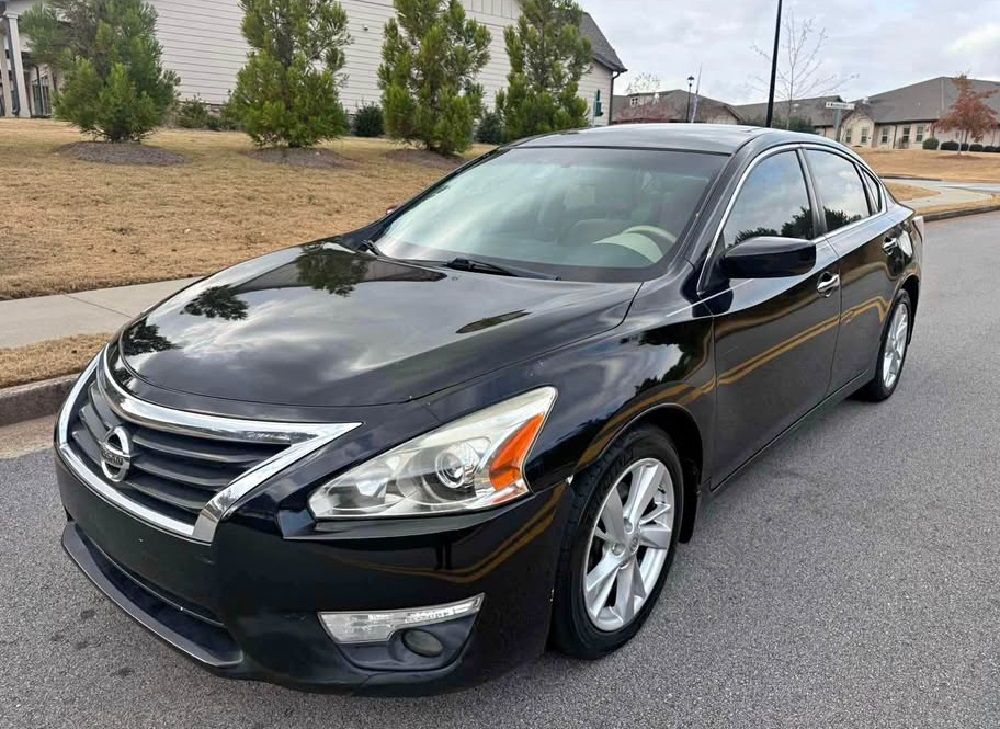
1. Altima transmission families, from gears to Xtronic control
Gears fade out, CVTs take over
Ran 4-speed and 5-speed automatics through the early 2000s. By 2007, the fourth-gen Altima switched hard to Jatco CVTs across most trims. The 2.5L and 3.5L both moved to the JF011E platform. Traditional step-gear boxes disappeared from the midsize lineup after that shift.
Used the JF011E from 2007–2012 in both four-cylinder and V6 cars. It relied on a stepper motor and ratio control arm to move the primary pulley. In 2013, Nissan rolled out the lighter CVT8 family. The 2.5L got the JF016E, the 3.5L got the chain-drive JF017E.
Dropped the stepper motor in 2013 and went full linear solenoid control inside the valve body. That change widened ratio spread and cut friction. It also removed the mechanical buffer that once masked pressure instability. From 2013 forward, hydraulic precision determined survival.
What happens inside when load spikes
Clamps a steel belt or chain between two variable pulleys. The pulleys squeeze tighter to raise ratio load capacity. Fluid pressure sets that clamp force, measured in real time by pressure sensors. Lose pressure and the belt skates.
Holds engine speed steady while vehicle speed climbs. That steady RPM feel comes from infinite ratio adjustment. No shift shock, no fixed gears. Under heavy throttle, pulley pressure spikes to prevent slip.
Heat thins NS-2 or NS-3 fluid fast. At 250°F, viscosity drops enough to cut clamp force margin. Slip starts microscopic, then turns audible. Repeated slip polishes pulley faces and sheds ferrous debris into the valve body.
The Jatco units that define each era
| CVT model | Altima years / engines | Key hardware traits | Typical weak link | First driver symptom |
|---|---|---|---|---|
| JF011E | 2007–2012 2.5 / 3.5 | Stepper motor, ratio arm | Overheat, belt slip | Highway whine, flare after heat soak |
| JF016E | 2013–2018 2.5 | Linear solenoids, wide ratio | Valve bore wear, P17F0 | Light-throttle shudder |
| JF017E | 2013–2018 3.5 | Chain drive, higher torque rating | Bearing fatigue, pulley wear | High-speed whine |
| CVT-X / JF022E family | 2019+ global derivatives | Expanded ratio, more sensors | Electronics, pressure sensors | Occasional limp event |
Identifies units by pan shape and connector color. JF016E uses a gray connector. JF017E often carries a green one. Mixing valve bodies across models triggers immediate ratio faults.
Early JF011E units fail from heat saturation on long highway grades. CVT8 units fail from hydraulic leakage inside worn aluminum bores. Replacement cost on a fifth-gen car averages $5,000–$7,000 installed.
2. 2007–2012 Altima, first-wave CVT failures
Heat overload and early belt slip
Packed the JF011E into 2007–2010 cars with marginal cooling margin. The water-to-oil cooler struggled in high ambient heat. Sustained highway runs pushed fluid past 240°F. Viscosity dropped and clamp force followed.
Logged many failures before 100,000 miles. Belt slip began as a faint surge at steady cruise. Drivers reported flare on long grades after heat soak. Limp mode capped RPM near 2,500 when pressure fell below threshold.
Overheated NS-2 fluid oxidized fast. Dark fluid carried fine steel dust from pulley faces. That debris cycled through the valve body and pressure regulator. Complete unit replacement averaged $3,500–$4,500 in that era.
What changed in 2011–2012
Revised calibration smoothed ratio control and raised cooling awareness. Late-cycle cars showed fewer early belt failures. Failure mileage shifted closer to 120,000 miles in many cases. The core hardware stayed the same.
Heat still ruled the outcome. Long climbs in 100°F air pushed fluid toward the same danger zone. Neglected fluid accelerated pulley polishing. Slip events stacked damage even without warning lights.
Stepper motor control masked small pressure swings better than later solenoid-only designs. That mechanical linkage bought time during minor fluid thinning. Once belt wear started, the stepper could not restore clamp force. Pulley face scoring made recovery impossible.
The 10-year, 120,000-mile admission
Extended powertrain coverage to 10 years or 120,000 miles for many 2007–2010 cars. Covered full CVT assembly replacement, not sensors alone. Dealers swapped entire units rather than rebuild internally. That policy confirmed systemic durability limits.
Used-car pricing shifted after the extension expired. A 2008 car at 130,000 miles carried full exposure. Replacement cost in today’s market often lands between $4,000–$5,500 installed. No factory cooler upgrade was included in the campaign.
3. 2013–2018 Altima, the CVT crisis years
2013 lands with judder and limp mode
Launched the fifth generation with the new CVT8 family. The 2.5L used the JF016E with linear solenoids only. Early builds stacked complaints fast, with over 2,000 NHTSA filings for 2013 alone. Most reports cited violent shudder and sudden power loss.
Logged failures as early as 60,000 miles. Light throttle at 30–45 mph triggered shake under steady load. The TCM stored P17F0 and P17F1 for judder detection. Many units needed full replacement before 90,000 miles.
Removed the stepper motor and tightened hydraulic tolerances. Small debris now altered pressure control instantly. Valve bore wear showed up in fluid pressure drift. Dealer assessment often read “replace CVT assembly,” not repair.
Valve body erosion and ferrous contamination
Generated fine steel dust from belt and pulley contact. That “ferrous fuzz” stuck to solenoid screens and magnets. Aluminum valve bores wore oval under abrasive flow. Internal leaks lost clamp pressure under load.
Stored codes like P0746, P0776, and P0848. Pressure control solenoids stuck or underperformed. Drivers felt shudder on takeoff or lag merging into traffic. A fluid flush rarely solved true bore wear.
Pan inspection revealed heavy metallic paste on magnets. Dark fluid smelled burnt near 250°F events. Once bore clearance opened, pressure stability never returned. Valve body replacement cost ran $2,000–$3,000, but many units still failed later.
Year-by-year failure window and repair cost
| Model year | Typical failure window | Primary complaint | Shop assessment | Typical repair bill (USD) |
|---|---|---|---|---|
| 2013 | 60,000–80,000 miles | Severe judder, no power | Replace CVT | $4,500–$6,000 |
| 2014 | 70,000–90,000 miles | Shudder, delayed engagement | Often full CVT | $4,500–$6,500 |
| 2015 | 75,000–100,000 miles | Lag, overheating | Mixed outcomes | $5,000–$7,000 |
| 2016 | 80,000–110,000 miles | Limp mode on hills | Replace CVT | $5,000–$7,500 |
| 2017 | 90,000–120,000 miles | Pressure loss, leaks | Replace CVT | $5,000–$8,000 |
| 2018 | 95,000–125,000 miles | Bearing whine, RPM hunting | Replace CVT | $5,500–$9,000 |
Repair costs climbed with labor rates and reman pricing. Most shops skipped internal rebuilds due to parts limits. Reman units required cooler flush and line cleaning. Skip that step and the new unit risks early contamination within 20,000 miles.
2.5L belt CVT vs 3.5L chain CVT
Bolted the 3.5L V6 to the JF017E chain-drive variant. Rated for higher torque loads than the belt unit. Chain design handled peak torque better under hard acceleration. Failure pattern shifted from judder to bearing noise.
Reported high-speed whine above 50 mph. Some units showed pulley surface wear under repeated heat cycles. Judder incidence stayed lower than the 2.5L cars. Replacement cost mirrored the four-cylinder, often exceeding $6,000 installed.
4. What actually ends an Altima CVT
Heat saturation and limp mode logic
Push fluid past 240°F and oxidation accelerates. NS-3 loses viscosity and friction stability. Clamp pressure drops even if the pump still spins. The belt starts to micro-slip under load.
The TCM watches pressure and ratio error in real time. When deviation crosses limit, it commands fail-safe. Engine speed locks near 2,500 RPM to protect the pulleys. One severe overheat event can cut remaining life in half.
Repeated heat cycles harden seals and shrink O-rings. Internal leaks grow worse at operating temperature. Fluid darkens and smells burnt after sustained 250°F spikes. Many failed units show this pattern before 90,000 miles.
Valve body wear and pressure loss
Route high-pressure fluid through soft aluminum bores. Circulate steel dust from belt and pulley contact. Abrasive particles enlarge bore clearances. Pressure leaks off at the worst moment, during acceleration.
Store P0746, P0776, and P0848 when control drifts. Solenoids can’t hold commanded pressure. Drivers feel surge, shudder, or delayed engagement into Drive. Pan magnets often carry thick metallic paste by 60,000–80,000 miles.
Replace only the valve body in borderline cases. Cost runs $2,000–$3,000 installed. Skip cooler flush and debris returns to the new part. Many repeat failures originate from contaminated cooler circuits.
Belt and chain fatigue under repeated slip
Clamp force rises sharply during hard throttle. Belt elements stretch when slip occurs under load. Each slip event polishes pulley faces and weakens contact surfaces. Fatigue accumulates even without warning lights.
Chain-drive units show different scars. Bearing wear and pulley face fatigue show up first. High-speed whine often signals bearing damage. Metal chunks on the pan magnet confirm late-stage failure.
Once belt stretch exceeds tolerance, ratio control can’t stabilize. Neutral flare appears during steady cruise. At that stage, full replacement is required. Reman CVT cost ranges from $5,000 to $8,000 installed.
5. Diagnosis in the bay, codes and dealer procedures
The codes that separate valve body from belt failure
Scan the TCM before touching a wrench. P17F0 and P17F1 flag CVT judder logic. Nissan uses them to trigger internal inspection steps. Many dealers treat P17F0 as a near-automatic replacement call.
Log P0746 or P0776 and pressure control is suspect. Those codes point to stuck or worn solenoids. Pair them with P0848 and pressure sensor data is out of range. Add P1715 and input speed mismatch confirms slip.
Single code with clean fluid sometimes means early valve body wear. Multiple pressure codes plus metallic paste usually mean belt damage. Dark fluid and burnt smell tighten the assessment. At that point, teardown rarely saves the unit.
Nissan TSB flow charts and pan inspection rules
Follow bulletins like NTB15-084 and NTB17-039. Drop the pan and inspect magnets first. Fine gray fuzz at 40,000–50,000 miles can be normal. Heavy metallic sludge signals internal wear.
Use special tools to inspect belt surfaces. Scoring or polished bands confirm slip history. If belt looks clean, valve body replacement may be approved. If belt shows damage, Nissan directs full CVT replacement.
Cooler flush is mandatory under NTB15-013. Debris left in the cooler contaminates the new unit. Skip that step and repeat failure can hit within 10,000–20,000 miles. Dealer replacement often exceeds $6,000 with labor.
Independent shop decision trees
Check fluid condition and live data first. Monitor primary and secondary pressure under load. If pressure tracks command but slip persists, belt wear is likely. If pressure lags command, valve body becomes suspect.
Some shops attempt valve body swaps around 70,000–90,000 miles. Success depends on early detection and low debris count. Once shudder feels violent at steady cruise, damage usually extends beyond hydraulics. Most independent shops quote $5,000–$7,500 for reman installation.
6. Lawsuits, warranty extensions, and what owners actually received
The Gann settlement, 2013–2016 models
Filed Christopher Gann v. Nissan North America over shudder and power loss claims. Plaintiffs argued Nissan knew about CVT defects early. Nissan denied fault but funded a major settlement. Coverage extended to 84 months or 84,000 miles for many cars.
Reimbursed prior repairs done within the extended window. Dealer repairs qualified for full coverage. Independent repairs capped near $5,000 with documentation. Owners with multiple transmission replacements received $1,000 vouchers toward new vehicles.
The extension applied to 2013–2016 Altima models primarily. After 84,000 miles, coverage ended cold. Many failures occurred near 90,000–110,000 miles. Out-of-pocket replacement at that point averaged $5,000–$7,000.
The Martinez settlement, 2017–2018 models
Brought Minerva Martinez v. Nissan North America as issues continued. Covered 2017–2018 Altima and related models. Extended CVT warranty again to 84 months or 84,000 miles. Terms mirrored the earlier settlement structure.
Provided reimbursement for qualifying repairs. Offered $1,000 vouchers for repeat transmission failures. Required proof of maintenance and timely repair claims. Redemption deadlines closed in early 2024.
Owners outside the time window received no automatic relief. Vehicles past 7 years carried full financial exposure. CVT replacement in 2024–2026 markets often exceeds $6,000 installed.
Canada and international extensions
Approved similar settlement terms in Canada. Coverage reached 84 months or 140,000 kilometers. Independent repair reimbursement capped near $6,000 CAD. Terms required documentation and repair within coverage limits.
These extensions reshaped resale values. Fifth-gen cars under coverage held stronger pricing. Cars past warranty carried heavy depreciation. A single out-of-warranty CVT failure can erase 15–20% of vehicle value in one repair event.
7. 2019–2026 Altima, the cleanup phase
Hardware revisions and D-Step logic
Reworked the CVT8 for the sixth generation in 2019. Nissan cut internal friction by roughly 58% through surface finishing and bearing updates. Pulley faces received tighter machining tolerances. Belt materials improved to resist micro-scoring.
Updated control software with “D-Step” logic. The TCM now simulates stepped shifts under moderate throttle. That brief torque dip reduces sustained clamp stress. Peak torque events see quicker pressure ramp and faster correction.
Revised cooling flow paths inside the case. Fluid warms faster and stabilizes sooner. Thermal spikes during long pulls trigger earlier protective logic. These updates aim to prevent the 240°F runaway seen in earlier units.
Real-world reliability shift
Complaint volume dropped sharply after 2019. Catastrophic belt failures became far less common. Most issues now involve sensors or minor pressure codes. Full CVT replacement rates declined compared to 2013–2016 cars.
Light shudder still appears in some 2.5L models. Limp mode events occur but less frequently. Many units now pass 150,000 miles with scheduled fluid service. Neglect still shortens lifespan fast in hot climates.
VC-Turbo 2.0L models use a chain-style high-torque variant. That unit handles stronger torque pulses better than early belt versions. Chain design reduces stretch risk under boost. Replacement cost remains in the $6,000–$8,000 range if failure occurs.
2026 lineup, simplified and mature
Dropped base trims for 2026. SV and SR now anchor the range. Power comes from the 2.5L PR25DD rated at 188 hp. Final drive ratio sits at 4.828 for fuel economy focus.
Ratio spread runs from 2.631 down to 0.378. Calibration sharpens throttle response without overloading the belt. Intelligent AWD remains optional, adding torque load under slip events. The CVT must handle that torque without exceeding pressure limits.
EPA estimates for the 2.5L FWD models are 30 mpg combined. Highway cruising keeps RPM low and fluid stable. Proper maintenance supports 150,000–200,000 miles in many cases. Skip fluid service and belt fatigue risk rises sharply after 100,000 miles.
8. Keeping an Altima CVT alive
Fluid choice and service intervals
Use the correct fluid for the unit. 2007–2012 models require Nissan NS-2. 2013 and newer CVT8 units require NS-3. Friction modifiers differ and affect clamp stability.
Universal CVT fluids often lack proper anti-shudder chemistry. Wrong fluid alters pulley friction and pressure response. Shudder can start within 5,000–10,000 miles after a bad fill. Correcting it requires full drain and refill cycles.
Drain-and-fill every 30,000–40,000 miles in hot climates. Stretching to 60,000 miles works only in light highway use. Fluid above 240°F oxidizes rapidly and loses film strength. Burnt fluid accelerates valve body wear and belt slip.
Cooling control and heat management
Inspect the factory water-to-oil cooler for flow restriction. Clogged radiator fins raise coolant and CVT temps together. Condenser debris traps heat in summer traffic. Heat spikes above 250°F trigger limp logic.
Aftermarket external coolers help in desert or stop-and-go driving. Keeping fluid under 200°F reduces oxidation rate sharply. Cooler installation must retain proper flow path and pressure. Poor routing can starve the pump and damage the unit.
Avoid towing beyond factory rating. Avoid long wide-open throttle pulls uphill. Repeated heat cycles harden seals and increase internal leakage. Overheated units often show failure signs before 100,000 miles.
Driving habits that extend belt life
Apply throttle smoothly from a stop. Sudden torque spikes raise clamp demand instantly. Belt elements stretch more under abrupt load. Repeated launches polish pulley faces early.
Back off at the first hint of shudder. Continuing to push through vibration compounds slip damage. Early fluid service can slow progression. Ignoring flare often leads to full replacement within 10,000–20,000 miles.
Allow ratio changes to settle before hard acceleration. The TCM needs time to adjust pulley position. Constant throttle modulation keeps pressure stable. Aggressive driving shortens lifespan and raises replacement risk near the $6,000 mark.
9. Shopping smart and counting the real cost
Generation-by-generation risk overview
| Generation / years | Transmission setup | CVT risk profile | Smart buying move |
|---|---|---|---|
| 2007–2010 | Early JF011E belt CVT | High heat failure risk | Buy only with documented replacement |
| 2011–2012 | Late JF011E | Moderate, heat sensitive | Verify fluid history and cooler health |
| 2013–2015 | Early JF016E CVT8 | Highest failure rate | Avoid unless CVT just replaced |
| 2016–2018 | Revised JF016E / JF017E | Improved but still risky | Demand records and lower price |
| 2019–2025 | Refined CVT8 family | Much stronger track record | Budget for regular 30k–40k service |
| 2026 | Latest Xtronic on PR25DD | Best outlook so far | Long-term play with strict maintenance |
Early fifth-gen cars carry the heaviest risk. Many failed between 60,000 and 100,000 miles. Replacement cost can exceed current vehicle value. A cheap purchase price often hides a $6,000 liability.
Fourth-gen 2011–2012 cars fare better if fluid was changed early. Missed service often shows up after 120,000 miles. Sixth-gen cars from 2019 forward show far fewer catastrophic failures. Neglect still shortens life sharply past 100,000 miles.
CVT penalty versus competitors
Altima resale typically trails Camry and Accord by 15–20%. Buyers factor in potential transmission exposure. One out-of-warranty replacement wipes out years of fuel savings. A single CVT job can equal 40–50% of used-car value.
Fleet operators show a different pattern. Strict 30,000-mile fluid intervals and monitored temps push some units past 250,000 miles. Private owners who skip service rarely see those numbers. Budget at least $300–$400 per fluid service or risk a $5,000–$8,000 replacement.
Sources & References
- Nissan Altima CVT Guide: What to Look For – CarInterior
- What Nissan Altima Years Have CVT Transmission?
- Nissan Altima CVT Transmission Complaints | Lemon Law Help
- What are the Problems With Nissan CVT Transmissions? – Top Class Actions
- The CVT Failure That’s Costing Nissan $277 Million – YouTube
- XTRONIC CVT Continuously Variable Transmission – Nissan USA
- What Nissan CVT Transmission Problem Years Should You Avoid? – CarInterior
- 2012-2018 Nissan Altima 2.5L Valve Body Assembly JF017E CVT OEM | eBay
- Introducing the JF017E Jatco CVT – Gears Magazine
- List of Jatco transmissions – Wikipedia
- Jatco, Nissan JF016E (RE0F10D) & JF017E (RE0F10E) Valve Body Identification Guide
- RE0F10D/E Internal – AKPPHELP
- Experiencing Nissan CVT Problems in Monroe, NC? Common Symptoms & Solutions
- Understanding CVT Warning Signs Before Failure | Rohnert Park Transmission
- Sonnax CVT Success: In-Vehicle Isolation of Common Problems
- Nissan Altima Transmission Problems: How to Identify Them
- Which Years of Used Nissan Altimas Are Most Reliable? – CoPilot for Car Shopping
- How Many Miles Can A Nissan Altima Last? – JD Power
- Which Nissan Model Years to Look For and Avoid [Updated for 2025]
- Nissan Altima Generations Ranked By Reliability – CarBuzz
- Is The Nissan Altima Reliable? This Is What Consumer Reports Says – Jalopnik
- dtc p17f0 or p17f1 stored in the tcm – nhtsa
- Unreliable Vehicles To Avoid: Nissan Altima | Endurance Warranty
- Nissan Unveils 2026 Altima — Modern Styling, Refined CVT and Smart Tech – USA Times
- Nissan CVT Martinez Class Action – BBB National Programs
- Frequently Asked Questions – Minerva Martinez, et al. v. Nissan North America, Inc.
- Anyone know the approximate cost to replace a CVT transmission? : r/Nissan – Reddit
- 2013-2016 Altima and 2014-2016 Rogue; MIL ON With DTC P0776 – nhtsa
- How to Repair Nissan CVT Transmission Issues Easily | Craig’s Car Care
- Nissan Altima Sedan Archive
- 2013-2014 altima; cvt judder and dtc p17f0 or p17f1 stored – nhtsa
- 2013-2015 altima; cvt delayed engagement when shifting into drive or reverse – nhtsa
- 2013-2015 Altima; Whine Noise From CVT At Highway Speeds – nhtsa
- Nissan CVT Stringer Class Action – BBB National Programs
- Nissan Transmission, Nissan Altima CVT Class Action Settlements Mailed
- Nissan Altima CVT Class Action Settlement
- Minerva Martinez, et al. v. Nissan North America, Inc.
- Altima, sentra and versa CVT Warranty extension – nhtsa
- FAQ – CVT Class Action
- Nissan Altima Extended Warranty: Cost, Coverage and Plans – Consumer Affairs
- Nissan Altima Generations – Autolist
- NISSAN Altima Models/Series Timeline, Specifications & Photos – autoevolution
- 2026 Nissan Altima Prices, Reviews, and Pictures – Edmunds
- 2026 Nissan Altima review: a really slow car that I actually kinda like
- 2026 Nissan Altima Review, Pricing, and Specs – Car and Driver
- 2026 Nissan Altima Review: Growing and Streamlining the Midsize Sedan
- 2026 Nissan Altima Press Kit – Nissan USA Newsroom
- New 2026 Nissan Altima Model Research – Bill Kay Nissan Downers Grove
- How Many Miles Can a Nissan Altima Last?
- Understanding About Nissan CVT Transmission Problems – Car From Japan
- Our 250000 mile 2014 Nissan Altima, one of the highest mileages? – Reddit
Was This Article Helpful?