
Light turns green, traffic moves, and the Sentra jolts like the transmission missed its cue. That snap tells two different stories; one rooted in a manufacturing flaw, the other in years of CVT wear baked into the design.
A limited batch of 2024 Sentras is under recall 24V-304 / PMA37 for a front driveshaft that may fail to fully seat in the CVT case. If it pops loose, it scars the housing, leaks fluid, and kills power on the spot; bad enough that NHTSA halted sales until dealers replaced the shaft and retorqued the fix.
Go back to the 2013–2017 models and the failure flips inward. Their Jatco CVTs wear down from the inside: belts slip, fluid overheats, and the transmission shudders or lags under throttle.
Enough owners filed complaints and lawsuits to trigger an extended warranty; 84 months or 84,000 miles; but the internal parts never saw a redesign.
Two different problems. One’s a factory flaw, the other a slow-motion failure. Know which camp your Sentra’s in before the transmission decides for you.
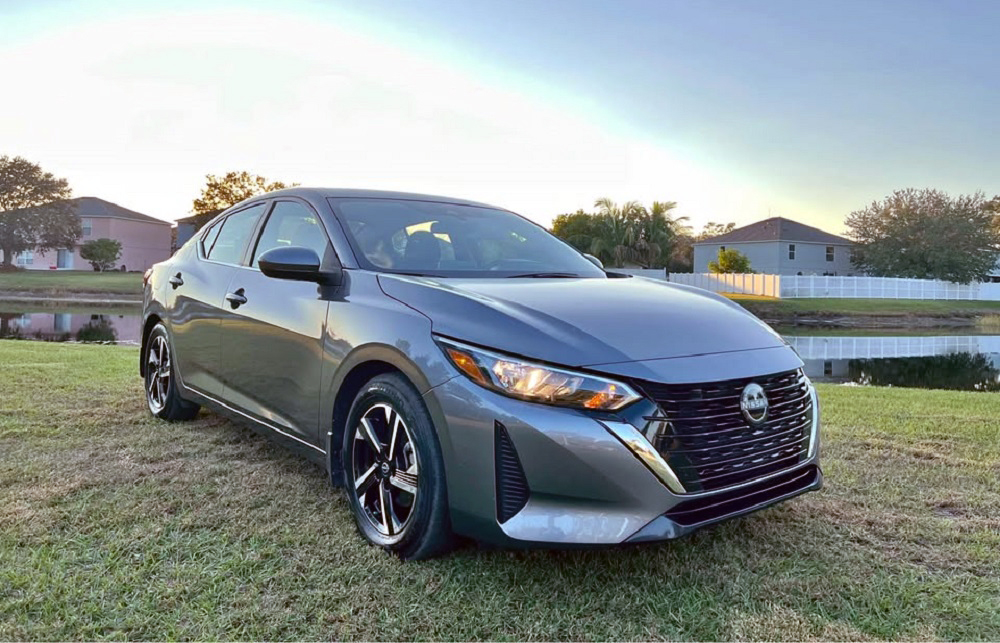
1. Two Sentra Transmission Failures That Look the Same but Aren’t
Driveshaft defect in 2024 Sentras causes fast, physical failure
A limited batch of 2024 Sentras rolled off the line with a left driveshaft that didn’t fully seat in the CVT case. The retaining clip might’ve been loose or missing altogether.
When the shaft pushed outward, it gouged the bore, leaked fluid, and bled out pressure. NHTSA recall 24V-304 / PMA37 targets roughly 9,600 vehicles built between July 21, 2023 and January 18, 2024.
Nissan froze those VINs on May 3, 2024, with dealers ordered to inspect every car. If the driveshaft was scored, it got replaced. If the CVT case was marked or leaking, it triggered a full transmission swap.
Nissan confirmed this was a plant-level assembly error, not a fresh CVT design flaw, and backed repairs with rental coverage while parts moved.
CVT failures in 2012–2017 build slowly from heat and belt wear
The earlier B17 Sentras (2012–2017) use the Jatco RE0F11A CVT, a unit with a long history of internal wear. It fails gradually, starting with judder, RPM flares, or slip under load.
The 2013–2014 models were hit hardest. Owners reported sluggish launches, jerky power delivery during merges, and full stalls as the belt slipped on worn pulleys.
Legal pressure turned the issue into an 84-month / 84,000-mile extended warranty for 2013–2017 Sentras. Nissan also rolled out software updates and CVT repair ladders for 2018–2019 models, but no NHTSA safety recall ever followed.
That’s because the issue came from wear and fluid breakdown over time, not a single bad part or safety-triggering defect.
Three groups once the VINs fall into place
These transmission problems get lumped together, but only one group carries formal recall status.
• 2024 models under recall PMA37: the driveshaft seating defect.
• 2013–2017 models covered under the CVT settlement: slow belt and pulley wear.
• Surrounding years with no formal coverage: same CVT, but only basic warranty or owner-pay fixes.
Many owners mistake the extended warranty for a recall. In reality, only the 2024 batch triggered NHTSA action.
Transmission Coverage by Year: Recall vs. Warranty
| Model Years | Generation | Issue Type | Program ID(s) | Typical Remedy Path |
|---|---|---|---|---|
| 2024 | B18 | Driveshaft not fully seated in CVT (safety recall) | 24V-304, PMA37 | Inspect shaft fitment, replace shaft or CVT if damaged; rental coverage included |
| 2013–2017 | B17 | CVT belt/pulley wear, slipping, overheating | CVT Settlement (84/84) | TCM update, valve body service, or full replacement depending on symptoms and codes |
| 2018–2019 | B17 (late) | Judder, hydraulic faults, delayed engagement | NTB20-035C + TSBs | Step-based diagnostics with targeted repairs for codes like P17F0, P0746, etc. |
| Other Years | Mixed | Same CVT design, no official campaign | None | Standard warranty diagnosis or full cost repairs once warranty lapses |
2. What the 2024 Driveshaft Recall Looks Like on the Road
How the driveshaft slips loose inside the CVT
In the flawed 2024 batch, the left driveshaft doesn’t stay locked in the CVT case. Without a secure clip, the shaft drifts outward under load and scrapes the aluminum bore. That chew-through leaks fluid and drops hydraulic pressure, which the CVT needs to hold a gear ratio.
NHTSA tied it to cars built from July 21, 2023 through January 18, 2024, and locked it in as recall 24V-304 / PMA37.
What it feels like as the CVT starts to fail
At first, it’s a hiccup, maybe a twitch when pulling from a stop or a weird pause rolling into the gas. Park the car and you might spot a slick under the driver’s side front wheel.
As pressure drops, the CVT slips more often, and the engine revs without matching pull. Once the system can’t hold pressure at all, drive cuts out entirely and you’re coasting on a dead pedal.
Why this met the federal safety threshold
Any drivetrain that can lose power in traffic meets NHTSA’s standard for a safety hazard. That’s why recall 24V-304 launched and PMA37 followed as the repair program. On May 3, 2024, Nissan told dealers to ground all affected VINs and inspect the shaft.
If damaged, it got replaced; if the CVT case was marked, the entire transmission came out. Owner letters landed in June, and Nissan covered rentals when parts were delayed.
3. What’s Really Breaking Down Inside the B17 CVT
Why this CVT runs hot and wears fast
The B17 Sentra’s Jatco CVT moves power using a steel belt wedged between two variable pulleys, driven by hydraulic pressure. When everything’s in sync, ratio changes are smooth and seamless. But that balance hinges on clean fluid and tight pressure control.
Any debris, varnish, or valve wear throws it off. Pressure dips, the belt slips, and heat builds up fast. These units rely on narrow fluid passages; once they clog or degrade, the margin disappears.
The warning signs drivers feel first
Most cars don’t fail all at once. First, the car hesitates off the line; engine revs rise, but it barely moves. Light-load slipping can make the steering wheel buzz as the belt skates across the polished pulleys.
At speed, the CVT flares; revving without acceleration; especially during hills or merges. In worse cases, the belt loses grip altogether, pressure crashes, and the car stalls. Most complaints poured in around 2013–2014, when the problem peaked.
How bad hydraulics and bearing metal sink the system
Worn pressure-control solenoids and regulator valves are common in failed units. Once pressure starts dropping, the belt slips more often, and each slip polishes the pulleys and sheds metal. Primary pulley bearings usually follow.
That sends larger debris into the fluid, which scrapes the valve body and scars the spool valves. The result: deeper pressure loss and worse performance. A software update might calm the shifts for a while, but it won’t undo the wear chewing away underneath.
Why this CVT needs short fluid intervals and the right formula
These CVTs don’t have much cooling capacity. Stop-and-go traffic, heat, or hills will cook the fluid fast. Once it thins, the pump can’t hold pressure, and the pulleys can’t grip the belt. That’s why many shops now push for 30,000-mile fluid changes, even though the factory once claimed longer intervals.
Skipping genuine NS-3 fluid is another trap. Universal blends can swell seals or mess with pressure regulation. This transmission’s not forgiving when fluid choice goes wrong.
4. What Nissan Covers, and What Drains Your Wallet
For PMA37 cars, the fix is clear and covered
On 2024 Sentras flagged under PMA37, dealers head straight to the left driveshaft. If it’s loose or the clip’s missing, they check spline wear and replace the shaft if needed. If the CVT case is damaged, scraped, leaking, or cracked, the whole unit gets replaced.
No out-of-pocket cost for parts, labor, or rental coverage. Nissan treats this as a full safety recall, and the repair path is non-negotiable.
On early B17 CVTs, Nissan tried to reflash the problems away
In the early stages, Nissan leaned on software. Under PM562 / NTB15-069, dealers reprogrammed the TCM to boost line pressure and iron out shift behavior.
It worked for cars with light wear, but it was a bandage. If pulleys, valves, or bearings were already degrading, the update just masked deeper issues.
Later repair trees follow a code-based ladder
By the time NTB20-035C rolled out, Nissan had a step-by-step fix ladder based on trouble codes. Light judder with no fluid contamination? You might get a TCM reflash. Pressure loss or solenoid faults? Expect a new valve body. Confirmed belt slip or visible metal? That’s a full belt/pulley/pump kit.
If bearings are howling or the case is cracked, the job jumps to a full CVT replacement. Any work at this stage usually needs Powertrain Call Center approval; techs log codes, symptoms, and teardown photos before Nissan greenlights a unit.
Typical Sentra CVT Repairs and Real-World Costs (Out of Warranty)
| Repair Path | When Shops Recommend It | Typical Price (USD) | Pros | Cons |
|---|---|---|---|---|
| TCM reflash only | Light judder, early P17F0, clean fluid, no noise | $150–$300 | Cheap, quick, no teardown | Won’t help if wear or debris is already present |
| Valve body replacement | Pressure codes like P0746, P0868, harsh engagement | $1,000–$2,000 | Restores control if hydraulics are still clean | Doesn’t fix worn belts, pulleys, or bearing damage |
| Belt/pulley/pump kit | Belt slip, metal in fluid, mid-tier judder | $2,000–$3,500 | Targets core failure without full swap | Labor-intensive, hinges on salvageable case and internals |
| Full CVT replacement | Bearing noise, cracked case, repeat failures | $3,000–$5,000 | All-new unit, resets clock | Highest cost, often needs warranty or financing to justify |
What high-mileage owners usually face
Once the warranty or CVT settlement runs out, most independent shops stop short of full internal rebuilds. Clean core parts are hard to source, labor stacks up, and the results are hit-or-miss.
That’s why a full new or reman CVT is the go-to move for B17 Sentras with bearing whine, repeat issues, or a trashed case. Partial fixes just don’t hold long once debris has cycled through the system.
5. Why People Say “Sentra Transmission Recall” (Even When It’s Not)
Class-action lawsuits extended coverage, without triggering a real recall
Law firms targeted the B17 Sentra’s CVT as a flawed design, not a fluke. Their argument stuck, and Nissan settled; stretching CVT coverage from 60 months / 60,000 miles to 84 months / 84,000 miles on 2013–2017 Sentras.
That only applied to “Class Vehicles” by VIN, and some owners lost their shot by opting out. Later TSBs brought 2018–2019 models into the same technical mess, but those cars still ride under standard warranty limits.
What the 84/84 deal actually covers
This isn’t a soft fix; it backs the whole CVT assembly: internal components, valve body, torque converter, even TCM programming when required.
If the job falls under coverage, Nissan can also cover rental costs during the repair. But skip a fluid change, abuse the driveline, or rack up unrelated damage, and Nissan has an out.
Claims, denials, and the voucher window closing in 2025
If a dealer denies a valid extended warranty repair, owners can take it to BBB arbitration. If the arbitrator sides with the owner, Nissan has to follow through; sometimes with a buyback. Other lawsuits, like Beaver v.
Nissan, layered on extra compensation: up to $1,500 in cash or vouchers for owners with repeat failures. But those offers are deadline-bound, with key windows closing by mid-2025, and they only pay if you can prove the repairs through records and invoices.
Where the “recall” confusion comes from
A real NHTSA recall, like 24V-304, is mandatory, VIN-specific, and open-ended on mileage. Class actions and warranty extensions are not. They tweak coverage rules, reimburse repairs, and impose time limits. But law firm websites often use “recall” as catch-all language. So do frustrated owners.
That’s how Sentra drivers walk into dealerships asking about a “CVT recall” that doesn’t exist for their car, just a patchwork of settlements, TSBs, and expiring protections.
6. What Sentra Owners Should Actually Do About CVT Trouble
Don’t argue blind, run the VIN first
Grab the 17-digit VIN from the dash, door sticker, registration, or insurance card. Plug it into the NHTSA recall checker and Nissan’s VIN lookup tool, then save the results. Screenshots or printouts help lock in dates and coverage.
Call the dealer with that info in front of you, don’t let them default to guessing off a headline about “transmission recalls.”
Put your car in the right risk group
If you’ve got a 2024 Sentra with an open 24V-304 or PMA37, stop driving at the first jerk, leak, or warning light. That’s an urgent safety issue. If it’s a 2013–2017 and you’re feeling shudder, slip, or pulling codes like P17F0 or P17F1, check your CVT settlement status before the mileage climbs.
Other model years using the same Jatco unit still demand attention if symptoms match, but repairs follow standard warranty or TSB-based paths.
Show up with proof, not stories
Note the mileage, symptom frequency, and exact conditions, speed, throttle, incline, when the issue hits. Short phone videos help if they show the cluster and the event in real time.
Stack those with scan-tool reports, especially if they show stored CVT codes. Include fluid change records. That’s the packet the service advisor needs to take the problem seriously.
Speak their language, use campaign and TSB codes
Lead with specifics. Say PMA37 or 24V-304 for a 2024 car. Use NTB20-035C for a known B17 issue. If the car’s throwing codes, bring those too.
And when you describe the issue, keep it short and anchored: “judder with P17F0 after 20 minutes of highway driving.” Skip the vague stuff like “acts weird.” That phrasing tells the advisor this is a documented case, not just another “CVT feel” complaint.
7. What These Repairs Really Cost and How to Keep a Sentra from Dying Young
What happens when coverage ends
Once warranty or settlement protection runs out, CVT repairs stack up fast. A basic TCM reflash lands between $150–$300 as a diagnostic add-on. Valve body replacements climb into the $1,000–$2,000 range at most shops.
Full belt-and-pulley kits with a pump can cost $2,000–$3,500, depending on how much debris is inside and how long labor runs.
Complete CVT replacements hit $3,000–$5,000 at dealerships, sometimes a bit lower at transmission shops, but many owners still lean toward dealer installs for fresher parts and longer warranty backing.
When the 84/84 safety net still holds
If a 2013–2017 Sentra is still within the 84-month / 84,000-mile window, even a blown CVT might get fixed at no cost. Cars just outside that line may still qualify if the failure pattern matches and the dealer is willing to work with Nissan on goodwill coverage. That flexibility often depends on service history and paperwork, not just mileage.
The maintenance rhythm that actually works
Most B17 CVT failures trace back to heat and thin fluid. That’s why many shops now recommend 30,000-mile intervals for CVT fluid changes using genuine NS-3 Nissan-spec fluid. Short trips, summer heat, or mountain climbs demand even more caution.
Smooth throttle, lighter load on hills, and fast response to early judder or slip can buy these transmissions more life. Skip the maintenance or pour in a cheap universal fluid, and you’re stacking up failure risk fast, swollen seals and pressure drop at idle are common side effects.
What resale value looks like with a CVT history
Older B17 Sentras with no documented service history or repeated CVT pressure codes should come with a serious price cut, clean fluid doesn’t mean the system’s healthy. But cars that show proof of valve body work, TCM updates, or full CVT swaps hold stronger value.
For 2024 models, once PMA37 is completed, the mechanical threat is gone. Buyers can check that repair status through Nissan’s VIN lookup or by requesting the dealer invoice that closed the recall.
What Every Sentra Owner Has to Decide
A 2024 Sentra cleared under PMA37 is the easy case. The bad shaft gets replaced, the CVT housing’s sealed, and the car’s back on the road with a clean record. Keep the repair paperwork and watch the left front corner for any hint of a fluid return.
The B17 generation is tougher. Their CVTs wear out over time, no recall, no one-time fix. The 84/84 settlement can save thousands, but only if records and mileage line up. After that, it’s just you, the fluid, and the pulley faces.
At high miles, most owners end up choosing between strict 30,000-mile service intervals or a full CVT replacement when bearings and belts start letting go. If you’re shopping for one of these cars, chase models with verified repairs, and walk away from any Sentra with vague history and repeat slip codes.
Sources & References
- 2024 Nissan Sentra Recalls & Safety Notices | Kelley Blue Book
- 2024 Nissan Sentra CVT Transmission Recall – Lemon Law Firm
- Nissan Sentra CVT Transmission Failure Lawsuit Investigation – Gibbs Law Group LLP
- Nissan CVT Stringer Class Action – BBB National Programs
- Altima, Versa, versa Note, Sentra, and JUke CVT Warranty … – nhtsa
- Part 573 Safety Recall Report 24V-304 | NHTSA
- Campaign ID: PMA37 – nhtsa
- Check for Recalls: Vehicle, Car Seat, Tire, Equipment – NHTSA
- Nissan Vin Lookup
- The Best & Worst Nissan Sentra Model Years [2025]
- Here Are The Nissan Sentra Years To Avoid – CoPilot for Car Shopping
- NISSAN RECALL CAMPAIGN BULLETIN – nhtsa
- Nissan CVT Transmission: 10 Warning Signs You Can’t Ignore – The Barry Law Firm
- Sonnax CVT Success: In-Vehicle Isolation of Common Problems
- Why Nissan CVT’s are a FAILURE – YouTube
- Why Are Jatco Transmissions So Bad? Common Problems & Reliability – Smart.DHgate
- voluntary service campaign 2013-2014 sentra, 2012-2014 versa sedan, and 2014 versa note; cvt reprogramming – nhtsa
- Transmission Reflash Meaning, Cost & Time to Fix
- Nissan Sentra Transmission Recall You Can’t Ignore – Sage Law Group LLP
- Campaign ID: PMA37 – nhtsa
- Nissan CVT Transmissions – Tynan’s Nissan Aurora
- Nissan defective CVT class action settlement
- How to Repair Nissan CVT Transmission Issues Easily | Craig’s Car Care
- Keep your Nissan CVT lasting forever – YouTube
- If you’ve had your CVT rebuilt, how is it holding up? : r/Nissan – Reddit
Was This Article Helpful?