
You park your Subaru and notice a few drops of oil on the driveway. At first, it’s just an occasional drip, but over time, that leak turns into a streak running down the engine block. If you own a late ‘90s or 2000s Subaru with the 2.5L EJ-series engine, this isn’t just bad luck—it’s a known issue.
Subaru’s boxer engines are known for external oil leaks at the head gasket, especially in models like the 1999–2004 Outback, Forester, Impreza, and Legacy.
The cause? Aging composite gaskets that break down over time, letting oil seep past the seal. Left unchecked, the leak won’t just stain your driveway—it can lead to low oil levels, a burning oil smell, and bigger engine problems down the road.
Let’s break down why this happens and how to fix it before it gets worse.
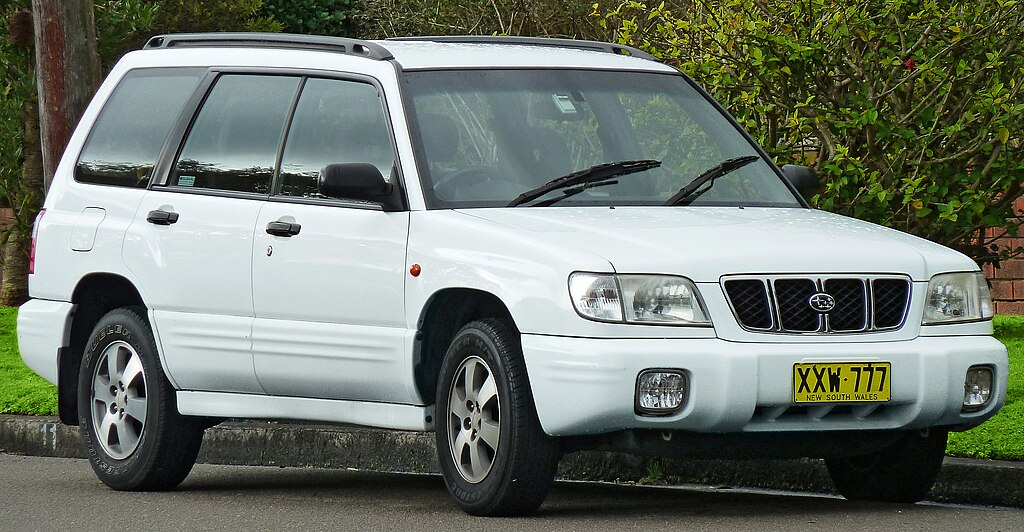
1. Specific Head Gasket Failures Leading to Oil Leakage
Subaru’s EJ-series 2.5L engines have a reputation, and not always for the right reasons. If your engine is leaking oil from the head gasket, it’s likely due to the materials used in the original gaskets.
Early single-layer and composite gaskets just don’t hold up well over time, especially under the stress of repeated heat cycles.
Original Single-Layer or Early Composite Gaskets
If you drive a 1999–2004 Outback, Forester, Impreza, or Legacy, chances are your car came with a composite head gasket. These were fine when new, but as the miles stacked up, they started to degrade.
Unlike a blown gasket that leads to overheating, these failures usually cause slow, external oil leaks along the seam where the head meets the block—often on the driver’s side.
The leak usually starts as a slow seep, leaving a thin oil streak down the block. If ignored, oil collects on the crossmember, drips onto the exhaust, and creates that familiar burning oil smell.
Unlike a coolant leak, these oil leaks rarely trigger a check engine light, so catching them early means keeping an eye out for visible stains under the car.
How to Fix It
A temporary fix? Cleaning the area and using UV dye to monitor the leak can help confirm the source. But once the gasket starts leaking, the only real fix is replacing it.
The best long-term solution is upgrading to a multi-layer steel (MLS) gasket, which Subaru started using in later models. If you’re going through the trouble of pulling the heads, take the time to check that the mating surfaces are flat—warped heads or block surfaces can cause the new gasket to fail prematurely. Also, consider replacing the head bolts if they’re out of spec.
Once installed, the MLS gasket eliminates the issue for good, meaning no more oil stains on your driveway.
2. Advanced Gasket Deterioration or Seep at External Oil Passages
Even if your Subaru is newer than the gasket-prone early 2000s models, it’s not completely off the hook. Some 2005–2009 Foresters, Outbacks, and Imprezas with the EJ253 engine still develop external oil leaks—just in different spots.
Instead of failing along the entire gasket seam, these leaks tend to appear near the lower oil feed passages at the back of the engine, usually on the passenger side.
Gasket Material Breakdown from Heat Cycles
The head gasket has to deal with constant temperature changes, expanding and contracting every time you drive.
Over the years, this repeated stress can cause the gasket’s material to break down, especially in areas where oil pressure is highest. The most common weak spot? The oil passages near the bottom edge of the head, where oil is pumped under pressure.
A telltale sign is a buildup of grime and sludge near the exhaust manifold. The leak might start off slow, but as the gasket deteriorates further, oil can drip onto hot exhaust components. If you’ve ever caught a faint whiff of burning oil while idling at a stoplight, this could be why.
How to Fix It
First, make sure you’re actually dealing with a head gasket leak and not something else. Valve cover gaskets often leak in the same area, but they sit higher on the engine. Cleaning the engine and using a borescope or inspection mirror can help pinpoint the exact source.
If the head gasket is the confirmed cause, the fix is straightforward but labor-intensive: gasket replacement. The updated MLS gaskets hold up much better than the original composite ones, but installation is key—any warping or uneven surfaces can lead to future leaks.
Ignoring the problem won’t leave you stranded immediately, but it will slowly drain your oil and could lead to bigger issues if left unchecked.
Fixing it early saves you from dealing with excessive oil loss and that lingering burnt oil smell every time you stop at a red light.
3. Potentially Compromised Engine Case or Cylinder Head Surfaces
Replacing a leaking head gasket should fix the problem, but what if the new gasket starts seeping oil again not long after the repair? That’s a sign something else is going on—usually, warped cylinder heads or block surfaces that prevent a proper seal.
Warping or Micro-Cracks in the Aluminum Heads
Subaru’s aluminum heads hold up well under normal conditions, but they don’t take overheating kindly.
If your engine has ever run too hot—whether from a failed radiator, bad thermostat, or coolant loss—there’s a chance the heads have warped slightly. Even the best gasket won’t seal properly if the mating surfaces aren’t perfectly flat.
A warped head can lead to small gaps in the gasket’s sealing surface, allowing oil to sneak through. In more severe cases, micro-cracks can develop, especially around oil passages, creating slow leaks that get worse over time.
How to Fix It
If you’re replacing a head gasket, checking for warping is non-negotiable. Machine shops can measure the cylinder head with precision tools, and if it’s slightly out of spec, resurfacing it brings it back to a perfectly flat surface. If the head is severely warped or cracked, replacement is the only real option.
The engine block itself rarely warps, but in extreme cases—like repeated overheating or improper gasket installation—deck surface irregularities can also contribute to leaks. If the block isn’t within spec, rebuilding or replacing the short block might be necessary.
Skipping this step is a risk. Even if a new gasket seals at first, a slightly warped head can cause it to start leaking again within months. If you’re already tearing the engine down, making sure the surfaces are flat prevents doing the job twice.
4. Confirming the Leak Source vs. Other Oil Leaks
Head gasket leaks aren’t the only way oil can escape from a Subaru engine. Before assuming the worst, it’s worth double-checking that the leak isn’t coming from something more common—like a valve cover gasket or camshaft seal. These leaks can mimic a head gasket seep, pooling oil in similar areas and making diagnosis tricky.
Valve Cover or Cam Seal Misdiagnosis
The valve cover gasket sits higher up on the engine, sealing the top of the cylinder head. Over time, the rubber hardens, allowing oil to seep out and drip down the block.
Since these leaks usually start slowly, they can be mistaken for a head gasket failure, especially when oil collects around the same lower engine areas.
Camshaft seals can also be deceptive. These seals sit behind the timing cover and can leak oil down the front of the engine. If oil is pooling near the front of the block, especially behind the timing cover, the cam seal is a likely suspect.
How to Fix It
Before assuming the head gasket is to blame, clean the engine and track the leak. A degreaser and a quick wipe-down can help, but for a more precise check, UV dye works wonders.
Add a small amount to the oil, run the engine, and inspect with a UV light—wherever the dye appears is your leak source.
• If oil is dripping from the lower head-to-block seam, the head gasket is likely the cause.
• If oil is coming from higher up on the head, the valve cover gasket is more suspect.
• If the leak is near the timing cover, camshaft seals might be failing.
Fixing valve cover leaks is much simpler than a head gasket job—new rubber gaskets and a bit of RTV in the right spots usually do the trick.
Cam seals require removing the timing components but are still less labor-intensive than a full-head gasket replacement.
Before committing to a major repair, ruling out these easier fixes can save a ton of time and money.
Final Thoughts
Oil leaks from a Subaru head gasket aren’t always catastrophic, but they’re not something to ignore either. What starts as a slow seep can turn into an oil-burning mess, coating the engine, crossmember, and even the exhaust. If you’re seeing streaks of oil near the head-to-block seam, it’s time to dig deeper.
If the leak is minor, you might be able to monitor it for a while, but once it starts dripping onto hot components or causing noticeable oil loss, gasket replacement is the only real fix.
Upgrading to an MLS gasket, checking for warping, and making sure the engine surfaces are perfectly flat can prevent repeat failures.
Before tearing into the engine, confirm that the leak isn’t coming from a valve cover or cam seal. Misdiagnosing the source can lead to unnecessary repairs. A little extra time spent diagnosing now can save hours of work and a lot of hassle later.