Flash the AT TEMP light. RPMs flare. Feels like the transmission lost its grip. That’s how Outback CVTs start talking before they quit.
From 2010 on, Subaru phased out the old 4EAT and rolled in the Lineartronic CVT. Early TR690 units stalled at stops from torque converter wear.
Mid-cycle TR580 models lit up dashboards with solenoid and valve body failures. High-torque turbo versions later triggered chain-slip recalls like 22V485000.
This guide breaks down what fails, which years sit in the danger zone, what repairs actually cost, and how to keep one alive past 200,000 miles.
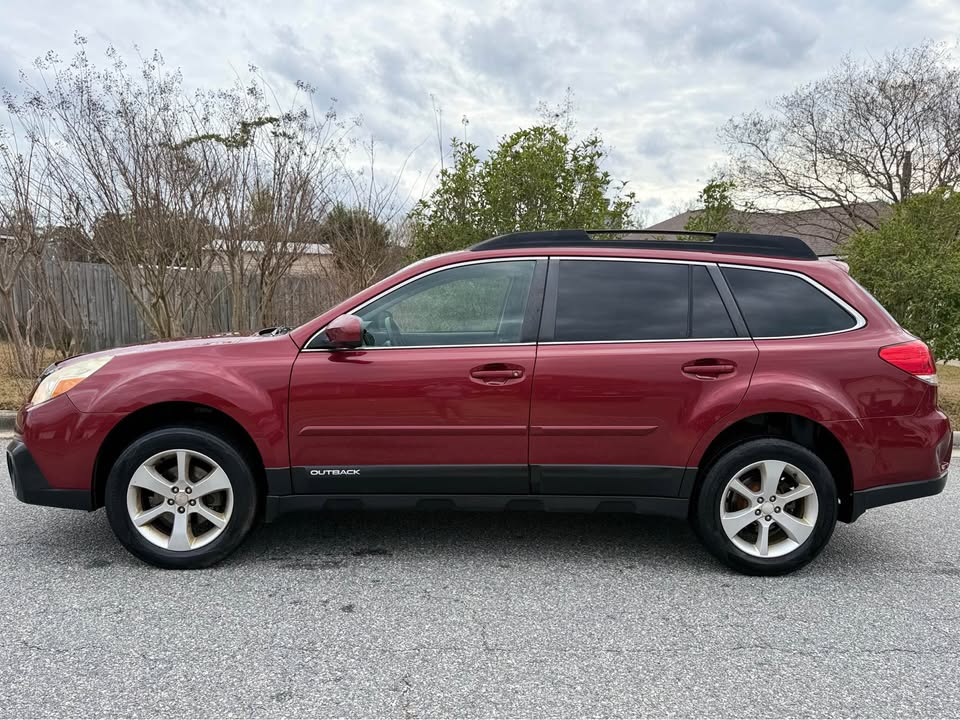
1. Subaru Outback transmissions by generation and risk window
The jump from 4EAT gears to Lineartronic chain drive
Ran the 4EAT 4-speed through 2009. Simple planetary gears. Separate transfer clutch. Thick fluid. Neglect it and it slips, leaks, or loses a solenoid.
Most failures show up after 180,000 miles, though the 4EAT is generally considered very durable and many units exceed 200,000 miles with proper maintenance.
Switched to the Lineartronic CVT in 2010. Fuel economy rules tightened. Subaru kept full-time Symmetrical AWD, so the CVT went longitudinal. The center clutch moved inside the transmission case. Any internal fault now hits both drive and AWD behavior.
Early complaints spike right after this shift. Stalls at stoplights. Harsh engagement. Fluid leaks at the pump cover. Warranty extensions followed, up to 10 years or 100,000 miles on many models.
TR690 and TR580 under the case
The TR690 launched first. High-torque chain. Bottom-mounted valve body. Used behind the 2.5L and 3.6R in 2010–2013 Outbacks. Rated for higher torque loads and constant rotation direction.
The TR580 followed in 2014 for most 2.5L models. Smaller case. Top-mounted valve body. Reverse rotation when switching between Drive and Reverse. That direction change increases stress if the vehicle is still rolling.
Both use a pull-style steel chain between adjustable pulleys. Clamp pressure exceeds 140,000 psi at the chain faces. Fluid shear and heat directly control whether that chain grips or slips.
Software evolved fast. Early cars held steady RPM under load and droned. Later units simulate shifts. More TCM logic means more ways to trigger shudder, flare, and limp mode.
Where the problem clusters sit
| Outback generation | Model years | Main transmission | Engines | Reliability headline |
|---|---|---|---|---|
| Gen 2–3 | 2000–2009 | 4EAT 4-speed | EJ25 | Durable; age leaks and clutch wear after 180k miles |
| Early CVT | 2010–2013 | TR690 | 2.5, 3.6R | Torque converter stall; pump cover leaks |
| Mid CVT | 2014–2018 | TR580 | 2.5 | Valve body and solenoid failures near 100k miles |
| High-torque CVT | 2019–2021 | Updated TR580/690 | 2.5, 2.4T | Chain slip recall 22V485000 on turbo models |
| Latest CVT | 2022+ | Revised TR580/690 | 2.5, 2.4T | Stronger guides; still fluid-sensitive |
Early TR690 cars show converter stall between 60,000 and 120,000 miles. Mid-cycle TR580 models often log P0971 or P2763 around 100,000 to 140,000 miles. Turbo XT models in 2020–2021 triggered chain-slip recalls tied to TCU logic errors.
2. Early TR690 failures and the stall-at-stop crisis
Inside the 2010–2013 Lineartronic
Mounted the TR690 behind the EJ25 and later the 3.6R. Torque converter up front. Hydraulic pump driven off the input shaft. Steel chain riding between primary and secondary pulleys.
The transfer clutch sits in the same case. Front differential shares the housing but runs separate gear oil. Lose line pressure and you lose ratio control and AWD torque balance at the same time.
Fluid runs hot under load. Normal operating temps sit around 180–200°F. Over 220°F, the TCM starts pulling torque and logging temp history.
Torque converter thrust washer wear and engine stall
Rolled to a stop. Shudder hits. RPM drops below 500. Engine dies like a manual left in gear. That pattern defined 2010–2013 failures.
Internal teardown traced it to the converter thrust washer. The original unit used a solid bushing-style washer. Friction wear created fine metal debris. Debris restricted the release ports that release lockup pressure.
Lockup clutch stayed applied at idle. Converter never decoupled. Engine stalled under load.
| Feature | Original Converter (Pre-TSB 16-90-13R) | Revised Converter (Post-TSB) |
|---|---|---|
| Thrust support | Solid bushing-style washer | Needle bearing assembly |
| Failure trigger | Wear debris blocks oil passages | Improved lubrication path |
| Common mileage window | 60,000–120,000 miles | Full service life target |
| Primary symptom | Shudder and stall at stop | Stable idle engagement |
TSB 16-90-13R introduced the needle bearing design. Production change began around transmission serial #633208. Many early cars needed full converter replacement.
Converter job runs 8 to 10 labor hours. Dealer bill lands between $2,000 and $3,000.
Pump chain cover leaks and slow fluid loss
Spotted fluid at the engine-to-trans seam. Looks like rear main leak. Often traces to the CVT pump chain cover gasket.
Fluid level drops slowly. Chain clamp pressure weakens. Slip generates heat and darkens fluid fast.
Owners report flare under light throttle. RPM jumps 300 to 500 above expected. TCM logs over-temp events above 230°F.
Run it low long enough and the chain face polishes the pulleys. Once that happens, the unit requires full replacement at $7,000 to $9,000 installed.
3. TR580 valve body failures and torque bind complaints
Smaller case, hotter valve body, tighter margins
Shifted most 2.5L Outbacks to the TR580 in 2014. Case shrank. Weight dropped. Valve body moved to the top of the unit.
That location sees sharper thermal swings. Hot soak after shutdown cooks the solenoids. Cold starts spike pressure until fluid warms past 120°F.
The chain and pulleys hold up better than the control hardware. Most failures trace to solenoids and hydraulic passages, not hard parts.
Solenoid codes that light up the dash
AT TEMP flashes. Traction light joins. Check Engine follows. Car drops into limp mode and locks into a tall ratio.
Common codes show up fast.
| DTC Code | Failed Component | Driver Behavior | Typical Repair |
|---|---|---|---|
| P0971 | Transfer clutch solenoid | Torque bind, harsh engagement, AWD shudder | Valve body replacement |
| P2763 | Lockup duty solenoid | Cruise shudder, flare, limp mode | Valve body replacement |
| P0700 | Generic trans fault request | Multiple lights, reduced power | Scan TCM, confirm source |
Failure window clusters around 100,000 to 140,000 miles. Metal fines clog internal screens. Pressure control goes erratic.
Subaru sells the valve body as a complete assembly. No factory support for individual solenoids. Dealer-installed valve body runs $1,200 to $1,800. Full unit replacement still hits $7,000 plus.
Torque bind and low-speed hopping
Turn tightly in a parking lot. Steering feels heavy. Rear tires hop or chatter. That’s transfer clutch drag.
The TR580 reverses chain rotation between Drive and Reverse. Shift while rolling and chain links take a shock load. Repeated abuse stretches pins and increases wear.
When the transfer clutch sticks, AWD never fully releases. Tires scrub. Differential heat climbs past 220°F in slow maneuvers.
Ignore it and rear clutches glaze. Rear differential service alone won’t fix it. A worn transfer clutch requires internal repair or full CVT replacement at dealer rates near $8,000.
4. Chain slip recalls and high-torque CVT failures
Turbo torque loads push the TR690 harder
Bolted the updated TR690 behind the 2.4L FA24 turbo in 2020 Outback XT models. Peak torque hits 277 lb-ft at low RPM. That loads the chain at small pulley diameters.
Clamp pressure must rise fast to prevent slip. TCU timing controls that pressure ramp. Any delay leaves the chain skimming the pulley face under boost.
Heat spikes fast during slip events. Fluid temps can jump past 240°F in seconds. Repeated slip polishes the pulley surface and weakens the chain guide.
WRK-21, WRK-22, and recall 22V485000
Slip events triggered federal recall 22V485000. Roughly 200,000 vehicles were involved across Outback, Legacy, and Ascent.
| Recall / Campaign | Affected Models | Defect Description | Remedy Path |
|---|---|---|---|
| WRK-21 / 22V485000 | 2020–2021 Outback XT | TCU allows clutch engagement before full clamp | Reflash TCU, inspect for slip history |
| WRK-22 | 2020–2021 Outback / Legacy | Chain slip cracks guide, can jam shift mechanism | Inspect guide, replace CVT if damage confirmed |
Programming error let the clutch apply before full chain clamp. Chain slipped across the pulley faces. Guides cracked. In worst cases, fragments jammed the shift mechanism.
Sudden loss of drive occurred at highway speed. That safety risk triggered mandatory recall action.
How dealers verify chain damage
Technicians pull TCU data logs. Slip counts and over-temp history show up in stored memory. Reflash alone applies only if no slip trend appears.
If slip counts exceed spec, dealer borescopes the chain guide through the inspection port. Scoring, cracks, or missing material mean full replacement. Subaru authorized complete CVT replacement when internal damage is found.
5. CVT fluid breakdown and the lifetime myth
What the fluid handles inside a Lineartronic
Clamp pressure at the chain faces exceeds 140,000 psi. Fluid has to grip and lubricate at the same time. It also cools the pulleys, bearings, and transfer clutch.
Normal temps run 180 to 200°F. Mountain grades and towing push it past 230°F. Heat shears the long-chain polymers in the fluid.
As viscosity drops, clamp force stability drops. Chain slip starts earlier under load.
Correct fluid by generation and torque class
| Fluid Type | Color | Typical Applications | Risk if Misused |
|---|---|---|---|
| CVTF-I | Green | Early TR690 (2010–2012) | Obsolete spec; superseded by newer formulas |
| CVTF-II | Green | 2013–2019 TR580 / TR690 (2.5L NA) | Wrong in high-torque turbo units |
| CVTF-III | Blue | 2020+ 2.5L models | Not backward compatible with older units |
| High Torque (HT) | Orange-red | 3.6R, 2.0T, 2.4T TR690 | Using CVTF-II can cause rapid slip |
| Low Viscosity LV | Amber/Clear (often appears pale yellow) | Newer turbo and Ascent-spec TR690 | Narrow friction window; fluid-sensitive |
Friction modifiers differ by torque rating. Turbo units require HT or LV blends. Fill a turbo TR690 with CVTF-II and shudder can appear within 500 miles.
Universal aftermarket CVT fluid often changes shift feel immediately. Owners report new whine, flare, or low-speed shudder within days.
Real-world service intervals
Subaru marketed the fluid as lifetime under normal use. Field data shows solenoid and chain issues near 100,000 miles on untouched units.
Independent Subaru shops recommend drain-and-fill at 30,000 to 60,000 miles. Severe use means 30,000 miles. Severe includes short trips, towing, extreme heat, and mountain driving.
Drain-and-fill refreshes 40 to 50 percent of total capacity. Full flush risks dislodging debris in higher-mileage units.
Fluid service typically runs $250 to $400 at an independent shop. Skip it long enough and the next bill can reach $8,000 for full CVT replacement.
6. What your Outback is saying before the CVT fails
Whine, drone, and pitch that climbs with speed
Hear a faint whine under light throttle. That’s normal chain noise. Hear a sharp pitch that rises with road speed. That points to pulley or bearing wear.
Aerated fluid adds a hollow drone. Overheated fluid loses anti-foam additives above 220°F. Bubbles collapse under pressure and line pressure drops.
Sustained whine under load often precedes slip codes by 5,000 to 10,000 miles. Pulley surface damage at that stage requires full unit replacement.
Delayed engagement and flare under throttle
Shift from Park to Drive. Count past two seconds before it moves. That delay signals low hydraulic pressure.
Internal seals harden with heat cycles. Pressure leaks past the piston circuits. Line pressure dips below spec during engagement.
Light throttle flare shows as 300 to 700 RPM jump before forward motion. Repeated flare polishes the pulley faces and accelerates chain wear.
Dash lights and limp mode patterns
AT TEMP flashes first in many cases. Then P0971 or P2763 stores in memory. TCM requests P0700 from the ECM.
Limp mode locks the CVT into a fixed ratio. Engine revs stay high at 45 to 55 mph. Throttle response feels dull.
Temperature history remains stored even after the light clears. Scan data often shows past spikes above 230°F.
Torque bind and AWD ripple effects
Turn tight in a parking lot. Steering feels heavy. Rear tires hop or chatter. That’s transfer clutch drag.
AWD control sits inside the CVT housing. Fault in the transfer solenoid affects traction control and EyeSight systems.
Ignore torque bind long enough and rear clutches glaze. Repair means internal clutch work or full CVT replacement at $7,000 to $9,000 installed.
7. Repair paths and the real money math
When a valve body actually fixes it
Scan shows P0971 or P2763 only. Fluid looks clean. Magnet shows light paste, no chunks. That’s a valve body case.
TR580 valve bodies fail in the solenoid pack. Pressure control goes erratic. Chain and pulleys often remain intact.
Dealer installs a complete valve body assembly. Labor runs 3 to 5 hours. Total bill lands between $1,200 and $1,800 at most shops.
If metal flakes show in the pan, valve body alone won’t save it.
Full CVT replacement and your options
| Option | Typical Installed Cost | Typical Warranty | Risk Level |
|---|---|---|---|
| New OEM CVT (Dealer) | $8,000–$9,000 | 1 year, unlimited miles | Low |
| Reman OEM (Dealer) | $6,000–$7,500 | 1 year, unlimited miles | Low–Medium |
| Quality Reman (Independent) | $4,000–$6,000 | 12–36 months | Medium |
| Used / Salvage Unit | $2,500–$4,000 | 30–90 days | High |
Subaru does not support internal rebuild of the variator or chain. Specialized tools and clean-room specs stay in factory channels.
Used units carry hidden risk. Many come from cars that already slipped or overheated. A salvage CVT can fail within months if prior wear exists.
Warranty extensions and goodwill fights
Subaru issued multiple 10-year or 100,000-mile CVT extensions under TSBs like 16-115-18 and 16-117-18. Coverage often applied to 2010–2018 models.
Turbo chain-slip cases tied to 22V485000 received recall repairs and limited warranty coverage. Outside that window, owners rely on goodwill.
Dealer service history improves odds. Documented fluid changes help. Once past 100,000 miles with no extension, full cost falls on the owner.
8. Outback CVT reliability compared with older Subarus and competing crossovers
4EAT durability versus Lineartronic precision
Ran the 4EAT for decades. Planetary gears. Four fixed ratios. Thick ATF. Abuse it and it still limps along.
Common 4EAT failures show as delayed shifts or worn clutches after 180,000 miles. Repair often means a $2,500 to $3,500 rebuild at an independent shop.
The Lineartronic runs tighter tolerances. Chain and pulley faces depend on exact clamp pressure. Fluid shear or solenoid lag shows up fast.
Neglect a CVT and failure can arrive near 100,000 miles. Repair jumps to $7,000 or more for a full unit.
Subaru chain CVT versus Nissan belt CVT
Subaru uses a steel pull chain. Nissan uses a push belt in many models. Belt systems often fail from belt delamination or pulley scoring.
Nissan CVT class actions covered models with failure rates under 80,000 miles in some years. Replacement often cost $4,000 to $6,000.
Subaru chain units handle higher torque loads on paper. Turbo FA24 models produce 277 lb-ft without immediate hardware failure when fluid is correct.
Both designs suffer from heat and software miscalibration. Both require strict fluid discipline.
Subaru CVT versus 6–10 speed conventional automatics
Toyota and Honda moved to 6-, 8-, and 10-speed automatics in similar crossovers. Planetary gear sets tolerate heat better under towing.
Conventional automatics shift in steps. Fewer constant high-pressure clamp events. Fluid temps often stay below 210°F in similar use.
CVTs keep the engine in peak torque longer. That raises sustained load on the chain and pulleys.
In heavy mountain driving, Outback CVT temps can exceed 230°F without auxiliary cooling. Many 8-speed competitors stay under 215°F in the same climb.
9. Long-term survival plan for your Outback CVT
Pre-purchase checks that expose hidden wear
Start cold. Shift into Drive within 30 seconds. Engagement should occur within 1 to 2 seconds.
Let it idle, then roll gently. Any shudder below 10 mph points to converter or clutch issues. Early TR690 cars often stall during the first stop when warm.
Climb a steady hill at 45 to 60 mph. Watch RPM. Surging of 300 to 500 RPM signals ratio instability.
Scan for stored codes and temperature history. Over-temp logs above 230°F suggest prior slip events.
Maintenance habits that change the outcome
Change CVT fluid every 30,000 to 60,000 miles. Severe duty means 30,000 miles. Severe includes towing, short trips, heat, and mountain driving.
Stop fully before shifting between Reverse and Drive. Rolling shifts stress TR580 chain pins.
Avoid holding throttle on long climbs in manual mode. Let the TCM manage ratio and cooling strategy.
Front differential gear oil should be replaced every 30,000 miles. Shared housing means differential heat affects CVT case temperature.
When to protect or move on
Models from 2010 to 2018 benefit most from extended warranty coverage. Risk rises past 90,000 miles without fluid service records.
Turbo XT models from 2020 to 2021 need confirmation of recall completion under 22V485000. No record means higher exposure.
Market value of an 8-year-old Outback often sits between $10,000 and $15,000. A $8,000 transmission bill crosses the 50 percent value threshold fast.
Once chain slip or heavy metal contamination appears, internal repair is not supported by Subaru. Full unit replacement remains the only factory-approved path.
Sources & References
- Subaru CVT Transmission Explained Delray Beach FL
- Understanding Transmission Types in Cars – Subaru
- List of Subaru transmissions – Wikipedia
- Understanding Subaru’s CVT: A Comprehensive Guide
- Worth Another Look! Subaru Lineartronic Failures, Faults, And Fixes! – Gears Magazine
- What Is a Subaru CVT Chain and How Does It Work? – CarInterior
- Subaru’s Lineartronic CVT Explained | Sport Subaru in Orlando
- Subaru CVT Transmission Guide: What to Look For – CarInterior
- Subaru CVT reliability : r/subaru – Reddit
- Subaru Lineartronic TR690: no major problems! – The AKPPro Magazine
- WRK-22 – CVT Chain Guide Breakage – 2020-2021 Subaru Outback & Legacy
- CVT Warranty Enhancement Program – Subaru Canada
- Are Subaru CVTs Reliable in 2025? Lineartronic Transmission Explained
- CVT Shudder when coming to a stop – TSB 16-150-24R : r/Outback_Wilderness – Reddit
- Subaru CVT Transmission Problems: What You Need to Know – A&A, The Shop
- SERVICE BULLETIN – nhtsa
- Failing torque converter- 2012 Legacy : r/subaru – Reddit
- Subaru stalling : r/subaru – Reddit
- Curious about I’d anyone here has had cvt issues and what Subaru is doing about them. – Reddit
- Subaru CVT Transmission Care: Myths vs. Facts
- Lineartronic TR-580: Subaru’s most popular CVT – The AKPPro Magazine
- How Much Does a Subaru Valve Body Replacement Cost? – CarInterior
- CVT valve body replacement : r/subaru – Reddit
- Subaru Outback Transmission Guide: How to Choose & What to Look For – CarInterior
- Subaru Transmission Recall WRK-21 | Chain Slippage
- PRODUCT CAMPAIGN BULLETIN – nhtsa
- Subaru Recall: Internal Transmission Chain Slip Causes Transmission Failure – RepairPal
- SERVICE BULLETIN – nhtsa
- The Most Common Subaru Problems & Years to Avoid – Jerry
- This is your maintenance schedule, as recommended by Subaru. – Reddit
- Is there any reason I shouldn’t just do the exact maintenance schedule in the Subaru Maintenance and Warranty booklet? : r/Subaru_Outback – Reddit
- How Often Should You Service Your Subaru’s Transmission? – Subaru of Ontario
- I want to know about CVT fluid. My niece has a 2018 Subaru Forester and needs her CVT oil topped off. I want to learn about the different types of CVT fluids (ratings?) and how to determine which is appropriate for her vehicle. – Reddit
- What is the correct cvt fluid? : r/subaru – Reddit
- CVT Fluid : r/subaru – Reddit
- Subaru Maintenance Guide and what “Severe Duty” means – Reddit
- Mechanic says CVT fluid for 3.6r is special and expensive and quoted me $600 to change with an aftermarket RedLine brand. Thoughts? : r/subaruoutback – Reddit
- Is it worth replacing a CVT transmission? Cost vs. value analysis – CarInterior
- Fix or sell? : r/subaru – Reddit
- CVT died at 120K – repair or trade in? : r/SubaruAscent – Reddit
- Our 2019 Outback requires CVT replacement at 60.6k miles, but SOA won’t cover $9k cost despite the recent issuance of 100k mile warranty extensions that include this model year : r/subaru – Reddit
- SERVICE BULLETIN – nhtsa
- SERVICE BULLETIN – nhtsa
- The Ultimate Guide to Subaru Outback Transmission Troubles
- 5 Common Signs of Transmission Failure in Subaru Vehicles – Subimods.com
- 2018 Outback CVT failure at 101k miles : r/Subaru_Outback – Reddit
- 2024 Subaru Outback Transmission in Denver
- Car stalls when coming to a stop : r/subaru – Reddit
- Subaru’s CVT CLASS ACTION Lawsuits: Why They’re Paying Millions – YouTube
- CVT Warranty Extension : r/SubaruForester – Reddit
- CVT Warranty Extension for select ’19-20 models : r/subaru – Reddit
- CVT Service Bulletin Experience- 2018 Outback Complete Transmission Replacement at 80K Miles : r/subaru – Reddit
- Why Buy a Subaru? Comprehensive Guide to the Value, Longevity, and Benefits of Subaru Vehicles
Was This Article Helpful?