
Fire it cold. Hear a rattle. Catch a sweet coolant smell creeping past the hood. That’s where Toyota Camry engine problems usually show up first. Over the years, this car ran everything from heavy iron-block engines to high-efficiency Dynamic Force setups and now full hybrid systems.
Early models mostly wear out with age. Later ones bring real mechanical faults, oil burning, head-bolt failures, VVT noise, and cooling-system issues.
The pattern shifts by engine, not by badge. The 2AZ-FE can strip threads or burn oil. The 2AR-FE fixes the core but adds rattles and leaks. The V6 2GR introduces oil-line failure and labor-heavy repairs. The newest hybrid Camry adds inverter risks and early build defects.
Some Camrys shrug off abuse and keep moving. Others punish missed warning signs fast, with repair bills that climb hard past 2,000.
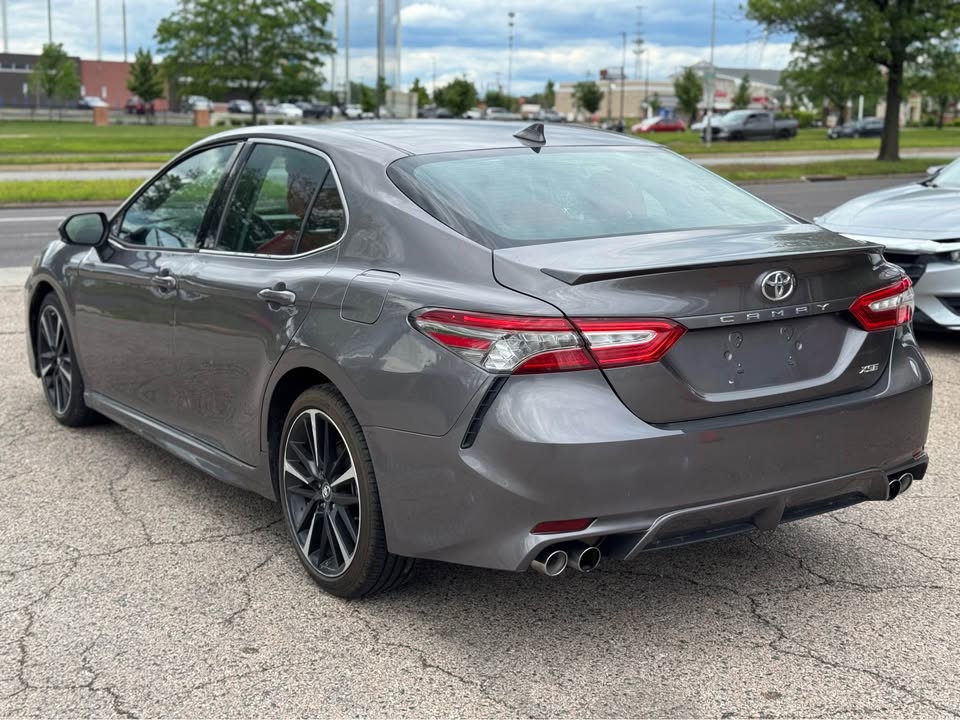
1. The Camry’s engine story only makes sense when you split it into durability eras
Early engines ran slow, heavy, and hard to kill
Start with the old cast-iron years. Engines like the 5S-FE and early V6 units carried thick blocks and low stress loads. Heat cycles stayed stable. Internal parts had wider margins, and failure usually came from neglect, not design.
Timing belts could snap without bending valves on many four-cylinders. Oil sludge showed up on some early V6 engines when service intervals stretched too far. Even then, most failures gave warning first, noise, smoke, or pressure drop.
These engines rarely failed suddenly. Most crossed 200,000 miles with basic oil and cooling service. The weak point was maintenance discipline, not hardware design.
The 2AZ-FE years mark the real break in Camry reliability
The shift to aluminum blocks changed the game. The 2AZ-FE cut weight and improved fuel economy, but it pushed the design harder. Heat expansion became a real factor. Thread strength and ring design became failure points.
On 2002–2006 models, head-bolt threads pulled out of the block. Clamping force dropped, then coolant leaks followed. Overheating came next. The repair required thread inserts, not just a gasket swap.
On 2007–2009 models, oil control rings clogged and stuck. Oil consumption could exceed 1 quart per 1,200 miles. Low oil then accelerated timing chain wear and bearing damage. Full piston and ring jobs often ran 20–25 labor hours.
The 2AR, 2GR, and A25A years shift failures into smaller but costly systems
Toyota corrected the block-level issues after the 2AZ era. Later engines rarely suffer structural failure under normal use. The weak spots moved into components, VVT systems, oil lines, cooling valves, and sealing surfaces.
The 2AR-FE improved durability but added startup rattle from VVT actuators. Water pumps began to seep early. Balance shaft wear introduced deeper engine noise on high-mileage units. None of these end the engine fast, but they stack repair costs.
The V6 2GR engines brought higher output and new risks. Early oil lines could rupture and dump pressure in seconds. Timing cover leaks required major labor. Later direct-injection versions added piston and ring wear concerns.
The A25A Dynamic Force engines pushed efficiency further. High compression and complex cooling systems raised sensitivity to thermal issues. Failures now show up as bypass valve faults, casting defects, or electronic cooling control problems.
The engine eras that actually matter when judging a Camry
| Era | Main engines | Core failure pattern |
|---|---|---|
| Early iron-block | 5S-FE, early V6 | Age wear, sludge if neglected, very low catastrophic failure rate |
| 2AZ-FE era | 2AZ-FE | Head-bolt thread pullout, oil burning, chain damage risk |
| AR / GR era | 2AR-FE, 2GR-FE | Component failures, VVT noise, oil lines, sealing issues |
| Dynamic Force era | A25A-FKS / hybrid variants | Cooling system faults, bypass valve failure, rare casting defects |
| XV80 hybrid-only | 2025–2026 hybrid system | Early QC defects, inverter issues, hybrid electronics dependency |
2. The oil burning problem that wrecked engines quietly and expensively
The 2AZ-FE ring design traps oil instead of scraping it
Cold start looks normal. Then the dipstick drops faster than expected. That’s the start of it.
The 2AZ-FE uses low-tension oil control rings with small drain-back holes. Over time, carbon packs into those holes. Oil stays on the cylinder wall instead of returning to the crankcase.
Once the rings stick, oil slips past into the combustion chamber. Burn rate climbs with mileage. Many engines reach 1 quart per 1,000–1,200 miles before drivers notice.
The damage spreads past oil consumption into timing and bearings
Low oil doesn’t stay a simple top-off issue. It changes pressure and lubrication across the engine.
Timing chains stretch faster with poor lubrication. Guides wear. Rattle shows up on cold start. Bearing surfaces begin to score once pressure drops under load.
Common codes include P0016 and P0017 when cam timing drifts. At that point, the damage is already inside the engine. Chain service alone won’t fix worn bearings.
Toyota’s fix came late and didn’t cover every engine
Toyota issued service campaigns and extended warranties for oil consumption testing. The fix involved piston and ring replacement with updated designs.
The process required a monitored oil consumption test over 1,200 miles. If the engine failed, it qualified for repair. Many engines fell outside the coverage window by the time symptoms appeared.
Repair meant full teardown. Labor ran 20–25 hours. Parts added another $600–$1,200 depending on damage.
What owners actually saw in the real world
| Mileage range | What shows up first | What follows next |
|---|---|---|
| 60k–90k | Oil level drops between services | Light blue smoke on acceleration |
| 90k–130k | Frequent top-offs needed | Cold start rattle begins |
| 130k+ | Check engine light, timing codes | Power loss, bearing wear |
Ignoring oil consumption doesn’t stall the engine immediately. It shortens its life until internal wear crosses the point where rebuild costs exceed $3,000–$5,000.
3. The V6 era cleaned up oil burning but brought its own leak paths
The 2GR-FE trades oil consumption for external leaks
Step up to the V6 and oil burning drops off. The problem shifts outside the engine.
The 2GR-FE uses a multi-piece timing cover sealed with RTV. Heat cycles and aluminum expansion break that seal over time. Oil starts seeping down the front of the engine.
The leak usually begins around 70k–120k miles. It spreads slowly, then coats the lower block and subframe. Left alone, it can reach the serpentine belt.
Cam tower and valve cover leaks stack on top
The timing cover isn’t the only weak seal. The camshaft housings and valve covers add more leak points.
Rubber gaskets harden with heat. Oil seeps onto exhaust components and burns off. Drivers notice a sharp oil smell after shutdown.
On higher-mile engines, multiple leaks combine. Cleaning the engine won’t fix it. Each sealing surface needs to be addressed separately.
Repair cost comes from labor, not parts
The parts are cheap. Access is the problem. Resealing the timing cover requires removing accessories, mounts, and sometimes dropping the subframe. Labor runs 12–16 hours in most shops.
| Repair area | Typical labor hours | Parts cost | Total shop cost |
|---|---|---|---|
| Timing cover reseal | 12–16 hrs | $80–$200 | $1,200–$2,000 |
| Valve cover gaskets | 3–5 hrs | $50–$120 | $300–$700 |
| Cam tower reseal | 10–14 hrs | $100–$250 | $1,000–$1,800 |
Leaks don’t usually end the engine. They drain oil slowly until level drops below safe pressure under load.
Water pump failures add another hidden weak point
The V6 uses an external water pump driven by the serpentine belt. That makes replacement easier, but failure is still common.
Seals wear out and coolant starts leaking from the weep hole. Early signs include dried coolant residue near the pump housing.
If ignored, coolant loss leads to overheating. The 2GR-FE tolerates heat poorly once coolant drops below system capacity. A single overheat event can warp components and push repair costs past $3,500.
4. The modern A25A engines run cleaner, tighter, and less forgiving of heat mistakes
High compression raises efficiency and sensitivity at the same time
Start the newer Camry cold. It sounds smooth and tight. That comes from compression ratios pushing 13:1.
The A25A-FKS uses direct and port injection with aggressive combustion control. Power comes from precise timing and heat management. Clearances run tighter than older engines.
That precision leaves less margin when something drifts. Poor fuel, overheating, or sensor faults show up faster. Small issues don’t stay small for long.
The electronic cooling system becomes a real failure point
The old thermostat setup is gone. The engine now uses an electronically controlled water pump and coolant bypass system.
Failures show up as slow warm-up, unstable temperature, or overheating under load. Common codes include P26CB for coolant pump performance. Some cases originate from sticking bypass valves.
When flow control fails, heat builds unevenly across the block. Aluminum heads don’t tolerate that well. One overheating event can lead to warped sealing surfaces.
Early production defects hit some engines hard
Some early builds saw casting defects that led to cracked engine blocks. These cracks allowed coolant to leak internally or externally, leading to sudden overheating.
Symptoms showed up as coolant loss, engine smoke, or sudden power loss. In severe cases, engines required full replacement rather than repair.
Hybrid versions reduce engine stress but add electrical dependence
The hybrid A25A-FXS runs lower mechanical stress during steady driving. Electric assist reduces load on the engine.
The compromise sits in the electronics. Inverter cooling systems and control modules become part of the reliability equation.
Failures shift from mechanical wear to system integration. A cooling fault in the hybrid system can trigger power limits or shutdown.
A failed inverter or cooling pump can push repair costs into the $2,000–$4,000 range depending on coverage.
5. Cooling system failures are the fastest way to turn a healthy engine into scrap
Overheating damage happens before the warning light feels urgent
Watch the temp gauge climb. By the time it moves fast, damage is already starting.
Aluminum heads expand quicker than the block. Once temperatures pass safe limits, sealing surfaces distort. Head gaskets lose clamp load and start leaking combustion gases.
Coolant loss makes it worse. Air pockets form, heat spikes locally, and metal warps unevenly. One overheat event can permanently damage the engine.
Water pumps and thermostats fail differently across generations
Older Camry engines used mechanical pumps with simple thermostats. Failures showed up as steady leaks or slow overheating.
Newer systems use electric pumps and mapped thermostat control. Failures become less predictable. Flow can drop without visible leaks.
| Component type | Failure behavior | Resulting risk |
|---|---|---|
| Mechanical pump | Visible leak, bearing noise | Gradual overheating |
| Electric pump | Intermittent or sudden failure | Rapid temperature spike |
| Traditional thermostat | Stuck open or closed | Slow warm-up or steady overheating |
| Electronic control valve | Erratic coolant routing | Uneven heat distribution |
Radiators and hoses age quietly until pressure drops
Plastic end tanks crack with age and heat cycles. Hoses soften, then split under pressure.
Small leaks reduce system pressure. Lower pressure drops the boiling point of coolant. That allows overheating to start earlier under load.
Drivers often miss early signs. Dried coolant residue or a sweet smell shows up before visible puddles.
What overheating actually costs once damage starts
Once the engine overheats, repair paths narrow fast. Head gasket jobs require machining and teardown.
If the block or head warps too far, replacement becomes the only option. Costs jump quickly.
6. Transmission problems rarely end the car, but they drain money slowly
The U-series automatics wear out through heat and fluid neglect
Pull away from a stop. Feel a soft delay, then a bump into gear. That’s where wear starts showing.
Older Camrys used U140 and U241 transmissions. These units rely heavily on fluid condition for clutch control. Heat breaks fluid down, and shift quality follows.
Worn fluid reduces hydraulic pressure. Clutches slip, then glaze. Once that happens, the damage stays even after a fluid change.
Torque converter shudder shows up before hard failure
At highway speed, light throttle causes a vibration. It feels like driving over fine rumble strips.
That’s torque converter clutch slip. The lockup surface wears and starts grabbing unevenly. Heat builds inside the converter.
Common codes include P0741 for torque converter clutch performance. Ignoring it spreads debris through the transmission.
“Lifetime fluid” claims shorten transmission life in real use
Many Camry models list transmission fluid as lifetime. In practice, heat and driving conditions break it down much sooner.
Stop-and-go traffic, hot climates, and highway cruising all raise fluid temperature. Oxidized fluid loses viscosity and friction control.
Real-world service intervals land closer to 50,000–70,000 miles. Skipping that window accelerates clutch wear and valve body issues.
Repair costs depend on when the problem gets caught
| Condition stage | What’s happening internally | Typical cost |
|---|---|---|
| Early shudder | Converter clutch wear begins | $300–$600 (fluid + service) |
| Moderate slip | Clutch packs wearing | $1,200–$2,000 |
| Full failure | Burnt clutches, debris spread | $3,000–$5,000 |
Once debris circulates through the system, partial repairs stop working. Full rebuild or replacement becomes the only fix.
7. Electronics and sensors fail more often now, and they fail without warning
Modern Camrys depend on sensor data to run correctly
Turn the key. The engine starts clean, but everything depends on inputs.
The ECU constantly adjusts fuel, timing, and airflow using sensor data. A bad reading doesn’t stop the engine immediately. It shifts operation into fallback modes.
That’s when performance changes. Power drops, fuel economy worsens, and idle becomes unstable. The engine still runs, but not correctly.
Common sensor failures show up as performance issues first
Mass airflow sensors drift out of calibration. Oxygen sensors respond slower over time. Cam and crank sensors lose signal consistency.
Codes like P0100, P0130, and P0340 appear once readings fall outside expected ranges. Before that, symptoms show up as hesitation, rough idle, or delayed throttle response.
These failures rarely leave the car right away. They degrade performance until the ECU can no longer compensate.
Throttle body and fuel system faults create sudden power loss
Electronic throttle bodies build carbon around the plate. Movement becomes less precise.
Fuel injectors clog or lose spray pattern accuracy. Direct injection systems increase that risk over time.
The ECU reacts by limiting throttle or adjusting fuel trims. Drivers feel it as lag or sudden power drop under load.
8. What actually fails first depends on the year you buy
Older Camrys fail slowly, newer ones fail in tighter windows
Drive an older Camry long enough and problems stack gradually. Leaks, wear, and noise build over time.
Newer models behave differently. Systems run tighter and react faster to faults. Failures show up earlier, but often in smaller components.
That shift changes risk. Older cars tolerate neglect longer. Newer ones demand maintenance on schedule.
The worst years and safest years separate cleanly
| Model years | Engine setup | What fails most often |
|---|---|---|
| 2002–2006 | 2AZ-FE | Head bolt threads, overheating risk |
| 2007–2009 | 2AZ-FE | Oil burning, timing chain wear |
| 2010–2017 | 2AR-FE | Water pump leaks, VVT rattle |
| 2007–2015 V6 | 2GR-FE | Oil line leaks, timing cover seepage |
| 2018–2024 | A25A-FKS | Cooling control faults, early defects |
| 2025–2026 | Hybrid-only | Electrical system dependency, inverter risk |
The worst reliability drop sits in the 2AZ years. The safest range lands in mid-cycle 2AR models with documented maintenance.
Mileage matters less than maintenance history
A 150,000-mile Camry with clean service records often outlasts a neglected 80,000-mile one.
Oil changes, coolant service, and transmission fluid intervals shape long-term reliability. Skipping these accelerates every known failure pattern.
Engines fail from heat and lubrication loss more than age alone.
What to check before buying one
Service records matter more than trim or options. Look for proof of oil consumption tests on older engines.
Inspect for coolant residue, oil leaks, and transmission shift quality. Scan for stored codes even if the light is off.
A pre-purchase inspection costs under $150. Skipping it can expose you to repairs exceeding $3,000 within months.
Sources & References
- Toyota Camry – Wikipedia
- Toyota Camry Buying Guide: Cost, Reliability, and the Best Years to Buy – CarGurus
- These Are The Toyota Camry’s Best Years For Reliability – Autoblog
- Camry | Vehicle Gallery | Toyota Brand | Mobility | Toyota Motor Corporation Official Global Website
- Benchmarking a 2018 Toyota Camry 2.5-liter Atkinson Cycle Engine with Cooled-EGR – PMC
- [Solved] How common are head bolt issues on 2002 camrys? – CarKiller
- The New Toyota DynamicForce – would you trust it? – Submit Your Question HERE – Ask Scotty Community – CarKiller
- Part 573 Safety Recall Report 25V869 | NHTSA
- 2025 Camry LE had camshaft tower replaced within 150 miles. tips …
- Toyota Camry Generations: All Model Years | CarBuzz
- Toyota Camry Generations Ranked By Reliability – CarBuzz
- Camry Model Timeline Guide | Toyota of Denton
- Toyota AR engine – Wikipedia
- Seeking Advice: Considering a Used Camry with 2AZ-FE Engine – Worth the Risk? : r/Toyota
- Does anyone know much about the toyota 2.4L cylinder-head bolt stripping problem? (2006 camry) – Reddit
- 2AZ Engine Oil Consumption Repair Procedure – nhtsa
- Toyota 2AR-FE Death Rattle – A Strange Case : r/AskMechanics – Reddit
- Brief Engine Knock/Rattle Noise at Cold Startup (1AR/2AR) – nhtsa
- New Common Problem With Toyota’s Most Popular Engine – YouTube
- Review of 2AR-FE Balance Shaft Delete : r/Camry – Reddit
- 2AR-FE Engine Noise Fixed! Full Diagnosis & Water Pump Replacement – Toyota Camry
- Toyota 2GR Engine Guide: Specs, Reliability & Problems
- Engine Teardown Reveals Surprising Problems Inside Toyota’s 3.5-Liter V6 – Autoblog
- Common Toyota 2GR-FE V6 Engine Problems Explained | Toyota …
- Limited Service Campaign for VVT-i Oil Line – Toyota USA Newsroom
- DEEP Cylinder Scars! Why This FAILED Toyota Tacoma 2GR-FKS 3.5L V6 Engine Burned Oil | Full Teardown – YouTube
- Vehicle Characterization and Performance Study of Toyota Camrys – NHTSA
- Toyota Sudden Unintended Acceleration: We’ve Got the Numbers!
- STATEMENT AND Q&A REGARDING – PRELIMINARY NHTSA INVESTIGATION OF REPORTS OF CAMRY, CAMRY SOLARA AND ES 300 THROTTLE CONTROL SYSTEM (information as of 3/9/04 at 9:00 PM v4)
- Toyota A25A-FKS 2.5L Engine | Specs, Problems & Reliability Explained! – YouTube
- Toyota engines – A25·M20 – Dynamic Force series (R4)
- Toyota Lawsuit Says 2019-2023 RAV4, Corolla Models Plagued by Coolant Bypass Valve Defect – ClassAction.org
- 2022 RAV4 Coolant Bypass Valve Issues: Symptoms, Diagnosis, and Fixes – Granger Warranty Blog
- Free Toyota Coolant Leak Fix | Dealer Extends Warranty For Coolant Bypass Valve
- Faulty Engine Coolant Bypass Valve causing spark plugs to go early? : r/Toyota – Reddit
- Coolant Bypass Valve Replacement “Not Covered Under Customer Support Program” : r/rav4club – Reddit
- TOYOTA – nhtsa
- Are the Toyota A25A “Dynamic Force” engines reliable? Any particular problem areas? : r/MechanicAdvice – Reddit
- Top 5 Problems in the 2025 Toyota Camry – The Barry Law Firm
- Does the 2025 Camry suck? : r/Camry – Reddit
- Beware of issue on new 2025 Camrys – Reddit
- 2025 Camry LE had camshaft tower replaced within 150 miles. tips on how to get a replacement vehicle? : r/Toyota
- Toyota Recalls Certain Toyota Camry and Corolla Cross Hybrid Vehicles
- 2025 Toyota Camry Recalls – RepairPal
- XSE V6 or 4 cylinder? : r/Camry – Reddit
- 2025 Camry making strange noise in front of car when not moving? Concerned. – Reddit
- A25A engine in new Camry – How to avoid carbon build-up? : r/Toyota
- Update on my 2025 Camry LE engine problems : r/Toyota
Was This Article Helpful?