
Coolant smell, weak A/C, dash filled with warning lights, yet no recall. Toyota’s CSP 24TE04 targets a hidden flaw: a leaking coolant bypass valve that shorts its own circuit and quietly nudges the engine toward overheating.
The fix is covered, but only if your RAV4 was built before February 2021, and you know how to claim it. Here’s how to make sure the repair doesn’t land on your tab.
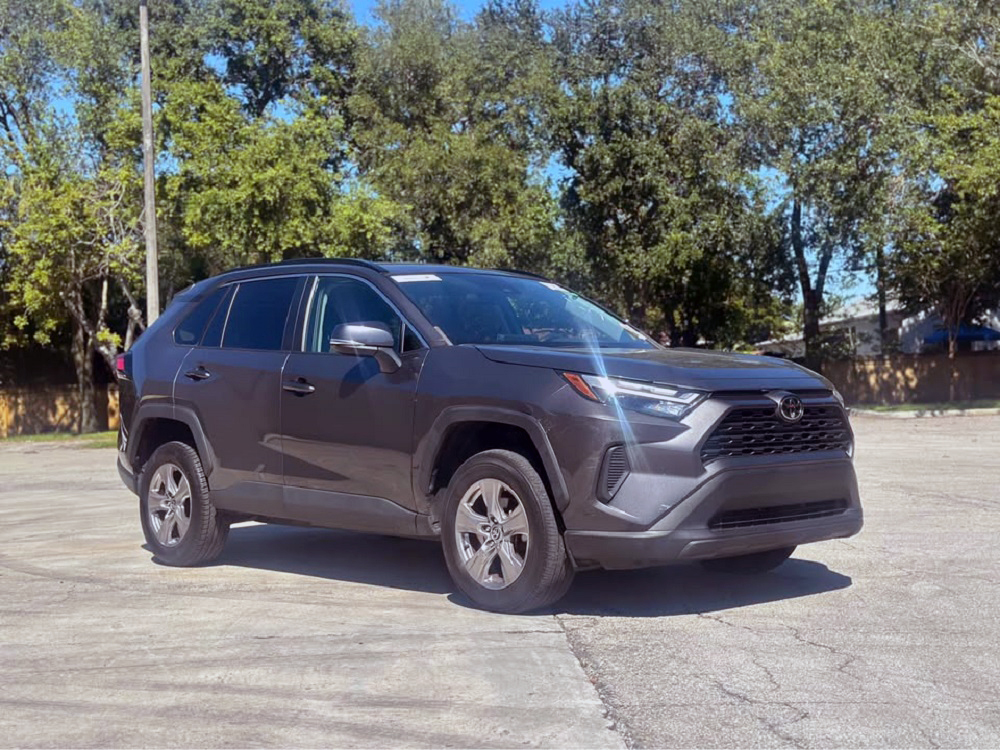
1. Not a Recall, And That’s Exactly How Toyota Wants It
Toyota sidestepped a formal recall, instead sliding this repair under the radar as Customer Support Program 24TE04. Buried in NHTSA’s database as a “Manufacturer Communication,” this move lets Toyota call the shots on who gets help, and for how long.
CSPs: Warranty Extensions With an Expiration Date
Recalls drag in federal oversight and never really close. A CSP, on the other hand, is Toyota’s home-brewed warranty extension, framed as a “quality” issue, not a “safety” one. That wording isn’t just semantics. It keeps the feds at arm’s length and lets Toyota set the rules.
No mass mailers. No automatic notifications. Dealers only act if you show up with the right symptoms, inside the right window.
Under 24TE04, primary coverage runs until November 30, 2025, with no mileage cap. After that, you get a second shot: 10 years or 100,000 miles from the original sale date. Miss both? Toyota’s off the hook, even if the valve fails exactly as described.
Why NHTSA Never Got Involved
NHTSA only steps in for clear safety risks. Toyota insists this valve failure doesn’t make the cut.
Here’s what actually happens: the valve leaks, coolant seeps into the actuator, and the electrical system shorts. Most drivers get a warning light or weak A/C before the engine overheats. Since it rarely leads to stalling or fire, Toyota called it a reliability problem, not a hazard.
That kept the issue out of recall territory and out of the headlines.
CSP vs. Recall: The Real-World Difference
| CSP 24TE04 | Federal Recall | |
|---|---|---|
| Trigger | Voluntary by Toyota | Ordered by NHTSA |
| Defect Type | Reliability/quality issue | Safety risk |
| Record Type | Manufacturer Communication | Official recall |
| Coverage Limit | 10 years / 100,000 miles | Often lifetime |
| Oversight | Toyota self-managed | Federally monitored |
| Cost to Owner | $0 (if you qualify) | $0, any time |
Dealers treat CSPs like secret warranty extensions. If you don’t know to ask or you miss the window, you’re on your own.
2. Who’s Covered, Who’s Not, and Where the Line Gets Drawn
CSP 24TE04 zeroes in on RAV4 models with the early coolant bypass valve: 2019–2021 RAV4, 2019–2021 RAV4 Hybrid, and 2021 RAV4 Prime. But the same part shows up in other Toyota and Lexus models built on the TNGA platform:
• 2018–2021 Camry and Camry Hybrid
• 2020–2021 Corolla and Corolla Hatchback
• 2020–2021 Highlander Hybrid
• 2021 Sienna Hybrid
• 2021 Venza
Eligibility depends on production date, not just model year. No public VIN lookup here; Toyota keeps the list internal.
February 2021: The Cutoff Nobody Talks About
Toyota drew a hard line at February 2021. Vehicles built before then are presumed to have the faulty valve. Later builds likely got the fix and don’t qualify.
That means a 2021 RAV4 could be in or out, depending on its build month. Check the label inside the driver’s door to know for sure.
RAV4s Lead the Pack
Most claims come from 2019–2021 RAV4 and RAV4 Hybrid owners. Not because the valve is worse, but because there are so many on the road. The RAV4 Prime is included, but with fewer complaints, simply fewer units out there.
Covered Models (Built On or Before Feb 2021)
| Model | Model Years | Notes |
|---|---|---|
| RAV4, RAV4 Hybrid | 2019–2021 | Most reported failures |
| RAV4 Prime | 2021 | Fewer cases, still included |
| Camry, Camry Hybrid | 2018–2021 | Same valve, CSP applies |
| Corolla, Corolla HB | 2020–2021 | TNGA platform, same valve |
| Highlander Hybrid | 2020–2021 | Covered under same CSP |
| Sienna Hybrid | 2021 | Identical bypass setup |
| Venza | 2021 | Same part, same vulnerability |
3. How a $100 Valve Can Take Down Your Cooling System
Toyota calls it a flow shut-off valve. In reality, it’s the traffic cop for coolant, routing flow to warm the engine quickly, balance cabin heat, and keep emissions in check. The ECU runs the show, shifting coolant between engine, heater core, and radiator based on load and temperature.
When the valve sticks or leaks, the system loses its balance. The ECU chases phantom temperatures, the HVAC acts up, and the engine starts to run hot.
Where the Design Trips Up
The early valve uses a plastic body, rubber seals, and a small electric actuator, tucked into a brutal spot under the hood. Heat cycles harden the seals, crack the plastic, and stress the actuator shaft. Leaks usually start small, then coolant wicks into the connector.
It starts slow. Then it spreads.
How Coolant Becomes a Circuit Issue
Coolant can bridge electrical traces inside the actuator. Once that happens, the ECU loses feedback and throws a fault. The valve freezes, flow defaults to a backup path, and scan tools pull P2681-series codes. That faint coolant smell you noticed last week? It’s now an electrical problem.
When Coolant Goes Rogue
With the valve stuck, coolant reroutes. The cylinder head runs hotter, especially in traffic or after hot starts. The HVAC gets confused, weak heat at idle, cold air at cruise, all out of sync.
The engine tries to compensate, adjusting fuel and timing, until it can’t. Then the temp gauge starts to climb.
HVAC Weirdness: The Canary in the Coal Mine
Most owners notice the cabin first. A sticking valve starves the heater core at idle, A/C fades, heat swings. It’s not the blower or refrigerant; it’s the coolant path. That’s your early warning, before the harness gets cooked.
What the Updated Valve Actually Changes
The revised valve uses tougher seals, better plastic, and improved moisture protection at the actuator. Techs also clean and seal the harness connector; wicked coolant often destroys terminals. After the swap, the system gets refilled and bled. Temps normalize, A/C returns, and the codes clear.
4. Spotting Trouble Before the Codes Stack Up
If you catch a whiff of coolant, lose A/C at idle, and see Engine Maintenance Required, you’re already in the red zone.
Early on, the reservoir dips just a bit, and the valve looks damp. As coolant creeps into the actuator, HVAC symptoms ramp up, long before any codes appear.
What the Driver Feels
At idle, A/C turns lukewarm. Start moving, it snaps back cold. Heat output rises and falls in traffic. After sitting overnight, there’s a sweet smell near the front of the bay, maybe a crust around the valve or hose. Coolant level drops slowly, no puddles, just a slow, mysterious loss.
Codes That Nail It Down
Once coolant hits the actuator, the electrical side fails. The ECU throws:
| Code | Fault | What You Notice |
|---|---|---|
| P268111 | Short to ground in valve circuit | A/C fades at idle, temp drifts |
| P268115 | Short to battery/open in circuit | Rough idle, erratic HVAC |
| – | No code yet, just seep | Coolant smell, damp valve |
Sometimes, only Engine Maintenance Required shows up, while the ECU quietly logs the faults.
Scan Data That Tells the Whole Story
When the actuator’s wet, commanded, and actual valve positions don’t match. Coolant temp climbs at idle with A/C on, then drops at speed. Long-term fuel trims drift as the ECU chases bad data. Wiggle the connector, and codes jump from pending to confirmed, a classic sign of a compromised harness.
5. Toyota’s Issue List: What Qualifies, What Doesn’t
What Dealers Look For
Toyota’s CSP 24TE04 spells out three ways to qualify:
• Visible coolant seep at the bypass valve
• Low reservoir level tied to that leak
• Stored or active codes P268111 or P268115
Your VIN must fall within the eligible range, and your build date must be February 2021 or earlier. No recall notice here, dealers check the internal CSP bulletin.
Two Windows, One Closing Fast
There’s a primary window: through November 30, 2025, with no mileage cap. After that, secondary coverage runs 10 years from the original in-service date or 100,000 miles, whichever comes first. Meet the criteria, and Toyota picks up the tab.
What’s Included and What’s Not
Dealers must confirm the fault, swap in the updated valve, inspect the harness, and refill the cooling system. Coolant and labor are part of the job. If they skip the terminal work, expect the codes to return.
Where Dealers Sometimes Slip
Some advisors wrongly insist on an active check engine light. That’s not Toyota’s rule, stored codes or visible seep count. Others try to bill for coolant, even though it’s included. If you qualify, the whole repair is free.
CSP 24TE04: What’s Actually Covered
| Element | CSP 24TE04 Terms |
|---|---|
| Proof | Coolant leak at valve, low level, or P268111/P268115 |
| Time Limits | Through 11/30/2025 (no mileage), or 10 years/100k miles |
| Remedy | New valve, connector/harness check, coolant refill/bleed |
| Billing | $0 to owner when terms are met |
| Documentation | Dealer files under CSP 24TE04 (T-SB-0112-24) |
6. What Happens If You Ignore It
Heat Piles Up Where It Shouldn’t
A failed valve backs up heat near the exhaust and head. Temps spike fastest at idle or after a hot shutdown. Over time, that warps gaskets, weakens sealing surfaces, and soaks the catalytic converter with extra fuel on restart.
The Leak Grows
A slow seep turns into a harness invasion. Coolant eats terminals, raises resistance, and causes shorts that a new valve alone won’t fix. If the harness isn’t cleaned or replaced, the electrical fault sticks around.
Problems Stack Up Before the Light Even Comes On
The ECU tries to keep temps in check by tweaking fuel and timing. You’ll feel it, rough idle after long stops, sluggish throttle, fading A/C at idle. Sometimes, the only warning is Engine Maintenance Required. The check engine light follows later.
Coolant Chemistry Starts Working Against You
Repeated top-offs dilute corrosion inhibitors. That opens the door to internal rust, pitting the radiator, heater core, and water pump. Mix in the wrong coolant, and deposits start forming in the narrowest passages, right where you don’t want blockages during a heat spike.
Small Problems Snowball
Once coolant ruins a connector, a new valve won’t save you. P2681 codes keep coming back if the harness is already compromised. At that point, repairs get expensive, extra labor, diagnostics, maybe even a new sub-harness. If overheating damages the head gasket, you’re looking at a top-end rebuild.
7. Lawsuit, Not Overheating, Forced Toyota’s Hand
The Courtroom Moved Faster Than the Service Bay
In May 2024, Barrientos v. Toyota landed in federal court, calling out bypass valve failures in 2019–2023 RAV4 and Corolla models. The complaint tied leaks to shorts, overheating, and missing dashboard warnings. Suddenly, a quiet TSB wasn’t enough.
Toyota rolled out CSP 24TE04 just as the lawsuit hit the headlines.
Why the Lawsuit Disappeared
By August 2024, the case was voluntarily dismissed. No trial, no discovery, no public airing of Toyota’s internal emails. The CSP gave Toyota just enough cover to calm complaints, but not enough to admit a safety defect. Free repairs came with strings, limited by date and mileage, and no federal recall in sight.
Who Got Left Out
If your RAV4 was built after February 2021, you’re likely out. Toyota assumes later builds have the updated valve. That leaves 2022–2023 models with the same symptoms stuck outside the CSP.
For 2021s, the build month matters more than the badge. January builds get covered. March builds? You’re paying, unless basic warranty still applies.
When Owners Still Have Leverage
Multiple repairs inside the CSP window, with repeat P2681 codes and overheating? You might qualify under state lemon laws. Outside the CSP, solid documentation, photos, invoices, service records can help build a goodwill claim. If harness damage lingers after a valve swap, it’s harder for Toyota to blame wear and tear.
8. Getting the Fix Without Getting Stuck With the Bill
Step One: Check the Build Date
Open the driver’s door and read the label. If it says February 2021 or earlier, you’re in the target group. Call your dealer with the full VIN and ask if CSP 24TE04 is open on your vehicle. If you’ve got a scan tool showing P268111 or P268115, or you smell coolant, mention that too.
What to Say at the Service Desk
Be direct: “Coolant seep at the flow shut-off valve, fading A/C at idle, Engine Maintenance Required alert.” Reference T-SB-0112-24 and clarify that stored codes or visible leaks qualify, even without a check engine light. Parts, labor, and coolant are all covered.
What the Dealer Should Actually Do
Techs check for seepage, scan for codes, install the updated valve, and inspect the connector. If coolant has wicked into the harness, they clean or replace corroded terminals. The system gets refilled and bled. If they skip the terminal work, codes will return.
After the Fix, Watch for Recurrence
A/C should stay cold at idle. The heater should stop swinging between hot and cold. The reservoir should hold steady, with no lingering coolant smell. If P2681 codes come back, the connector’s likely still compromised.
If They Try to Charge You, Stand Your Ground
If the advisor demands a check engine light or tries to bill for coolant, ask for a manager. Calmly point out that CSP 24TE04 covers parts, labor, and coolant under T-SB-0112-24. Still no luck? Call Toyota corporate. Document the seep, include scan tool screenshots, and provide your build date.
Already paid for the repair? Gather your invoice and submit a reimbursement request. If you were within the CSP window, Toyota may still pay you back.
Why This Valve Problem Has an Expiration Date
By calling it a Customer Support Program instead of a recall, Toyota kept control of the timeline, the terms, and the story. The fix is free if you move before the deadline. After that, the same failure lands squarely on your wallet.
The valve is small, but the damage isn’t. If your RAV4, or any TNGA-based Toyota, still carries that sweet coolant smell, don’t wait. The clock’s ticking.
Sources & References
- Free Toyota Coolant Leak Fix | Dealer Extends Warranty For Coolant Bypass Valve
- Toyota RAV4 Coolant Bypass Valve Problems
- Check for Recalls: Vehicle, Car Seat, Tire, Equipment – NHTSA
- What is this thing called? And how much do they go for : r/Camry
- 6 Toyota RAV4 Coolant Bypass Valve Problems and How to Fix Them
- Toyota Lawsuit Says 2019-2023 RAV4, Corolla Models Plagued by Coolant Bypass Valve Defect
- 1 CLASS ACTION COMPLAINT – Case Filings Alert
- Coolant bypass valve Recall on Toyota Camry!!! – Reddit
- Toyota RAV4 extended warranty: cost, coverage and plans – Consumer Affairs
- What warranty coverage do I have on my Toyota vehicle?
- CSP 24TE04 Flow Shut-off Valve Coolant Leak : r/rav4club
- Toyota Coolant Bypass Valve Issue! : r/rav4club
- Toyota class action alleges some vehicles contain defective coolant bypass valves
- Toyota Motor North America, Inc. | The ClassAction.org Legal News Wire
- Toyota Class Action Lawsuit – Coolant Bypass Valve Issue – Lemon Law attorney
Was This Article Helpful?