
Slip on a hill. Flare between gears. Shudder at 50 mph with a trailer hooked up. The Toyota Tacoma earned its name on tough Aisin gearboxes.
Then came more ratios, tighter hydraulics, and heavy software control. Some years hold up. Others hunt, hesitate, or lose drive once heat and debris build.
Four generations, five core transmission families. The old A340 4-speed. The A750 5-speed. The AC60 6-speed. The new 8-speed family, including AL80E, AL80F, and the hybrid L580F. Early trucks fail from wear and neglect. Newer ones stumble on calibration errors, low fluid, or factory contamination.
This guide lays out what fails, when it shows up, which DTCs matter, what Toyota’s bulletins change, and what real repairs cost in 2026.
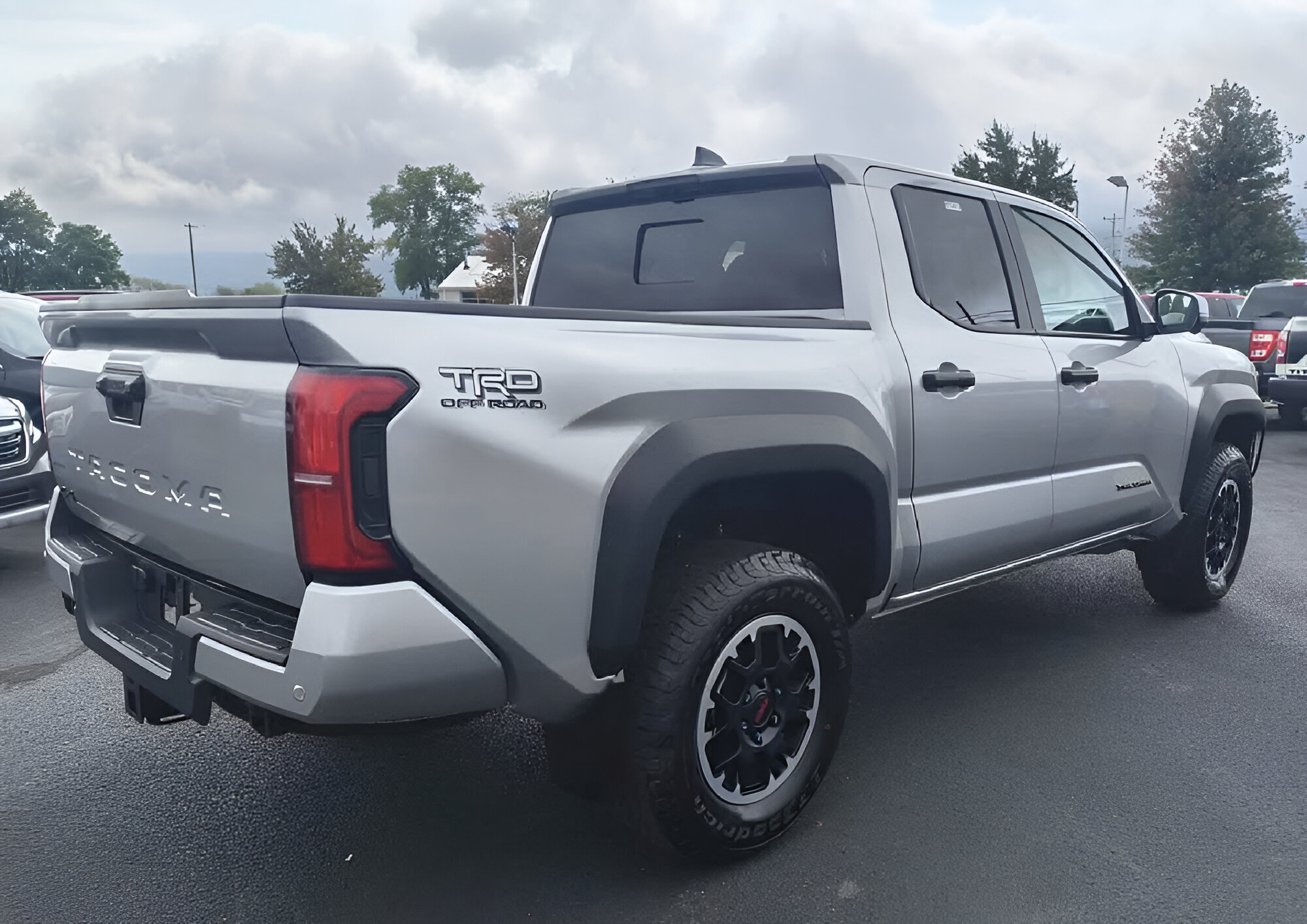
1. Tacoma transmission families and where problems really cluster
Four generations, five core gearboxes, very different risk curves
1995–2004 trucks ran the A340 4-speed or a basic 5-speed manual. Thick gearsets. Wide clutch packs. Simple solenoid logic. Most failures trace to age, heat, or neglect past 200,000 miles.
2005–2015 split the lineup. The 2.7 kept the A340. The 4.0 V6 moved to the A750 5-speed with a sealed case and no dipstick. Hardware stayed strong, but neglected WS fluid led to clogged solenoids and harsh shifts past 120,000 miles.
2016–2023 brought the AC60 6-speed behind the 3.5L 2GR-FKS and 2.7 I4. More ratios and aggressive lock-up improved fuel numbers. Complaints rose around gear hunting, low fill levels, and torque converter shudder.
2024+ trucks use a new 8-speed family: AL80E in 2WD models, AL80F in 4WD gas models, and L580F in 4WD i-FORCE MAX hybrids. Torque jumped.
Hydraulic passages tightened. Early builds showed debris-related failures under 10,000 miles, a sharp shift from the slow wear patterns of older Tacomas.
| Gen / Years | Engines | Automatic | Manual | Architecture Notes | Relative Risk* |
|---|---|---|---|---|---|
| 1st 1995–2004 | 2.4 / 2.7 / 3.4 V6 | A340 4-speed | 5-speed | Simple hydraulics, light electronics | Low, age-related |
| 2nd 2005–2015 | 2.7 / 4.0 V6 | A340 (I4), A750 (V6) | 5-, 6-speed | Sealed V6 auto, more electronic control | Low–moderate |
| 3rd 2016–2023 | 2.7 / 3.5 V6 | AC60 6-speed | RC62F 6-speed | Fuel-biased logic, fluid-sensitive | Moderate |
| 4th 2024+ | 2.4T / Hybrid | AL80E / AL80F / L580F 8-speed | 6-speed iMT | High torque, tight hydraulics | High, early builds |
*Relative within Tacoma generations.
Emissions rules and tow ratings reshaped the weak points
CAFE rules pushed taller gearing and longer torque converter lock-up. Cruise RPM dropped. Clutches stayed applied longer under light load. Shift schedules grew more aggressive.
Tow ratings climbed to 6,800 pounds in V6 trucks. More torque moved through the same case size. Fluid temperature rose faster, especially after 2020 when many V6 models lost the external cooler. Sustained heat darkens WS fluid and builds varnish inside the valve body.
Sealed cases changed maintenance. Fluid checks require a scan tool and a tight 104–113°F window. Miss that range and fluid level lands wrong. Underfill causes delayed engagement and highway shudder. Overfill aerates fluid and raises pump noise.
The A340 tolerated sloppy service. The AC60 and AL80F demand precision. Smaller passages and higher line pressure leave little margin for fluid error.
2. First and second gen gearboxes, simple hardware, predictable wear
A340 four-speed, thick internals, slow decline
1995–2004 Tacomas ran the A340 4-speed. Thick clutch packs. Wide gear spacing. Conservative line pressure. Electronics manage timing, but hydraulics carry the load.
High-mile issues follow a script. A 2–3 flare once fluid heats up. A pause before Drive engages after sitting overnight. Varnish builds in the valve body. Solenoids react slower, and apply pressure drops just enough to feel.
Hard-part failure stays rare without severe heat or heavy towing abuse. Most rebuilds stem from worn clutches and aged seals past 200,000 miles, not shattered gearsets.
A750 five-speed, sealed case, tighter control, narrower margin
2005–2015 V6 trucks moved to the A750E/F 5-speed. Closer ratios improved cruise feel. The dipstick disappeared. Fluid checks shifted from driveway habit to scan-tool procedure.
WS fluid left unchanged past 60,000 miles under load begins to oxidize. Fine debris circulates through the valve body. Pressure control solenoids stick. Shifts turn harsh or delayed. Many 1–2 or 3–4 complaints trace to hydraulic control, not burned friction material.
Engine inputs matter too. Erratic throttle position data skews shift timing and converter lock-up. The transmission reacts to bad information and takes the blame.
A750 codes that separate solenoid faults from worn clutches
When the A750 sets codes, they point in clear directions.
| DTC | Component | Typical Driver Symptom |
|---|---|---|
| P0748 | Pressure Control Solenoid A | Harsh shifts, limp mode |
| P0751 | Shift Solenoid A (S1) | 1–2 harshness or no upshift |
| P0756 | Shift Solenoid B (S2) | 2–3 flare or bind |
| P0771 | Shift Solenoid E (SR) | Delayed engagement, erratic feel |
| P0781 | 1–2 Shift Valve | Slip or bang on 1–2 when hot |
Slip without stored codes usually signals worn clutch packs. Clean codes with shift complaints often point to solenoids or valve body restriction. Early intervention can stop the repair at the valve body instead of the entire transmission.
3. Third-gen AC60, busy logic, low fluid, and calibration fights
AC60 behind the 3.5, fuel strategy over feel
2016 paired the 3.5L 2GR-FKS with the AC60 6-speed. The engine runs an Atkinson cycle at light load, which softens low-RPM torque. The transmission responds with early upshifts and aggressive converter lock-up.
Drivers noticed it fast. Rolling hills triggered constant downshifts. Light throttle at 45 mph dropped RPM too low, then a sharp kickdown followed. Cold wide-open throttle could flare on the 3–4 shift.
Hard parts rarely failed in large numbers. Most complaints traced to calibration, throttle mapping, and converter lock-up timing during steady cruise.
Low from day one, fluid volume mistakes with real consequences
Many 2016–2023 trucks left dealers 0.5 to 1.5 quarts low. Tow-package coolers added volume, yet fluid wasn’t always corrected during pre-delivery inspection. The sealed check requires a tight 104–113°F window, and rushed shops missed it.
Low fluid disrupts clutch apply pressure. Cold mornings bring delayed Drive engagement. Highway cruise brings shudder when the converter can’t maintain solid lock. Heat climbs under load and darkens WS fluid quickly.
Run low long enough and friction material wears early. Shudder becomes visible after damage has already started inside the converter clutch.
Factory software updates versus aggressive tuning
Toyota released several ECM and TCM updates, including T-SB-0077-16 and later revisions. Updates softened 1–2 shifts, reduced cold 3–4 flare, and eased cruise hunting. Some trucks improved. Others still felt hesitant at light throttle.
Aftermarket tunes such as KDMax and OTT pushed shift points higher and increased line pressure targets. Throttle response sharpened. Gear hunting dropped in hilly terrain.
Software changes affect warranty posture. Dealers can detect altered calibrations during powertrain claims. Once non-stock tuning appears in the data log, goodwill becomes harder to secure if clutch or converter damage follows.
4. Fourth-gen 8-speed family, higher torque, early contamination failures
AL80F internals under turbo torque from day one
2024 reset the drivetrain. The 2.4L turbo feeds the new 8-speed family, AL80E, AL80F, and L580F, with far more low-end torque than any prior Tacoma automatic. Hybrid i-FORCE MAX models peak at 465 lb-ft, well above the old 4.0 V6.
Inside the case, eight ratios fit in nearly the same space. Clutch packs shrink. Hydraulic passages narrow. Line pressure targets climb to hold clutches under boost. The tolerance for debris or fluid error drops fast.
Lock-up strategy runs early and often to keep RPM down. Slip in that circuit builds heat quickly, especially while towing or climbing grades.
Manufacturing debris, stuck solenoids, and sudden loss of drive
Early 2024 builds revealed a new failure pattern. Dealer tear-downs found machining shavings and casting sand inside valve bodies. Debris lodged in pressure control solenoids and torque converter actuators.
Drivers reported flare between gears, rising RPM with weak forward pull, or full loss of drive in traffic. Many trucks showed fewer than 10,000 miles at failure.
Stored codes told the story.
| DTC | System | Typical Field Meaning |
|---|---|---|
| P07407F | TCC actuator | Converter stuck off, cruise shudder and heat |
| P079571 | Pressure Control Solenoid C | Abrupt or missing shifts |
| P08BA71 | Pressure Control Solenoid H | Loss of specific gears |
| P271371 | Pressure Control Solenoid D | Delayed or harsh upshifts |
| P281671 | Solenoid H alternate fault | Confirms hydraulic sticking |
Toyota issued TSB-0094-24, authorizing full transmission and torque converter replacement when these codes appear, even if slip cannot be duplicated during a short road test.
Warranty replacements and parts bottlenecks
Replacement units have not always been readily available. Assembly plants prioritize new vehicles, and warranty stock trails demand. Some owners report waiting weeks or months for a complete 8-speed assembly, whether AL80E, AL80F, or L580F.
Low-mile failures complicate resale and lemon-law claims. Multiple repair attempts and extended downtime shift cases toward full gearbox replacement.
These failures surface early and link to contamination. Valve body cleaning rarely resolves them once debris circulates through pressure circuits.
5. Manual transmissions, from clunky feel to cracked hardware
RC62F six-speed, vague pedal and the accumulator debate
2016–2023 manuals use the RC62F 6-speed. Cold shifts feel notchy. First to second can resist clean engagement in slow traffic.
The clutch accumulator sits between the master and slave cylinder. It dampens engagement to reduce driveline shock. That cushion softens pedal feel and delays clutch bite, which many drivers blame on weak synchros.
Delete kits remove the damping. Pedal feel tightens. Engagement sharpens. The load shifts downstream. Hard launches and rough trail work increase stress on CV joints, driveshafts, and differentials.
Fourth-gen iMT six-speed, rev-matching and early shifter faults
The 2024 manual keeps three pedals and adds iMT rev-matching. Software blips the throttle on downshifts to smooth engagement and cut shock through the driveline.
Early builds showed a separate issue. The floor shift control retainer inside the shifter assembly developed cracks. Drivers reported resistance when selecting 2nd, 4th, or 6th. Some experienced refusal to slot into gear.
Toyota issued a bulletin for shifter sub-assembly replacement when binding appears. Internal gears and synchros typically remain intact. The fault sits in the linkage hardware above the case.
Manual versus automatic, different stress, different repair path
Manual Tacomas avoid torque converter circuits and pressure control solenoids. Fewer hydraulic components mean fewer stored electronic fault codes.
Clutch discs wear under heavy towing and slow off-road crawling. Synchros degrade when shifts grind repeatedly. Symptoms build gradually through pedal feel and gear engagement.
Repair costs follow a different curve. Clutch replacement runs about $900–$1,800 depending on region and parts. Automatic replacement can exceed $6,000 once warranty coverage ends.
6. Heat management, cooler deletion, and why temperature decides lifespan
Fluid temperature, the real wear driver
Automatic transmissions depend on fluid integrity. Sustained temps above 220°F accelerate WS oxidation. Friction modifiers break down. Clutch apply timing shifts. Varnish forms inside the valve body.
At 230–240°F, clutch material sheds faster. Fine debris circulates through solenoid screens and narrow passages. Line pressure rises to control slip until it reaches its limit. Flare shows up under load.
Heat damage builds before codes appear. Many drivers notice the first symptom while towing or climbing long grades in summer.
2020 cooler deletion, less buffer under load
Mid-2020 V6 Tacomas dropped the external air-to-oil transmission cooler on many builds. Cooling shifted to the radiator-integrated exchanger alone. The 6,800-pound tow rating stayed the same.
Field reports show higher sustained temps during uphill towing in hot climates. Trucks that once stabilized near 200–210°F now approach 230°F under similar load. Short pulls remain manageable. Extended climbs stack thermal stress.
The rating holds. The thermal margin shrinks, especially for owners towing near capacity on a regular basis.
When an auxiliary cooler earns its place
Frequent towing above 4,000–5,000 pounds in desert or mountain heat calls for added cooling. Slow off-road crawling also raises fluid temperature due to low airflow and high torque multiplication.
Aftermarket coolers mount ahead of the radiator and increase heat rejection. Install quality matters. Hose routing must stay secure. Fittings must seal properly. Fluid level must be verified within the correct temperature window.
Skip the final level check and new problems start. An underfilled AC60 or AL80F can show delayed engagement and shudder even if fluid temperature improves.
7. i-FORCE MAX hybrid, electric torque, added heat, tighter margins
Hybrid layout, motor integrated into the drivetrain
The 2024+ i-FORCE MAX uses the L580F 8-speed, integrating an electric motor between the 2.4L turbo and the transmission. The truck keeps a traditional transfer case and driveshaft layout. This setup differs from Toyota’s transverse SUV hybrids.
The motor delivers instant torque at launch and low speed. Once clutches apply, the transmission carries combined engine and motor torque. Gearsets and clutch packs face higher load than earlier Tacoma generations.
Electric torque fill smooths transitions. Internal clutch stress under heavy throttle or towing remains high.
Added cooling circuits and real failure paths
Hybrid models add dedicated cooling loops for the inverter and power electronics. Electric pumps circulate coolant after shutdown to control residual turbo and motor heat.
Low coolant or missed service in the hybrid loop can trigger power reduction. Drivers feel sudden output loss and suspect transmission failure. Scan data often points to hybrid thermal management faults instead of gear ratio errors.
Heat control now spans engine coolant, transmission fluid, and hybrid electronics. A fault in one system can create drive symptoms that resemble gearbox trouble.
Hybrid versus gas-only AL80F, different complaints
Early data shows fewer debris-related failures in hybrid AL80F units compared to some gas-only builds. Most hybrid complaints involve shift feel during engine-to-motor transitions or unexpected power reduction events.
The core 8-speed hardware stays the same. Pressure control solenoids and hydraulic circuits remain vulnerable to contamination. Hybrid integration increases system complexity.
Higher torque output and added thermal load leave little tolerance for fluid neglect or cooling shortcuts. Service intervals and fluid level checks must stay precise across all systems.
8. Sealed WS fluid service, what actually keeps these units alive
“Lifetime” fluid versus truck reality
Toyota markets WS fluid as long-life under normal use. Most Tacomas tow, haul, crawl, or sit in traffic. Heat and shear load exceed commuter duty fast.
In mixed use, 40,000–60,000 miles between drain-and-fills keeps friction behavior stable. Regular towing or desert heat pushes that closer to 30,000 miles. Fluid darkens well before it smells burnt.
Stretch the interval and varnish builds in the valve body. Solenoid screens load up. Shift timing drifts. Line pressure rises to control slip.
Use Pattern
| Use Pattern | Practical WS Interval |
|---|---|
| Light commuting | ~60,000 miles |
| Mixed daily + weekend use | 40,000–60,000 miles |
| Regular towing | ~30,000 miles |
| Off-road / hot climate | ~30,000 miles |
Dipstick-less level check, small errors with big impact
AC60 and AL80F units require a level check around 104–113°F with the engine running and the truck perfectly level. Fluid expands across that range. A few degrees change final volume.
Underfill causes delayed Drive engagement and flare under load. Converter shudder appears at cruise. Overfill aerates fluid and disrupts pressure stability.
Shops that skip temperature monitoring rely on guesswork. Incorrect level after service creates new complaints where none existed.
WS fluid versus universal blends
Clutch materials and lock-up strategy are tuned for WS friction behavior. Universal fluids labeled compatible can alter shift timing and converter apply feel.
Under warranty, genuine WS avoids dispute. Out of warranty, high-quality WS-spec fluids can work if level and intervals stay precise.
Small changes in friction curve show up as shudder, harsher 2–3 shifts, or delayed lock-up. Those symptoms often point back to fluid choice, not failed hardware.
9. TSBs, repair costs, and which Tacoma years carry the least risk
Bulletins to check before anyone opens the case
Second-gen A750 trucks received updates focused on shift feel and calibration. Most addressed harsh engagement and timing quirks, not broken internals. Solenoid-related codes still require proper diagnosis before condemning the unit.
Third-gen AC60 models saw multiple calibration updates, including T-SB-0077-16 and later revisions. These flashes targeted cold 3–4 flare, cruise hunting, and wide-open throttle stumble. Trucks without updated software often feel worse than properly flashed and fluid-verified examples.
Fourth-gen AL80F units triggered TSB-0094-24. That bulletin authorizes full transmission and torque converter replacement when specific pressure-control and TCC actuator codes appear. Dealers can replace assemblies even if slip cannot be reproduced, as long as codes remain stored.
VIN-based checks through Toyota’s system remain critical. Build date, campaign status, and stored DTC history reveal more than a quick test drive.
What repairs cost in 2026
| Repair Path | Typical Cost (USD) | Notes |
|---|---|---|
| Single drain-and-fill | $150–$350 | Mild shudder, no debris |
| Multi-stage service + flash | $300–$700 | AC60 drive issues |
| Valve body / solenoid repair | $800–$1,800 | Code-driven faults |
| Reman automatic, independent | $3,500–$5,500 | Rebuilder quality varies |
| Dealer new/reman automatic | $5,000–$8,500+ | Often full assembly |
| Manual clutch service | $900–$1,800 | Labor intensive |
A low-mile 2024 AL80F failure outside warranty can exceed $8,000 at retail. Contamination cases usually end in full unit replacement, not partial repair.
Generational risk snapshot
First-gen A340 trucks age slowly. Regular fluid service and occasional solenoid work keep many running past 250,000 miles. Gearset failures remain rare without severe abuse.
Second-gen A750 units respond well to timely WS changes. Heat and neglect drive most failures.
Third-gen AC60 trucks require correct fluid level and updated calibration. Many drive complaints improve once volume and software match specification.
Fourth-gen AL80F trucks offer the strongest performance. Early production builds show the highest risk for contamination-related failure. Build date, completed bulletins, and documented transmission replacements carry real weight in purchase decisions.
Sources & References
- Toyota Tacoma Generations Breakdown | 1st-Gen to 4th-Gen – Specialty Performance Parts
- All Toyota Tacoma Generations Explained (1995-2025) | TACOMABEAST
- “I Thought Toyota Was Bulletproof, But My 2024 Tacoma Transmission Just ‘Took a Dump’ at 10k Miles and I’m Losing Faith” | Torque News
- How the Toyota Tacoma i-FORCE MAX Powertrain Works
- I Was About to Buy a Toyota Tacoma, But These 8 Common Complaints Scared Me Off
- New Toyota Tacoma Engine: 3rd Gen Vs. 4th Gen
- Toyota Tacoma – Wikipedia
- Toyota Tacoma Still Reliable? Engine/Transmission Issues Plague Reliability Scores
- Toyota’s i-FORCE MAX Engine Explained Fayetteville NC – Griffin Toyota
- How to Check Transmission Fluid | Don Ringler Toyota
- Toyota Tacoma Transmission Fluid Types | Blauparts
- Is the tow package included on all 2021 v6 Tacomas? : r/ToyotaTacoma – Reddit
- Is The Toyota Tacoma Reliable? Common Tacoma Problems Explained.
- Toyota Tacoma Complaints, Problems And TSBs | Toyota Parts Center Blog
- Toyota Tacoma Years to Avoid (and the Best Years) – FLEX Automotive
- A750e A750f Diagnostic Trouble Code Chart | PDF | Automatic Transmission | Valve – Scribd
- PSA: Check Your Trans Fluid Level | 3rd Generation Toyota Tacoma …
- PSA 3rd gen Tacoma sluggish AT – found low AT fluid and escalated to BEC : r/ToyotaTacoma – Reddit
- Tacoma Owners! I know it’s been posted a thousand times but please have the dealership physically check your ATF level (especially in new 2016 trucks)! : r/ToyotaTacoma – Reddit
- Help! – Transmission issues | 3rd Generation Toyota Tacoma Forum
- 3 of the Worst Toyota Tacoma Model Years, According to CarComplaints – MotorBiscuit
- Stumble at Wide Open Throttle Takeoff – Pickup Truck +SUV Talk
- ECM Calibration: Shift Feeling Enhancements – nhtsa
- ECM Calibration: Shift Feeling Enhancements – nhtsa
- OVTune – KdMax vs OTT tune | 3rd Generation Toyota Tacoma Forum – Tacoma3G
- Which tune is best for your Toyota Tacoma? – YouTube
- KDMax Pro vs OTT Tune : r/ToyotaTacoma – Reddit
- 2024 Toyota Tacoma Owners Keep Reporting Transmission Failures – The Drive
- 2024 Toyota Tacoma Transmission Problems Highlighted In New Service Bulletin – HotCars
- 2024 Tacoma Transmission Issues Update | 4th Gen Tacoma Forum – 4GTaco.com
- My 2025 Toyota Tundra Hybrid TRD Pro 3K Miles In Is Dead, the Dealer Says My Transmission Has Big Pieces of Metal In the Oil and Needs to Be Replaced | Torque News
- Is there a problem with the 2024 Toyota Tacoma transmission? – Pickup Truck +SUV Talk
- Toyota Knows The New Tacoma Has Transmission Issues – Autoguide.com
- Accumulator Delete: Worth it? : r/ToyotaTacoma – Reddit
- Manual Transmission Issues?? | Page 2 | 3rd Generation Toyota Tacoma Forum
- So long : r/ToyotaTacoma – Reddit
- ’23 Tacoma TRD Sport Clutch Accumulator Delete : r/ToyotaTacoma – Reddit
- 16-23 Tacoma Accumulator Delete Kit – LUAU TACO DESIGNS
- 2020 Tacomas manufactured after March 2020 don’t have a transmission cooler. Can you still tow it’s weight rating safely? : r/Tacomaworld – Reddit
- Transmission Oil Cooler (16-20 3.5 L Tacoma w/ Towing Package) – Extreme Terrain
- Did my truck come with the optional towing package? : r/ToyotaTacoma – Reddit
- Transmission Cooler UPGRADE On My Tacoma! So Much Better!! – YouTube
- How Does i-FORCE MAX Work? | Electrified Powertrains Part 4 | Toyota – YouTube
- Legendary Performance, Modern Power: The 2024 Tacoma i-FORCE MAX
- The Advanced Cooling System of the 2025 Toyota Tundra
- How does Hybrid iForce Max engine cool down the turbos after a hard drive? | 2025+ 4Runner Forum (6th Gen) Community
- Toyota Hybrid Transaxle Cooling Systems
- How the 2025 Toyota Tacoma’s New Powertrain Changes Its Maintenance Needs
- 2024 Tundra i-FORCE MAX owners: Toyota confirmed in writing they won’t provide technical justification for excluding hybrids from V35A engine recall — ODI complaint filed : r/ToyotaTundra – Reddit
- 2024 Tundra i-FORCE MAX owners: Toyota confirmed in writing they won’t provide technical justification for excluding hybrids from V35A engine recall — ODI complaint filed – Reddit
- OEM Toyota Automatic Transmission Fluid (ATF) WS – Teqsport
- Toyota Transaxle Fluid Level Check – No Dipstick – YouTube
- Tacoma 4th gen transmission fluid change : r/Tacomaworld – Reddit
- AUTOMATIC TRANSMISSION FLUID: ADJUSTMENT; 2024 MY Tacoma [12/2023 – 4Runner6G.com
- World Standard Automatic Transmission Fluid – Toyota Parts
- How Often Should You Change Transmission Fluid? | Temecula Valley Toyota
Was This Article Helpful?