
Buy a 5.3 thinking it’ll run quiet for 200,000 miles. Then the lifters start ticking, and the oil light won’t shut up.
Online forums crank that worry into chaos, lumping three totally different engines into the same horror story. That’s how solid trucks get blamed for failures they don’t even carry.
Break the 5.3 down by generation, Gen III, Gen IV, and Gen V, and the real issues come into focus. Each version has its own failure patterns, weak spots, and mile markers. Some deserve the flak. Others hold up far better than the noise suggests.
This guide splits fact from fear, generation by generation. What fails. When it fails. And what to watch before minor problems go full teardown.
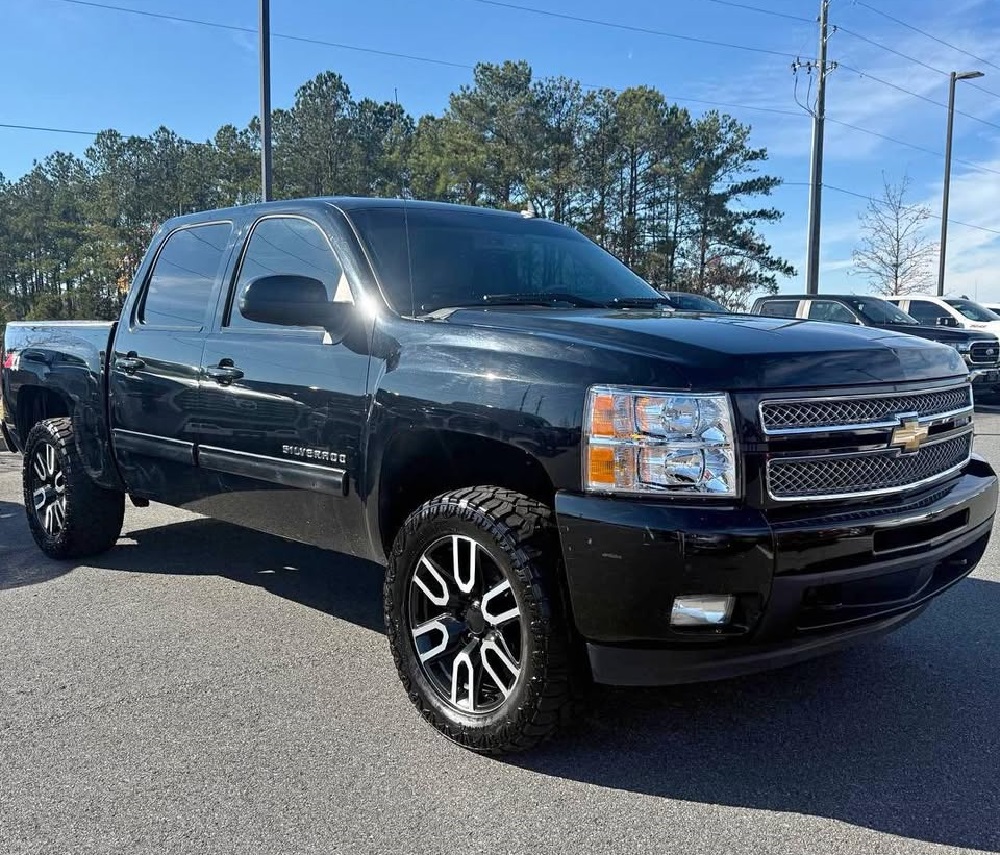
1. Where the 5.3’s Story Splits and Real Risk Creeps In
The engine that carried half the lineup
Put this engine in millions of Silverados, Tahoes, Suburbans, and Sierras, and every weak link eventually shows. The 5.3 didn’t get famous for being rare, it got famous for working hard: towing loads, racking up idle hours, and surviving brutal daily duty.
But the badge doesn’t tell you much anymore. What matters is which version landed under the hood. GM reworked the 5.3’s internals more than once, and each redesign moved the target for where it breaks.
That’s why one truck crosses 300,000 miles without complaint while another eats a camshaft before 120,000.
Three generations, three distinct failure profiles
Gen III (1999–2007) stuck to basics. Port injection, no cylinder shutoff, and lifters that didn’t need fancy tricks. Failures come down to gasket rot, weak castings, and aging plastics, not core mechanical flaws.
Gen IV (2007–2014) changed the approach. It added AFM lifters, drained oil pressure into deactivation circuits, and loosened piston ring tension. That’s when oil use complaints and early cam wipeouts start piling up.
Gen V (2014–present) pushed for mileage and power. Direct injection, VVT, and DFM raised performance but tightened tolerances. Failures shifted, carbon buildup, injector clogging, tray wear, and oil starvation took center stage.
Same block size. Whole new set of risks.
Four failure paths behind nearly every complaint
Oil control’s the center of the storm. Low-tension rings, oil spray from cylinder shutoff, and stretched service intervals mean many of these engines run low before the driver even knows it. Gen IV shows it worst. Gen V just hides it longer.
Valvetrain failures come next. AFM and DFM lifters need clean oil and straight trays. When either slips, rollers seize, and cams die fast.
Fuel and carbon issues lean Gen V. No fuel washing over intake valves means carbon sticks early. Power fades, airflow drops, and it all happens without codes.
Cooling and bolt failures don’t care what generation you’re in. Cracked plastic, corroded fittings, and snapped exhaust bolts show up across the board, driven by heat, age, and time.
Once you sort problems by type instead of model year, the chaos starts to look like a pattern.
What real-world data backs up, and what it doesn’t
Gen III engines rarely fail from the inside out unless coolant gets into places it shouldn’t. Their solid reputation holds because the parts weren’t stressed.
Gen IV owns most of the lifter failure and oil-burning headlines. Most of those hit between 80,000 and 140,000 miles, right when wear on rings and AFM hardware start overlapping.
Gen V looks good early. But push past warranty, and issues start sneaking in, carbon buildup, injector problems, and worn deactivation lifters. The engine didn’t get weaker. It just left less room for skipping service.
How Each Generation of the 5.3 V8 Breaks Down
| Era | Years | Core changes | Where trouble concentrates |
|---|---|---|---|
| Gen III | 1999–2007 | Simple valvetrain | Castings, gaskets, age |
| Gen IV | 2007–2014 | AFM, oil-driven lifters | Oil use, lifters, cams |
| Gen V | 2014–present | GDI, DFM, VVT | Carbon, lifters, injectors |
2. Gen III 5.3 (1999–2007): Strong Bottom End, Weak Castings, Aging Plastics
Coolant that vanishes with no puddle to blame
If coolant disappears without a trace, suspect the Castech heads. Between 2001 and 2006, some Gen III 5.3s shipped with porous aluminum castings. Coolant seeps past the rocker area into the oil, turning the underside of the cap into mustard-yellow sludge long before the temp needle twitches.
What drivers usually catch first is a rising oil level, low oil pressure at idle, or a sweet smell on shutdown. Leave it alone, and the bearings pay the price. Sealers won’t stop porosity. Only a new set of heads will. Anything else just delays the teardown.
Intake gaskets and knock sensors that die of old age
Plastic intake gaskets shrink and harden over time. That opens the door for unmetered air, which turns cold starts rough and triggers lean codes. It can feel like a tuning glitch until a smoke test sends the trail uphill.
Right below that intake sit two knock sensors tucked into the valley. Water finds its way in, rust follows, and timing gets pulled back without a clear symptom. The truck doesn’t misfire, it just feels flat and sluggish across the board.
The stack of small failures that chip away at patience
Water pumps start weeping through the vent before they die. Fuel pressure regulators dump gas into vacuum lines when the diaphragm fails. Rear exhaust bolts snap and tick cold but hush once warm.
None of this will end the engine on its own. But together, they hide real issues and waste diagnostic time.
The fix order matters. Get coolant and air leaks handled first. Then clean up the timing inputs. Chase ticking noises last.
Why the Gen III still earns loyalty
Take away the bad castings and brittle plastic, and the LM7/L59 is a solid unit. No cylinder shutoff. Forgiving oil system. Simple injection. That’s why fleet buyers and engine swappers still chase clean, rust-free Gen III trucks.
High mileage doesn’t scare these engines. Neglect and coolant cross-contamination do. Fix those early, and the short block usually keeps pulling.
3. Gen IV 5.3 with AFM (2005–2014): Oil Control Collapses, Lifters Take the Cam
AFM lifters that quietly turn dangerous
Active Fuel Management added oil-fed lifters with locking pins and valley-fed pressure. When oil stays clean and topped off, the system behaves.
Let it run dirty or low, and those pins hang up. Lifters collapse. Rollers stop turning. What starts as a tick turns into a knock that climbs with RPM.
It usually shows as a misfire under load or a flashing check engine light. Tear it down and you’ll find lobes wiped smooth, rollers chewed, and metallic grit in the pan. At that point, it’s not just a lifter job, it’s cam, lifters, trays, and valley internals.
Oil consumption that wins the race to failure
Low-tension rings helped MPG. AFM oil spray cooled cylinders that weren’t firing. But early PCV routing pulled oil vapor straight into the intake. The result? Engines that burned a quart every 1,000–2,000 miles without triggering a single warning.
No low-oil light. No code. Just fouled plugs and washed cylinder walls. Owners didn’t find out until the pan ran dry and the valvetrain started losing oil.
VLOM gasket leaks that drop pressure from the inside
The Valve Lifter Oil Manifold (VLOM) sits beneath the intake, managing pressure across the lifter circuits. When its gasket leaks or a solenoid sticks, pressure drops right where the engine needs it most. The symptoms? Random ticks. Flat throttle. Sudden collapse.
Catch it early and the cam survives. Miss it, and you’re pulling the top end apart.
Which years last longer, and what actually proves it
Later Gen IV trucks saw key updates. Valve covers that improved PCV routing. Deflectors that softened AFM oil spray. Calibration tweaks that made transitions smoother. None fixed the design, but they cut down on early failures.
Smart buyers don’t stop at a quiet test drive. They ask for oil-consumption logs, valve cover part numbers, AFM shield kits, and service receipts. A clean idle means nothing if there’s no paper trail behind it.
Core Gen IV Failures and Real Owner Exposure
| Failure pattern | What actually fixes it | Typical cost |
|---|---|---|
| AFM lifter collapse | Cam, full lifter set, trays | $3,000–$5,000 |
| Heavy oil consumption | PCV updates, ring work | $600–$4,000+ |
| VLOM pressure loss | New VLOM and seals | $500–$1,200 |
4. Gen V EcoTec3 5.3 (2014–present): Cleaner Numbers, Tighter Margins
Direct injection carbon that clogs in silence
Gas no longer washes over intake valves. Oil vapor does, and it sticks. Over time, it bakes into carbon that narrows airflow and dulls response. Cold starts turn lumpy. Midrange throttle feels soft. No codes, no lights, just slowly fading performance.
It usually creeps in around 60,000 to 120,000 miles, faster if the truck idles, tows, or never stretches its legs. Cleaning brings the power back, but it’s not a one-and-done, it’s scheduled maintenance now. Ignore it long enough and you’ll chase down misfires.
DFM lifters that collapse whether active or not
Dynamic Fuel Management (DFM) spread cylinder deactivation to all eight holes. That means every lifter’s in play, even when the system stays off. Early failures didn’t whisper, they knocked. Trucks with under 30,000 miles hit reduced-power mode and lit up the dash.
Plastic lifter trays didn’t help. When they crack or go soft, lifters rotate. That lets rollers jam sideways and carve into the cam instantly. GM improved the parts, but the failure path never left. It just got quieter, for a while.
Engine debris issues that skip warning and go straight to replacement
Some 2024 trucks shipped with metal shavings from bad machining trapped in the oil passages. The result? Loud knock, misfires, and bottom-end damage in the first few thousand miles. This isn’t wear-and-tear. It’s a factory defect.
GM isn’t tearing these down. Under campaign N242455301, they’re replacing whole engines. This is why not every Gen V failure belongs in the same bucket, some problems were baked in from day one.
Gen V EcoTec3 5.3 Problem Map (Corrected)
| Issue type | Applicable years | Typical mileage window | What you feel from the driver seat | Usual remedy |
|---|---|---|---|---|
| Intake valve carbon buildup | 2014–present (GDI) | 60,000–120,000+ | Cold-start stumble, hesitation, MPG drop | Walnut blasting or induction cleaning |
| AFM lifter failure | 2014–2018 (AFM) | 30,000–150,000 | Tick that follows RPM, misfire | Cam and lifter replacement |
| DFM lifter/tray failure | 2019–present (DFM) | 10,000–150,000 | Sharp tick, instant misfire, reduced-power mode | Cam, lifters, trays with updated parts |
| Engine block debris (N242455301) | 2024 (select builds) | Under 10,000 | Sudden knock or misfire shortly after delivery | Full engine replacement |
5. Problems That Follow Every 5.3 No Matter the Year
Exhaust bolts that snap just from heat cycles
Rear manifold bolts live hard. Cast iron expands fast, aluminum heads lag behind, and the steel bolts in between get sheared off over time. It starts as a crisp tick on cold start, louder on one side, then fades warm. Noise shows up first. Leaks follow later.
If ignored, the gasket burns through and what was a $10 bolt becomes a stud extraction. Most shops don’t bother drilling into the head. They clamp, seal, and move on. And in most cases, that’s the smarter call.
Cooling plastics that fail fast and punish hesitation
Heater hose tees and quick-connect fittings turn brittle with age. They split without warning and can empty a cooling system in seconds. Later in life, radiator side tanks crack near the seams, especially once trucks pass 100,000 miles.
Let the engine overheat once and you’re in warped-head territory. These aren’t dramatic parts, but they’ve ended engines. Replace them before they remind you why plastic doesn’t belong in the cooling system.
Grounds and cables that fake real engine issues
Weak grounds and aging battery cables mimic serious problems. You’ll see misfires, stability control errors, odd shifting, and scan tools pointing in every direction. But the engine’s not the issue, voltage drop is.
A simple loaded voltage test catches it fast. Clean the main grounds. Tighten fuse block fasteners. Replace corroded battery cables. It’s one of the cheapest ways to make a truck feel new again, and avoid misdiagnosing the rest.
6. How 5.3 Problems Show Up Before They Get Expensive
Noises, lights, and behavior that count right now
A metallic tick that rises with RPM and doesn’t go away warm? That’s not exhaust, it’s often a lifter going bad. On Gen IV and Gen V trucks, it’s usually followed by a misfire. Add a flashing check engine light under load, and you’re cooking the valvetrain. Shut it down before the cam joins the casualty list.
Oil pressure drops need immediate action on any AFM or DFM engine. These setups tolerate plenty, but not running low. Same goes for coolant loss with no puddle, especially on Gen III trucks with known seep issues.
What you can check without booking a bay
Dipsticks tell the truth long before the dash lights up. Gen IV and Gen V engines can burn oil fast without warning. Weekly checks beat surprise repairs. Coolant levels that drop a little every week tell their own story, even if the tank’s never empty.
Listen at cold start. If a tick fades within seconds, check the exhaust bolts. If it stays, go deeper. Scan tools help here, misfires tied to a single cylinder narrow things down fast.
The tests that separate guesswork from real diagnostics
Compression and leak-down tests tell you if the problem’s in the top end or down at the rings. Oil pressure readings under throttle reveal VLOM leaks and tired pumps that idle numbers won’t show.
A quick borescope peek can spot washed-down cylinders and caked-up valves without cracking anything open.
Electrical checks belong early in the process, not after every sensor’s been swapped. Ground voltage drop explains plenty of weird warnings. Skip that step, and good parts get blamed for nothing.
Early Warnings and What They Usually Mean
| What you notice | Most common era | Likely source | How urgent |
|---|---|---|---|
| Tick with misfire | Gen IV / Gen V | Lifter or cam | Immediate |
| Oil loss, no smoke | Gen IV | Rings, PCV | High |
| Cold tick only | All | Exhaust bolts | Low |
| Random warnings | Gen IV / Gen V | Grounds, cables | Medium |
7. Keeping a 5.3 Alive After the Warranty Walks Away
Oil habits that actually keep parts alive
AFM and DFM engines don’t tolerate lazy oil habits. Dirty oil gums up locking pins, aerates faster, and leaves varnish in passages that should stay clean. Stick to 5,000-mile intervals and use a Dexos-approved synthetic, most lifter and ring issues never show up when oil stays fresh.
Oil level matters just as much. Many Gen IV failures started with engines that ran a quart low for months. No dash light warned anyone. By the time the noise arrived, the damage had already settled in.
Why plug-in disablers don’t match full mechanical deletes
Plug-in disablers fool the computer, they stop it from calling for cylinder shutdown. But the lifters, trays, and oil circuits that cause the failure? Still in place. That cuts how often they cycle but doesn’t fix what breaks.
A full delete does. It pulls the deactivation lifters, installs standard parts and a non-AFM cam, and removes the failure-prone valley hardware. It’s not cheap, but the risk leaves with the old parts.
Cutting down Gen V carbon and heat damage
Catch cans do real work on GDI engines. They trap oil vapor before it sticks to intake valves, which slows carbon buildup and stretches cleaning intervals. They’re not a cure, but they push service further down the road.
Cooling system care finishes the job. Replace heater fittings before they snap. Flush the radiator. Use good coolant. One overheat can warp an aluminum head, and heat magnifies every weak point these engines carry.
8. Buying a Used 5.3 Without Getting Burned
The years that age without nasty surprises
Clean Gen III trucks remain the easiest bet, if the castings and plastic have been handled. Their simplicity works in their favor. No deactivation. Fewer blind spots.
Late Gen IV trucks, especially 2012–2013, saw real gains. Updated valve covers helped cut oil pull-in, and AFM hardware improved. They’re still AFM-equipped, but the odds tilt better.
For Gen V, 2018 and newer trucks show fewer early-life problems. Lifter updates, software tweaks, and campaign repairs trimmed the failure rate. But what really matters? Proof of care.
Odometer numbers don’t tell the whole story. Regular oil changes, stable oil usage, and no history of cam noise matter more than mileage.
High-risk years that still make sense, if priced right
Early AFM-era Gen IV trucks (2007–2011) carry the most baggage. Oil burners. Lifter failures. Random misfires. But they’re not automatic write-offs, if the engine’s been rebuilt or updated with new lifters, trays, and cam, and the price reflects the past.
Early DFM trucks need receipts, not reassurances. Ask for proof of lifter replacements and campaign completion. No ticking? Great. But if there’s no paper behind the silence, assume the risk’s still there.
Where the 5.3 still wins in a crowded V8 field
The 5.3 still has real strengths. It’s easy to package, parts are everywhere, and support runs deep. That keeps costs down, even when repairs come up.
Compare that to other half-ton V8s: Hemis ditch cylinder shutoff but bring their own valvetrain risks. Ford 5.0s skip deactivation entirely, but timing chain and phaser problems show up in their place.
Every option makes you pick your battles. The 5.3 isn’t perfect. But it’s manageable, if you know where it bites.
Sources & References
- GM Gen V Engine Guide | LT & EcoTec3 Engine Specs Guide – Speedway Motors
- The Novak Guide to the GM Generation III+ V8 Engines
- 5.3L V-8 L84 Small-Block Engine – GM Powered Solutions
- Chevy Silverado Engine Problems: Complete 2025 Guide by Model Year | Rohnert Park Transmission
- Internal engine troubles, that is. No one would dispute that today’s …
- Missing Coolant : r/Silverado – Reddit
- Service Bulletin INFORMATION – NHTSA
- The Best and Worst Years of the Chevy Silverado 1500 – Municibid
- Chevy 6.0L Vortec Engine Problems, Reliability & Fixes – Wanasign Auto
- Chevy 5.3 Engine Problems & Reliability Guide | Wanasign
- Chevrolet Silverado 1500 Cooling System & Coolant Leak Guide – RepairPal
- Alright, help me settle this once and for all: what are the long term effects of disabling AFM/DFM? : r/Silverado – Reddit
- Service Bulletin TECHNICAL – NHTSA
- Service Bulletin TECHNICAL – NHTSA
- Chevy Silverado Owner Says, “My 2019 5.3L Engine Is Toast at 130K Despite 3K Oil Changes – GM Didn’t Make a Junk Design Disappear” | Torque News
- Tucker et al. v. General Motors LLC – Class Action Lawsuits
- Service Bulletin TECHNICAL – NHTSA
- Service Bulletin PRELIMINARY INFORMATION – NHTSA
- Everything You Want To Know About The GM Gen V / LT Engine …
- 6.2L and 5.3L Intake Valve Cleaning, how often? average cost? : r/gmcsierra – Reddit
- Intake valve cleaning??? – XBimmers | BMW X3 Forum
- For 2016-2024 Chevrolet Camaro SS for Baffled Oil Catch Can PCV Side – Flashark
- Common Problems With GM’s Ecotec3 L83 Engine
- Bad Fuel Injector Symptoms: Does Yours Need Cleaning? | Firestone
- Service Bulletin TECHNICAL – NHTSA
- Bulletin No.: 16-NA-383 – NHTSA
- 2024 5.3L Engine Block Contamination Recall : r/Silverado – Reddit
- Customer Satisfaction Program N242455301 Potential Engine Block Contamination – NHTSA
- 2018 Chevrolet Silverado 1500 Reliability – J.D. Power
- What Are the Best Used Chevrolet Silverado Model Years?
- Best and Worst Years for the Chevy Silverado 1500
- 2025 Chevrolet Silverado 1500 Reliability – J.D. Power
I’m 73. I have NEVER read a more thorough or detailed analysis of car issues in my life.
My head is still spinning.
It will take days to process the amount of info here.
Thank you so much.
Thanks so much for this, really glad it helped, and I truly appreciate you reading.