Deciding on the right cylinder heads can dramatically affect your engine’s performance, budget, and overall reliability.
The 862 and 243 heads excel in different areas, but choosing the wrong one might leave your build underpowered or cost you more than expected.
This guide explores the key details, helping you select the perfect match and confidently unlock your engine’s potential.
1. Basic Specifications and Origins
862 Heads
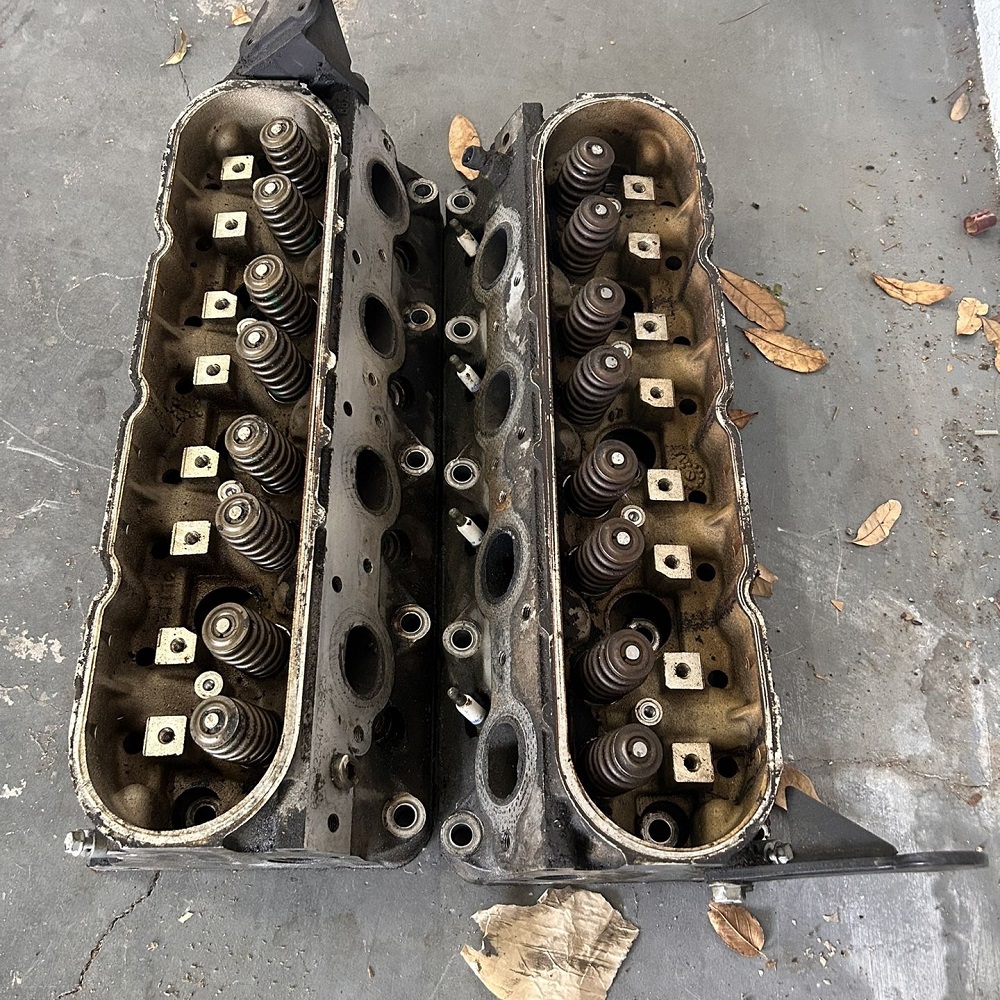
The 862 cylinder heads are a staple of GM’s truck engines, particularly the 4.8L and 5.3L platforms, such as the LM7. Their design prioritizes efficiency and affordability, making them a workhorse head for trucks and daily drivers.
With a combustion chamber volume of approximately 61-62 cc, they provide relatively high compression on smaller LS engines, boosting torque and throttle response.
The valve sizes typically measure 1.89″ on the intake and 1.55″ on the exhaust, which is sufficient for the moderate airflow needs of truck applications.
243 Heads
The 243 heads are a high-flow option designed to deliver superior performance. They were originally introduced on the performance-oriented LS6 engine found in the Corvette Z06 (2001-2004) and later used on LS2 engines.
With a slightly larger combustion chamber volume of 64-65 cc, they balance compression and compatibility with forced induction.
These heads feature larger 2.00″ intake valves and 1.55″ exhaust valves, supporting higher airflow and RPM performance.
2. Combustion Chamber and Compression Ratio
862 Heads
The 862 heads’ 61-62 cc combustion chambers are among the smallest in the LS series, which increases the compression ratio when paired with standard LS short blocks like the 5.3L.
This high compression contributes to stronger low-end torque and snappier throttle response, making 862 heads ideal for applications focused on towing, hauling, or daily driving.
However, the smaller chamber size can be a double-edged sword. On larger displacement engines like the 6.0L, the increased compression ratio may push the limits of pump gas, requiring high-octane fuel or advanced tuning to avoid detonation.
Also, while the higher compression aids in low- to mid-RPM performance, the relatively smaller valves and limited flow capacity of 862 heads can become a bottleneck at higher RPMs.
243 Heads
The 243 heads, with their 64-65 cc combustion chambers, balance increasing compression and maintaining compatibility with forced induction.
On smaller displacement engines like the 5.3L, the slightly larger chamber reduces compression compared to 862 heads, which can slightly soften low-end torque.
However, this reduction is generally minor and is offset by the superior airflow characteristics of the 243 heads, which shine at higher RPMs.
On naturally aspirated builds, the moderate chamber size of 243 heads provides a compression boost over larger truck heads like the 317 or 706, making them a popular choice for maximizing horsepower and efficiency.
When used with forced induction, their slightly lower compression compared to 862 heads offers a safer margin for higher boost levels without sacrificing too much off-boost performance.
These features make the 243 heads a versatile option for builders seeking a balance of power, reliability, and flexibility, whether in naturally aspirated or boosted configurations.
2. Port Design and Airflow
862 Heads
The 862 heads feature intake and exhaust ports prioritizing velocity over sheer flow volume, which aligns with their role in truck engines.
This design enhances low and mid-RPM torque, making these heads particularly effective for applications with key considerations: towing, hauling, or daily drivability.
The smaller intake valves (1.89″) and conservative port dimensions tightly control airflow, maintaining velocity and optimizing cylinder filling at lower engine speeds.
This design works well in street-driven applications but can become a limiting factor at higher RPMs. For enthusiasts seeking more power, mild porting can improve flow while retaining the 862’s design’s inherent benefits.
The exhaust ports are adequate for modest performance goals but, like the intake side, can restrict output in high-power builds.
Porting and larger valves can address these limitations, but at that point, the cost may approach what a more performance-oriented head like the 243 offers out of the box.
243 Heads
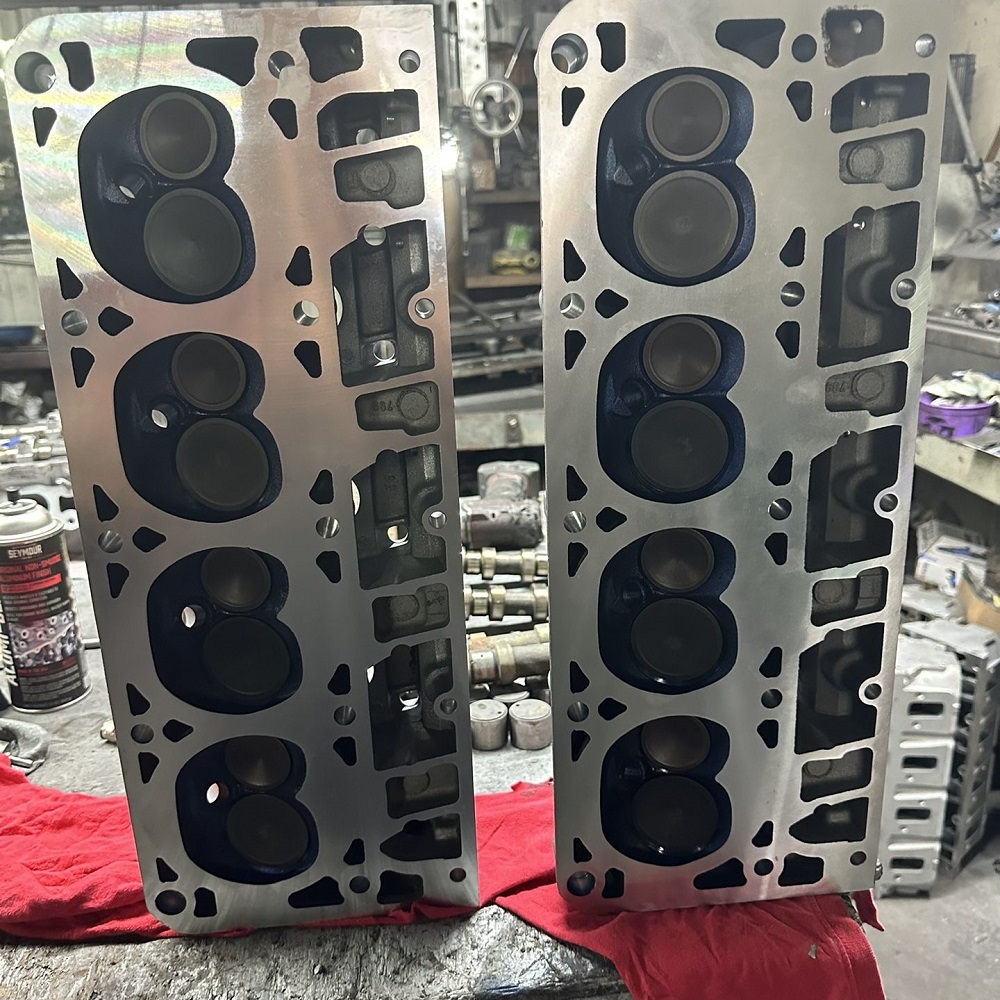
The 243 heads are celebrated for their top-tier cathedral port design, which supports excellent airflow and performance across a wide RPM range.
With larger intake valves (2.00″) and optimized port geometry, these heads deliver superior intake flow, making them a natural choice for high-performance builds.
The intake port design allows for greater volume and velocity, enabling stronger cylinder filling and higher power output, particularly in the mid to high-RPM range.
On the exhaust side, the larger ports and refined shape enhance scavenging, which supports better overall efficiency and power.
This improved flow makes the 243 heads a favorite among naturally aspirated builds aiming for maximum horsepower and torque.
They also handle moderate forced induction well, as their superior port design ensures consistent performance even under higher cylinder pressures.
While the 243 heads excel in high-performance applications, their focus on top-end flow can result in a slight trade-off in low-end torque when used on smaller-displacement engines.
However, this is often mitigated by pairing the heads with a camshaft and intake manifold tuned for balanced performance.
3. Typical Power Potential and Use Cases
862 Heads
The 862 heads are widely recognized as a strong choice for torque-focused builds, particularly in daily driving, towing, or off-road use applications.
Their smaller combustion chambers provide higher compression on LS short blocks, boosting low-end torque and improving throttle response.
This makes them ideal for 4.8L and 5.3L engines used in trucks, SUVs, and other utility vehicles where torque over a broad RPM range is more critical than peak horsepower.
Regarding power potential, 862 heads perform well up to moderate RPM ranges but can become a bottleneck for high-RPM or high-power builds.
Their smaller valves and ports are optimized for efficiency rather than maximum airflow, which means they excel in naturally aspirated setups targeting reliability and driveability.
However, they also work well in low-boost forced induction builds, where compression and velocity matter more than absolute airflow.
Common complaints from power enthusiasts center on the heads’ limited high-RPM flow. Modifications like porting, larger valves, or a complete upgrade to a more capable casting (such as 243) are often necessary for those aiming to build engines that produce significant horsepower.
243 Heads
The 243 heads are designed with performance in mind, offering a significant upgrade in power potential compared to the 862 heads.
Their larger valves and superior port flow allow for strong cylinder filling, particularly in mid- to high-RPM ranges. This makes them ideal for high-performance street cars, strip builds, and road course applications.
243 heads can support impressive horsepower gains in naturally aspirated setups.
Many enthusiasts report reaching or exceeding 500 horsepower on LS engines with properly tuned combinations. They are also capable in forced induction applications, handling moderate boost levels while maintaining consistent flow characteristics.
However, their smaller combustion chambers compared to larger truck heads like 317 or 706 mean that tuning and premium fuel are often necessary to manage compression under boost.
The primary drawback of 243 heads is their cost and availability. Their popularity among LS enthusiasts has driven up demand, making them more expensive than other OEM castings.
Also, for budget-conscious builders working with smaller displacement engines like the 4.8L or 5.3L, the flow potential of 243 heads may be underutilized without additional modifications to the bottom end or supporting components.
4. Cost, Availability, and Machining Considerations
862 Heads
The 862 heads are widely available due to their presence on many GM truck and SUV engines, such as the LM7 5.3L and LR4 4.8L. Their abundance in salvage yards and secondhand markets makes them one of the most affordable LS cylinder head options.
This accessibility is a significant advantage for budget-conscious builders, as a usable set can often be acquired for a fraction of the cost of more performance-oriented heads like the 243.
Machining costs for 862 heads depend on the build’s goals. Some enthusiasts mill the heads further to increase compression for naturally aspirated setups, particularly on 5.3L or 6.0L short blocks.
Basic upgrades, such as a valve job or installing larger valves, can improve flow and performance but increase the total investment.
While these upgrades can make 862 heads competitive with pricier options, the cumulative cost might approach the price of heads that are inherently more capable out of the box.
Overall, 862 heads provide excellent value for torque-focused builds or budget-minded projects. However, their cost advantage diminishes when significant machining or upgrades are needed to achieve high-power goals.
243 Heads
The 243 heads are among the most sought-after LS castings thanks to their reputation for performance and versatility. This demand, coupled with their limited availability compared to truck heads, drives up their cost on the used market.
Clean sets of 243 heads, particularly those with upgraded valves or springs, often command premium prices, which can be prohibitive for budget-conscious builders.
Despite the higher upfront cost, the 243 heads offer strong performance right out of the box, often requiring minimal machining to fit most performance applications.
Naturally aspirated builds typically only need a basic valve job or upgraded springs to pair with a more aggressive camshaft.
In forced induction setups, milling may be necessary to adjust compression, but the smaller chamber size of these truck heads already provides a higher starting point than larger truck heads.
Given their high flow potential and performance pedigree, the cost of 243 heads is often justified by the gains they deliver.
However, their premium pricing makes them best suited for builds where maximizing top-end power is a priority, and the budget allows for complementary upgrades to fully leverage their capabilities.
5. Common Complaints and Drawbacks
862 Heads
One of the most frequent complaints about 862 heads is their smaller valves and limited airflow at higher RPMs. While the design focuses on low- to mid-range torque, it becomes a bottleneck in builds targeting significant horsepower or extended high-RPM operation.
Enthusiasts often outgrow 862 heads as their performance goals evolve, leading them to switch to higher-flow castings like the 243.
Another drawback is the potential for excessive compression when these heads are paired with larger displacement short blocks like the 6.0L.
Without modifications such as dished pistons or precise tuning, the increased compression ratio can push the limits of pump gas, requiring high-octane fuel to prevent knock.
Used 862 heads, while affordable and plentiful, often come from high-mileage engines. This can mean additional expenses for machining or repairs, such as valve guide replacements or deck resurfacing.
While these heads are a solid choice for budget-conscious projects, the need for upgrades or machining can offset their initial cost advantage.
243 Heads
The biggest drawbacks of 243 heads are their high cost and limited availability. However, LS enthusiasts, particularly those looking for a plug-and-play performance upgrade, highly demand these castings.
This demand inflates prices, making 243 heads a premium option compared to other OEM castings. For builders on a budget, the upfront cost may be difficult to justify unless top-end performance is a priority.
Another issue is that the flow potential of 243 heads can be overkill for smaller displacement engines or mild builds. The heads’ capabilities may not be fully utilized on stock 4.8L or 5.3L engines with factory cams and intakes, resulting in a less noticeable performance gain.
Also, their slightly larger combustion chambers can reduce compression when directly swapped onto smaller engines, potentially softening low-end torque without further modifications.
Lastly, 243 heads often require precise tuning to optimize performance and avoid detonation, particularly in forced induction setups or naturally aspirated builds running aggressive cam profiles.
While the tuning requirements are a reasonable trade-off for their performance, they do add complexity to the build process.
6. Which Head for Your Build?
Choose 862 Heads If:
The 862 heads are an excellent choice for builds focused on torque and efficiency, particularly on smaller LS engines like the 4.8L and 5.3L.
Their smaller combustion chambers increase compression, providing snappy throttle response and strong low- to mid-range performance.
If your primary goal is towing, hauling, or creating a reliable daily driver with solid street manners, 862 heads deliver great results without breaking the bank.
They’re also a strong prospect for budget-friendly projects. Their wide availability and low cost make a practical foundation for builds where cost-saving is critical.
Low-boost forced induction setups can benefit from their higher compression without extensive modifications. However, if you’re aiming for higher RPM performance or substantial horsepower gains, be prepared to invest in porting or consider upgrading to a more performance-oriented casting.
Choose 243 Heads If:
The 243 heads are the go-to option for performance-focused LS builds, especially on 5.3L, 6.0L, LS1, or LS2 short blocks.
Their larger valves and high-flow ports unlock significant mid- to high-RPM horsepower, making them ideal for street/strip cars, road course vehicles, and naturally aspirated builds chasing maximum efficiency and power.
If you’re planning moderate forced induction, 243 heads provide a good balance of flow and chamber size to handle boost without compromising too much on compression.
They’re also popular for enthusiasts seeking to replicate or surpass LS6-level performance with minimal modifications.
The higher cost of 243 heads is often justified by their out-of-the-box capabilities and potential to support ambitious power goals.
However, they’re best suited for builders with the budget to match these heads with a performance camshaft, intake, and exhaust system that can fully utilize their airflow advantage.
Final Thoughts
The 862 and 243 heads excel in different areas, so the choice depends on your build’s goals. The 862 heads offer high compression and solid low-end performance for budget-friendly torque and daily drivability, especially for smaller displacement truck engines.
For top-end power and high-RPM efficiency, 243 heads are the best option. Their superior airflow and larger valves make them ideal for performance-focused builds, though they are more expensive. Choose based on your priorities and match the heads to your engine’s needs for the best results.
Was This Article Helpful?