
Kicks into Drive, pauses, then slams the shift. That’s how many Impala transmissions start warning their owners.
Between 2000 and 2020, Chevrolet used three very different transaxles in the Impala. Early models ran the hydraulic 4T65-E, known for harsh shifts once P1811 pressure mode triggers. Later cars switched to the six-speed 6T70 and 6T40, where wave-plate fatigue and internal control modules create a new set of failures.
Common complaints follow a pattern. Delayed engagement leaving a stoplight. Violent 1–2 shifts after the fluid heats up. Sudden limp mode, or the stubborn “Shift to Park” message that keeps the car from shutting off.
This guide tracks what breaks, which years carry the most risk, and which fixes actually hold.
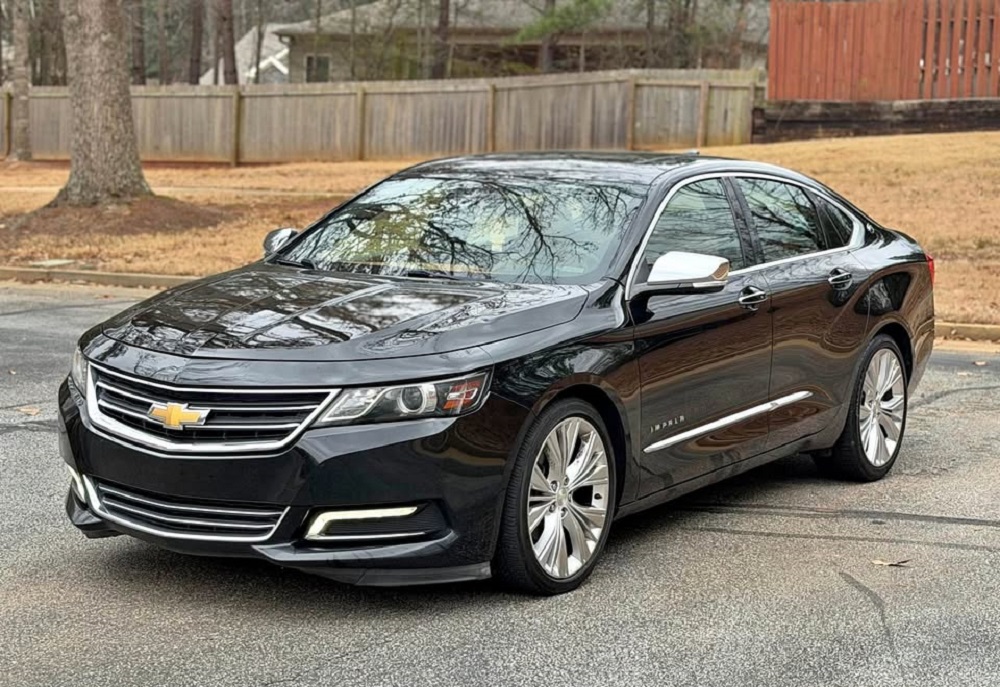
1. Which Impala transmissions are at risk and when
How the Impala gearbox lineup changed across generations
Three different transaxle families powered the modern Impala. Each brought new controls, new ratios, and new failure patterns. The shift from hydraulic logic to internal electronic control changed how these units fail.
Early cars on the W-platform ran the 4T65-E, a four-speed derived from the older 4T60-E. This gearbox relied on hydraulic circuits controlled by the PCM through external solenoids. The design handled torque well but depended heavily on stable line pressure and tight valve body bores.
A major change arrived in 2012. The Impala adopted the six-speed 6T70, developed jointly by GM and Ford. Gear spacing improved acceleration and fuel economy, but clutch-to-clutch timing placed much higher demands on internal components and calibration logic.
The tenth-generation car split the lineup. V6 models kept the 6T70, while four-cylinder versions used the smaller 6T40. Both relied on an internal TEHCM module that combined the TCM, solenoids, and pressure switches inside the transmission case.
| Generation | Model Years | Engines | Main Transaxle(s) | Control Architecture | Reliability Headline |
|---|---|---|---|---|---|
| 8th (W-body) | 2000–2005 | 3.4L V6, 3.8L V6, 3.8L SC | 4T65-E / 4T65-E-HD | External PCM control | Durable hardware, harsh P1811 shift mode |
| 9th early | 2006–2011 | 3.5L, 3.9L V6, 5.3L LS4 V8 | 4T65-E / HD | External PCM control | Peak valve-body and PCS failures |
| 9th late | 2012–2013 | 3.6L LFX V6 | 6T70 Gen 2 | Internal TEHCM | Improved design, wave-plate history in family |
| 10th (Epsilon II) | 2014–2020 | 2.5L I4, 2.4 eAssist, 3.6L V6 | 6T40 (I4), 6T70 (V6) | Internal TEHCM | Mostly electronic faults and shifter defects |
Mechanical complaints cluster around certain design limits. The 4T65-E struggles with pressure regulation as mileage climbs past 120,000. Early 6T70 units carry metallurgical risk in the 3-5-R clutch pack. The 6T40 operates near its torque ceiling behind the 2.5L engine.
What drivers actually feel when these transmissions start failing
Most owners report symptoms before any warning light appears. The first sign often shows up leaving a stoplight. The transmission pauses, then hits the next gear hard. Patterns vary by transmission family.
| Transmission | Typical Owner Symptoms |
|---|---|
| 4T65-E (2000–2011) | Delayed engagement, harsh 1–2 shifts, P1811, flare when hot |
| 6T70 V6 (2012–2020) | Missing 3rd or Reverse on failures, shudder, limp mode |
| 6T40 I4 (2014–2020) | Delayed Drive engagement, random harsh shifts, intermittent limp mode |
| All 2014–2019 | “Shift to Park” message, ignition stuck on |
Heat drives many of these behaviors. Transmission fluid thins once temperatures pass about 200°F. Internal leaks increase and clutch apply times stretch.
The PCM reacts by raising line pressure to maximum levels. The 4T65-E can jump from about 120 PSI to nearly 300 PSI during this protection mode. That pressure spike produces the violent shift owners describe as a “bang” into gear.
2. The 4T65-E years (2000–2011) and the harsh-shift P1811 spiral
What the P1811 code actually means inside the gearbox
The 4T65-E runs every shift on a timer. The PCM measures how long each clutch takes to apply. Normal shifts land near 0.3 to 0.4 seconds.
Apply time creeping past about 0.65 seconds triggers DTC P1811. The PCM assumes clutch slip and commands full line pressure. Current to the Pressure Control Solenoid drops to 0.00 amps.
The PCM commands maximum line pressure. Current to the Pressure Control Solenoid drops to 0.00 amps. The transmission then slams each gear with full hydraulic force.
| PCS Current (amps) | Commanded Pressure | Behavior |
|---|---|---|
| 1.10 | Low line pressure | Smooth idle engagement |
| 0.60 | Moderate line pressure | Normal driving shifts |
| 0.00 | Maximum line pressure | Harsh shifts, P1811 active |
The harsh shift owners feel comes from software protection, not the original failure.
What actually causes pressure loss in the 4T65-E
Wear starts in the valve body. The aluminum bores carry constant spool valve movement and hot fluid flow. Mileage around 120,000–150,000 miles often leaves these bores oval.
Fluid leaks past the worn surfaces. Pressure drops in the AFL and torque signal circuits. Clutch packs apply slower than the PCM expects.
Metal debris compounds the problem. Friction material and converter dust circulate through the hydraulic system. The Pressure Control Solenoid collects that debris around the pintle.
The PCS begins reacting slower to current changes. Pressure oscillates during shifts. Apply time stretches past the PCM’s 0.65-second limit.
Accumulators and internal fatigue that amplify the problem
Two accumulators cushion most shifts. The 1–2 and 2–3 units use plastic pistons and coil springs. These parts cycle thousands of times during city driving.
Plastic pistons crack with age. Springs lose tension after years of compression heat. Cushioning disappears and shift timing becomes erratic.
The PCM reacts with more pressure commands. The transmission enters the P1811 protection state more often. Drivers feel repeated bang shifts in normal traffic.
Real repair paths owners face once the harsh shifts start
| Repair approach | Parts replaced | Typical cost |
|---|---|---|
| PCS replacement | Pressure control solenoid | $600–$1,200 |
| Valve body rebuild | Sleeved bores, new PCS | $900–$1,600 |
| Shift kit install | Accumulator springs and valves | $300–$700 |
| Full rebuild | Clutches, seals, valve body updates | $2,500–$3,800 |
| Reman transmission | Fully updated internals | $3,200–$4,500 |
Replacing the PCS alone requires removing the transmission side cover. The job involves lowering the engine cradle and driver-side suspension.
Many high-mileage Impalas already carry worn clutch packs when P1811 appears. A remanufactured 4T65-E often becomes the only repair that restores stable pressure control.
3. The 6T70 transition and the wave-plate failures that wiped out gears
Six gears arrive and clutch timing becomes everything
The 2012 Impala moved to the 6T70 six-speed transaxle. Gear spacing widened and fuel economy improved about 8% over the old four-speed. The transmission shifted through clutch-to-clutch timing instead of band control.
Every shift depended on exact pressure control inside the valve body. The TEHCM module handled solenoids, pressure switches, and shift commands inside the case. Electronics now sat in hot transmission fluid for the life of the vehicle.
Internal filters remained non-serviceable. Any debris stayed inside the system until teardown.
The 3-5-R wave plate that fractured under load
Inside the 3-5-Reverse clutch pack sits a spring steel disc called a wave plate. The part cushions clutch engagement and spreads load across the pack. Early plates developed stress fractures after repeated torque cycles.
Cracks start along the stamped wave edges. Heat and clutch shock widen the fractures until the plate shatters. Hardened fragments circulate through the pump and gearsets.
Drivers feel the failure immediately. Third gear disappears, fifth gear disappears, and Reverse stops working. The vehicle often enters limp mode after debris clogs the valve body.
Hardware revisions that attempted to stop the failures
| Component | Early 6T70 design | Updated design | Reliability impact |
|---|---|---|---|
| 3-5-R wave plate | Stamped steel plate | Shot-peened plate | Reduced fracture rate |
| TEHCM | Early integrated unit | Faster processing version | Improved pressure control |
| Solenoids | Discrete PWM valves | Variable bleed solenoids | More precise clutch timing |
| Internal filter | Non-serviceable | Non-serviceable | Contaminants remain trapped |
The improved wave plate used shot-peening to remove stress points. Later versions also deleted the internal teeth that concentrated load.
GM issued Special Coverage 14404B for many vehicles using the early plate. Coverage extended transmission repairs to 10 years or 120,000 miles.
How wave-plate debris destroys the rest of the transmission
Steel fragments move through the oil pump first. The pump scores its aluminum housing and loses pressure control. Debris then enters the valve body passages.
Solenoids jam or stick. Pressure spikes and clutch timing fails. Gear engagement becomes unpredictable within minutes.
Damage spreads through the clutch drums and planetary sets. Shops rarely salvage a unit once debris circulates through the hydraulic system. Complete transmission replacement becomes the normal repair, typically $3,200 to $4,500 installed.
4. The 2014–2020 Impala and the fragile electronics inside the transmission
The TEHCM module that runs the modern Impala gearbox
The tenth-generation Impala kept the six-speed layout. The 3.6L V6 stayed with the 6T70. The 2.5L and 2.4L eAssist models used the smaller 6T40.
Both transmissions depend on an internal control unit called the TEHCM. The module combines the TCM, solenoids, and pressure switches into one assembly. GM mounted the entire unit inside the transmission case.
Heat cycles attack the electronics. Fluid temperatures often reach 200–220°F during city driving. Clutch dust and metallic debris circulate through the valve body passages.
Pressure switch discs inside the TEHCM begin to rupture. The TCM receives incorrect clutch pressure signals.
Limp mode and gear loss when the TEHCM loses pressure data
A failed pressure switch confuses the clutch logic. The TCM believes the wrong clutch is applied. The module protects the transmission by forcing limp mode.
Drivers notice sudden gear limits. The transmission locks into 4th or 5th gear. Acceleration drops sharply and the engine revs higher than normal.
Scan tools often reveal pressure switch codes. Shops frequently see P0796, P2723, or similar pressure-control DTCs. Many cars restart normally after cooling down.
Heat expansion changes the damaged switch response. The problem returns once fluid temperature climbs past 200°F.
Why replacing the TEHCM requires programming
The TEHCM stores VIN data and calibration files. Replacement modules arrive blank from the supplier. Programming occurs through the GM Service Programming System (SPS).
Dealers connect the vehicle to GM servers and flash the calibration. Labor usually takes 1–2 hours after installation. Independent shops sometimes clone the original module’s software.
Cloning copies calibration and VIN data from the old unit. The replacement module installs without factory programming.
| Repair method | Work performed | Typical cost |
|---|---|---|
| TEHCM replacement | New module plus programming | $950–$1,500 |
| Refurbished TEHCM clone | Data copied to rebuilt module | $700–$1,100 |
| Pressure switch repair kit | Internal switch discs replaced | $450–$900 |
Pressure switch failures account for a large share of tenth-generation Impala transmission complaints. Repair usually restores normal operation unless internal clutch damage already occurred.
5. The “Shift to Park” defect that traps the ignition and drains the battery
Why the Impala sometimes refuses to recognize Park
Owners place the shifter in Park. The dash still flashes “Shift to Park.” The ignition refuses to shut down.
The gearbox sits in Park the whole time. The fault lives inside the shifter assembly. A tiny microswitch fails to confirm the Park position.
The switch sits beneath the floor shifter gate. A metal lever presses the contact when the lever reaches Park. Wear and vibration weaken the contact point.
The BCM never receives the Park signal. The vehicle keeps the ignition circuit alive.
The microswitch that wears out inside the shifter
The defective part is a small snap-action switch. GM used a unit similar to D2HW-BL221H in many models. The switch costs a few dollars but hides inside the shifter housing.
Dust and mechanical wear weaken the internal spring. Electrical contact becomes inconsistent. The signal drops even though the lever sits fully in Park.
Drivers often notice the problem during shutdown. Cycling the shifter back and forth sometimes restores the contact.
Repeated attempts grind the plastic shift gate. The switch still fails once the internal spring loses tension.
GM’s service fix and the real-world repair options
GM released TSB 19-NA-206 to address the issue. Dealers install a jumper harness to stabilize the Park signal circuit. The repair bypasses resistance in the original wiring path.
Some vehicles require a complete shifter assembly replacement. The shifter includes the microswitch and wiring harness.
DIY repairs often target the switch itself. Removing the console exposes the shifter housing and the failed contact.
| Repair option | Parts replaced | Typical cost |
|---|---|---|
| Jumper harness per TSB | Inline harness added | $150–$300 |
| Shifter assembly replacement | Entire shifter module | $500–$700 |
| Microswitch replacement | Single switch component | $5–$40 |
Vehicles affected most often fall between 2014 and 2019 model years. A failing switch can prevent engine shutdown and drain the battery overnight.
6. Which Impala years carry the most transmission risk
Complaint data that reveals the real reliability curve
Transmission complaints follow a clear pattern across Impala production years. Early W-body cars accumulate the highest failure rates. Mid-2000s models show the worst concentration of mechanical breakdowns.
The 2006 Impala sits at the center of that spike. Many units reach 120,000 miles with original 4T65-E internals. Valve-body wear and PCS failure trigger widespread P1811 harsh-shift complaints.
Later cars show fewer mechanical failures. Electronic faults replace hard-part failures in the tenth generation. The transmission hardware itself improves as GM refines clutch packs and pressure control.
| Model Year | Approx. Complaints | Transmission Share | Dominant Failure | Used-Buy Risk |
|---|---|---|---|---|
| 2000 | ~1,200 | ~18% | P1811, diff pin failures | High |
| 2006 | ~540 | ~20% | 4T65-E internal failure | Very high |
| 2008 | ~805 | ~1% | Few transmission complaints | Low |
| 2009 | ~814 | ~8% | PCS and solenoid faults | Moderate |
| 2012 | ~250 | ~11% | Early 6T70 shift issues | Moderate |
| 2014 | ~599 | ~6% | “Shift to Park” defects | Low |
| 2018 | <50 | ~13% | TEHCM failures | Low |
| 2020 | <20 | <2% | Rare transmission issues | Very low |
Mid-2000s Impalas produce the highest rate of catastrophic transmission failures. Many of those cars never received updated valve-body components.
Matching model years to real-world ownership risk
Early W-body Impalas require careful inspection before purchase. A rebuild or remanufactured transmission becomes common past 150,000 miles. Many original units fail long before that point.
The 2012–2013 models show fewer hydraulic problems. GM introduced the improved 6T70 Gen 2 during that transition. Updated wave plates reduce fracture risk inside the 3-5-R clutch pack.
Tenth-generation cars deliver the strongest mechanical reliability. Electronic issues still appear around the TEHCM and shifter systems. Hard internal failures occur far less often than in earlier generations.
Buyers targeting reliability usually land on 2016–2020 Impalas. Transmission complaint rates drop sharply after those years. NHTSA complaint data falls below 2% transmission-related reports by the 2020 model year.
7. Fluid heat and service intervals that decide transmission life
Why Dexron VI fluid temperature controls survival
All Impalas built after 2006 run Dexron VI automatic transmission fluid. The fluid resists oxidation better than older Dexron III. Heat still destroys it over time.
Transmission temperature climbs fast in city traffic. The 6T70 regularly reaches 200–220°F in stop-and-go driving. Fluid viscosity drops sharply above that range.
Lower viscosity reduces hydraulic sealing inside valve-body circuits. Pressure bleeds through worn passages and seals. Clutch apply time increases and shift quality deteriorates.
Engineers use a common thermal rule. Every 20°F rise above design temperature cuts fluid and seal life in half.
Why factory service intervals stretch the fluid too long
Owner manuals list transmission service near 100,000 miles for normal driving. Real-world driving rarely qualifies as normal. City traffic and heat cycles accelerate fluid degradation.
Independent shops recommend shorter service intervals. Fluid changes around 45,000–50,000 miles reduce debris and restore viscosity. Clean fluid stabilizes pressure control inside the valve body.
Vehicles exceeding 120,000 miles without service often carry darkened fluid and clutch debris. Internal wear accelerates once the fluid loses shear stability.
| Transmission | Factory interval | Severe-use interval | Service method |
|---|---|---|---|
| 4T65-E | Inspect only | 45,000–50,000 miles | Pan drop and filter |
| 6T70 | 100,000 miles | 45,000–60,000 miles | Multiple drain-and-fills |
| 6T40 | 100,000 miles | 45,000–60,000 miles | Multiple drain-and-fills |
The 6T70 and 6T40 hide their filters inside the transmission case. Filter replacement requires full teardown.
Flush versus drain service on high-mileage Impalas
Drain-and-fill service replaces about 5–6 quarts of fluid. Total capacity sits near 11–13 quarts depending on the transmission. Multiple services gradually refresh most of the fluid.
Flush machines push new fluid through the cooler lines. The process replaces nearly the entire fluid volume. Shops use the method on lower-mileage vehicles with clean internal components.
High-mileage transmissions carry varnish and debris inside the valve body. A flush can dislodge that contamination. Debris then travels into solenoids and pressure switches.
Many technicians avoid flushes past 120,000 miles unless fluid condition remains clean. Solenoid contamination after aggressive flushing can trigger immediate limp mode within a single drive cycle.
8. When the transmission fails and the repair bill forces the decision
What real Impala transmission repairs cost
Transmission problems rarely stay cheap once internal damage begins. Early symptoms often involve solenoids or pressure control faults. Later stages require clutch replacement or full transmission teardown.
The 4T65-E usually fails through pressure loss and clutch wear. Shops often attempt PCS replacement first. Labor runs high because the side cover sits behind the engine cradle.
Six-speed Impalas fail differently. The 6T70 and 6T40 often trigger electronic faults in the TEHCM module. Internal clutch damage pushes the repair toward a full rebuild or replacement.
| Repair type | Work performed | Typical cost (parts + labor) |
|---|---|---|
| PCS or solenoid repair (4T65-E) | Replace pressure control solenoid | $600–$1,200 |
| TEHCM replacement (6T70 / 6T40) | New module and programming | $950–$1,500 |
| Local rebuild | Replace clutches, seals, worn hard parts | $2,500–$3,800 |
| Remanufactured transmission | Updated internal components | $3,200–$4,500 |
| Shifter “Shift to Park” repair | Harness or switch replacement | $150–$700 |
Labor drives most of the cost. Transmission removal requires dropping the front subframe on many Impala models.
How mileage and model year affect the repair decision
Older W-body Impalas face a harsh math problem. Vehicles from 2000–2007 often carry market values under $3,000. A rebuild can exceed half the vehicle’s value.
Later Impalas change the equation. Cars built after 2014 retain stronger resale value and fewer internal failures. Repairing a TEHCM or shifter defect often restores normal operation.
Remanufactured transmissions provide the longest service life. Updated valve bodies and improved wave plates address earlier design flaws. Installation typically restores full shift quality and pressure control. A reman 6T70 installation averages $3,500–$4,500 with labor and programming.
Sources & References
- Chevrolet Impala Generations: All Model Years | CarBuzz
- Chevrolet Impala – Wikipedia
- 6T70/6T75: The Future is Now, Part 1
- Service Bulletin – nhtsa
- A Shift in Focus for Chevrolet: Shift to Park Defect – The Lemon Law Experts
- General Motors Settlement Resolves Lawsuits Over Alleged ‘Shift to Park’ Defect in Certain GMC Acadia, Chevy Vehicles
- Slips, Harsh Upshift or Garage Shifts, Launch Shudders, Flares, Erratic Shifts and Intermittent Concerns, DTC P1 – Justanswer
- 2000 Chevrolet Impala Automatic Transmission – Carpartplanet
- Chevrolet Impala: Models, Specs, and Buyer’s Guide | Car & Classic
- Top 10 Common Problems with the 6T70 Transmission
- CHEVROLET Impala – All Models by Year (1966-2020) – autoevolution
- Chevy Impala Transmission Repair Roseville
- Is My Transmission Failing? 2007 Chevy Impala LTZ with 110k Miles. – Reddit
- p1811 Code – Transmission 4-Wheel Drive Low Indicator Short Circuit To Ground | KBB
- Harsh Shifts, DTC P1811
- Shift solenoids on 4T65-E – YouTube
- p1811-p0748 Impala PDF | PDF | Buick | Pressure – Scribd
- 4t65e P1811 Common Problems and How to Fix Them Transgo 4t65e – YouTube
- Understanding the GM 6T70 Transmission: What You Need to Know
- Case Study: General Motors Automobile Wave Plate Failure – Tri-City Transmission
- 3-5-R Drum Saver Kit Part No. 124555K – Sonnax
- Remanufactured 6T70/6T75 Transmissions
- Chevy Impala Years to Avoid: A Complete Reliability Guide – Mark Regan Auto
- GM 6t70 Updates | PDF | Transmission (Mechanics) – Scribd
- 2016 GM Automatic Transmission Fluid (ATF) Change 6T30 / 6T40 / 6T45 (Chevrolet Buick & GMC) – YouTube
- Signs of a Bad Transmission Control Module & TCM Replacement Cost
- Signs of a Bad Transmission Control Module & TCM Replacement Cost
- lets talk about TEHCM TCM Replacements on 6 speed transmissions – YouTube
- Transmission Control Module Replacement Cost Estimate – RepairPal
- Symptoms of a Bad Transmission Control Module – AutoZone
- Signs of a Failing Transmission Control Module (TCM) – AAMCO Minnesota
- 6T30 6T40 6T45 6T50 GEN1 TRANSMISSION TEHCM PRESSURE SWITCH REPAIR KIT BY SONNAX FITS ’08-’12 GEN 1 BUICK CHEVY GMC PONTIAC SATURN HOLDEN DAEWOO OPEL ETC (144510-09K)
- Chevrolet Impala Powertrain Control Module Replacement Cost Estimate – RepairPal
- Chevrolet Impala Transmission Control Module Replacement – Go-Parts
- Service Bulletin PRELIMINARY INFORMATION – nhtsa
- 6T40 TCM TCU Transmission Control Module Programmed 2014-2019 Chevrolet Impala
- “Shift to Park” warning in Chevy cars while in Park. Reasons – YouTube
- Service Bulletin TECHNICAL – nhtsa
- Fixing the Chevy Malibu “Shift To Park” Problem PERMANENTLY – YouTube
- How a Shift-To-Park issue should be handled by the dealer! : r/volt – Reddit
- Question about dealership not repairing Shift to Park issue in the way indicated by service bulletin 19-NA-206 : r/volt – Reddit
- Shift to park (update) 🙁 : r/volt – Reddit
- Common Problems With Chevy Impalas And How To Address Them | Endurance Warranty
- The Best and Worst Chevy Impala Years – Municibid
- Chevrolet Impala Reliability & Common Problems (with Lighting Tips) – sealight
- 6L80E Service Intervals: When to Change Fluid, Filters, and Why It Matters
- Transmission Flush vs Fluid Change: Which is Better? – Amsoil Blog
- Maintenance Schedule for your 2016 Chevrolet Impala
- Advice on trans drain and fill 2013 impala 3.6 : r/MechanicAdvice – Reddit
- Chevrolet Impala Limited Transmission Fluid Change Cost – RepairPal
- Chevrolet Impala Transmission Fluid Change Cost Estimate – RepairPal
- Is it better to do a drain and fill for Transmission or a flush? : r/askcarguys – Reddit
- How Much Does It Cost to Repair GM Transmission Issues? | 11/25/2025
- Is It Cheaper to Repair or Replace a Transmission? | San Antonio Transmission Repair – West Ave Automotive
- Rebuild or Replace? Making the Right Call on Your Transmission
- Rebuild vs. Replace: What’s Best for Your Transmission
- 4T65E 2006-2011 Chevy Impala – Remanufactured 4-Speed Automatic Trans – Powertrain Products