
Grab a bottle off the shelf. Check the price. Question what that oil really protects. Modern engines run hotter and tighter than before. Turbos spike heat fast. Direct injection leaves soot behind. Thin oil films carry heavy loads, and weak chemistry shows up as chain stretch, deposits, and burn-off.
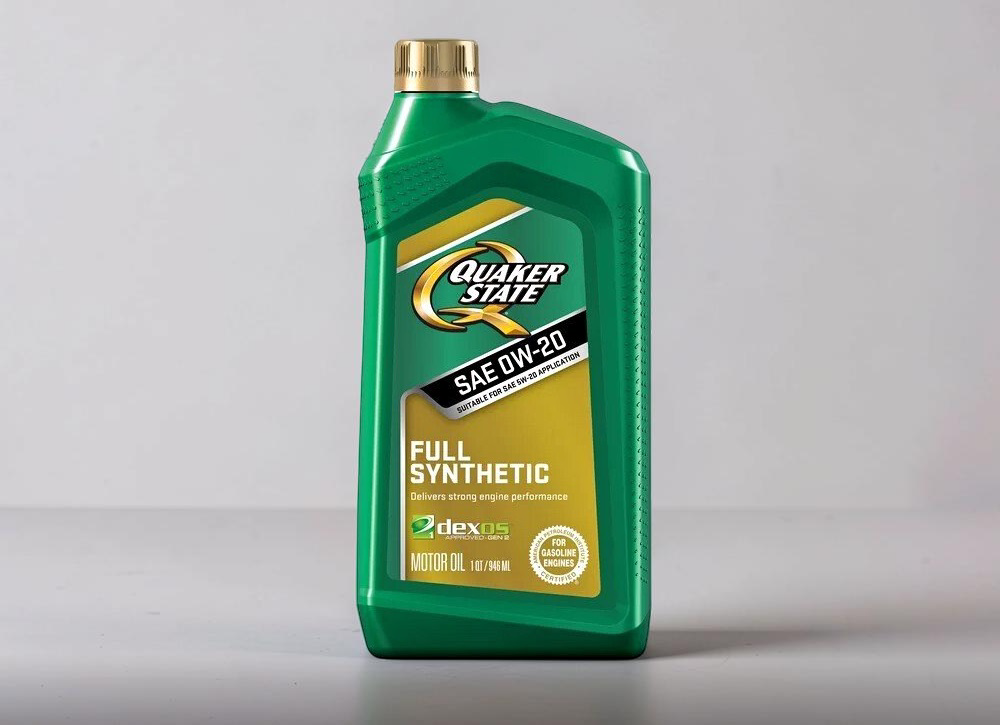
Quaker State sits in the middle of that fight. Today’s formulas carry API SP, ILSAC GF-6A, and dexos1 Gen 3, the same approvals tied to modern turbo engines and factory requirements.
Some oils cost more and promise more. Others cut corners. Let’s sort what this one actually delivers and where it falls short.
1. Shell ownership changed how the oil is engineered today
From Pennsylvania crude to Shell’s global lab system
Quaker State started long before Shell, built on Pennsylvania crude and regional refining. That legacy still shows up in branding. It does not define the current formula.
Shell bought the brand in 2002 and folded it into SOPUS. That move tied Quaker State to the same research system behind Pennzoil and Shell oils. Development shifted from local refining to global engineering.
Formulation now comes from shared base oil sourcing, additive packages, and standardized testing. That controls oxidation resistance, deposit control, and LSPI protection in current bottles. GTL base stocks and modern detergent chemistry come from that pipeline, not legacy refining methods.
The lineup targets value-first protection, not boutique performance bragging
Quaker State meets API SP, GF-6A, and dexos1 Gen 3 requirements for modern engines. The formula targets LSPI control, deposit prevention, and stable viscosity under normal service intervals. Extended drain claims exist, but real driving conditions rarely support them without oil analysis.
Full Synthetic covers daily drivers with API SP, GF-6A, and dexos1 Gen 3. Ultimate Protection adds stronger oxidation resistance and lower volatility under heat. Both meet the same approvals required by modern turbo engines.
No performance marketing. No boutique additive focus. The formula stays centered on meeting OEM specs for daily driving use.
Real market position, strong specs without premium pricing
| Category | What Quaker State delivers | Where it stops short |
|---|---|---|
| Full synthetic class | API SP, GF-6A, dexos1 Gen 3 compliance | No niche or specialty formulations |
| Price tier | Lower retail cost than major issues | Not always the cheapest private label |
| Engine coverage | Modern turbo and DI compatibility | Limited niche or track-focused options |
This places Quaker State in the high-volume synthetic tier. It competes on price-to-spec ratio, not high-temperature film strength above 280°F under sustained track load.
2. The spec sheet proves if the oil survives modern engines or fails early
API SP and GF-6A target the failures ending modern engines
API SP came in to fix real damage patterns. LSPI cracks pistons under low RPM boost. Timing chains stretch when oil film breaks down. Oxidation thickens oil and starves tight passages.
Quaker State Full Synthetic and Ultimate Protection carry API SP and GF-6A. Those specs require control over sludge, oxidation, and chain wear in turbo DI engines.
Miss those targets and engines show it fast. Chain rattle on cold start shows up near 80,000 miles. Oil thickening pushes sump temps past 260°F under load.
dexos1 Gen 3 forces real performance under turbo heat and fuel dilution
GM’s dexos1 Gen 3 spec hits harder than API alone. It tests turbo deposits, aeration, and fuel dilution resistance. Oil has to hold viscosity when fuel washes past rings.
Quaker State carries dexos1 Gen 3 approval across its main synthetic line. That puts it in spec for engines like GM 2.7L turbo and similar DI setups.
Fail this test and oil shears down fast. Viscosity drops out of grade, bearings lose film, and wear metals spike in used oil reports.
Ford and Chrysler approvals expand real-world engine coverage
Ford WSS specs focus on EcoBoost engines. These engines run high boost and tight chain tolerances. Oil must limit LSPI and protect timing sets under load.
Chrysler MS-6395 targets durability in Pentastar and HEMI engines. That includes deposit control and stable viscosity across long service intervals.
Quaker State lists both approvals on current products. That means compatibility across Ford, GM, and Stellantis engines without switching brands or formulas.
GF-7 readiness shows the formula keeps pace with tighter engine design
ILSAC GF-7 raises the bar again. It pushes for better fuel economy and stricter deposit control. New engines run even thinner oils and higher temps.
Quaker State already publishes guidance around GF-7 standards. That signals ongoing formulation updates, not old stock chemistry.
Engines built after 2026 will demand tighter oil control. Film strength and oxidation limits will tighten further under sustained heat near 270°F.
3. Price matters because missed oil changes end more engines than bad oil ever will
Lower price keeps service intervals on track, and that changes engine life
Skip oil changes and engines pay fast. Oil thickens, flow slows, and hot spots form around rings and turbo bearings. That’s where coking starts and seals harden.
Quaker State often sells around $20–$25 for a 5-quart jug, depending on retailer and sales. Competing synthetics can run higher, but pricing overlaps when discounts hit. That gap decides whether oil gets changed at 5,000 miles or pushed past 9,000.
Stretch intervals too far and problems stack up. Timing chains wear faster, turbo shafts coke, and oil control rings stick near 100,000 miles.
Real-world protection stays close to higher-priced oils under normal intervals
Lab data shows small gaps between mainstream synthetics. TBN around 8 holds up through 7,500 to 10,000 miles. Wear metals stay low when oil meets spec and gets changed on time.
Blackstone data often shows similar iron and aluminum levels across major oils when the correct spec is used and intervals stay normal. Fuel economy differences stay within tenths of an MPG.
That means most engines won’t show measurable wear differences between brands at normal intervals, but results still shift with engine design, load, and drain length.
Push past that range and differences show up. Oxidation rises, viscosity drifts, and deposit load increases past safe limits.
Value works only when paired with disciplined maintenance
Cheap oil doesn’t save engines. Consistent service does. Oil that meets spec and gets changed on schedule prevents most wear issues.
Quaker State fits a 5,000–7,500 mile strategy. That matches real-world driving with heat cycles, short trips, and fuel dilution. Extended claims up to 20,000 miles exist, but real conditions rarely support them.
Run short trips and fuel dilution climbs above 2%. Viscosity drops and film strength weakens before 8,000 miles in many turbo engines.
4. The product lineup splits into daily-driver oil and higher-reserve protection
Full Synthetic covers most engines without leaving gaps
Quaker State Full Synthetic targets modern daily drivers. It meets API SP, GF-6A, and dexos1 Gen 3 requirements. That covers turbocharged engines, direct injection, and tight clearances found in 0W-20 and 5W-30 setups.
Additives focus on LSPI control and deposit prevention. Calcium and magnesium detergents balance combustion byproducts. Anti-wear agents like ZDDP protect cam lobes and timing components under thin oil films.
Run it in normal service and it holds grade through 5,000–7,500 miles. Oil pressure stays stable, and cold-start flow protects chains and valve trains below 0°F.
Ultimate Protection adds higher resistance under heat and longer drain stress
Ultimate Protection builds on the same base chemistry. It uses higher-quality base stocks, including GTL components. That improves oxidation resistance and reduces volatility at high temperatures.
Lower NOACK volatility cuts oil burn in turbo engines. Less evaporation means fewer deposits on intake valves and piston crowns. Under load, it resists thickening when sump temps push past 250°F.
Extended intervals up to 20,000 miles are marketed. Real-world use rarely supports that without oil analysis and stable driving conditions.
Product choice comes down to use, not branding or hype
Daily commuting, short trips, and mixed driving favor Full Synthetic. It meets spec and keeps costs low for regular service. Heavy loads, towing, and sustained heat favor Ultimate Protection for added margin.
Both oils share the same approval backbone. The difference shows under stress, not in basic operation. Turbo engines running high boost cycles see oil temps exceed 260°F during sustained load.
5. LSPI hits first, then heat cooks it, deposits finish the job, this oil fights all three
LSPI control protects pistons before the damage shows up
LSPI hits under low RPM and high boost. The cylinder fires early and slams the piston upward. Rod bearings take the hit, and pistons crack near the ring lands.
Quaker State uses updated detergent chemistry to reduce that risk. Calcium levels are balanced with magnesium to control combustion events. API SP requires this change, and engines built after 2018 depend on it.
Ignore LSPI protection and failures come fast. Turbo DI engines can break pistons before 60,000 miles under repeated knock events.
Heat and oxidation decide how long the oil survives real driving
Oil breaks down under sustained heat. Turbochargers push oil past 250°F during boost cycles. Stop-and-go traffic adds repeated heat spikes with poor airflow.
Quaker State’s synthetic base stocks resist oxidation longer. GTL components reduce impurities and improve stability under heat. That slows thickening and keeps oil flowing through tight passages.
When oxidation wins, oil turns dark and thick. Flow drops, lifters tick, and turbo bearings start to coke around 120,000 RPM shaft speeds.
Volatility and deposits control oil consumption and intake buildup
High volatility oil burns off under heat. That raises oil consumption and leaves carbon behind. Direct injection engines already struggle with intake valve deposits.
Lower NOACK volatility limits evaporation. That reduces oil burn and slows deposit formation on valves and piston crowns. Cleaner burn keeps rings free and compression stable over time.
Excess volatility leads to visible loss. Engines can burn 1 quart every 1,000 miles once deposits lock oil control rings.
6. Where Quaker State falls short shows up under extreme use and niche demands
High-end performance oils still hold an edge under extreme load
Track driving pushes oil beyond street limits. Oil temps climb past 280°F during sustained laps. Shear forces thin the film under high RPM and load.
Quaker State handles daily driving and moderate load without issue. It is not built for sustained high-heat or heavy-load operation. Some specialty oils use ester-rich blends and higher HTHS viscosity for those conditions.
Run repeated high-load cycles and film strength drops faster. Bearing wear increases once viscosity shears below grade.
Extended drain claims run into real-world limits fast
Marketing stretches drain intervals toward 15,000–20,000 miles. Real driving rarely matches lab conditions. Short trips, fuel dilution, and heat cycles degrade oil faster.
Fuel dilution above 2% lowers viscosity and weakens film strength. Oxidation rises as additives deplete under repeated heat. Even strong synthetics lose protection before those extended targets in mixed driving.
Push oil past safe limits and timing chains stretch. Sludge forms in low-flow areas near 10,000 miles under severe service.
Euro approvals require exact matches, not brand loyalty
European engines demand specific approvals like BMW LL-01 or MB 229.5. These specs control ash levels, viscosity stability, and long drain performance.
Quaker State offers Euro formulas, but coverage varies by grade. Not every bottle meets those strict requirements. Using the wrong spec risks deposit buildup and turbo damage.
Miss the required approval and warranty coverage can be denied. Repair costs for turbo failure often exceed $2,000.
7. The warranty backs the oil, but the details control the payout
The 300,000-mile warranty signals confidence in long-term durability
Quaker State offers a Lubrication Limited Warranty up to 10 years or 300,000 miles. Coverage includes internal parts like pistons, crankshafts, and timing components tied to lubrication failure.
That promise ties directly to maintenance behavior. The company expects the oil to hold up under normal service intervals and conditions. It also shows internal testing confidence in wear control and oxidation stability over long use.
Cash-back incentives tie the brand to long-life engine outcomes
The program includes a payout if a vehicle reaches 300,000 miles. That value is based on Kelley Blue Book trade-in numbers, capped at $3,000.
This pushes the brand toward long-term ownership, not short-cycle maintenance. Engines must stay alive through repeated heat cycles, wear loads, and extended mileage accumulation.
Most engines fail before that mark without strict maintenance. Major failures like bearing damage or oil starvation often show up before 200,000 miles.
The details decide whether coverage applies or gets denied
Enrollment is required before claims count. Oil change records must be documented and consistent. Missed intervals or missing receipts can void coverage.
Oil must meet the correct spec for the engine. Wrong viscosity or missing approvals can trigger denial. Claims depend on proving oil-related failure, not general wear or neglect.
Engine teardown and inspection determine eligibility. A single missed interval can invalidate a claim tied to a $5,000 engine replacement.
8. This is where the oil either protects or costs you an engine
Real-world protection lines up with modern engine demands
Quaker State meets current specs that matter in daily driving. API SP, GF-6A, and dexos1 Gen 3 cover LSPI, deposits, and wear control. That keeps timing chains stable, pistons clean, and turbo bearings lubricated under normal load.
Used oil data shows wear metals stay low when intervals stay reasonable. Iron, aluminum, and lead levels track similar to higher-priced synthetics in the same class.
Engines maintained on schedule often pass 200,000 miles without internal failure tied to lubrication.
Maintenance discipline outweighs brand choice in engine survival
Oil quality matters, but timing matters more. Missed intervals lead to sludge, varnish, and restricted oil flow. That drives lifter noise, chain stretch, and oil consumption.
A lower-cost synthetic changed on time beats a premium oil pushed too far. Short trips, heat cycles, and fuel dilution demand tighter service intervals.
Stretch oil beyond safe limits and failure patterns show early. Sludge buildup and ring sticking can start before 120,000 miles.
Run it on time and it protects, push it too far and it doesn’t
Quaker State meets current engine specs and protects under normal operating conditions. It fits daily driving, turbocharged engines, and high-mileage use on standard service intervals.
It is not built for extended drain use or sustained high-load operation. Performance depends on using the correct spec and keeping oil change intervals consistent.
Run it within 5,000–7,500 miles and it holds grade, controls deposits, and protects moving parts under normal operating loads.
Sources & References
- Quaker State (Motor Oil Brand) – Study Guide | StudyGuides.com
- Quaker State – Wikipedia
- Shell Owns All 6 Of These Popular Motor Oil Brands
- Quaker State & ILSAC GF-6
- Quaker State (Motor Oil Brand) – Overview – StudyGuides.com
- Pennzoil-Quaker State Company | Encyclopedia.com
- Quaker State® Motor Oil
- What is [in your opinion and/or provided with facts] the best brand of engine oil. – Reddit
- Synthetic Oil Base Stocks Explained: PAO, Group III, GTL, Esters –What’s Really Inside Your Oil #346 – YouTube
- Quaker State 0W-20 : Full Synthetic Vs Ultimate Protection Full Synthetic ? : r/AskAMechanic – Reddit
- Quaker State Ultimate Protection Full Synthetic 5W-30 Motor Oil, 5 Quart – Ubuy Bhutan
- Quaker State Ultimate Durability Full Synthetic SAE 5W-30 dexos1
- Motor Oil Comparison Testing – amsoil
- Quaker State® Ultimate Protection Full Synthetic motor oil
- Quaker State: new Ultimate Protection [Walmart] vs Full Synthetic : r/AskMechanics – Reddit
- Quaker State® Full Synthetic Motor Oil
- (5 pack) Quaker State Ultimate Protection Full Synthetic 5W-20 Motor Oil, 5 Quart – Walmart
- GF-7A and GF-7B Oil Specs | Reading Bottle Labels – Quaker State
- Quaker State Ultimate Protection Full Synthetic 5W-30 Motor Oil, 5 Quart – Walmart.com
- Quaker State® Ultimate DurabilityTM European 5W-40 Full Synthetic Motor Oil
- Quaker State Euro L Full Synthetic SAE 5W-30 Motor Oil | PDF – Scribd
- Popular Synthetic Oil Brands Ranked Worst To Best
- Quaker State – Blackstone Laboratories
- Better Mileage with Synthetic? – Blackstone Laboratories
- Quaker state oil vs others? : r/Hyundai
- Full Synthetic vs High Mileage: Which is Better for Your Vehicle? – Commercial Tire
- Quaker State® High Mileage motor oil
- Full Synthetic Vs. High Mileage Oil: Which Should You Use? – Jalopnik
- Quaker State® All Mileage motor oil
- Quaker State All Mileage SAE 5W-30 Motor Oil
- Warranty | Quaker State
- Customer reviews for Quaker State Ultimate Durability 5W20 Motor Oil, 5 qt | Walmart.com
- Customer reviews for Quaker State Motor Oil, 10W-30, 5 Quart | Walmart.com
- Reviews for Quaker State SAE 5W-30 Motor Oil 5Qt. | Pg 2 – The Home Depot
- Quaker State High Mileage Conventional 5W-30 Motor Oil 5 Quart Reviews – Auto Parts at AutoZone
- Best Sellers In Engine Oil 5w-30 Full Synthetic – Walmart
- (5 pack) Quaker State Full Synthetic 5W-30 Motor Oil, 5-Quart – Walmart.com
- Quaker State Oil in Motor Oil by Brand – Walmart.com
- Best Sellers In Motor Oils – Walmart